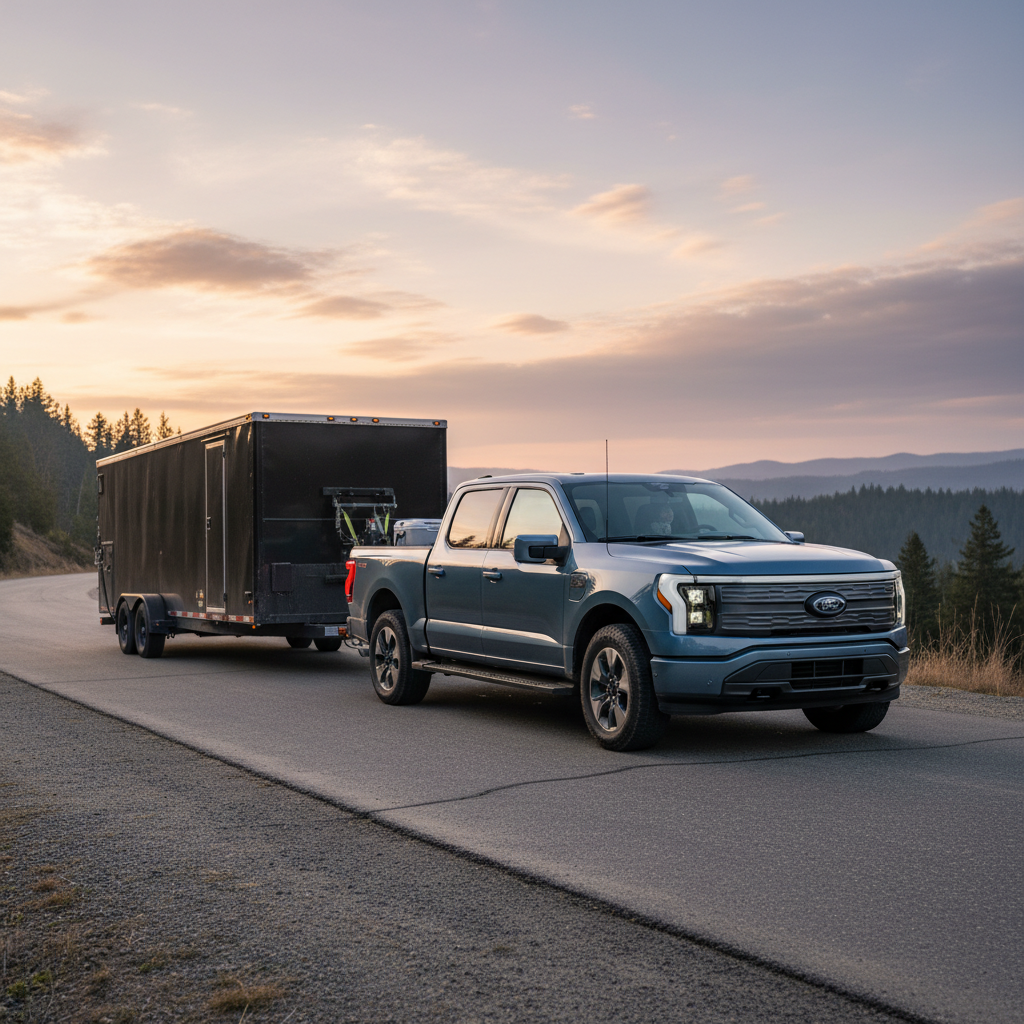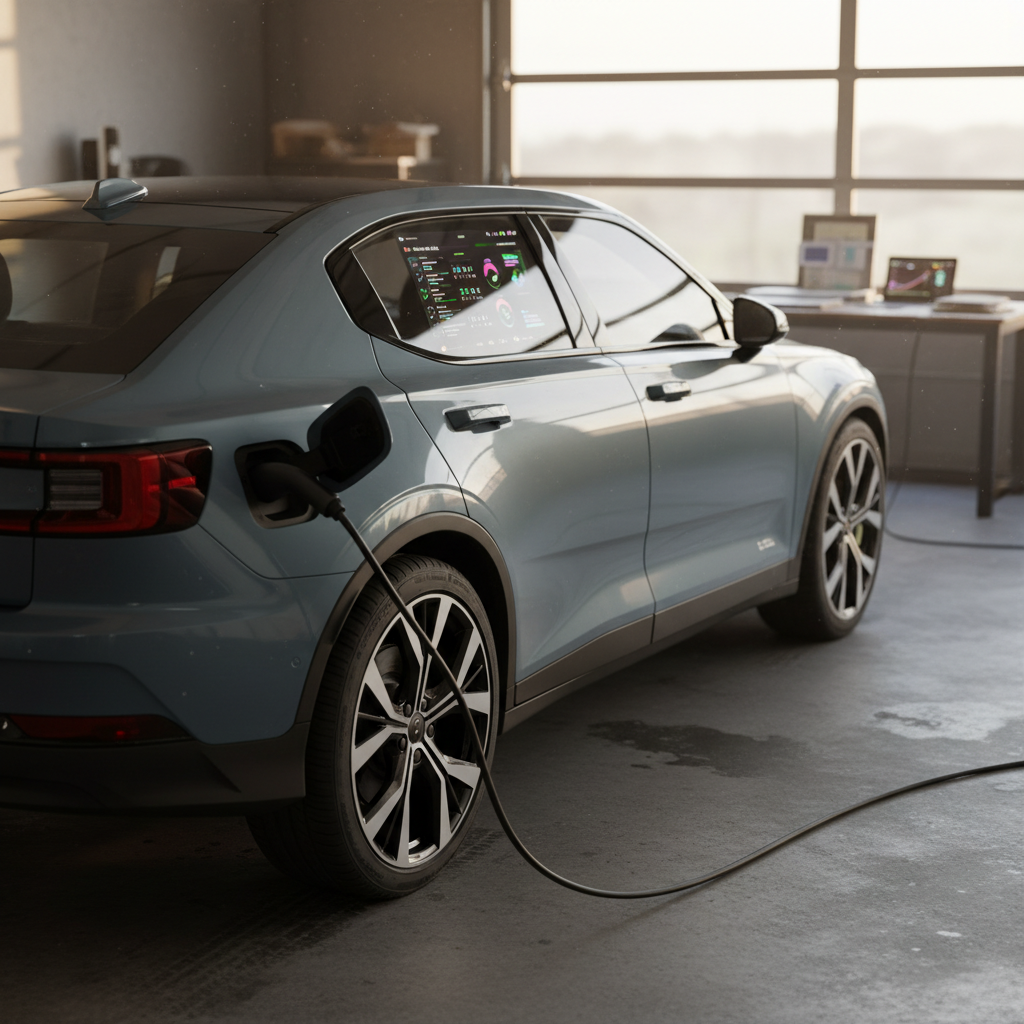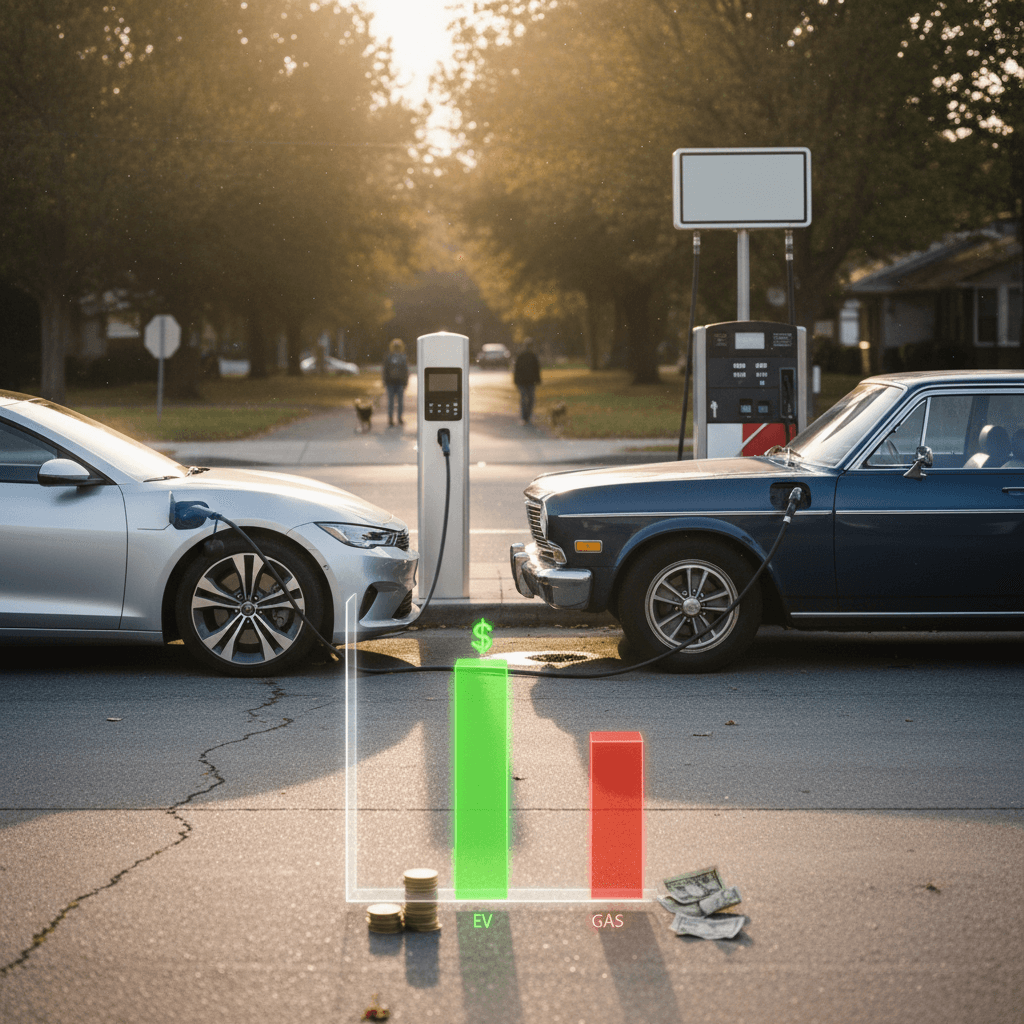
When people talk about EV vs ICE efficiency, they’re really asking one simple question: “Out of all the energy I pay for, how much actually moves the car?” Once you look under the hood, literally and figuratively, the difference between electric vehicles (EVs) and internal combustion engine (ICE) cars isn’t subtle. It’s a landslide.
Key takeaway
EV vs ICE efficiency: the basics
Efficiency is just a measure of how well a vehicle turns energy into motion. Gas cars burn fuel in an engine, losing most of that energy as heat. EVs use an electric motor, which is inherently much more efficient at turning energy into torque.
Where the energy goes: EV vs ICE at a glance
Same goal, very different amounts of waste heat
Internal combustion (ICE) vehicle
- Energy source: Gasoline or diesel in a fuel tank
- Core process: Small controlled explosions in cylinders
- Typical efficiency: ~16–25% of fuel energy reaches the wheels
- Big losses: Engine heat, idling, friction in multi-gear transmission
Electric vehicle (EV)
- Energy source: Electricity stored in a battery pack
- Core process: Electric motor converts current directly to motion
- Typical efficiency: ~87–91% of battery energy reaches the wheels
- Big losses: Battery charging, inverter, some drivetrain friction
Think in systems, not just parts
How much energy actually reaches the wheels?
Tank-to-wheel vs battery-to-wheel efficiency
If you fill a gas tank with energy equal to 100 units, only about 16–25 of those units ever push the car forward. The rest become engine heat, sound, and friction. Put 100 units into an EV battery, and around 87–91 units show up as motion at the wheels. That’s the core of the EV vs ICE efficiency story: an EV doesn’t need nearly as much energy to do the same job.
Why ICE vehicles waste so much energy
- Combustion losses: Burning fuel inside cylinders is inherently messy; a lot of energy exits via the exhaust or radiator.
- Idling: The engine burns fuel even when you’re stopped.
- Pumping & friction: Moving air and fuel, spinning shafts, and pushing oil all steal energy.
- Transmission losses: Multi-gear transmissions and torque converters add extra drag.
Why EVs are so efficient
- Electric motors: Very high conversion efficiency from electrical energy to torque.
- No idling: When you’re stopped, the motor uses almost no energy.
- Regenerative braking: Captures energy you’d otherwise throw away as heat.
- Simpler drivetrains: Often just a single-speed reduction gear, with less friction overall.
MPG vs MPGe: making gas and electricity comparable
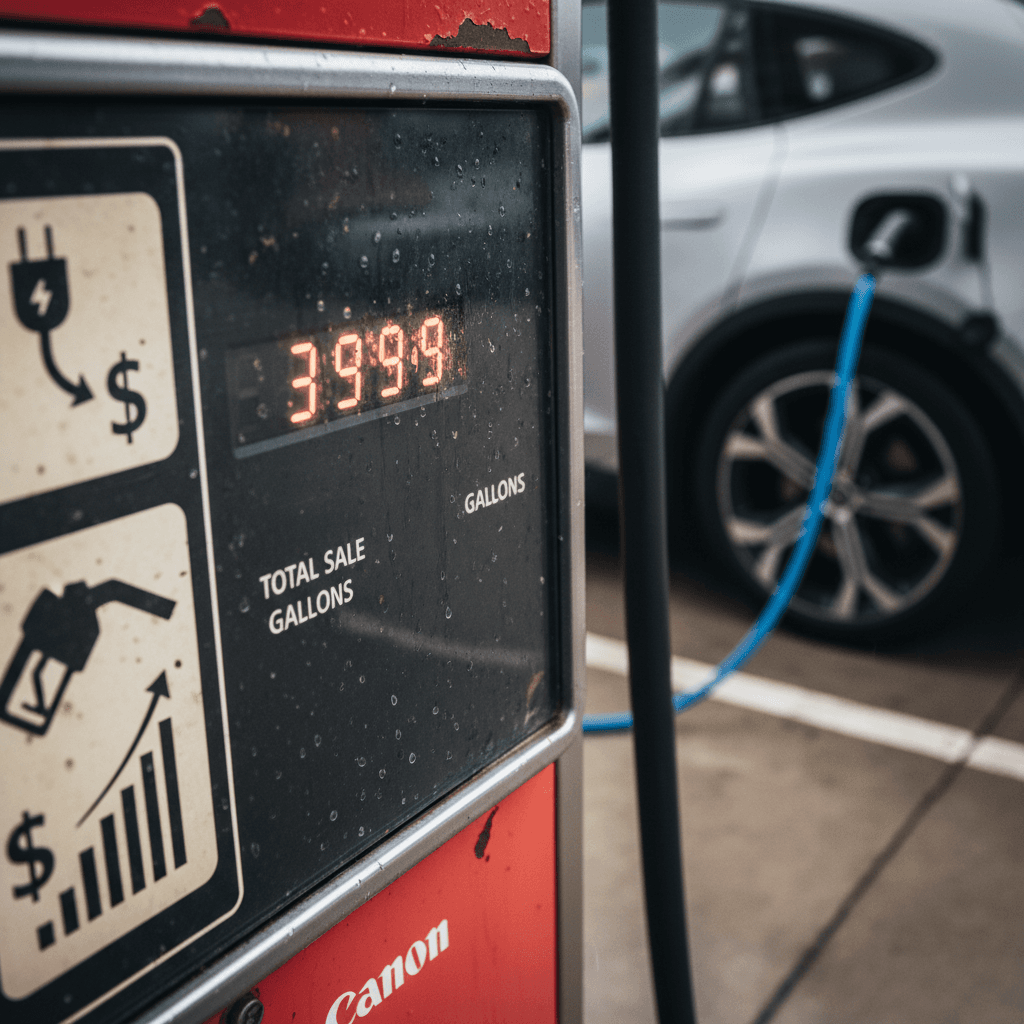
To compare EV vs ICE efficiency in a way drivers recognize, the EPA uses miles per gallon equivalent (MPGe). It assumes one gallon of gasoline contains 33.7 kWh of energy. The question becomes: if you gave the car that much energy, either as gas or as electricity, how far would it go?
EPA-rated efficiency: EVs vs gas cars (model year 2024 snapshots)
Illustrative ranges based on 2024 EPA data for modern vehicles of similar size. Individual models vary, but the pattern is consistent: EVs go much farther on the same energy.
| Vehicle type | Example size | Typical efficiency | What it means |
|---|---|---|---|
| Gasoline SUV | Small to midsize SUV | 25–30 MPG | 25–30 miles on the energy in one gallon of gasoline. |
| Efficient hybrid | Compact / midsize car | 45–57 MPG | Strong for a combustion vehicle, but still limited by engine losses. |
| Less efficient EV | Large, heavy EV | ~53–70 MPGe | Similar or slightly better than the best hybrids on an energy-equivalent basis. |
| Typical EV | Mainstream compact or SUV | 90–120 MPGe | Roughly 2–3× the efficiency of a comparable gas vehicle. |
| Very efficient EV | Sedan optimized for aero | 130–140 MPGe | 4×+ the efficiency of many gas SUVs on an energy-equivalent basis. |
EVs routinely exceed 100 MPGe, while even efficient gas cars top out around the mid‑50s MPG.
MPGe ≠ your electricity bill
EV vs ICE efficiency at the pump and the plug
Energy efficiency only matters if it shows up in your wallet. Because EVs use far less energy to travel the same distance, they usually win on cost per mile even when electricity isn’t cheap.
Simple cost-per-mile comparison
Let’s compare a typical gas SUV and a mainstream EV driven in the U.S. today:
- Gas SUV: 27 MPG, gasoline at $3.75/gal → about $0.14 per mile.
- EV crossover: 3.0 mi/kWh, home electricity at $0.15/kWh → about $0.05 per mile.
Even if your electricity is more expensive, say $0.22/kWh, your cost is still only about $0.07 per mile, roughly half the SUV’s fuel cost.
Where cost-per-mile can creep up
- Heavy, inefficient EVs: Big trucks or performance EVs that get 1.5–2.0 mi/kWh will cost more to run than a compact EV at 4 mi/kWh.
- Frequent DC fast charging: Public fast chargers often charge a premium per kWh.
- Peak-hour rates: In some utilities, charging during weekday evenings is much pricier than overnight.
- Extreme climates: Very cold or hot weather can temporarily raise energy use per mile.
Why efficiency matters for your budget
Well-to-wheel and life cycle efficiency
So far we’ve focused on what happens inside the vehicle. But energy losses and emissions also occur before fuel or electricity ever reaches the car. That’s where well-to-wheel and life cycle efficiency come in.
From source to street: where energy is lost
Both gasoline and electricity have upstream losses, but ICE vehicles add a huge tailpipe penalty.
Gasoline vehicle (well-to-wheel)
- Extraction & refining: Energy used to drill, pump, ship, and refine crude oil.
- Distribution: Fuel is trucked or piped to stations, adding more losses.
- Vehicle operation: Tailpipe CO₂ and pollutants; 3/4 of total life cycle emissions can come from burning fuel.
Even before combustion losses in the engine, a meaningful chunk of energy is spent just getting fuel into the tank.
Electric vehicle (well-to-wheel)
- Power generation: Electricity may come from coal, gas, nuclear, hydro, wind, or solar.
- Transmission & distribution: High-voltage lines and local grids lose some energy as heat.
- Charging & battery: Converting AC to DC and storing energy in the battery adds modest losses.
Upstream emissions depend heavily on your grid mix, but the efficient motor and lack of tailpipe emissions still give EVs a big net advantage.
When you add everything up, manufacturing, energy production, and driving, a modern compact or small SUV EV sold in 2024 typically produces roughly half the life cycle greenhouse gas emissions of a comparable gasoline vehicle over its lifetime, even on today’s mixed grid. As grids add more renewables, that advantage grows.
Don’t over-index on battery manufacturing
What actually affects EV efficiency in the real world
Not all EVs are created equal. Just like gas cars, some are miserly with energy and others are gluttons. If you’re comparing EV vs ICE efficiency for your own use case, it helps to understand what moves the needle.
6 key drivers of real-world EV efficiency
Same battery size, very different range and energy use
Aerodynamics
Weight
Speed & driving style
Climate
Powertrain tuning
Terrain & load
Quick win: adjust your speed
What EV vs ICE efficiency means when you’re buying used
If you’re shopping the used market, efficiency isn’t just a science-project metric, it’s a practical way to keep running costs down and make sure the range fits your life. That’s exactly why Recharged bakes efficiency and battery health into every Recharged Score report.
How efficiency shows up in the real world
- Lower energy bills: An EV that averages 3.8 mi/kWh instead of 2.5 mi/kWh can save hundreds of dollars a year for higher‑mileage drivers.
- More usable range: Efficient EVs squeeze more miles out of a given battery size, which is especially helpful if public chargers are sparse where you live.
- Smaller battery, same job: A highly efficient EV can deliver the same real‑world range as a less efficient one with a much larger, more expensive battery.
How Recharged helps you compare
- Recharged Score battery diagnostics: See how much capacity the pack has retained vs when it was new.
- Transparent range expectations: Understand realistic range today, not just the original window-sticker number.
- Fair market pricing: Efficiency, battery health, and market data all factor into the price we show you.
- Specialist guidance: Talk with EV‑savvy advisors about how a specific car’s efficiency will feel in your daily driving.
Want to put EV efficiency to work for you?
Ready to find your next EV?
Browse VehiclesChecklist: choosing a more efficient EV
Practical steps to maximize efficiency gains over ICE
1. Prioritize body shape and size
If you don’t genuinely need a massive truck or three‑row SUV, a smaller crossover or sedan can deliver far better efficiency and lower running costs.
2. Compare EPA efficiency, not just range
Look at the EV’s <strong>MPGe and mi/kWh</strong> ratings. Two cars with the same rated range can have very different energy use and cost per mile.
3. Consider your charging profile
If you’ll mostly charge at home overnight, efficiency savings stack up quickly. If you rely on expensive public fast charging, a particularly efficient model becomes even more valuable.
4. Factor in your climate and driving mix
Cold winters, hot summers, long high‑speed commutes, or hilly terrain all magnify the differences between efficient and inefficient EVs.
5. Check battery health on used EVs
A healthy battery preserves both range and efficiency. Use tools like the <strong>Recharged Score</strong> to understand current capacity before you buy.
6. Test‑drive for driving style fit
Some EVs encourage relaxed, efficient driving with good one‑pedal feel and regen tuning. Make sure the car’s character aligns with how you actually drive.
EV vs ICE efficiency: frequently asked questions
EV vs ICE efficiency: FAQs
Bottom line: how big is the EV efficiency advantage?
When you strip away the marketing and politics, EV vs ICE efficiency comes down to physics. Burning fuel in a small metal box under your hood wastes most of the energy you pay for. Spinning an electric motor does not. That’s why EVs routinely deliver triple the useful motion per unit of energy, lower running costs, and far lower life cycle emissions, especially as the grid gets cleaner.
If you’re looking at your next car, that efficiency advantage isn’t an abstract spec sheet number. It’s money you don’t spend at the pump, range you don’t stress about on your commute, and pollution that never has to be cleaned up. And if you’re exploring the used EV market, Recharged can help you find a vehicle where that efficiency story is backed by verified battery health, fair pricing, and expert guidance from search to delivery.