If you live in North Carolina and you’re comparing EV vs gas savings in 2026, the headlines about gas price spikes and EV adoption don’t answer the only question that matters: how much will you actually save on your real-world driving. This guide runs the numbers using 2026 North Carolina energy prices, explains when EVs win big, and shows how a used EV can tilt the math even more in your favor.
Quick takeaway for busy NC drivers
Why EV vs gas savings look different in North Carolina
Most national EV vs gas comparisons use broad U.S. averages. But North Carolina has its own mix of factors that push the savings in a slightly different direction:
- Electricity prices are moderate by national standards, roughly in the mid-teens cents per kWh for residential customers as of 2025–2026, depending on your utility and usage tier.
- Gasoline prices have historically been below the national average, but by early 2026 NC drivers are still seeing pump prices north of $3 per gallon in many areas as national averages move higher.
- North Carolina levies a relatively high state gas tax (about 40¢ per gallon), which quietly bakes fuel costs into every fill‑up.
- Winters are mild, so EV range losses from cold weather are smaller than in northern states, helping electric efficiency. Summers are hot and humid, which does increase AC use, but that affects gas and electric alike.
Put together, you end up with a state where EVs don’t enjoy rock‑bottom electricity, but they do benefit from a relatively cheap grid compared to many coastal states and from the ability to avoid that 40‑cent‑per‑gallon gas tax on every mile.
North Carolina 2026 energy snapshot (big picture)
2026 energy prices in North Carolina: gas vs electricity
No cost comparison works without assumptions. Here are the 2026‑ish North Carolina numbers this guide will use. They’re simplified, but anchored in current trends and recent data from federal and state sources.
Working assumptions for 2026 NC cost comparison
You can plug in your own numbers later, but these keep the math concrete.
Gasoline in North Carolina
- Pump price: We’ll use $3.25/gal as a conservative 2026 average for regular unleaded in NC. That’s roughly in line with recent statewide pricing when national averages hover around or above $3.40.
- State gas tax: About 40¢ per gallon is already baked into what you pay at the pump.
- Efficiency baseline: 26 mpg for a typical non‑hybrid gas car.
Electricity in North Carolina
- Home electricity: We’ll use an all‑in average of $0.14/kWh for residential customers in 2025–2026. Many NC households will be within a cent or two of this.
- Public Level 2: Often around $0.25–0.35/kWh in NC, depending on the network.
- DC fast charging: Commonly in the $0.35–0.50/kWh range, and sometimes more along busy corridors.
- EV efficiency: 30 kWh/100 miles (~3.3 mi/kWh) for a practical, non‑hyper‑miling estimate.
Assumptions, not guarantees
Cost per mile: EV vs gas in North Carolina (2026)
With those inputs, we can now answer the core question: How much does it cost to drive a mile on electricity vs gas in North Carolina in 2026? We’ll start with simple fuel/energy costs only, no maintenance, insurance, or purchase price yet.
Estimated 2026 NC energy cost per mile: EV vs gas
Using realistic North Carolina energy prices and average vehicle efficiencies.
| Scenario | Vehicle & usage | Energy price assumption | Fuel/energy cost per mile | Energy cost per 12,000 miles |
|---|---|---|---|---|
| Baseline NC gas car | 26 mpg gas car, mixed driving | $3.25/gal | $0.13/mi | $1,500 |
| Efficient NC hybrid | 50 mpg hybrid | $3.25/gal | $0.065/mi | $780 |
| EV, mostly home charging | EV at 30 kWh/100mi, 90% home at $0.14/kWh, 10% public L2 at $0.30/kWh | Blended ≈$0.16/kWh | ≈$0.048/mi | ≈$580 |
| EV, mix of home + DC fast | EV at 30 kWh/100mi, 60% home at $0.14, 40% DC fast at $0.40 | Blended ≈$0.24/kWh | ≈$0.072/mi | ≈$860 |
| EV, heavy DC fast use | EV at 30 kWh/100mi, 80% DC fast at $0.40, 20% home at $0.14 | Blended ≈$0.35/kWh | ≈$0.105/mi | ≈$1,260 |
EVs win biggest when you can charge at home most of the time. Public DC fast charging is convenient, but it narrows the savings gap.
The one number to remember
Annual savings for different NC drivers
No one drives "average" miles in perfect conditions. So let’s look at how the EV vs gas math plays out for different kinds of North Carolina drivers in 2026. We’ll keep things simple and just compare fuel/energy costs, then talk about maintenance and other factors in a moment.
How much can NC drivers save on fuel with an EV?
Three realistic 2026 scenarios using 12,000 miles per year as a reference.
Urban / Triangle commuter
Profile: 10–12k miles/year, mostly Raleigh–Durham–Chapel Hill or Charlotte metro, easy access to home or workplace Level 2.
- Gas car @ 26 mpg: ≈$1,500/year in fuel.
- EV, 90% home charging: ≈$580/year in electricity.
- Approx. savings: ≈$920/year in energy alone.
Over 5 years, that’s around $4,500 before you even factor in lower maintenance.
Suburban family in Greensboro or Wilmington
Profile: 15k miles/year of school runs, weekend trips to the coast or mountains, home Level 2 charger.
- Gas car: ≈$1,875/year in fuel.
- EV, 80% home + 20% public L2: ≈$840/year in electricity.
- Approx. savings: ≈$1,000/year.
Higher mileage magnifies the savings, this is where EV economics in NC start to shine.
Road‑trip heavy Blue Ridge driver
Profile: 18k miles/year, frequent Asheville–Piedmont trips, lots of DC fast charging along I‑40/I‑77.
- Gas car: ≈$2,250/year in fuel.
- EV, 60% home + 40% DC fast: ≈$1,290/year in electricity.
- Approx. savings: ≈$960/year.
Even relying heavily on fast charging, an EV still usually beats a conventional gas car on fuel costs in NC.
Maintenance tilts the scales further
So far we’ve only talked about energy. In reality, EVs usually cost less to maintain than gas cars: no oil changes, fewer moving parts, and less brake wear thanks to regenerative braking. Nationally, annual maintenance savings for EVs are often estimated in the $200–$400/year range vs a comparable gas car.
In North Carolina context
Combine that with NC’s fuel savings and a typical driver in 2026 might see total running‑cost savings of $1,000–$1,300 per year (fuel + maintenance) versus a conventional gas car, especially if they put decent miles on the car and mostly charge at home.
Home charging vs public charging in North Carolina
Your personal EV vs gas savings in North Carolina hinge on one big practical question: Where will you charge most of the time? The state’s energy prices make home charging a very different proposition from relying on DC fast chargers.
Home vs public charging: what NC drivers should consider
1. Access to a 240V outlet or Level 2
If you own your home (or have a cooperative landlord), a simple 240V outlet or wall‑mounted Level 2 charger turns your garage or driveway into the cheapest "fuel station" in town. At NC electricity prices, this is where you unlock the ~5¢/mile energy cost.
2. Apartment and condo realities
If you live in a Charlotte high‑rise or a Raleigh apartment complex without dedicated EV parking, you may need to rely more on public charging. Some buildings are adding Level 2 in 2026; others lag. Your savings will depend on whether you can plug in cheaply at work or at slower, less expensive public chargers.
3. Public Level 2 sweet spot
Many NC public Level 2 stations (especially those run by municipalities or employers) are either free or significantly cheaper than DC fast charging. If you can’t charge at home but have reliable Level 2 at work, your per‑mile cost can stay close to the home‑charging scenarios.
4. When DC fast charging makes sense
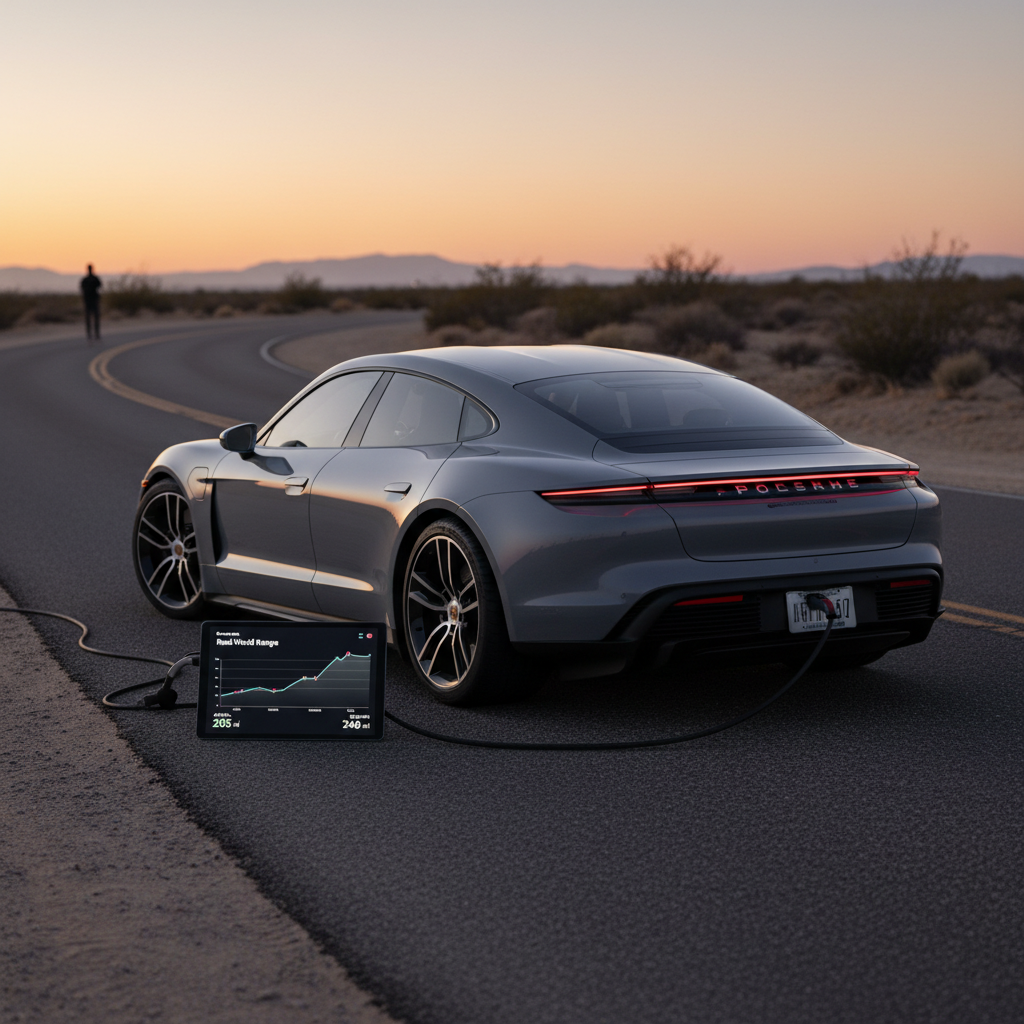
DC fast charging is like paying highway rest‑stop convenience prices. It’s worth it for road trips and emergencies, but if it becomes your primary "fuel," your cost per mile can creep close to a gas car, especially compared with an efficient hybrid.
5. Time vs money trade‑offs
Charging at home overnight in North Carolina is both cheaper and more convenient, because you start each morning with a "full tank." Public DC fast charging is faster but requires detours and wait time, which is fine occasionally but annoying if it’s a weekly ritual.
Best‑case NC savings recipe
Upfront costs, used EVs, and payback time
Fuel and maintenance savings only matter if they justify whatever you pay to get into the car in the first place. In 2026, new EVs still tend to carry higher sticker prices than comparable gas models. But used EV prices have come down sharply, and that’s where the economics get interesting for North Carolina households.
Simple payback examples for NC buyers in 2026
How long it might take energy + maintenance savings to offset a higher purchase price.
| Scenario | Upfront price difference | Annual savings (fuel + maintenance) | Simple payback period |
|---|---|---|---|
| New EV vs comparable new gas SUV | EV costs $6,000 more | ≈$1,200/year | ≈5 years |
| Used EV vs similar used gas sedan | Used EV costs $3,000 more | ≈$1,000/year | ≈3 years |
| Used EV vs similar used hybrid | Used EV costs $1,500 more | ≈$500–$600/year | ≈2.5–3 years |
Real‑world payback also depends on resale values, financing costs, and how long you keep the car, but this gives you a directional sense.
Why used EVs punch above their weight in NC
NC incentives, taxes, and policies that shift the math
Unlike some West Coast states, North Carolina doesn’t layer on huge state‑level EV rebates. But a mix of federal incentives, state taxes, and utility programs still moves the EV vs gas equation.
Key 2026 policy levers for EV vs gas in North Carolina
Not all are headline incentives, but they all affect your wallet.
Federal tax credits on EVs
For 2026, many new EVs still qualify for a federal Clean Vehicle Credit of up to $7,500, subject to battery sourcing, price caps, and income limits. Some used EVs qualify for a smaller federal credit as well. These credits don’t change per‑mile costs, but they can erase the upfront price gap, accelerating your payback time.
North Carolina fuel and EV fees
North Carolina charges a higher gas tax than many states, which EV drivers effectively avoid each time they skip the pump. To balance this, NC also imposes an annual EV registration fee (and an extra fee for plug‑in hybrids). That fee trims your net savings slightly but doesn’t erase the fuel and maintenance advantage.
Utility EV programs
Some NC utilities offer time‑of‑use rates that make off‑peak overnight charging notably cheaper, and a few run pilot programs that provide discounted chargers or installation support. If you can shift most charging to off‑peak hours, your EV cost per mile can drop even further below our conservative assumptions.
Future‑proofing against volatility
Gas prices are notoriously volatile, as NC drivers saw in 2022 and again during more recent geopolitical shocks. Electricity prices move too, but typically more slowly. Driving an EV in North Carolina gives you a measure of insulation from oil price spikes and refueling disruptions.
Real-world factors that can eat into or boost your savings
The tidy tables above hide a messy truth: how you drive and what you buy matter just as much as North Carolina’s energy prices. Here are the key real‑world factors that move your personal EV vs gas savings up or down.
- Driving style: Aggressive acceleration and high highway speeds hit EV and gas efficiency, but the penalty is often steeper for gas cars. A calm driver widens the EV advantage.
- Vehicle choice: A large, boxy, dual‑motor SUV will use more kWh per mile than a compact hatchback. Just like gas cars, a thirsty EV narrows the savings gap versus a modest hybrid.
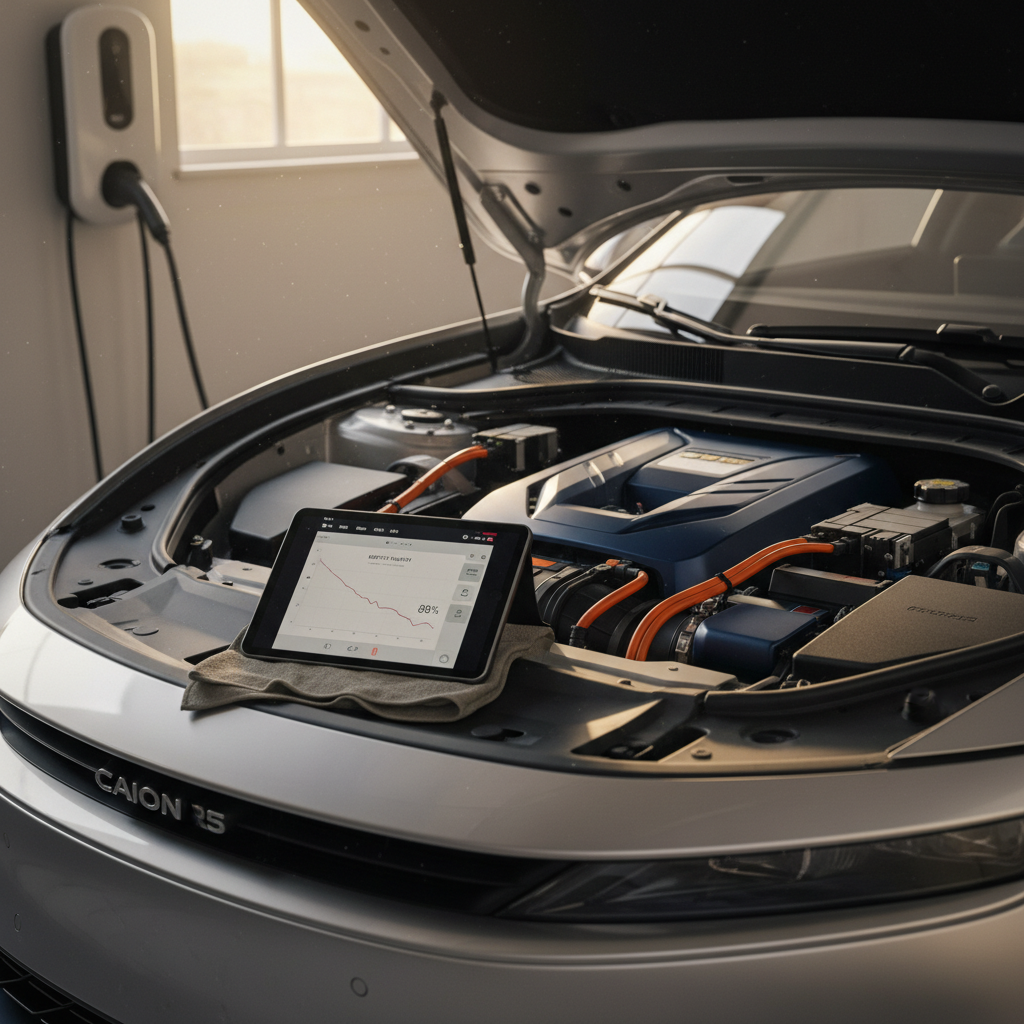
- Battery health: An older EV with a significantly degraded battery may need more frequent fast charging on road trips, which can erode your cost advantage if you’re constantly paying highway‑rest‑stop prices.
- Climate control: North Carolina summers push drivers to run the AC. That’s an extra load on both EVs and gas cars but tends to be a moderate hit, nothing like a Minnesota winter’s impact on EV range.
- Charging access stability: If your HOA suddenly bans outdoor charging cables, or your office loses workplace charging, your reliance on pricier public networks can creep up over time.
When an EV might not save you money in NC
How Recharged helps NC buyers actually capture those savings
The math is one thing; making the right EV choice for your life in North Carolina is another. That’s where Recharged is designed to help.
Turning theoretical savings into real money in your pocket
What Recharged brings to the table for NC EV shoppers in 2026.
Verified battery health with the Recharged Score
Every vehicle on Recharged comes with a Recharged Score Report that includes verified battery health diagnostics. For a used EV in, say, Raleigh or Asheville, this matters: a healthy battery means fewer surprise fast‑charge stops, better efficiency, and more years of strong savings vs gas.
Transparent total cost picture
Recharged pricing tools are built around fair market values for used EVs. That makes it easier to understand whether you’re paying an upfront premium and, if so, how many years of NC fuel and maintenance savings it will take to break even.
Financing, trade‑in, and delivery
Because Recharged offers financing, trade‑in options, and nationwide delivery, you can treat the EV vs gas calculation holistically: the monthly payment, fuel savings, and potential tax credits all show up in one consolidated picture instead of scattered estimates.
Guidance tailored to where you live
An EV specialist from Recharged can help you think through practical questions like: "Do I have a good place to charge in Cary?", "Is this battery size enough for my Winston‑Salem to Charlotte trips?", or "Should I prioritize efficiency or AWD for my mountain driving?"
Experience Center access
If you’re willing to make the trip, you can visit the Recharged Experience Center in Richmond, VA for in‑person guidance and test drives, still very reachable for many Triangle and Piedmont drivers who want to kick the tires before committing.
Fully digital, if you prefer
If you’re already sold on the economics and just want the right car, Recharged offers a fully digital retail experience. You can compare used EV options, review battery health, arrange financing, and schedule delivery to North Carolina without ever visiting a dealership.
FAQ: EV vs gas savings in North Carolina (2026)
Frequently asked questions for NC drivers
Bottom line: should a North Carolinian go EV in 2026?
If you’re weighing EV vs gas savings in North Carolina in 2026, the pattern is clear: for most drivers who can plug in at home or work, an EV’s lower energy and maintenance costs more than offset today’s remaining price gaps, especially in the used market. The exceptions are low‑mileage drivers and those locked into heavy DC fast‑charging, where an efficient hybrid can compete.
The strongest move for many NC households is a well‑priced used EV with verified battery health, paired with home or workplace Level 2 charging. That combination lets you take advantage of the state’s moderate electricity costs, sidestep gas price volatility, and enjoy a quieter, smoother drive from the Triangle to the coast or up to the Blue Ridge.
If you’re ready to dig into the specifics for your situation, you can browse used EVs with Recharged Score battery reports, compare pricing, and get EV‑savvy support from first test drive to final delivery, all without haggling on a dealer lot. In a market where the economics increasingly favor electrons over gasoline, choosing the right EV is less about whether you’ll save money in North Carolina, and more about how much.