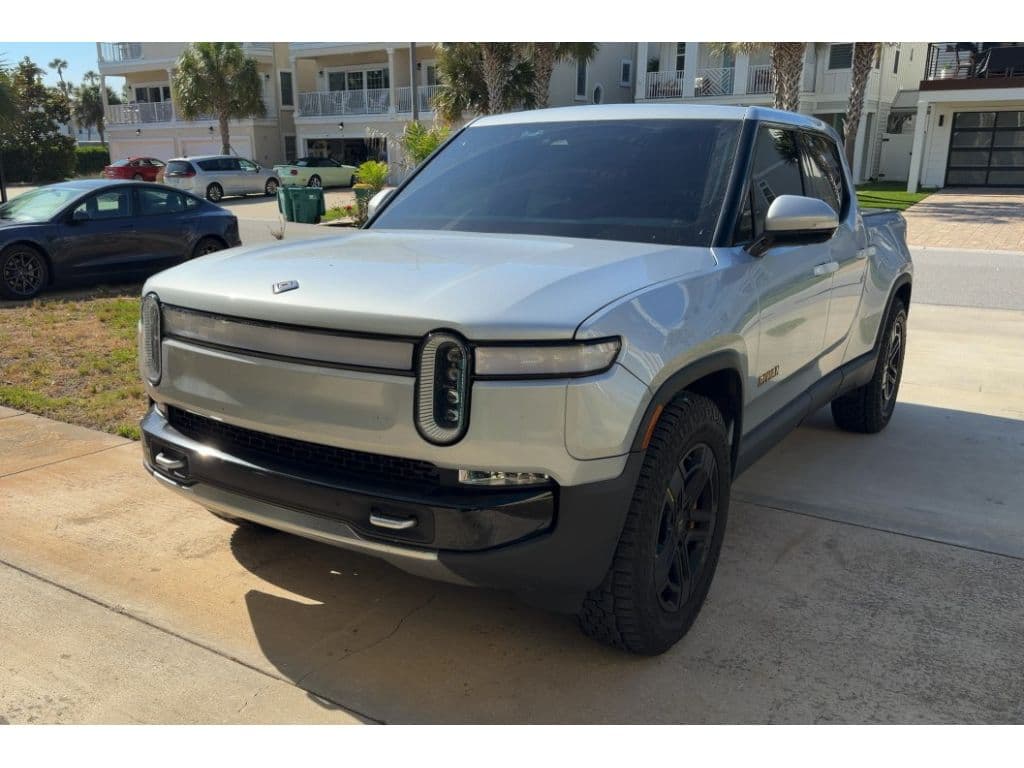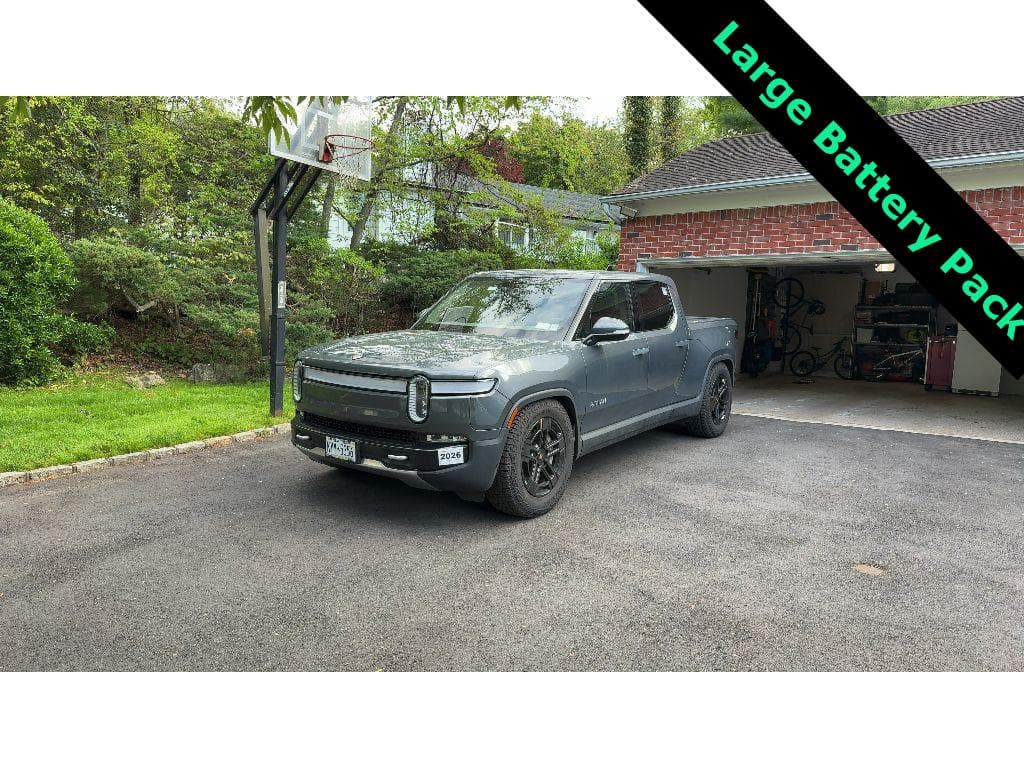
The EV truck is no longer a science‑fair prototype. In 2025 you can walk into a U.S. showroom and drive out in an electric Ford F‑150 Lightning, Tesla Cybertruck, Chevy Silverado EV, Rivian R1T, or GMC Sierra EV. Each promises big torque, quiet power, and lower running costs, but also raises real questions about range, towing, charging, and long‑term battery health, especially if you’re shopping used.
Quick take
Why EV trucks matter in 2025
The EV truck market by the numbers
Battery‑electric pickups are still a tiny slice of the broader truck market, but they punch above their weight in influence. Ford’s F‑150 Lightning remains the best‑selling EV truck in the U.S. in 2025, with Tesla’s Cybertruck and Chevy’s Silverado EV quickly building share. At the same time, Stellantis paused development of its electric Ram 1500, a reminder that full‑size EV trucks are still a live experiment, not a solved problem.
The hype cycle is over
The main EV trucks you can buy today
Let’s start with the core EV truck lineup actually on U.S. roads in late 2025. Specs change fast, but this snapshot gives you a practical feel for how the big players stack up.
Key EV trucks in 2025 (U.S.)
Headline specs for major electric pickups available in the U.S. in 2025. Always confirm final numbers on the build sheet for the exact trim you’re considering.
| Model | Max EPA/est. range (mi) | Max tow rating (lbs) | Battery size (kWh) | Notable strengths |
|---|---|---|---|---|
| Ford F-150 Lightning | ≈350 | 10,000 | ≈131 | Familiar F‑150 cab/bed, strong dealer support, job‑site power export |
| Tesla Cybertruck | ≈350–400 (est.) | ≈11,000–14,000 | ≈120–130 | Futuristic design, high performance, large frunk & lockable bed |
| Chevrolet Silverado EV | ≈440–450 | ≈10,000–12,500 | ≈200+ | Very long range, midgate for bed/cabin flexibility |
| GMC Sierra EV Denali | ≈460 | 10,500 | ≈200+ | Luxury interior, long range, fast DC charging |
| Rivian R1T | ≈410–420 | 11,000 | ≈140 | Adventure‑focused, off‑road hardware, clever storage (Gear Tunnel) |
Approximate figures; range and towing ratings vary by wheel size, battery, and configuration.
How the main EV trucks differ in character
Same basic formula, very different personalities.
Ford F‑150 Lightning
If you live in F‑Series country and want the least‑weird transition to an EV truck, this is it. The Lightning feels like an F‑150 that just happens to be electric, same body, bed, and cab, plus huge front trunk and onboard power outlets.
Tesla Cybertruck
The Cybertruck is polarizing by design, stainless steel wedge styling, yoke‑style steering on early trucks, and lots of software‑centric features. It’s quick and capable, but you’ll want to be sure you’re comfortable being noticed everywhere you drive.
Rivian R1T
Think of the R1T as the adventure truck: smaller than a full‑size pickup, but big on off‑road capability and cabin comfort. Great if your life involves trails, ski trips, or mountain bike weekends more than 10,000‑lb gooseneck trailers.
Range: what an EV truck really delivers
On paper, EV trucks are starting to match or even beat gasoline trucks on range. Top trims of the Chevy Silverado EV, GMC Sierra EV, and Rivian R1T all advertise 400+ miles on a full charge. But range is where expectations and reality often collide, especially once you start loading the bed or hooking up a trailer.
- Highway speeds: Driving 75–80 mph can cut real‑world range by 15–25% versus EPA ratings.
- Cold weather: Below‑freezing temperatures hit big battery trucks hard, especially on short trips where the truck repeatedly has to heat the cabin and battery.
- Big wheels and tires: Off‑road or oversized wheel packages look great but usually cost you efficiency.
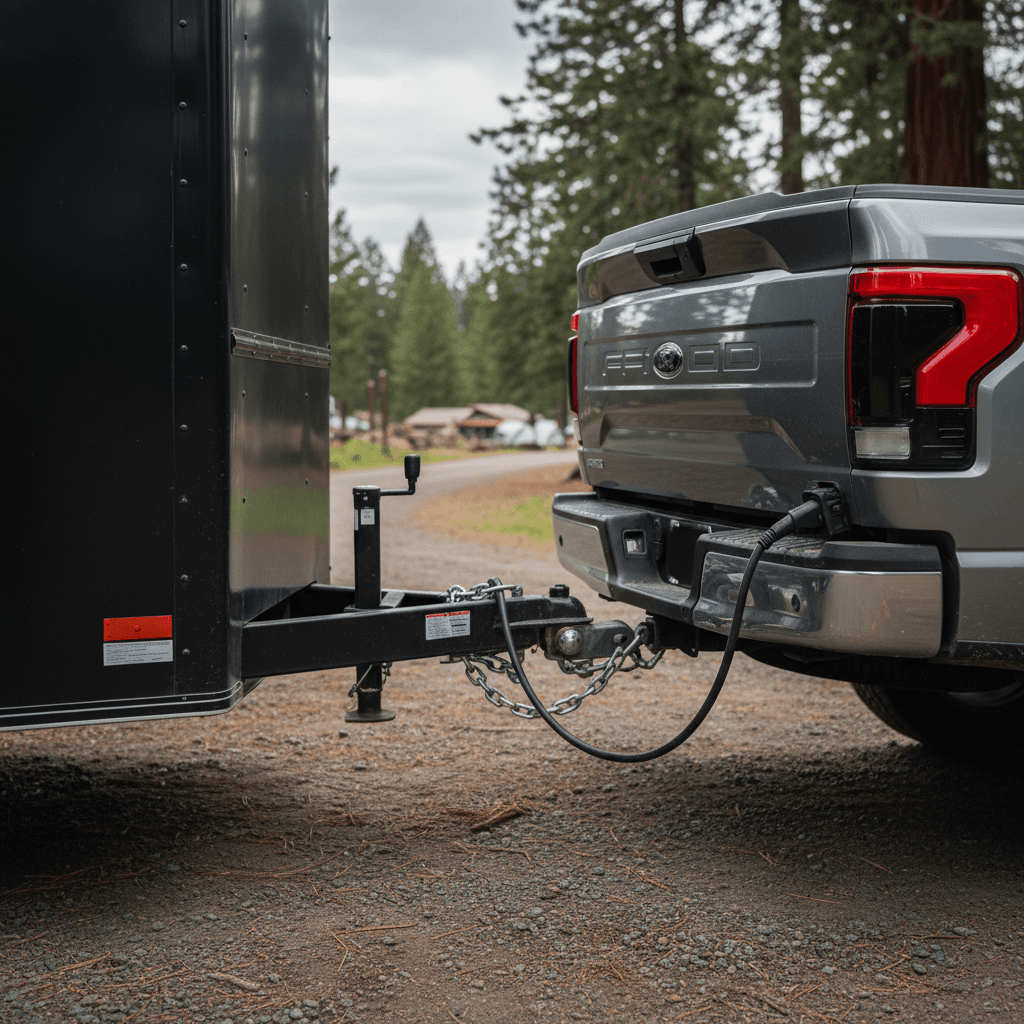
- Towing and payload: A heavy, boxy trailer can easily halve your effective range, particularly at highway speeds.
How to sanity‑check range
EV trucks: predictable in a local radius
For commuters, tradespeople, and fleets running mostly within a known area, electric trucks are incredibly predictable. You leave home every morning with a “full tank,” especially if you install a Level 2 charger. Daily energy costs are low and range anxiety fades quickly once you learn your patterns.
Gas trucks: easier for ad‑hoc long trips
For improvised cross‑country hauls or last‑minute towing marathons, gas still wins on flexibility. A five‑minute fill‑up at any highway exit is hard to beat, especially if your route doesn’t follow today’s fast‑charging corridors.
Towing and hauling in an EV truck
Torque is the least of your worries in an EV truck. These things are monsters off the line, and on paper they tow just as much as comparable gas models. Where the experience diverges is in how far you can go between stops, and how carefully you need to plan.
Electric truck towing figures at a glance
Approximate max tow ratings for leading EV trucks.
| Model | Approx. max tow rating (lbs) | What it’s comfortable towing |
|---|---|---|
| Ford F-150 Lightning | 10,000 | Construction trailers, boats, mid‑size campers within a few hundred miles of home |
| Tesla Cybertruck | ≈11,000–14,000 | Similar loads to Lightning; excels at short, heavy tows with big power |
| Chevy Silverado EV | ≈10,000–12,500 | Heavy work trailers; long‑range versions can stretch farther between fast‑charge stops |
| GMC Sierra EV Denali | 10,500 | Luxury‑leaning but still work‑capable; strong tow ratings with a focus on comfort |
| Rivian R1T | 11,000 | Smaller footprint but serious tow rating, great for toys, gear, and medium campers |
Real‑world range when towing is usually 40–60% of the unladen rating, depending on trailer and conditions.
Expect to stop more when towing
Towing with an EV truck: practical tips
1. Use the truck’s tow mode
Most EV trucks have a Tow/Haul mode that adjusts throttle response, cooling, and range estimates once you enter your trailer’s weight.
2. Pre‑plan your fast‑charge stops
Use apps that account for towing and elevation. Build in extra time for busy stations, especially on holiday weekends.
3. Mind tongue weight and payload
Big battery packs don’t change physics. Stay within tongue‑weight and payload limits, especially with heavy gooseneck or fifth‑wheel trailers.
4. Choose more aerodynamic trailers
An enclosed box or tall RV is a giant sail. A low, streamlined trailer can dramatically improve range compared to a rolling brick.
Charging an EV truck at home and on the road
Charging is where living with an EV truck either feels seamless, or like too much work. The good news: if you can charge at home or at a depot overnight, a big‑battery truck fits naturally into most people’s routines. Public charging matters most when you regularly exceed your daily range or tow long distances.
Core charging options for EV trucks
Think in terms of where your truck sleeps.
Level 1 (120V outlet)
Great for plug‑in hybrids, not ideal for full‑size EV trucks. You’ll add only a few miles of range per hour. Acceptable as a backup, not a primary plan.
Level 2 (240V at home or work)
The sweet spot for ownership. A 40–80A Level 2 charger typically fills an EV truck overnight, adding 20–40+ miles of range per hour depending on the vehicle.
DC fast charging (public)
Critical for road trips and long‑distance towing. Modern EV trucks can add 100–150+ miles in about 10–25 minutes when starting from a low state of charge.
Safety note on home charging
If you’re considering a used EV truck, make sure you understand what charging hardware it supports (NACS vs CCS connector, max AC and DC rates) and whether any adapters are included. As more non‑Tesla brands adopt the NACS connector, you’ll see trucks that can natively use large portions of the Tesla Supercharger network, hugely valuable if you live near major corridors.
Ownership costs, incentives, and resale
Sticker prices for EV trucks are still high compared to gas half‑tons, but the monthly picture looks different once you factor in fuel, maintenance, and incentives. As demand has cooled from the early hype, discounts and dealer incentives have become more common, particularly on higher‑trim trucks.
Where EV trucks save you money
- Energy costs: Home charging is usually cheaper per mile than gas, especially if you can charge overnight on off‑peak rates.
- Maintenance: No oil changes, fewer moving parts, and less brake wear thanks to regenerative braking.
- Idle time: Work trucks that idle a lot in gas form burn dollars while doing it. EVs draw much less energy when parked.
Where EV trucks still cost more
- Purchase price: Big battery packs are expensive. Long‑range trims can push well into the luxury price bracket.
- Insurance: Repair costs and parts availability can make premiums higher, especially on new models.
- Depreciation: Fast‑moving tech and policy changes (like shifting tax credits) can make resale values volatile.
Incentives change fast
Buying a used EV truck: what to look for
The first wave of EV trucks is just now hitting the used market in meaningful numbers. That’s an opportunity and a risk. You can avoid the initial depreciation hit, but you’re also buying into early‑generation hardware that may have quirks, over‑the‑air update histories, and unknown towing abuse.
Essential checks before you buy a used EV truck
1. Get an objective battery‑health report
Battery capacity is the heart of any EV truck’s value. A report like the <strong>Recharged Score</strong> uses diagnostics to assess remaining battery health instead of guessing from the dash display alone.
2. Review DC fast‑charging history
Heavy use of high‑power fast charging isn’t a deal‑breaker, but it can accelerate wear. Ask for service records or connected‑car logs where available.
3. Understand its towing life
Was this truck a weekend adventure machine or a daily workhorse pulling at max tow rating? Frequent heavy towing can stress the battery and driveline, factor that into price.
4. Verify software, recalls, and warranties
Make sure major recalls and software updates are complete, especially on newer models like the Cybertruck. Confirm how much battery and drive‑unit warranty remains.
5. Confirm charging compatibility and equipment
Check which connector it uses (NACS vs CCS), whether it includes a mobile charge cable and adapters, and that everything is functional.
Where Recharged fits in
Ready to find your next EV?
Browse VehiclesWho an EV truck fits, and who should wait
EV trucks are fantastic for some owners and the wrong answer for others, at least today. Matching the tech to your use case is more important than obsessing over any single spec sheet number.
Good and bad fit for today’s EV truck
Be brutally honest about how you actually use your truck.
Great fit
- You mostly drive under 200 miles a day.
- You can install Level 2 charging at home or at a depot.
- You tow occasionally, on routes you can pre‑plan around fast chargers.
- You value quiet, smooth power and low routine maintenance.
- You keep vehicles for years and care about total cost of ownership, not just purchase price.
Better to wait (for now)
- You regularly tow heavy loads 400+ miles a day on rural routes.
- You can’t reliably install home or workplace charging.
- Your nearest DC fast charger is far away or frequently congested.
- You strongly prefer to buy at the lowest possible upfront price and plan to flip the truck in a couple of years.
EV truck FAQ
Frequently asked questions about EV trucks
Bottom line: should your next truck be electric?
If your mental image of an EV truck is a fragile tech toy, it’s time to update that picture. Today’s electric pickups can haul, tow, and work in ways that used to be the sole domain of gas and diesel. But they’re not magic, and they’re not for everyone, at least not yet. The right question isn’t “Are EV trucks good?” It’s “Is an EV truck good for how I actually use a truck?”
If your life revolves around predictable daily routes, home charging, and occasional towing, an EV truck can cut your running costs and make every drive smoother and quieter. If you live on the road with a heavy trailer and little charging infrastructure, waiting a model cycle or two may be the wiser move. Either way, going in with clear eyes on range, charging, and battery health, especially for used trucks, will help you find a pickup that works as hard as you do.