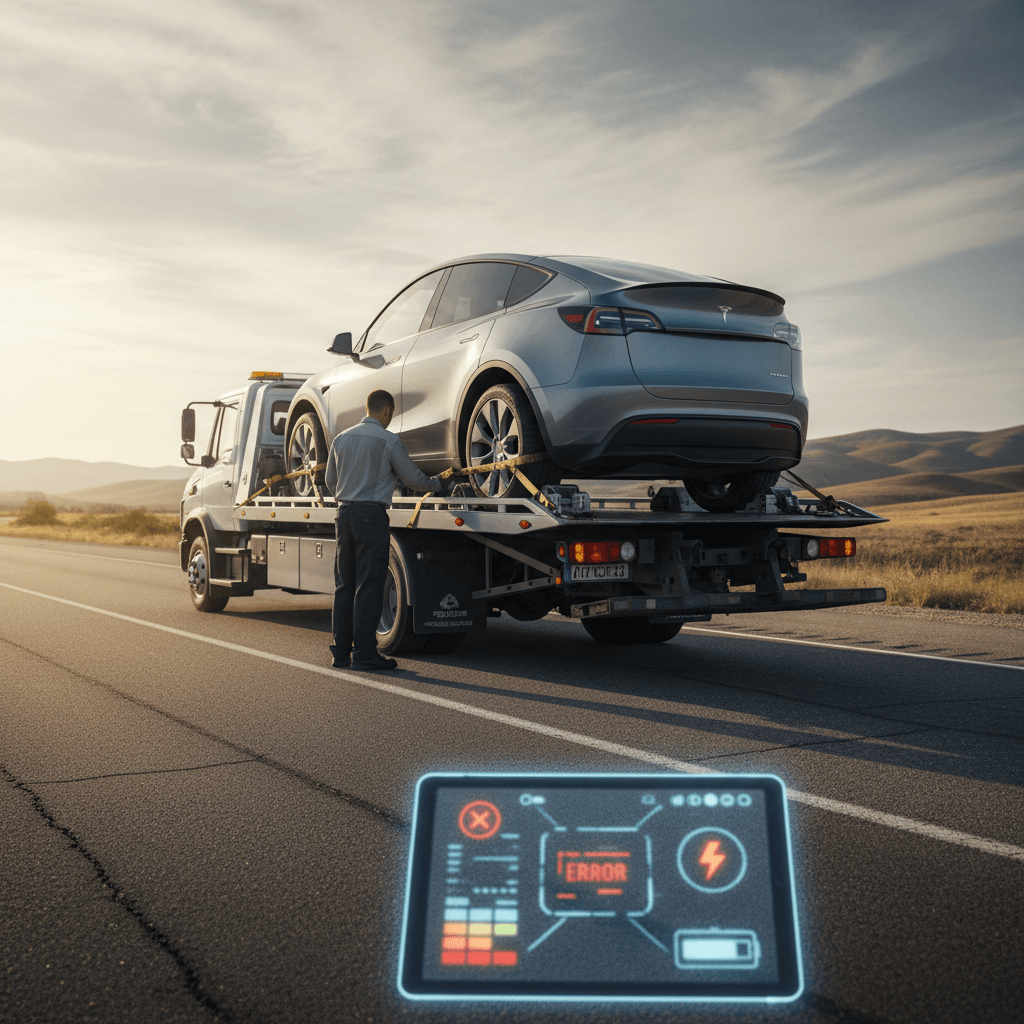
If you’ve ever called roadside assistance for your electric car, you’ve probably heard the phrase: “EV tow flat bed only.” It can sound like overkill, especially if you’re used to seeing gas cars hauled away by a simple hook or wheel-lift. But with modern EVs, flatbed towing isn’t about being picky. It’s about avoiding a four-figure repair bill and keeping your battery, motor, and warranty intact.
Short answer: Why flatbed only?
Why EVs Are Often “Flatbed Only”
Searches like “EV tow flat bed only why” usually come from owners who are stuck on the side of the road, or trying to tow an EV behind an RV. The core reason most manufacturers insist on flatbed towing is simple: EV drivetrains are always mechanically linked to the wheels. There’s no traditional automatic transmission with a neutral gear that lets everything freewheel safely at highway speeds.
- When an EV’s drive wheels turn, you’re spinning the electric motor and related components.
- If the car isn’t in the correct transport or tow mode, those components may energize or generate current unexpectedly.
- Regenerative braking and power electronics can be stressed or overheated by long-distance rolling with the car “off.”
- Manufacturers would rather you avoid that risk entirely, hence flatbed-only recommendations for many models.
Manufacturer language is usually absolute
How EV Drivetrains Differ From Gas Cars
To understand why flatbed towing is safer, it helps to compare what’s happening under the skin of an electric vehicle versus a traditional gas car.
Gas car (ICE) drivetrains
- Have a multi-speed transmission with a true neutral position.
- In neutral, the engine is disconnected from the driven wheels.
- Flat towing is sometimes allowed if the transmission is designed for it and properly lubricated.
- Owners’ manuals often spell out specific speeds and distances for safe flat towing.
EV drivetrains
- Use a single-speed reduction gear instead of a multi-gear transmission.
- The electric motor is mechanically connected to the drive wheels at all times.
- There’s rarely a true mechanical neutral, “N” is a software state, not a physical disconnect.
- Spinning the wheels can spin the motor and energize power electronics even if the car is “off.”
Because of this always-connected design, simply dragging an EV with its wheels on the ground is nothing like towing a traditional automatic sedan in neutral. You’re potentially forcing the motor, inverter and even the battery management system to react to wheel movement they weren’t designed to handle for long distances without active cooling.
What Can Go Wrong If You Don’t Use a Flatbed
Towing an EV the wrong way won’t always cause instant failure, but when it does, it’s ugly and expensive. Here’s what’s at risk if you ignore the “flatbed only” guidance.
Risks of Wheels-on-the-Ground EV Towing
Why the wrong tow can cost more than the tow itself
Motor & inverter damage
Battery stress or fault codes
Warranty & liability issues
Worst-case scenario
When a Flatbed Is Mandatory vs. Just Recommended
Not every EV is treated exactly the same. Some front-wheel-drive EVs and plug‑in hybrids allow limited wheel-lift towing with dollies, but guidance varies by brand and model. As a rule of thumb, though, flatbed is either required or strongly recommended for almost every modern electric vehicle.
Common EV Types and Their Preferred Towing Methods
Always check your owner’s manual, but these patterns are typical across today’s EV market.
| EV type | Typical drivetrain | Manufacturer guidance | Safe towing method |
|---|---|---|---|
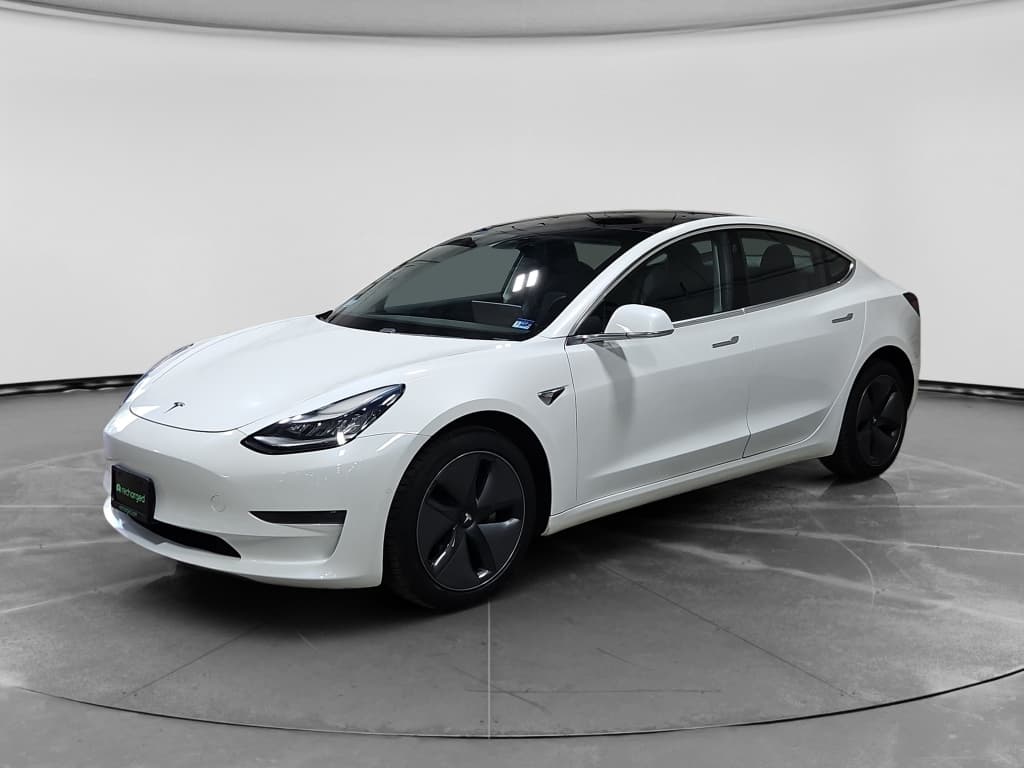
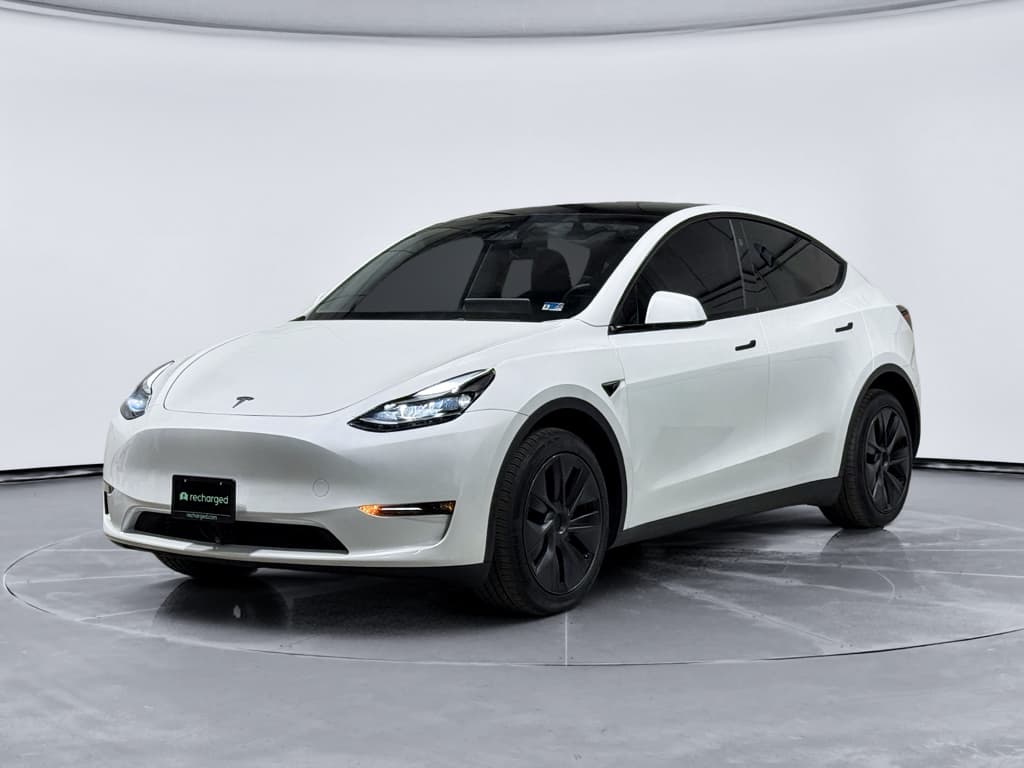
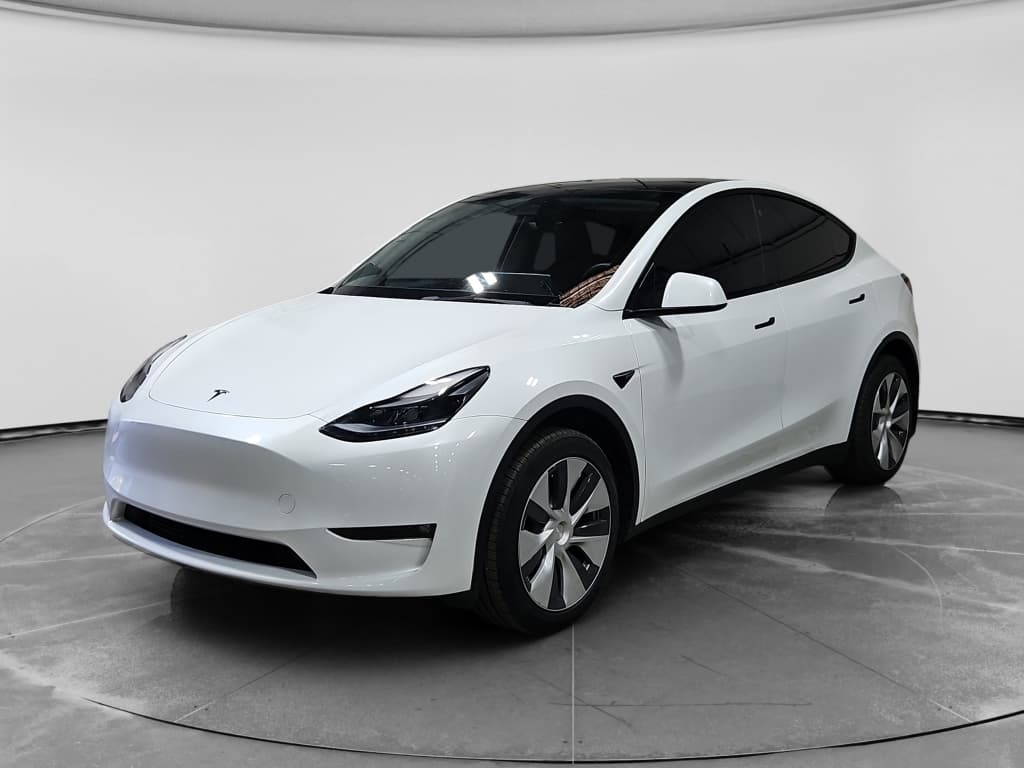
| Tesla (all models) | RWD, AWD | Flat towing prohibited; transport / tow mode required | Flatbed only, wheel straps at approved points |
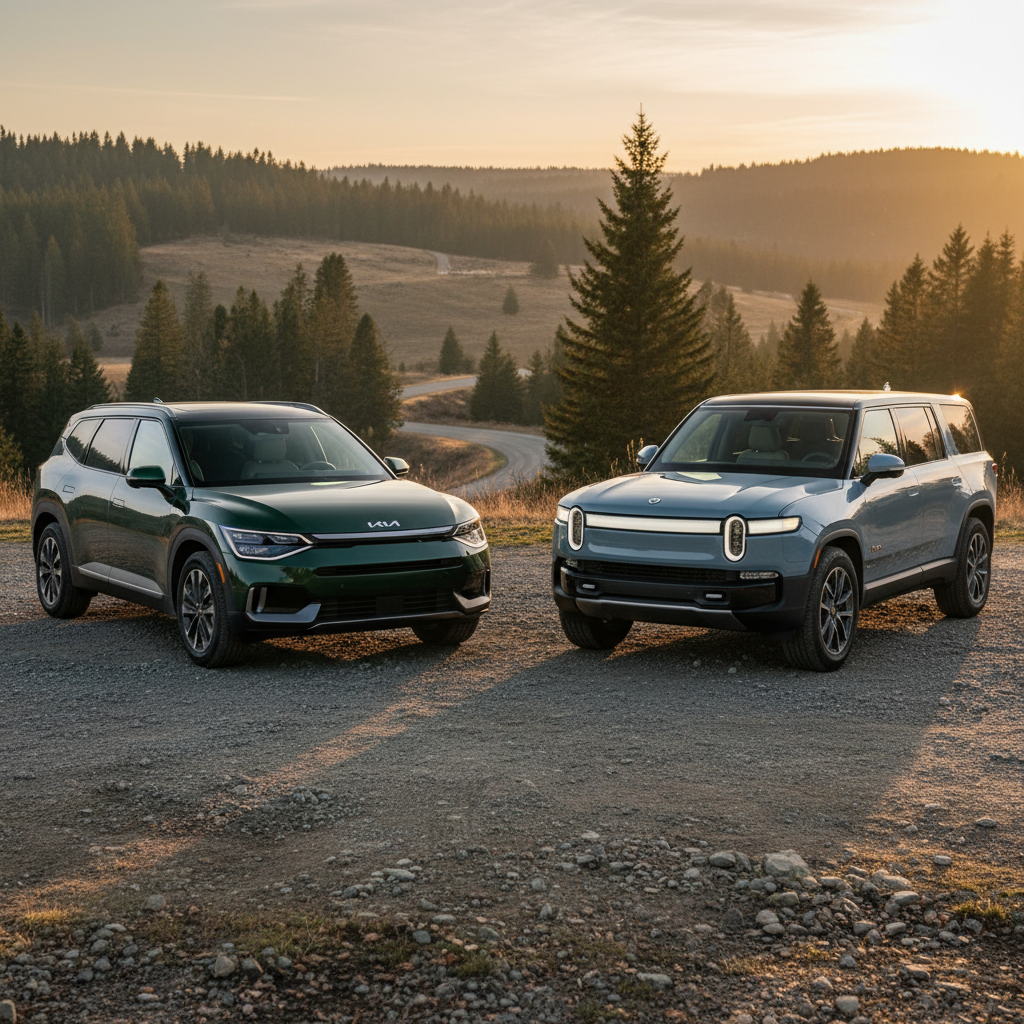
| Rivian, Hyundai IONIQ 5/6, Kia EV6, Mustang Mach-E | Primarily AWD | Flat towing prohibited | Flatbed only |
| Nissan Leaf, Chevy Bolt | FWD | Flatbed recommended; some manuals allow front-lift + dollies for short distances | Flatbed preferred; dollies only per manual |
| Most plug‑in hybrids | FWD / AWD | Varies widely by model | Flatbed recommended unless manual says otherwise |
| Legacy hybrids (Prius, etc.) | FWD | Some allow front-lift for short distances | Flatbed safest; use lift/dollies only as specified |
Flatbed is the default safest choice; alternatives are edge cases and usually short-distance only.
Simple rule for drivers
Safe EV Towing: Step-by-Step Checklist
When your EV is stuck, you don’t need to become a tow operator, but you should know the basics of how a flatbed tow is supposed to work. Use this checklist to keep everyone honest.
EV Flatbed Towing Checklist for Drivers
1. Confirm it’s an EV with the dispatcher
When you call roadside assistance, say clearly: "This is an electric vehicle; the manufacturer requires or recommends flatbed towing." Ask them to note it on the job.
2. Ask for a flatbed truck by name
Don’t assume they’ll send one. Use phrases like "no wheel-lift," "flatbed only" or "all wheels off the ground" so there’s no confusion.
3. Activate Tow or Transport Mode
If the car still has power, follow your owner’s manual to engage <strong>Tow</strong> or <strong>Transport Mode</strong>. This typically releases the parking brake and ensures the powertrain won’t fight the winch.
4. Avoid attaching to suspension or body
Modern EVs have specific tie-down or lift points. The winch and straps should connect to approved points or the tow eye, never to random suspension arms or the battery tray.
5. Watch the loading process
From a safe distance, confirm the car is being winched, not yanked; that no chains are wrapped around the axle; and that no wheels are left on the ground for long-distance towing.
6. Get destination details in writing
Make sure the car is going to the correct dealership, service center, or shop. Take a photo of the tow truck, the driver’s info, and the bill of lading in case there’s a dispute later.
Exactly What to Tell the Tow Truck Driver
You don’t have to lecture a professional tow operator, but you should advocate for your car. Here’s language that’s clear, respectful, and to the point.
When the truck is dispatched
On the phone, you might say:
- "This is an electric vehicle. The manufacturer says it must be towed with all four wheels off the ground. Please send a flatbed truck."
- "Please let the driver know this is a [Tesla / Rivian / Hyundai EV] so they can follow EV towing procedures."
When the driver arrives
In person, you might add:
- "The owner’s manual says no flat towing. Can we load it on the flatbed using the tow eye or approved points?"
- "This car has a big high-voltage battery underneath. Please avoid chains or straps under the battery tray."
Most operators want to do it right
Common EV Towing Myths, Debunked
Myths Behind “EV Tow Flat Bed Only”
What’s true, what’s not, and what still matters
“If the car can roll, it’s safe to tow on its wheels.”
“Short-distance wheel-lift towing is always fine.”
“Putting the car in Neutral protects everything.”
“Any car that can be towed behind an RV is okay to flat tow.”
How Towing Can Impact Your Warranty and Insurance
Improper towing isn’t just a technical problem; it can become a paperwork problem too. If the wrong towing method contributes to damage, both your factory warranty and your insurance coverage may come under scrutiny.
- Manufacturers can deny coverage for drivetrain or battery repairs if they determine a policy like "no flat towing" was ignored.
- Insurers may ask whether the tow operator followed manufacturer procedures when investigating a high-dollar claim.
- Documenting that you requested a flatbed and EV-safe handling can help if there’s a dispute later. Photos and text confirmations from the tow company are your friends.
Keep your documentation
EV Towing and the Used EV Buyer
If you’re shopping the used EV market, past towing mistakes may not show up on a Carfax-style report, but they can still leave a mark on the car. Subtle motor noise, unexplained drivetrain fault codes, or odd regen behavior are all warning flags.
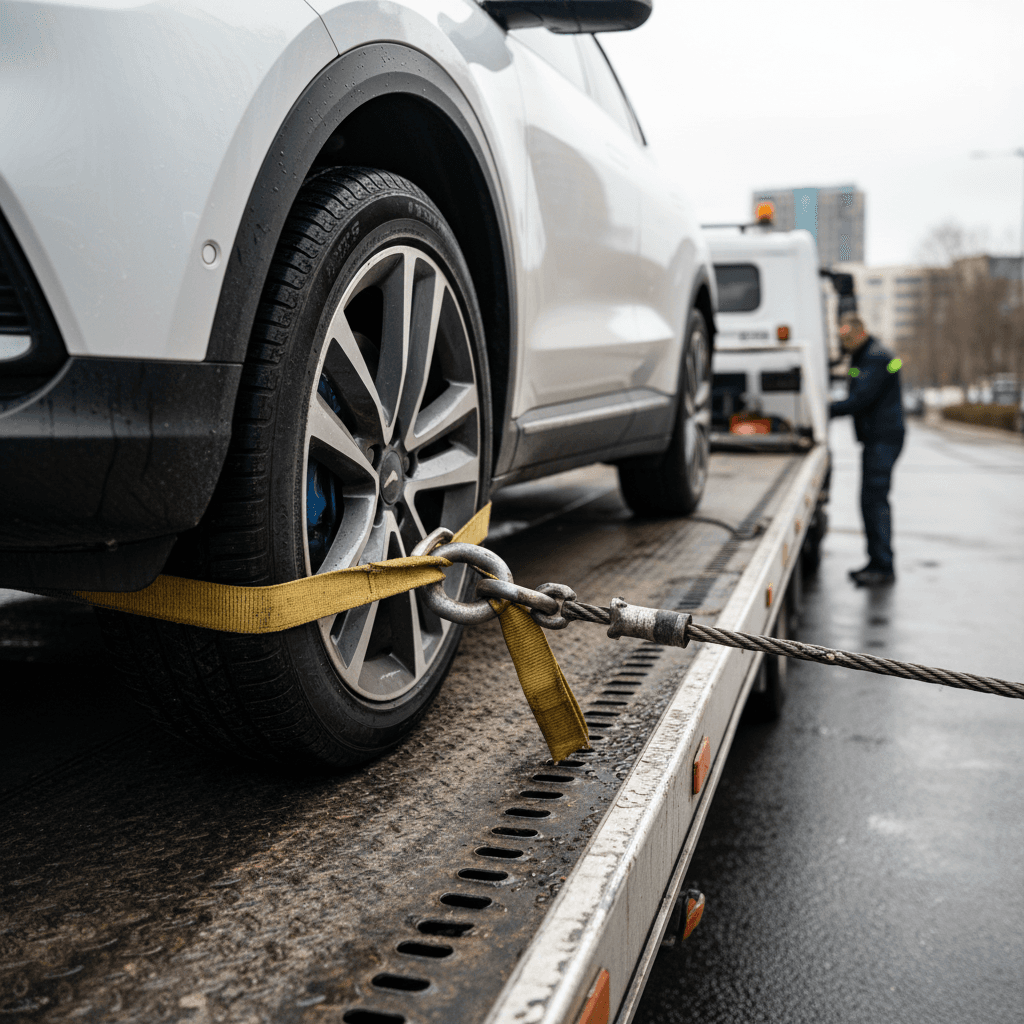
At Recharged, every vehicle gets a Recharged Score Report with verified battery health and a detailed inspection that looks for signs of prior impact or underbody damage. While no report can reconstruct every tow event, expert eyes and high‑voltage diagnostics make it much easier to separate cars that have been cared for from those that might have been dragged the wrong way at some point.
How this helps you as a used buyer
EV Towing FAQ: Flatbeds, Dollies, and More
Frequently Asked Questions About EV Flatbed Towing
Key Takeaways on EV Flatbed Towing
The phrase “EV tow flat bed only” isn’t lawyer-speak, it’s a practical rule that protects the most expensive components in your electric car. Because EV motors are always tied to the drive wheels and there’s rarely a true mechanical neutral, letting the wheels spin during towing can overwork the motor, electronics, and even the battery system.
If you remember just three things, make them these: assume flatbed unless your manual clearly says otherwise, tell roadside assistance that your car is an EV that needs all four wheels off the ground, and keep basic documentation of how the vehicle was towed. And if you’re stepping into the used EV market, work with a specialist like Recharged that understands how towing, battery health, and real‑world use all come together in a transparent vehicle history and inspection.