If you’re considering a 2025 Subaru Solterra, reliability is probably near the top of your list. Subaru has a strong reputation overall, but the Solterra is the brand’s first mass‑market EV, and early model years had some high‑profile issues. The good news: the 2025 Subaru Solterra’s reliability picture is improving, but it’s not flawless, and you should go in with eyes wide open, especially if you’re shopping used.
Quick take
Overview: How Reliable Is the 2025 Subaru Solterra?
To understand 2025 Subaru Solterra reliability, you have to separate **Subaru as a brand** from **Solterra as a specific model**. Subaru recently topped at least one major reliability ranking as a brand, but the Solterra has been its lowest‑scoring vehicle and the only Subaru with **below‑average predicted reliability** among its lineup. At the same time, real‑world owner scores for the 2025 model year are more encouraging than the headlines suggest.
Key 2025 Solterra reliability signals
In plain English, that mix of signals means this: the **2025 Subaru Solterra isn’t a problem child**, but it’s not a bulletproof, set‑and‑forget crossover either. Expect a few software quirks, average battery performance, and depreciation that’s steeper than some rivals. If you buy well and know what to look for, though, the 2025 Solterra can be a solid value, especially on the used market.
Who should read this
What Changed for the 2025 Solterra (and Why It Matters for Reliability)
From a hardware standpoint, the 2025 Solterra is **largely the same EV** that launched for 2023. You still get a 72.8‑kWh battery pack, dual‑motor all‑wheel drive, and Subaru’s familiar X‑Mode traction tech. But by 2025, Subaru had already rolled out a series of quiet updates aimed at addressing early pain points in charging, usability, and driver‑assist behavior.
- Retuned fast‑charging behavior to reduce abrupt charge‑rate drops once the pack warms up.
- Refined software for the digital dash and infotainment system to reduce random reboots and frozen screens reported on early builds.
- Incremental tweaks to Subaru’s EyeSight‑based driver‑assist systems tuned for the EV’s weight and brake‑by‑wire feel.
- A big **price cut for 2025**, about $6,500 off the base trim compared with 2024, without stripping standard equipment.
Looking ahead to 2026
Early Issues & Recall History Carrying Into 2025
No discussion of Subaru Solterra reliability is complete without addressing the **well‑publicized 2023 wheel‑hub recall** and related early issues that make shoppers understandably cautious. The key is understanding what was fixed and what still warrants attention on a 2025 model.
Known Solterra trouble spots to know about
Most early issues were addressed before or during 2025 production, but you should still verify fixes on any used example.
Wheel‑hub recall (2023)
Early Solterras were recalled because improperly torqued hub bolts could cause the wheels to loosen or detach. Later builds received updated hardware and procedures.
For a 2025: Verify that any carryover campaign work is documented in the service history and that there are no open recalls by running the VIN.
Conservative fast charging
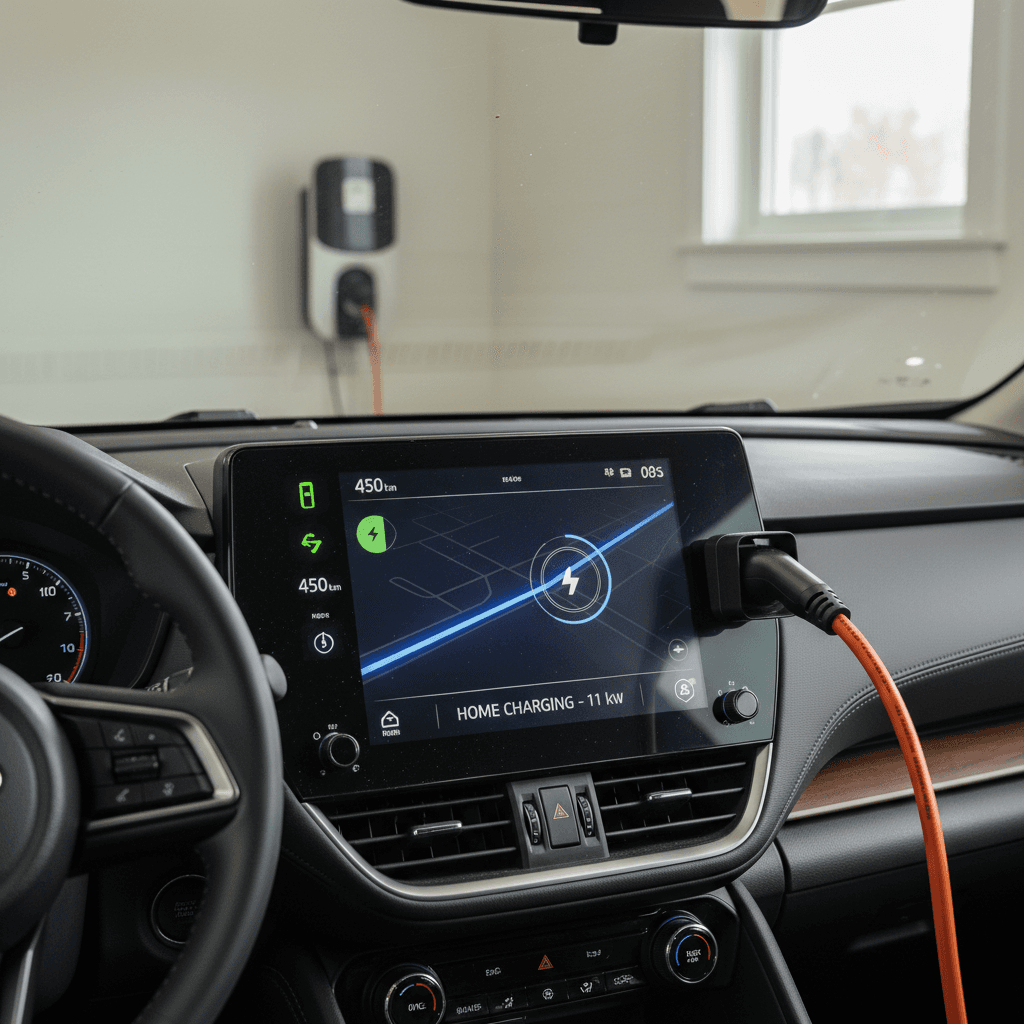
Owners of earlier model years reported slow DC fast‑charging performance, especially after repeated fast‑charge sessions or in hot weather.
Subaru has since refined software, but the 2025 Solterra still won’t match the fastest‑charging rivals like Hyundai’s E‑GMP models.
Software quirks
Reports include occasional infotainment freezes, glitchy Bluetooth, and inconsistent driver‑assist beeps.
Most issues are addressed with over‑the‑air or dealer software updates, so keeping the car up to date is key to long‑term reliability.
Always run a recall and campaign check
Owner Reviews & Data: What 2025 Solterra Drivers Report
Zooming in on the 2025 model year, early owner feedback paints a more nuanced picture than the brand‑level reliability scores. On at least one major consumer site, the **2025 Subaru Solterra averages around 3.9 out of 5 stars overall**, with reliability specifically scoring about **4.0 out of 5** from a small but growing sample of owners. Roughly 60% say they would recommend the vehicle.
Where owners are happy
- Build quality feels solid for a first‑gen EV, no widespread reports of rattles or failing interior trim.
- All‑weather confidence thanks to standard dual‑motor AWD and Subaru’s traction systems.
- Comfort and quiet get consistently high marks, even on longer highway drives.
Where owners are frustrated
- Value and depreciation draw lower scores; many early buyers watched Subaru cut prices sharply within two model years.
- Charging performance lags rivals at fast chargers, which can make road‑trip planning more tedious.
- Software polish is “good enough” but not class‑leading, expect an occasional reboot or odd warning message.
“If you treat it as a Subaru with an electric powertrain instead of a tech gadget on wheels, you’ll be happier. It’s solid, not flashy. Charging is its weakest trick, not day‑to‑day reliability.”
Bottom line from owners
Battery Health, Range, and Cold‑Weather Performance
Because the Solterra launched for the 2023 model year, we don’t yet have a decade of battery‑health data. But based on chemistry, pack size, and early usage patterns, the 2025 Subaru Solterra’s battery looks **competitive but not class‑leading** in long‑term durability.
What to expect from a 2025 Solterra battery
Battery health is central to EV reliability, especially as these crossovers move into the used market.
Degradation expectations
With typical driving and charging habits, you can reasonably expect **single‑digit percent capacity loss** over the first 3–5 years.
Actual numbers will vary, but there’s no broad pattern of rapid degradation so far.
Cold‑weather range
Like any EV, the Solterra loses range in cold climates, often 20–35% in freezing conditions.
Heated seats and a heat pump help, but winter range management is still part of ownership in northern states.
Charging behavior
The 2025 model still uses a relatively conservative charging curve.
That’s bad for road‑trip times but arguably good for long‑term battery longevity, since it limits heat and stress on the cells.
Battery‑friendly charging habits
If you’re looking at a **used 2025 Solterra**, ask the seller for recent battery‑health information if available. Marketplaces focused on used EVs, like Recharged, can provide a **battery health report** that measures real‑world pack capacity instead of just relying on dash bars or guesswork.
Running Costs, Maintenance, and Depreciation
Reliability isn’t just about whether the car breaks; it’s also about **how expensive it is to live with**. On that front, the 2025 Subaru Solterra is a mixed bag: operating costs are relatively low, but depreciation is steeper than some competitors.
2025 Subaru Solterra 5‑year cost snapshot
Representative numbers from a major valuation site for a typical 5‑year ownership period.
| Category | Estimated 5‑year cost | What it means for reliability |
|---|---|---|
| Depreciation | $25,025 | The Solterra loses roughly half its value in 5 years, higher than some rivals but not unusual for early‑gen EVs. |
| Out‑of‑pocket costs | $31,868 | Fuel (electricity), insurance, maintenance, repairs, fees, and financing combined. |
| Maintenance | $2,646 | Subaru’s EV has no oil changes and fewer wear items than a gas SUV; maintenance spend is relatively low. |
| Repairs | $2,132 | Projected repair costs are modest, suggesting no expectation of chronic expensive failures in the first 5 years. |
Actual costs will vary by mileage, electricity rates, insurance profile, and local taxes, but the Solterra generally lands mid‑pack among compact electric SUVs.
Why the price cut matters
On the maintenance side, the Solterra’s service schedule is straightforward: cabin air filters, brake‑fluid checks, tire rotations, and occasional inspections. Regenerative braking means pads can last far longer than on a comparable gas Outback or Forester, which supports the **low projected maintenance and repair totals** in early 5‑year cost‑to‑own models.
How the 2025 Solterra’s Reliability Compares to Rivals
The 2025 Subaru Solterra doesn’t exist in a vacuum. Shoppers are usually also eyeing the **Hyundai Ioniq 5, Kia EV6, Tesla Model Y, Volkswagen ID.4,** and Toyota bZ4X. Some of those models bring their own headaches, but overall they give the Solterra stiff competition.
2025 compact EV SUV reliability snapshot
High‑level comparison of how the 2025 Solterra stacks up against key EV rivals from a reliability perspective.
| Model | Predicted reliability | Notable strengths | Key concerns |
|---|---|---|---|
| Subaru Solterra | Below average for Subaru; roughly average for EVs | Strong all‑weather traction, low maintenance costs, conservative battery management | Past recall history, slow DC charging, depreciation |
| Toyota bZ4X | Similar to Solterra | Toyota dealer network, familiar hardware | Early wheel‑hub and charging issues, middling range |
| Hyundai Ioniq 5 | Average to above average | Fast charging, strong range, long warranty | Software gremlins on early cars, some build‑quality gripes |
| Kia EV6 | Average to above average | Sporty feel, quick charging, good range | Firm ride, sporadic reports of infotainment bugs |
| Tesla Model Y | Mixed but improving | Massive fast‑charge network, strong efficiency and performance | Build‑quality issues, service‑access variability |
| VW ID.4 | Mixed | Comfortable ride, decent range | Software stability, infotainment frustrations, some early HVAC issues |
“Predicted reliability” is summarized from major testing outlets and industry reporting rather than a single numeric score.
How to interpret “below average”
Buying a Used 2025 Solterra: Reliability Checklist
If you’re shopping for a **used 2025 Subaru Solterra**, reliability should be part of your inspection process, not something you worry about after delivery. Whether you’re buying from a private seller, a Subaru store, or an EV‑focused marketplace like Recharged, use this checklist to separate solid examples from rolling science projects.
2025 Solterra reliability checklist
1. Run a full recall and campaign history
Use the VIN to check for open recalls and completed service campaigns. Ask for a dealer‑printed service history or screenshots from Subaru’s system showing all recall work is done.
2. Ask for a battery health report
A generic “it charges fine” isn’t enough. Markets like <strong>Recharged</strong> provide a Recharged Score and verified battery diagnostics so you can see estimated remaining capacity and any DC fast‑charging abuse.
3. Inspect tires and brakes
Uneven tire wear or prematurely worn pads can indicate alignment issues, aggressive driving, or heavy towing, none of which are great news for long‑term reliability.
4. Test fast charging if possible
If you can, plug into a DC fast charger and watch the charge curve for 10–15 minutes. You’re looking for stable operation, no warning lights, and realistic speeds, not perfection, but consistency.
5. Check for water leaks and interior wear
Walk the cargo area, door seals, and underfloor storage for signs of moisture or musty smells. In the cabin, make sure touchpoints and screens feel tight and rattle‑free on a test drive.
6. Scan for software and sensor warnings
Turn the car on and watch the dash. Any persistent driver‑assist, parking sensor, or charging‑system warnings deserve a professional scan before you buy.
Don’t ignore weird warning lights
When a 2025 Solterra Is (and Isn’t) a Smart Bet
Good use cases for a 2025 Solterra
- Daily commuting and errands within its realistic range envelope, especially if you can charge at home.
- All‑weather driving where Subaru’s dual‑motor AWD and traction modes shine.
- Value‑focused used buyers who can take advantage of steeper early depreciation and who prioritize solidity over cutting‑edge charging speed.
Situations where you may want something else
- You road‑trip often and need **very fast DC charging**, where Hyundai‑Kia and Tesla clearly lead.
- You want the **highest possible range** in this size class and can stretch to newer 2026+ models or larger batteries.
- You’re extremely risk‑averse about first‑generation EVs and would rather buy into a more mature platform.
Big picture, the **2025 Subaru Solterra lands in the “cautiously recommend” zone**. It’s not the class reliability champ, but it also isn’t a ticking time bomb. If you’re realistic about its charging limitations, verify recall work, and buy an example with clean history and solid battery health, you can enjoy the familiar Subaru feel with electric running gear, and do it without losing sleep over reliability.
How Recharged can help
Ready to find your next EV?
Browse Vehicles