Search for “EV Tesla” in 2025 and you get noise: headlines about price cuts, Cybertruck drama, and every other automaker suddenly using Tesla’s charging plug. Underneath the hype there’s a simple question you’re probably asking: Is a Tesla still the right electric car for me, especially used?
Context for 2025
Why an EV Tesla still matters in 2025
Tesla EVs by the numbers in 2025
Tesla did two big things for electric vehicles. First, it made them genuinely desirable, quick, minimalist, tech‑heavy. Second, it built a charging network that, frankly, shamed everyone else into trying harder. Even as sentiment has cooled and competitors caught up, an EV Tesla is still the default benchmark you measure other EVs against.
But the halo has slipped
Tesla EV lineup today: What are you actually choosing between?
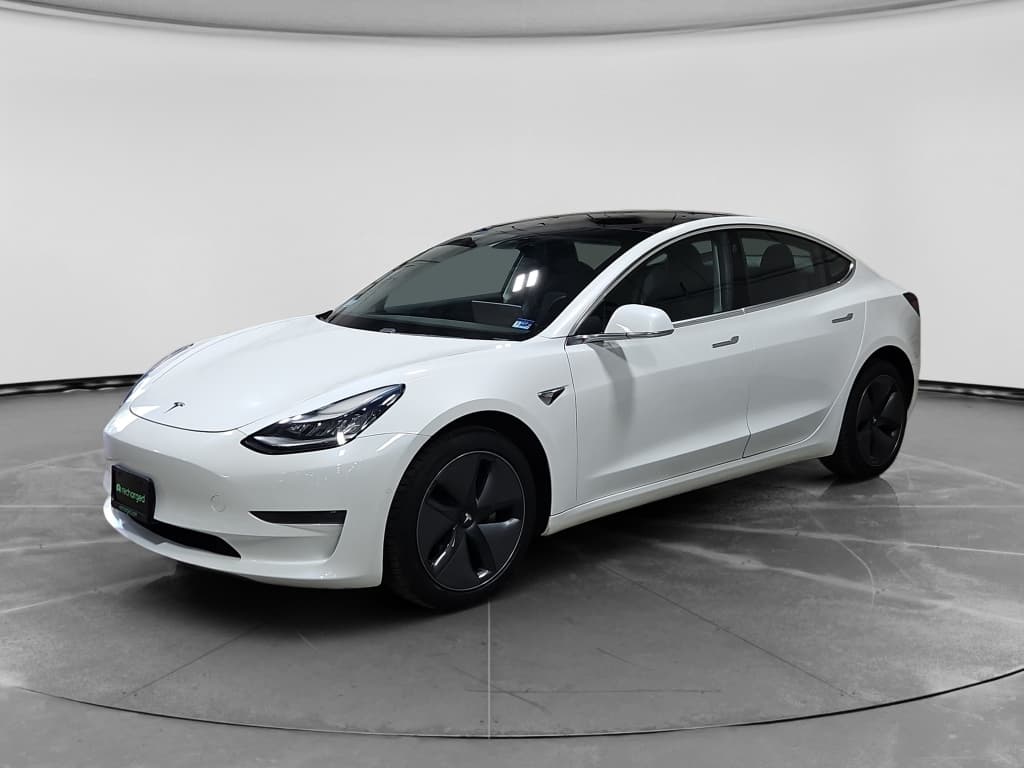
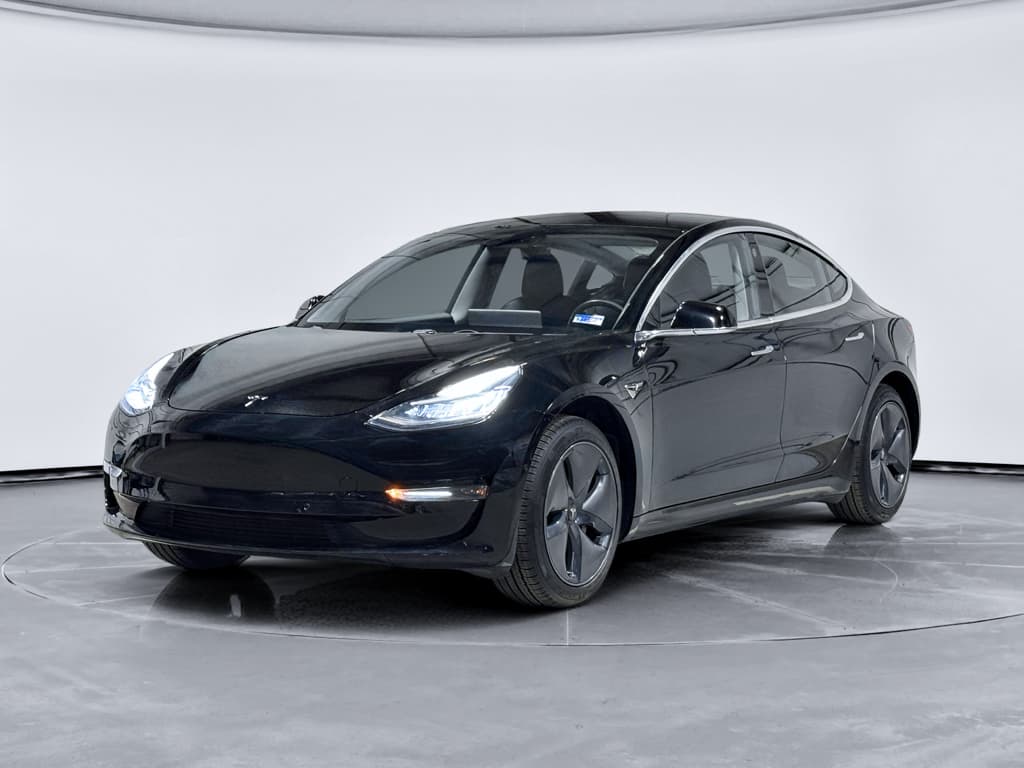
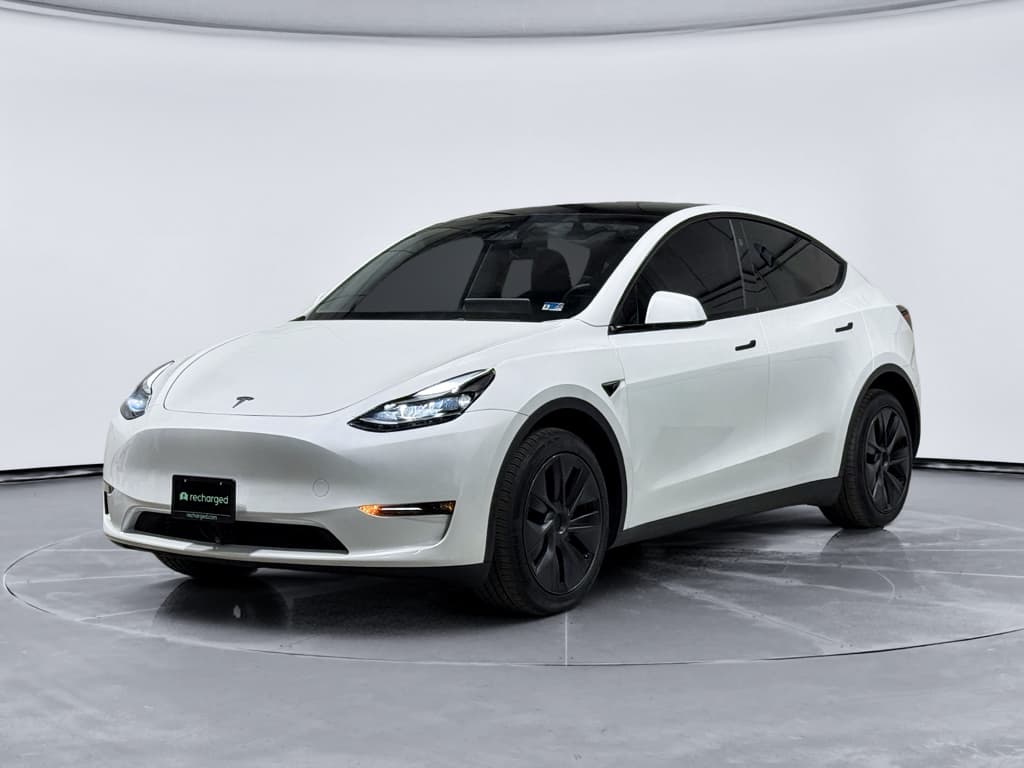
If you’re looking at an EV Tesla in 2025, you’re almost certainly cross‑shopping one of four core vehicles: Model 3, Model Y, Model S, or Model X. Cybertruck exists, yes, but it’s niche, expensive, and still sorting itself out in the used market.
Tesla EV models at a glance (typical used‑market view)
High‑level overview for shoppers comparing EV Tesla models, especially on the used market.
| Model | Role | Typical EPA range (recent years) | Cabin size | Used price feel* |
|---|---|---|---|---|
| Model 3 | Compact sedan, efficiency play | 240–333 mi | Tight rear, decent trunk | Most affordable way into a Tesla |
| Model Y | Compact SUV, family default | 260–330 mi | Roomier, hatchback practicality | America’s best‑selling EV; lots of supply |
| Model S | Large luxury sedan | ~260–405 mi | Spacious, upscale (older cars feel dated) | Big depreciation, but higher running costs |
| Model X | Three‑row SUV with falcon doors | ~260–340 mi | Very roomy, complex hardware | Niche, expensive to maintain out of warranty |
| Cybertruck | Angular pickup, halo product | Varies by trim; still evolving | Utility bed, polarizing cabin | Thin used supply, volatile pricing |
Specs and prices vary by year and trim; always check the specific vehicle listing.
New vs used reality
Range, performance, and what it’s like to live with a Tesla
The EV Tesla driving experience, broken down
Why these cars still feel special behind the wheel.
Instant torque
Efficient range
Software first
On the road, an EV Tesla is less about old‑school luxury and more about software and efficiency. The cabins are minimalist and largely button‑less; the upside is a clean, modern look, the downside is that even simple tasks can be two taps deep in a menu. Ride quality ranges from firm to busy depending on wheels and tires, especially on earlier cars. If your commute runs over broken pavement, factor wheel size into your shopping criteria.
Watch the big wheels
Charging an EV Tesla: Superchargers, NACS, and home setup
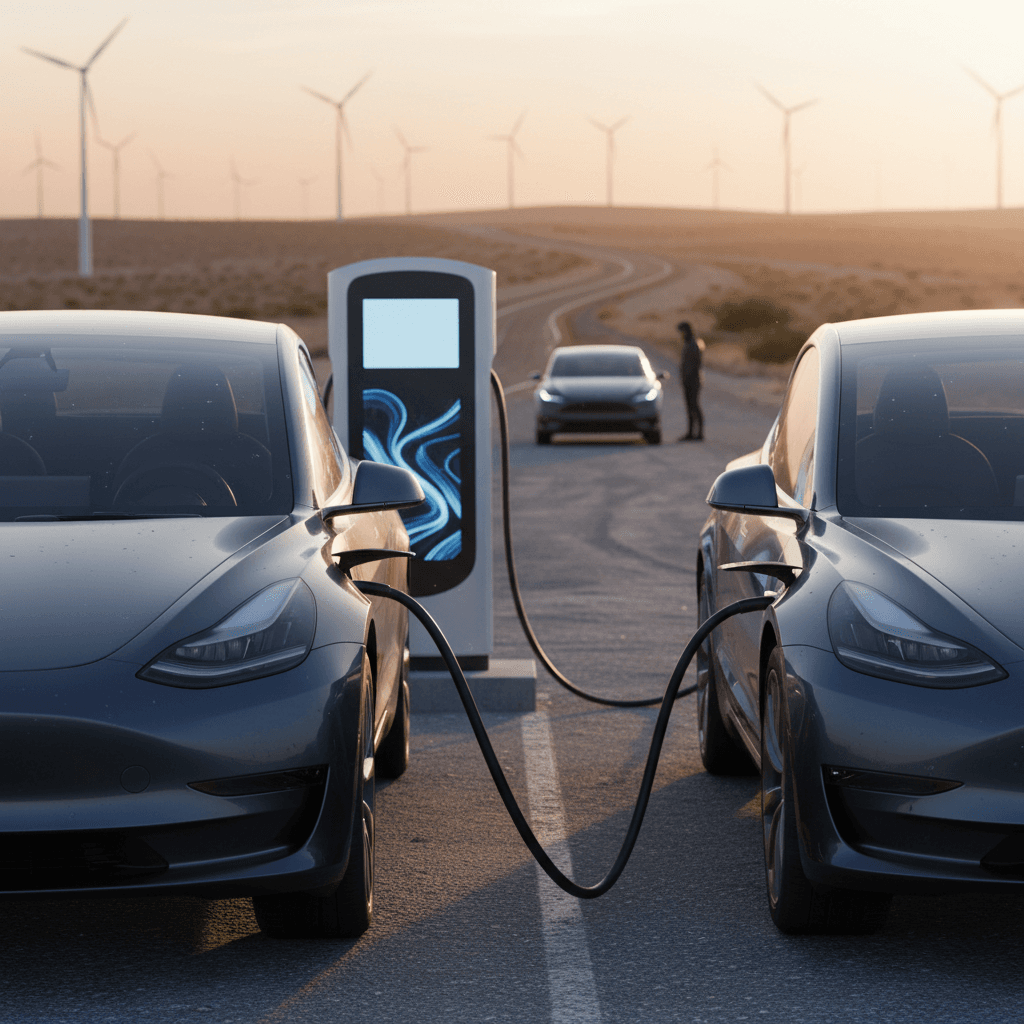
Here’s where Tesla still changes the game. With an EV Tesla, you get native access to the Supercharger network and, more importantly, a connector that has become the North American Charging Standard (NACS). In 2025, most major automakers are either shipping NACS ports on new EVs or providing adapters so they can use Tesla’s infrastructure.
Where you actually charge a Tesla EV
Think of charging as three overlapping worlds.
Home charging
Tesla Superchargers
Public non‑Tesla chargers
What is NACS again?
Home setup: the part you actually control
If you can install a 240V outlet or wall charger where you park, do it. Overnight Level 2 charging means you wake up every day with the equivalent of a full tank.
- Target 32–48 amps if your electrical panel allows.
- Plan for 25–35 miles of range added per hour.
- Consider a smart charger that can schedule charging for off‑peak utility rates.
Superchargers: road‑trip fuel, not daily habit
The Supercharger network is brilliant at what it does: fast, relatively reliable road‑trip energy. But using DC fast charging constantly is harder on any EV battery.
- Think of Superchargers as you’d think of highway gas stops.
- On trips, charge from ~10–15% up to ~60–80% for fastest sessions.
- If you road‑trip constantly, battery health data becomes even more important when buying used.
Buying a used Tesla EV: Prices, battery health, and value
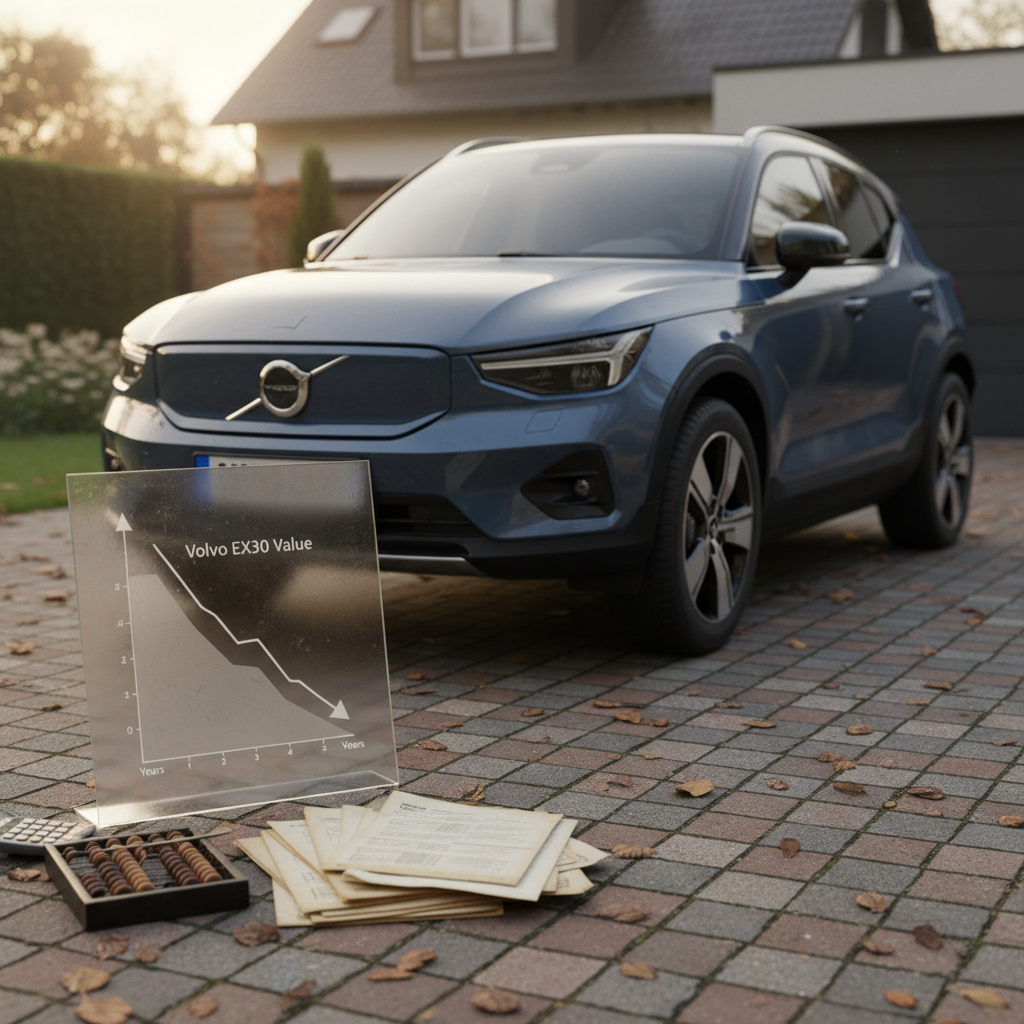
Used Tesla prices have done something remarkable: they’ve dipped below the broader used‑car market average. That’s a chill wind for the brand, but a warm one for your wallet. You can now find a used Model 3 or Model Y with solid range and modern tech at prices that would have bought a lightly optioned gasoline crossover just a few years ago.
Depreciation cuts both ways
Key things to check on a used Tesla EV
1. Battery health & fast‑charge history
The traction battery is the single most expensive component. Look for <strong>objective health data</strong>, not just the seller’s word and a screenshot of current range. Heavy fast‑charging use over years can accelerate degradation.
2. Warranty status
Know exactly what’s left of the battery and drive‑unit warranty. On some older Teslas, you may be close to or past the coverage window, which changes the risk calculus.
3. Accident and repair history
As with any car, structural repairs matter. EVs add a twist: poorly repaired battery packs or high‑voltage components can turn into expensive headaches later.
4. Software and features
Tesla ties some features to the VIN, others to the account. Confirm which driver‑assist features, connectivity packages, and charging perks are actually active and transferable.
5. Tires, brakes, and suspension
EVs are heavy and torquey. They eat tires, and any suspension slop shows up quickly as range‑killing rolling resistance and a sloppy ride.
6. Charging behavior in the real world
If possible, observe a fast‑charge session or at least get charging logs. A healthy pack should ramp up quickly and hold decent power through the mid‑state‑of‑charge band.
How Recharged simplifies buying a used Tesla
If you’re shopping an EV Tesla, you don’t just need a pretty listing, you need truth. That’s what Recharged is built around: a used‑EV marketplace where every car comes with a Recharged Score Report so you can see, in plain language, whether the car you love is actually the car you should buy.
What Recharged brings to the EV Tesla table
Less guesswork, more confidence.
Verified battery health
Fair pricing, clearly explained
EV‑specialist inspection & support
Financing, trade‑in, and delivery
Ready to find your next EV?
Browse VehiclesShop from your couch
EV Tesla vs other EVs now that everyone has NACS
For years, the easiest argument for an EV Tesla was: “Superchargers.” In 2025 that argument gets more nuanced. With the NACS connector standardized and other brands gaining access to Tesla’s network via adapters and built‑in ports, the playing field is leveling, at least for charging.
Where Tesla still leads
- Charging network integration: For Tesla‑branded cars, Supercharger access and payment are still the most seamless.
- Efficiency: Mile for mile, Teslas remain among the most efficient EVs, which matters if you road‑trip often.
- Used‑market depth: Sheer volume means you have more choices on color, trim, and budget, especially for Model 3 and Y.
Where rivals are catching or beating Tesla
- Cabin refinement: Many newer EVs from legacy brands ride quieter and feel more traditionally upscale inside.
- Dealer support: If you prefer traditional dealer service networks, non‑Tesla EVs may feel more familiar.
- Feature mix: Some rivals offer heat‑pump HVAC, HUDs, or driver aids tuned more conservatively than Tesla’s systems.
Think in terms of use case, not logo
Step-by-step checklist for shopping an EV Tesla
From “maybe I want a Tesla” to “keys in hand”
1. Define your actual needs
List your daily commute, parking situation, and how often you road‑trip. This will tell you whether you really need a Long Range dual‑motor car, or if a more affordable variant fits.
2. Decide on model and non‑negotiables
Do you need a hatch and higher seating (Model Y) or is a sedan fine (Model 3)? Do you care about all‑wheel drive, or would you rather save money and weight?
3. Get clear on budget and ownership costs
Look beyond the sticker: insurance, home‑charging installation, and potential out‑of‑warranty repairs. Use Recharged’s pricing transparency to sanity‑check what the market is actually doing.
4. Shortlist specific cars, not just trims
Once you’re on Recharged or another marketplace, save real listings. Compare year, mileage, options, and battery‑health information side by side.
5. Scrutinize battery health and history
Treat the battery like an engine in a performance car. Make sure you have a <strong>professional assessment</strong> such as a Recharged Score Report, not just seller assurances.
6. Arrange financing and trade‑in early
Getting pre‑qualified, right from Recharged, gives you a clear ceiling and speeds up the moment you find the right car. If you have a trade‑in, get an instant offer so you know where you stand.
7. Do a careful test drive (or virtual review)
Listen for rattles and clunks, watch how the car tracks on the highway, and try key features you’ll use daily. On a fully digital purchase, lean extra hard on inspection reports and return policies.
8. Plan your first month of charging
Before delivery, schedule any home‑charging work and map your nearest Superchargers and Level 2 stations. The first month with an EV is a learning curve; planning flattens it.
EV Tesla FAQ
Frequently asked questions about EV Teslas
Bottom line: Should you buy an EV Tesla?
An EV Tesla in 2025 is no longer the edgy future, it’s the mainstream reference point. That’s both the opportunity and the caution flag. You can get a lot of car for the money, especially used, with strong range, vast charging access, and a software experience that still feels ahead of most rivals. But you’re also buying into a brand that moves fast and sometimes breaks things, including its own pricing.
If you value efficient long‑distance travel, a deep used market, and a polished charging experience, a Tesla remains a compelling choice. If you want maximum cabin refinement or a more traditional interface, it’s worth test‑driving the new wave of NACS‑equipped EVs from other brands as well. Either way, don’t buy blind. Let verified battery health, transparent pricing, and expert guidance, the kind Recharged builds into every used EV it sells, be your North Star. The car should feel good on the road; the numbers behind it should feel even better.
“In the EV world, Tesla has gone from disruptor to yardstick. You don’t have to love it. But you should at least test‑drive what everyone else is being measured against.”