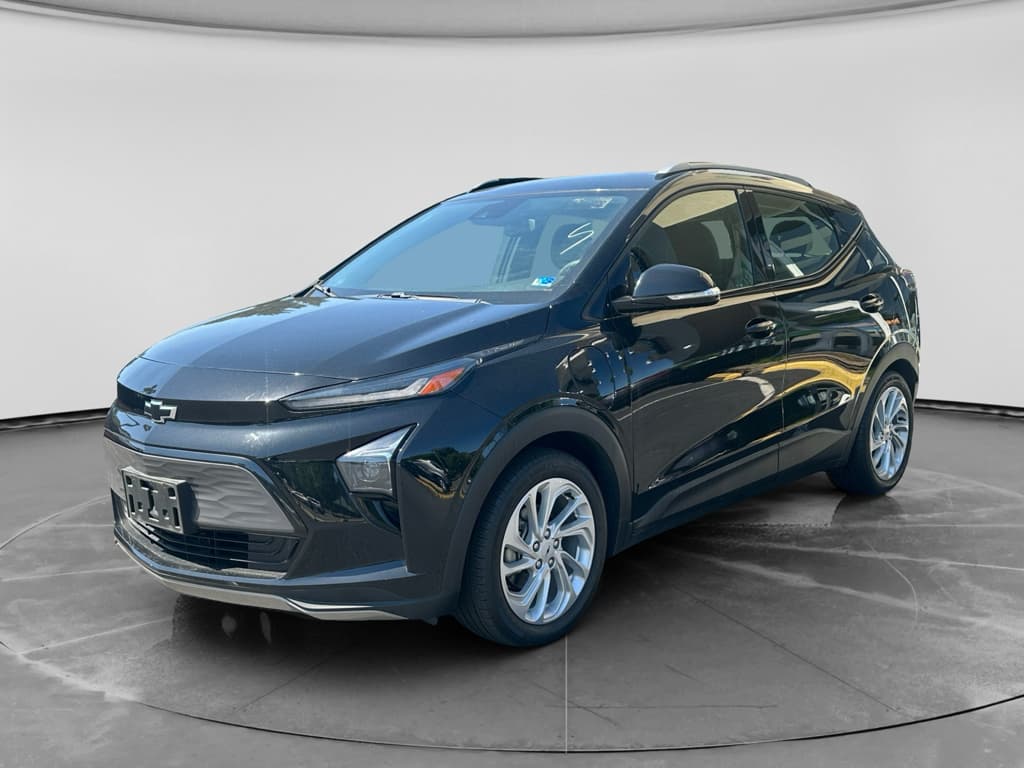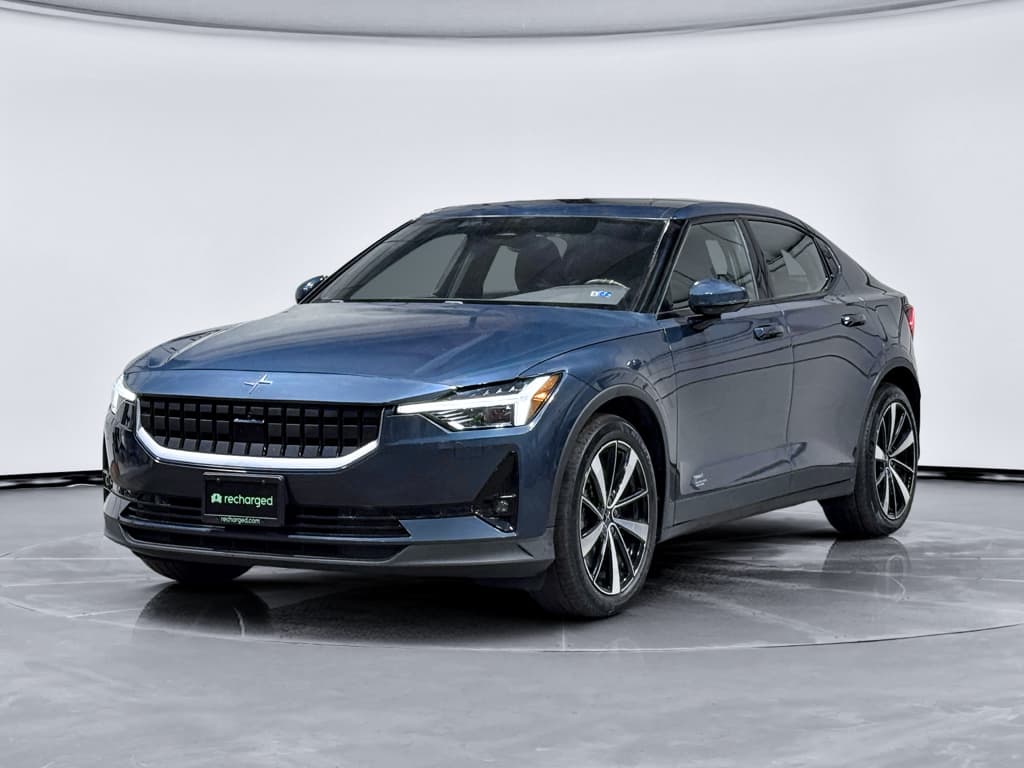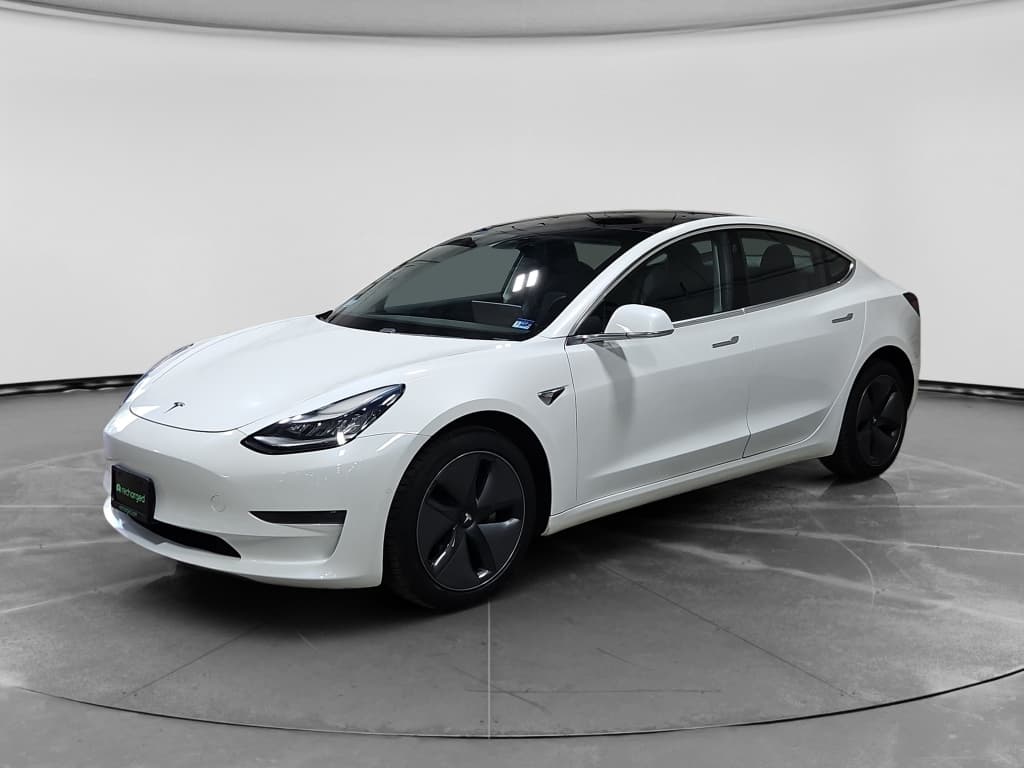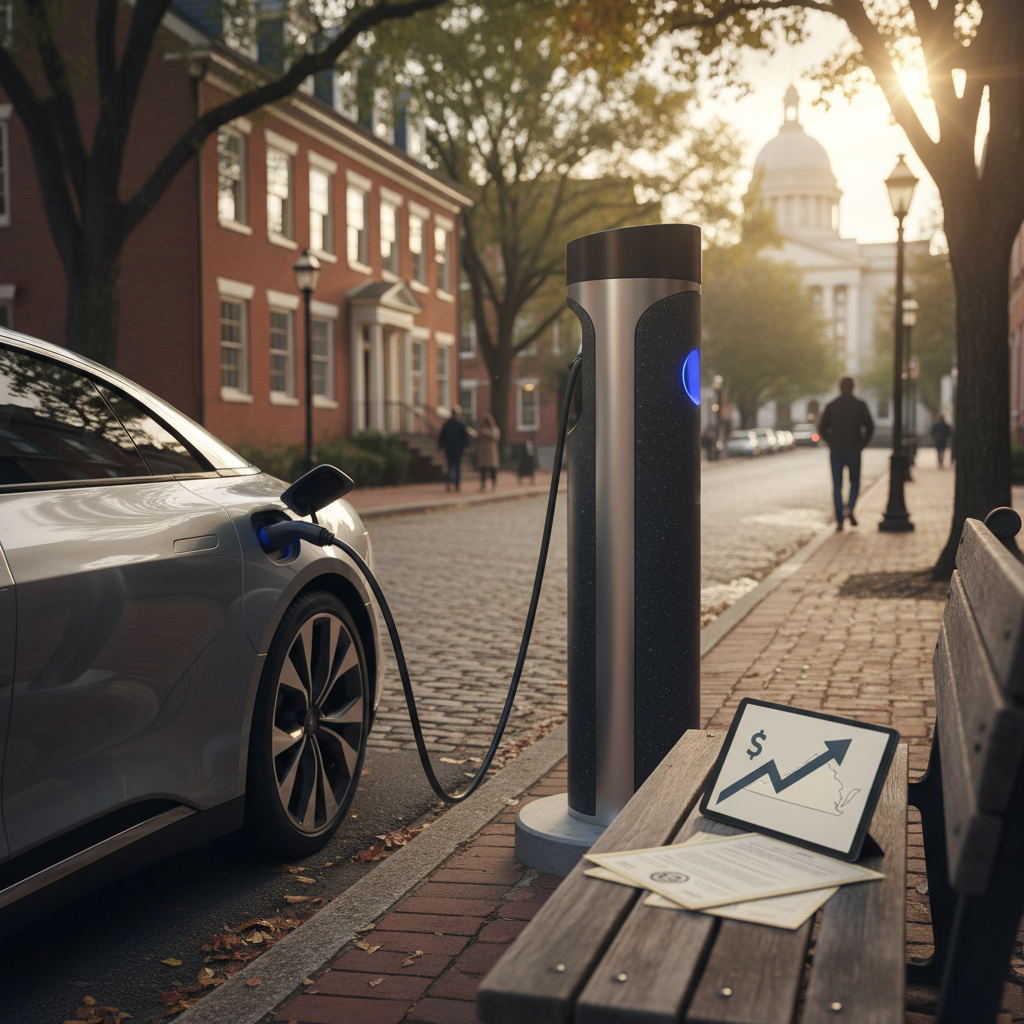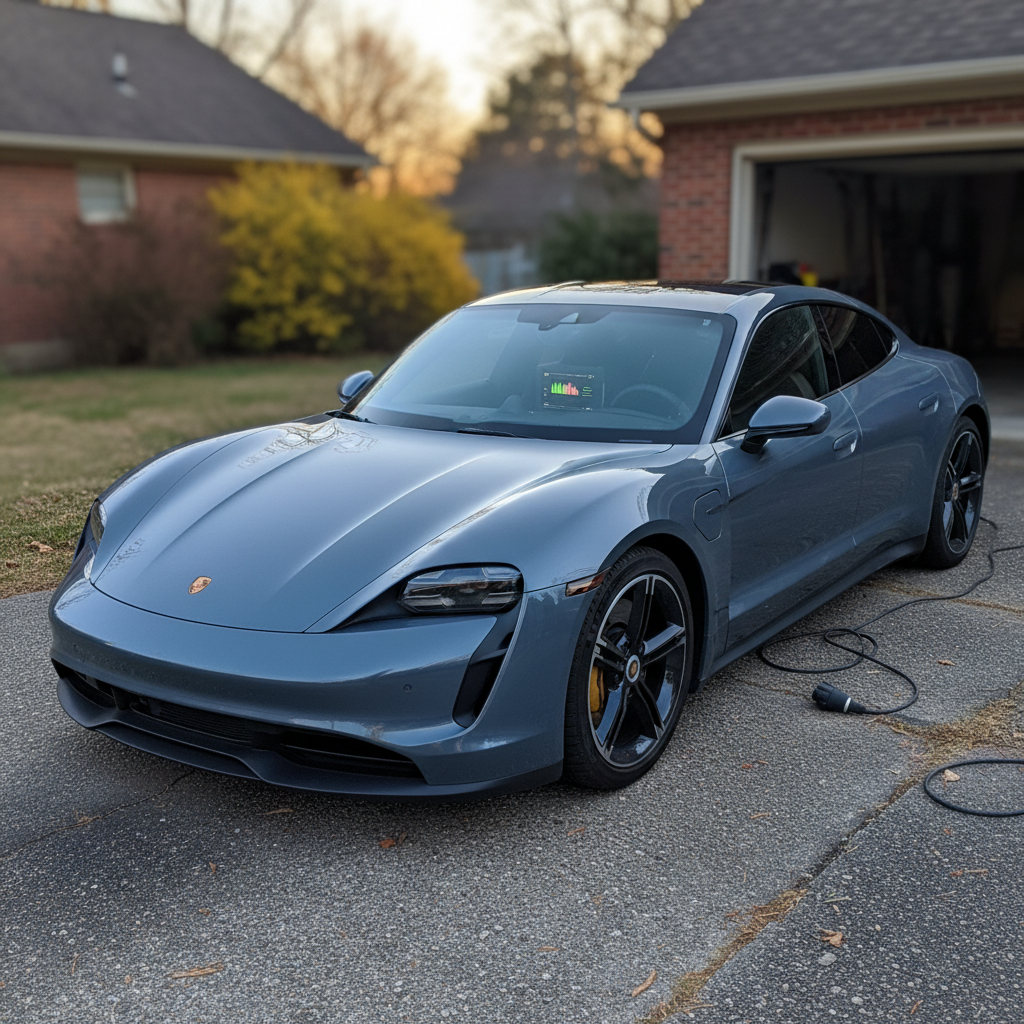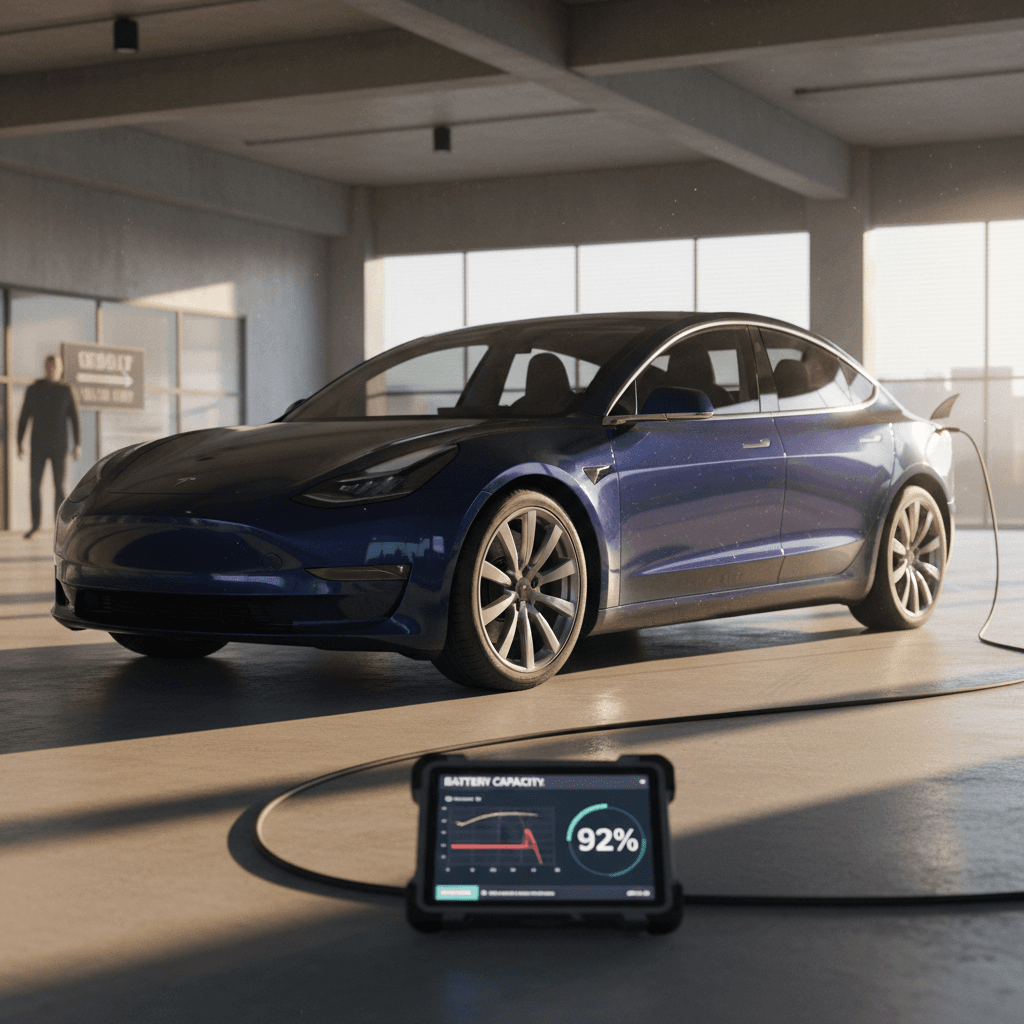
If you’ve typed “EV shop” into a search bar lately, you’ve probably discovered just how confusing the world of electric-car shopping has become. Between traditional dealers, new online EV shops, and marketplaces that promise to reinvent the buying experience, it’s hard to know who to trust, especially when the most expensive part of the car is a battery pack you can’t see.
Why “EV shop” matters now
What is an EV shop in 2025?
When people say “EV shop,” they usually mean one of two things: a place to buy or sell electric vehicles (online or in person), or a store for EV parts and accessories like chargers and floor mats. This guide focuses on the first meaning, where you actually buy, finance, or trade in a used electric car, but we’ll nod to accessories where it matters.
- A website where you can browse, finance, and buy a used EV entirely online
- A physical dealership that specializes in electric cars instead of gas vehicles
- A hybrid model: shop online, then visit an experience center or delivery hub to finalize
- Occasionally, a section of a big auto site labeled “EV shop” or “EV corner” that gathers EV listings and accessories in one place
Quick rule of thumb
The 3 main types of EV shops
Not all EV shops are built the same, and they don’t serve the same kind of shopper. Understanding the main types helps you decide where your time (and money) are best spent.
Three ways to “go to” an EV shop
Each comes with different levels of EV expertise, transparency, and convenience.
1. Traditional dealers adding EVs
Most franchise dealers now keep a few EVs in stock alongside gas cars.
- Familiar test‑drive process
- Service department on site
- EV knowledge can be hit‑or‑miss
2. Specialist EV shops
These focus mainly or exclusively on electric vehicles.
- Staff trained on EV tech
- Often include battery checks
- Limited to certain regions
3. Online EV marketplaces
Digital‑first “EV shops” that let you browse, finance, and often complete the purchase online.
- Nationwide selection
- Home delivery options
- Depend on transparent reports
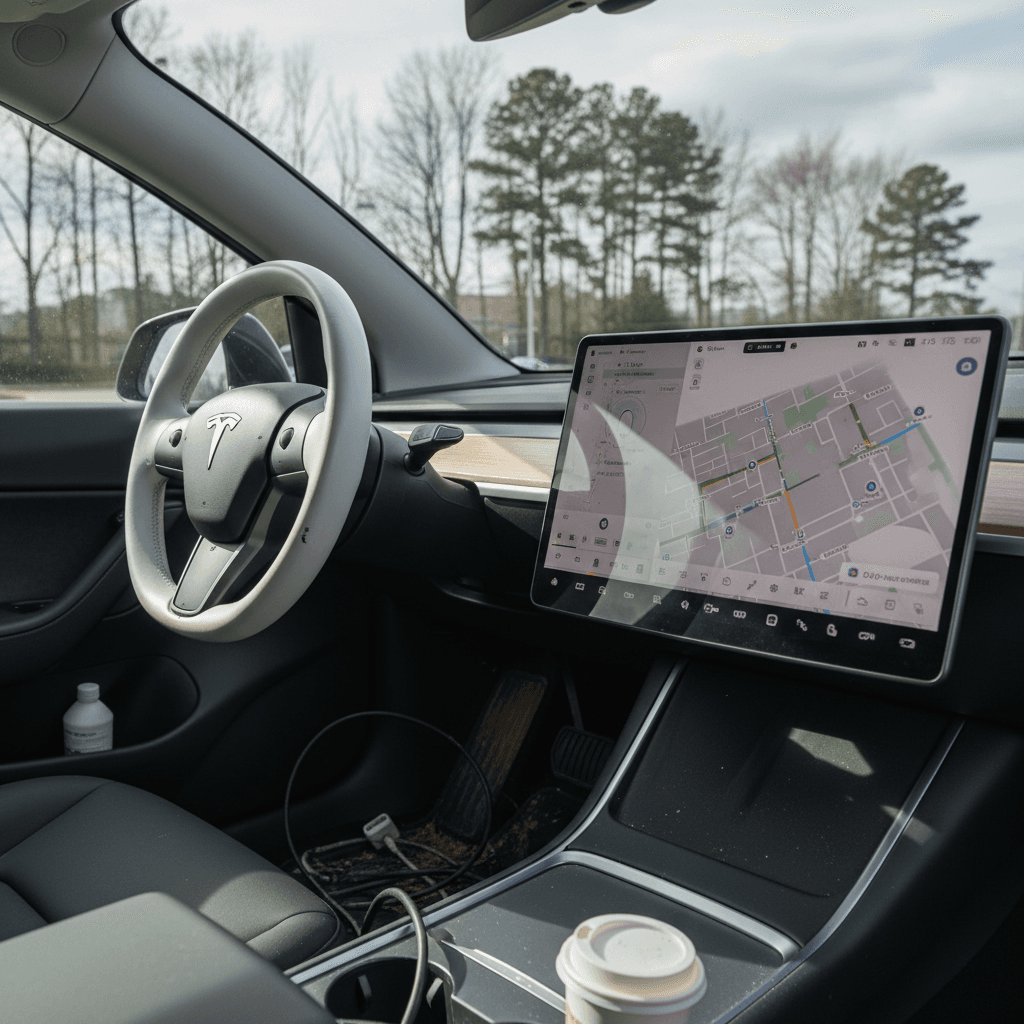
EV shop vs regular used-car lot
What a true EV shop does differently
- Battery diagnostics: Uses software and hardware tools to measure pack health, not just “it seems fine.”
- Charging literacy: Explains Level 1, Level 2, DC fast charging, and what your home setup needs.
- Range reality: Talks about range in real miles for your climate and commute, not just the original EPA sticker.
- Incentive guidance: Knows which federal, state, utility, or employer incentives still apply to used EVs and leases.
How a typical used‑car lot treats an EV
- Relies on the same inspection checklist used for gas cars.
- May have no idea how fast the car charges or whether it has fast‑charging hardware installed.
- Quotes the original range number from years ago, not today’s realistic range.
- Can’t show data on battery degradation or previous fast‑charging habits.
You’re still signing for the same five‑figure purchase, just with far less information.
Be careful with “we don’t see any warnings”
How to evaluate any EV shop in 10 minutes
Before you fall for glossy photos or a low monthly payment, pause and evaluate the EV shop itself. A few quick checks will tell you whether you’re dealing with a true electric‑vehicle specialist or a generalist learning on your dime.
10‑minute EV shop evaluation checklist
1. Look for EV‑specific language
Browse the site or visit the showroom. Do they explain <strong>battery health</strong>, <strong>charging speeds (kW)</strong>, connector types (NACS, CCS, J1772), and range in plain English? Or does it read like a generic used‑car template?
2. Ask how they measure battery health
A serious EV shop can name the tools they use and show you a <strong>written or digital report</strong>. If the answer is, “Our mechanic checked it,” that’s not enough.
3. Check for transparent reconditioning standards
Better EV shops outline what they inspect: HV battery, on‑board charger, thermal system, tires, brakes, software updates, and recall checks.
4. Confirm return or exchange options
Online EV shops should give you a <strong>test‑own window</strong>, a few days to a couple of weeks to live with the car and return or swap it if it’s not right.
5. Review how they support out‑of‑state buyers
If you’re shopping nationally, look for clear language on <strong>delivery, registration, emissions/inspection</strong>, and who handles what.
Why EV shops are multiplying
Battery health: the heart of every good EV shop
When you buy a gasoline car, you don’t ask the dealer for a lab report on the fuel tank. With an EV, the energy storage system is the whole ballgame. Range, performance, resale value, and even charging time are tied directly to the condition of that battery pack.
- State of health (SoH): A percentage showing how much usable capacity remains compared with when the car was new.
- DC fast‑charging history: Frequent ultra‑fast charging can age some packs faster than mostly Level 2 home charging.
- Thermal management: A healthy cooling/heating system helps the battery age more gracefully and charge more quickly.
- Software level: Some EVs gain range, efficiency, or charging improvements through over‑the‑air updates.
How Recharged handles battery health
Ready to find your next EV?
Browse VehiclesPricing, financing, and trade‑ins at modern EV shops
Even if two EVs look identical, their batteries, options, and histories can make them worth very different amounts. A good EV shop makes that complexity visible instead of hiding it inside a payment calculator.
How modern EV shops structure the deal
Use this as a cheat sheet when you compare offers between different EV shops.
| Element | What you should see | Red flag signs |
|---|---|---|
| Vehicle price | Clear list price plus taxes/fees shown separately | “Out‑the‑door” number only, no breakdown |
| Battery condition | Summary in a report (SoH %, range estimate) factored into price | No mention of battery health anywhere |
| Fees | Line items for doc fee, delivery, registration, with explanations | Big “protection packages” you can’t opt out of |
| Financing | APR, term, and total payable shown; option to use your own lender | Pressure to focus only on monthly payment |
| Trade‑in | Written offer based on condition and market data | “Ballpark” verbal offers that change later |
Transparent EV pricing should separate vehicle value, battery health, fees, and financing, so you can compare apples to apples.
Don’t just chase the lowest monthly payment
Step-by-step: shopping an online EV shop
If you’re comfortable buying a laptop online, you can buy an EV online too, as long as the EV shop does the hard work in the background. Here’s a simple roadmap you can follow on any reputable platform, including Recharged.
From browsing to driveway: your EV shop playbook
1. Start with your use case, not the badge
List your real‑world needs: daily miles, road‑trip habits, charging access, budget. A slightly less flashy brand with a stronger battery can be a far better buy than the logo you already know.
2. Narrow by verified battery health
Use filters or reports to prioritize cars with <strong>clear battery diagnostics</strong>. If the EV shop doesn’t provide this, that’s your cue to move on.
3. Check charging compatibility
Confirm connector type (NACS, CCS, J1772), DC fast‑charging capability, and maximum AC charge rate. Make sure it fits both your local infrastructure and your home plans.
4. Review the history and reconditioning
Accident history, ownership count, and service records still matter with EVs. Look for shops that recondition brakes, tires, and software, not just detail the paint.
5. Walk through the digital paperwork
A good online EV shop lets you review price breakdown, taxes, incentives, and loan terms before you sign, often with e‑sign and secure uploads of your documents.
6. Plan delivery or pickup
Understand how the car will reach you, who pays for shipping, how long it takes, and what your <strong>return or exchange window</strong> looks like after it arrives.
Red flags: when an EV shop isn’t right for you
Not every EV shop deserves your trust, or your down payment. Here are warning signs that should send you browsing elsewhere, no matter how good the deal looks on paper.
- No written battery‑health documentation and vague answers when you ask for it.
- “As‑is” used EVs with no inspection summary or post‑sale support.
- Sales staff who can’t explain the difference between Level 2 and DC fast charging.
- High, mandatory add‑on packages for “EV protection” that don’t actually extend battery coverage.
- Pressure to commit before you see inspection reports, photos, or video of the specific car you’re buying.
Hard stop: walk away from these
How Recharged rethinks the EV shop
Recharged was built from the ground up as a digital‑first EV shop for used electric vehicles. Instead of bolting a few EVs onto a gas‑car business, everything, from inspections to financing to delivery, is designed around how electric cars age, how their batteries behave, and how real people actually shop online.
What you get when your EV shop is built for EVs
Recharged focuses on the parts of the experience that matter most for long‑term ownership.
Recharged Score battery health diagnostics
Every vehicle comes with a Recharged Score Report that covers battery health, charging performance, estimated real‑world range, and overall condition, so you can compare vehicles on more than color and mileage.
Fair, data‑driven pricing
Recharged benchmarks each car against the broader EV market, factoring in battery health, options, and demand. You see transparent pricing up front instead of a guessing game on the lot.
Financing without the mystery
You can apply for financing online, see your options, and pre‑qualify, with expert help if you need it. Recharged also supports trade‑ins and instant offers, whether you’re coming from an EV or a gas car.
Nationwide delivery & EV‑specialist support
Browse, buy, and sign digitally, then have your EV delivered. Along the way, EV specialists answer questions about home charging, road‑trip planning, and which model actually fits your life.
If you’d rather kick the tires in person, Recharged also operates an Experience Center in Richmond, VA, where you can see vehicles, talk with EV‑savvy staff, and get hands‑on with charging and tech features before you buy.
EV shop FAQ
Frequently asked questions about EV shops
An EV is more than just another used car, and the place you buy it from should be more than just another used‑car lot. Whether you end up at a local EV specialist or a digital‑first EV shop like Recharged, focus on battery transparency, clear pricing, and real support. Do that, and your next stop after the EV shop will be the fun part: figuring out just how far you can go on electrons instead of gasoline.