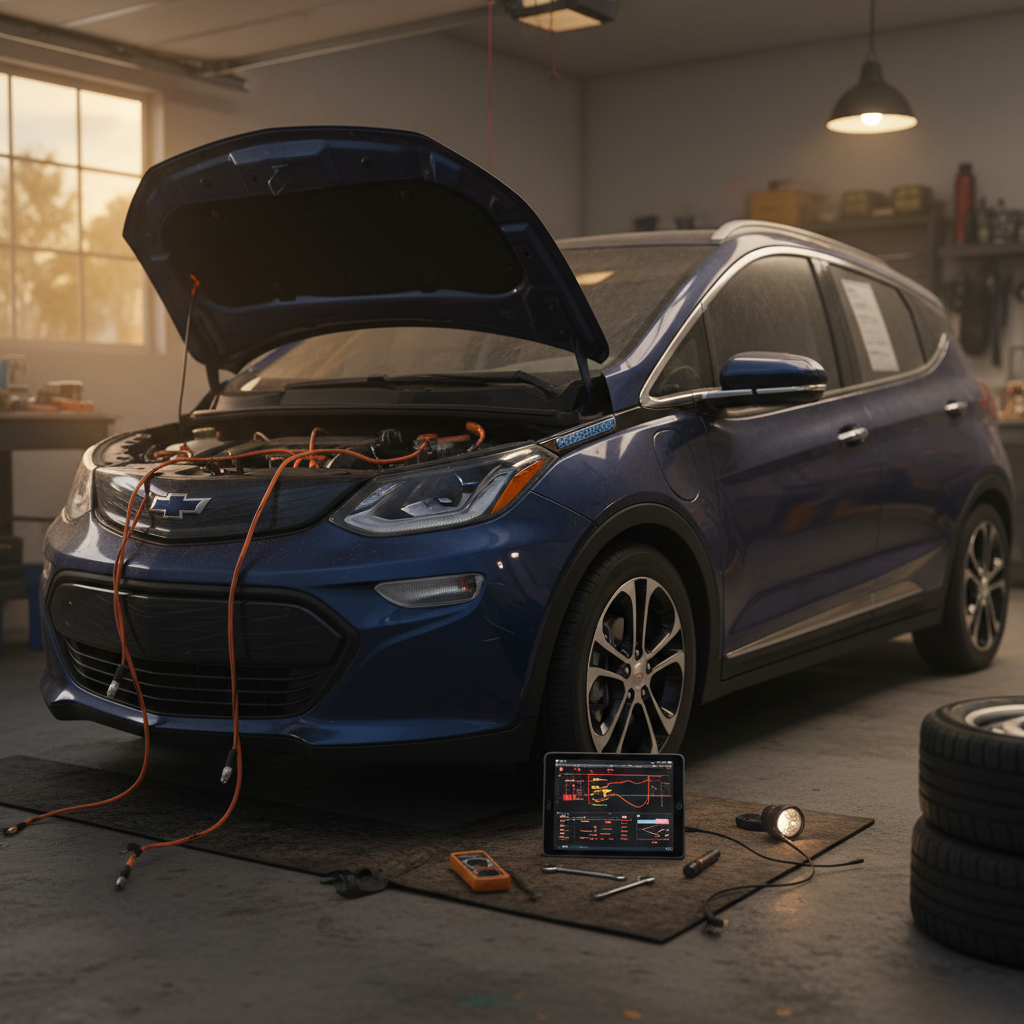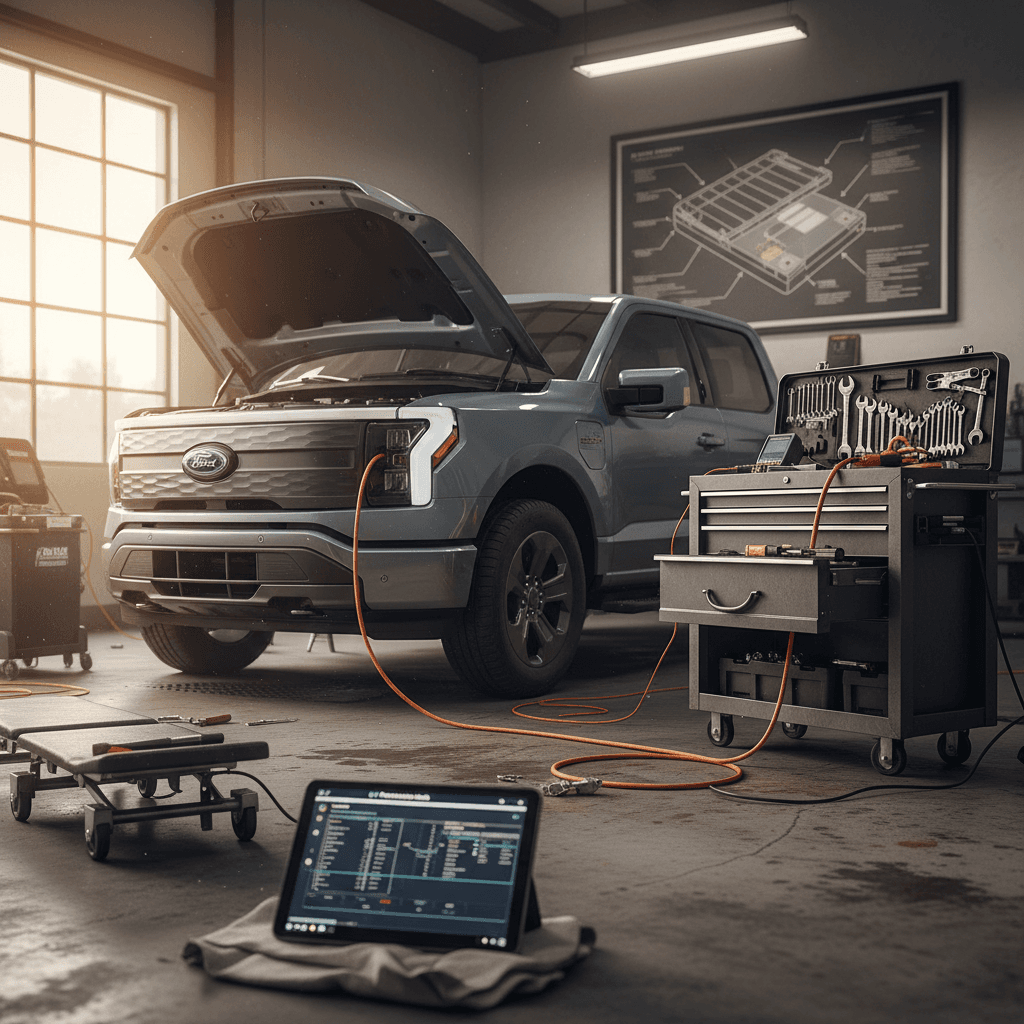
If you’re comparing EV reliability vs gas car reliability, you’ll quickly run into conflicting claims. EV fans point to fewer moving parts and no oil changes. Skeptics point to battery anxiety, software glitches, and scary repair bills. The truth in 2025 is more nuanced, and it matters a lot if you’re about to spend real money on a new or used vehicle.
Key takeaway up front
Why EV vs gas reliability matters more than ever
Reliability isn’t just about avoiding inconvenience. It affects total cost of ownership, resale value, and your day-to-day stress level. The average vehicle on U.S. roads is now more than 12 years old, which means many buyers today plan to keep their next car a long time. That makes it fair to ask whether an EV can hold up as well as a traditional gas car over a decade or more of commuting, road trips, and weather extremes.
EV vs gas reliability and cost: by-the-numbers snapshot
Reliability basics: what are we actually comparing?
Before you can fairly compare EV reliability vs gas car reliability, you need a clear definition. In practice, “reliability” usually includes three things:
- Problem frequency – how often owners report issues that need diagnosis or repair.
- Severity and cost – how big and expensive those problems are when they happen.
- Downtime and inconvenience – how long your car is out of service and how hard it is to get it fixed.
EVs and gas cars are built very differently. Gas vehicles rely on a complex engine, transmission, exhaust, and fluid systems, all of which can wear out slowly over time. Battery-electric vehicles eliminate many of those parts, but add high-voltage batteries, inverters, on‑board chargers, electric drive units, and more software. So reliability isn’t simply “more” or “less”, it’s different kinds of risk.
Think in systems, not sound bites
What the latest data says: EVs vs gas in 2025
Big owner surveys and insurance data now give us a clearer picture than we had just a few years ago. The punchline: EV reliability is improving, but still generally trails gas cars and especially conventional hybrids.
Owner surveys: how EVs stack up to gas cars
High-level trends from large reliability studies
Gas & traditional hybrids
Across recent owner surveys, gas-only and non-plug-in hybrids remain the benchmark. Hybrids in particular show fewer issues than either gas or EVs because the core technology has been refined for decades.
Battery-electric vehicles (EVs)
Fully electric vehicles still show significantly more reported problems per 100 vehicles than gas cars. The delta has been shrinking year over year, but it’s still meaningful, driven by battery, charging, and electronics complaints.
Plug‑in hybrids (PHEVs)
PHEVs combine a full gas drivetrain with a plug‑in battery system. That complexity tends to make them less reliable than both EVs and gas cars, even though they promise the best of both worlds on paper.
Why EVs show more problems on paper
Common failure points: EVs vs gas cars
Typical gas-car weak spots
- Engines – oil leaks, timing chains, head gaskets, turbo failures.
- Transmissions – shifting issues, fluid leaks, full replacements on higher‑mileage cars.
- Exhaust & emissions – catalytic converters, O2 sensors, EGR valves.
- Cooling systems – radiators, water pumps, hoses.
- Routine wear – belts, spark plugs, fuel pumps, etc.
These failure modes usually emerge gradually with age and mileage, which is why a 12‑year‑old gas car may still run but need steady attention and repairs.
Typical EV weak spots
- Battery & charging system – charging faults, thermal management issues, rare but costly pack failures.
- Electric drive unit – inverter or motor bearing issues, usually handled under warranty.
- High-voltage components – on‑board charger, DC‑DC converter.
- Software & infotainment – over‑the‑air update bugs, connectivity issues.
- Body hardware – door handles, seals, and trim problems as new designs hit the road.
EVs avoid many engine and exhaust problems entirely, but they introduce high‑tech components that require specialized diagnosis when they do fail.
Good news on catastrophic EV failures
Maintenance, service access, and downtime
On paper, EVs have a clear advantage in scheduled maintenance. No oil changes, no spark plugs, no exhaust system, and far less brake wear thanks to regenerative braking. In the real world, the gap is smaller than early marketing suggested, but still meaningful.
Routine maintenance: EVs vs gas cars
High-level comparison of common maintenance items over the first 5–8 years.
| Item | Gas car | Battery-electric EV |
|---|---|---|
| Oil & filters | Oil change every ~5,000–7,500 miles | Not required |
| Spark plugs / ignition | Replacement typically 60k–100k miles | Not applicable |
| Transmission service | Fluid changes or flushes, potential repairs | Single-speed gearbox; usually lifetime fluid |
| Brakes | Pads/rotors wear faster in city driving | Slower wear thanks to regenerative braking |
| Cooling system | Radiator, water pump, hoses | EVs still have cooling, but fewer hot parts |
| Annual inspections | Emissions + safety in many states | Safety only; no emissions test required |
Exact service needs vary by model, mileage, and environment, but this table captures the most common differences.
Lifetime maintenance cost comparisons based on real owner data now suggest EVs save only single‑digit percentages on maintenance over the first five years compared with similar gas cars. That’s still money in your pocket, but it’s not the 40–50% gap some projections assumed. And some EV‑specific items cut the other way: EV‑rated tires and specialized service labor can be more expensive.
Service access is a hidden reliability factor
Repair costs, insurance, and collisions
Reliability isn’t just how often you see the shop. It’s also what happens when things go really wrong, especially in collisions. Here, EVs and gas cars look different again.
When things break: EV vs gas repair realities
What owners are actually paying today
Everyday repairs
For minor and moderate non‑collision repairs, EV costs are now roughly on par with gas cars in many five‑year cost‑of‑ownership analyses. Savings from fewer moving parts are partially offset by higher labor rates and specialized parts.
Collision and body shop work
Collision data consistently shows higher average repair bills for EVs, often 20–30% more than comparable gas cars. Batteries and high‑voltage components near impact zones can turn minor crashes into major repairs, or total losses.
Those higher collision repair costs also influence insurance premiums. Many insurers now price EVs higher to reflect expensive parts, complex driver‑assist systems, and limited repair networks. Over time, as EV volumes grow and more shops get trained, those costs should moderate, but buyers shopping today should budget for it.
Battery damage in a crash is a big deal
Battery life vs engine and transmission life
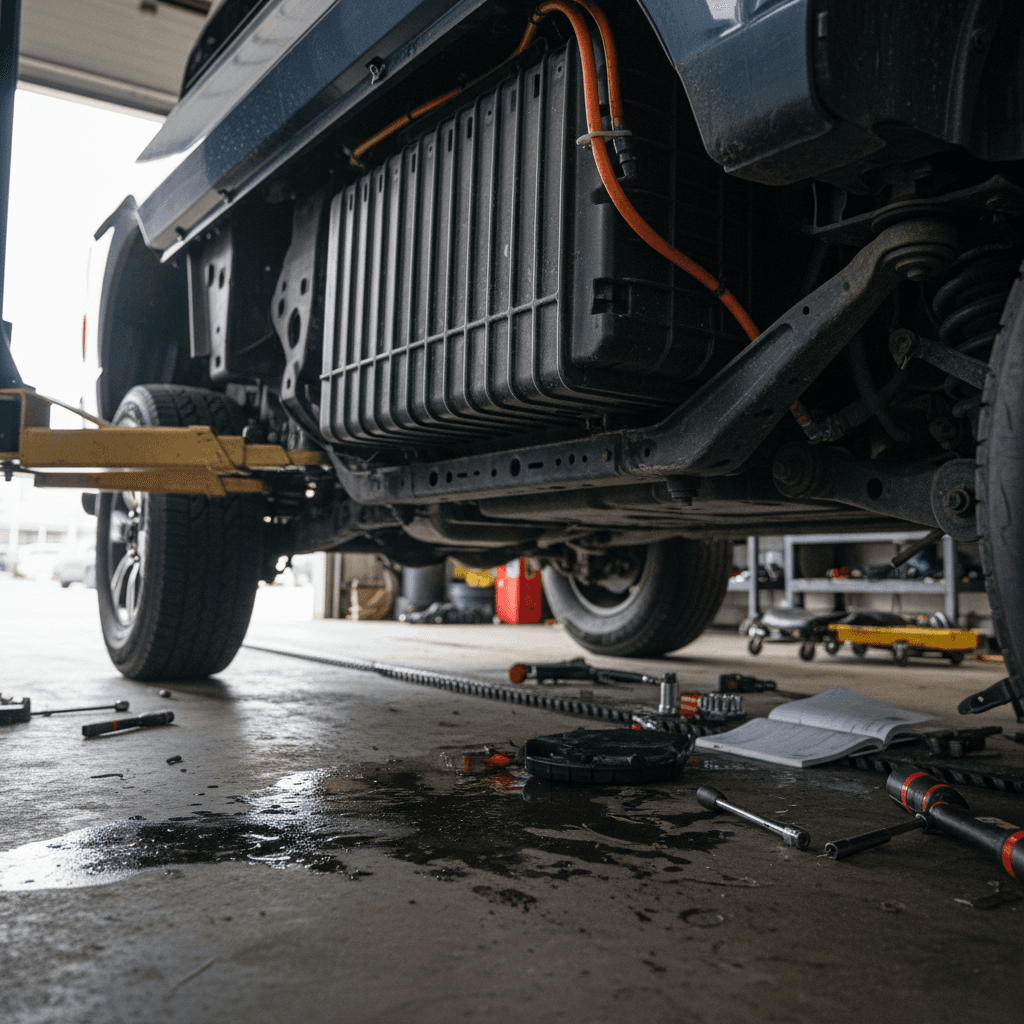
A huge part of EV reliability anxiety boils down to one question: Will the battery last? Gas vehicles have decades of track record showing that well‑maintained engines and transmissions can easily run past 150,000 miles. EV batteries are newer, but real‑world data from early models is encouraging.
- Most modern EVs carry 8–10 year / 100,000–150,000‑mile battery warranties on the high‑voltage pack.
- Fleet and early adopter data shows many EVs retaining 70–80% of original capacity after 8–10 years when not abused.
- Degradation is usually gradual: a few miles of range lost each year rather than sudden failure.
- Extreme fast‑charging, frequent 100% charges, and very hot or very cold climates can accelerate degradation.
Contrast that with gas cars: major engine or transmission failures are relatively rare in the first 100,000 miles, but become more common beyond 150,000 miles, especially if maintenance has been skipped. So far, the pattern with EVs appears to be slower, more predictable wear on the battery versus a wider spread of outcomes with engines and transmissions.
Used EVs: trust data, not guesses
How reliable are used EVs?
Used EV reliability is where theory meets reality. The first wave of mainstream EVs is aging into the secondary market, and patterns are emerging:
- Early‑generation models sometimes show faster battery degradation than newer designs, especially if they lacked robust thermal management.
- Brand matters. Automakers with strong gas‑car reliability records tend to build more reliable EVs and hybrids as well, while some startup brands are still working through quality and software issues.
- Because EV drivetrains have fewer wear items, high mileage alone is not a dealbreaker if the battery health is strong and service history is clean.
- Some used EVs have excellent mechanical reliability but poor owner satisfaction because of weak public charging support in certain regions. Reliability and usability aren’t the same thing.
Where Recharged fits in
Ready to find your next EV?
Browse VehiclesEVs, hybrids, plug‑in hybrids, or gas: who wins?
Looking across recent data, you can roughly stack powertrains from most to least reliable this way, keeping in mind that individual models and brands can buck the trend:
Current reliability hierarchy by powertrain
1. Conventional hybrids (most reliable overall)
Non‑plug‑in hybrids from established brands consistently lead reliability charts. Their electric components are mature, and the gas engines are typically tuned for longevity, not maximum performance.
2. Gas-only vehicles
A mixed bag by brand and model, but as a group they still show <strong>fewer reported problems</strong> than today’s EVs and PHEVs, helped by three decades of refinement on modern engines and transmissions.
3. Battery-electric vehicles (EVs)
Mechanically simple but electronically complex, EVs are rapidly improving. Some models from reliability-focused brands already look solid, while others still show elevated issues around software, build quality, and charging systems.
4. Plug‑in hybrids (PHEVs)
PHEVs layer a full EV system on top of a full gas drivetrain, and early statistics show they have the <strong>highest problem rates</strong> of all powertrains today. They can be great in the right use case, but they’re not the low‑risk option many shoppers expect.
Powertrain is one variable, not destiny
Checklist: how to shop for a reliable used EV
If you’re reliability‑conscious but ready to go electric, or at least plug‑in, here’s how to tilt the odds in your favor when you shop, especially in the used market.
Used EV reliability checklist
1. Start with the model’s track record
Look up owner‑reported reliability and satisfaction scores for the specific EV (and model years) you’re considering. Pay attention to patterns, chronic software bugs, charging issues, or premature battery complaints are red flags.
2. Get a real battery health report
Don’t settle for a generic “battery OK” note. Ask for <strong>state-of-health (SoH)</strong> data or a third‑party diagnostic. At Recharged, this is built into the Recharged Score, so you can compare one EV to another objectively.
3. Confirm remaining factory warranties
Know the exact <strong>battery and drivetrain warranty coverage</strong> still in force, and whether it transfers to you. On many EVs, that high‑voltage coverage runs 8–10 years from the in‑service date.
4. Review software and recall history
Check whether major software updates, recalls, and service campaigns have already been completed. A well‑maintained EV with a clean recall history is a better bet than one missing key updates.
5. Inspect tires, brakes, and suspension
EVs are heavier and can be harder on tires and suspension components. Look for <strong>even tire wear, recent alignment records, and healthy brakes</strong>. Those give you clues about previous driving style and road conditions.
6. Evaluate your local service options
Search for nearby dealers and independent shops qualified for high‑voltage work on your brand. Easy access to EV‑trained technicians can make the difference between a quick fix and weeks of downtime.
7. Consider your daily use case
Short commutes with home charging are very low stress on an EV. Daily DC fast‑charging and long‑distance drives in extreme climates are harder on batteries and may magnify any reliability weaknesses.
8. Use a trusted marketplace
Buying from a platform that <strong>specializes in used EVs</strong>, and backs vehicles with transparent condition reports and expert help, significantly reduces your risk compared with rolling the dice on an anonymous listing.
FAQ: EV reliability vs gas car reliability
Frequently asked questions
Bottom line: how to think about EV reliability today
When you zoom out, the story of EV reliability vs gas car reliability is less about winners and losers and more about where the industry is on the curve. Gas cars and conventional hybrids benefit from decades of refinement, so they still show fewer reported problems overall. EVs trade many traditional mechanical risks for newer, software‑heavy and battery‑centric risks, which are improving quickly but haven’t fully matured yet.
If you’re shopping now, the smart move is to focus on specific models with strong reliability records, not just the badge or the powertrain. For used EVs in particular, insist on trustworthy battery diagnostics, clear service history, and a realistic understanding of insurance and repair costs. Platforms like Recharged are built around exactly that kind of transparency, so you can enjoy the benefits of electric driving without feeling like you’re gambling on the unknown.