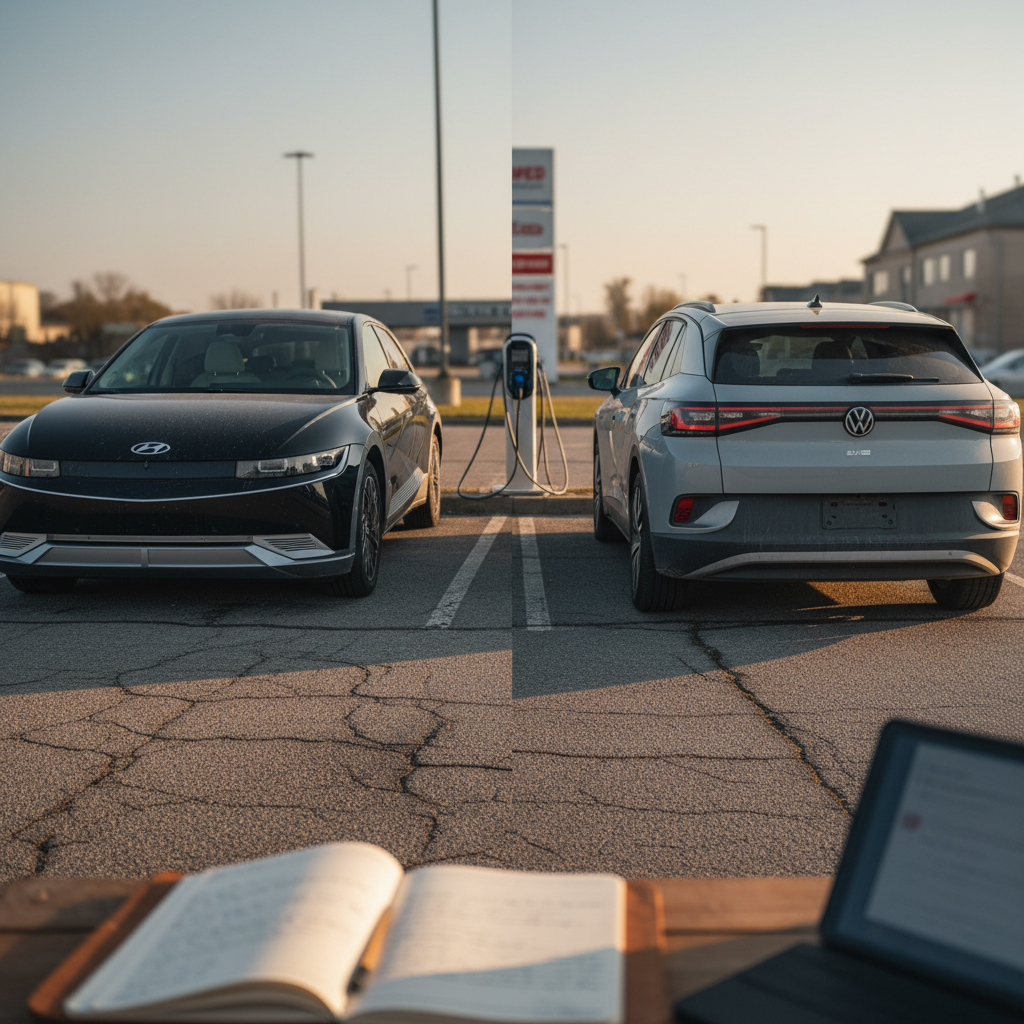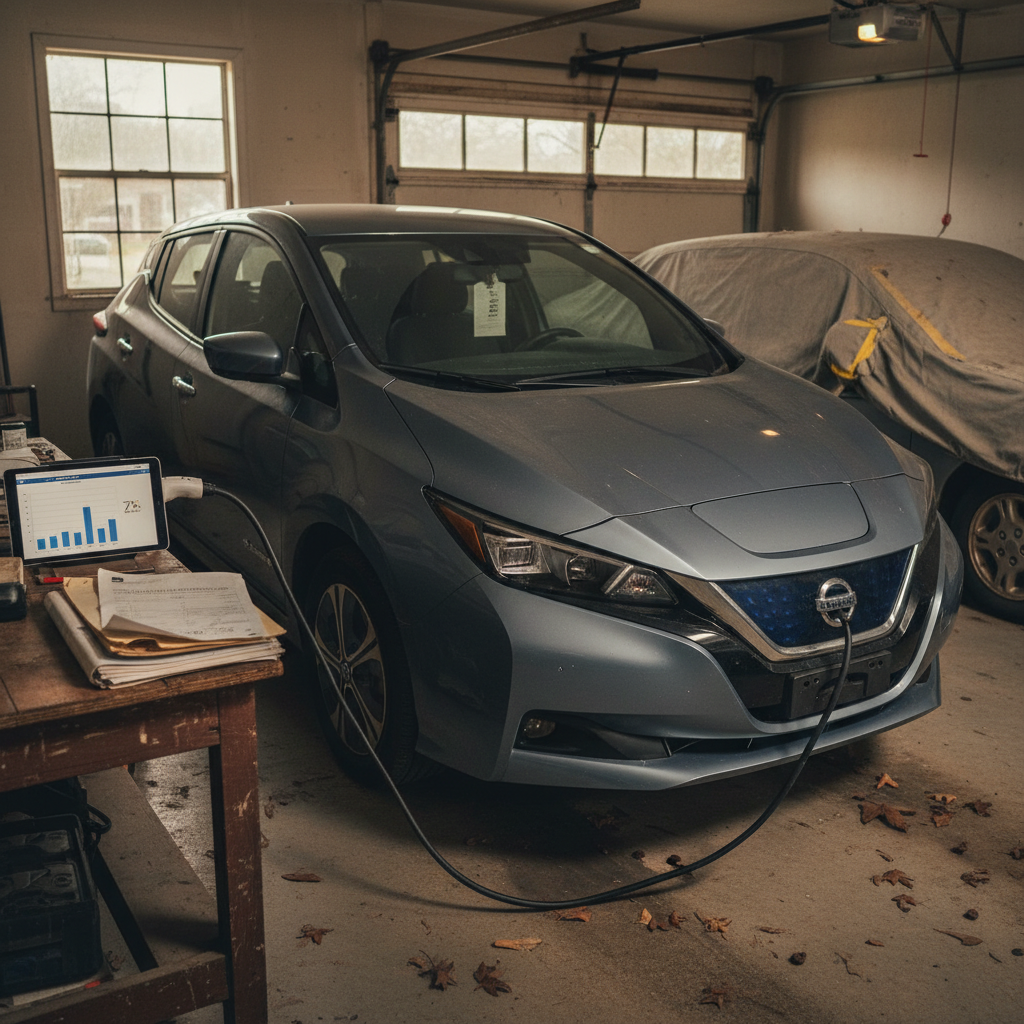
Search for “EV rebates Savannah” today and you’ll find a messy picture: federal EV credits have been cut back, Georgia’s old state rebate is gone, but Savannah-area drivers can still grab real money for home charging and, in some cases, used EV purchases. The trick is knowing what actually exists in 2025–2026, and what quietly expired last year.
Quick snapshot for Savannah drivers
Overview: What “EV rebates Savannah” really looks like in 2025–2026
Key EV incentive numbers for Savannah drivers
Let’s level-set expectations. Georgia no longer offers a big statewide EV purchase rebate the way it did years ago, and the full-fat $7,500 federal new-EV tax credit effectively expired for most buyers on September 30, 2025. That means if you’re shopping a new EV today in Savannah, you’re relying mostly on dealer/manufacturer discounts rather than government incentives.
Where Savannah still shines is on the ownership side: making the EV you buy, especially a used one, cheaper to charge and live with. Georgia Power’s home-charger rebates, plus a federal Alternative Fuel Refueling Property Credit (Section 30C), can shave hundreds off your installation bill. Pair that with a well-priced used EV, and the total cost of ownership starts looking very attractive.
Why this guide focuses on used EVs
Federal EV tax credits: what’s left after 2025 cuts
The rules changed fast. Under the One, Big, Beautiful Bill signed in 2025, the popular new clean vehicle credit that once offered up to $7,500 on many EVs was effectively sunset for most retail buyers after September 30, 2025. Automakers have been papering over the loss with lease incentives, but if you’re in Savannah looking for a straightforward purchase rebate on a new EV, that well is essentially dry.
- The federal new clean vehicle credit was largely phased out for vehicles placed in service after September 30, 2025, except for a shrinking set of edge cases and commercial/lease structures.
- Large automakers leveraged the commercial EV lease credit to keep advertising “$7,500 off” on leases, but that path is also narrowing as Congress moves to rein in remaining subsidies.
- For buyers in 2026, most headline-grabbing federal purchase credits are history; the action now is in used EVs and charging infrastructure.
Don’t assume the window is still open
Used EV credits: how Savannah buyers can still benefit
While new-EV credits have been gutted, the Used Clean Vehicle Credit under IRS Section 25E still matters, especially if you bought (or locked in a contract for) a used EV before the major changes took full effect.
How the used EV credit works (and its deadlines)
Know your dates and dollar limits before you plan around this credit.
Core rules
- Credit is 30% of the sale price up to $4,000.
- Vehicle must cost $25,000 or less before taxes and fees.
- Must be a plug-in EV or fuel cell vehicle with at least 7 kWh battery capacity.
- Must be purchased from a licensed dealer (not a private seller).
Key timing limits
- Applies to qualifying used EVs acquired on or before Sept 30, 2025.
- Vehicle must be placed in service (you take delivery) no later than Sept 30, 2025.
- No credit for vehicles acquired after that date, under current law.
If you’re in Savannah and already bought a qualifying used EV before the September 30, 2025 deadline, you may still be able to claim the credit on your federal return by filing Form 8936. For purchases after that date, think of the used EV credit as part of the recent past, not your future budget.
Income caps still apply
Home charger EV rebates in Savannah (Georgia Power + federal credit)
Where Savannah drivers really win in 2026 is at home. Two programs work together: a Georgia Power home charger rebate and a federal tax credit for charging equipment if your home is in an eligible census tract.
Georgia Power home charger rebate
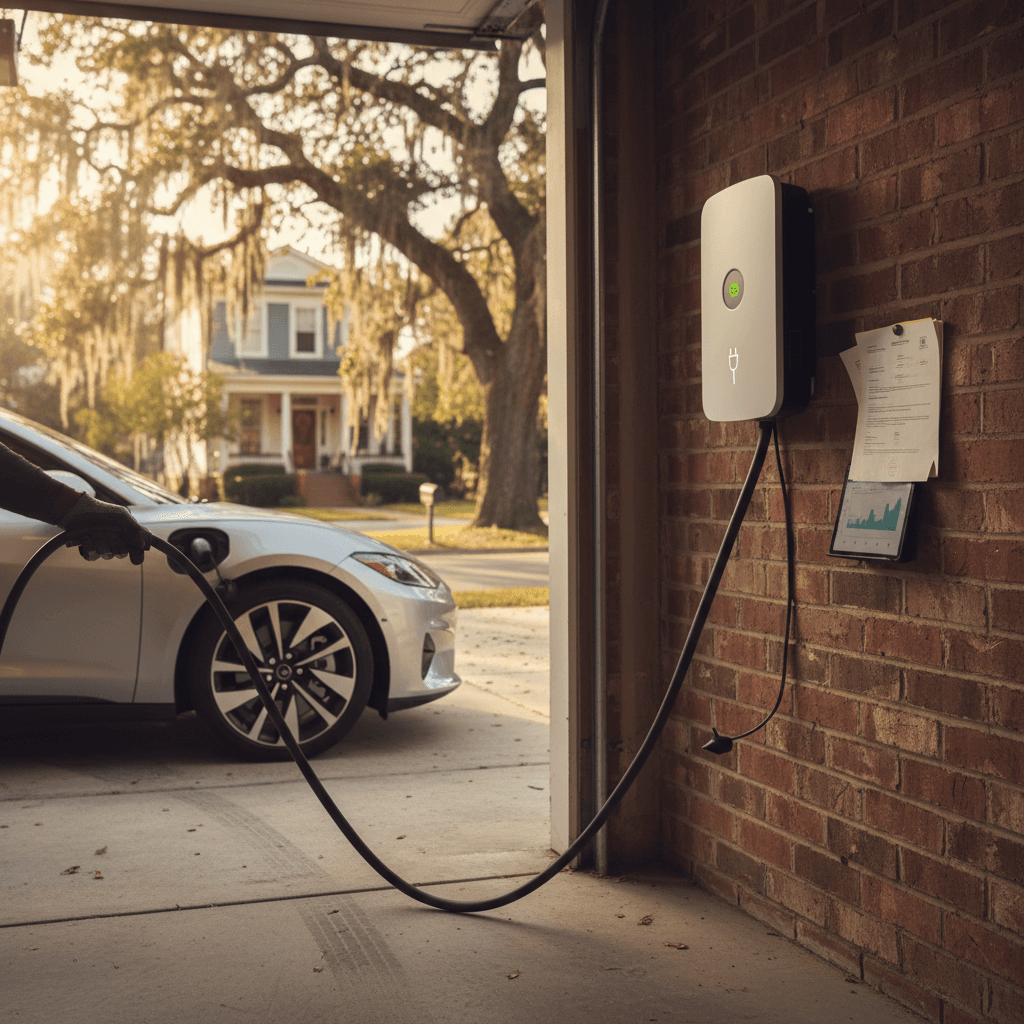
Georgia Power has leaned into EV adoption with a residential rebate for Level 2 home chargers. As of early 2026, the utility offers up to $300 in EV rebates for purchasing and installing a qualifying 208/240-volt Level 2 charger at a single-family home or townhome, for installations completed between January 1, 2026 and December 31, 2028.
Georgia Power home EV charger rebate basics
What Savannah-area Georgia Power customers can expect from the residential Level 2 rebate.
| Feature | Details |
|---|---|
| Rebate amount | Up to $300 for a qualifying Level 2 (208/240V) charger and installation |
| Eligible customers | Georgia Power residential customers in single-family homes or townhomes |
| Equipment requirements | Hardwired or plug-in Level 2 charger on a dedicated circuit |
| Install window | Work completed between Jan 1, 2026 and Dec 31, 2028 |
| Deadline to apply | Submit rebate request within 6 months of installation |
| Exclusions | Third-party charging businesses, many mobile connectors, and non–Level 2 setups |
Always verify current terms with Georgia Power; rebate amounts and dates are subject to change.
Pro move for Savannah homeowners
Federal home EV charger tax credit (Section 30C)
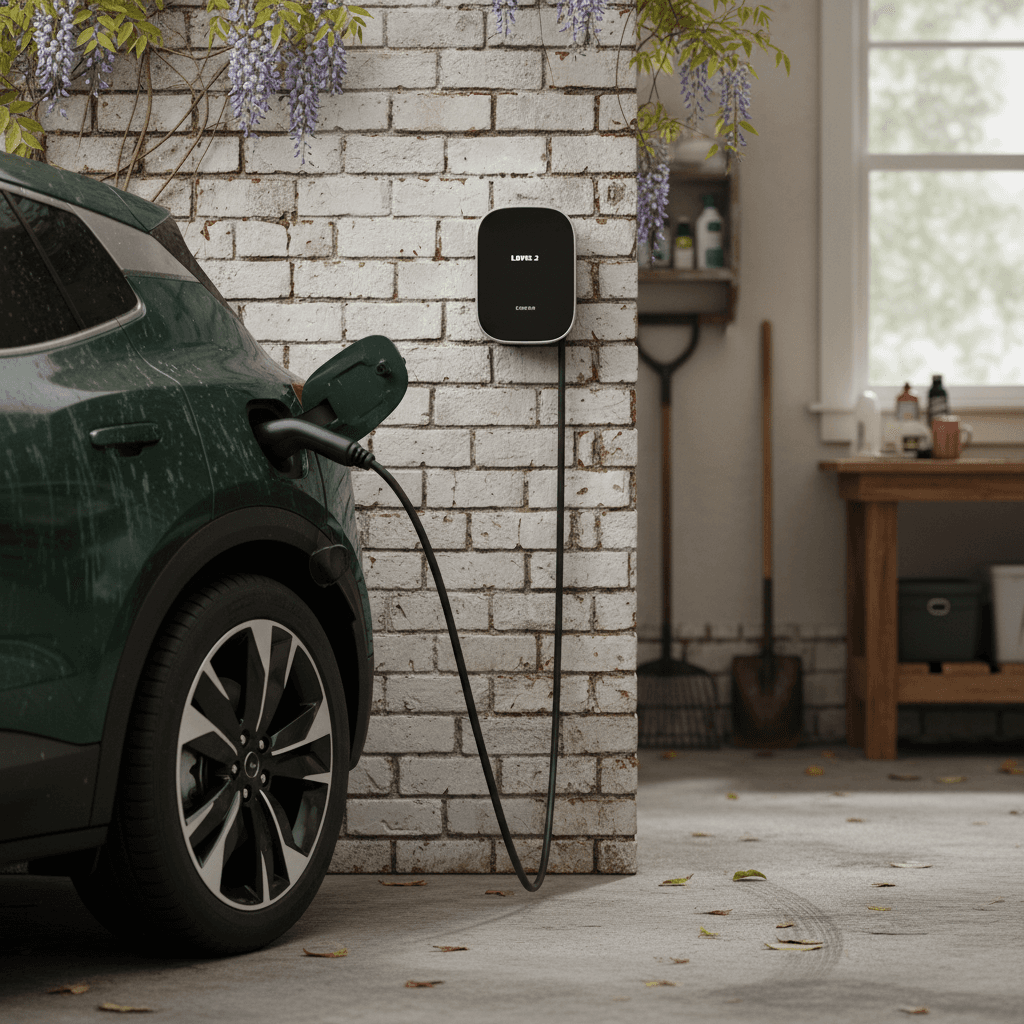
On top of the utility rebate, there’s the federal Alternative Fuel Vehicle Refueling Property Credit. For qualifying properties, this can cover 30% of the cost of a home charger and associated installation, up to $1,000 per charging port, for equipment placed in service through June 30, 2026.
- Credit covers both the hardware and reasonable installation costs (like the pedestal, wiring, and panel work).
- To qualify in Savannah, your home must be in an eligible census tract, generally a low-income or rural area as defined by the IRS.
- You claim the credit using IRS Form 8911 when you file your federal taxes for the year the charger was placed in service.
Two clocks you can’t ignore
Local Savannah programs and resources to know
Savannah isn’t just letting the state and feds do the work. The city’s Office of Sustainability maintains an EV Incentives page that pulls together federal tax-credit information and highlights the Georgia Power rebate for local residents. It’s not a separate cash rebate, but it is the city’s one-stop hub for what you can actually claim as a Savannah driver.
Where Savannah drivers should look first
Bookmark these before you sign anything at a dealership.
City of Savannah EV Incentives page
A curated summary of current federal EV tax credits and the Georgia Power home charger rebate, tailored for Savannah residents.
Use it as a policy compass, not a replacement for your tax professional.
Georgia Power EV center
Georgia Power’s EV pages outline home charger rebates, marketplace discounts, and basic FAQs about charging costs and installation.
This is where you’ll confirm rebate amounts, dates, and requirements before scheduling work.
Marketplace for used EVs
Platforms like Recharged specialize in used EVs with transparent battery health reporting, so you can pair local incentives with a car that will actually last.
Every vehicle on Recharged includes a Recharged Score Report with verified battery diagnostics.
No city rebate on EV purchases, yet
How to stack incentives on a used EV in Savannah
Let’s put this together like a deal sheet. You’re in Savannah, you want a used EV, and you don’t want to bleed cash on gasoline anymore. Here’s a realistic way to stack what’s left of the incentive ecosystem with the basic economics of a depreciated EV.
1. Start with a smart used EV pick
Instead of chasing the last scraps of federal credit, look for a used EV whose depreciation already reflects the post-incentive world. Think: a 2–5 year-old mainstream EV, Chevy Bolt EUV, Hyundai Kona Electric, Nissan Leaf, Tesla Model 3 RWD, that’s already taken its big value hit.
On Recharged, every used EV comes with a Recharged Score Report, so you can see real battery health, fair-market pricing, and how it compares to similar cars nationwide.
2. Make home charging your main “rebate”
Lock in a Level 2 home charger, grab Georgia Power’s rebate (up to $300), and, if you’re in an eligible census tract, stack the 30% federal charger credit on top. The net result: lower installation cost and dramatically cheaper “fuel” for as long as you own the car.
Even without a purchase credit, a well-priced used EV plus cheap overnight charging can undercut a comparable gas car on total cost of ownership.
What a realistic Savannah deal might look like
Checklist: Claiming EV rebates step by step
Your Savannah EV rebate game plan
1. Decide: new vs used EV
Given the expiration of most new-EV federal credits, lean hard on the numbers. A used EV with a strong battery and a rational price will often beat a new one with aggressive financing but no tax credit.
2. Run the household budget, not just the sticker
Compare the monthly payment plus insurance, electricity (or gas), and maintenance across a used EV and your gas alternative. Include home-charger costs minus rebates in the calculation.
3. Check your home’s eligibility for the federal charger credit
Use the IRS’s census-tract tools (or the City of Savannah’s EV Incentives page) to see if your address qualifies for the 30% Section 30C home charging credit.
4. Get written quotes from electricians
Ask for a detailed quote that shows materials, labor, and that the charger circuit is dedicated 208/240V. This documentation will support both the Georgia Power rebate and your federal tax filing.
5. Confirm Georgia Power rebate details before installation
Check the current rebate amount, eligible equipment list, and application window. Policies can change, and funds are often described as “while supplies last.”
6. Keep every scrap of paperwork
Sales contract, time-of-sale documents, charger invoices, permit receipts, save them all. Your future self, and your tax preparer, will thank you when you file Forms 8936 and/or 8911.
Common pitfalls and timing traps to avoid
Outdated assumptions that can cost you money
- Relying on dealer promises. Salespeople sometimes use old talking points. If someone swears you’ll get a federal credit, ask them to show you the latest IRS guidance, and never sign based solely on verbal assurances.
- Missing rebate application windows. Georgia Power generally requires that you apply within a set period (often 6 months) after installation. Put a reminder in your phone the day your charger goes live.
- Installing the wrong equipment. Not every plug, smart cord, or mobile connector qualifies as a Level 2 charger or meets rebate requirements. Verify model numbers and eligibility before you buy.
- Ignoring electrical-panel realities. A cheap charger can turn into an expensive project if your panel is maxed out. Get a site visit and honest quote before you start spending rebate money in your head.
“The real incentive now isn’t a line on your tax return, it’s the day you stop budgeting for gasoline.”
FAQ: EV rebates and incentives in Savannah, GA
Frequently asked questions about EV rebates in Savannah
Bottom line for Savannah EV shoppers
If you came hunting for a simple “$7,500 off” coupon, the timing is rough. The era of easy, generous federal purchase credits has largely passed, and Georgia isn’t stepping in with a new statewide rebate of its own. But that doesn’t mean Savannah drivers are shut out of EV savings.
In 2026, the smart move is to treat EV rebates in Savannah as a supporting cast, not the star: a well-bought used EV, a thoughtfully installed Level 2 home charger backed by Georgia Power’s rebate and, where eligible, the federal 30% charger credit. That combination quietly lowers your cost of entry and your day-to-day cost of ownership, long after the headlines about tax credits have faded.
And if you want to make sure the used EV you’re eyeing has the battery to go the distance, that’s where Recharged earns its keep. With transparent battery-health reporting, fair pricing, financing, trade-in options, and even nationwide delivery, you can focus on the incentives that still exist, without worrying that the car itself is the real rebate you’re about to lose.