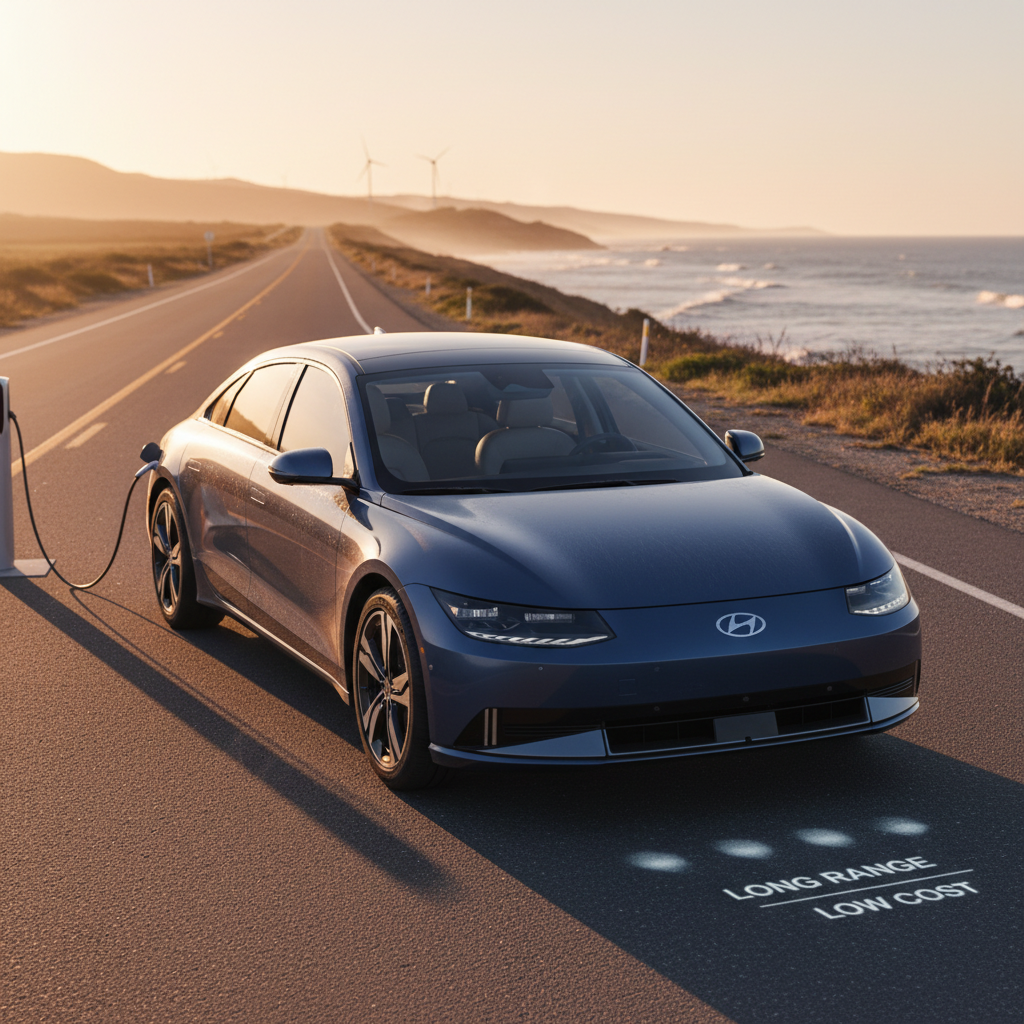
If you live in or around New Haven, CT and you’re EV‑curious, 2026 is a complicated, but still rewarding, time to buy. The landscape for EV rebates in New Haven, CT is changing: federal tax credits are set to end later this year, Connecticut has tweaked its CHEAPR program, and United Illuminating is tightening income rules for home charging rebates. The upside? With a bit of planning, you can still knock thousands off the cost of going electric.
Quick snapshot for New Haven drivers
Overview: EV rebates in New Haven, CT for 2026
Key numbers New Haven shoppers should know
From a New Haven driver’s perspective, your EV savings typically come from three buckets: vehicle purchase rebates (Connecticut CHEAPR), federal income tax credits on new and some used EVs, and utility incentives from United Illuminating for home and public charging. These programs are statewide, but if you live or garage your car in New Haven, you’re squarely in their target zone.
Time matters in 2025–2026
How EV rebates work in Connecticut
Connecticut structures most EV incentives in one of two ways: point‑of‑sale rebates that reduce your price right at the dealership, and after‑purchase rebates or tax credits that you apply for later. CHEAPR rebates are point‑of‑sale when you buy from a participating Connecticut dealer, while federal tax credits arrive at tax time. Utility incentives from United Illuminating usually require you to submit documentation online after you install eligible charging equipment.
- CHEAPR focuses on reducing the **upfront price** of eligible new and used EVs purchased from Connecticut dealers.
- Federal clean vehicle credits reduce your **income tax** liability for the year you place the car in service.
- United Illuminating’s EV Charging Program lowers the cost of **Level 2 charger hardware and installation**, plus ongoing managed‑charging bill credits.
Why this matters for used EV shoppers
Connecticut CHEAPR rebates for New Haven drivers
The Connecticut Hydrogen and Electric Automobile Purchase Rebate (CHEAPR) is the state’s flagship EV incentive. As of 2025, it offers a lower Standard rebate that any eligible Connecticut resident can use on qualifying new EVs, plus much larger Rebate+ amounts for low‑ and moderate‑income buyers and for residents of environmental justice or distressed communities, categories that include many New Haven neighborhoods.
Two main ways CHEAPR helps New Haven buyers
Standard incentives for everyone, extra help where it’s needed most
Standard CHEAPR incentive
Available to all Connecticut residents who:
- Buy or lease a new, eligible BEV or PHEV from a CT dealer
- Stay under the program’s MSRP cap (often around $50,000)
- Register and insure the vehicle in Connecticut
As of early 2025, the standard incentive for new BEVs has been reset to around $1,500, with a scheduled drop to about $500 starting August 1, 2025. Exact amounts vary by vehicle type and program updates.
Rebate+ for added savings
Rebate+ is aimed at low‑ and moderate‑income residents and people living in environmental justice or distressed communities.
- Rebate+ New: Extra help on top of the standard rebate for new EVs, up to $3,000, bringing some buyers’ total state rebate to about $4,500 on a new BEV.
- Rebate+ Used: For income‑eligible used EV buyers, up to $5,000 for used BEVs and around $3,000 for PHEVs.
New Haven residents in qualifying census tracts may be eligible even at moderate incomes, so it’s worth checking.
Good news for New Haven ZIP codes
To use CHEAPR in practice, you choose an eligible EV, confirm that your dealer participates, and, if you’re aiming for Rebate+, get pre‑qualified before you sign the purchase or lease paperwork. The rebate is applied as a line‑item discount on the buyer’s order, and the dealer handles the back‑end paperwork with the state.
Used EV rebates in CT, and how Recharged fits in
Used EV incentives are where New Haven shoppers can see some of the biggest percentage discounts, especially under CHEAPR’s Rebate+ Used option. The program is designed to make affordable, pre‑owned EVs more accessible to households that stand to benefit most from lower fuel and maintenance costs.
What CHEAPR can do for used EVs
- For income‑qualified buyers, Rebate+ Used can provide up to $5,000 off a used BEV or around $3,000 off a used PHEV.
- The car must usually be purchased from a participating dealer, not a private seller, and meet model‑year and price caps.
- Rebates are typically applied at the dealership, cutting your out‑the‑door price.
Where Recharged comes in
Recharged focuses on making used EV ownership simpler and more transparent nationwide, including for Connecticut shoppers.
- Every vehicle on Recharged comes with a Recharged Score Report, including verified battery health and fair‑market pricing.
- Our EV specialists can help you understand how state and federal incentives apply to a particular used EV and how much you might save over gas.
- If you’re trading in a gas car, our instant offer and consignment options can free up cash to pair with available rebates.
Because programs like CHEAPR can evolve quickly, we always encourage you to confirm current rules and whether an out‑of‑state digital purchase can be paired with a Connecticut rebate before you finalize a deal.
Why battery health matters more than the sticker
Ready to find your next EV?
Browse VehiclesFederal EV tax credits through 2025
For New Haven buyers, federal incentives are still a big part of the equation, but they’re on a clock. Under current rules, federal clean vehicle tax credits for EVs and PHEVs are scheduled to expire on September 30, 2025. Between now and then, you can potentially pair up to $7,500 in federal credit on a qualifying new EV with CHEAPR and utility incentives.
- The vehicle must meet federal requirements for final assembly, price caps, and battery content. Not every EV qualifies for the full $7,500.
- You must meet income limits and have enough tax liability to use the credit. The credit generally can’t create a refund beyond what you owe.
- Used EV credits (up to around $4,000 on eligible used models) are available for certain model years and price points, and have their own income and vehicle rules.
Don’t confuse tax credits with rebates
United Illuminating EV charging rebates in New Haven
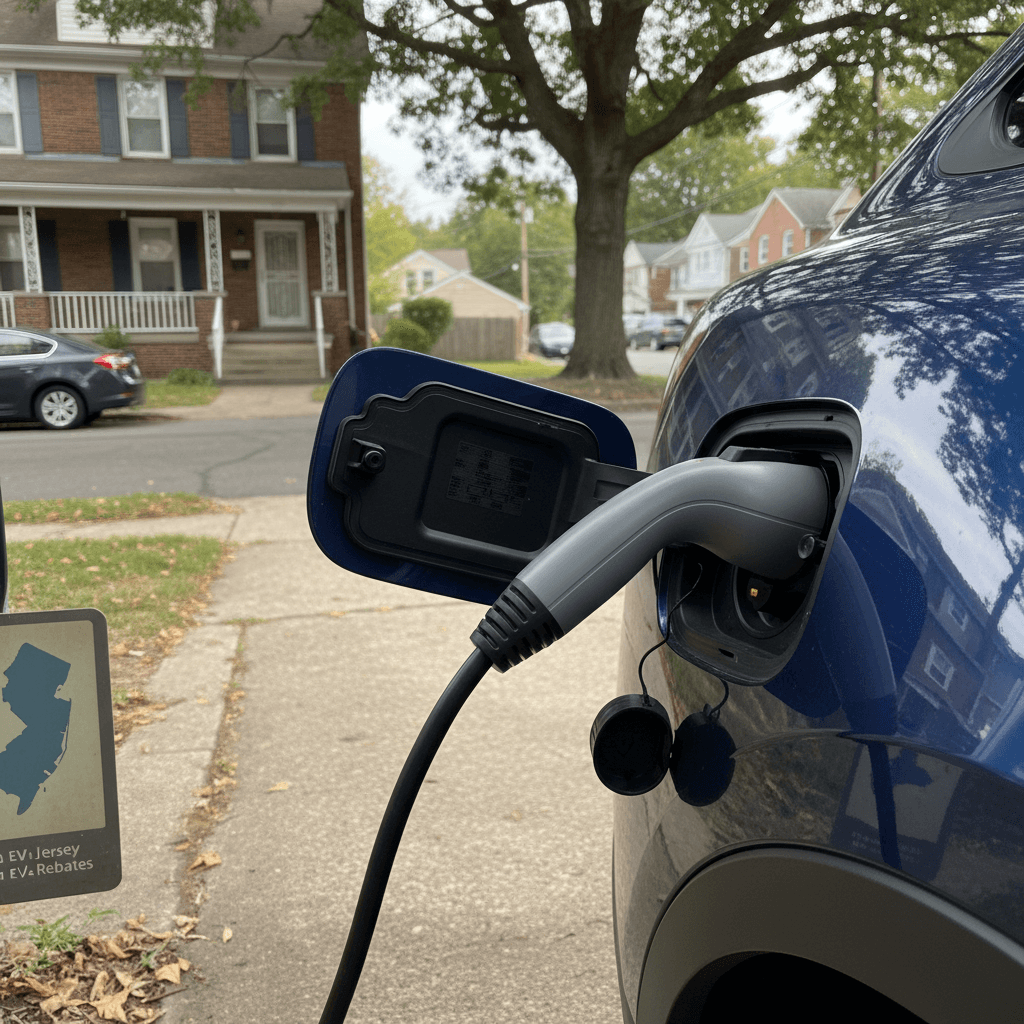
Once you own an EV, the next big money question is charging. As a New Haven resident, your electric utility is typically United Illuminating (UI). UI participates in the statewide EV Charging Program, which offers incentives for networked Level 2 chargers in homes, apartments, workplaces, and public locations.
UI’s residential EV charging incentives in 2026
Higher rebate amounts, but now income‑limited
Hardware & installation rebate
Starting in 2026, UI’s incentive for eligible residential customers installing an approved networked Level 2 charger is up to about $1,500.
However, new state budget rules limit this rebate to households that:
- Earn no more than about 3× the federal poverty level, or
- Live in a census tract where at least 30% of households are below the poverty level.
If you qualify, this can significantly reduce or even cover the cost of a wall‑mounted charger and some wiring work.
Managed charging bill credits
UI also offers a managed charging program, where your smart charger or connected vehicle charges mostly during off‑peak hours.
- You can typically earn ongoing bill credits for participating.
- Participation in managed charging is not limited by the new income rule, so even if you can’t get the hardware rebate, you may still join managed charging.
- Enrollment usually requires a compatible charger and sharing charging data with UI.
Apply early and keep receipts
Stacking your savings: New Haven example scenarios
Let’s look at how a New Haven driver might stack EV incentives in the real world. These are simplified examples, but they show how timing, income, and vehicle choice can add up.
Sample EV incentive stacks for New Haven residents
Illustrative scenarios assuming programs as described for 2025–2026. Always confirm current amounts and eligibility before you buy.
| Scenario | Vehicle & Timing | Potential State Rebate (CHEAPR) | Potential Federal Credit | Potential UI Incentives | Total Potential Savings* |
|---|---|---|---|---|---|
| 1. Moderate‑income new‑EV buyer in Fair Haven | New 2025 BEV purchased from CT dealer in June 2025; buyer pre‑qualifies for Rebate+ and lives in an EJ census tract. | Standard CHEAPR around $1,500 + Rebate+ New around $3,000 ≈ $4,500 | Up to $7,500 if vehicle and income qualify | UI charger rebate up to $1,500 + ongoing managed charging bill credits | Up to ≈ $13,500 plus multi‑year bill savings |
| 2. Income‑qualified used‑EV buyer in West Rock | Used 2023 BEV purchased from a participating CT dealer in late 2025; buyer meets Rebate+ income criteria. | Rebate+ Used up to ≈ $5,000 | Up to about $4,000 used EV federal credit if rules and income align | UI rebate up to $1,500 if income‑qualified + managed charging credits | Up to ≈ $10,500 |
| 3. Higher‑income homeowner in East Rock | New 2025 BEV purchased in early 2026, after federal credit ends and standard CHEAPR reduced; household income above UI rebate limits. | Standard CHEAPR reduced (e.g., around $500; amount subject to change) | No federal clean vehicle credit (post‑Sept. 30, 2025) | No UI hardware rebate but can enroll in managed charging for small ongoing bill credits | ≈ $500 upfront + modest annual credits |
Actual savings depend on model choice, your income, and up‑to‑date program rules.
These figures are illustrative, not promises
Step-by-step: How to claim your EV rebates
Your EV savings game plan in New Haven
1. Decide on new vs. used
Clarify whether you’re targeting a brand‑new EV or a used one. In Connecticut, low‑ and moderate‑income buyers often see the biggest percentage savings on <strong>used EVs</strong> thanks to Rebate+ Used and, in some cases, federal used‑EV credits.
2. Check your income & neighborhood eligibility
Visit the CHEAPR and EV Charging Program sites to see if your household income or New Haven census tract qualifies you for <strong>Rebate+</strong> or UI’s income‑limited charger rebate. This step can be worth several thousand dollars.
3. Get CHEAPR pre‑qualification if you’re income‑eligible
If you think you qualify for Rebate+, complete the program’s pre‑qualification process before you shop in earnest. Bring your approval documents to the dealership so they can apply your Rebate+ at the point of sale.
4. Choose a participating dealer and eligible EV
For CHEAPR, you generally must buy or lease from a <strong>participating Connecticut dealer</strong>. Check that the model you’re considering appears on the current CHEAPR list, and verify whether it qualifies for federal tax credits as well.
5. Plan your home charging and pick a smart Level 2 unit
If you own or control your parking, talk with a licensed electrician about installing a <strong>240‑volt circuit and a networked Level 2 charger</strong>. Confirm the charger is on UI’s approved list before you purchase, and take clear photos and keep invoices for rebate applications.
6. Submit your utility and tax paperwork
After installation, apply for UI’s charger rebate and enroll in managed charging if you’re eligible. At tax time, work with a professional or trusted software to claim any federal EV or charging credits. Keep all purchase agreements, rebate forms, and correspondence in one folder.
Common pitfalls for New Haven EV buyers
Avoid these common EV incentive mistakes
A little diligence can save you a lot of money
Assuming every EV gets $7,500
Buying from a non‑participating seller
Installing the wrong charger
Watch those program deadlines
FAQ: EV rebates in New Haven, CT
Frequently asked questions for New Haven drivers
Final thoughts: Make today’s incentives work for you
EV incentives in Connecticut are evolving, but if you live in New Haven, there’s still meaningful money on the table. The sweet spot over the next 12–18 months is for buyers who can pair a CHEAPR rebate, especially Rebate+, with a federal tax credit and UI’s EV Charging Program. After that, the picture becomes less generous, which is why it pays to run your numbers now rather than later.
If you’re leaning toward a used EV, that’s where Recharged’s model shines. Every car includes a Recharged Score Report with verified battery health, transparent pricing, and EV‑savvy specialists who can help you think through incentives, financing, and trade‑in options. Use the programs you’re entitled to, but don’t chase rebates at the expense of battery quality or a sound deal. A well‑chosen EV, even with slightly smaller incentives, can be a smart, low‑stress addition to your New Haven driveway for years to come.