When you shop for replacement rubber, it’s tempting to treat your electric car just like any other vehicle. But EV-rated tires are built differently, and the wrong tire can cost you range, add noise, or even struggle with the extra weight and torque of your EV. The good news: once you know what to look for, choosing the right EV tires is straightforward.
Quick definition
What Are EV-Rated Tires?
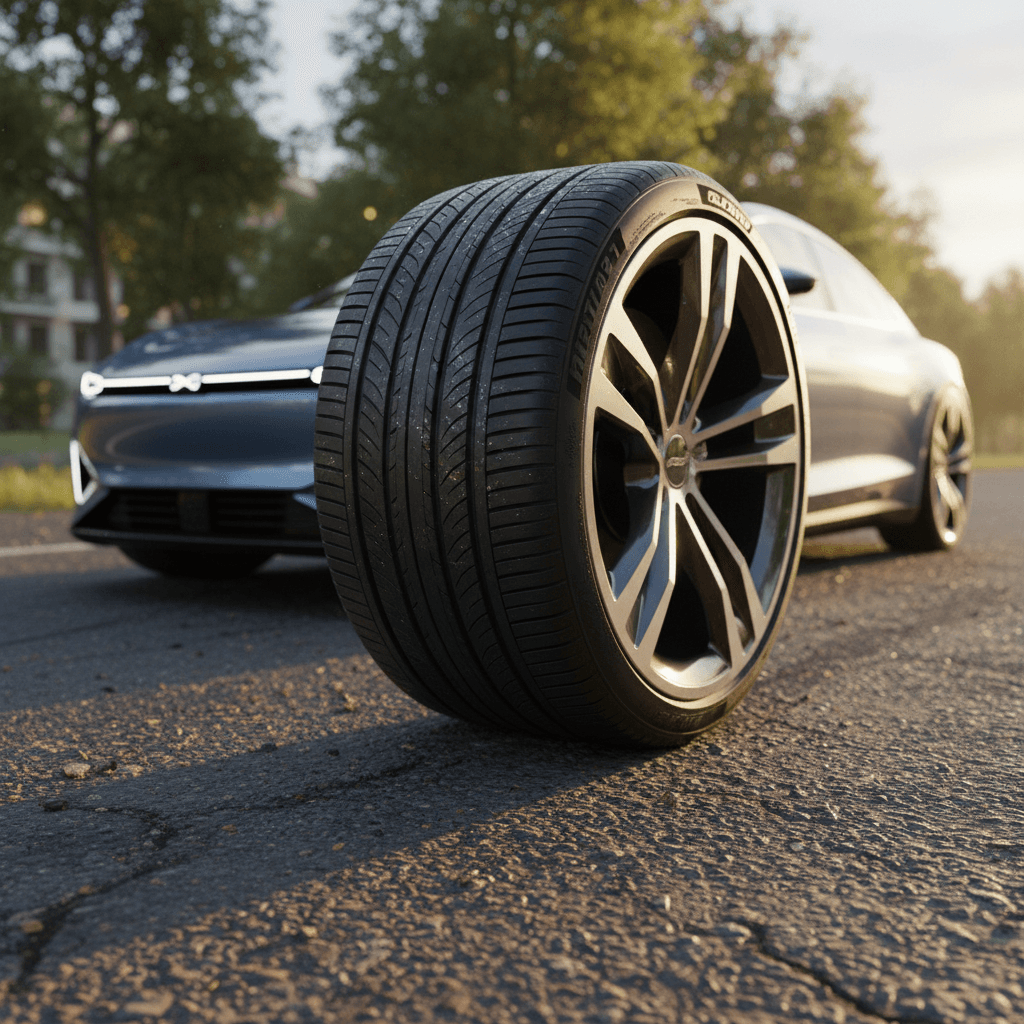
An EV-rated tire is a tire designed or validated specifically for electric vehicles. You’ll see this in marketing language (Michelin Pilot Sport EV, Bridgestone Turanza EV, Goodyear ElectricDrive 2, Hankook iON evo AS, and so on) and sometimes as a small symbol or code on the sidewall. These tires are tuned for three main things: higher load capacity, lower rolling resistance, and reduced noise.
- Higher load capacity: EVs often weigh 15–30% more than similar gas cars because of their battery packs.
- Instant torque: Electric motors deliver full torque from 0 rpm, which can chew up soft or underbuilt tires.
- Range sensitivity: Anything that wastes energy, like a high-friction tire, shows up as fewer miles on your dashboard.
Look at your owner’s manual first
How EV-Rated Tires Differ From Regular Tires
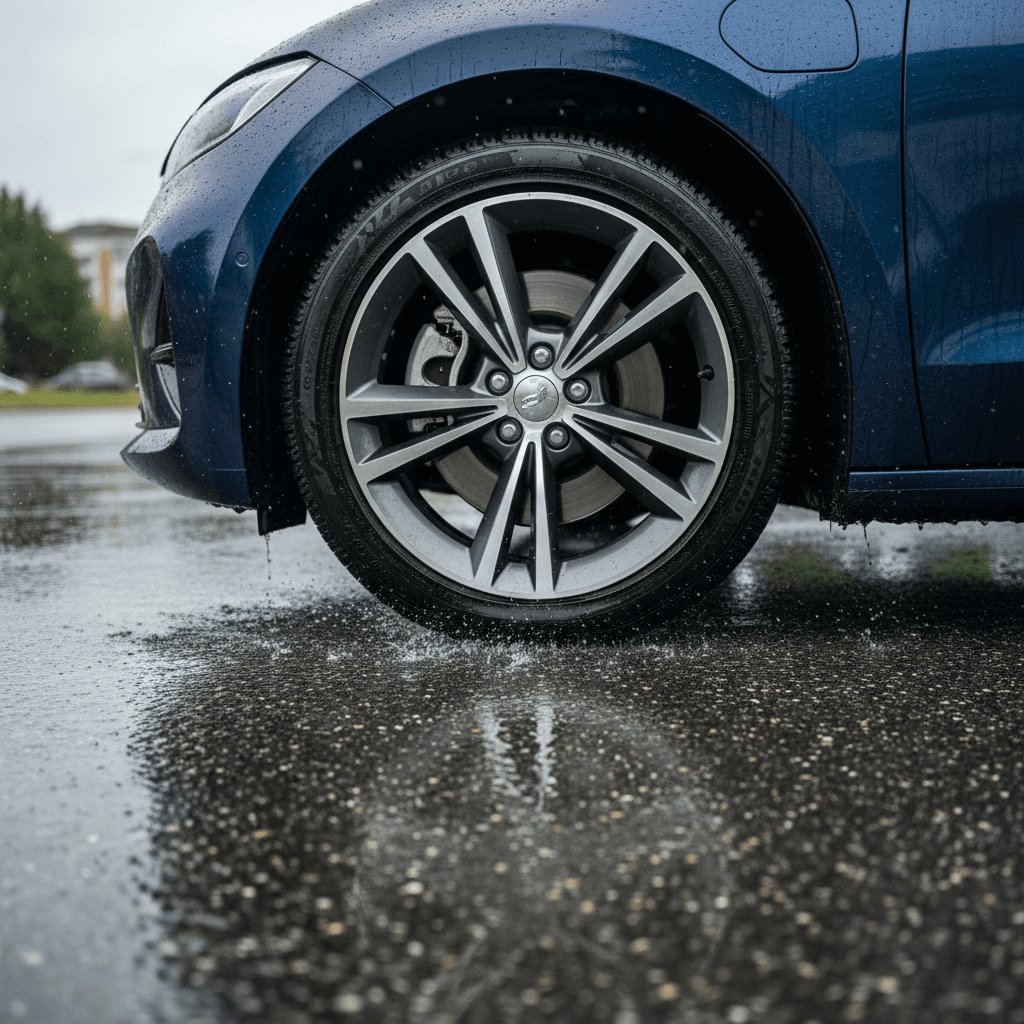
EV-Rated Tires vs Regular Tires at a Glance
Same size on the sidewall, very different behavior on the road.
Construction
EV tires use reinforced belts and sidewalls to carry more weight and handle instant torque without squirming.
Rolling resistance
Compounds and tread are tuned to waste less energy as heat, which can protect several miles of range per charge.
Noise tuning
Foam liners, variable pitch tread blocks, and clever groove shapes cut cabin noise in the absence of an engine.
Under the skin, EV-rated tires rely on more advanced materials and design tricks than many conventional all-season tires. Some use internal acoustic foam rings to damp vibration. Others rely on high-silica compounds and carefully shaped tread blocks to keep the contact patch rigid under heavy loads while still flexing just enough for comfort.
You can use non-EV tires… but
Understanding EV Tire Markings and Load Ratings
Tire shopping is a bowl of alphabet soup, size, load index, speed rating, XL, HL, and sometimes an EV logo. Once you decode it, picking the right EV-rated tire gets much easier.
Key EV Tire Markings Explained
Use your current tires as a template: match or exceed these values when you replace them.
| Marking | What It Means | Why It Matters for EVs |
|---|---|---|
| 235/45R18 | Tire width/profile/wheel diameter | Must match your wheel size and fit your car without rubbing. |
| 98 | Load index | Indicates how much weight one tire can support. EVs often need higher indexes. |
| V or W | Speed rating | Ensures safe operation at highway speeds and beyond. |
| XL | Extra load | Reinforced construction for heavier vehicles, common on EVs. |
| HL | High load (e.g., HL 98Y) | Newer rating that allows higher load at the same size, often fitted to larger EVs. |
| EV / Elect / iON / ElectricDrive | Brand-specific EV badge | Marketing plus validation that the tire is tuned and tested for EV duty. |
Always compare against the placard in your driver’s door jamb and your owner’s manual.
When you see “HL”
Quick Checklist: Will This Tire Work on My EV?
1. Match tire size exactly
Start with the size on your current tire or door jamb placard (for example, 255/45R19). Changing size without guidance can affect range, clearance, and stability systems.
2. Never downgrade load index
Choose a tire with the same or higher load index than stock, and keep XL or HL ratings if your EV came with them.
3. Keep the right speed rating
Match or exceed the factory speed rating, even if you rarely drive that fast. It’s about temperature and structural safety as much as maximum speed.
4. Stay with the same tire type
If your car came on all-season grand-touring tires, don’t switch to a summer-only tire unless you live somewhere with mild winters and understand the trade-offs.
How EV-Rated Tires Affect Range, Noise, and Comfort
Most EV drivers care about three things: range, how quiet the cabin is, and how the car feels over bumps and around corners. Your tires touch all three.
How Much Difference Can Tires Make?
Range and rolling resistance
Every bit of energy your tire wastes as heat is energy not going to the wheels. EV-rated tires use rubber compounds and belt designs that keep rolling resistance low. That can easily translate to a few extra miles of range per charge, especially at highway speeds where tire losses add up.
If you drive long distances, or you’re already stretching the limits of your EV’s battery, low-rolling-resistance EV tires are one of the simplest range optimizations you can buy.
Noise and ride comfort
Without an engine masking the soundtrack, tire roar is front and center. EV-specific tires tackle this with foam inserts, varied tread block sizes, and sidewall designs that damp vibration. That doesn’t just make the cabin quieter; it makes long drives less fatiguing.
The trade-off is that ultra-efficient, stiff tires can sometimes feel a bit sharper over bumps. Good EV-oriented grand-touring tires strike a careful balance between softness, grip, and efficiency.
If you love road trips
How to Choose the Right EV-Rated Tires
Think of buying EV-rated tires the way you’d shop for an EV itself: start with how and where you drive, then work backward to range, performance, and budget.
Match Your EV Tires to Your Driving Style
Different EV drivers need different rubber.
City commuter
Priorities: Quiet ride, long life, good wet grip.
- Look for grand-touring all-season EV tires.
- Low noise and comfort ratings matter more than ultimate grip.
- All-season traction means fewer seasonal swaps.
Highway road-tripper
Priorities: Range, stability, noise.
- Choose low-rolling-resistance EV tires with good wet ratings.
- Check owner reviews for real-world noise and range changes.
- Consider a dedicated winter set if you see snow.
Performance enthusiast
Priorities: Grip, precision, predictable behavior at the limit.
- Summer performance EV tires like Michelin Pilot Sport EV shine here.
- Expect shorter tread life and more frequent rotations.
- Plan on dedicated winter tires in cold climates.
EV Tire Buying Checklist
Confirm size, load, and speed rating
Use your door jamb placard and owner’s manual as the law of the land. Match or exceed all three when picking an EV-rated tire.
Decide on all-season vs summer vs winter
All-seasons are convenient; summer tires offer better warm-weather grip; true winter tires are a must for frequent snow and ice.
Compare range and noise claims
Manufacturer specs, third-party tests, and owner reviews can reveal which EV tires actually preserve range and reduce cabin drone.
Budget for all four corners
On an EV, you almost always replace all four tires at once. Mixing brands or models can confuse traction and stability systems.
Plan rotations and alignments
Instant torque can chew rear tires, front tires, or both depending on your drivetrain. Regular rotations and a good alignment will stretch your investment.
Don’t cheap out on installation
Popular EV-Rated Tire Models in 2025
There’s no single “best” tire for every electric vehicle, but a few EV-rated models keep showing up in independent tests and expert roundups. Exact pricing and availability change constantly, but this will give you a lay of the land.
Well-Regarded EV-Rated Tires to Know
These are examples, not endorsements. Always confirm fitment for your exact EV.
| Model | Category & Weather | EV-Oriented Features | Best For |
|---|---|---|---|
| Bridgestone Turanza EV | Grand-touring all-season | Low rolling resistance, ENLITEN lightweight construction, quiet ride, strong warranty | Daily drivers who want comfort and efficiency. |
| Goodyear ElectricDrive 2 | Grand-touring all-season | Acoustic foam, EV-tuned compound, focus on sustainability | Drivers who value quiet cruising and eco credentials. |
| Hankook iON evo AS | All-season performance | Reinforced structure, sound-absorbing tread, EV-ready load ratings | Crossovers and sedans that juggle grip, range, and year-round use. |
| Michelin Pilot Sport EV | Summer performance | High-grip compound inspired by Formula E, acoustic foam, range-conscious design | Performance EVs and spirited drivers in mild-to-warm climates. |
| Falken e.Ziex | All-season EV tire | Very low rolling resistance, noise-reduction tech, higher sustainable material content | Drivers looking for efficiency and value with decent comfort. |
Prices and sizes vary, check a tire retailer or your local shop for current listings.
Choosing tires for an EV is less about chasing the biggest name and more about matching the tire’s strengths to how the car is actually used day to day.
EV Tires Tips for Used EV Buyers
If you’re shopping the used market, especially through a digital retailer like Recharged, tires can tell you a lot about how an EV was treated. They’re also one of the first wear items you may need to budget for after delivery.
- Check tire brand and model: Are they EV-rated, or bargain tires with a lower load index than stock?
- Inspect for uneven wear: Feathered edges or one-sided wear can hint at alignment issues or aggressive driving.
- Look at age, not just tread: Tires older than six years may need replacement even if they appear to have life left.
- Consider climate: A used EV coming from a snowy region on worn all-seasons might need proper winter tires for your first cold season.
How Recharged helps
Ready to find your next EV?
Browse VehiclesIf you’re evaluating a used EV in person, don’t be shy about running a fingernail across the tread blocks, checking sidewalls for damage, and asking for records of any rotations or alignments. Tires may not be as glamorous as a quick 0–60 run, but they play just as big a role in how that used EV feels on the road.
EV-Rated Tires: FAQ
Frequently Asked Questions About EV-Rated Tires
Wrap-Up: Treat Your EV Tires Like Part of the Powertrain
Electric vehicles live and die by efficiency and control, and your tires sit right at the intersection of both. EV-rated tires carry more weight, tolerate more torque, and sip less energy than many conventional designs, all while keeping your cabin quieter. When you match the right tire to your driving style and your car’s load and speed ratings, you’re not just buying rubber, you’re tuning the whole EV experience.
If you’re already driving an EV, putting an EV-specific tire on your next set is one of the smartest upgrades you can make. And if you’re shopping for a used electric vehicle, whether locally or through a digital marketplace like Recharged, take a close look at the tires alongside the battery health report. Together, they’ll tell you how that EV has been driven, and how ready it is for the miles ahead.