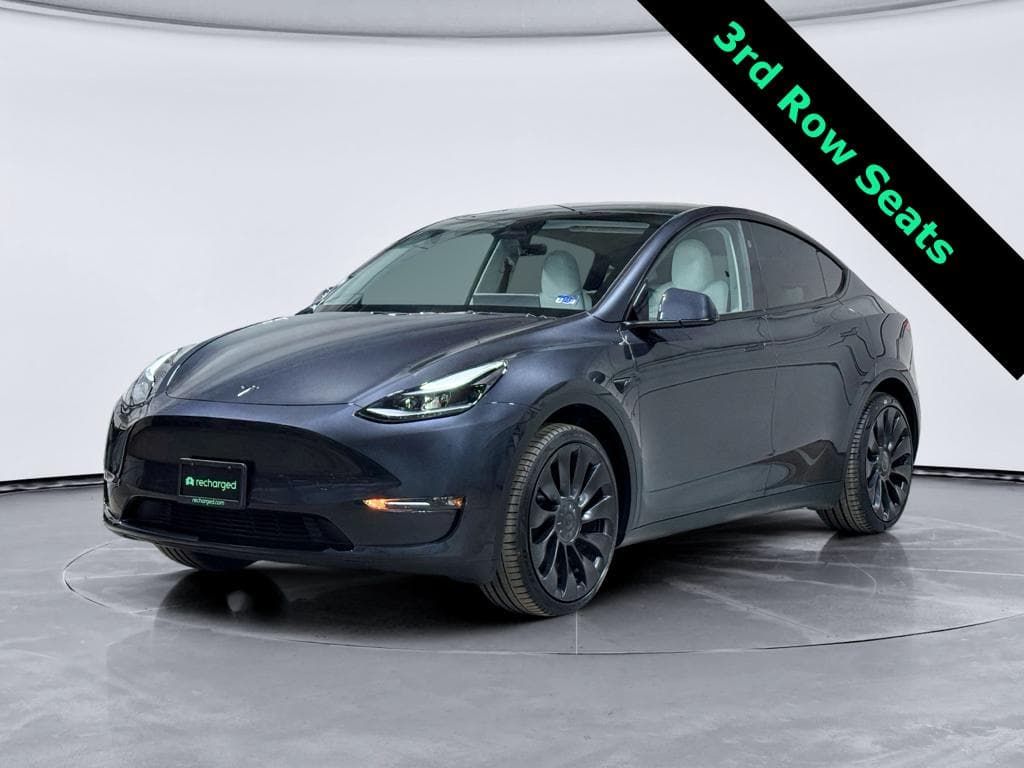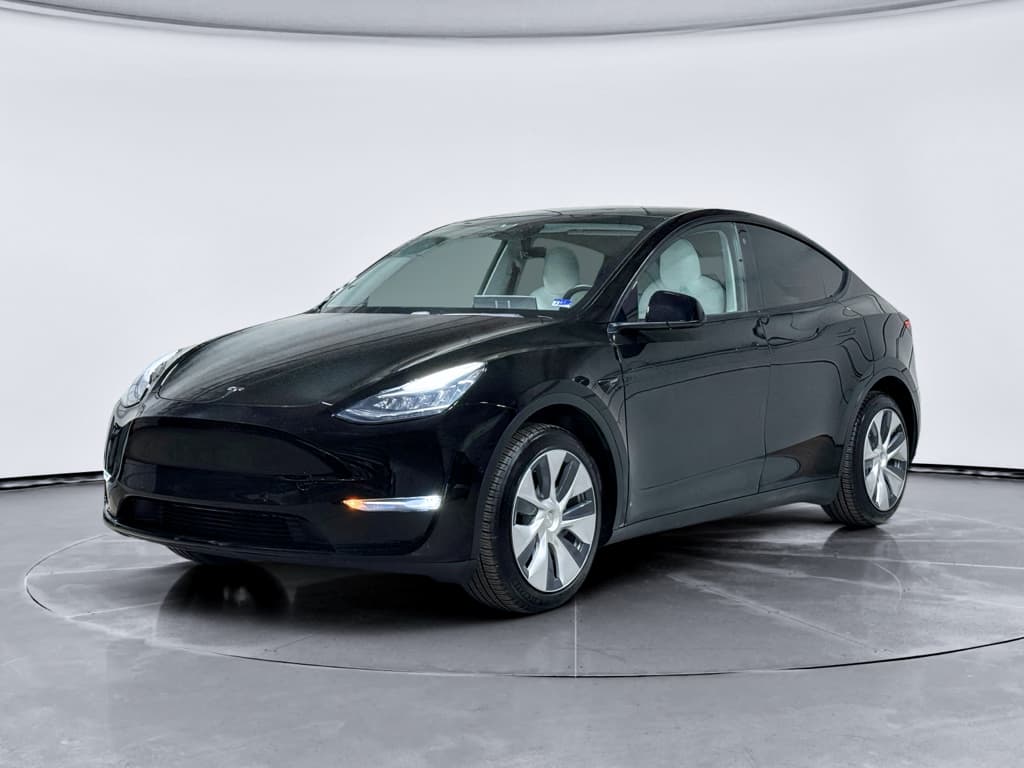
If you’re looking at a used Tesla Model Y, you’ll see that the 2020 model year is often the most affordable way in. It’s also the first year of production, which usually means more quirks. Understanding the most common 2020 Tesla Model Y problems is the difference between a great deal and a headache on wheels.
First-Year Reality Check
Why 2020 Tesla Model Y Problems Matter
The Model Y launched in early 2020 and quickly became Tesla’s volume leader. That rush to scale meant some early owners saw issues you don’t see as often on later years: inconsistent paint and panel fit, HVAC glitches, and a long list of software‑related recalls. At the same time, the 2020 Y delivers the same core strengths, strong range, efficient drivetrain, access to the Supercharger network, that make it one of the most compelling used EVs on the market.
How the 2020 Model Y Compares by Complaints
Is the 2020 Tesla Model Y a Bad Year?
Where 2020 Model Y Shines
- Battery and drivetrain reliability have been generally strong, with relatively few high‑voltage failures compared with some legacy EVs.
- Range and efficiency are still competitive in 2026, especially for Long Range trims.
- Software updates have fixed many early bugs and added features over time.
Where 2020 Is Riskier
- First‑year build quality: more reports of paint defects, panel gaps, and water leaks.
- HVAC and heat‑pump issues in cold climates, especially early VINs.
- High recall count means you must verify all campaigns are completed before you buy.
Not a Deal‑Breaker, But Not Plug‑and‑Play
Build Quality: Paint, Panel Gaps & Trim
The biggest early headlines around 2020 Model Y problems weren’t about batteries; they were about how the car was screwed together. Reviewers and owners called out panel gaps, misaligned tailgates, uneven door fit, and thin or inconsistent paint, especially on dark colors.
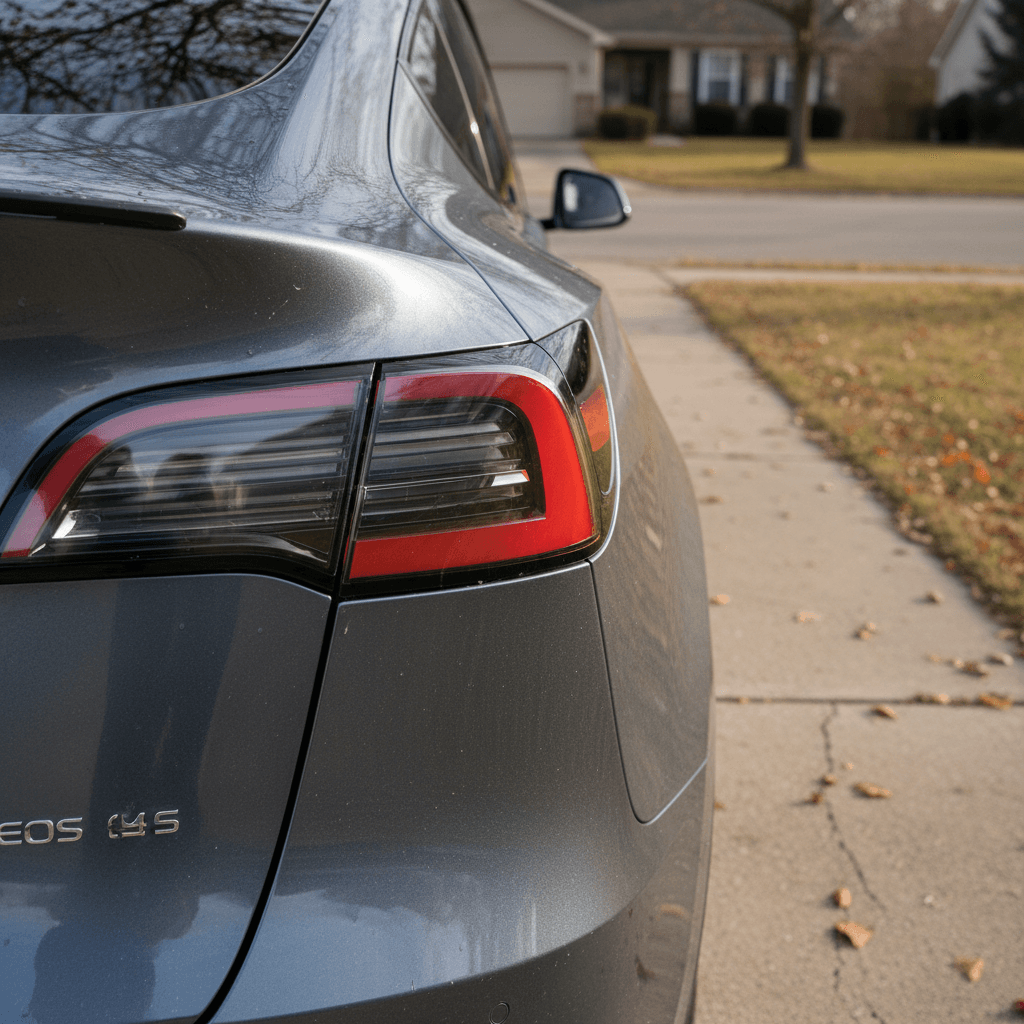
- Rear hatch out of alignment, rubbing paint off the bumper cover over time.
- Moisture buildup or fogging inside rear tail lights after rain or car washes.
- Paint thinness on rocker panels and lower doors, leading to chips and early corrosion risk in harsh climates.
- Wind noise from frameless doors that don’t seal consistently at highway speeds.
Quick Driveway Inspection
Tesla service centers can often adjust the liftgate and doors, but paint defects and water leaks are more involved. On an out‑of‑warranty 2020, those can quickly turn a “cheap” Model Y into a more expensive proposition than a better‑built 2021.
HVAC & Heat Pump Problems in Early Model Y
The Model Y was one of the first Teslas to use a heat pump, a more efficient way to heat the cabin than a resistive heater. That efficiency win came with some early‑production headaches, especially in cold climates. Owners of 2020 Ys have reported:
- Cabin blowing hot air only after Supercharging or heavy use, even when set to cool.
- Heat that cuts out after 10–20 minutes in sub‑freezing temperatures, leaving the cabin cold until the car is restarted.
- Faulty pressure or temperature sensors in the HVAC circuit, requiring sensor replacements and system recharge.
- Noisy or vibrating compressors after recall‑related HVAC work, especially at high fan speeds.
Cold‑Weather Safety Risk
Tesla has addressed some of these HVAC problems through recalls and software updates on later model years, but a 2020 that lived its life in Canada or the upper Midwest deserves extra scrutiny. Multiple out‑of‑warranty heat‑pump or compressor repairs can run into the low four figures if they’re not covered.
Electronics, Software & Driver-Assistance Quirks
Software is both Tesla’s superpower and its Achilles’ heel. The 2020 Model Y shipped into the middle of Tesla’s push to market Autopilot and Full Self‑Driving (FSD) aggressively, and that shows up in the problem pattern:
Common 2020 Model Y Software & Electronics Issues
Most are fixable, but only if prior owners stayed on top of updates and recalls.
Glitches & Reboots
- Center screen freezing or randomly rebooting.
- Temporary loss of backup camera or audio.
- Usually resolved with OTA updates, but persistent issues can hint at hardware faults.
Autopilot/FSD Behavior
- Phantom braking on highways.
- Inconsistent lane‑keeping on poorly marked roads.
- Ongoing federal scrutiny of FSD safety makes it crucial to understand limitations.
Camera & Sensor Issues
- Fogged or misaligned cameras degrading Autopilot performance.
- Service bulletins for forward‑camera pitch and calibration.
- Water incursion around rear camera on some early builds.
Safety vs. Convenience Recalls
Suspension, Tires & Noise Complaints
Mechanically, the 2020 Model Y has been fairly robust, but a few patterns do show up in owner reports:
- Premature tire wear, especially on Performance trims with 21‑inch wheels and aggressive alignment settings.
- Clunks or creaks from the front suspension over low‑speed bumps, often due to control‑arm bushings or top‑hat mounts that need attention.
- Noticeable road and wind noise compared with some newer crossovers, more a refinement issue than a reliability one, but worth knowing if you’re coming from a quiet luxury SUV.
- Occasional reports of loose trim or plastics in the hatch area causing rattles over rough pavement.
Test on Imperfect Roads
Recalls Affecting the 2020 Model Y
By 2026, the 2020 Model Y has accumulated dozens of recall campaigns, ranging from minor software tweaks to important hardware fixes. That sounds alarming, but much of this is Tesla’s OTA‑first strategy colliding with traditional safety regulation.
Major Recall Themes for 2020 Model Y
Exact campaigns vary by build date and equipment, but most 2020 Y vehicles will have seen several of these.
| Recall Type | What It Addressed | Why It Matters |
|---|---|---|
| Power Windows | Automatic reversal calibration and pinch protection | Prevents windows from closing with too much force on fingers or objects. |
| Seat Belts & Anchors | Inspection of first‑row seat belt anchors and rear latches | Ensures belts are properly attached in a crash. |
| FSD / Autopilot Behavior | Rolling‑stop behavior, intersection handling, and other FSD operations | Aligns driver‑assist features with safety rules and reduces risky edge cases. |
| Forward Camera Pitch | Camera angle and calibration issues | Improves reliability of lane‑keeping and automatic emergency braking. |
| Boombox & External Sounds | Disabling external speaker sounds in motion | Ensures compliance with pedestrian‑safety sound rules. |
| HVAC / Heat Pump | Cold‑weather performance, sensor replacements, and defrosting capability | Reduces risk of cabin heat loss or inadequate windshield defrosting. |
Always run the VIN through the NHTSA database and Tesla’s recall checker before buying.
Non‑Negotiable: VIN Recall Check
Battery & Charging: Bright Spot With Caveats
If you strip away the software drama and early build issues, the 2020 Model Y’s battery and drive unit are actually a relative strength. Most high‑mileage 2020 Ys still see very usable range, and catastrophic pack failures are rare compared with some first‑gen EVs from other brands.
2020 Model Y Battery & Charging Snapshot
Still competitive, if you verify health and usage history.
Real‑World Degradation
- Many owners report 5–10% range loss after ~4–5 years.
- That’s typical for modern lithium‑ion packs when not abused.
- Hard Supercharger use can accelerate wear, but rarely to catastrophic levels this early.
Charging Experience
- Access to Tesla’s Supercharger network remains a major advantage.
- On AC, the onboard charger has been reliable; most problems trace back to home wiring or charge‑port contamination.
- Software occasionally limits charge rate to protect the pack if it detects anomalies.
Ask for Real Data, Not Just a Full Charge
What It Costs to Fix Common 2020 Model Y Problems
Repair costs vary by region and whether you use Tesla service or independent EV specialists, but by 2026 there’s enough data to sketch realistic ranges. These aren’t quotes, just ballparks to calibrate your risk tolerance if you’re shopping a cheap 2020 Y out of warranty.
Typical Out‑of‑Warranty Repair Costs (2020 Model Y)
Approximate ranges in USD, assuming no extended service plan and work done at Tesla or a qualified independent shop.
| Issue | Likely Fix | Approx. Cost |
|---|---|---|
| Minor Panel Gap / Hatch Rubbing | Adjust liftgate/door alignment | $150–$400 |
| Paint Chips & Lower‑Body Wear | Touch‑ups or partial repaint, plus PPF/mud flaps | $400–$1,500+ |
| Water in Tail Light | Replace affected lamp unit | $400–$900 |
| HVAC Sensor or Valve Fault | Replace sensor, recharge system, software update | $500–$1,200 |
| Heat Pump / Compressor Failure | Compressor and related components replaced | $1,500–$3,000 |
| Suspension Clunk (Control Arm/Bushing) | Replace control arm or bushing set | $400–$900 |
| Center Screen Hardware Failure | MCU or screen replacement | $1,000–$1,800 |
| Tire Set (Performance 21") | Four tires plus mount/balance & alignment | $1,200–$1,800 |
A pre‑purchase inspection that catches a couple of these issues can literally pay for itself.
Why a Good Inspection Pays Off
Used 2020 Model Y Pre‑Purchase Checklist
Shopping a 2020 Model Y doesn’t have to be a gamble if you’re systematic. Use this checklist when you inspect and test‑drive, or work with a seller who can document these items clearly.
11 Things to Check on a 2020 Model Y
1. Exterior Fit & Finish
Walk around the car in daylight. Check for mismatched paint, clear‑coat haze, obvious resprays, and inconsistent panel gaps, especially at the hatch, charge‑port door, and around the tail lights.
2. Signs of Water Intrusion
After a wash or rain, look for moisture in tail lights or condensation inside headlamps. Check the trunk well and under the rear floor for damp carpet or smell of mildew.
3. Wind & Road Noise
On a highway test drive, listen around the A‑pillars and frameless door glass for whistling or roaring that suggests poor sealing or misalignment.
4. HVAC Cold & Hot Tests
From a cold start, test both maximum heat and maximum A/C. Let the system run for at least 15–20 minutes in each mode. Watch for unexplained mode changes, warm air when you’ve set cold, or error messages about HVAC performance.
5. Heat Pump & Defrost Performance
If you’re in a cold climate, verify that the windshield and side windows clear quickly with defrost on, and that the car maintains cabin temperature while driving, not just when pre‑conditioned in the driveway.
6. Steering, Brakes & Suspension Feel
On mixed roads, feel for vibration through the steering, noises over bumps, or a pull to one side. A light clunk over low‑speed bumps is often bushing or top‑hat related.
7. Tires & Alignment
Check tires for uneven wear, more on the inside edges often points to aggressive alignment. Price new tires into your budget if the current set is near the wear bars or badly cupped.
8. Software Version & Alerts
From the center screen, check that the car is on a current firmware version and that there are no persistent alerts. Scan the Autopilot menu to see which features are active and whether FSD was purchased.
9. Driver‑Assist Behavior
On a clearly marked road, test basic Autopilot. Watch for erratic lane‑keeping or repeated phantom braking. This is as much about your comfort level as the car’s behavior.
10. Battery Health & Charging History
Note the displayed range at a given state of charge (e.g., 80% or 90%). Ask how often the previous owner used Superchargers and whether they routinely charged to 100% or kept it around 70–90%.
11. Full VIN Recall & Service History Check
Run the VIN through the federal recall site and ask the seller for Tesla service records. Look for repeated HVAC, camera, or suspension work that might hint at chronic issues.
How Recharged Reduces the Risk on a 2020 Model Y
If you like the idea of a Model Y but not the idea of playing quality‑control inspector, buying from a marketplace that specializes in used EVs can tilt the odds in your favor. That’s where Recharged comes in.
What Recharged Does Differently With 2020 Model Y SUVs
Designed to take the guesswork, and a lot of the risk, out of used EV shopping.
Recharged Score Battery Diagnostics
Problem‑Focused Inspections
Financing & Nationwide Delivery
Ready to find your next EV?
Browse VehiclesAligned Incentives Matter
FAQ: 2020 Tesla Model Y Problems
Frequently Asked Questions About 2020 Model Y Issues
Bottom Line: Who Should Buy a 2020 Model Y?
The 2020 Tesla Model Y is a classic first‑year EV: strong fundamentals wrapped in sometimes‑messy execution. If you’re willing to trade flawless paint and HVAC bulletproofing for a lower price, and you do your homework, it can still be an excellent way to get into a modern, long‑range electric crossover in 2026.
If, on the other hand, you crave a more polished experience with fewer known quirks, you may be happier stretching to a later model year, or shopping only vehicles with documented inspections and battery‑health reports. Either way, going in with clear eyes about 2020 Tesla Model Y problems, and leaning on EV‑specialist platforms like Recharged, gives you far better odds of ending up with the right car rather than just the right price.