If you’re comparing EV maintenance vs gas, you’re probably hearing two totally different stories. EV fans talk about "no maintenance" and huge savings; skeptics point to expensive batteries and sky‑high repair bills. The truth in 2025 is more nuanced: day‑to‑day maintenance is clearly cheaper with an EV, but the cost profile looks very different from a gas car, especially if you’re buying used.
Quick take
EV maintenance vs gas: what’s really different?
Gas cars (ICE)
- Thousands of moving parts: pistons, valves, gears, pumps.
- Regular oil changes, filters, spark plugs, belts, exhaust.
- Complex automatic transmissions with fluid and clutch packs.
- More heat, vibration, and wear over time.
EVs (battery‑electric)
- No engine, no transmission in the traditional sense.
- No oil changes, fuel system, or exhaust.
- Fewer wearable components; main consumables are tires, wiper blades, fluids.
- Software and electronics play a much bigger role.
Key idea
EV maintenance vs gas in 2025: headline numbers
How much less do EVs cost to maintain?
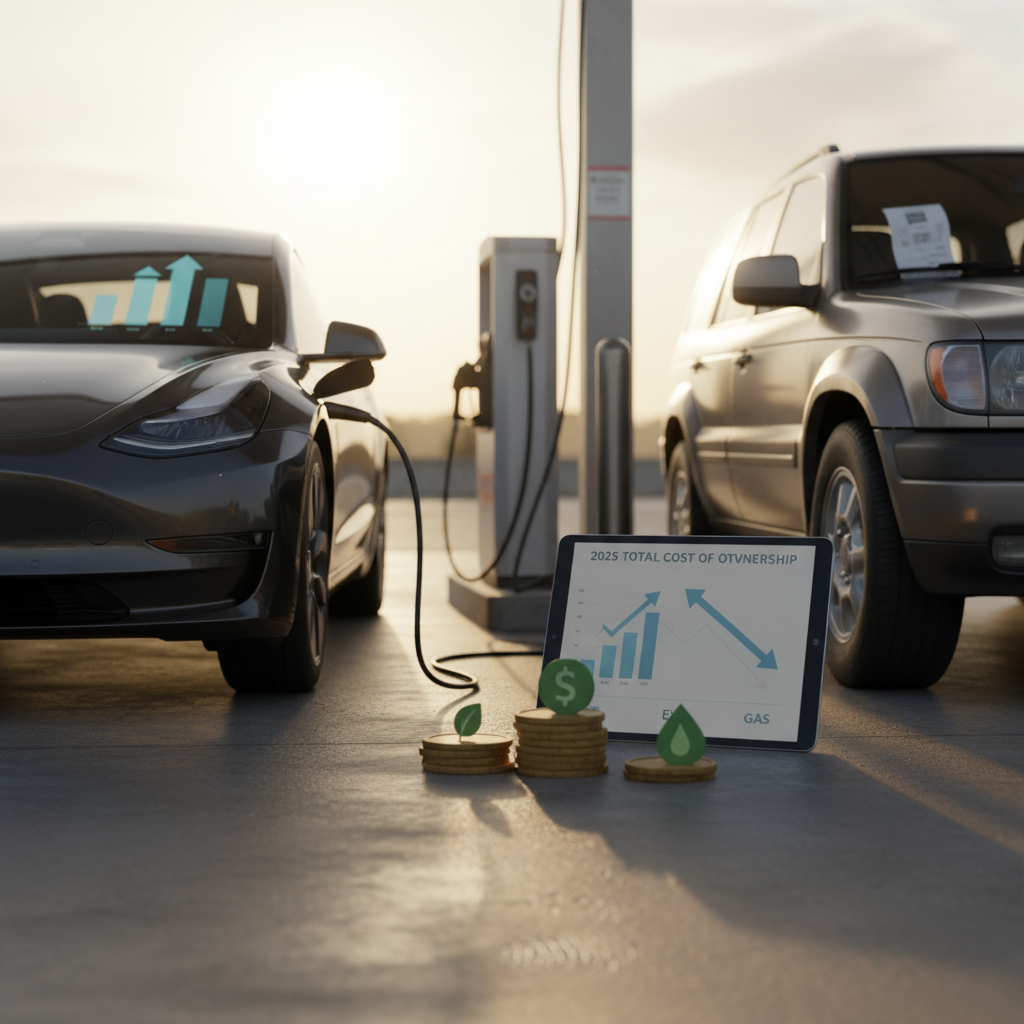
Different studies slice the data different ways, but they’re all pointing in the same direction: EVs are cheaper to keep on the road once you own them. Industry and insurance datasets in 2024–2025 generally show EVs costing about 30–50% less in maintenance than comparable gas cars over several years of ownership. In annual terms, that’s often a difference of a few hundred dollars a year, before you factor in fuel.
Example annual maintenance costs (typical mainstream cars)
Actual numbers vary by model and mileage, but this gives you the order of magnitude.
Gas car – mid‑size sedan
- Oil changes, filters, fluids: ~$200–300
- Brakes, exhaust, tune‑ups, misc: ~$600–900
- Typical total: around $900–1,300 per year in real‑world 2025 estimates.
EV – mid‑size electric
- Tire rotation/balance: ~$50–100
- Brake inspection & fluid: ~$50–150
- Cabin air filter, checks: ~$50–150
- Typical total: roughly $300–600 per year for most mainstream EVs.
Where the savings show up
What maintenance do EVs actually need?
"No maintenance" is a myth, but EV maintenance is mostly simple, slow‑burn stuff. Here’s a typical service picture for a modern EV over its first 8–10 years, assuming normal driving.
Core EV maintenance items
1. Tires (every 6–10k miles)
EVs are heavy and have instant torque, so they can wear tires faster than similar gas cars. Rotations every 6,000–10,000 miles and periodic alignments are key.
2. Brake system (every 2–3 years)
Thanks to regenerative braking, pads and rotors last a long time, but you still need periodic inspections, fluid changes, and occasional pad replacements depending on mileage and climate.
3. Cabin air filter (1–2 years)
Most EVs use cabin filters just like gas cars. These keep your HVAC system clean and your windows from fogging as easily.
4. Coolant for battery/drive unit (long intervals)
Many EVs use liquid cooling for the battery and power electronics. Service intervals are long, often measured in years or high mileage, and may only come due once in typical ownership.
5. Software updates and recalls
Over‑the‑air updates can improve range, charging, and reliability without a shop visit, but you still need to pay attention to recall notices just like with a gas car.
6. Standard wear items
Wiper blades, 12‑volt accessory battery, bulbs (in older cars), and suspension components still wear out over time, regardless of powertrain.
Don’t ignore the heavy bits
Common repairs: EV vs gas in the real world
Routine maintenance is only half the story. What most owners really fear is unexpected repairs. Here, EVs and gas cars fail in very different ways.
Gas cars – death by a thousand cuts
- Minor oil leaks that turn into gasket jobs.
- Check‑engine lights for sensors, catalytic converters, or emissions hardware.
- Automatic transmission issues, fluid leaks, or full rebuilds on high‑milers.
- Fuel pumps, injectors, and ignition coils on older vehicles.
- Exhaust systems rusting out in salt climates.
Each individual repair may be hundreds of dollars, but they stack up, especially after 100,000 miles.
EVs – fewer problems, but bigger ones
- Far fewer moving parts, so fewer mechanical failures.
- Electronics and sensors can still fail, door handles, infotainment, charge ports.
- Out‑of‑warranty high‑voltage issues (onboard charger, DC‑DC converter) can be expensive.
- Collision repairs can cost more because battery safety procedures add labor and some shops still aren’t EV‑ready.
Most EV owners go years without a major repair, but when something big does go wrong, it can be a serious bill.
Why some EVs get totaled in minor crashes
Battery replacement vs engine failure: the big scary bills
Whenever EV maintenance vs gas comes up, the conversation eventually lands on one thing: "What if the battery dies?" It’s a fair question, but it’s often misunderstood.
Big‑ticket failures: how they really compare
You’re trading one type of rare, expensive failure for another.
Gas engine or transmission failure
- Major failures often occur on higher‑mileage cars with spotty maintenance.
- Rebuilt engines or transmissions can run $4,000–$8,000+ installed on modern vehicles.
- On a 10‑year‑old sedan, that’s often more than the car is worth, so it gets scrapped.
High‑voltage battery failure
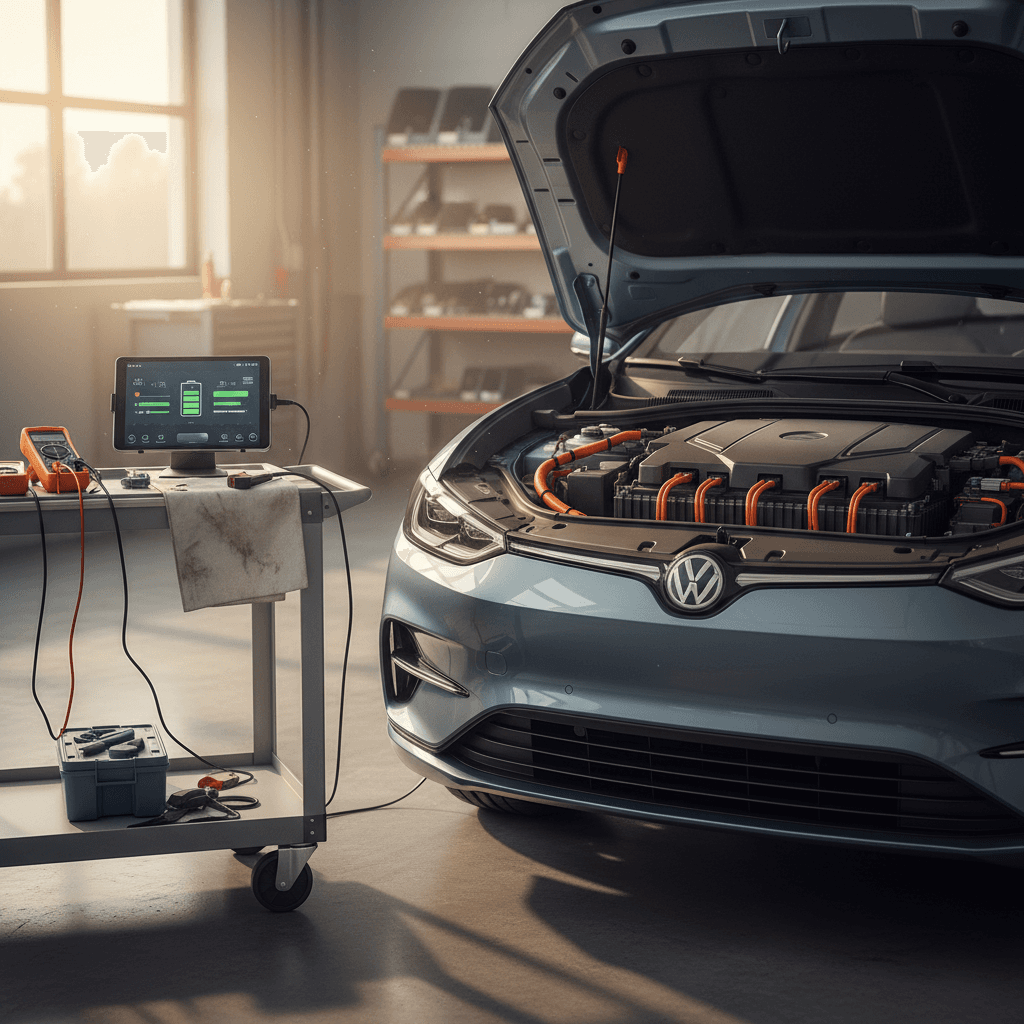
- Most EV packs carry 8–10‑year warranties to ~100,000 miles; many last much longer with modest degradation.
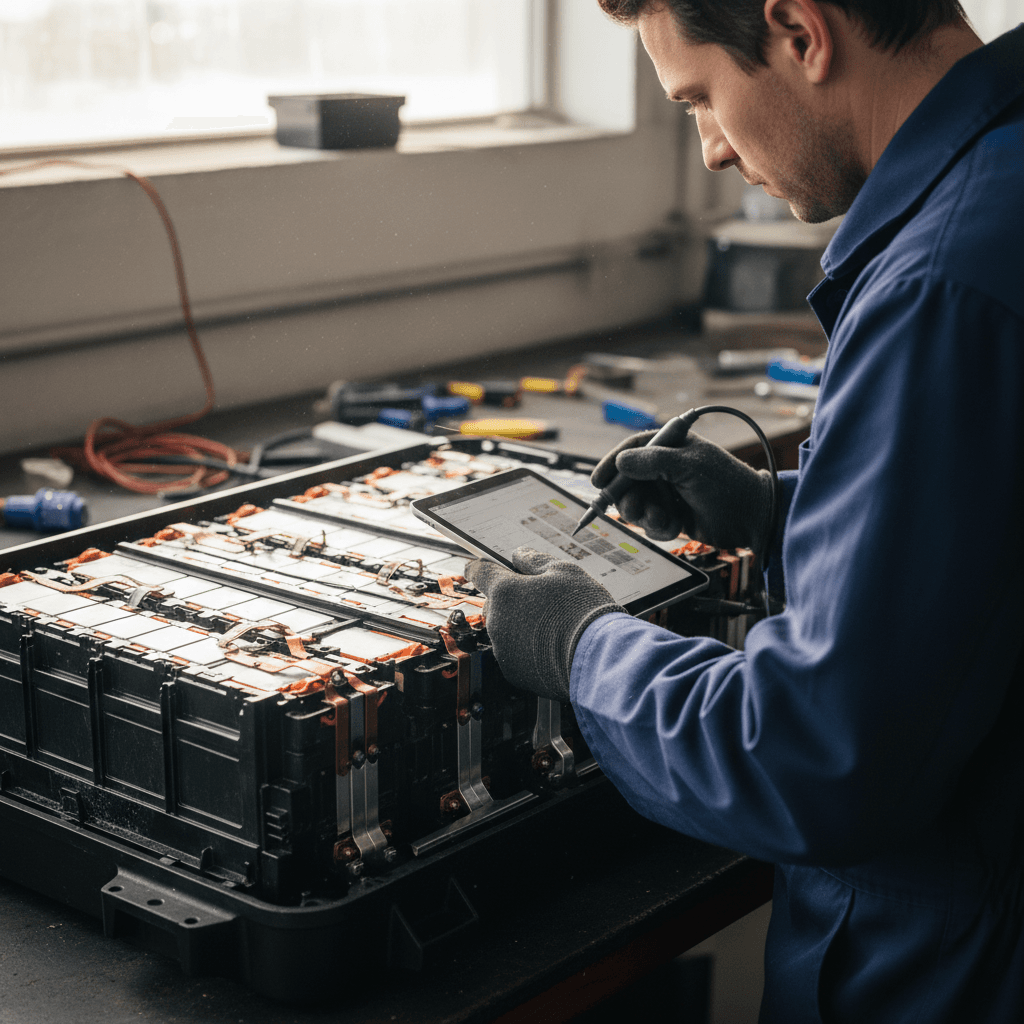
- Out‑of‑warranty replacements vary widely, but full pack swaps on popular models can still be in the $8,000–$15,000 range today, with prices trending downward as battery costs fall.
- Module‑level repairs and refurbished packs are increasingly available, lowering the bill in many cases.
Degradation vs catastrophic failure
From a risk perspective, you can think of it this way: gas cars expose you to many moderate repair risks over time, while EVs concentrate more of the risk into a single component. The key when buying used is reducing your battery risk with real data rather than guessing, which is exactly why Recharged builds detailed Recharged Score battery health reports into every EV we list.
Time and convenience: shop visits vs software updates
Money isn’t the only cost; so is your time. This is where EVs quietly change the experience of ownership, even for people who don’t obsess over spreadsheets.
How often you actually visit a shop: EV vs gas
Typical experience over the first 5 years for a mainstream vehicle driven 12,000–15,000 miles per year.
| Type of visit | Gas car – typical | EV – typical |
|---|---|---|
| Oil change / basic service | 2–3 times per year | 0 |
| Other scheduled maintenance | Every 15–30k miles | Every 20–30k miles |
| Unexpected repairs | Occasional – especially after 60k+ miles | Less frequent but sometimes more specialized |
| Software / recalls | Often requires dealer visit | Many fixes delivered over‑the‑air; some still require a visit |
These are illustrative patterns, not a schedule for any specific model, always follow your owner’s manual.
The hidden win: fewer errand days
Used EV maintenance: what to watch before you buy
If you’re shopping used, the maintenance story becomes much more specific to the car in front of you. A well‑maintained 5‑year‑old EV can be a fantastic value; a neglected one that fast‑charged hard in extreme heat and skipped software updates can be a headache.
Used EV maintenance checklist
1. Battery health data, not just a guess
Look for objective battery health information (state‑of‑health, fast‑charge history, and range vs new). Recharged includes a <strong>Recharged Score battery report</strong> with every EV so you’re not buying blind.
2. Service history and recalls
Check that key software updates, safety recalls, and any coolant or brake services have been completed. Gaps here can shorten component life.
3. Charging behavior
Cars that lived on fast chargers in hot climates may show more degradation than those mostly charged at home. Ask where and how the previous owner charged.
4. Tires, brakes, and suspension
On any used EV, inspect tire wear patterns and suspension components, heavy cars plus torque can reveal themselves here.
5. Warranty coverage
Understand what’s still under factory battery and powertrain warranty. Some brands offer separate high‑voltage coverage lasting 8–10 years.
6. Local repair ecosystem
In 2025, more independent shops know EVs, but coverage is still patchy. Make sure you have at least one EV‑capable shop, or a brand service center, within a reasonable distance.
How Recharged de‑risks used EV maintenance
Ready to find your next EV?
Browse VehiclesSide‑by‑side cost comparison: EV vs gas maintenance
To make the tradeoff more concrete, here’s a simplified snapshot of how EV and gas maintenance often compare over a 5‑year window for a typical mainstream vehicle. Your exact numbers will depend on brand, mileage, and how you drive, but the pattern is consistent across multiple 2024–2025 datasets.
EV vs gas maintenance snapshot (typical 5‑year ownership)
Assumes a mainstream compact or mid‑size vehicle driven ~12,000–15,000 miles per year, kept reasonably maintained.
| Category | Typical gas car | Typical EV |
|---|---|---|
| Routine services | Regular oil changes, engine air filter, spark plugs, transmission fluid, fuel system cleaning, emissions checks | Tire rotations, cabin air filter, occasional brake fluid and battery coolant service |
| Average annual maintenance & repair spend | Roughly $900–1,300 | Roughly $300–600 |
| Total 5‑year routine spend | Around $4,500–6,500 | Around $1,500–3,000 |
| Common big‑ticket items in this window | Brakes, exhaust, sensors, occasional transmission or engine work on higher‑milers | Tires, occasional electronics, rare high‑voltage issues (often under warranty) |
| Risk of catastrophic powertrain failure | Engine/transmission failures possible on higher‑mileage cars; repairs often exceed vehicle value | Battery failure uncommon within warranty; pack repairs or replacement are costly if they occur out of warranty |
Illustrative only; always check your owner’s manual and local labor rates.
Don’t forget insurance and depreciation
FAQ: EV maintenance vs gas
Frequently asked questions
Bottom line: should you worry about EV maintenance?
If you zoom in on routine upkeep, EVs decisively beat gas cars on maintenance. Fewer moving parts means fewer things to service, and most owners go years with little more than tires, filters, and the occasional brake check. The tradeoff is that more of your risk is concentrated in electronics and the battery pack rather than in the engine and transmission.
For new‑car buyers, strong battery warranties and simple service schedules make EVs low‑drama to live with. For used‑car shoppers, the smart move is not to fear EVs, but to demand better information. That’s exactly what Recharged was built for: transparent pricing, verified battery health via the Recharged Score Report, EV‑savvy support, and financing that treats your EV like the long‑term asset it actually is.
If your goal is to cut the time and money you spend on routine car care, an EV, especially a well‑vetted used one, has a strong case. The key is choosing the right car with eyes open to how its maintenance story has played out so far. When you’re ready to compare options, you can browse used EVs, trade in your gas car, and complete the whole process online with Recharged.