California still has some of the richest EV support in the country, but the landscape looks very different in 2026. Federal EV tax credits for new and used vehicles ended on September 30, 2025, and California’s big statewide rebate (the Clean Vehicle Rebate Project) shut down even earlier. If you’re searching for EV incentives in California for 2026, the key is understanding which programs survived, which are regional, and which only help certain income brackets.
Key takeaway for 2026
Overview: EV incentives in California in 2026
California EV incentives snapshot for 2026
- State-directed, income-based grants that help lower- and moderate-income residents replace older vehicles with cleaner ones.
- Regional air-district programs (often branded as Clean Cars 4 All) that add local money on top of state funds.
- Utility and local government rebates for home chargers, off-peak charging, and sometimes used EV purchases.
- Non-cash benefits like reduced registration fees for EVs and the ongoing California Climate Credit on your electric bill.
Federal vs California: what changed for 2026
Federal incentives going into 2026
- The federal $7,500 new EV and $4,000 used EV credits under the Inflation Reduction Act ended for purchases after September 30, 2025.
- You can still claim the credit on your 2025 tax return if you bought a qualifying EV before that date and didn’t take it at the point of sale.
- Leasing “workarounds” that let many models qualify even when purchases didn’t are gone for new leases started in 2026.
The result: there is no federal purchase incentive for a typical California EV buyer who signs paperwork in 2026.
California incentives in 2026
- The statewide Clean Vehicle Rebate Project (CVRP) is still discontinued; there’s no broad state rebate you can just apply for after buying.
- California has shifted its climate dollars toward income-based programs (Driving Clean Assistance Program and Clean Cars 4 All) and infrastructure buildout.
- Utility and local rebates remain scattered but meaningful if you know where to look.
From a buyer’s perspective, California went from a simple “buy any EV, get a check” model to a more targeted, equity-focused patchwork.
Watch the purchase date
Income-based EV grants: Driving Clean Assistance & Clean Cars 4 All
The center of gravity for EV incentives in California in 2026 is now income-qualified programs. If your household income is modest for your county, or you live in a disadvantaged community and drive an older, higher-polluting car, you may be eligible for thousands of dollars in grants toward a new or used EV.
California’s flagship equity-focused EV programs in 2026
Most big-dollar incentives now flow through these two channels
Driving Clean Assistance Program (DCAP)
DCAP is a statewide, income-based incentive that helps qualified Californians buy or lease a new or used EV.
- Available statewide, filling gaps where local Clean Cars 4 All programs don’t operate.
- Grants typically in the $7,000–$10,000 range, sometimes higher when combined with financing support.
- Can usually be used on used EVs from participating dealers, including online-first retailers.
Funds and dealer lists can change, so always confirm current availability and participating dealers before shopping.
Clean Cars 4 All (CC4A)
Clean Cars 4 All is run by local air districts and focuses on replacing older, higher-polluting vehicles with cleaner options.
- Requires scrapping an older gasoline or diesel vehicle that meets age and mileage requirements.
- Offers grants often reaching $10,000 or more for income-qualifying households.
- May allow new or used EVs, plug-in hybrids, or even transit + e-bike packages, depending on district.
Program rules, income thresholds, and available funding vary by region and can open and close as money is allocated.
Think "grant first, car second"
Regional Clean Cars 4 All programs in 2026
Where Clean Cars 4 All is active in 2026
Coverage and focus can evolve, but these are the major regions where Clean Cars 4 All has been funded into 2025–2026.
| Region / Air District | Example Counties | Program Focus in 2026 | Notes |
|---|---|---|---|
| Bay Area Air Quality Management District | San Francisco, Alameda, Contra Costa, others | Program re-launched with fresh funding, strong emphasis on low-income and priority communities | Income caps apply; grants often highest when scrapping the oldest, dirtiest vehicles. |
| South Coast AQMD | Los Angeles, Orange, Riverside, San Bernardino (parts) | Ongoing focus on replacing older vehicles in heavily polluted corridors | High demand; application windows may close quickly when funding rounds are exhausted. |
| San Joaquin Valley Air Pollution Control District | Fresno, Kern, San Joaquin, others | Supports cleaner vehicles in one of the nation’s most polluted air basins | Program may include additional local top-ups or complementary incentives. |
| Sacramento Metro AQMD | Sacramento region | Program paused in 2024, with intermittent restarts tied to new funding | Check for 2026 status; history of pauses when funds run out. |
| Other regions | Various | Some smaller districts partner with state-run DCAP instead of running their own full CC4A program | Where CC4A is absent, DCAP is often your primary income-based option. |
Always confirm status on your local air district or program website, funding windows can open and close quickly.
Because these programs are funded by cap‑and‑invest revenues and local dollars, they’re inherently cyclical. In practice, that means funding rounds, wait lists, and the occasional frustrating pause. If you’re within striking distance of eligibility, it pays to get on email lists and start paperwork early.
Utility EV incentives and home charger rebates
Even if you don’t qualify for income-based vehicle grants, you can almost certainly tap into utility incentives. California utilities continue to offer rebates for home charger hardware, special EV time-of-use rates, and in some cases modest payments or bill credits for owning an EV.
Common California utility incentives for EV drivers
Exact amounts differ by service territory, but the patterns are similar statewide
Home charger rebates
Many utilities offer a rebate when you install a qualifying Level 2 home charger.
- Typical range: $200–$1,000 per household.
- Often limited to one per service address.
- Sometimes higher for income-qualified customers or those in multifamily housing.
EV time-of-use (TOU) rates
Dedicated EV or whole-house TOU rates charge less per kWh during off-peak hours.
- Can cut charging costs by 20–40% versus standard rates.
- Great for drivers who can charge overnight.
- Often pairs well with smart chargers or apps that automate scheduling.
Managed charging & bill credits
Some utilities or third-party programs pay you to let them shape when your car charges.
- One-time signup bonuses or annual bill credits for participating.
- In exchange, they adjust charging times slightly to help the grid.
- Often stackable with charger rebates and TOU rates.
How to find your local rebates quickly
Other California benefits: HOV lanes, fees, and the Climate Credit
California used to be famous for letting solo EV drivers use carpool lanes with special Clean Air Vehicle decals. That era is effectively over. A federal rule change caused California’s HOV-lane exception for EVs to sunset on October 1, 2025, and new decals are no longer being issued. Existing decals expired on that date as well, so in 2026 solo EV drivers must follow the same HOV rules as everyone else.
- HOV / Express lanes: No special access or reduced tolls for solo EVs in 2026 under the old decal system.
- Registration fees: California does not add a special EV surcharge on top of standard registration the way some states do, which quietly saves EV drivers money every year.
- California Climate Credit: Through at least 2045, most residential electricity customers receive an automatic, twice‑yearly credit on their bill. It’s not EV‑specific, but it does offset part of your charging costs, especially if you charge mostly at home.
Why incentives shifted this way
How much can you realistically save on a used EV in 2026?
The exact stack of incentives you can capture on a used EV in 2026 depends on your income, where you live, and your utility. But we can outline some realistic scenarios that apply to many California households shopping in the used market.
Example 2026 savings scenarios on a used EV in California
Illustrative totals for a typical used EV under about $25,000. Actual amounts vary by program, region, and income level.
| Household type | Vehicle price (used EV) | Likely incentives in 2026 | Estimated total savings |
|---|---|---|---|
| Higher-income buyer, any region | $25,000 | No federal EV credit; no income-based grants. Possible $300–$800 utility charger rebate + lower off-peak charging rates. | $300–$800 (mainly charger rebate) |
| Middle-income buyer in utility territory with strong programs | $23,000 | Not income-eligible for DCAP/CC4A, but gets ~$500 charger rebate + TOU savings over time. | $500 upfront; hundreds more over several years in lower energy bills |
| Low-income buyer outside CC4A air district | $20,000 | Qualifies for statewide Driving Clean Assistance ~$7,000–$10,000 grant + $500–$1,000 charger rebate. | $7,500–$11,000 |
| Low-income buyer in active CC4A region, scrapping old car | $22,000 | Stacked CC4A + DCAP-style grants in the $10,000–$14,000 range, plus potential utility charger rebate. | $10,500–$15,000 |
Numbers are rounded estimates; always confirm with current program documents before you buy.
The big story is this: 2026 is a terrific year to buy a used EV if you qualify for income-based programs, because you can combine softer used‑car pricing with very generous grants. For higher-income buyers, the calculus is different, you’re saving more through lower fuel and maintenance costs than through up‑front checks.
How to stack EV incentives in California
Because programs come from different pots of money, state climate funds, local air districts, utilities, you can often combine them. The trick is understanding sequence and paperwork.
Smart order of operations to maximize California EV incentives
1. Check income and residency eligibility first
Before test‑driving anything, run through pre‑screen tools for the Driving Clean Assistance Program and your local Clean Cars 4 All or air district program. Confirm whether your address and income make you a candidate.
2. Confirm whether an old car can be scrapped
If you own an older gasoline or diesel car, check whether it meets age, registration, and smog requirements to be scrapped under Clean Cars 4 All. Scrapping dramatically increases grant amounts in many districts.
3. Map out stackable programs
List which buckets you qualify for: DCAP or CC4A grant, local air‑district add‑ons, utility charger rebates, managed charging credits, and TOU rates. Some can be combined; a few may not stack with each other.
4. Get pre-approval before shopping seriously
Most income-based grants require <strong>pre-approval</strong> before you sign a purchase contract. Apply early and keep your conditional approval letter handy when you start talking numbers with dealers or platforms like Recharged.
5. Shop vehicles that fit the program rules
Programs may cap vehicle price, require certain model years, or restrict to battery-electric (not plug-in hybrids). Filter your search to cars that clearly qualify so you don’t lose your grant over a technicality.
6. Coordinate funding at the point of sale
Many programs send funds directly to participating dealers or are applied as down payment. Work with a seller that understands these incentives and is willing to complete the extra paperwork correctly.
Where Recharged fits in
Ready to find your next EV?
Browse VehiclesEligibility checklist for California EV incentives in 2026
Quick self-check: are you likely to qualify for big grants?
Your household income is below area limits
Most DCAP and Clean Cars 4 All grants target households roughly at or below moderate income for their county. If your income is toward the lower end of the California spectrum, you’re the intended audience.
You live in a qualifying community or air district
Programs prioritize residents of disadvantaged or pollution‑burdened neighborhoods. Your address can be as important as your income; check your ZIP code on program maps.
You own an older gasoline or diesel car
If you can scrap a running, registered gas car that’s been in California for several years, you may unlock the richest incentive tiers under Clean Cars 4 All.
You’re buying from a participating dealer
Income-based grants and some utility rebates require using an approved dealer list. That includes many traditional dealers and some online-first retailers. Always verify that your chosen seller participates.
The EV meets program rules
Expect caps on purchase price, minimum electric range, and vehicle age. Some programs exclude luxury models; others prefer full battery EVs over plug‑in hybrids.
You can handle extra paperwork and timing
Approvals, income verification, and scrap inspections take time. If you’re in a hurry to buy within a week, incentives will be harder to capture than if you can plan over 4–8 weeks.
Common pitfalls and how to avoid them
Frequent mistakes that cost people money
- Buying before pre-approval: You sign for an EV, then discover that your local program requires approval before purchase. Result: no grant.
- Using a non-participating dealer: Some programs only disburse funds to approved dealers. If yours isn’t on the list, you may be ineligible even if the car itself qualifies.
- Choosing the wrong vehicle type: A plug-in hybrid or higher-priced EV may not meet program rules, while a different used BEV would have unlocked thousands more in help.
- Missing program windows: Funding rounds for Clean Cars 4 All can open and close quickly. Waiting until your current car fails smog can mean missing the next grant cycle.
- Overestimating tax benefits: The old habit of assuming you’ll “get $7,500 back at tax time” no longer applies to 2026 purchases. Don’t plug that number into your budget unless you’re talking about a 2025 transaction.
How Recharged can de-risk the process
Shopping incentives on top of used EVs is a classic case of asymmetric information: a buyer has to navigate complex rules, while the seller might just want to move metal. At Recharged, our model is built around clarity:
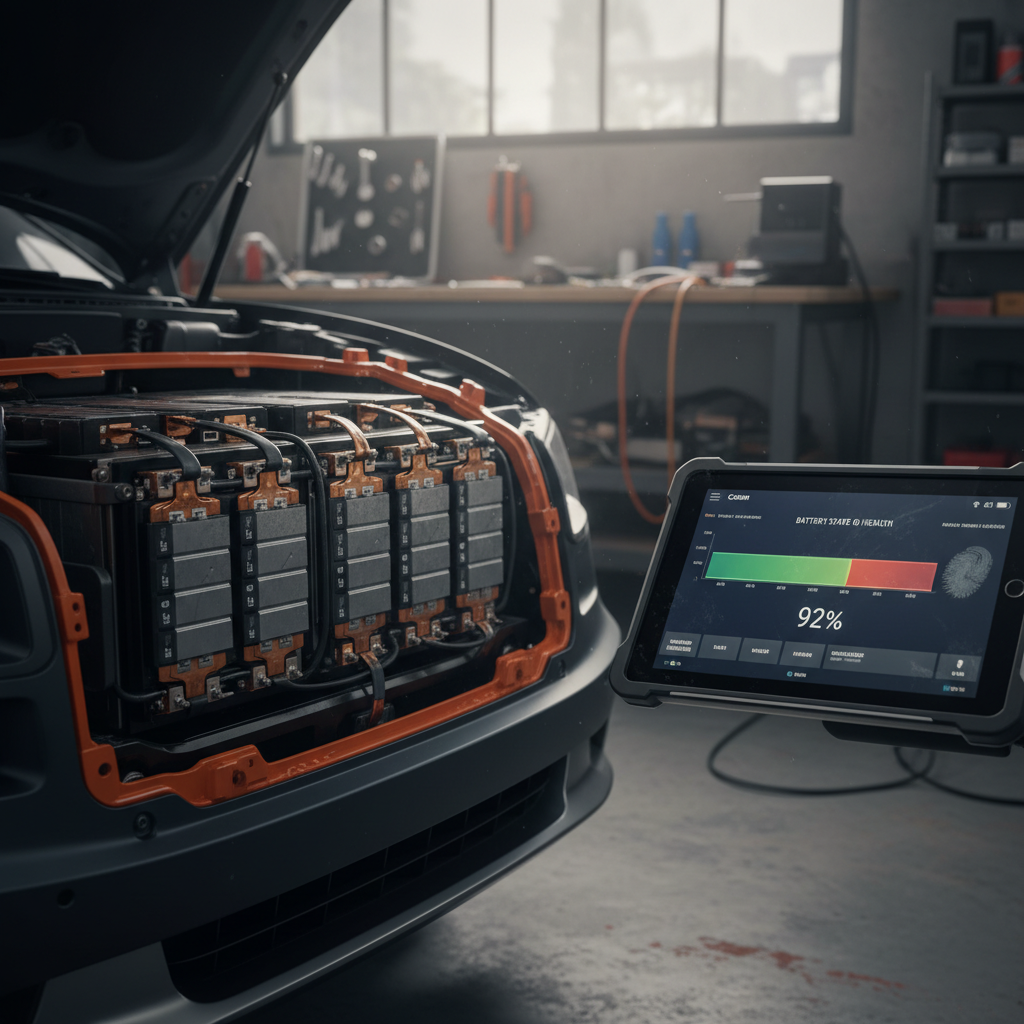
- Recharged Score battery reports show you verified pack health, so you don’t waste a scarce grant on a car with a tired battery.
- Transparent pricing makes it easier to see how grants and rebates close your budget gap.
- EV‑specialist advisors can help you think through range needs, charging plans, and which models play nicest with California’s incentive rules.
Financing and trade-ins alongside incentives
Because equity programs often treat grants as down payments, pairing them with fair‑value financing and a trade‑in or instant offer can change the math completely.
- Use our pre-qualification tools to understand payments without impacting your credit.
- If you’re scrapping an older car, we can help you compare whether a standard trade‑in or a scrap‑and‑grant path makes more sense financially.
- Nationwide delivery means you’re not limited to whatever happens to sit on a nearby lot.
The through‑line: think of incentives, financing, and vehicle selection as a single equation, not three separate decisions.
FAQ: EV incentives in California 2026
Frequently asked questions about California EV incentives in 2026
Bottom line: using incentives to buy a used EV
In 2026, EV incentives in California are less about universal perks and more about targeted support. The easy era of buying almost any EV and waiting for a rebate check is behind us. In its place is a system that strongly rewards lower- and moderate-income households willing to navigate a bit of bureaucracy, and that still quietly helps everyone with cheaper off‑peak electricity and a robust charging network.
If you’re in that income-qualified group, you can realistically cover a huge chunk of a reliable used EV’s price with grants, especially if you’re scrapping an older gasoline car. If you’re not, the smart play is to focus on total cost of ownership: shop carefully in the used market, lean on utility programs, and insist on clear, independent battery‑health information so the car you buy earns back its keep in fuel and maintenance savings.
Either way, you don’t have to navigate this alone. Recharged was built around demystifying used EV ownership. From the Recharged Score battery report to EV‑savvy financing and trade‑in options, we can help you turn California’s evolving incentive landscape into a clear, concrete plan to get into the right electric car, for 2026 and beyond.