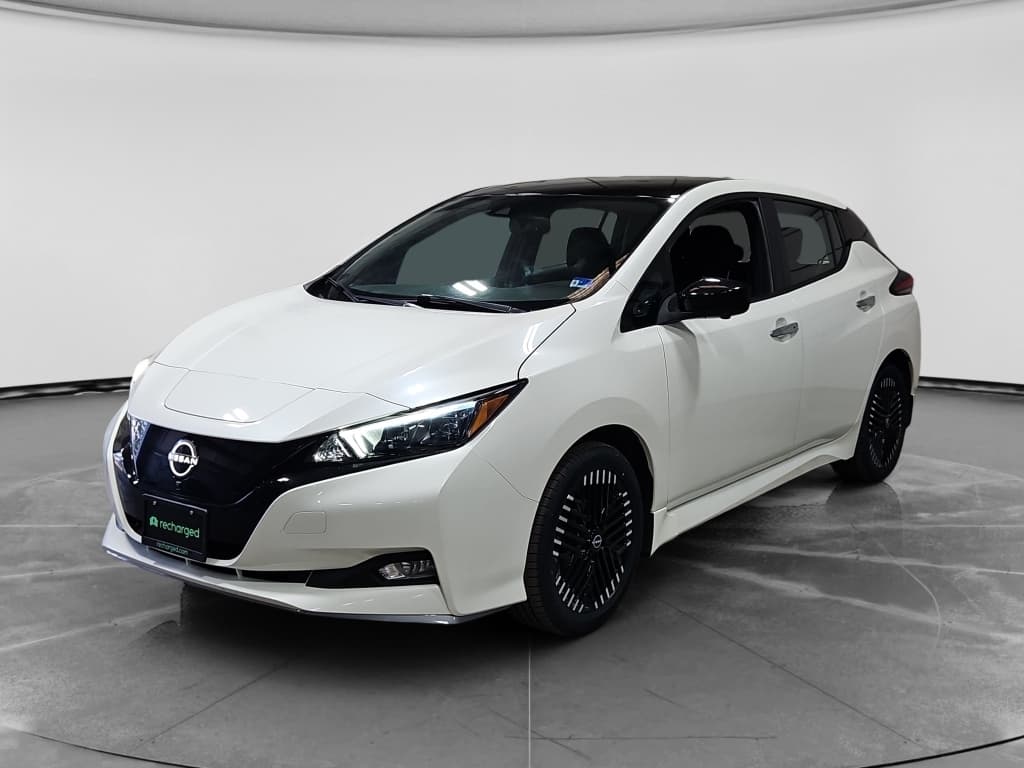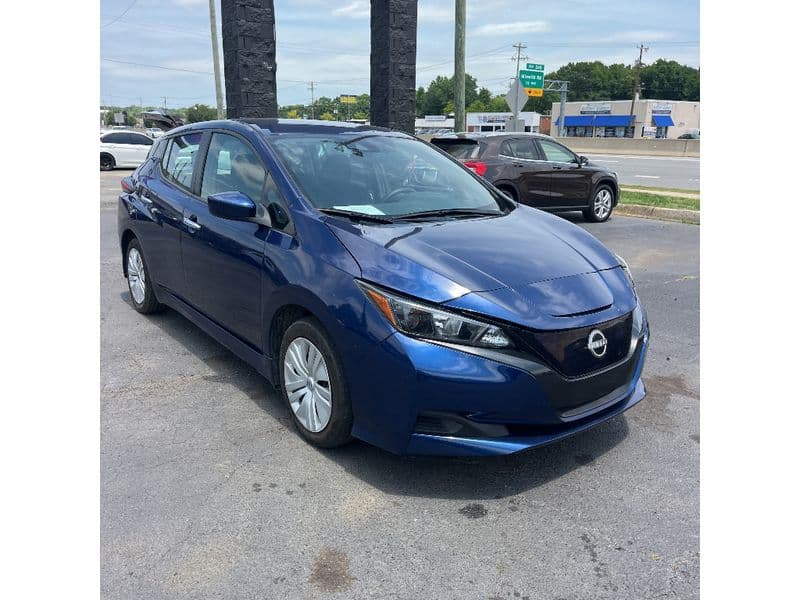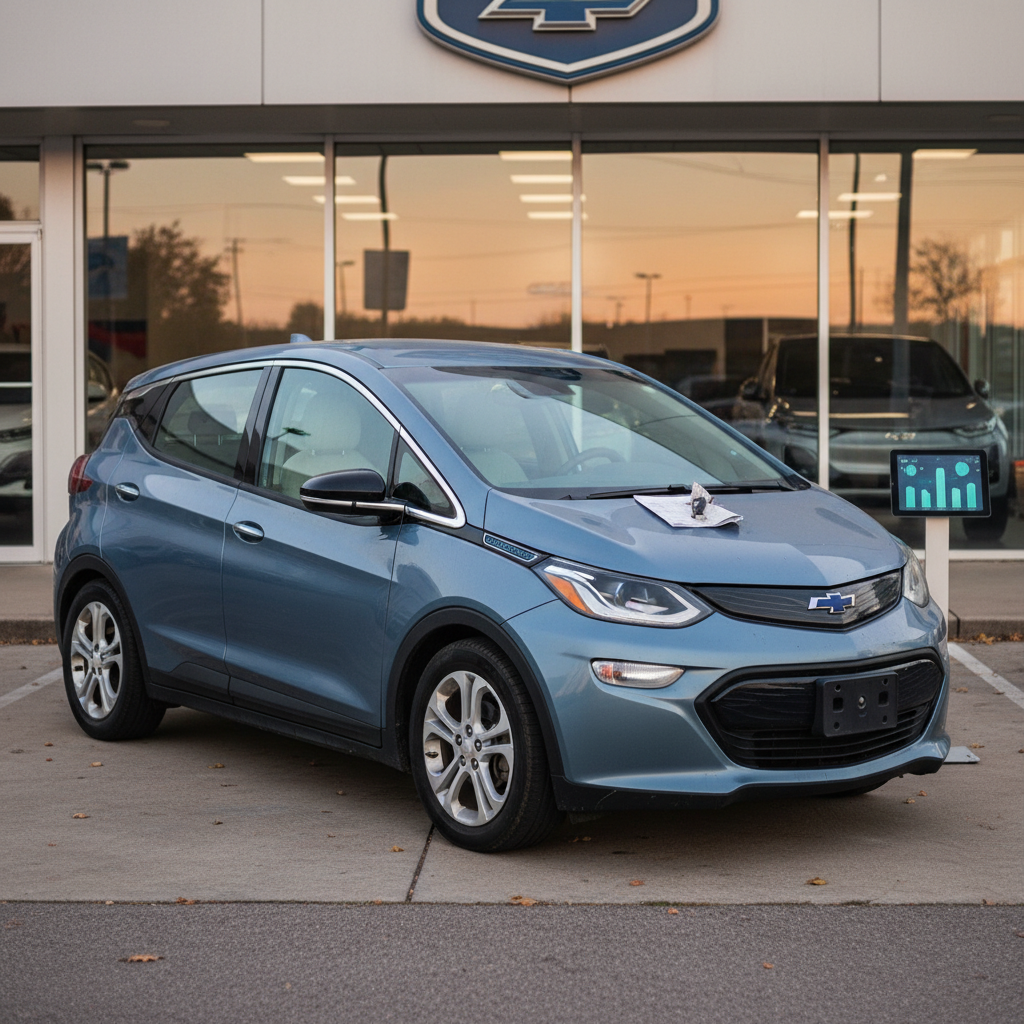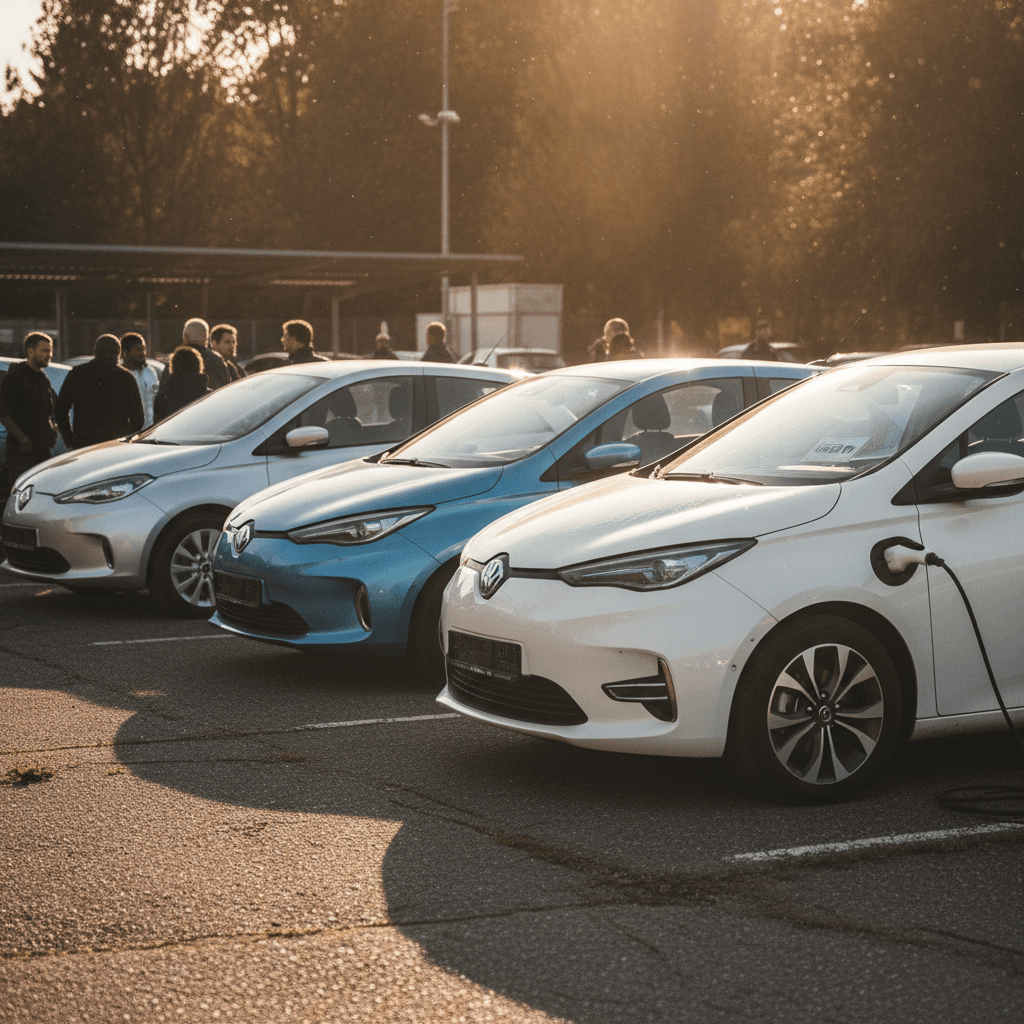
If you want an electric car that’s easy to park, inexpensive to run, and still practical enough for everyday life, an EV hatchback belongs on your shortlist. These small electric cars trade big-SUV bulk for clever packaging, good efficiency, and (often) lower prices, especially in the used market, where models like the Nissan Leaf, Chevrolet Bolt EV, and Fiat 500e are now everywhere.
Quick definition
What is an EV hatchback, exactly?
In practical terms, an EV hatchback is a small electric car with a rear liftgate instead of a traditional trunk. The rear seats usually fold flat (or close to it), turning the cabin into one continuous cargo area. Because electric drivetrains are compact and don’t require a fuel tank or exhaust system, designers can stretch interior space in ways that feel almost “TARDIS-like” compared with similarly sized gas cars.
- Most EV hatchbacks are front- or rear-wheel drive single-motor cars focused on efficiency rather than raw performance.
- Battery sizes typically range from 35–65 kWh, which keeps weight and cost under control while still delivering useful range.
- They prioritize urban and suburban commuting, school runs, and errands, not cross-country towing or off-road adventures.
Think packaging, not just size
Pros and cons of an electric hatchback
Key advantages and tradeoffs
How EV hatchbacks stack up against sedans and crossovers
Advantages of EV hatchbacks
- Easy to park and maneuver in cities and tight lots.
- Lower purchase price than many crossovers or SUVs, especially used.
- Great efficiency thanks to smaller size and lighter weight.
- Flexible cargo area with the rear seats folded.
- Often cheaper insurance and registration than larger vehicles.
Drawbacks to consider
- Less rear-seat space than family-size crossovers.
- Limited towing and no third-row seating.
- Some models have modest range (under 200 miles EPA), especially early-generation EVs.
- Ground clearance is low; not ideal for rough roads.
- Not every model is sold nationwide in the U.S.
Watch your expectations
Is an EV hatchback right for your life?
Great fit if…
- You drive under 60–80 miles a day most days.
- You live in a city or suburb with tight parking.
- You have access to home or workplace charging.
- You mostly carry 1–2 passengers and light cargo.
- You’re looking to cut fuel and maintenance costs dramatically.
Maybe not ideal if…
- You regularly take long highway trips with the whole family.
- You need to tow, camp off-grid, or drive on unpaved roads often.
- Your only charging option is public DC fast charging in a sparse network.
- You want a higher ride height for ease of entry and visibility.
The EV hatchback market in 2025
EV hatchback snapshot, late 2025
Globally, the action in small EVs is intense, Chinese and European brands are pushing a wave of affordable electric hatchbacks. In the U.S., the mix is narrower: the standout new entry is the Fiat 500e, while the used market is rich in Nissan Leafs and Chevrolet Bolt EVs that were sold in large numbers earlier this decade.
Market reality for U.S. shoppers
Popular EV hatchbacks in the U.S.
Here’s a quick look at EV hatchbacks you can realistically cross-shop in the U.S. today, focusing on commuter-friendly models rather than high-end performance cars.
Key EV hatchbacks for U.S. shoppers (2024–2025)
Approximate specs for major EV hatchbacks relevant to the U.S. market. Ranges are manufacturer or EPA estimates where available.
| Model | Body style | Approx. range | Notable strengths | Typical role |
|---|---|---|---|---|
| Fiat 500e (2024–2025) | Subcompact hatchback | ~141 mi EPA | City-friendly size, stylish, quick to charge | Urban/second car |
| Nissan Leaf (2018–2024, used) | Compact hatchback | ~150–215 mi EPA | Widely available used, comfortable ride | Budget commuter |
| Chevrolet Bolt EV (2017–2023, used) | Compact hatchback | ~238–259 mi EPA | Strong range for size, huge cargo for class | Do-it-all small EV |
| Mini Cooper SE (2020–, limited availability) | Subcompact 3-door hatch | ~114–125 mi EPA | Fun to drive, premium feel | Short-range city car |
| Hyundai Kona Electric (hatchback-like crossover) | Subcompact crossover/hatch | ~258 mi EPA | Excellent efficiency, useful size | Versatile small family car |
Always verify exact specifications for the model year and trim you’re shopping.
Why many used shoppers start with Bolt and Leaf
What’s happening in Europe and Asia
Outside the U.S., EV hatchback choices explode. Europe leans heavily on compact electric hatchbacks as mainstream cars: Volkswagen is preparing its ID.Polo (formerly ID.2) as an affordable electric hatch, Nissan has revived the Micra as a small EV on the same platform as the Renault 5, and a wave of compact Chinese hatches like Leapmotor’s Lafa 5 and GAC Aion’s UT is targeting value-conscious buyers.
Why this matters to Americans
Range, cargo space, and real-world usability
On paper, EV hatchbacks don’t always wow with range. But the combination of real-world efficiency and flexible cargo space makes them surprisingly capable daily drivers.
How much space and range do you actually get?
Numbers behind the most common EV hatchback use cases
Range sweet spot
Many EV hatchbacks deliver 140–260 miles of rated range. For typical U.S. daily driving, around 30–40 miles, that’s 3–5 days between charges if you plug in at home.
Cargo flexibility
Models like the Chevrolet Bolt EV offer up to 57 cubic feet of max cargo volume with the rear seats folded, more than some compact crossovers, thanks to the hatchback layout.
Highway vs. city
Expect better efficiency around town than at 75 mph on the interstate. If your routine is mostly urban/suburban, a modest-range hatchback can still feel very “long-legged.”
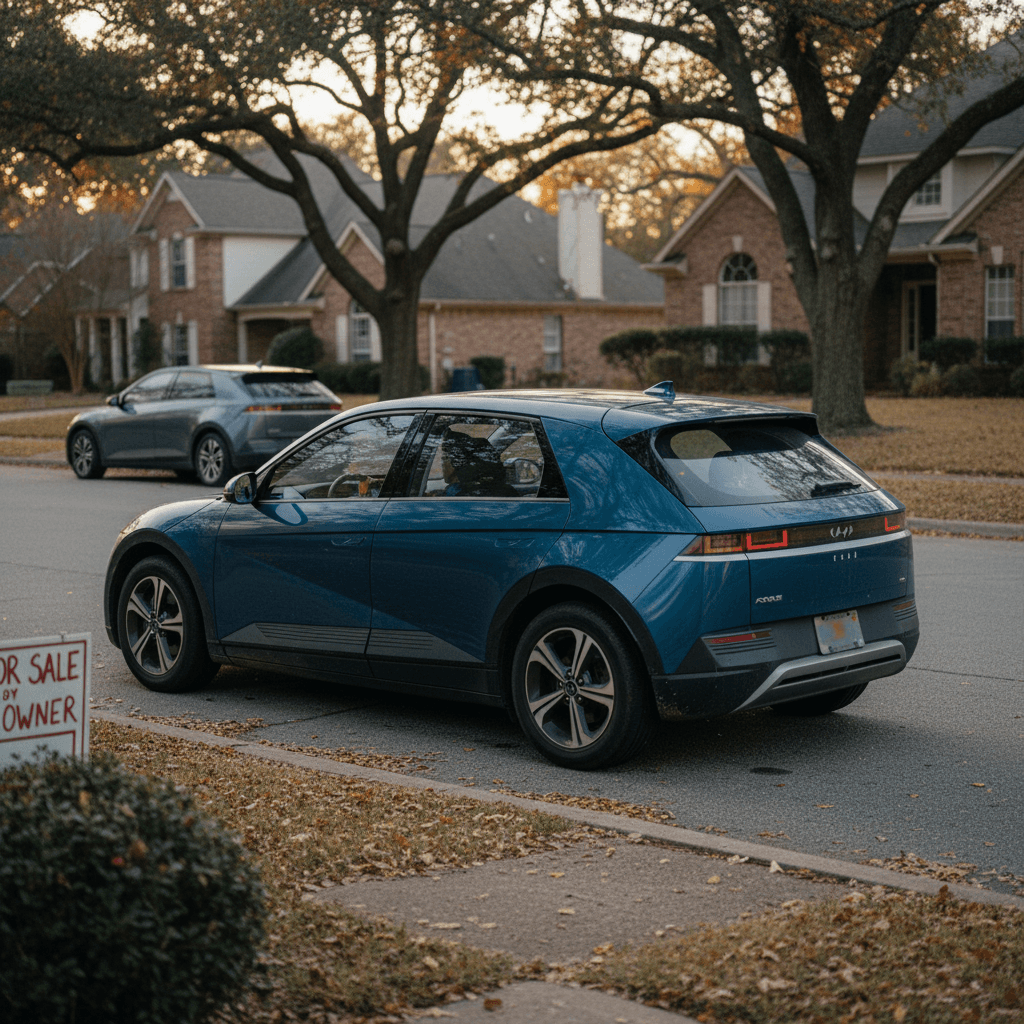
Match range to your pattern, not your fears
New vs. used EV hatchback: what makes sense now
When a new EV hatchback makes sense
- You want the latest tech and safety plus full factory warranty.
- You qualify for federal and state EV incentives that narrow the price gap.
- Models like the Fiat 500e appeal as a style-forward urban commuter.
- You plan to keep the car long enough that depreciation matters less than hassle-free ownership.
Why many shoppers go used
- Upfront price is dramatically lower, especially for older Leafs and Bolts.
- You can often afford more range or more features for the same budget.
- The steepest EV depreciation has already occurred.
- Certified and inspected used EVs with verified battery health reduce risk substantially.
How Recharged fits in
Ready to find your next EV?
Browse VehiclesBattery health: the key variable in used EV hatchbacks
With gas cars, you worry about engines and transmissions. With used EV hatchbacks, the big question is the traction battery. Capacity loss over time, often called degradation, directly affects range, and it varies by model, chemistry, climate, and how the car was charged.
How to judge battery health on a used EV hatchback
1. Look at the battery warranty window
Many EVs carry 8-year/100,000-mile battery warranties. A 5-year-old hatchback with moderate miles may still be covered for serious defects, though normal degradation isn’t always a warranty issue.
2. Ask for a battery health report, not just range guesses
On a used Nissan Leaf or Chevrolet Bolt EV, you want <strong>objective data</strong>, not “it seems fine.” Recharged’s Score Report, for example, uses diagnostics to quantify usable capacity instead of eyeballing a dash display.
3. Consider climate and charging history
Hot climates and heavy fast-charging use can accelerate degradation, especially on early Leafs without active battery cooling. Cars used mostly for home Level 2 charging in moderate climates often age more gracefully.
4. Test real-world range if you can
A long test drive or range test at highway speeds can give you a gut check: Does the state of charge drop at a normal rate, or does it feel like the gauge is falling faster than expected?
Don’t buy blind on battery condition
Financing and total cost of ownership
One of the underappreciated strengths of EV hatchbacks is how inexpensive they can be to own once you’re past the purchase price. Electricity is cheaper per mile than gasoline in most U.S. markets, and there’s no oil to change, no timing belt, and far fewer moving parts.
Where EV hatchbacks save you money
The small-car format amplifies EV cost advantages
Energy costs
At typical U.S. electricity rates, many EV hatchbacks cost the equivalent of paying $1–$1.50 per gallon for fuel, depending on your local kWh price and off-peak rates.
Maintenance
No oil changes, fewer fluids, and regenerative braking mean fewer service visits and less brake wear, especially in stop-and-go traffic.
Financing flexibility
Because EV hatchbacks start cheaper than big SUVs, your loan amount and monthly payment can be lower. Companies like Recharged can help you line up EV-friendly financing online.
Use total cost, not just sticker price
Step-by-step: how to shop for an EV hatchback
EV hatchback buying checklist
1. Define your daily range needs
Look at your real driving, commute distance, kids’ activities, weekend routines. Target an EV hatchback whose <strong>usable range is at least 2× your typical day</strong> for comfort.
2. Decide on new vs. used
If you want the latest tech and a full warranty, narrow in on options like the Fiat 500e. If value is king, focus on used Leafs, Bolts, and similar cars with verified battery health.
3. Plan your charging strategy
Will you charge at home on Level 1 (120V) or install a Level 2 (240V) charger? If you live in an apartment, map out nearby public chargers before you buy. An EV hatchback is easiest to live with when you can charge where you park.
4. Compare interior space and cargo
Sit in the back seat, fold the rear bench, and bring a suitcase or stroller to see how it fits. Hatchback packaging varies more than you’d think from the outside.
5. Get a professional EV inspection
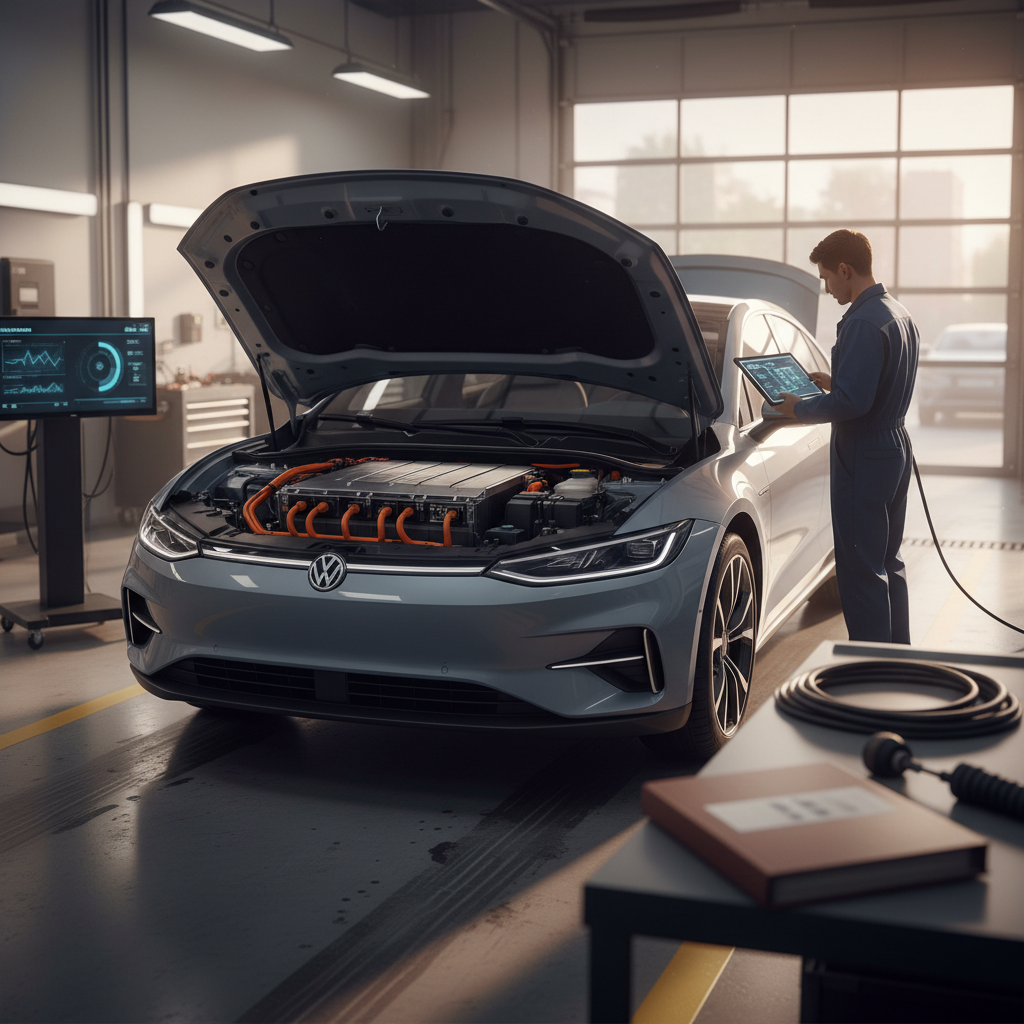
Beyond the usual used-car checks, you want charger compatibility, software updates, and especially <strong>battery diagnostics</strong>. Recharged’s technicians specialize in EVs and can surface issues a generalist shop might miss.
6. Run the payment and TCO numbers
Use online calculators to combine purchase price, financing, insurance, electricity, and maintenance. This is where many shoppers realize an EV hatchback can actually cost <strong>less per month</strong> than their current gas car.
How Recharged simplifies the process
EV hatchback FAQ
Frequently asked questions about EV hatchbacks
Bottom line: should your next car be an EV hatchback?
If your life revolves around commuting, errands, and the occasional weekend trip rather than towing and off-roading, an EV hatchback is one of the most rational vehicle choices you can make in 2025. You get low running costs, easy maneuverability, and surprising practicality in a small footprint. The U.S. new-vehicle market is still catching up to Europe and China on small EVs, but the used landscape, packed with Leafs, Bolts, and other compact EVs, offers tremendous value if you shop carefully.
The key is to treat the battery like you would a gas car’s engine: understand its health, warranty coverage, and how it fits your driving pattern. That’s exactly what Recharged was built to simplify. With verified battery diagnostics, transparent pricing, trade-in options, and nationwide delivery, turning a promising EV hatchback listing into a car in your driveway is more straightforward than ever.