If you’ve been browsing used electric cars, especially imports or articles from Europe, you’ve probably run into model names like EV‑e, e‑Niro, e‑Soul, or simply Honda e. The naming looks similar, but it isn’t always clear what it means for range, charging speed, or price. This guide breaks down how “EV‑e” style names work and how to use them when you’re shopping for a used electric vehicle in the U.S.
Quick takeaway
What does EV‑e actually mean?
Unlike terms such as EV (electric vehicle) or PHEV (plug‑in hybrid), EV‑e isn’t a formal global standard. You’ll see it in a few different contexts:
- As a shorthand in European marketing copy for an electric version of an existing model (for example, “EV‑e variant”).
- In model names where the “e” prefix or suffix indicates a pure battery‑electric version: Kia e‑Niro, Kia e‑Soul, or Honda e.
- In spec sheets and online listings where sellers mix “EV” and “e‑” language to signal that a car is the electric variant, especially on vehicles that also come in hybrid or ICE versions.
Don’t assume EV‑e means the same thing everywhere
How European EV naming works
European automakers have leaned heavily on “e‑” prefixes or suffixes to flag electric versions of existing nameplates. That’s why you’ll see both Niro EV and e‑Niro, or Soul EV and e‑Soul, depending on the market. The hardware is essentially the same; the badge and brochure copy differ by region.
Common European EV naming patterns
Different labels, same basic idea: this is the electric one.
e‑ModelName
The lowercase “e‑” prefix is common in Europe: e‑Niro, e‑Soul. It usually means the fully electric version of a model that may also be sold as a hybrid or gas car.
ModelName EV
The “EV” suffix shows up more often in North America: Niro EV, Soul EV. Same idea, this is the battery‑electric variant.
Standalone EV names
Some cars drop the base model name entirely and lean into electricity: Honda e, Renault Zoe, VW ID.3. Here, the whole name says “electric.”
How to read a European EV badge
Popular EV‑e style models to know
When people search for EV‑e, they’re often trying to decode specific model names they’ve seen in reviews or used‑car listings. Here are a few of the most important to understand, especially if you’re shopping used.
EV‑e style models you’ll see often
Kia e‑Niro / Niro EV
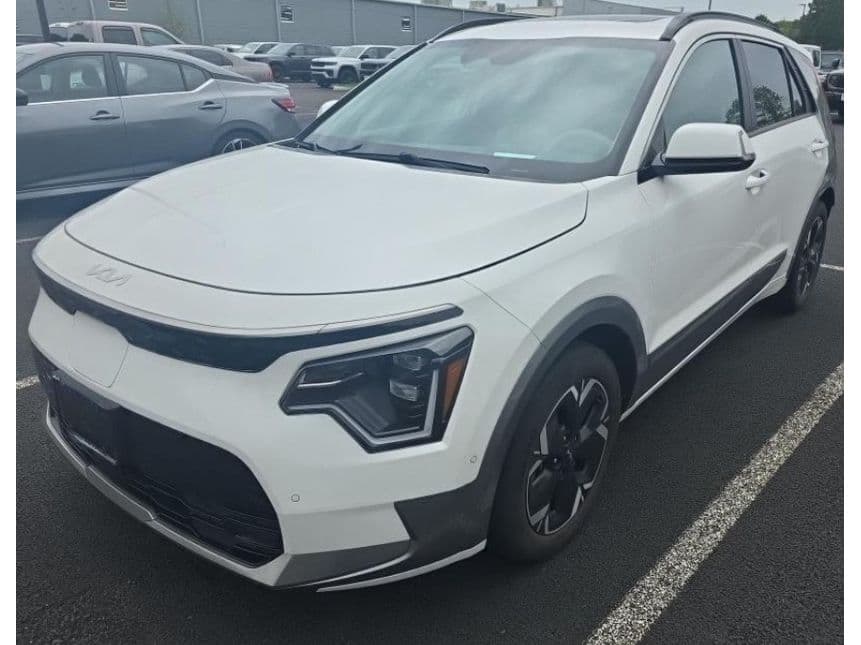
The Kia e‑Niro (Europe) and Niro EV (U.S.) are the same core vehicle: a practical compact crossover that shares much of its powertrain with the Hyundai Kona Electric. European buyers saw both 39.2 kWh and 64 kWh battery versions; U.S. shoppers primarily encounter the larger‑battery Niro EV with competitive real‑world range. When you see an online mention of “Niro EV‑e,” it’s usually just shorthand for one of these full‑electric trims.
Kia e‑Soul / Soul EV
Kia’s e‑Soul (Europe) and Soul EV (U.S.) follow the same pattern. Early cars used smaller batteries and offered well under 150 miles of real‑world range. Later models gained packs in the 60+ kWh neighborhood and saw published ranges above 240 miles, which makes them much more compelling on the used market. In some listings and reviews, you’ll see casual references like “Soul EV‑e,” but that’s just a mash‑up of terminology, not a different trim.
Honda e and other city EVs
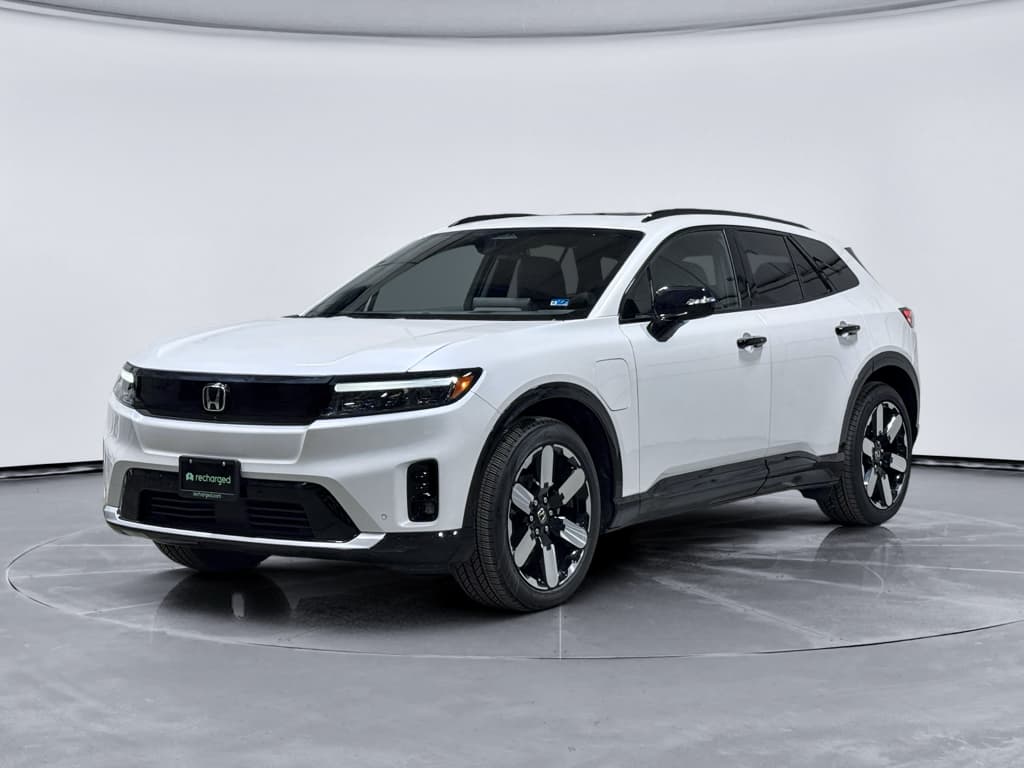
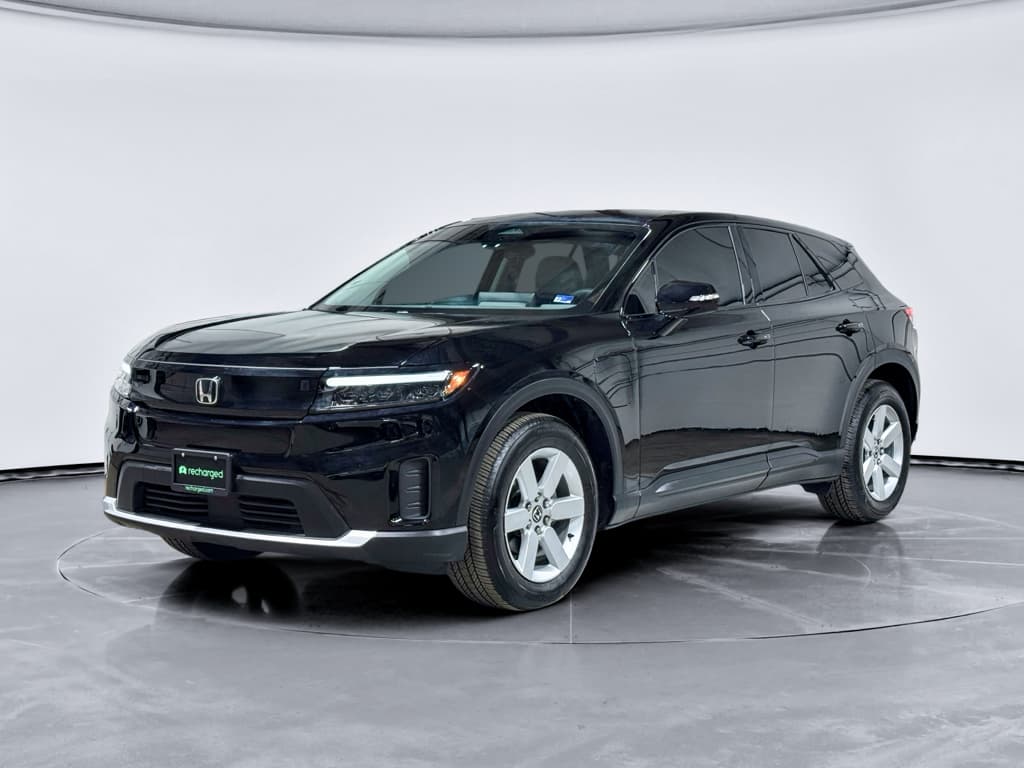
The Honda e is another example where the “e” stands in for “electric.” It’s a small, rear‑wheel‑drive hatchback designed for urban Europe, with a 35.5 kWh battery and modest range. Production wrapped up in early 2024 after limited global sales, but the name still surfaces in EV‑e searches because it’s such a recognizable “e‑only” badge.
Range and charging: what the name doesn’t tell you
Seeing an EV‑e style name tells you the car is electric. It does not tell you how far you can drive on a charge or how quickly you can recharge on a road trip. Those details depend on battery size, model year, and charging hardware, all of which can vary inside the same nameplate.
How naming hides real‑world differences
Simplified examples of how two trims under the same EV‑e style badge can behave very differently.
| Model name (example) | Battery size (approx.) | Typical EPA/WLTP range | Fast‑charging capability |
|---|---|---|---|
| Early Soul EV / e‑Soul | ~30–32 kWh | Under 120–130 miles | Lower peak fast‑charge power |
| Later Soul EV / e‑Soul | ~64 kWh | Around 240+ miles | Much higher fast‑charge power |
| Niro EV / e‑Niro (smaller pack) | ~39 kWh | Under 170 miles (WLTP) | More limited highway flexibility |
| Niro EV / e‑Niro (larger pack) | ~64 kWh | Well over 230 miles | Far better road‑trip usability |
Always verify battery size and charging specs instead of assuming all e‑badged versions are equal.
Why this matters on the used market
Key range questions to ask
- What’s the official EPA range (for U.S. cars) or WLTP range (for European imports)?
- Has the car’s battery been tested recently for health and usable capacity?
- How does the rated range compare with similar used EVs at the same price point?
Key charging questions to ask
- What plug standard does it use, CCS, CHAdeMO, or NACS?
- What’s the car’s maximum DC fast‑charge rate (kW)?
- Can it accept Level 2 charging at 32–48 amps for faster at‑home refills?
How EV‑e labels affect used prices
On today’s used‑EV market, the badge and the spec sheet both influence pricing. EV‑e style names like e‑Niro or e‑Soul tend to command more interest than their hybrid relatives, but the real driver of value is range, battery health, and charging speed.
What actually moves used EV‑e prices
The badge gets attention; the numbers close the deal.
Usable range
Cars with 230–260 miles of real‑world range typically sell faster and hold value better than early EV‑e models that top out near 100–130 miles.
Battery health
Two identical e‑Niro models can be priced differently if one shows stronger battery health and slower degradation over time.
Charging flexibility
Support for modern fast‑charging standards, and solid Level 2 at home, makes an EV‑e much easier to live with and more attractive used.
Where Recharged fits in
Ready to find your next EV?
Browse VehiclesChecklist for buying a used EV‑e style model
Whether you’re eyeing a Niro EV, Soul EV, or another EV‑e badged car, a structured approach will help you avoid surprises and overpaying. Use this checklist as you compare listings or talk with sellers.
Your EV‑e used‑car buying checklist
1. Confirm the exact model and market name
Is the car listed as <strong>Niro EV</strong>, <strong>e‑Niro</strong>, <strong>Soul EV</strong>, or <strong>e‑Soul</strong>? Make sure you know whether it’s a U.S.‑spec car or an import, since ratings and equipment can differ.
2. Verify battery size and range
Ask for the <strong>battery capacity in kWh</strong> and the original EPA or WLTP range. Compare those numbers to current used‑EV options so you understand what you’re getting.
3. Get a battery‑health report
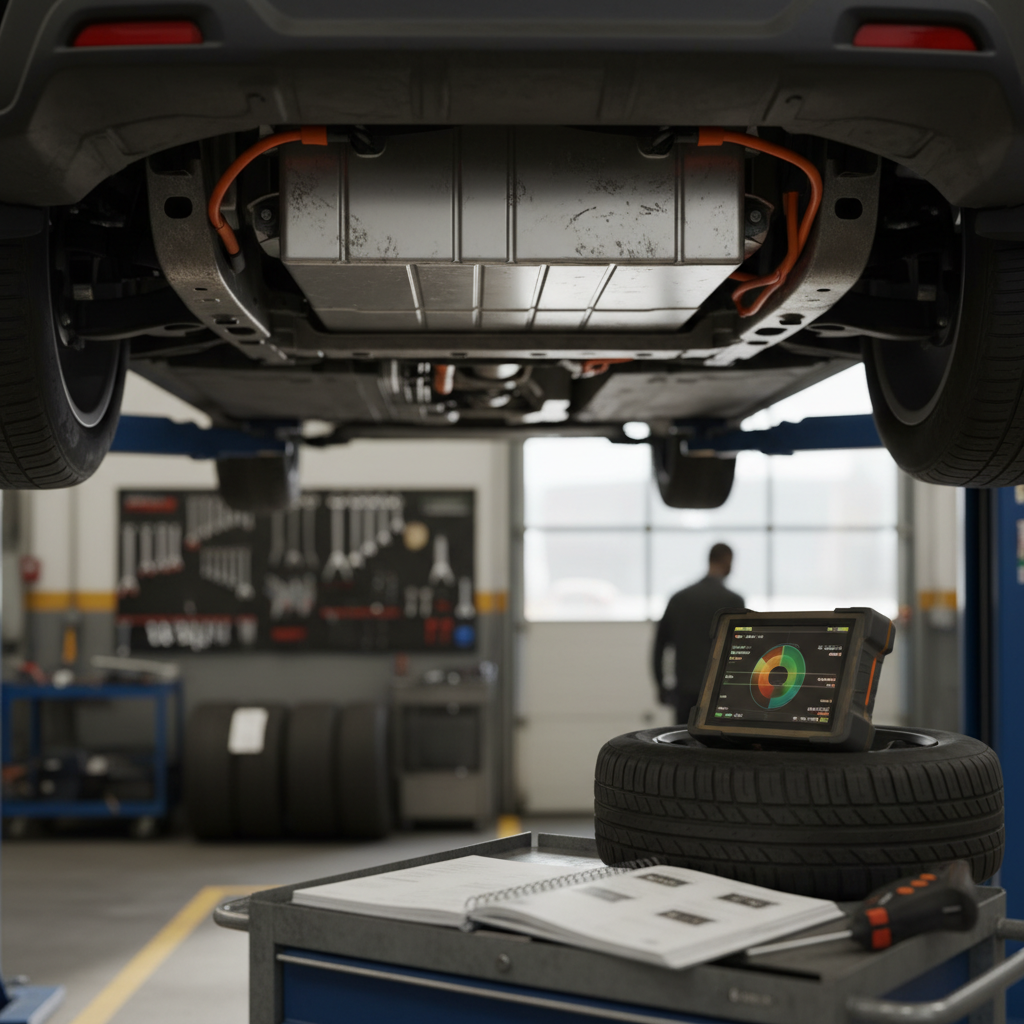
Instead of guessing from mileage alone, ask for a <strong>recent battery diagnostic</strong>. On Recharged, this comes baked into the Recharged Score, so you see usable capacity and degradation clearly.
4. Check charging standards and speeds
Confirm whether the car uses <strong>CCS, CHAdeMO, or NACS</strong>, and what its peak DC fast‑charging rate is. Make sure that matches the networks you plan to use locally and on trips.
5. Look at total cost of ownership
Insurance, tires, home charging hardware, and local electricity rates all matter. A cheaper EV‑e up front with an older battery may cost you more in the long run.
6. Test real‑world charging and range
If possible, take a long test drive and, at least once, plug into a public charger. That’s the fastest way to see how an EV‑e behaves in your actual driving pattern.
How Recharged helps you shop smart
Sorting through EV‑e naming quirks is just one piece of the puzzle. When you shop for a used electric vehicle through Recharged, you get structure and transparency that traditional used‑car experiences don’t offer, especially valuable when you’re comparing similar‑sounding EV‑e models.
Battery‑first evaluation
Every car on Recharged comes with a Recharged Score Report that digs into battery health, not just odometer readings. That’s critical if you’re choosing between, say, an early small‑pack Soul EV and a later large‑pack version.
Instead of guessing how an EV‑e has been treated, you see clear diagnostics and degradation estimates up front.
Digital, EV‑savvy buying experience
You can browse, finance, trade in, and complete paperwork online, with EV specialists available to answer questions about specific EV‑e models and their charging quirks.
Nationwide delivery and an in‑person Experience Center in Richmond, VA, make it easy to go from research to driveway without decoding everything alone.
Considering a trade‑in?
EV‑e and European EV naming FAQ
Frequently asked questions about EV‑e
The bottom line on EV‑e for used‑EV shoppers
When you see EV‑e, e‑Niro, e‑Soul, or Honda e in a listing or review, think of it as a flag that you’re dealing with a full battery‑electric version of a familiar nameplate. It’s a useful clue, but not a spec sheet. The details that affect your daily life and your wallet are still battery size, range, charging speed, and battery health.
If you’re comparing EV‑e style models on the used market, take the time to verify those fundamentals and, where possible, lean on independent battery diagnostics instead of guesses. Platforms like Recharged are built around that idea: transparent battery data, fair pricing, nationwide delivery, and EV‑savvy support from start to finish. Decode the name, dig into the numbers, and you’ll be in a much better position to pick the right used EV for the way you actually drive.