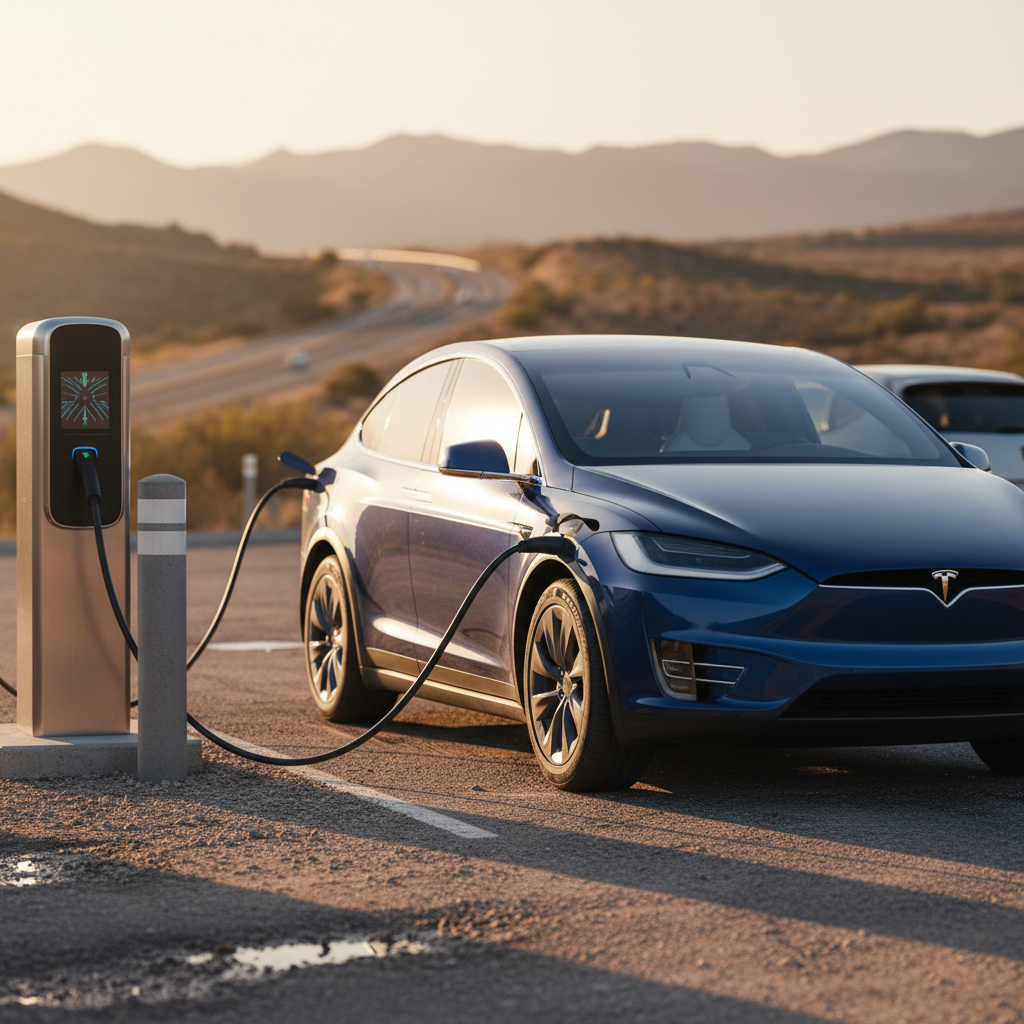
If you want to understand the real cost of owning an electric vehicle, you have to start with depreciation. Fuel, electricity, and maintenance get all the attention, but the biggest line item on your spreadsheet is how fast your car loses value. The twist? EV depreciation vs gas car depreciation doesn’t follow a simple “EVs always worse, gas always better” script, especially once you factor in battery health and the booming used EV market.
Depreciation is the silent budget-buster
Why depreciation matters more than you think
Depreciation is simply the difference between what you paid for the car and what you can sell or trade it for later. On a typical new vehicle in the U.S., depreciation is still the single largest cost of ownership over the first five years, often bigger than fuel, insurance, and maintenance combined.
How depreciation stacks up in 2025–2026
Where EVs differ is how they get to those numbers. Many EVs fall faster in the first three years, then flatten. Gas cars usually follow a smoother curve. For you as a buyer, especially in the used market, that distinction is pure opportunity.
EV vs gas depreciation: the 5-year numbers
Let’s start with the broad picture, because this is where the “EVs tank in value” headlines are born. Looking at recent 3–5 year data from multiple market studies and resale analyses, a pattern emerges:
Average depreciation: EV vs gas over 5 years
Typical 5-year depreciation patterns for mainstream vehicles, based on recent resale studies and ownership cost analyses.
| Vehicle type | Average 5-year depreciation (percent of original price) | Notes |
|---|---|---|
| All vehicle types (average) | ~45–46% | Market-wide average across segments |
| Gas cars (ICE) | ~40–50% | Many popular sedans and SUVs land here |
| Electric vehicles (EVs) | ~55–60% | Higher loss, especially for early-gen and short-range models |
| Best-retaining EVs | ~30–40% | Select models rival strong ICE performers |
| Worst-retaining EVs | ~65–70% | First-gen luxury or trouble-plagued models |
EVs still depreciate faster on average, but the gap is narrowing, and it varies a lot by model.
Percent vs dollars: both matter
Per mile, the story is similar. Analyses that put depreciation into dollars-per-mile typically find ICE vehicles around $0.11–$0.12 per mile in depreciation, while EVs are closer to $0.25–$0.30 per mile over the first 100,000 miles. That lines up with the 5‑year picture: roughly 40% value loss for many gas cars versus roughly half, or a bit more, for many EVs at that mileage.
Why EVs depreciate differently than gas cars
So why do EVs tend to lose more value up front? It isn’t because they secretly fall apart. In fact, EVs usually have fewer mechanical failures than gas cars. Instead, the depreciation curve comes down to psychology, technology, and policy.
Key drivers behind EV vs gas depreciation
Same market forces, very different details
Rapid tech turnover
Battery anxiety
Incentives & policy
Fuel price swings
Maintenance expectations
Brand trust & networks
The curve is changing
Model examples: EV depreciation winners and losers
Lumping all EVs together hides the real story. Some electric models hold their value as well as, or better than, comparable gas cars. Others shed value like a used rental.
EVs that punch above their weight
- Tesla Model 3 & Model Y: Multiple resale studies show these cars retaining roughly 60% of their value after three years and close to 40% after five. That puts them in the same conversation as strong gas-side performers.
- Porsche Taycan: Despite being a pricey luxury EV, it has posted three‑year losses under 40% in some markets, better than many premium gas sedans.
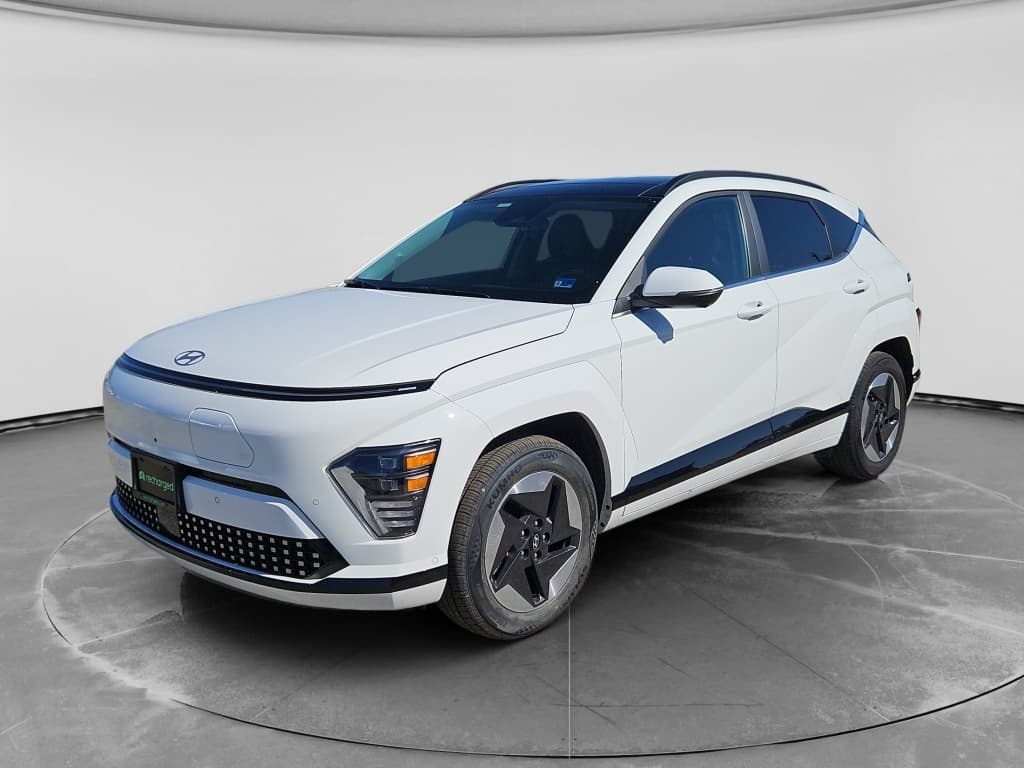
- Hyundai Ioniq 5 / Kia EV6 / Hyundai Kona Electric: Solid range, good reliability scores, and brand momentum have helped them land in the “good, not great but safe” depreciation tier.
These cars benefit from strong demand, usable real‑world range, and the right kind of buzz: updates, software improvements, and robust fast‑charging capability.
EVs that get hammered on resale
- Nissan Leaf (early generations): Shorter range and air‑cooled batteries pushed values down hard. Five‑year losses north of 60% haven’t been unusual.
- Chevy Bolt EV (pre‑refresh): Battery fire recalls and shifting GM strategy weighed on resale, even though the core car is good.
- First‑gen luxury EVs (Jaguar I‑Pace, Audi e‑tron/Q8 e‑tron): Some have seen 70%+ value loss over five years, a combination of high MSRPs, so‑so range, and tepid demand.
- Some electric trucks (early Ford F‑150 Lightning, certain trims of niche pickups): In several data sets the EV truck loses roughly twice the percentage that the comparable gas F‑150 loses over three years.
For used shoppers, these "losers" can actually be phenomenal deals if the battery checks out and the car fits your daily driving.
Where Recharged fits in
Ready to find your next EV?
Browse VehiclesHow battery health shapes used EV value
If you remember one thing about EV depreciation, make it this: used EV value is really battery value. Shoppers aren’t just buying a body and interior; they’re buying remaining range and confidence that the pack will last.
Battery health benchmarks in today’s market
Real‑world testing backs this up. Long‑term evaluations of mainstream EVs have shown batteries still holding around 90% of original capacity after roughly 100,000 miles when properly managed. That’s far better than many shoppers fear, and a big reason why a clean battery health report can transform resale value.
Ask for a battery report, every time

Total cost of ownership: when faster depreciation still wins
Here’s where the conversation gets interesting. Even though many EVs currently depreciate faster than comparable gas cars, total cost of ownership can still favor the EV once you add cheap “fuel,” lower maintenance, and potential tax credits or incentives.
Where gas cars can look better on paper
- Lower upfront price: A gas sedan or crossover will often undercut the EV version by several thousand dollars.
- Smoother resale history: Buyers understand how a five‑year‑old gas car ages. There’s less fear of the unknown, so values can be more predictable.
- Light usage owners: If you drive 6,000–8,000 miles a year, fuel savings from an EV may not offset steeper depreciation as quickly.
Where EVs pull ahead despite depreciation
- High‑mileage drivers: If you drive 15,000–20,000 miles a year, lower electricity costs can erase thousands in extra depreciation over five years.
- Maintenance and repairs: No oil changes, fewer moving parts, and no transmission or exhaust system can mean fewer big‑ticket surprises.
- Used EV sweet spot: Buying after the steepest 2–3 year drop lets you enjoy low running costs without paying the "new tech" premium.
Think in miles, not just years
Buying a used EV: how to use depreciation to your advantage
In the used market, depreciation isn’t your enemy, it’s your opening bid. EVs that fell quickly when new can be spectacular values three or four years in, as long as you choose the right car and verify its battery and charging story.
7-step checklist for a smart used EV buy
1. Start with your real range needs
Look at your longest regular trips, climate, and charging options. If you only need 120 miles of daily range, a short‑range EV that’s already taken a depreciation hit could be a bargain.
2. Target models with stable values
Prioritize EVs with proven resale performance, popular Teslas, Hyundai Ioniq 5, Kia EV6, Kona Electric, and other mainstream long‑range models tend to be safer bets.
3. Demand battery health proof
Ask for a documented <strong>State of Health</strong> reading. On Recharged, the Recharged Score Report puts this front and center so you know exactly what you’re getting.
4. Check charging capability and networks
Make sure the car supports the charging speeds and connectors you’ll actually use. Access to robust DC fast charging and, increasingly, NACS adapters or ports can support long‑term value.
5. Review warranty status
See how many years and miles are left on both the general vehicle warranty and the battery/drive unit warranty. A car still under battery warranty carries less resale risk.
6. Compare depreciation to savings
Estimate electricity vs gas costs for your mileage, then weigh that against any extra depreciation. A slightly steeper depreciation curve can still be a win if you save enough at the plug.
7. Use transparent pricing tools
Consult fair‑market pricing and depreciation‑aware value guides. Recharged bakes this into pricing so you can see how a specific EV stacks up to peers and gas alternatives.
When to walk away from a “deal”
EV vs gas depreciation FAQ
Frequently asked questions about EV vs gas depreciation
Bottom line: EV depreciation vs gas
When you zoom out, EVs still depreciate faster than gas cars on average, especially in the first three years. But the averages hide two crucial truths: first, some EVs now rival or beat their gas counterparts on resale value; and second, buying used lets you capture the upside of EV ownership without paying for the steepest part of the curve.
If you’re cross‑shopping today, think less about the headline and more about the specifics: the model, its range and charging story, documented battery health, and your own mileage and ownership horizon. That’s exactly what Recharged is built for. Every used EV on the platform comes with a Recharged Score Report, battery diagnostics, fair market pricing, and expert‑guided support, so you can turn depreciation from a mystery into a tool, and pick the EV that makes financial sense long after the new‑car smell has faded.