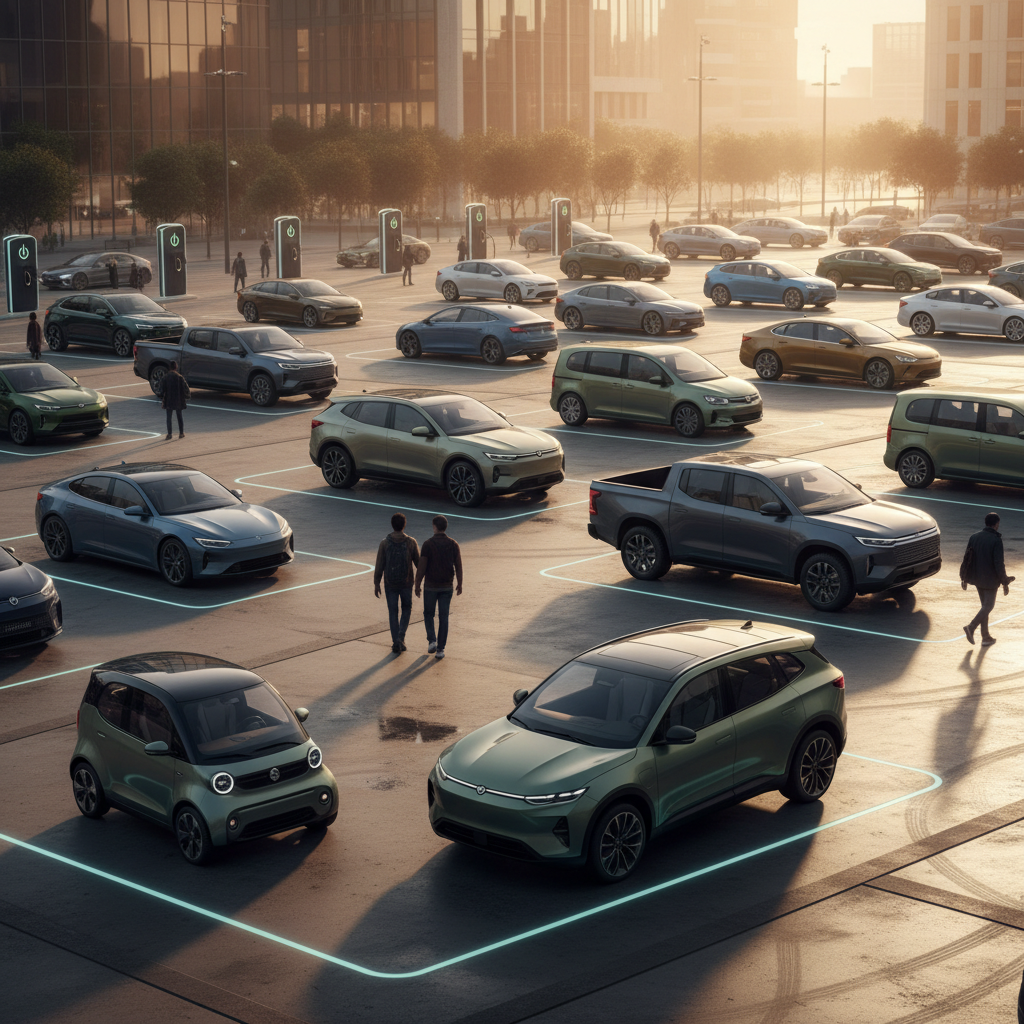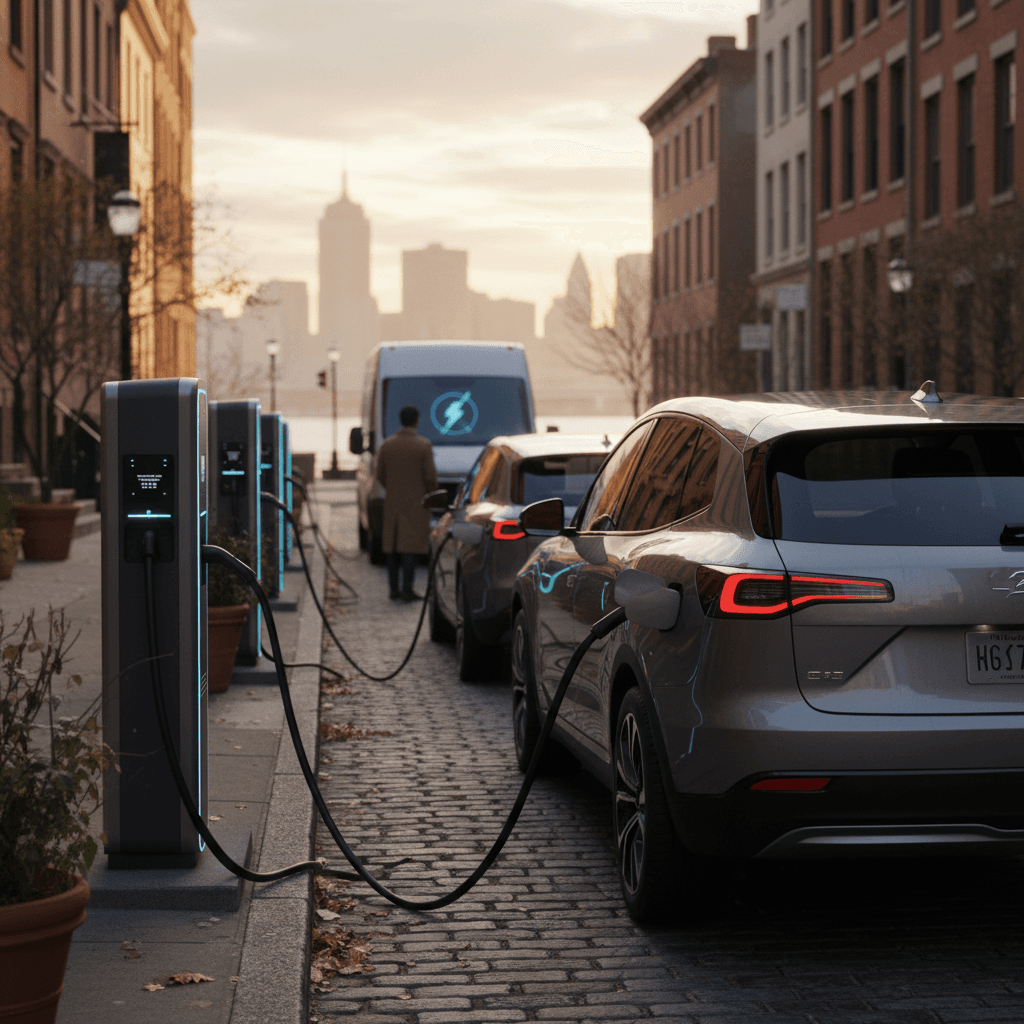
If you live in or around Raleigh, Durham, or Chapel Hill, the phrase “EV charging stations Research Triangle” probably isn’t just a search term, it’s your daily life. The good news is that the Triangle has become one of North Carolina’s strongest EV regions, with growing public charging in downtowns, on campuses, and along I‑40 and I‑540. This guide walks you through where to charge, what it costs, and how to make EV ownership in the Triangle feel easy instead of stressful.
Quick snapshot: EV charging in North Carolina
Why the Research Triangle is becoming an EV hotspot
EV momentum in and around the Triangle
The Triangle’s mix of research campuses, tech employers, and universities has created a natural home for EVs. Local governments in Raleigh, Durham, and Chapel Hill are electrifying their own fleets and winning federal grants to expand public charging, Raleigh alone secured roughly $2.4 million in 2025 to add new DC fast and Level 2 chargers across the city. Those public investments sit on top of strong private build‑out from networks like ChargePoint, Electrify America, EVgo, and Tesla, plus workplace and multifamily charging sprinkled around the region.
Use “cluster” thinking, not single stations
EV charging basics in the Triangle: Levels, speeds, and plugs
Level 2 (most common around town)
Across Research Triangle cities, Level 2 chargers are the backbone of public infrastructure. They use 240‑volt AC power and typically add 20–35 miles of range per hour, depending on your car.
- Found at: parking decks, libraries, campuses, workplaces, hotels, shopping centers.
- Best for: topping up while you work, study, shop, or grab dinner.
- Connector: J1772 for most non‑Tesla EVs, NACS on Tesla destination chargers and some newer stations.
DC Fast Charging (for quick turnarounds)
DC fast chargers (often labeled 50–350 kW) are growing along I‑40 and at major retail hubs in and around the Triangle.
- Found at: highway exits, big‑box retail centers, some Sheetz and other travel stops, and Tesla Supercharger sites.
- Best for: road trips and emergency fast top‑ups.
- Connector: CCS1 and NACS for most networks; Tesla Superchargers historically use Tesla’s connector but are adding NACS support for other brands.
Check connector and power before you plug in
Where to find EV charging stations in Raleigh
Raleigh is the largest city in the Research Triangle and one of North Carolina’s top EV markets. Public charging is concentrated in downtown garages, near North Hills and Crabtree, along major corridors like Capital Boulevard and Glenwood, and at big‑box retail near I‑40 and I‑540.
Typical Raleigh EV charging locations
You’ll see similar patterns across most Triangle suburbs
City decks & libraries
Raleigh operates dozens of public Level 2 chargers, many at downtown parking decks and city facilities. As of 2024–25, the city lists around three dozen public ports, with more funded by new federal grants.
Parking fees may apply even when charging is free, so always read posted signs.
Retail & lifestyle centers
Big shopping areas around the Triangle, North Hills, Crabtree Valley, Brier Creek, Beaver Creek and others, often host DC fast and Level 2 stations from networks like Electrify America, EVgo and ChargePoint.
These are ideal for adding 80–150 miles while you shop or eat.
Campuses & workplaces
NC State, Wake Tech, and other campuses in Wake County have been adding Level 2 stations in parking lots and garages. Larger employers in RTP and downtown Raleigh often offer workplace charging, sometimes free for staff.
Ask HR or facilities if your office participates in an EV‑friendly program.
Raleigh’s new chargers are on the way
Durham EV charging stations: Density, free options, and new grants
Durham punches above its weight on EV infrastructure. Within roughly 15 kilometers of the city, drivers have access to nearly 300 public charging ports, primarily Level 2, with a meaningful share still free to use. Downtown, the American Tobacco District, and areas around Duke University and RTP are especially well covered.
Durham public charging snapshot
How Durham’s EV infrastructure looks on the ground
| Metric | Approximate value | What it means for you |
|---|---|---|
| Total public ports (within ~15 km) | ≈291 | Plenty of redundancy if a single station is busy or offline. |
| Level 2 share | ≈87% | Most chargers are "park for a few hours" style, ideal for work or dining. |
| DC fast ports | ≈38 | Clustered along I‑85, around major retail, and in popular commercial corridors. |
| Free stations share | ≈41% | Many municipal or campus sites are still free, though parking rules may apply. |
Numbers are approximate and change as new stations come online.
Both the City and County have invested in free public stations at sites like libraries, the human services complex, and downtown parking decks. At some locations you’ll still pay only standard deck parking fees while the electricity is free. In addition, Durham has received federal funding to expand chargers in underserved neighborhoods and at community facilities, so coverage should continue to improve in the next few years.
Hunt for library and civic-center chargers
Chapel Hill, Cary and nearby towns: College-town charging
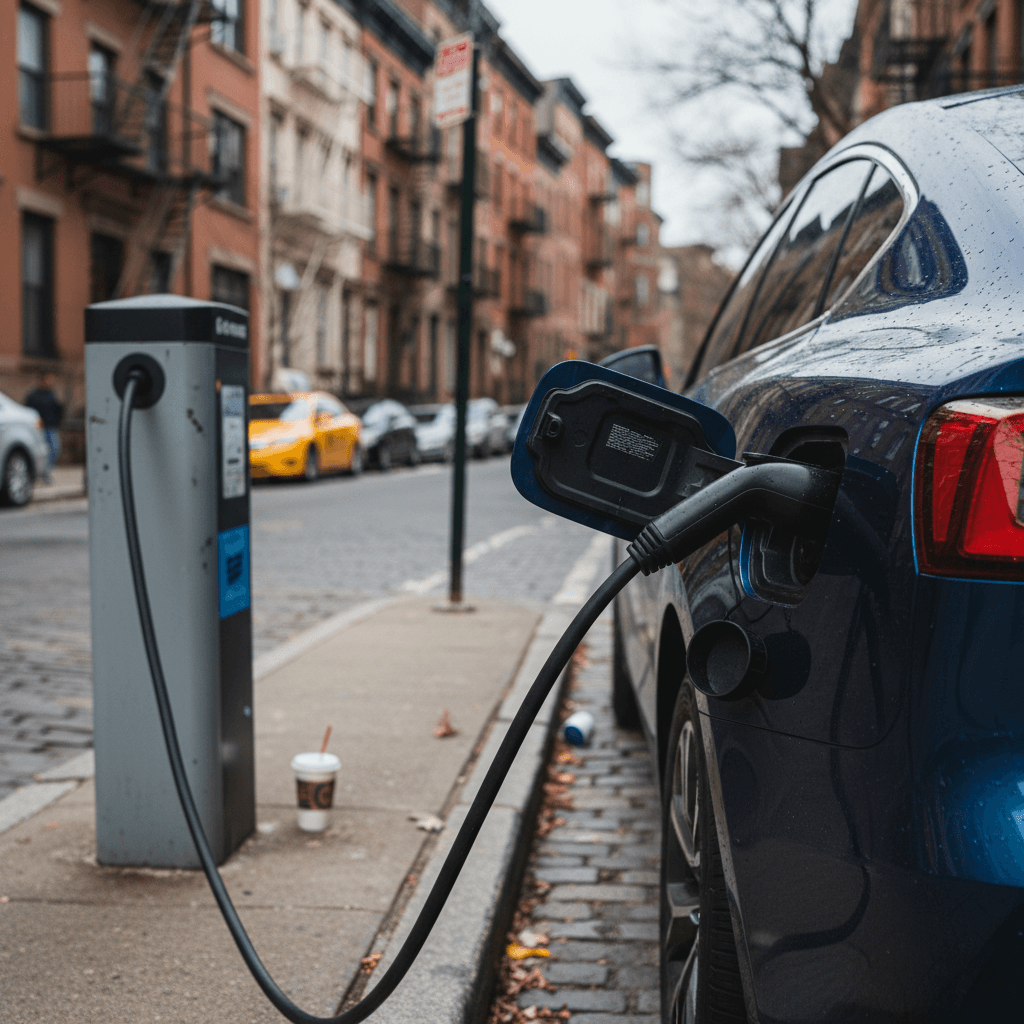
Chapel Hill, Carrboro, Cary, Apex, and smaller towns around the Triangle have leaned into EVs as part of their climate and transportation plans. That translates into a healthy mix of public chargers at town halls, transit centers, libraries, and parking decks, layered on top of privately owned stations at grocers, shopping centers, and apartment communities.
How smaller Triangle towns approach charging
Patterns you’ll see from Chapel Hill to Cary and Wake Forest
Town-owned stations
Chapel Hill alone operates around 40 town‑owned stations, with more coming online in new parking decks. Similar setups exist in Cary, Apex, and Wake Forest.
Some towns have started adding modest per‑kWh or hourly fees to cover maintenance, but charging typically remains notably cheaper than gasoline per mile.
Campus & transit sites
UNC–Chapel Hill and area transit facilities are adding chargers to support bus electrification and commuter EVs. You’ll see Level 2 units in campus decks and park‑and‑ride lots.
These are excellent for students and staff who park for several hours at a time.
Apartments & condos
Newer multifamily developments near UNC, NC State, and RTP increasingly include on‑site Level 2 charging as an amenity. It’s worth asking about EV readiness when you tour a property.
If the building isn’t wired yet, local utilities and rebate programs may help them retrofit in the next few years.
Watch for evolving fee structures
Major charging networks serving the Research Triangle
Search almost any EV driver’s phone in the Triangle and you’ll see the same handful of apps. Understanding the main networks helps you decide which accounts to create and which cards to keep in your wallet.
Key public charging networks in the Triangle
Install at least two or three of these apps before day one with your EV
Tesla Supercharger & Destination
Tesla’s network has high‑power DC Superchargers along I‑40 and other major corridors, plus lower‑power "Destination" Level 2 chargers at hotels and businesses.
Non‑Tesla drivers will increasingly be able to use NACS‑equipped Superchargers as automakers roll out compatible ports and adapters.
Electrify America & EVgo
Electrify America sites anchor several Triangle shopping centers along I‑40, typically with 150+ kW capability. EVgo maintains DC fast and Level 2 hubs around Raleigh, Durham and Chapel Hill, sometimes with promotional pricing.
Both support CCS and are adding NACS connectors starting in 2025.
ChargePoint, Blink & others
Level 2 chargers at offices, campuses, and municipal decks are often run by ChargePoint, Blink, or utility‑affiliated programs. You’ll also see co‑op and utility stations, including Duke Energy pilot sites.
Most are app‑based but some still use RFID cards or on‑screen payments.
Must‑have apps for Triangle driving
What it costs to charge an EV in the Triangle
EV charging prices in the Research Triangle vary by network, site host, and whether you’re paying for parking as well as power. But a few patterns hold: charging at home overnight on a residential rate is usually cheapest, public Level 2 sits in the middle, and public DC fast charging costs the most on a per‑mile basis, still often below gasoline, especially in efficient EVs.
Typical EV charging cost tiers in the Triangle
Ballpark ranges you’re likely to see in 2025 (actual prices vary).
| Charging type | Where you’ll see it | Typical pricing pattern | Best use case |
|---|---|---|---|
| Home Level 2 (240V) | Garage, carport, driveway | Residential kWh rate, often equivalent to $0.03–$0.05 per mile in many EVs | Daily charging; start most days near full. |
| Public Level 2 | Libraries, decks, campuses, town halls | Free in some municipal spots; elsewhere hourly pricing or ~$0.15–$0.25/kWh equivalent | Topping up while you work, study, dine or shop. |
| DC fast charging | Highway exits, big retail, travel stops | Session, per‑minute or per‑kWh pricing; effectively more per mile than home, but cheaper than gas in many cases | Road trips, occasional emergency use, or when apartment dwellers need a quick 0–80% session. |
Always check the station or app for live pricing before you plug in.
Avoid expensive "idle" fees
Planning daily commutes and road trips around charging
Once you know where the EV charging stations are in the Research Triangle, the next step is building them into your routine. The goal isn’t to babysit a range gauge, it’s to let charging fade into the background the way fuel stops used to.
Smart charging habits for Triangle EV drivers
1. Lock in a "home base" charger
If you have a driveway or garage, a 240‑volt Home Level 2 unit should be your primary fuel source. Apartment dwellers can treat a reliable nearby DC fast site or workplace charger as their home base.
2. Map a weekday routine
Pair errands and charging: plug in at a deck near work twice a week, use a library or town‑hall charger while the kids are at practice, or stop by a retail DC fast site once every 7–10 days if you can’t charge at home.
3. Keep a 20–80% comfort band
For most EVs, living between 20% and 80% state of charge offers a healthy trade‑off among battery longevity, flexibility, and time spent charging. Save 0–100% sessions for trips.
4. Use apps for real‑time status
Before you drive to a charger, check the app for live availability. Some Triangle sites are still single‑stall; if it’s busy, shift to a nearby cluster instead of waiting.
5. Pre‑plan road trip stops
For I‑40 or I‑85 journeys, pre‑select 2–3 options at each stop window using PlugShare and your preferred network apps. That way if your first choice is crowded or offline, you know exactly where to go next.
Triangle road trips are very doable
What’s coming next for EV infrastructure in the region
Federal NEVI (National Electric Vehicle Infrastructure) funding and other grants are reshaping how and where North Carolina builds chargers. Originally focused almost entirely on interstates, state transportation officials are now steering more dollars toward community locations, underserved neighborhoods, and corridors that don’t already enjoy dense coverage. That shift is good news for Triangle drivers who live a few miles off the main highways.
Triangle EV charging: Near‑term outlook
2025–2026: Build‑out & infill
Raleigh rolls out its new federally funded DC fast and Level 2 chargers at city facilities and key corridors.
Durham and Chapel Hill continue adding town and campus chargers, while adjusting pricing to sustain maintenance.
More sites adopt NACS connectors alongside CCS, making charging simpler for future EVs.
Workplace and multifamily charging expands as developers respond to tenant demand.
2027–2030: Normalization
Most new construction includes EV‑ready wiring from day one, reducing retrofit friction.
Fast charging spreads beyond interstate exits to more neighborhood retail and travel stops.
Tesla’s network opens further to non‑Tesla EVs as NACS becomes standard equipment.
Public charging begins to feel as routine as Wi‑Fi: you expect it at most sizable destinations.
State strategy is shifting toward where chargers are needed most
How Recharged supports Triangle EV buyers and owners
Knowing where the EV charging stations are in the Research Triangle is only half the battle. The other half is choosing the right used EV for your routes and your local infrastructure, and that’s where Recharged comes in. As a used‑EV marketplace with nationwide delivery and an Experience Center in Richmond, VA, Recharged focuses on making EV ownership simple and transparent.
- Every vehicle on Recharged comes with a Recharged Score Report, including verified battery health so you know how range will hold up on trips to Raleigh, Durham, Chapel Hill and beyond.
- Expert EV specialists can help you match real‑world range to your Triangle commute, typical weekend drives and preferred charging style (home, workplace, or public).
- If you’re trading out of a gas car, Recharged offers trade‑in, instant offers, or consignment, so you can move into an EV with fewer headaches.
- Financing options and a fully digital buying experience mean you can shop, compare, and buy from home, then road‑test your EV on I‑40 or Highway 70 the day it arrives.
Why battery health matters more than the nearest charger
Ready to find your next EV?
Browse VehiclesFAQ: EV charging in the Research Triangle
Frequently asked questions about EV charging in the Research Triangle
The bottom line is that EV charging stations in the Research Triangle are no longer a science project, they’re a practical, fast‑growing part of daily life from downtown Raleigh to Durham, Chapel Hill and the suburbs in between. If you’re considering a used EV, the region already offers enough Level 2 and DC fast coverage to support commutes, campus runs, kids’ activities, and regular road trips. Pair that infrastructure with a carefully chosen EV and a clear view of battery health, and driving electric in the Triangle doesn’t just work, it’s genuinely easier and cheaper than many gas alternatives.