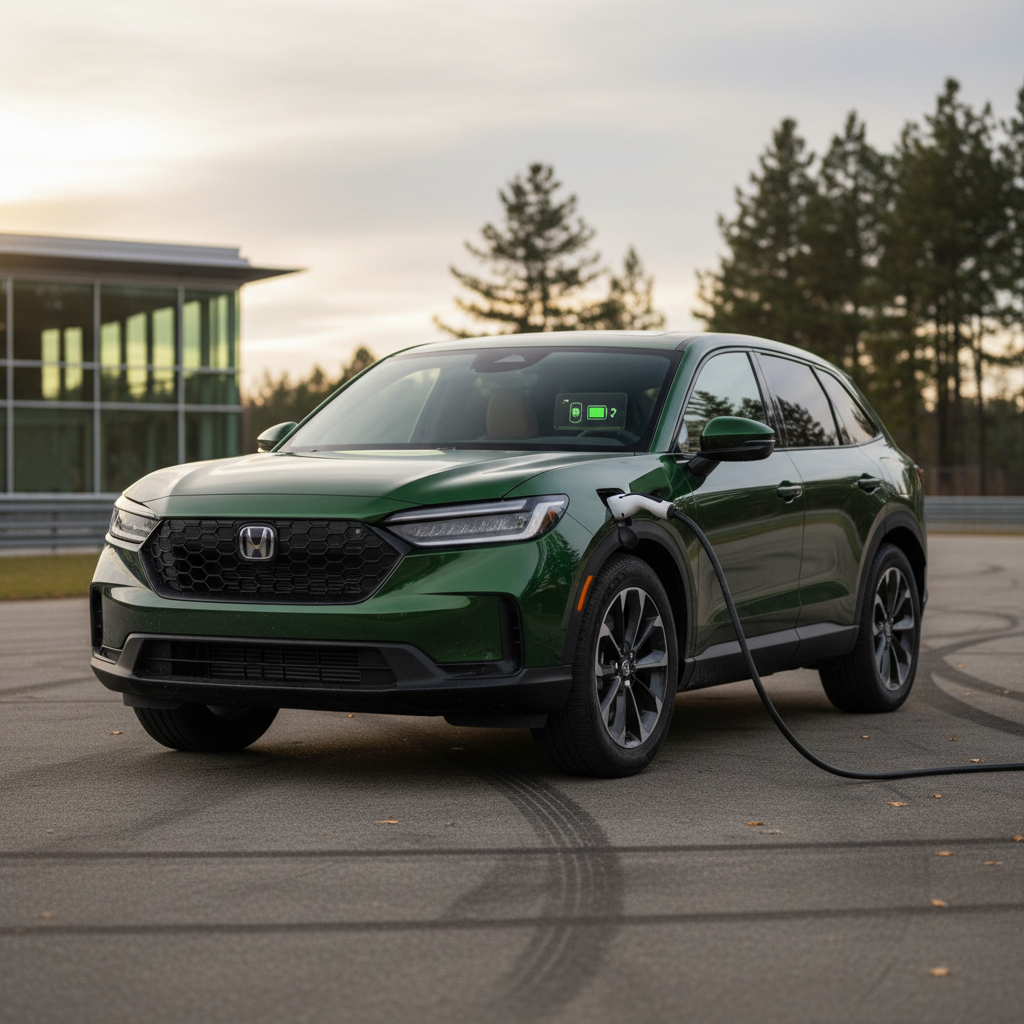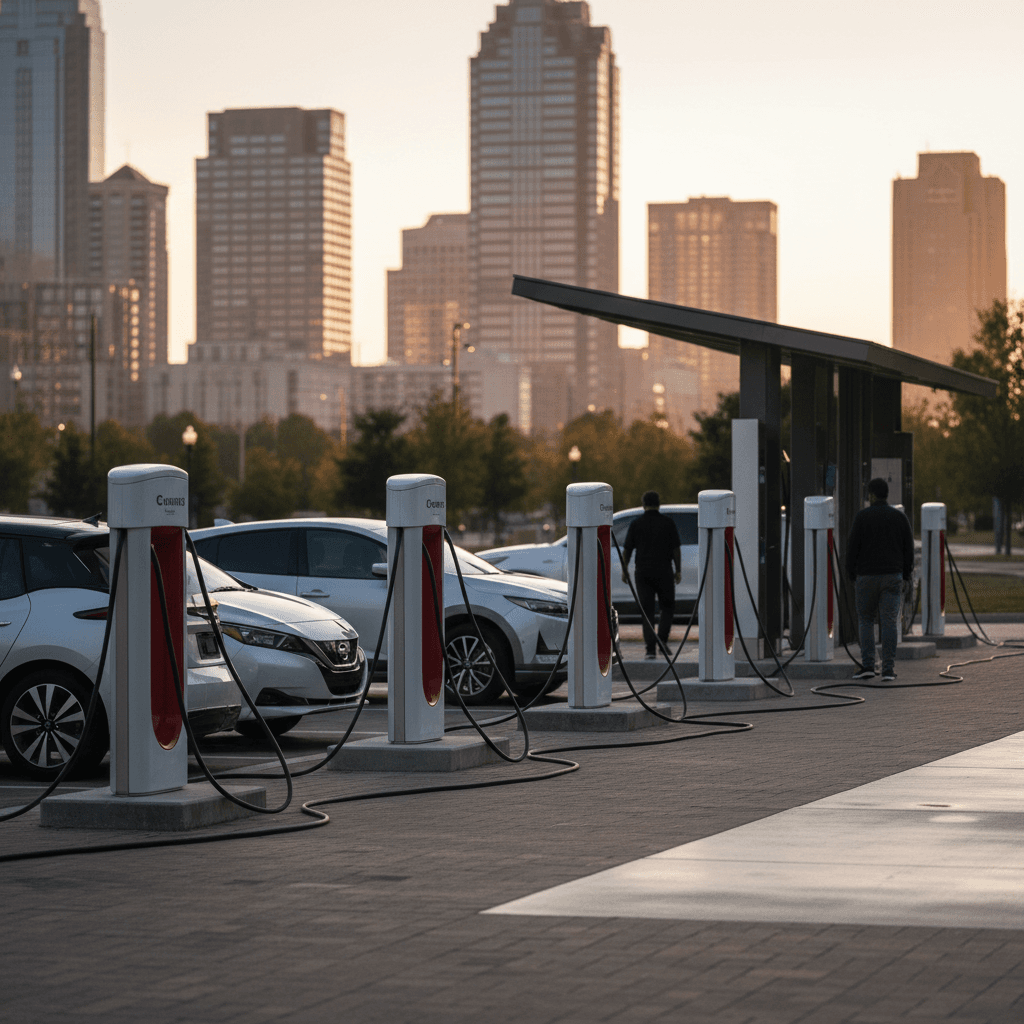
If you’re searching for EV charging stations in Raleigh, you’re not alone. Wake County now has one of the highest concentrations of electric vehicles in North Carolina, and Raleigh’s charging network has been racing to keep up. Whether you’re commuting to RTP, parking downtown, or thinking about buying a used EV, knowing where and how to charge in the Capital City is the difference between calm confidence and range anxiety.
Raleigh at a glance
Why EV charging in Raleigh matters in 2026
Raleigh has quietly become one of the most EV-friendly metros in the Southeast. Triangle commuters pile serious miles onto their cars between Raleigh, Durham, Chapel Hill, and the exurbs, and gasoline traffic on I‑40 and US‑1 is… enthusiastic. A solid charging network doesn’t just make EV life possible here; it makes it practical for families who have one car doing school runs, Costco runs, and RTP runs all in the same day.
At the state level, North Carolina passed 70,000 registered plug-in vehicles by 2023, and Wake County alone logged well over 14,000 EVs and plug‑in hybrids. That curve keeps bending upward, which is why the city, the state, and private networks are pouring money into chargers along highways, at workplaces, and in neighborhoods.
Raleigh EV charging by the numbers
How many EV charging stations does Raleigh have?
Different apps and datasets count slightly different things, some track ports, others track sites, and some include private workplace chargers. Here’s how to interpret what you’ll see when you search for EV charging in Raleigh:
Raleigh EV charging counts from major sources
Why PlugShare, ChargeHub, and other tools give you different numbers, and what actually matters for you as a driver.
| Source (2025–2026) | What it counts | Raleigh figure | Useful for |
|---|---|---|---|
| ChargeHub | Public ports within ~15 km | 436 total ports (about 389 Level 2, 47 DC fast) | Quick sense of how many plugs exist and how many are free. |
| PlugShare | Stations in greater Raleigh area | ≈1,128 stations listed | Planning regional trips, checking reviews and uptime. |
| POI data providers | Business locations with chargers | ≈75–150 stations in city limits, depending on method | Market snapshots and business‑oriented data. |
| Way, EVups & others | Curated public stations | 20–150 sites in Raleigh | Handpicked stations with more detail, often easier to browse. |
Think of these as ranges, not gospel. The key is that coverage in and around Raleigh is dense and still growing.
Don’t obsess over the absolute number
Types of EV charging stations you’ll find in Raleigh
Level 2 public charging (work, errands, overnights)
Level 2 chargers use 240 volts, similar to an electric dryer outlet. Around 9 out of 10 public ports in Raleigh are Level 2, located in parking garages, office lots, and shopping centers.
- Speed: Typically 20–35 miles of range per hour.
- Best for: Commuters, residents without home charging, and topping up while you work or shop.
- Connectors: J1772 for most EVs; Teslas use an adapter or NACS cable depending on the station.
DC fast charging (road trips & emergency fills)
DC fast chargers feed high‑voltage DC power directly to the battery. Raleigh has fewer of these today, but the number is growing with state and federal funding.
- Speed: 50–350 kW, often 150–200 miles of range in 20–40 minutes.
- Best for: Highway trips, rideshare drivers, and long commutes.
- Connectors: CCS and CHAdeMO today, NACS arriving as automakers adopt Tesla’s standard.
Fast chargers aren’t everywhere, yet
Best apps and maps to find EV charging stations in Raleigh
Top tools to locate EV charging stations in Raleigh
Use more than one, each app has slightly different coverage and features.
PlugShare
Why use it: The Triangle’s unofficial EV charging bible.
- User‑generated reviews and photos.
- Filter by plug type, network, and amenities.
- Great for road‑trip planning beyond Raleigh.
ChargeHub & network apps
Why use it: Clear stats on how many ports and which are free.
- ChargeHub shows overall coverage in Raleigh.
- Network apps like ChargePoint, EVgo, Blink, and Electrify America show real‑time status.
- Good if you tend to favor one network.
Way, EVups & parking apps
Why use it: Nicely curated options and bundled parking.
- Way, EVups and similar tools highlight convenient stations.
- Handy if you also need reserved parking downtown.
- Good for visitors who don’t know the city well.
Set up apps before you need them
Popular places and neighborhoods to charge around Raleigh
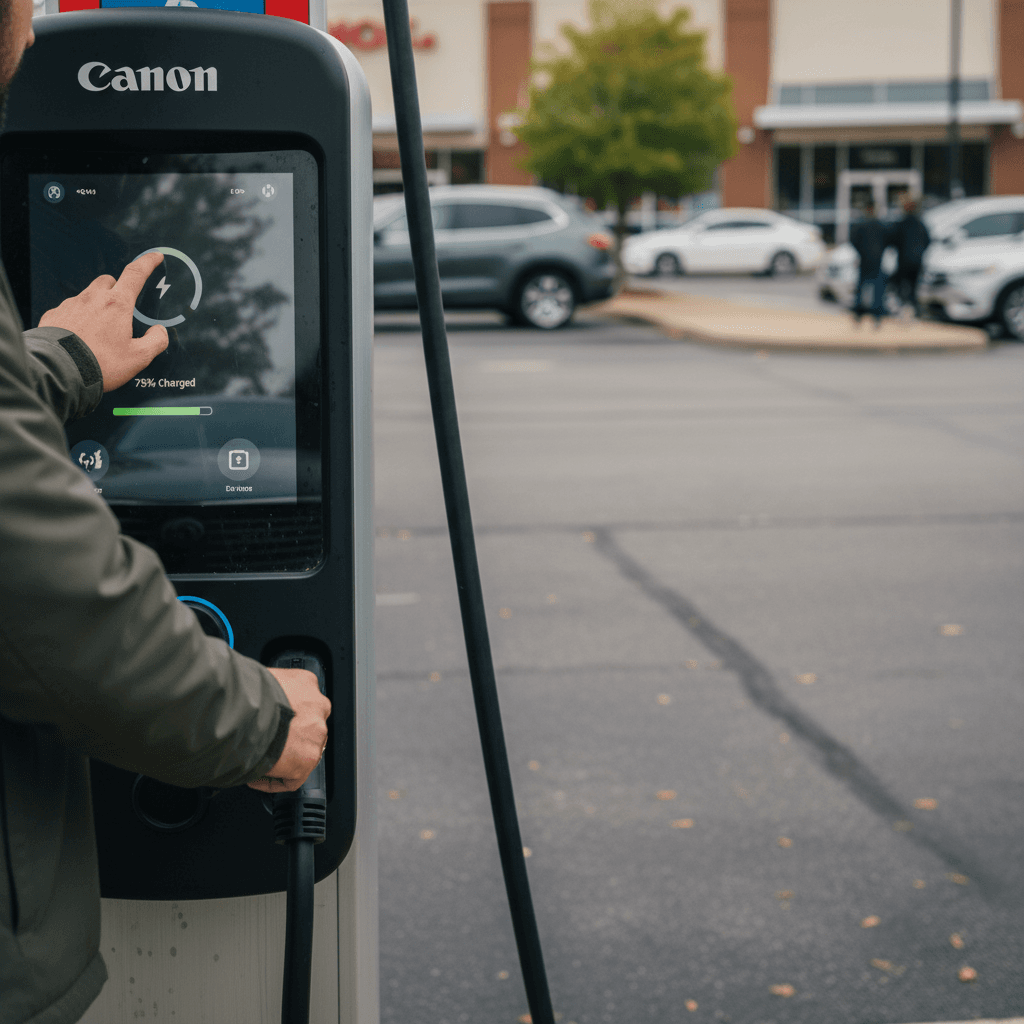
Raleigh’s EV infrastructure is less about single giant charging hubs and more about a thick sprinkling of stations across the places you already spend time. Here’s a mental map of where plugs tend to be easiest to find:
- Downtown & Warehouse District: Public garages and mixed‑use developments around Fayetteville Street, Glenwood South, and the Warehouse District often have Level 2 ports, good for dinner and a show.
- Midtown / North Hills: A cluster of ChargePoint and non‑networked stations serve shoppers and office workers in this area.
- NC State & Centennial Campus: University garages and lots are steadily adding Level 2 chargers, popular with staff and students.
- Cary & RTP commute corridor: If you run the Raleigh–Cary–RTP triangle every day, you’ll find workplace and public chargers along I‑40, US‑1, and NC‑54.
- Parks & greenways: The city is adding chargers at parks and community centers, ideal if your weekend involves both the greenway and a grocery run. More on that in a moment.
What EV charging costs in Raleigh
Public charging prices in Raleigh vary by operator and location. You’ll see everything from free Level 2 charging at city‑supported or promotional sites to premium DC fast rates along highways. Many drivers do 80–90% of their charging at home, where your cost per mile is usually far lower than gasoline, and treat public stations as a supplement.
Public charging costs
- Free Level 2: ChargeHub estimates roughly 43% of public ports in Raleigh are free to use. These are often tied to workplaces, hotels, and city facilities.
- Paid Level 2: Commonly billed per kWh or per hour. Expect a few dollars for a meaningful top‑up.
- DC fast charging: Typically priced per kWh or per minute. A 20–40 minute session to add hundreds of miles can cost less than a tank of gas but more than home charging.
Always check pricing in the app before plugging in, rates and idle fees can change.
Home vs. public costs
- Home charging: You pay your electric utility’s residential rate, which is usually much cheaper per mile than gasoline, especially off‑peak.
- Apartment charging: Properties may bill flat monthly fees or add usage to your rent or parking.
- Best practice: Treat home Level 2 as your “virtual gas station” and use public chargers for road trips, occasional top‑ups, and as a backup plan.
Used EV buyer bonus
Ready to find your next EV?
Browse VehiclesFuture EV charging projects and solar chargers in Raleigh
Raleigh isn’t just resting on its current network. The city, state, and federal government are actively adding plugs in ways that are both practical and symbolic: more chargers, more visibility, more reassurance for on‑the‑fence buyers.
What’s coming next for Raleigh EV charging
More plugs, more neighborhoods, and more resilience.
Solar‑powered park chargers
Raleigh has installed mobile, solar‑powered EV chargers at Anderson Point Park, Brier Creek Park, and Carolina Pines Park.
They can be moved to underserved neighborhoods, doubling as resilience hubs during severe weather by providing backup power and shaded parking.
New DC fast & Level 2 sites
A $2.4 million federal grant will fund six new DC fast charging locations and twenty‑two additional Level 2 chargers across the city, many in communities that historically lacked infrastructure.
Installations are slated through late 2025 and 2026, expanding options beyond the already well‑served downtown and Midtown corridors.
Highway & regional build‑out
North Carolina’s statewide NEVI plan continues to fill gaps on interstates like I‑40 and US‑64, giving Triangle drivers more options when heading to Charlotte, Wilmington, or the mountains.
For Raleigh residents, that means less time mentally triangulating the next fast charger on long trips.
Equity is part of the plan
Home EV charging in Raleigh: permits, power, and practicality
For most Raleigh drivers, especially homeowners, a Level 2 home charger is the single biggest quality‑of‑life upgrade. You leave in the morning with a “full tank” every day, and public chargers become optional instead of mandatory.
Key steps to install home charging in Raleigh
1. Check your panel capacity
Typical home Level 2 chargers need a 240‑volt circuit at 40 amps. If your panel is already crowded, or your home is older, talk to a licensed electrician about whether you need a service upgrade.
2. Know Raleigh’s permit rules
The City of Raleigh requires a permit and inspection for residential and commercial EV charging stations. You or your electrician will submit the permit application and plans before any work begins.
3. Plan the charger location
Locate the charger where it keeps cable runs short and avoids tripping hazards. The city suggests installing inside a garage or on a parking pad within your property lines, not in the public right‑of‑way.
4. Protect outdoor installations
Outdoor chargers must be weather‑rated and protected from vehicle impact, often with bollards or curbs. Add adequate lighting so you’re not fumbling with cables in the dark.
5. Coordinate with your HOA or landlord
If you live in a townhome, condo, or apartment, confirm rules around electrical work, parking spaces, and cost‑sharing before you buy hardware.
Don’t DIY beyond your depth
Smart charging strategies for used EV buyers in the Triangle
If you’re cross‑shopping used EVs in Raleigh, say a Leaf versus a Bolt versus a Model 3, the city’s charging landscape should shape your decision just as much as paint color or wheel size. The questions to ask yourself are simple, but the implications are big.
If you have (or can add) home Level 2
- Battery size matters less: A 150–220‑mile EV is plenty if you can fully recharge overnight.
- Prioritize efficiency and comfort: Look for models that sip electrons gently in summer humidity and winter cold snaps.
- Check the battery: With a Recharged Score report, you’ll see real battery health data, not just an optimistic dashboard guess.
If you’ll rely heavily on public charging
- Favor CCS/NACS fast‑charge capability: Make sure your EV can take advantage of growing DC networks on I‑40 and around the Triangle.
- Study your daily routes: Use PlugShare to mark reliable stations near your home, office, and kids’ activities.
- Consider time as a cost: A cheap used EV with slow charging may cost you hours each week sitting in parking lots, even if electrons are free.
How Recharged fits in
EV charging Raleigh FAQ
Frequently asked questions about EV charging stations in Raleigh
Wrap-up: Is Raleigh ready for your next EV?
Raleigh isn’t a science‑fiction utopia of chargers on every corner, but it’s closer than most cities its size. Between hundreds of public ports, new DC fast sites coming online, solar‑powered chargers in parks, and a clear permitting path for home stations, the Capital City is increasingly built for electric life.
If you’re eyeing a used EV, think about charging less as a worry and more as a habit you’ll reshape, like switching your morning coffee spot. Map the stations near your home and office, consider whether you can add Level 2 at home, and choose a car whose real‑world range and charging speed match the way you actually live.
And if you want a co‑pilot in that decision, Recharged is built for exactly this moment: used EVs, transparent battery health, expert guidance, and nationwide delivery. Raleigh is ready for your next EV. The real question is: which one fits your life, and your favorite charging spot, best?