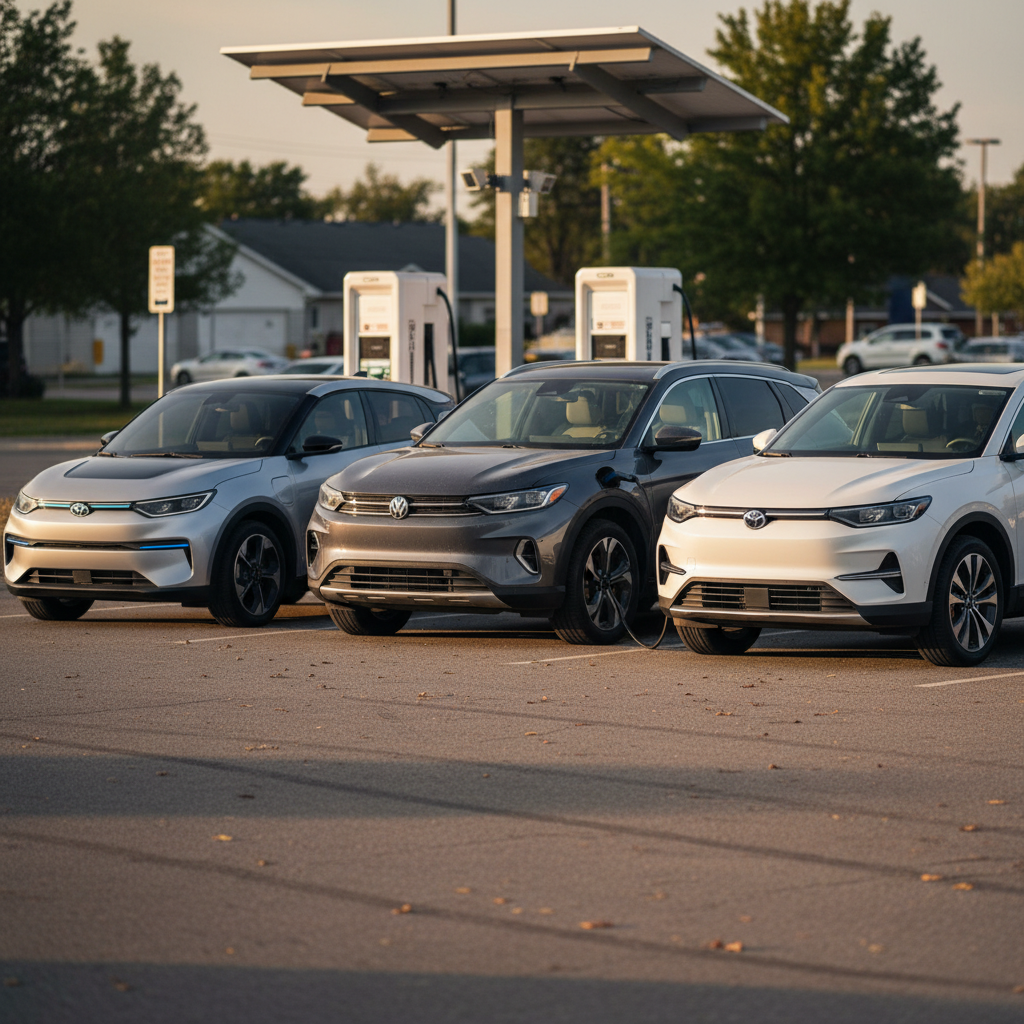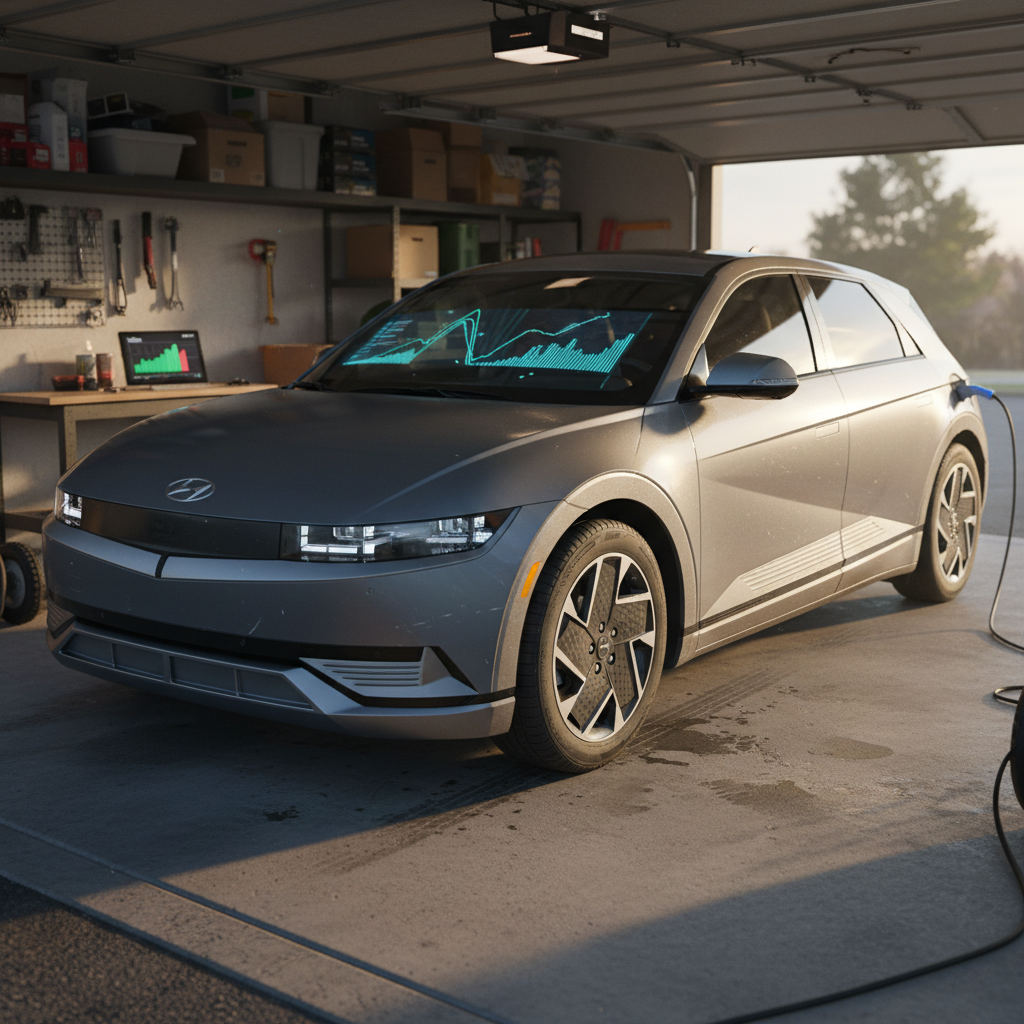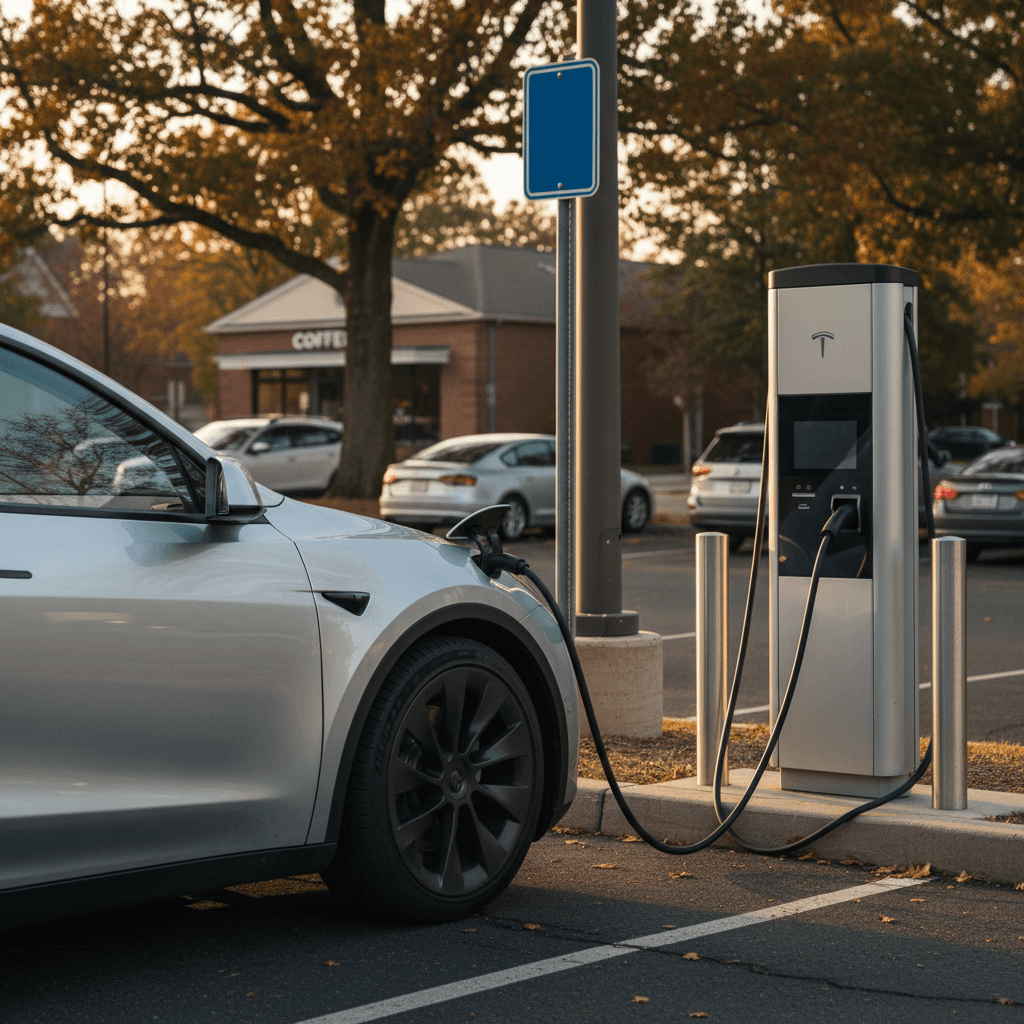
If you drive an electric vehicle in Northern Virginia, you’ve probably asked yourself where to find reliable EV charging stations in Fairfax, VA, and how to avoid wasting time on broken or busy chargers. The good news: Fairfax and the surrounding county have been quietly building out a solid mix of public fast charging, Level 2 stations and home‑charging support. This guide pulls those pieces together so you can build a charging routine that actually works for everyday life.
Fairfax vs. Fairfax County
Why EV charging in Fairfax matters now
EV and charging growth in the Fairfax area
Fairfax sits at the heart of one of the country’s densest EV corridors, stretching from Richmond through Northern Virginia into Maryland and D.C. That creates two pressures at once: high demand for public charging, and a policy push from Fairfax County and Dominion Energy to keep up with that demand. You’ll see the results in office parks, mixed‑use developments and park‑and‑ride lots that quietly added chargers in the last few years.
Expect growing pains
Types of EV charging you’ll find in Fairfax
Level 2 public charging (most common)
You’ll find Level 2 (240‑volt) chargers in City of Fairfax garages, county facilities, shopping centers and office parks. These are ideal when you’ll be parked for 1–4 hours, think dinner in Old Town Fairfax, a class at George Mason University or a Saturday at a sports tournament.
- Typical speed: 20–35 miles of range per hour, depending on your EV.
- Connectors: mainly J1772 (many newer EVs now ship with NACS adapters).
- Best use: topping up during planned stops instead of dedicated charging trips.
DC fast charging (for road trips and quick top‑ups)
DC fast chargers cluster along I‑66, Route 50 and near major retail nodes like Fair Lakes, Fair Oaks and nearby Chantilly. These locations are usually run by networks like Electrify America, EVgo and others.
- Typical power: 50–350 kW, depending on stall and vehicle.
- Typical use: 15–40 minute sessions on road trips or when you’re low on charge.
- Connectors: CCS, some CHAdeMO (for older EVs), and more NACS options starting to appear.
Pro tip: treat Level 2 as your backup battery
Major EV charging networks in and around Fairfax
Who actually runs the chargers you see?
Know the logo, know the app, and you’ll spend less time staring at error codes in a parking lot.
ChargePoint
ChargePoint Level 2 stations dot Fairfax County facilities, garages and workplaces. You’ll also see them in private garages serving apartments and townhome communities.
- Common at: county buildings, libraries, offices.
- Strength: reliable hardware, clear pricing in the app.
- Tip: some sites are free; others bill per kWh or per hour.
Electrify America & other DC fast networks
Look along major corridors around Fairfax and neighboring Chantilly or Tysons for high‑power DC fast sites. Electrify America, EVgo and other networks run these highway‑oriented hubs.
- Strength: 150–350 kW stalls for rapid charging.
- Weak spot: occasional outages or reduced power at busy times.
- Tip: always check recent user check‑ins in your app.
Tesla Supercharger (for Teslas and some non‑Teslas)
Tesla Supercharger sites near Fairfax increasingly support non‑Tesla EVs via built‑in adapters or NACS compatibility, depending on your vehicle and Tesla’s current rollout.
- Strength: dense network and generally strong uptime.
- Requirement: Tesla account and supported vehicle/adapter.
- Tip: check the Tesla app before you assume a given site works with your car.
Don’t forget workplace and apartment charging
How to find EV charging stations in Fairfax, VA
You don’t need to memorize every charger location in Fairfax. Instead, you need the right tools and a system you trust. Start with one or two core apps, then layer in network‑specific tools as needed.
Best ways to locate chargers around Fairfax
Use at least two sources so you’re not stranded when one app is out of date.
1. Multi‑network apps
PlugShare, A Better Routeplanner and similar tools aggregate public chargers from multiple networks.
- Filter by plug type (CCS, NACS, J1772).
- Read recent check‑ins for reliability.
- Plan trips across state lines with live route planning.
2. Network‑specific apps
For day‑to‑day charging, keep the main network apps on your phone: ChargePoint, Electrify America, EVgo and Tesla (if applicable).
- See live stall availability and pricing.
- Start/stop sessions from your phone.
- Get push alerts when charging slows or stops.
3. Fairfax & federal tools
Fairfax County points residents to tools like the U.S. Department of Energy’s Alternative Fueling Station Locator, which lists public charging sites across the region.
- Use as a backup checker for new locations.
- Helpful when scouting a new commute or school run.
Before you head to a charger in Fairfax
Check recent user reviews
Within your app, tap the station and scroll through comments from the last few days. If multiple drivers report dead stalls or payment issues, pick a different site.
Confirm your connector type
Make sure the site actually supports your plug, CCS, NACS, or CHAdeMO, and that your EV has the right adapter if needed.
Look at pricing structure
Some Fairfax‑area chargers bill per kWh, others per minute, and some add idle fees. Knowing this in advance prevents sticker shock.
Identify a backup station
Especially during rush hour or holiday shopping near Fair Oaks and Tysons, plan a second station within 5–10 miles in case your first choice is full.
What to expect when you plug in: pricing and speed
Typical EV charging experiences in Fairfax
Exact numbers vary by operator and time of day, but this table gives you a realistic feel for what Fairfax‑area drivers usually see.
| Charging type | Where you’ll see it | Typical use case | Approx. speed | What you might pay |
|---|---|---|---|---|
| Level 1 (120V) | Home only | Overnight top‑ups if you drive very little | 2–4 miles/hour | Added to your normal home electric bill |
| Level 2 public (7–11 kW) | City/County garages, workplaces, retail | 2–4 hour stop while shopping or at work | 20–35 miles/hour | Free, or common per‑kWh/per‑hour rates set by the site owner |
| DC fast 50–150 kW | Highway‑adjacent sites, shopping centers | Quick top‑up on longer drives | 100–200+ miles/hour, tapering after 60–80% | Session cost often similar to or higher than gasoline on a per‑mile basis |
| DC fast 200–350 kW | Major hubs near interstates | High‑speed road‑trip charging | Peak rates on compatible EVs; slower on older models | Highest per‑minute/per‑kWh cost; watch for idle fees |
| Home Level 2 (7–19 kW) | Townhomes, single‑family homes | Primary daily charging overnight | 20–45 miles/hour | Usually your cheapest option per mile, especially off‑peak |
Always check your specific station in its app for live pricing and any idle fees before you plug in.
Watch for idle fees
Home EV charging options in Fairfax, VA
If you live in a townhouse or single‑family home in Fairfax, there’s a good chance home charging will handle 80–90% of your needs. Public EV charging stations in Fairfax, VA then become your safety net rather than your lifeline.
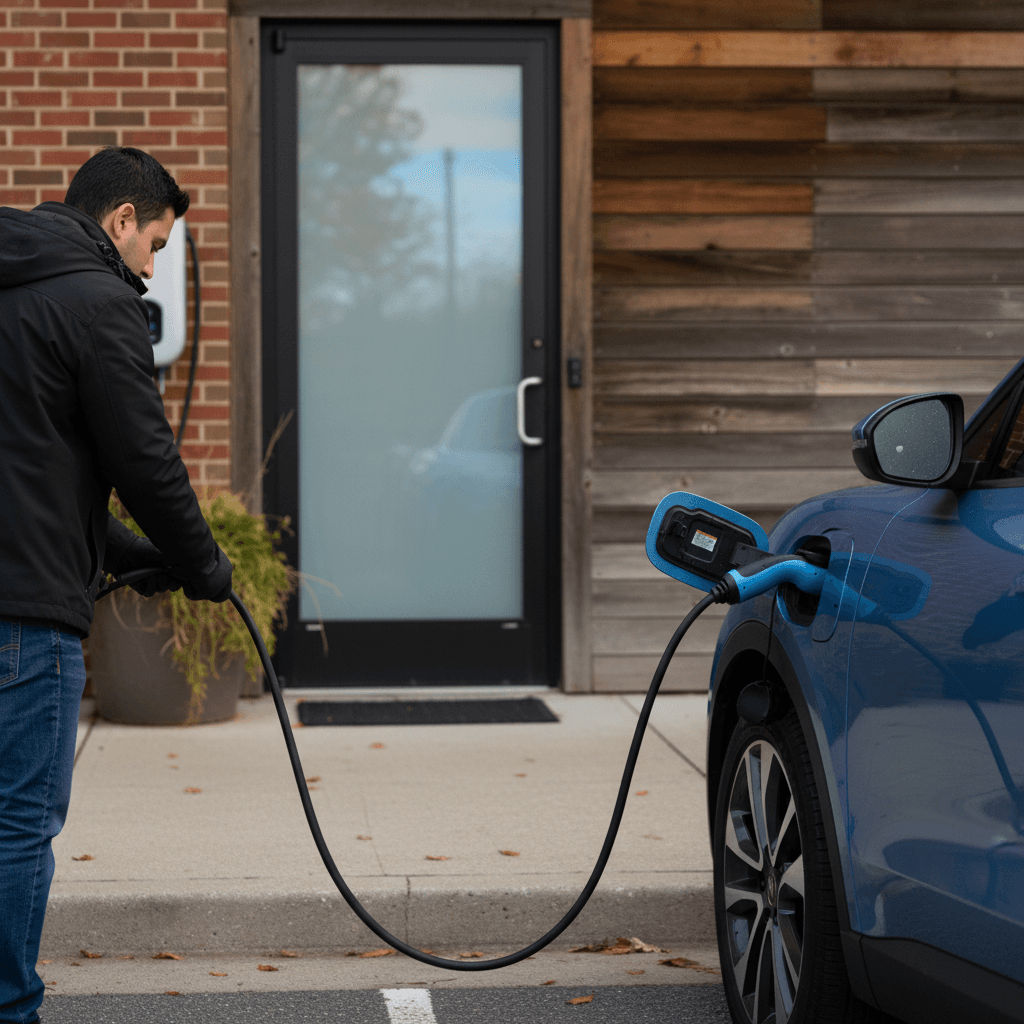
Setting up home charging in Fairfax
1. Decide if Level 1 is enough
If you drive under about 25–30 miles a day and have overnight parking with an outlet, a standard 120‑volt plug may cover you for now, no electrician required.
2. Explore Level 2 wallbox options
For longer commutes or multiple drivers, a 240‑volt Level 2 charger in your garage or driveway turns every night into a full “refuel.” Look for 32–48 amp units with Wi‑Fi/app control.
3. Hire a licensed electrician
Fairfax County requires permits for new 240‑volt circuits. A licensed electrician can size the circuit, pull permits and ensure your panel can handle the extra load.
4. Ask about smart‑charging features
Some chargers and utility programs shift charging to off‑peak hours automatically, reducing your bill and easing strain on the grid.
Townhomes and HOAs
Local programs: Dominion Energy & Fairfax County initiatives
Beyond the chargers you see in parking lots, a lot is happening behind the scenes to make EV charging more accessible in Fairfax. Dominion Energy and Fairfax County have launched overlapping programs aimed at multifamily housing, workplaces and home charging.
Key EV charging programs that affect Fairfax drivers
You may not apply directly to all of these, but they shape where chargers appear, and what they cost.
Charge Up Fairfax (multifamily focus)
Charge Up Fairfax helps HOAs and condo associations install shared Level 2 chargers with technical assistance and financial support.
- Applies to: condos, townhome communities, HOAs.
- Support: grant or full‑service options, sometimes paired with Dominion’s Level 2 programs.
- Impact: more on‑site charging where residents park overnight.
Dominion Energy EV Charging Access
Dominion’s EV Charging Access Program focuses on public, workplace, fleet and multifamily sites in its Virginia territory, including Fairfax.
- Offers no‑cost installation and maintenance to qualifying sites.
- Helps cover make‑ready utility infrastructure costs.
- Encourages chargers in communities that lack convenient options.
Residential charger & smart‑charging pilots
Dominion has rolled out residential programs to simplify home Level 2 installations and experimented with smart‑charging rewards for off‑peak charging.
- Some pilots change over time, always check the latest eligibility.
- Look for potential bill credits or reduced installation hassle.
Permits and local rules
Practical charging strategies for Fairfax drivers
If you mostly stay within Fairfax
- Home Level 2 + occasional public Level 2 is usually enough for commutes to Tysons, Reston or D.C.
- Use chargers near your regular stops: favorite grocery store, gym, kids’ activities.
- Keep a running list of 3–4 reliable stations in the apps you trust.
- Top up when you naturally park instead of waiting for low‑battery warnings.
If you road‑trip across the Mid‑Atlantic
- Plan routes that string together fast‑charging hubs near Fairfax with others along I‑81, I‑95 and I‑64.
- Stick to networks your car historically works well with (some models are picky about high‑power chargers).
- Aim to charge from ~10–15% up to 60–80%, that’s usually the fastest part of the curve.
- In winter, pre‑condition your battery before arriving at a DC fast charger for better speeds.
Cold weather and NoVA traffic
Buying a used EV in Fairfax: how charging fits in
The strength of Fairfax’s charging network directly affects how enjoyable a used EV will be to live with. When you’re cross‑shopping models, don’t just look at price and mileage, think through how each car will interact with the charging landscape you’ve just read about.
Charging questions to ask before you buy a used EV
These checks are especially important if you’ll rely heavily on public charging in Fairfax.
1. What connector(s) does it use?
Some older EVs use CHAdeMO for fast charging, which has fewer stations in the Fairfax region compared with CCS and emerging NACS sites.
- Ask whether the car includes any adapters.
- Confirm that your main local networks still support its plug.
2. How is the battery health?
A battery with significant degradation will spend more time on public chargers and may struggle on winter highway trips.
- Look for third‑party or dealer battery reports.
- Compare real‑world range to EPA estimates.
Where Recharged fits in
Ready to find your next EV?
Browse VehiclesLiving with an electric vehicle in Fairfax, VA is easier than it first looks. Between a growing web of public EV charging stations, home‑charging programs from Dominion Energy and Fairfax County’s own infrastructure push, most drivers can build a charging strategy that feels predictable, not stressful. Start by locking in convenient home or workplace charging, learn which public networks you trust, and use your apps to stay a step ahead of outages and crowds. With that foundation in place, your next decision isn’t, “Will I find a charger in Fairfax?”, it’s which used EV will fit your life best.