Driving an electric vehicle in Cary is getting easier every year, but your experience still comes down to one thing: how simple it is to charge. If you’re searching for EV charging stations in Cary, NC, whether you commute into Raleigh, live in an apartment off Walnut Street, or are eyeing a used EV in the Triangle, this guide will walk you through exactly what’s available and how to make it work for your daily life.
Why Cary is a good EV town
EV charging in Cary, NC: the big picture
Cary EV charging at a glance
Think of Cary’s charging landscape in three layers: 1. Town-owned Level 2 chargers that are free to use during operating hours and are perfect for topping up while you work, study, or hit a park. 2. Private public chargers at shopping centers, hotels, and offices, often Level 2, sometimes free, sometimes paid. 3. DC fast chargers from networks like EVgo and Electrify America clustered near major roads, designed to add hundreds of miles in under an hour. Most local EV owners still do the bulk of their charging at home, but Cary’s public options matter for apartment dwellers, long‑distance drivers, and anyone shopping for a used EV who wants confidence they won’t be stranded.
Types of EV chargers you’ll see around Cary
Level 2 charging (most common)
Level 2 chargers use 240 volts, the same kind of power as an electric dryer. Around Cary you’ll see them at the Cary Regional Library deck, Town Hall, Bond Park, some apartment complexes, and workplaces.
- Typical power: 6–11 kW
- Real‑world speed: about 20–35 miles of range per hour for most EVs
- Best use: home overnight charging, workday parking, a few hours while you shop or visit downtown
DC fast charging (for road trips & quick top‑ups)
DC fast chargers live along major corridors like Walnut Street and near NC‑55. Networks like EVgo and Electrify America operate multi‑stall stations that can take you from low state of charge to ~80–85% in well under an hour.
- Typical power: 50–350 kW depending on unit and your EV
- Real‑world speed: 150–250+ miles of range per hour on newer EVs
- Best use: road trips, apartment dwellers, quick top‑ups between meetings
Watch your connector type
Town of Cary-owned EV charging stations
The Town of Cary operates a surprisingly useful network of free public Level 2 chargers. They’re not meant to replace home charging, but they’re great if you’re downtown for a few hours or spending a Saturday at the park.
Where the Town of Cary provides public EV charging
Locations, charger counts, and basic details for town‑owned EV charging stations in Cary. Always confirm in your app before you drive, as equipment and policies can change.
| Location | Approx. address | Ports | Notes |
|---|---|---|---|
| Bond Park Boat House | 801 High House Rd | 2 ports (1 station) | Free Level 2 charging during park hours, good for long walks or time on the lake. |
| Town Hall / Herb Young Center deck | 121 Wilkinson Ave | 2 ports (2 stations) | Free Level 2 charging during the day while you’re at Town Hall or downtown. |
| Town Hall East lot | 228 Ambassador Loop | 2 ports (1 station) | Daytime Level 2 charging behind Town Hall, handy for nearby offices. |
| Cary Regional Library deck | 113 Walnut St | 14 ports (7 stations) | One of the denser clusters of free Level 2 chargers in Cary, walkable to downtown. |
| Neighborhood Park | 7119 Carpenter Fire Station Rd | 2 ports (1 station) | Free daytime charging while you’re at the park or nearby fields. |
| Fire Station 9 | 1427 Walnut St | 2 ports (1 station) | Free daytime Level 2 charging; often less crowded than the library deck. |
All town sites listed below currently use Level 2 chargers and are free to use during posted hours.
How to use town chargers efficiently
Fast charging in Cary: EVgo, Electrify America and more
If you road‑trip regularly, don’t have reliable home charging, or just want a safety net, DC fast charging is where you’ll spend most of your public‑charging time. Cary has access to multiple fast‑charging networks, with more coming as EV adoption grows across North Carolina.
Key DC fast-charging options in and around Cary
Use your favorite charging‑locator app to confirm exact power levels, pricing, and availability before you drive.
Electrify America – Walnut Street area
Electrify America operates a fast‑charging site near 2021 Walnut St in Cary, close to big‑box retail and dining. Expect a mix of 150 kW and 350 kW units with CCS connectors (and often CHAdeMO for older EVs).
- Good highway access and amenities.
- Sessions may be capped around 85% to keep chargers turning over.
- Best for cross‑country trips or quick top‑ups while shopping.
EVgo – Convenience Lane (Sheetz area)
EVgo runs a DC fast‑charging station around 4010 Convenience Lane, near Sheetz. It typically offers multiple stalls with CCS and sometimes CHAdeMO support.
- 24/7 access with lighting and cameras.
- Walkable to food and restrooms during a longer charge.
- EVgo app shows real‑time status and pricing.
Good news for non‑Tesla drivers
Best apps and maps to find EV charging stations in Cary
Public charging in 2026 is increasingly app‑driven. Even if you know there’s a charger at Walnut Street or downtown Cary, you still want to check whether it’s working, available, and what it will cost before you get there.
Four must‑have tools for Cary EV drivers
Use at least two apps, you’ll get better coverage and a backup if one network has issues.
PlugShare
Crowd‑sourced map of almost every charger in the Triangle. User photos and check‑ins help you avoid broken or blocked stations.
Network apps
EVgo, Electrify America, ChargePoint and others all have apps to start sessions, see live status, and access membership discounts.
Automaker apps
Many brands integrate charger routing into the nav system. Use your car’s app to pre‑condition the battery for faster DC charging.
Google / Apple Maps
Search for “EV charging” around Cary to find basic listings. Not as detailed as PlugShare, but helpful for quick checks.
Create a Triangle “favorites” list
What does EV charging cost in Cary?
Charging costs are a mix of electricity rates and who owns the station. In Cary you’ll see three broad patterns:
- Free Level 2 at town‑owned sites like the Cary Regional Library and Bond Park during posted hours.
- Free or validated Level 2 at some workplaces, hotels, and shopping centers trying to attract EV‑driving customers.
- Paid DC fast charging at networks like EVgo and Electrify America, usually billed per kWh or per minute, often with discounts for members.
Home installation costs in Cary
Compared to gas, most Cary drivers will find that charging at home overnight on standard residential rates is the cheapest way to drive. Public DC fast charging is more expensive per mile but still competitive with gasoline in many cases, especially if you enroll in membership plans or take advantage of promotional free charging that comes with some new EVs.
Home EV charging in Cary and Duke Energy programs
If you own a home in Cary, your best “charging station” is almost always your garage or driveway. Plugging in every night at Level 2 means you wake up with a full battery and use public charging only when it’s convenient or necessary. Duke Energy, the dominant utility in this part of North Carolina, has been actively rolling out EV‑focused programs that make this easier and cheaper.
Key Duke Energy programs relevant to Cary EV owners
Program details can evolve, always confirm current eligibility and terms with Duke before you enroll.
Charger Prep Credit
Duke Energy offers a Charger Prep Credit to help with the “make‑ready” work for installing Level 2 or DC fast chargers, things like conduit, panel upgrades, and wiring.
Residential customers can get a substantial credit toward home wiring work; businesses and multifamily buildings can qualify for higher amounts per charger.
Charger Solution rental
Don’t want to buy a charger outright? Duke’s Charger Solution program lets eligible customers rent a Level 2 charger for a monthly fee that includes hardware, maintenance, and warranty.
This can be attractive if you’re new to EVs or don’t want a large upfront cost.
Managed charging pilots
Duke has also experimented with managed home‑charging plans that encourage overnight charging and let the utility shape demand.
Programs open and close to new participants, but if you see one offered, it can reduce your effective cost per kWh.
Quick checklist for adding home Level 2 in Cary
1. Confirm your panel capacity
Have a licensed electrician check whether your service panel can support a 40A or 50A circuit for Level 2 charging. Many Cary homes can handle it with little or no upgrade, but older houses may need work.
2. Decide on hardwired vs. plug‑in
A hardwired charger is cleaner and can support higher amperage. A plug‑in unit using a NEMA 14‑50 or similar outlet is flexible if you move. Either can work well in a typical Cary garage.
3. Get quotes and ask about Duke incentives
When you collect bids, ask contractors explicitly whether they’re familiar with Duke Energy’s Charger Prep Credit and other local incentives, and whether they can help you document work for rebates.
4. Match charger speed to your EV
There’s no reason to pay for a 48A charger if your EV can only accept 32A on AC. Check your car’s max Level 2 charging rate and choose a unit that meets, but doesn’t dramatically exceed, that rate.
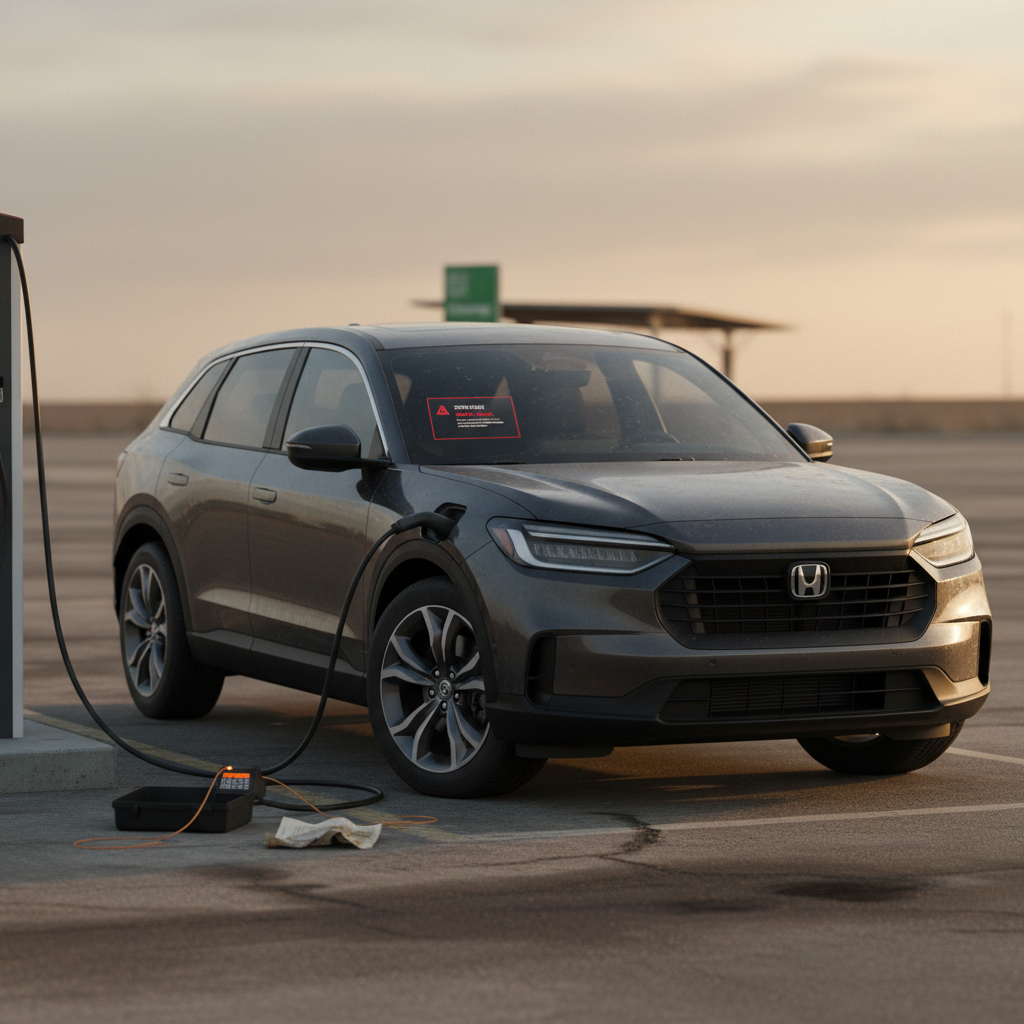
Safety first on home installs
Planning a Cary EV road trip or commute strategy
Once you understand where the chargers are, the real question is how to weave them into your daily life. Cary’s geography, between Raleigh and Durham with quick access to I‑40 and US‑1, makes it relatively forgiving, but planning still matters if you’re pushing the limits of your range.
Charging playbooks for common Cary drivers
Daily commuter within the Triangle
Install or arrange regular access to Level 2 charging at home or work in Cary, Raleigh, or RTP.
Use free Town of Cary Level 2 chargers as backup when you’re downtown for longer stretches.
Top off at DC fast chargers only on heavy‑use days or when you forget to plug in overnight.
Set your EV to charge overnight when grid demand and, often, rates are lower.
Apartment or condo resident
Map every accessible Level 2 within walking distance of home, especially at nearby retail or parking decks.
Talk to your property manager about Duke’s Charger Prep Credit for multifamily buildings and whether they’ve explored it.
Lean on DC fast chargers near Walnut Street or NC‑55 for deeper charges once or twice per week.
Avoid arriving at public chargers with a nearly empty battery, build buffer into your routine.
Weekend road‑tripper
Plan trips using PlugShare and your automaker’s route planner, prioritizing reliable stations with food and restrooms.
Aim to fast‑charge from roughly 10–20% up to 60–80% for best speed instead of waiting to hit 100%.
Use Cary’s free Level 2 chargers before leaving town, so you depart with maximum range.
Keep a backup station pinned along your route in case your first choice is busy or offline.
Think in “charging sessions,” not full tanks
How EV charging connects to buying a used EV locally
If you’re looking at a used EV in Cary or anywhere in the Triangle, charging isn’t just a lifestyle question, it’s a financial one. Battery health, your access to home charging, and the quality of the local public‑charging network all determine how convenient and cost‑effective that car will be over the years you own it.
Questions to ask yourself before you buy
- Where will I charge most nights? A driveway or garage in Cary? An apartment lot in Morrisville? A mix of both?
- How often will I need DC fast charging? If you drive long distances, fast‑charging reliability near Walnut Street and on your main routes matters more.
- What’s the battery’s current health? A degraded pack means more frequent charging and heavier reliance on public stations.
How Recharged helps Cary buyers
Recharged is built to take the guesswork out of used EVs. Every vehicle includes a Recharged Score Report that shows verified battery health, pricing transparency, and how the car has been used.
- Expert EV specialists who understand the Triangle charging landscape.
- Financing, trade‑in, and nationwide delivery, so you can shop online and still get a car that works for Cary’s charging reality.
- Guidance on home‑charging setup and how to use local public chargers effectively once the car is in your driveway.
FAQ: EV charging stations in Cary, NC
Frequently asked questions about EV charging in Cary, NC
Bottom line: EV charging in Cary, NC
Cary isn’t yet a paradise of chargers on every corner, but it has the essentials: a solid base of free town‑owned Level 2 stations, access to national DC fast‑charging networks, and utility programs that make home charging more affordable. If you understand how these pieces fit together, and you build a simple routine around them, owning an EV here can be both convenient and cost‑effective.
If you’re considering a used EV in the Triangle, let Recharged help you connect the dots between battery health, charging options, and total ownership cost. With transparent Recharged Score Reports, EV‑savvy support, financing, and trade‑in options, you can focus less on worrying about where you’ll plug in and more on enjoying the quiet, low‑maintenance reality of electric driving in Cary.