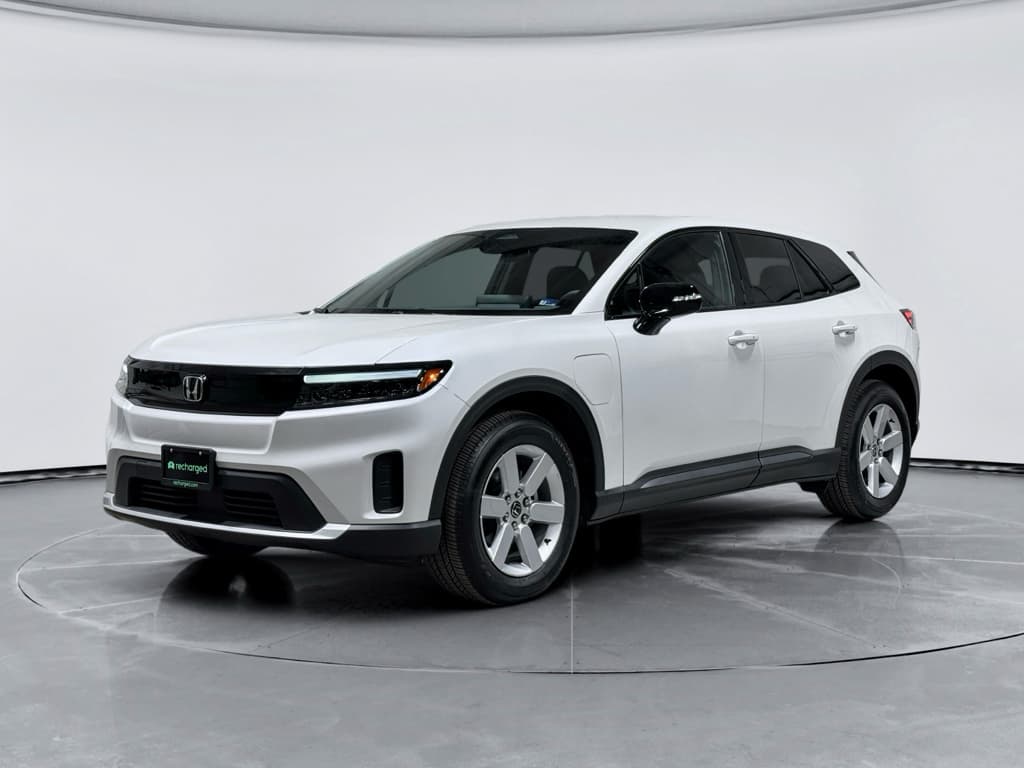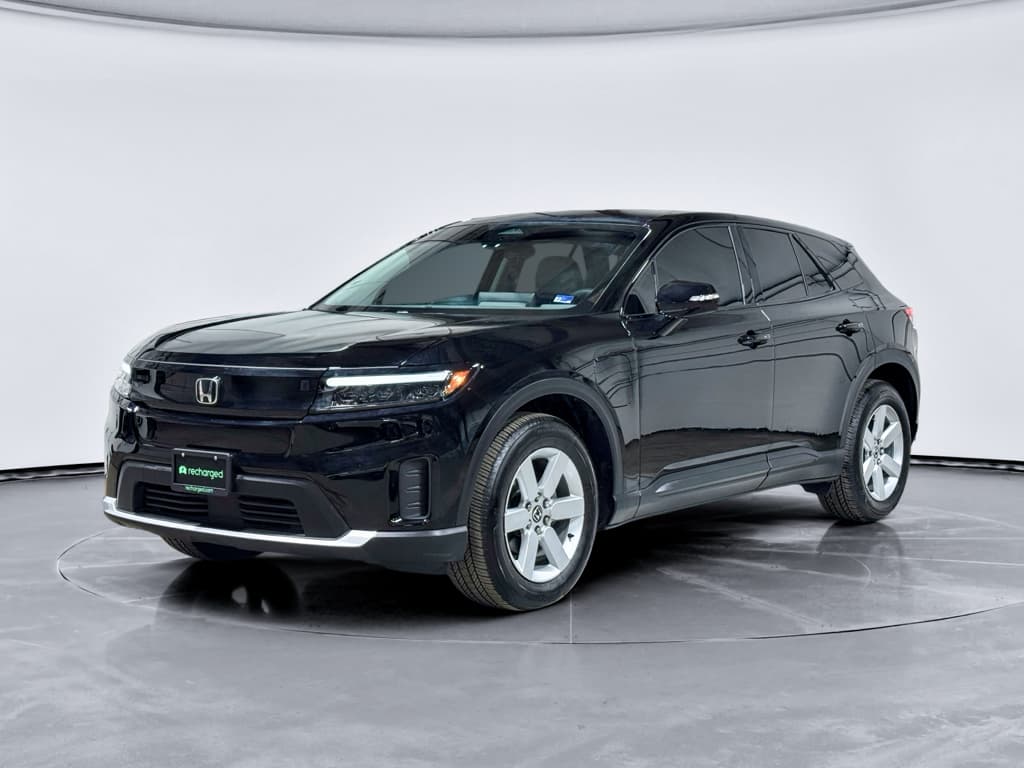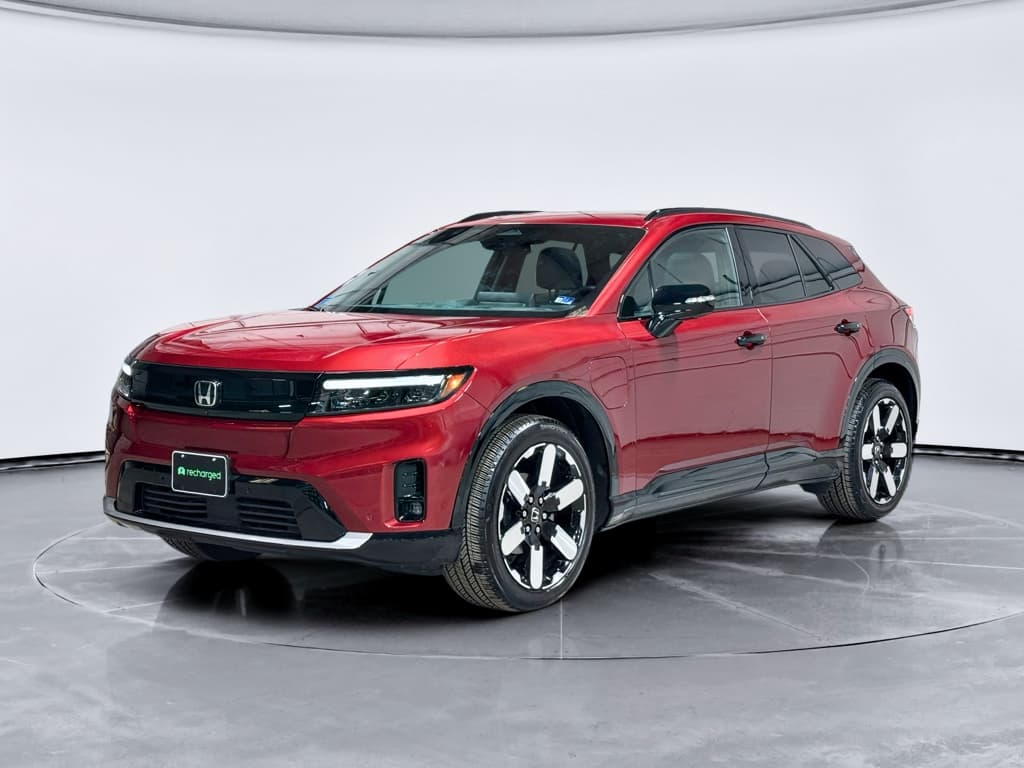
If you’re researching the **2025 Honda Prologue**, you’ve probably already heard about early problems: high‑voltage battery warnings, cars shutting down, phantom braking, and various software gremlins. That’s a lot to process if you just want a quiet, reliable electric crossover. This guide pulls together what we know so far from owner reports, complaint databases, and early reviews, then translates it into plain, actionable advice for shoppers and current owners.
Quick take
How new is the 2025 Honda Prologue and why that matters
The Prologue is Honda’s first mass‑market EV for North America, built on **GM’s Ultium platform** and assembled alongside vehicles like the Chevy Blazer EV. It launched as a 2024 model, so by early 2026 we’re still looking at a **first‑generation, first‑few‑years** product. That combination, new platform for Honda, shared underpinnings with a GM EV that has had its own growing pains, is exactly when you tend to see more early problems pop up, especially around **battery management and software**.
Honda’s long‑term reliability record is strong, but on Prologue they’re relying on **GM hardware plus Honda software and support**. That split responsibility shows up in the complaints landscape: owners talk about dealer confusion, parts backorders, and issues that bounce between Honda and GM engineering. When you shop used, you’re essentially buying into that learning curve.
First‑year EV rule of thumb
Battery and high-voltage system issues
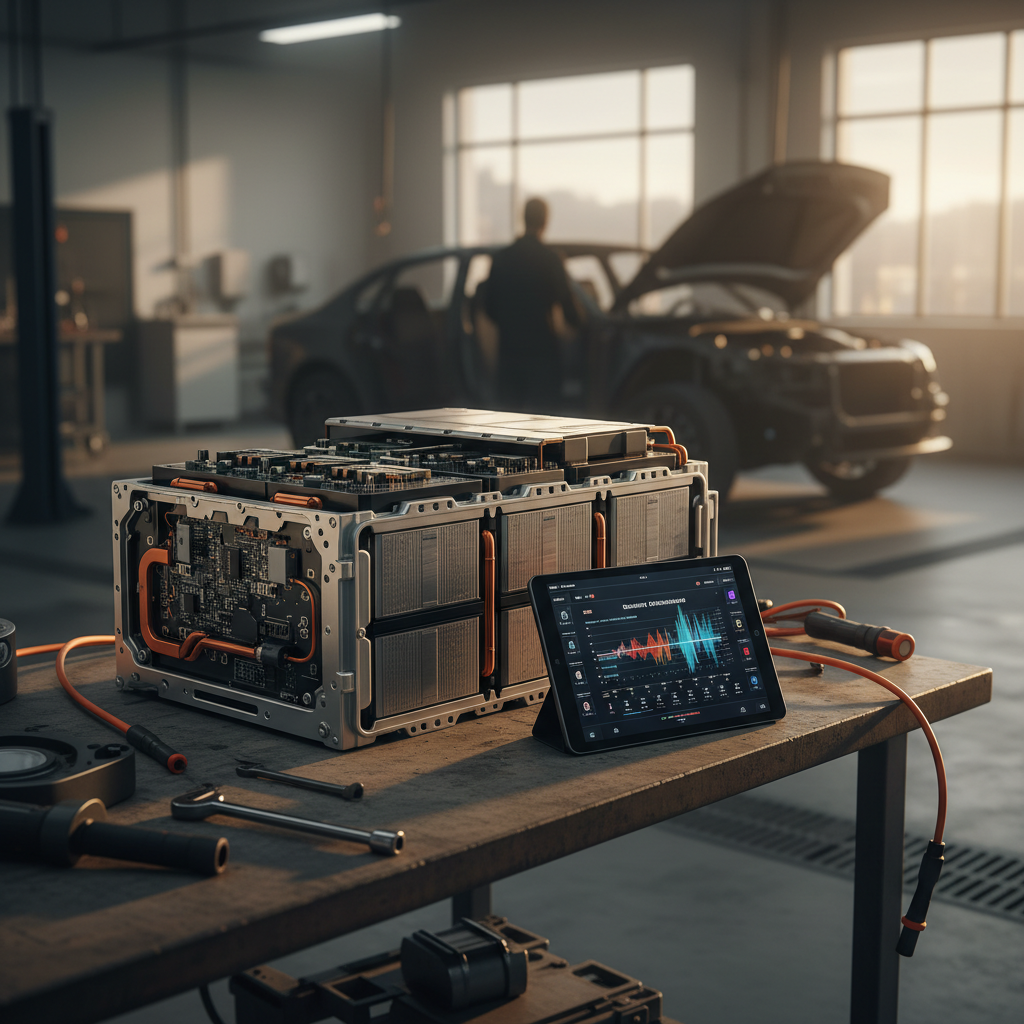
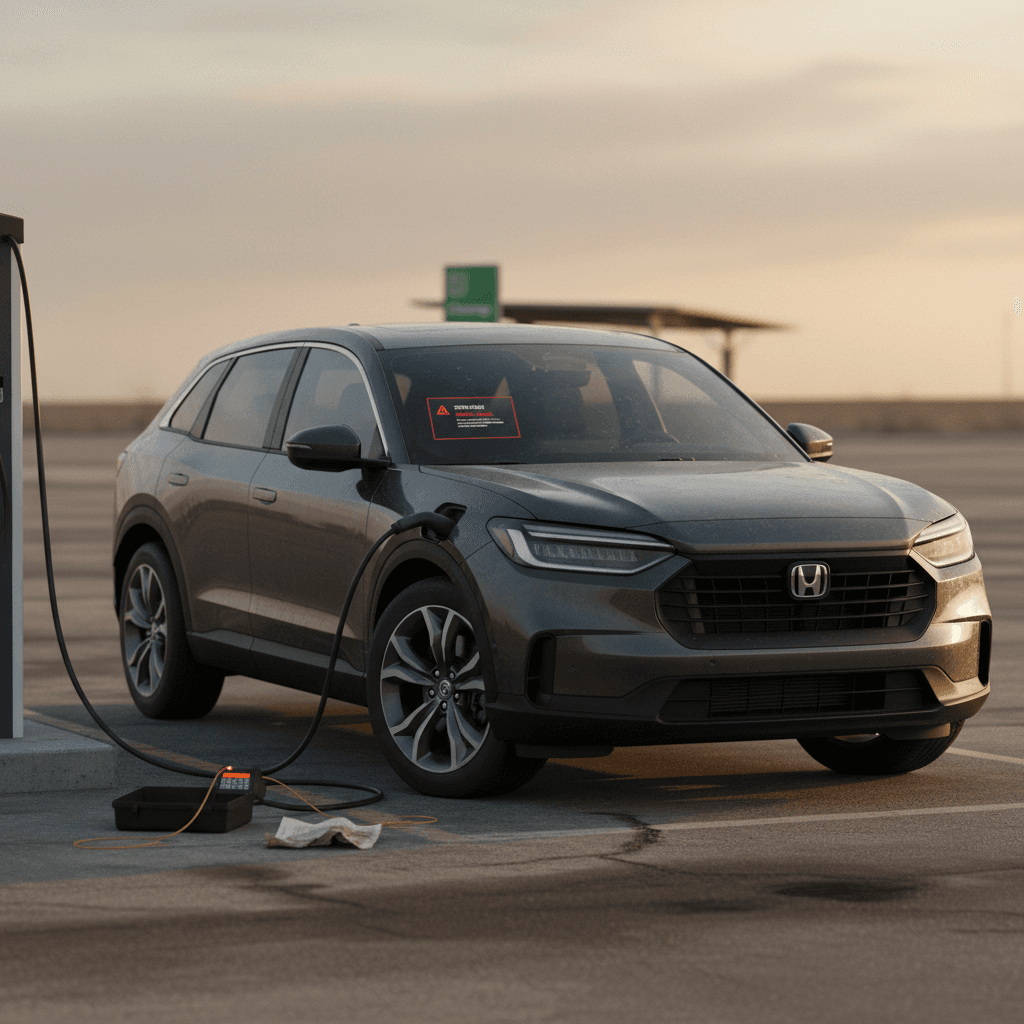
The single most worrying bucket of **2025 Honda Prologue problems** involves the **high‑voltage battery and its cooling/control hardware**. A significant number of owner complaints describe warning messages like **“Service High Voltage System,” “Reduced Acceleration – Drive With Care,” and loss of cabin heat or A/C** followed by the car refusing to charge or limiting speed. In some cases, dealers have replaced the **entire traction battery** on low‑mileage vehicles.
- High‑voltage system warnings shortly after purchase, sometimes under 1,000 miles
- Vehicle stuck at low speed (around 25 mph) with **reduced‑power limp mode**
- Inability to DC fast charge or Level 2 charge until towed to a dealer
- Loss of cabin heat and defrost in cold weather while high‑voltage warnings are active
- Battery pack replacements on vehicles only weeks or months old
- Repeated visits where dealers say they’re still “waiting on engineering” or a replacement part
Many of these cases trace back to **battery cooling components**, like valves in the A/C‑based thermal management circuit. When a valve or sensor fails, the car detects a cooling fault, throws a high‑voltage error, and sometimes **shuts down charging or propulsion entirely** to protect the pack. That’s the right move from a safety perspective, but a nightmare if you’re stranded with kids in winter or stuck on the shoulder of a highway.
Why this matters more on an EV
The good news: these battery and high‑voltage issues are **covered by Honda’s EV component warranty**, and most affected owners pay nothing out of pocket. The bad news is **downtime**, some report their Prologue sitting at the dealer for weeks waiting on a pack or cooling part. If you’re considering a used Prologue, this is the first area where you should demand **service records and warranty history**.
Battery & high-voltage complaints vs happy owners (early pattern)
Braking and safety system complaints
The other serious cluster of **2025 Honda Prologue problems** lives in the **braking and driver‑assist systems**. Two threads show up repeatedly:
- **Phantom braking / Collision Mitigation Braking (CMBS)** – owners describe the car **slamming on the brakes at highway speeds** or while reversing with no obvious obstacle, sometimes misreading shadows or harmless objects.
- **Brake assist / brake booster faults** – a smaller subset have reported “Brake Assist Failure” warnings and dealer diagnoses involving brake booster hardware replacements.
Phantom braking isn’t unique to Honda, Tesla, Subaru, Toyota and others have all wrestled with it, but that doesn’t make it less unnerving. On Prologue, owners describe sudden, hard braking on freeways and over‑sensitivity when backing up, to the point that some simply disable certain safety features altogether.
Dialing in Honda Sensing
From a used‑car buyer’s standpoint, braking and ADAS issues are less likely than battery faults to strand you, but they **do affect safety and daily drivability**. On a test drive, pay attention to how the car behaves when you merge, change lanes, and reverse out of tight spots. If it feels too eager to intervene, that’s not just a preference issue, it might hint at miscalibrated sensors.
Drivetrain, CV joint, and noise issues
Another pattern that’s started to surface on 2024–2025 Prologues is **front CV joint and axle noise**, typically a **clicking or snapping sound at low speed while turning**, for example, backing out of a driveway at full steering lock. Some owners have had **multiple CV axle replacements** in just a few thousand miles, while others have had the issue quietly fixed in a single visit.
- Clicking or popping from the front end on tight, low‑speed turns
- Dealers replacing one or both front CV axles early in ownership
- Reports of repeated CV axle replacements for the same vehicle
- Isolated complaints of turn‑signal stalk faults (wrong side blinking, wipers activating)
On its own, a CV issue isn’t catastrophic, and Honda/GM seem to be **stocking replacement parts in higher‑volume markets** already. But it’s another sign that **Prologue’s hardware tuning isn’t fully baked yet**, especially given the weight and instant torque EVs put through their driveline components.
Don’t ignore front‑end clicks
Layered on top of that are **rattle and noise complaints**, door panels buzzing, dash vibrations over bumps, and in some cases, audio system problems like subwoofers cutting out. That’s not unique to Honda or EVs, but it does undercut the premium feel buyers expect at Prologue prices.
Software, infotainment, and tech glitches
Predictably for a first‑generation EV, the 2025 Prologue also has its share of **software and tech problems**. Owners have reported:
- Both main and gauge screens going black or rebooting while driving, then slowly returning
- Persistent warning lights or OnStar indicators that later clear themselves without a clear fix
- Overly sensitive parking sensors and cross‑traffic alerts
- Occasional app connectivity issues and charging‑session tracking glitches
The upside is that many of these annoyances are **fixable with software updates**, either at the dealer or eventually over‑the‑air. The downside is that **Honda’s over‑the‑air update strategy is still catching up** to players like Tesla, Hyundai/Kia, and Ford. So you may find yourself visiting the dealer more often than you’d like for what feels like a smartphone‑grade bug.
What you want to see in the records
Ride quality, range, and day-to-day quirks
Separate from outright defects, reviews and owner feedback point to a few **everyday compromises** you should know about before you buy a Prologue:
Everyday Pros & Cons Owners Talk About
Not failures, just traits you should be okay with before you sign
Ride & handling
Some reviewers praise the Prologue’s **stable, confident feel**; others find the suspension a bit **too firm**, transmitting small bumps into the cabin. Big wheels exaggerate this.
Acceleration feel
Honda intentionally tuned a **smooth, linear throttle** rather than a neck‑snapping launch. That helps range and tire life, but if you want instant shove, you may find it dull.
Real‑world range
In owner reviews, range is described as **adequate rather than class‑leading**. Fine for commuting and local use, less compelling as a long‑distance road‑trip machine without careful planning.
Some owners also mention **cold‑weather cabin heat feeling underwhelming**, especially when high‑voltage or battery‑cooling issues are in play. Pre‑conditioning and heated seats help, but if you live in a very cold climate, you’ll want to pay attention to winter reports from other owners and test the HVAC thoroughly on a used example.
Recalls, service bulletins, and how Honda is responding
By mid‑2025, complaint databases and owner forums show **formal recall campaigns and technical service bulletins (TSBs)** starting to land for the Prologue, focused mainly on **powertrain and high‑voltage behavior**. The pattern looks familiar if you followed the Blazer EV: early production runs expose edge‑case failures, and the manufacturer works backwards to issue hardware fixes and calibration updates.
- Campaigns related to **powertrain / high‑voltage faults**, including cases where the vehicle failed to charge, shut down, or would not shift into neutral for towing.
- Dealer‑level guidance on replacing faulty **battery‑cooling valves** and diagnosing “Service High Voltage System” messages.
- Incremental software updates aimed at **stability of the instrument cluster and infotainment**, plus fault‑logging improvements.
Recalls vs TSBs: why it matters to you
At Recharged, we recommend running the VIN of any Prologue you’re considering through **Honda’s recall lookup** and asking the selling dealer, or private seller, for a **full printout of completed recall and TSB work**. If you see unresolved high‑voltage or powertrain campaigns, that’s leverage for negotiation or a reason to walk away.
How serious are 2025 Honda Prologue problems vs other EVs?
Zooming out, the question isn’t just "Are there problems?", it’s **how the Prologue compares** to other first‑wave EVs from mainstream brands. On that front, the story is nuanced:
Where Prologue looks worse than expected
- High‑voltage and battery‑cooling faults are more common, and more severe, than you’d normally associate with Honda.
- Some owners have needed **full battery replacements** within the first year.
- Parts backorders and long repair times echo early issues seen on other Ultium‑based EVs.
Where it’s roughly par for a new EV
- Phantom braking and hypersensitive safety systems trouble almost every brand right now.
- Software bugs and screen glitches are sadly **industry‑standard teething pains**.
- Plenty of Prologue owners report **10–17k trouble‑free miles**, routine service, and high satisfaction.
Think in terms of variance, not averages
What to check before buying a used Honda Prologue
If you’re looking at a used 2024 or 2025 Prologue, especially one coming off a short lease, you’re in the sweet spot for **value** but also for inheriting someone else’s headaches. Here’s how to tilt the odds in your favor.
Pre‑purchase checklist for a used Prologue
1. Pull the full service history
Ask for **all dealer invoices**, not just a Carfax summary. You’re looking for repeat visits for high‑voltage faults, battery replacements, CV axle work, or chronic rattles and screen issues.
2. Run a recall & TSB check
Use the VIN in Honda’s recall tool and ask whether **outstanding campaigns** have been completed. A car with all high‑voltage and powertrain campaigns done is preferable to one that hasn’t yet been touched.
3. Inspect the battery health
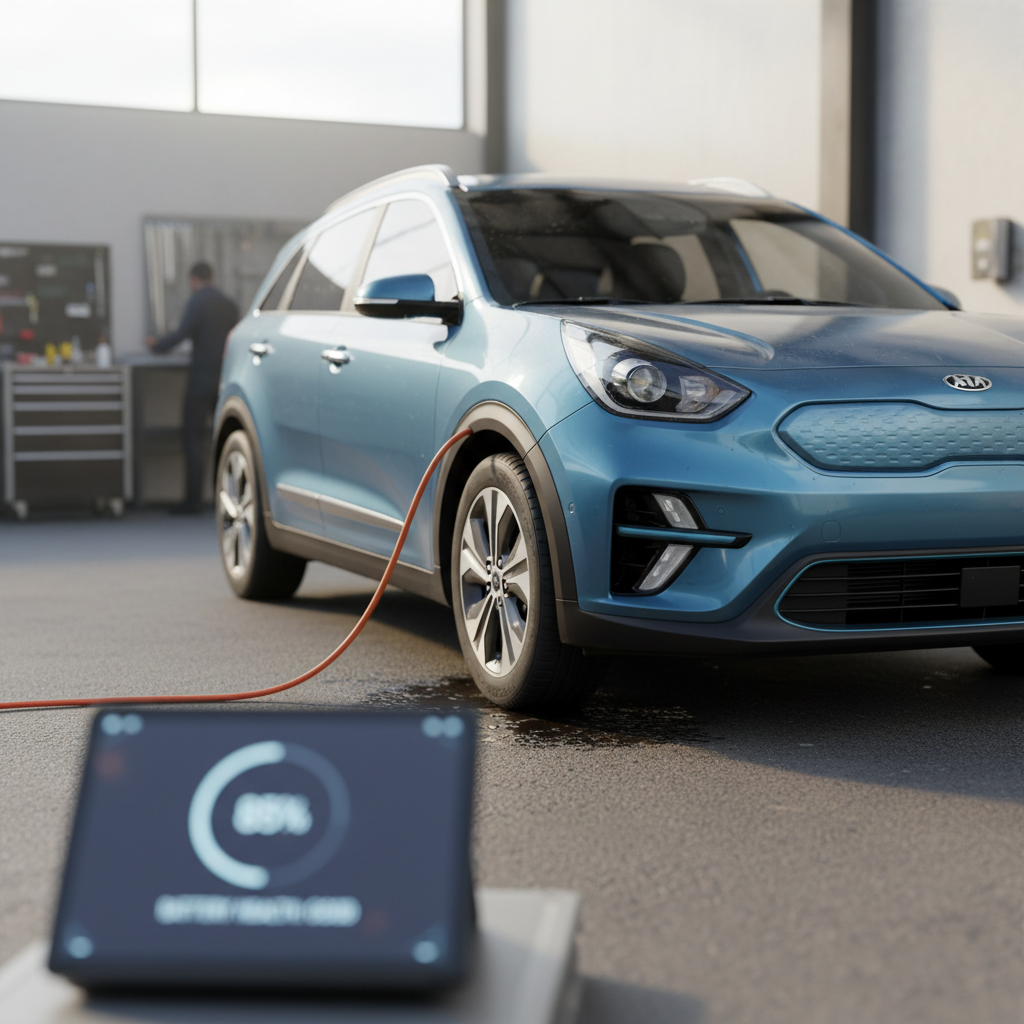
Look for documentation of **state‑of‑health tests** or pack replacements. When you shop through Recharged, every vehicle comes with a **Recharged Score battery report**, so you can see verified capacity and charging behavior before you buy.
4. Test DC fast charging
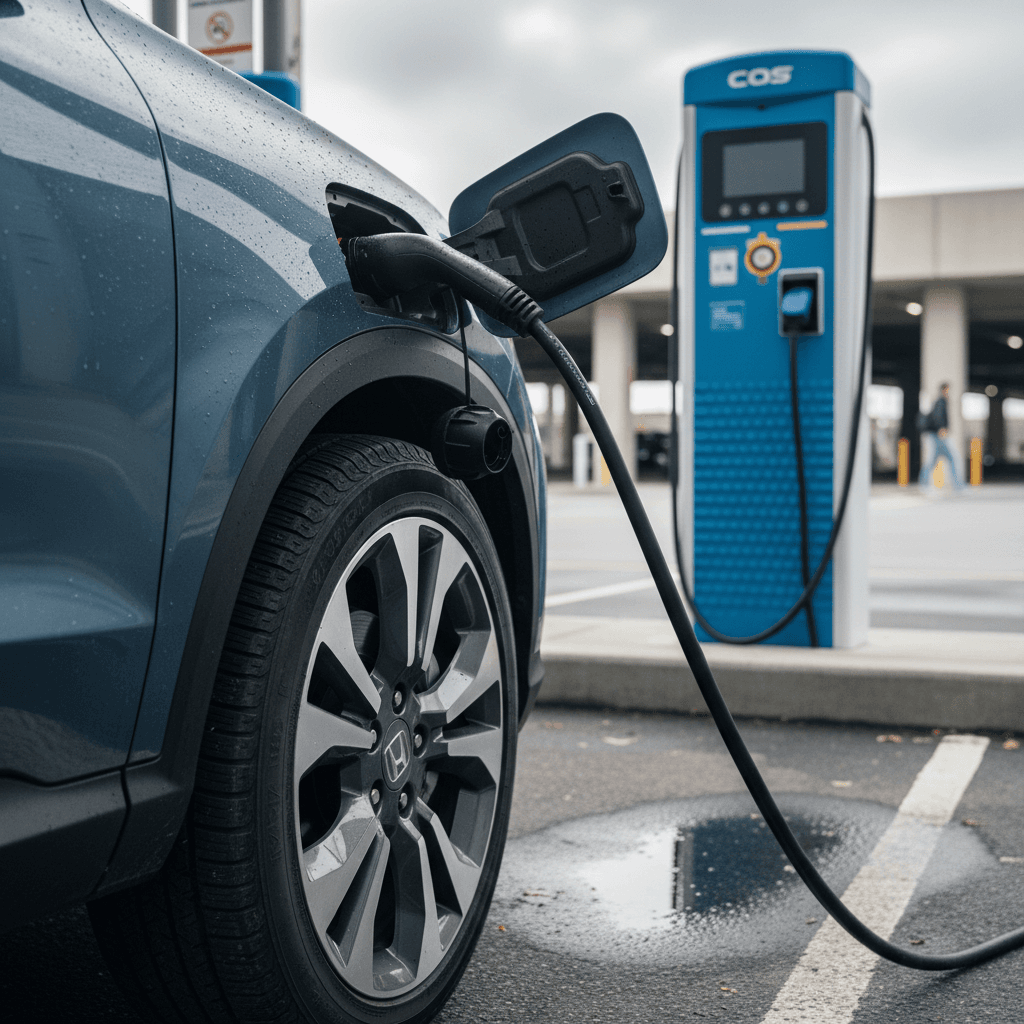
If possible, plug into a DC fast charger during the test drive. Watch for **high‑voltage warnings, charging interruptions, or abnormal noises** from the front end while charging.
5. Check for CV clicks and brake weirdness
In a parking lot, do slow, full‑lock turns and listen for front‑end clicks. On the highway, pay attention to any **uncommanded braking** or hyperactive driver‑assist behavior.
6. Drive it in rougher conditions
Find a stretch of uneven pavement to listen for interior rattles and to feel the ride. Minor noises can be fixed, but persistent buzzes and clunks are red flags on a nearly new EV.
Why consider buying through Recharged
Ready to find your next EV?
Browse VehiclesOwnership tips if you already have a Prologue
If you already own or lease a Prologue, the goal isn’t to panic, it’s to **document everything and stay ahead** of the issues that can snowball. Here’s how to stack the deck in your favor.
Making Prologue ownership as painless as possible
Log every warning and visit
Any time you see a **high‑voltage, brake, or powertrain warning**, snap photos and write down the mileage and conditions. That paper trail matters if you need a buyback or lemon‑law review later.
Stay current on software
Ask your dealer to check for **software updates and TSBs** at each visit, even if you’re there for something minor. Many EV bugs are calibration issues that get fixed quietly.
Test DC charging and HVAC regularly
Don’t wait for a road trip to learn your car won’t fast‑charge or heat properly. **Test fast charging and cabin heat/defrost** ahead of each season and long drive.
Adjust Honda Sensing to your comfort
Spend time in the menus tailoring collision warning distances, lane‑keeping strength, and rear cross‑traffic alerts. Eliminating false positives makes you **less tempted to shut systems off entirely**.
Escalate recurring faults early
If your car is in repeatedly for the same issue, involve **Honda corporate** sooner rather than later. Persistent high‑voltage or brake issues may qualify you for **goodwill solutions or a buyback** depending on your state.
FAQ: 2025 Honda Prologue problems and reliability
Frequently asked questions about Honda Prologue problems
Bottom line: should 2025 Honda Prologue problems stop you?
The 2025 Honda Prologue is exactly what you’d expect when a conservative, reliability‑focused brand jumps into EVs on a partner’s platform: **strong fundamentals wrapped around some very real first‑generation problems**. High‑voltage and battery‑cooling faults, in particular, are serious enough that you can’t just wave them away as teething issues, especially if you depend on your car every day and don’t have a backup vehicle.
At the same time, plenty of owners are quietly stacking up miles with nothing more than minor rattles or over‑eager safety alerts, and Honda is slowly **hardening the product with recalls, parts updates, and software revisions**. That makes the Prologue a classic case of “it depends on the copy.” The right example, at the right price, can be a compelling, comfortable EV. The wrong one can become a long‑term science experiment in your driveway.
If you’re Prologue‑curious but wary, your best play is to **buy used with excellent documentation**, confirmed battery health, and all campaigns completed, ideally through a seller that lives and dies by EV transparency. That’s the niche Recharged was built for: verified battery diagnostics, fair pricing, and EV‑savvy support so you can enjoy the benefits of electric driving without rolling the dice on an unknown high‑voltage history.