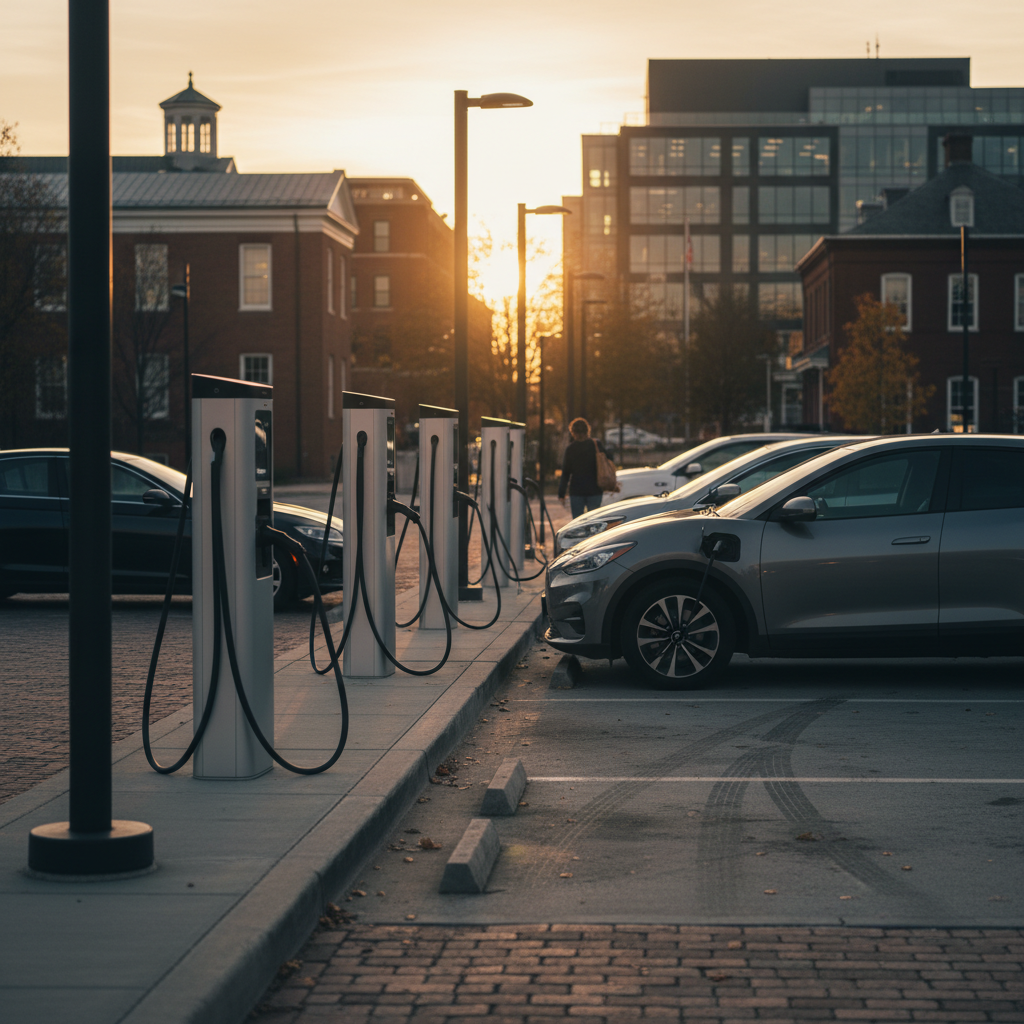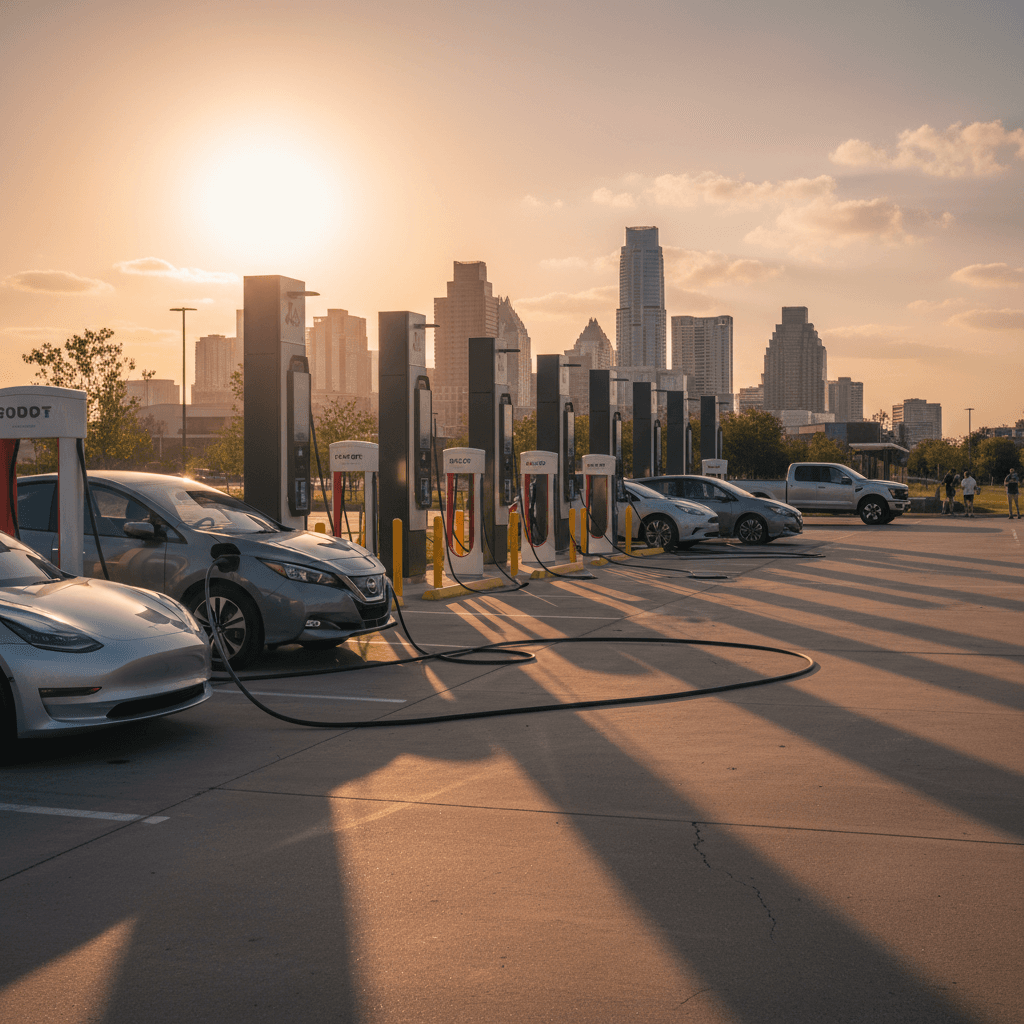
If you drive an electric vehicle in Central Texas, you’re in one of the country’s more EV‑friendly regions, but you still have to be smart about where and how you charge. In this guide to EV charging stations in Austin, TX, we’ll walk through how many chargers the city has, which networks dominate, what it costs to plug in, and how to make charging painless whether you own a new or used EV.
Austin is ahead of much of Texas
Why Austin EV charging matters in 2026
Austin isn’t just a tech hub; it’s become an EV hub too. Registrations of plug‑in vehicles in the Austin area grew by well over a third between 2022 and late 2024, and EVs account for a noticeably higher share of new registrations here than in Texas overall. That kind of growth is exactly why charging infrastructure has to keep up, especially if you live in an apartment, commute across town, or drive for rideshare.
Snapshot of Austin’s public EV charging scene
Growth doesn’t guarantee convenience
How many EV charging stations does Austin have?
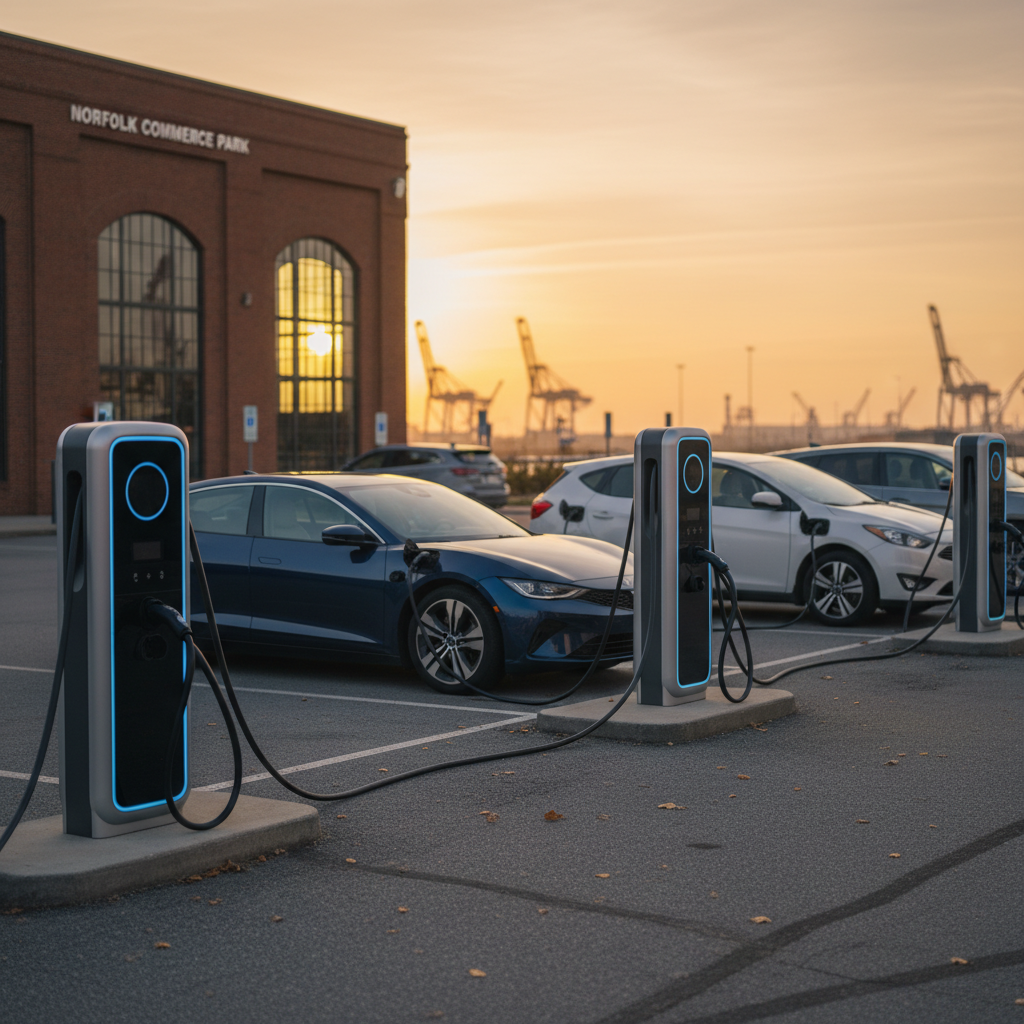
As of spring 2026, Austin has just over 700 public charging station locations and more than 1,700 individual charging ports. That includes Level 2 chargers at workplaces, parking garages, and retail centers, plus DC fast chargers along major corridors and at big shopping areas.
Zooming out to the state level, Texas has around 4,000 public EV charging locations and more than 11,000 public ports. Austin accounts for a meaningful share of that, which explains why the city routinely shows up on lists of emerging EV‑ready metros.
What counts as a “station”?
Main EV charging networks in Austin, TX
Who actually runs the chargers you’ll use?
A handful of networks handle most public EV charging around Austin.
Austin Energy / ChargePoint
Austin’s public network is anchored by Austin Energy’s Plug‑In EVerywhere program, primarily using ChargePoint hardware.
- Hundreds of Level 2 ports across the metro
- Scattered DC fast chargers at key city sites
- Historically offered subscription deals; now more pay‑per‑kWh
Tesla Supercharger & Destination
Tesla operates multiple Supercharger sites and Destination chargers at hotels and retail centers.
- Fastest, most reliable DC charging in the region
- Increasing access for non‑Tesla EVs via NACS/adapter
- Destination Level 2s ideal for overnight stays
National DC fast networks
Several national players fill in highway and retail gaps:
- EVgo sites near central destinations
- Smaller presence from Electrify America and others
- New NEVI‑funded corridors coming online through TxDOT
On paper, ChargePoint‑backed stations under the Austin Energy umbrella make up the lion’s share of public sites in the metro area. Tesla’s footprint is smaller in station count but very important for long‑distance travel thanks to its dense Supercharger network and generally excellent uptime. The remaining fast‑charging options, EVgo, Electrify America, and emerging joint‑venture networks, tend to cluster along I‑35 and major retail hubs.
Use more than one network
Types of EV chargers you’ll find in Austin
Level 2: Daily driving workhorse
Most public chargers in Austin are Level 2 stations delivering roughly 6–10 kW. You’ll find them in city garages, at parks, and at many office campuses.
- Great for topping up while you work, shop, or grab dinner
- Adds ~20–35 miles of range per hour for many EVs
- Common connectors: J1772 and increasingly NACS
For many urban and suburban drivers, a reliable mix of home and workplace Level 2 charging can cover nearly all daily miles.
DC fast charging: Road‑trip and rescue power
DC fast chargers around Austin typically range from 50 kW on older sites to 150–250 kW at newer stations and Superchargers.
- Ideal for road trips up and down the I‑35 corridor
- Useful if you can’t charge where you live
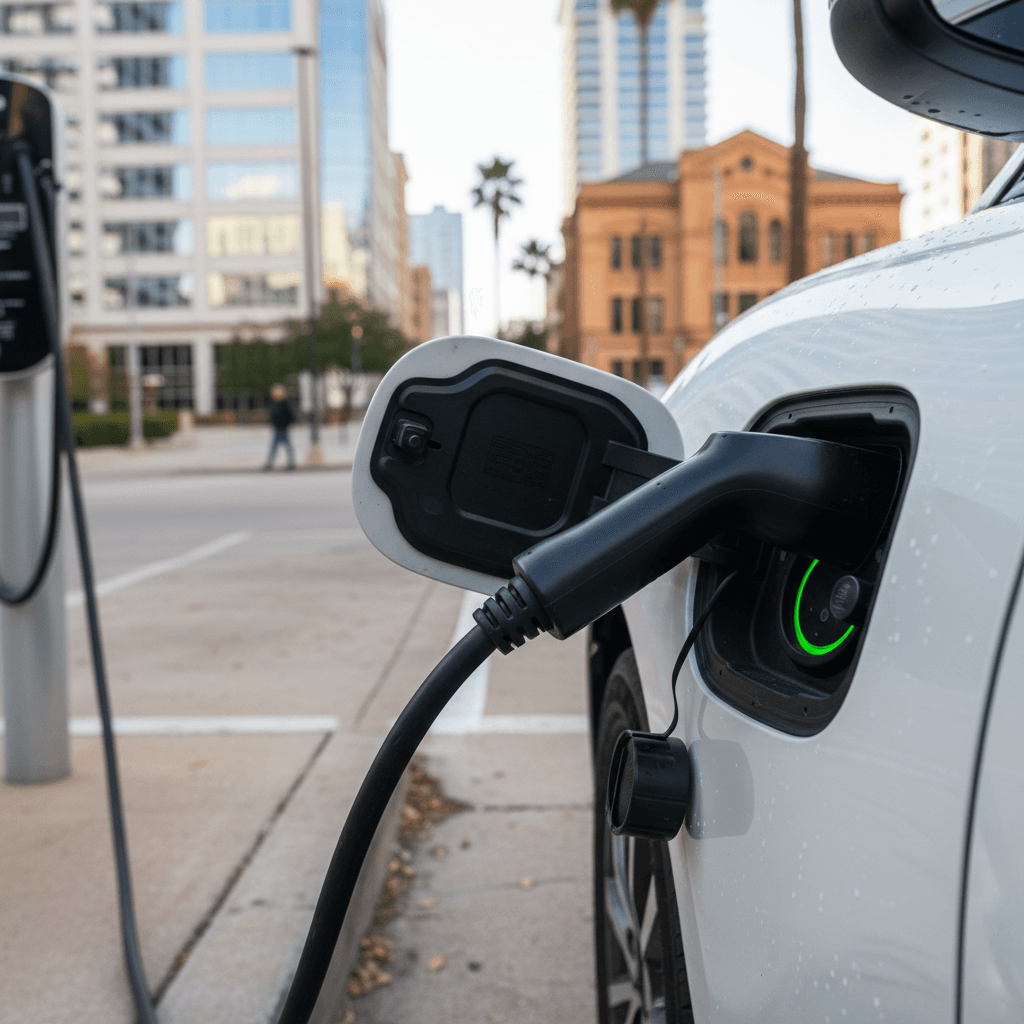
- Connectors: CCS and NACS, with CHAdeMO fading out
Expect diminishing returns above ~80% charge on most EVs, plan to unplug and move on once you’ve got enough range to reach the next stop or get home.
Watch connector compatibility
What it costs to use EV charging stations in Austin
Pricing for EV charging in Austin depends on the network, power level, and who owns the property. You’ll see a mix of per‑kWh, per‑minute, and session‑based fees. Austin Energy’s public network used to lean heavily on a flat monthly subscription, but recent regulatory changes have pushed programs closer to pay‑as‑you‑go energy pricing.
Typical EV charging costs in Austin, TX (2026)
Ballpark ranges you’re likely to see on public networks around Austin. Always check current pricing in the app before you plug in.
| Charger type / network | How it’s usually billed | Typical cost range | Best use case |
|---|---|---|---|
| Austin Energy Level 2 (ChargePoint) | Per kWh or session | Roughly $0.09–$0.20 per kWh equivalent | Daily top‑ups while working or shopping |
| Austin Energy DC fast | Per kWh or minute | Often similar or slightly above residential peak rates | Quick city boosts if you can’t charge at home |
| Tesla Supercharger (Tesla) | Per kWh, varies by time | Commonly mid‑tier vs other DC fast networks | Road trips and heavy‑use days for Tesla owners |
| Tesla Supercharger (non‑Tesla) | Per kWh, usually higher tier | Often a bit more than Tesla pricing | Emergency or highway charging for non‑Tesla EVs |
| EVgo / other DC fast | Per kWh or minute + idle fees | Competitive but site‑specific | Highway corridors and retail clusters |
Actual prices vary by site, time of day, and promotions. Treat these as directional ranges, not fixed rates.
Compare to home charging
How to find EV charging stations in Austin
The good news is that you don’t have to memorize station addresses. A handful of apps crowd‑source check‑ins, show live status, and help you filter by plug type, speed, and pricing structure.
Best tools for finding EV charging stations in Austin
Use at least one map app plus your main network apps for redundancy.
PlugShare & similar map apps
PlugShare remains one of the best big‑picture tools.
- Aggregates data from multiple networks
- User reviews reveal broken or blocked stations
- Useful for spotting new sites and amenities (restrooms, food, lighting)
Network‑specific apps
Download the apps for the networks you actually use:
- ChargePoint for Austin Energy and many workplaces
- EVgo for fast chargers around central Austin
- Tesla app if you own a Tesla or use NACS access
These apps handle activation, pricing, and payment.
Navigation & planning tools
Use your car’s built‑in route planner or apps like A Better Routeplanner for longer drives.
- Plans stops based on your range and speed
- Helps avoid low‑power or unreliable sites
- Great for I‑35 trips to Dallas, San Antonio, or beyond
Always read the recent comments
Best areas and corridors for fast charging
You don’t need a mental map of every charger in town, but it helps to know the strongest clusters of DC fast charging and mixed‑use Level 2 around Austin. Those clusters are where you’ll want to aim if you’re low on range, stuck in traffic, or juggling kids and errands.
Where fast chargers tend to cluster around Austin
Downtown & South Central
The stretch around Electric Drive, South Congress, and nearby garages has a concentration of city‑backed fast chargers and Level 2s, great if you’re heading to downtown offices, the lake, or SoCo dining.
The Domain & North Austin
The Domain and surrounding tech campuses offer multiple Level 2 options and several DC fast sites run by different networks. It’s one of the easiest places to mix shopping, food, and a fast charge.
I‑35 Corridor (Round Rock to San Marcos)
Along I‑35, you’ll find multi‑brand DC fast hubs near outlet malls, travel plazas, and newer Tesla Supercharger sites. These are key if you’re road‑tripping between Dallas, Austin, San Antonio, and beyond.
Airport & East Austin
Austin–Bergstrom International Airport and nearby lots increasingly feature Level 2 and some DC fast chargers, handy if you’re parking for a flight or picking up visitors in an EV.
Suburban retail hubs
Look for chargers at big‑box centers in Pflugerville, Cedar Park, and Buda/Kyle. These often have a mix of Level 2 and DC fast, though the number of ports per site can be small, check ahead.
Plan your stops around errands, not the other way around
Home charging and Austin Energy incentives
If you have a driveway or garage, home Level 2 charging is still the most convenient way to live with an EV in Austin. Austin Energy has offered a long‑running rebate that can cover about half the cost of a qualifying Level 2 charger and installation (up to a preset cap), provided you use a licensed electrician and pull the right permit.
- Confirm that your home’s panel and wiring can safely support a 240V circuit for a charger, your electrician can help here.
- Choose a charger on Austin Energy’s approved list if you’re applying for rebates or smart‑charging programs.
- Save receipts, permits, and inspection documents; the rebate application will ask for them.
- Ask your electrician to position the charger so the cable can reach your EV easily without running across sidewalks or tripping hazards.
Demand‑response and smart‑charging programs
Public vs. home charging in Austin: pros and cons
Public charging: flexible but inconsistent
- Pros: No need for a driveway or garage; can combine with errands; DC fast chargers get you back on the road quickly.
- Cons: Stations can be broken, blocked, or busy; pricing varies; downtown parking fees add up.
- Best for: Apartment and condo residents, visitors, and occasional long‑distance travel.
Home charging: the EV owner’s superpower
- Pros: Lowest cost per mile, plug in overnight, no waiting, easy to pre‑condition your cabin.
- Cons: Up‑front equipment and installation cost; not always possible for renters or townhomes.
- Best for: Most long‑term EV owners who have consistent access to off‑street parking.
If you’re shopping for a used EV and can choose between otherwise similar cars, prioritize the one that fits your home‑charging situation best.
If you can’t charge at home, be realistic
Charging tips for used EV buyers in Austin
Chargers are only half the story. The other half is the car you’re plugging in. When you’re considering a used EV in the Austin market, pay close attention to how its battery health, charging speed, and connector type line up with the local infrastructure you’ve just seen.
What to look for in a used EV if you’ll charge around Austin
These charging‑related checks can make day‑to‑day life much easier.
Battery health & real‑world range
Central Texas heat can accelerate battery wear over time. Look for:
- A documented history of care and charging habits
- Healthy range at 100% relative to the original spec
- Third‑party battery diagnostics where available
Every EV listed on Recharged comes with a Recharged Score that includes verified battery health to take the guesswork out.
Fast‑charging speed
For public charging in Austin, a car that can accept solid DC fast‑charge rates, especially from 10% to ~60‑70%, saves time and frustration.
- Compare peak DC rating (e.g., 100 kW vs 250 kW)
- Check if the car throttles early on long sessions
- Match capabilities with the networks you’ll actually use
Connector & adapter compatibility
With the industry migrating toward NACS, think about how your used EV will connect:
- Does it use CCS, NACS, or CHAdeMO?
- Will you need an adapter for Tesla Superchargers?
- Is that adapter officially supported?
Choosing the right connector can dramatically expand your fast‑charging options around Austin.
How Recharged can help
Ready to find your next EV?
Browse VehiclesEV charging in Austin, TX: FAQ
Frequently asked questions about EV charging in Austin
Bottom line: what to expect from EV charging in Austin
Austin is ahead of much of Texas when it comes to EV charging, but it’s not a utopia of plugs on every corner. If you understand where the strongest clusters of EV charging stations in Austin, TX are, mix home charging with carefully chosen public sites, and choose an EV whose charging hardware fits the local infrastructure, daily life with an electric vehicle here can be smooth and predictable.
Whether you’re cross‑shopping used EVs from multiple sellers or zeroing in on one specific model, it pays to think about charging early, before you sign. That’s where Recharged comes in: every used EV we list includes a Recharged Score battery health report, transparent pricing, and guidance on how that particular car will fit into your real charging life in and around Austin. If you’re ready to make an EV work here, the infrastructure is increasingly ready for you.