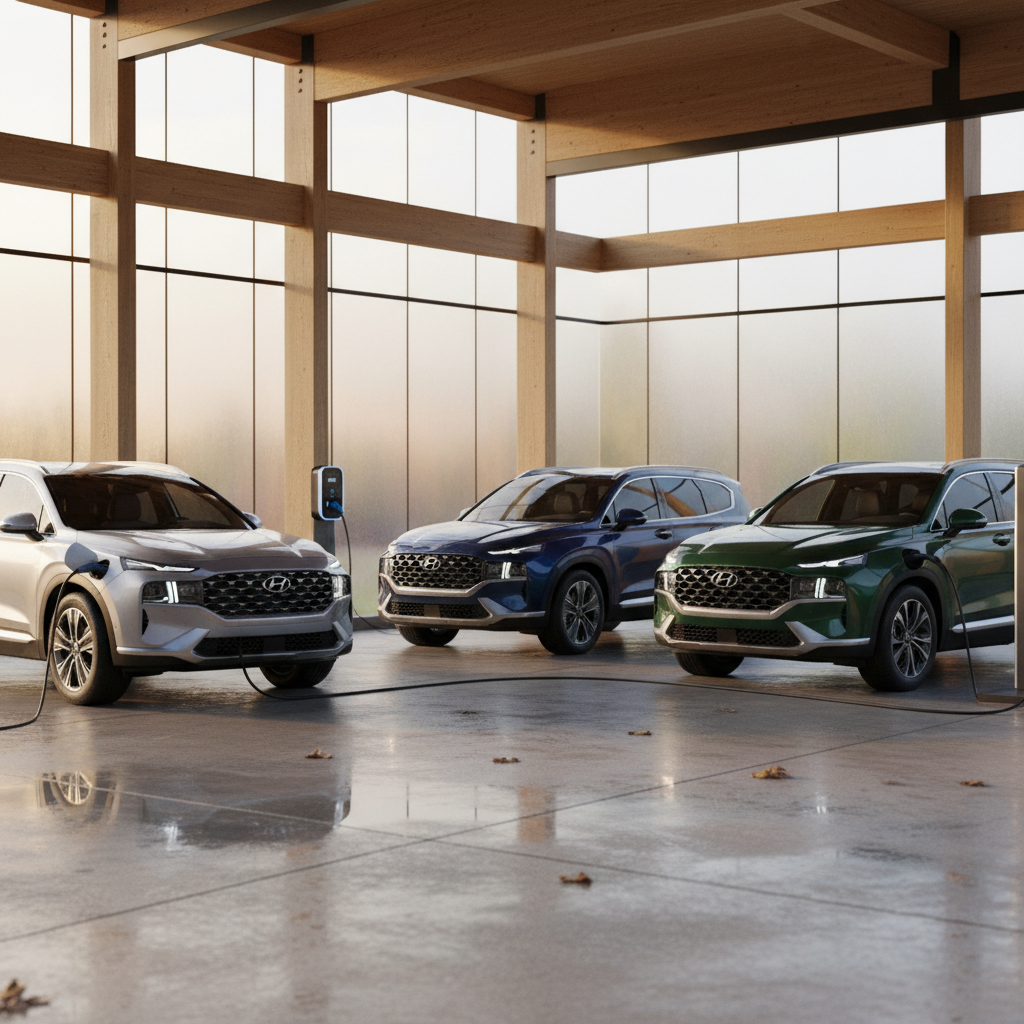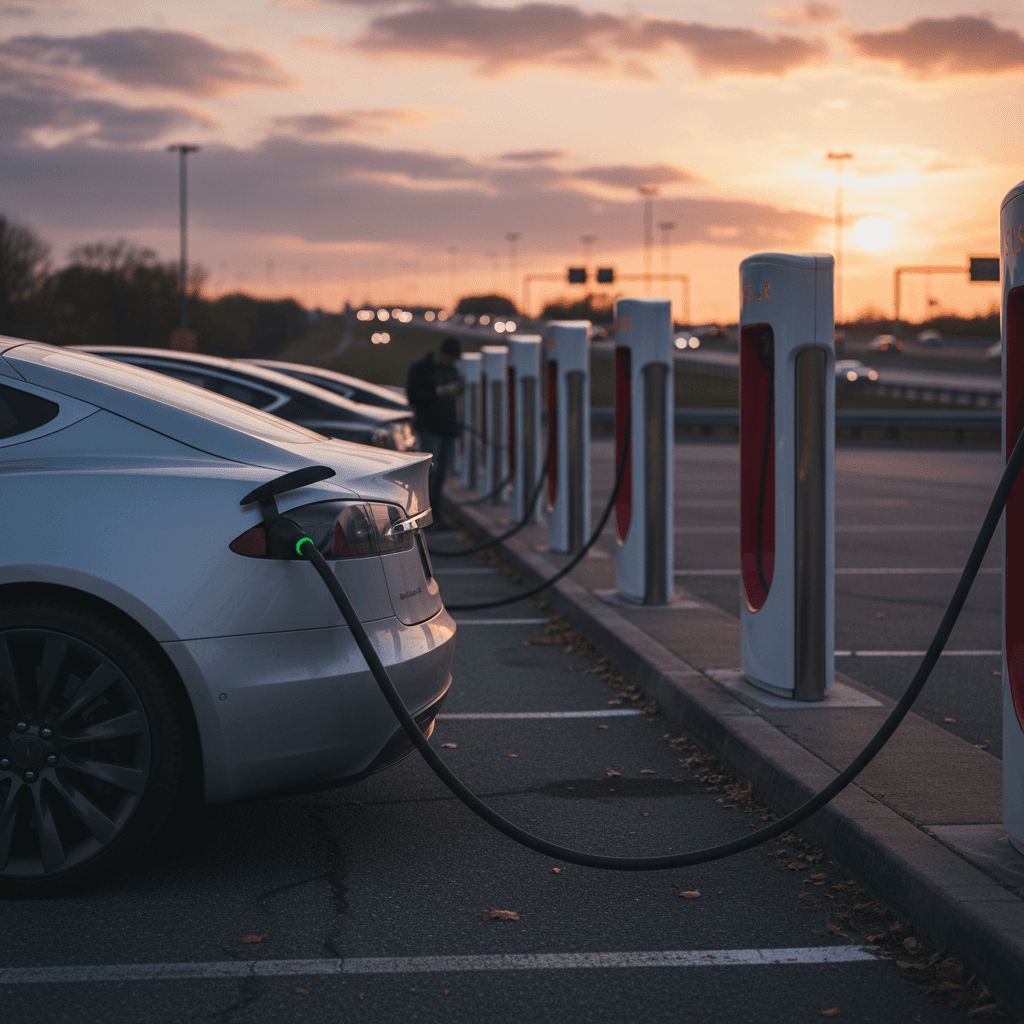
If you’ve ever pulled into a public charger, opened the wrong app, or wondered which card you actually need, you’ve already felt why EV charging partners matter. Behind the scenes, networks, automakers, and roaming hubs are stitching together deals so you can charge your electric car in more places with fewer accounts and less friction.
The big picture
Why EV charging partners matter when you charge your electric car
In the early days of EVs, each charging network was a little island. If you wanted to use ChargePoint, EVgo, or Electrify America, you created a separate account, carried separate RFID cards, and juggled multiple apps. Roaming and partnership deals are changing that model so you can access many networks through a single app or automaker ecosystem.
How partnerships expand where you can charge
Why this matters to you
The main types of EV charging partnerships
Not all EV charging partners look the same. When you zoom out, most of the action falls into three buckets: network-to-network roamingroaming hubs/aggregators, and automaker-to-network deals. Understanding the differences helps you pick the right apps and avoid surprises.
Three common EV charging partner models
Different partnerships solve different problems for drivers
1. Network-to-network roaming
Two charging networks sign a deal so you can use one account on both.
- Examples include ChargePoint–EVgo or Electrify America–EVgo roaming agreements.
- You pay through your home network’s app, even at a partner’s charger.
2. Roaming hubs & aggregators
A roaming hub connects many networks at once.
- Think of it as a universal translator between charging networks.
- One integration can unlock tens of thousands of ports across different brands.
3. Automaker charging partnerships
Your car brand negotiates access and bundles networks into its own ecosystem.
- Ford’s BlueOval Charge Network or GM’s partnerships with EVgo, Pilot/Flying J, and others are good examples.
- You often find and pay for sessions through the in-car screen or the OEM app.
Partnerships aren’t magic
How roaming between charging partners actually works
When you tap "Start charge" in your home app at a partner station, there’s a quick, invisible conversation happening between companies. One network owns and operates the charger; another network (or your automaker) handles your account and billing. Open protocols like OCPI (Open Charge Point Interface) let these systems talk to each other, confirm your authorization, and handle settlement on the back end.
From your perspective
- You open your usual app (say EVgo or your automaker app).
- You select a charger that happens to be on a partner network.
- You tap to start the session or plug-and-charge if supported.
- You get billed just like any other session in that app.
Behind the scenes
- The partner station asks, “Is this user allowed to charge?”
- Your home network responds, “Yes, and here’s how to bill them.”
- After the session, the networks settle up with each other.
- All of this runs on shared technical standards like OCPI.
Why you sometimes see duplicate stations
Major EV charging partners and networks in the US
The US public charging landscape is messy, but some patterns are emerging. Large networks are signing bilateral roaming agreements, and many now participate in roaming hubs that expose tens of thousands of charging ports through a single integration.
Examples of EV charging partner relationships
These examples show the kinds of partnerships that make roaming possible. Exact coverage changes over time, so always check your app for current networks and pricing.
| Player | Type of partner role | What it gives drivers |
|---|---|---|
| ChargePoint | Large network with roaming deals | Roaming agreements allow drivers to use partner chargers through their ChargePoint account in many locations. |
| EVgo | Fast-charging network + roaming partner | Partner roaming access to tens of thousands of L2 and DC fast chargers through a single EVgo account. |
| Electrify America | Coast-to-coast fast-charging network | Interoperability deals give some drivers seamless access without creating a separate EA account. |
| Roaming hubs (e.g., Passport Hub) | Aggregators | A single integration can expose well over 100,000 public charging ports across multiple networks. |
| FLO & SWTCH | Regional networks with roaming | Recent roaming deals let drivers on either network access tens of thousands of chargers with one app and payment method. |
Partnerships evolve quickly, treat this as a pattern guide, not a static directory.
Good news for new EV drivers
Automaker charging deals and why they matter
Automakers realized pretty quickly that selling an EV without a credible charging story is a recipe for buyer anxiety. That’s why most major brands now frame charging as part of the product: curated networks, bundled pricing, and, increasingly, access to Tesla’s Supercharger network using the NACS connector.
How automaker charging partners help you
Your brand often acts as your charging concierge
1. Bundled public networks
Ford, GM and others bundle partner networks into a single umbrella brand (like BlueOval or GM Energy).
- You see multiple partner chargers in one map.
- Sometimes you get introductory free charging or discounts.
2. Supercharger & NACS access
Most non-Tesla automakers in North America have signed deals to access Tesla’s Superchargers via the NACS connector.
- Adapters or NACS ports let you use many Supercharger sites.
- Your automaker’s app can often handle session start and billing.
3. Built-in route planning
Newer EVs integrate partner chargers into native route planning.
- Your nav suggests compatible, high-power stations along your route.
- It may preferentially surface partner networks with better pricing.
4. Simplified billing
OEM ecosystems increasingly let you pay with a card stored in your vehicle profile.
- One method for multiple networks.
- Cleaner receipts for tax or business use.
Watch the fine print
How many apps do you really need to charge anywhere?
With EV charging partners proliferating, you don’t have to install every app you see on a charger pedestal. But you also don’t want to get stranded with a dead phone and a network you can’t access. The sweet spot is usually a small toolkit that covers roaming, your automaker ecosystem, and local edge cases.
Build a simple EV charging app toolkit
1. Start with your automaker’s app
If your EV brand bundles partner networks, your OEM app is usually the best starting point. It often includes Supercharger access (via NACS), route planning, and billing in one place.
2. Add one roaming-friendly network app
Choose a widely connected network like ChargePoint, EVgo, or Electrify America. Look for roaming partnerships and a strong station footprint where you actually drive.
3. Keep a backup with good map data
A third-party app focused on station mapping and reviews can help you spot reliability issues or alternatives when your main network is busy or down.
4. Enable RFID cards or key fobs
If your preferred network offers RFID cards, keep one in the car. They’re handy when cell coverage is weak or your phone battery is low.
5. Save phone numbers for 24/7 support
If a session fails, a quick call to the network’s support line often fixes authorization or billing issues without needing a new account.
6. Periodically prune unused apps
Once you know which partners actually matter on your routes, delete redundant apps so you can find the ones that count quickly.
Think like a traveler
What charging partners mean when you’re buying a used EV
When you’re evaluating a used EV, it’s easy to focus on price, mileage, and options. But charging access, and how your car connects to EV charging partners, can shape your entire ownership experience. A great price on a used EV isn’t so great if using public charging feels like homework every time you leave your neighborhood.
Questions to ask about charging access
- Connector type: Does the car use CCS, NACS, or require an adapter for some networks?
- Automaker ecosystem: Does the OEM still actively support its charging app with partner integrations?
- Local coverage: How many fast chargers (on any partner network) are within 10–20 miles of your home and along your regular routes?
- Road-trip viability: Are there reliable, high-power chargers (including Superchargers if compatible) on the corridors you care about?
How Recharged helps you factor in charging
- Every EV on Recharged includes a Recharged Score Report with verified battery health, so you know how much real-world range you’re working with.
- Our EV specialists can walk you through local charging networks and partner coverage before you buy.
- Because Recharged is 100% focused on EVs, we can help you compare models by charging speed, connector type, and network access, not just sticker price.
Charging partners + battery health
Practical tips to make the most of EV charging partners
- Save your primary charging apps in your phone’s dock or home screen so you’re not hunting at the station.
- Create an account and add a payment method for your main network before your first road trip, not in a cold parking lot at 11 p.m.
- In each app, filter for fast chargers (50 kW+) when planning highway stops and enable roaming network visibility where available.
- Test at least one roaming session close to home so you know how it works before you depend on it on a long drive.
- If you drive a non-Tesla using Superchargers, test your NACS adapter or built-in port on a quiet day to confirm compatibility and cable reach.
- Take notes, mentally or in an app, about which networks and specific sites are reliable for you. Let that guide where you spend your time and money.
Don’t assume your old habits will work forever
EV charging partners FAQ
Frequently asked questions about EV charging partners
Key takeaways
EV charging partners are slowly turning a patchwork of logos and apps into something closer to a coherent network. For you, that means fewer accounts to manage and more places you can confidently charge your electric car, especially when your automaker, main charging app, and local networks all play nicely together.
If you’re already an EV driver, spend an hour tightening up your charging toolkit: pick a primary app, verify roaming, and test a partner session close to home. If you’re shopping for a used EV, look beyond price and range and ask how that car fits into today’s, and tomorrow’s, charging partnerships. And if you want help connecting those dots, Recharged’s EV specialists and detailed Recharged Score Reports are built to make the entire EV ownership journey, charging included, a lot simpler.