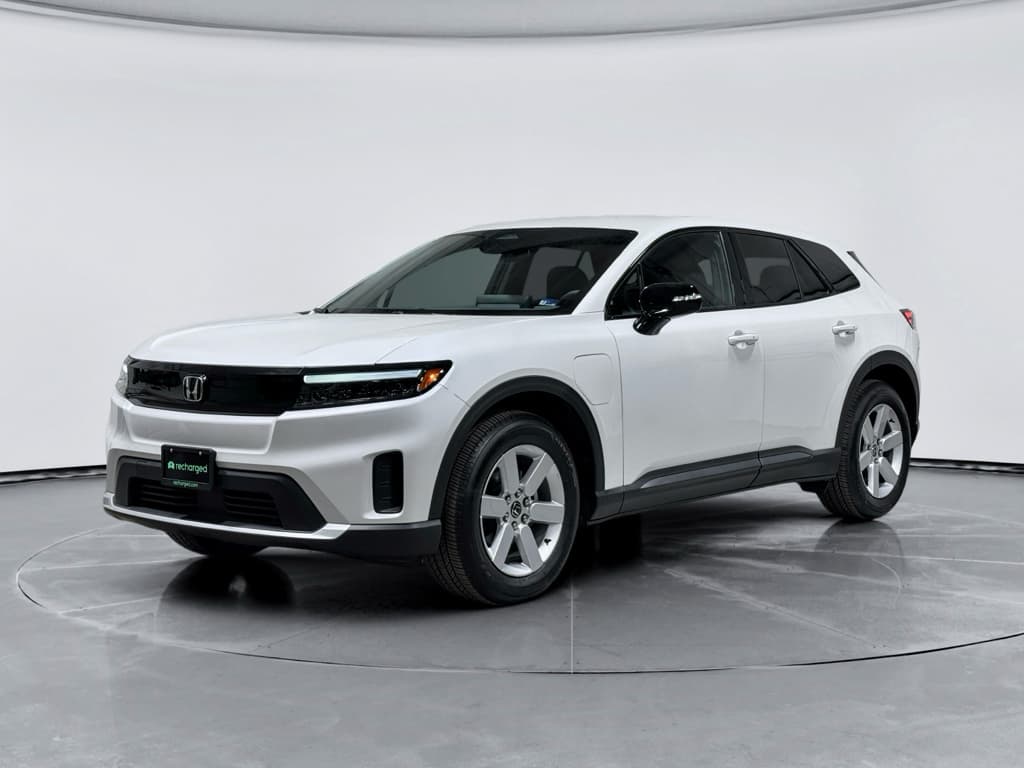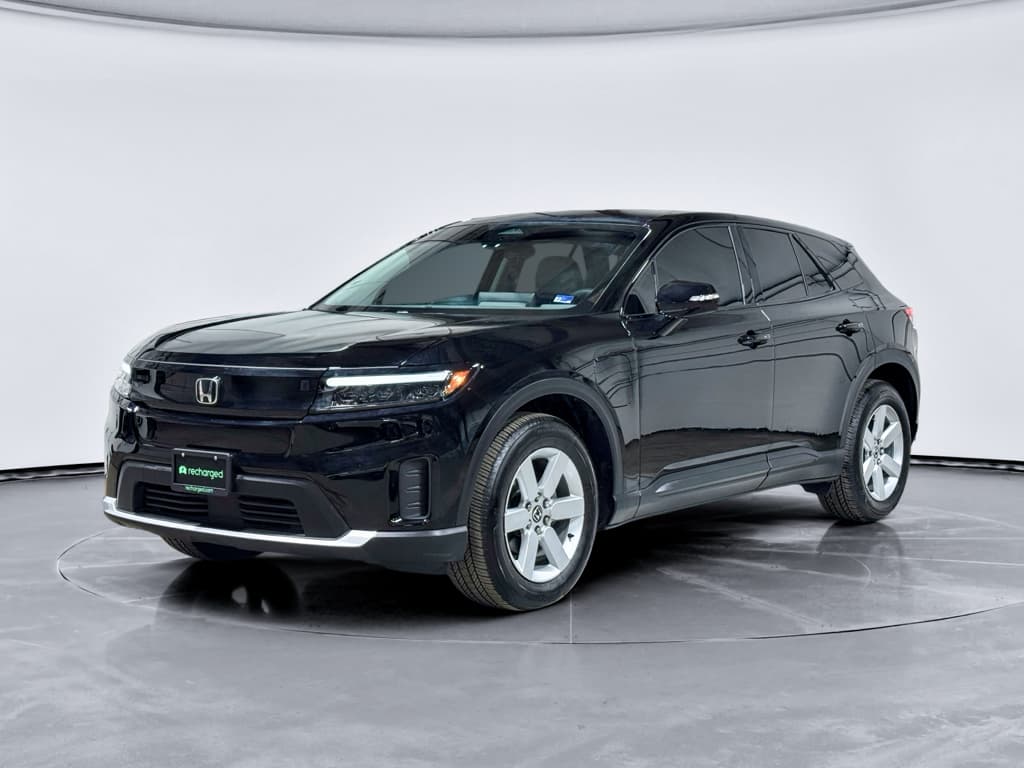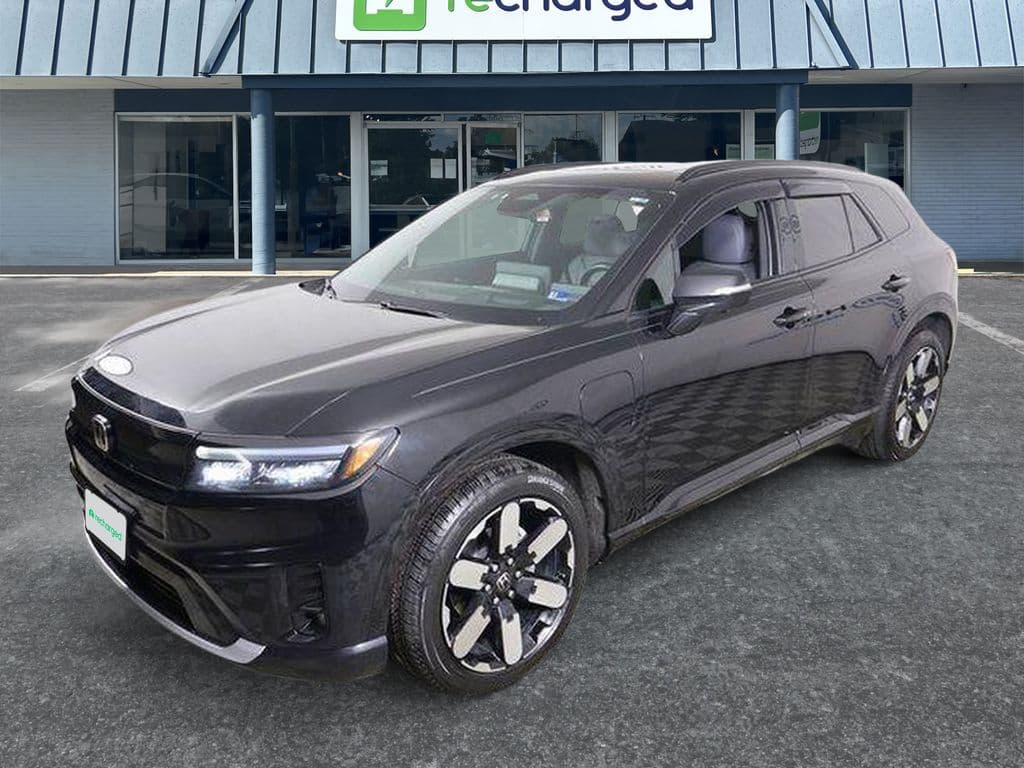
If you’re considering Honda’s all-electric SUV, it’s smart to ask how Honda Prologue value after 5 years will look. EV prices have been volatile, tax credits have changed, and several automakers have slashed MSRPs, so you don’t want to guess. You want a realistic picture of depreciation, resale value, and what could make a 5-year-old Prologue a smart buy or a bad bet.
Quick takeaway
Honda Prologue 5-year value overview
Projected 5-year value for Honda Prologue
These ranges are based on current Honda Prologue MSRPs, early used‑market signals, and broader EV depreciation studies that show battery‑electric SUVs generally losing a bit more value than comparable gas SUVs in the first 3–5 years, then stabilizing as technology and pricing mature.
What does the Honda Prologue cost new today?
To understand value after 5 years, you first need a realistic new‑car price baseline. Honda has positioned the Prologue squarely in the mid‑size electric SUV segment alongside the Tesla Model Y, Hyundai Ioniq 5, Kia EV6 and Chevrolet Blazer EV.
Recent Honda Prologue pricing snapshots
Approximate MSRPs for new Honda Prologue models in the U.S. before destination, taxes, and options. Actual transaction prices vary by dealer, incentives, and model year.
| Model year | Trim | Approx. MSRP when new | Notes |
|---|---|---|---|
| 2024 | EX | ≈ $48,000–$49,000 | Launch year; eligible buyers could stack federal tax credits when available. |
| 2024 | Touring | ≈ $52,000–$53,000 | More comfort and tech features; similar battery and performance. |
| 2024 | Elite | ≈ $57,000–$58,000 | Top trim, standard AWD, more equipment. |
| 2025 | EX | ≈ $47,400+ | Range and power bumps with no base price increase announced. |
| 2026 | Lineup | MSRP cuts up to ≈ $7,500 | Honda responded to loss of federal credits and EV price pressure with broad price reductions. |
Use these MSRPs as the starting point when estimating 5‑year value.
Why MSRP history matters
How much is a Honda Prologue worth after 5 years?
No one can quote an exact number for a future used car, but we can set **reasonable bands** based on today’s prices, early used listings, and what we’re seeing across the EV market. Think in terms of “value kept” (percentage of MSRP) and real‑world resale ranges.
Three 5-year value scenarios for a Honda Prologue
Best, base, and worst cases based on current EV trends
Conservative / Base case
Depreciation: ~50–60% loss in 5 years
Value kept: ~40–50% of original MSRP
Example: A $52,000 Prologue Touring ends up worth about $23,000–$26,000 after 5 years and ~60,000 miles, with solid battery health and normal wear.
Optimistic case
Depreciation: ~45–50% loss in 5 years
Value kept: ~50–55% of original MSRP
Example: A $48,000 Prologue EX that benefits from strong demand, limited supply, and clean history could still retail near $25,000–$27,000 at 5 years.
Aggressive / Downside case
Depreciation: ~60–65% loss in 5 years
Value kept: ~35–40% of original MSRP
Example: A $55,000 Elite driven hard, with heavy DC fast‑charging and looming tech obsolescence, might retail closer to $19,000–$22,000 after 5 years.
That spread, roughly the mid‑$20,000s to low‑$30,000s for many Prologues after 5 years, is similar to what we’re already seeing as early Prologue leases approach turn‑in and as other mid‑size EV SUVs hit the 4‑ to 5‑year mark.
How to use these ranges
Why EVs depreciate differently than gas SUVs
EV-specific depreciation pressures
- Fast tech cycles: Battery chemistry, range, and charging speeds improve quickly, so a 5‑year‑old EV can feel “older” than a 5‑year‑old gas SUV.
- Price corrections: As automakers chase volume, they’re cutting new‑EV prices and discounting leases, which drags down used values faster than usual.
- Tax credit whiplash: When federal or state incentives appear or vanish, effective transaction prices swing thousands of dollars, reshaping used values overnight.
Where the Prologue has an edge
- Honda brand trust: Honda’s reputation for long‑term reliability helps reassure used buyers, even though the Prologue is a newer EV nameplate.
- Practical packaging: A roomy mid‑size SUV with straightforward controls tends to age better than niche body styles.
- Shared Ultium platform: Being built on GM’s Ultium architecture means parts and service know‑how should be more available as the used market matures.
Historically, pure battery EVs have lost more value in their first 3–5 years than comparable gas SUVs, but the gap is narrowing as EVs become mainstream and infrastructure expands. The Prologue benefits from Honda’s conservative approach and familiar SUV format, which should support demand on the used side.
Factors that help or hurt Honda Prologue resale value
Key drivers of Honda Prologue value after 5 years
What future buyers and dealers will look at first
1. Mileage and use profile
EV shoppers watch mileage closely because it’s a quick proxy for battery wear and tear. A 5‑year‑old Prologue with ~50,000–60,000 miles will generally be easier to sell, and hold more value, than one with 90,000+ miles.
2. Service and charging history
Documented maintenance, software updates, and sensible charging habits (mix of home Level 2 and occasional DC fast‑charging) are a plus. Sparse records or evidence of constant fast‑charging can weigh on price.
3. Warranty coverage
Honda’s battery warranty runs longer than the basic bumper‑to‑bumper coverage. A 5‑year‑old Prologue that still has **several years of battery warranty left** is more attractive than one that’s just aged out.
4. Battery health score
Real‑world buyers increasingly expect **independent battery diagnostics**. A strong battery health report can separate your Prologue from other used EVs that only quote odometer miles.
5. Trim, features and range
Higher‑range configurations and desirable features (heated seats, driver‑assist tech, AWD in certain climates) support stronger demand. Niche combinations, or low‑range variants, tend to lag in resale.
6. Charging ecosystem & incentives
As more networks support NACS and DC fast‑charging spreads, range anxiety fades. But if incentives or energy rates in your state make ownership costs spike, that can still pressure used EV values.
Battery health and 5-year value on the Prologue
On any used EV, the **single most important asset is the battery pack**. Two Prologues with the same model year and miles can have very different real‑world range and value depending on how they were charged, driven, and stored.
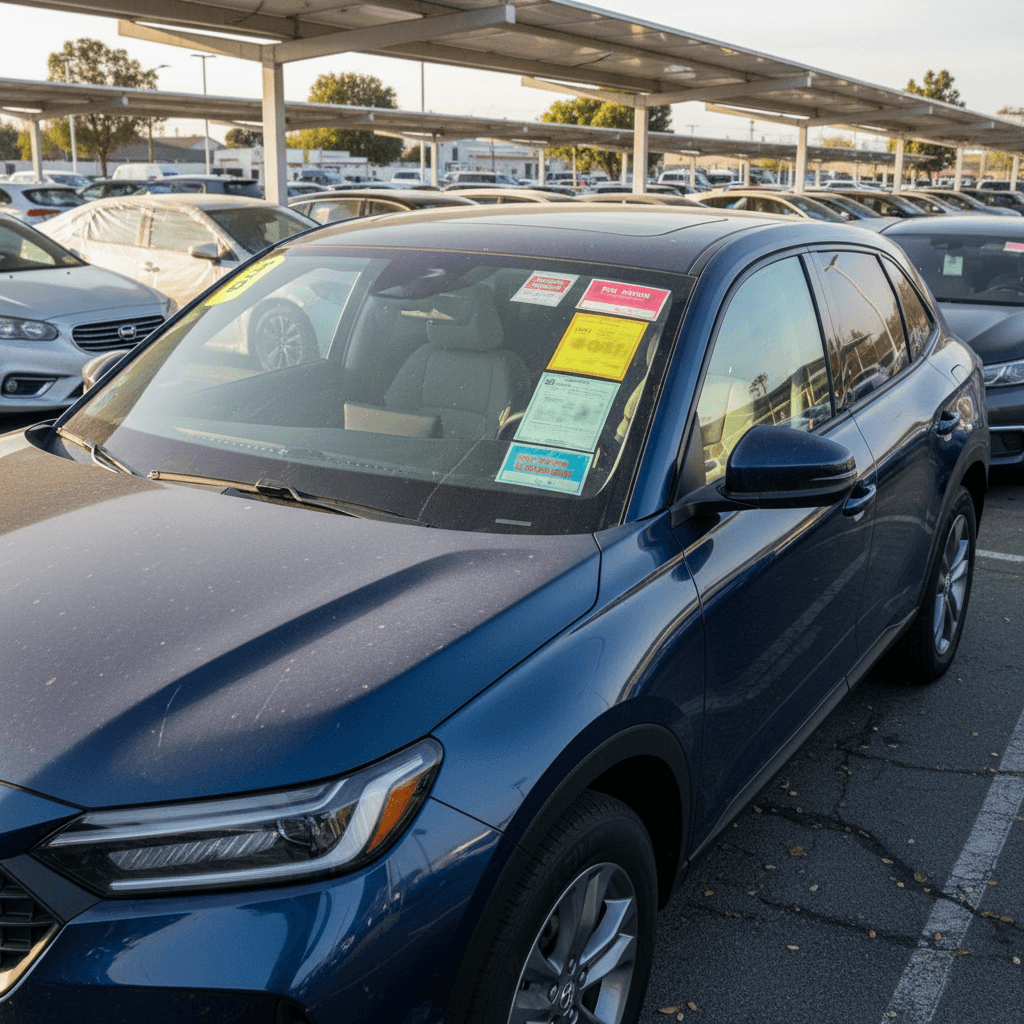
How battery condition shapes Honda Prologue value after 5 years
1. State of health (SoH) percentage
A diagnostic scan can estimate remaining usable capacity as a **percentage of original**. A Prologue that still tests near 90% of original capacity at 5 years will command meaningfully more than one sitting in the low 80s or below.
2. Fast-charging vs. home charging mix
Occasional DC fast‑charging is fine, but a history of daily max‑power fast‑charging can accelerate degradation. Buyers will pay more for a Prologue that spent most of its life on Level 2 home or workplace charging.
3. Climate and storage conditions
EV batteries age faster in extreme heat, especially if parked outside at high state‑of‑charge. Prologues from mild‑climate, garage‑kept homes generally hold range, and value, better over 5 years.
4. Software and recall history
Up‑to‑date software and documented completion of any battery‑related campaigns or recalls give buyers confidence. Gaps here can translate directly into lower offers.
5. Independent battery health report
A third‑party report like the <strong>Recharged Score</strong> rolls battery diagnostics, range testing, and market pricing into one document. That transparency can help your Prologue sell faster and closer to asking price.
Where Recharged fits in
Ready to find your next EV?
Browse VehiclesHow the 2025–2026 price cuts affect future value
Honda has already adjusted Prologue pricing, including meaningful cuts as federal EV tax credits changed and competition intensified. That’s great news if you’re buying new in 2025–2026, but it has ripple effects for **5‑year depreciation math**, especially for early adopters who paid more in 2024.
- If you bought a 2024 Prologue at or near original MSRP, your 5‑year depreciation could land closer to the **aggressive/downside** scenario because the market will anchor to today’s lower new prices.
- If you buy a 2025–2026 Prologue after the price cuts, your effective “starting point” is lower, so holding **45–50% of value at 5 years** becomes more realistic.
- Used‑market shoppers in 2030+ will likely compare 2026 Prologue prices to then‑current EVs, not to the inflated launch‑year stickers. That compresses values for older, higher‑MSRP builds.
Watch out for underwater loans
Is a 5-year-old Honda Prologue a good buy?
Fast‑forward to around 2030: you’re looking at a 2025 Prologue that’s now 5 years old. Whether it’s a smart purchase comes down to **battery health, price relative to newer EVs, and your own driving pattern**.
When a 5-year-old Prologue makes a lot of sense
- You’re upgrading from an older gas SUV and drive 10,000–12,000 miles a year, mostly in town.
- The Prologue still delivers **range that comfortably covers your daily routine** with margin for cold weather.
- A trusted report (like a Recharged Score) shows strong battery health, clean history, and realistic pricing versus peers.
- You plan to keep it another 5–7 years, spreading out upfront depreciation.
When you might want to walk away
- The asking price is only slightly below **newer, longer‑range EVs** with faster charging and fresher tech.
- Battery diagnostics show noticeable capacity loss, yet the seller is pricing it like a low‑mileage cream puff.
- You live in an area with **limited public charging** or very high electricity costs, making the value equation tougher.
- You need reliable long‑distance road‑trip capability several times a month.
Compare against more than just MSRP
How to protect your Honda Prologue’s value
If you already own, or plan to buy, a Prologue, you can’t control the entire EV market. But you can do a lot to land in the **better half of that 5‑year value range**.
Owner playbook: Keep your Honda Prologue valuable at year five
1. Charge smart, not just fast
Rely on **Level 2 home or workplace charging** for day‑to‑day needs. Reserve DC fast‑charging for road trips and occasional top‑ups. Avoid sitting at 100% charge in hot weather for long periods.
2. Stay on top of software and service
Install over‑the‑air updates promptly and follow Honda’s service recommendations. Keep receipts and records, future buyers and appraisers will reward a well‑documented EV.
3. Keep cosmetic wear in check
Curb rash, dings, and a worn interior all chip away at resale. Fix small issues early and keep the cabin clean; EV shoppers tend to be picky because many EVs are used as family vehicles.
4. Track your battery health
Get a **battery health check** every couple of years. Even if you’re not selling yet, you’ll spot issues early and have data ready when it’s time to trade in or list the vehicle.
5. Time your sale strategically
If a major Prologue refresh or range jump is rumored, selling <strong>before</strong> those hit showrooms can help you avoid a sudden step‑down in used values.
6. Consider specialist marketplaces
When it’s time to sell, platforms that understand EVs, like Recharged, can surface more informed buyers and reflect your Prologue’s true battery condition in the price, not just the odometer reading.
How Recharged can help
FAQ: Honda Prologue value after 5 years
Frequently asked questions about Honda Prologue 5-year value
Bottom line: Is the Honda Prologue a safe 5-year bet?
If you’re buying or leasing today and thinking ahead to **Honda Prologue value after 5 years**, the outlook is cautiously positive. Like most EVs, the Prologue is likely to shed more value in its first 3–5 years than a comparable gas Honda SUV, but strong battery health, Honda’s brand equity, and maturing charging infrastructure should keep it from falling into the worst‑case depreciation bucket.
Your experience will ultimately hinge on **how you buy, how you charge, and where you sell**. Shop with realistic 5‑year value bands in mind, lean on independent battery diagnostics, and use EV‑savvy marketplaces like Recharged when it’s time to move on. Do that, and the Prologue can be a comfortable, practical electric SUV that still makes financial sense long after the new‑car smell fades.