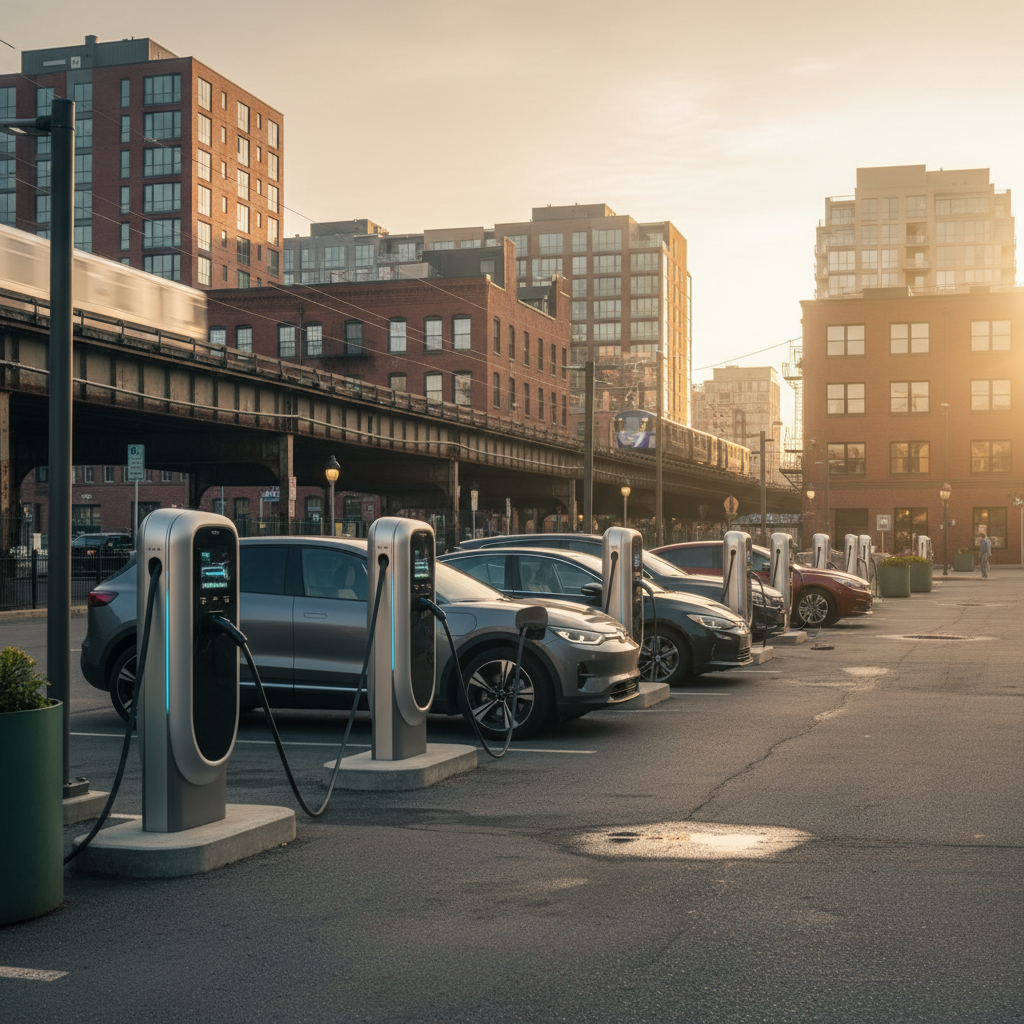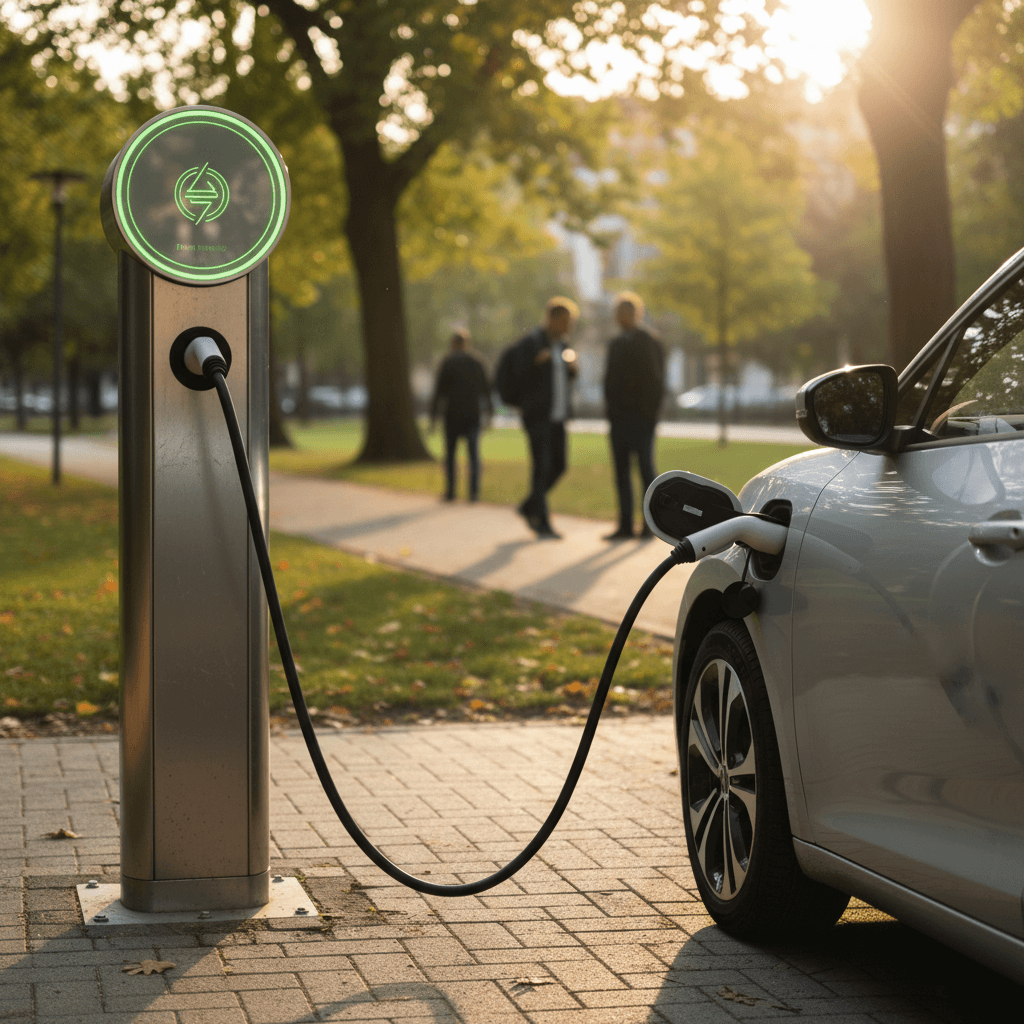
If you drive an electric car in Southern California, you’re already ahead of the curve, but you still need to know exactly where to plug in. The good news: there have never been more EV chargers in Los Angeles, and there are pockets of genuinely free charging stations in Los Angeles if you know where to look. This guide cuts through the noise so you can spend less time hunting for plugs and more time actually driving.
LA is at the center of California’s charging boom
Why EV chargers in Los Angeles matter in 2025
Los Angeles is both an EV leader and a test case for the rest of the country. Long commutes, dense neighborhoods, and high housing costs create a perfect storm: lots of electric cars, but not everyone can install a home charger. That makes reliable public EV charging in Los Angeles essential, not a nice‑to‑have.
EV charging by the numbers: California & LA context
The headline takeaway: LA is rich in chargers overall but patchy at the neighborhood level. Knowing where the strong corridors are, and where the gaps still exist, will help you avoid the most frustrating kind of range anxiety: sitting in traffic on the 405 while your battery estimate drops faster than your ETA.
The current EV charging landscape in Los Angeles
Where LA’s public charging lives today
Think in corridors and clusters, not just individual stations.
Freeways & commuter corridors
Most DC fast chargers are clustered along:
- I‑5, I‑10, I‑405, US‑101 and SR‑60
- Key exits near malls, big box stores, and food courts
- Major gateways like the Grapevine and Inland Empire
Retail & lifestyle centers
Level 2 and some DC fast:
- Westfield malls, The Grove, Americana at Brand
- Big box clusters (Target, Walmart, Costco)
- Downtown LA parking structures and office garages
Public agencies & campuses
City, county, and university sites often host:
- Level 2 chargers for staff and visitors
- Some free or discounted sessions
- Parking rules that vary by facility
Behind much of this build‑out are the local utility and city departments. The Los Angeles Department of Water and Power (LADWP) has layered generous rebates for commercial and public chargers on top of statewide programs, encouraging employers, schools, and property owners to install more plugs. Meanwhile, LADOT is working with private partners to expand curbside Level 2 charging in dense neighborhoods where garages are rare.
Coverage isn’t equal across LA County
How to find EV chargers in Los Angeles (apps & maps)
Because LA’s charging mix is fragmented, multiple networks, different access rules, the right apps are as important as the right cables. You’ll want at least one general map and the apps for the networks you use most.
Must‑have tools to locate EV chargers in Los Angeles
Use at least one map plus your favorite networks’ apps.
1. Aggregator apps
These show multiple networks on one map:
- PlugShare – community reviews & photos
- A Better Routeplanner (ABRP) – trip planning with charging stops
- Chargeway – color‑coded by speed and plug type
2. Network apps
Install the apps you’ll actually use:
- Electrify America, EVgo, ChargePoint
- Volta, Blink, FLO, Shell Recharge and more
- Each app handles pricing, activation and receipts
3. Automaker & in‑dash navigation
Many newer EVs integrate:
- Live charger availability into the nav system
- Battery‑aware routing for DC fast charging
- Preferred network filters and payment
Before you drive to a charger in LA, always check…
Confirm plug type compatibility
Make sure the station has the connector you need (CCS, NACS/Tesla, J1772). If you rely on an adapter, double‑check it’s in the car.
Filter by speed and price
In apps like PlugShare or network apps, use filters for minimum kW and max price per kWh so you don’t end up at a slow, and expensive, charger.
Check recent check‑ins or photos
Look for check‑ins within the last week. Stale reports can hide broken hardware or new parking restrictions.
Review parking rules & hours
Downtown LA garages and some city lots charge separate parking fees or close overnight even if the charger looks “available” on the map.
Have a backup within 5–10 miles
Assume at least one charger on your plan will be busy, offline, or ICEd. Mark a Plan B and Plan C on your route.
Pair apps with payment cards
Fast charging in LA: DC fast hubs and key corridors
DC fast chargers are the closest thing to a gas station experience for EV owners, especially critical if you live in an apartment or drive for work. Los Angeles has several high‑density clusters of fast chargers that matter if you’re road‑tripping or working rideshare.
Representative DC fast charging corridors in Greater Los Angeles
These areas regularly show multiple fast‑charging options; always verify details in a live app before you drive.
| Area / Corridor | Typical Location Types | Why It Matters | Common Networks |
|---|---|---|---|
| Downtown LA & Arts District | City garages, retail parking, office towers | Core work and nightlife hub; key for drivers without home charging | EVgo, ChargePoint, Tesla Supercharger (NACS) |
| Westside & Santa Monica | Malls, grocery plazas, beachfront parking | Tourism, shopping, and dense apartment neighborhoods | Electrify America, Volta, Tesla |
| San Fernando Valley (Van Nuys, Sherman Oaks, Burbank) | Big box plazas, dealer clusters, transit hubs | Heavy commuter traffic plus studio workers and airport proximity | EVgo, ChargePoint, Tesla |
| South Bay (Torrance, El Segundo, Hawthorne) | Corporate campuses, strip malls, Supercharger sites | Aerospace & tech corridor; close to LAX and major freeways | Tesla, Electrify America, Shell Recharge |
| Inland corridors (Pomona, Ontario, Riverside gateways) | Outlet malls, highway rest stops, truck‑adjacent plazas | Key bridge between LA and Inland Empire road trips | Electrify America, ChargePoint, Tesla |
Not an exhaustive list, think of this as a starting map of where DC fast charging tends to cluster.
Don’t count on a single DC fast charger
Free charging stations in Los Angeles: What’s real and where to look
“Free charging” in LA comes with a lot of asterisks. Some sites offer free electricity but charge for parking. Others subsidize a limited number of hours, then switch to paid rates or idle fees. There are also time‑limited pilots and grant‑funded programs that can disappear quietly when budgets change.
Where free or discounted charging tends to show up
- Municipal and utility sites: City facilities, park‑and‑ride lots, and some utility headquarters have historically offered free or low‑cost Level 2 charging during business hours.
- Retail promos: Shopping centers sometimes offer free Level 2 charging to attract customers, especially if the charger is located far from the prime parking spots.
- Universities and hospitals: Some campuses provide free or discounted charging for staff and visitors in designated lots.
- New curbside pilots: Curbside charging projects in Koreatown and other dense neighborhoods may offer introductory pricing, off‑peak discounts, or free overnight sessions when they first launch.
How to actually confirm free charging before you plug in
- Use filters in PlugShare or similar apps to show locations tagged as free or low‑cost.
- Check network app pricing pages, Volta, for example, has traditionally focused on ad‑supported or discounted Level 2 sessions at retail sites.
- Look for recent user reviews; prices can change faster than the signage.
- On arrival, always read the on‑site placards and parking signs before you plug in. Some “free” chargers are actually free only for the first 1–2 hours, or only with validation.
Example: Downtown LADWP HQ
Questions to ask yourself before chasing free charging in LA
Will parking cost more than the electricity?
Downtown garages that advertise free charging can still cost $20+ to park. If your EV is efficient, a paid charger in a cheaper lot may save money overall.
Is there a strict time limit or idle fee?
Free charging with a 2‑hour limit and aggressive idle fees can get expensive fast if you’re late back to the car.
Is this a long‑term perk or a short pilot?
Retail and curbside pilots often start free, then switch to paid models. Don’t build your routine around a temporary promotion.
Is the site convenient to anything you actually need to do?
Tacking on a 30‑minute drive each way just to get free electrons can easily erase the value of the deal in time and energy.
Cheap vs free: Building a smart LA charging strategy
In practice, the smartest LA drivers don’t obsess over finding every free station. They build a hybrid strategy: cheap home or workplace charging for most miles, well‑chosen public sessions for road trips and heavy‑use days, and occasional free charging when it fits their schedule.
When to prioritize cheap over free
- Home off‑peak charging: With time‑of‑use rates, overnight charging from a 240V outlet is often dramatically cheaper per mile than public fast charging.
- Reliable workplace charging: A modest per‑kWh fee at work can be worth paying for consistent access and good locations.
- Well‑priced DC hubs: Paying market rates at a multi‑stall DC site is usually cheaper, and far less stressful, than hunting for a single free Level 2 in an unfamiliar neighborhood.
When free charging makes real sense
- You’re already paying for parking (for a show, sporting event, or work) and charging is included or discounted.
- You can charge while doing something you’d do anyway, shopping, dining, or working remotely.
- You’re stretching range on a road trip and a free Level 2 stop aligns with a planned meal or sightseeing break.
Rule of thumb for LA EV drivers
Apartments, condos, and workplace charging in LA
LA’s housing stock is heavy on multi‑unit buildings, which makes at‑home charging tricky. That’s where workplace and shared parking chargers step in. The upside: in many office towers and newer apartment complexes, charging is subsidized or priced below nearby public rates.
If you can’t install a home charger, here are your best bets
Combine building, workplace, and public options.
Ask about building upgrades
Many property owners don’t realize there are rebates for installing Level 2 chargers in multi‑unit buildings. Ask your landlord or HOA to explore LADWP and LA County programs that offset installation costs.
Leverage workplace charging
Even one or two days a week of workplace charging can drastically cut what you spend on public DC fast charging, and it’s typically priced more gently.
Create a weekly charging routine
Pick specific days and locations for regular top‑ups (for example, Tuesdays at work and Saturdays at a Level 2 station near your grocery store). Routine beats last‑minute panic charging.
Don’t be shy about incentives
Key LADWP and county programs EV drivers should know
While you may never fill out a rebate application yourself, understanding the programs behind LA’s charging network helps you advocate for better options where you live and work.
Representative programs shaping LA’s charging build‑out
Programs change over time; always check official sites for current terms. Use this as a roadmap for what’s possible.
| Program / Sponsor | Who It’s For | What It Helps Pay For | Why It Matters to Drivers |
|---|---|---|---|
| LADWP Commercial EV Charger Rebate | Businesses, multifamily buildings, fleets | Level 2 and DC fast charger hardware and installation costs, with higher incentives in disadvantaged communities | Encourages more chargers at apartments, offices, and fleet depots across the LADWP territory. |
| LA County Public Power‑Up | Cities, school districts, public agencies in disadvantaged communities | Technical support and no‑cost installation of public Level 2 chargers at civic locations | Creates free or low‑cost public charging in neighborhoods that historically had few options. |
| Private curbside charging partnerships | LADOT with companies such as curbside charging providers | Curbside Level 2 ports on residential streets and near small businesses | Brings charging directly to the curb in dense, garage‑poor neighborhoods like Koreatown. |
| Utility EV rate plans (LADWP & others) | Residential and commercial customers | Time‑of‑use rates that make overnight charging cheaper than daytime | Keeps home or workplace charging costs low so you rely less on expensive public DC charging. |
These incentives mostly target property owners and public agencies, not individual drivers, but they directly affect where chargers show up.
Program details change, focus on the pattern
Buying a used EV in LA? Charging questions to answer first
Los Angeles is one of the most active used‑EV markets in the country. That’s good news for shoppers, you can find everything from used Teslas to older Leafs and Bolts. But in a city this spread out, charging should be one of your top pre‑purchase questions, not an afterthought.
Charging questions to ask before you sign for a used EV in LA
Where will I charge 80% of the time?
Home, work, nearby Level 2, or a mix? If you don’t have an answer, pause the purchase until you do.
Is my building or workplace likely to add chargers?
If you rent, ask about plans and mention the existence of local rebates. If you own, talk to your HOA or board.
Is the car’s plug type future‑proof for me?
Most newer EVs either use NACS (Tesla) or come with adapters. Older CHAdeMO‑only cars can be cheap upfront but more limiting on longer trips.
What’s the real‑world range with LA driving?
Stop‑and‑go traffic, hills, and AC use all impact range. Use a realistic commute and weekend pattern to estimate your needs.
How healthy is the battery?
Battery health affects how often you’ll need to charge and whether your favorite stations are within comfortable reach.
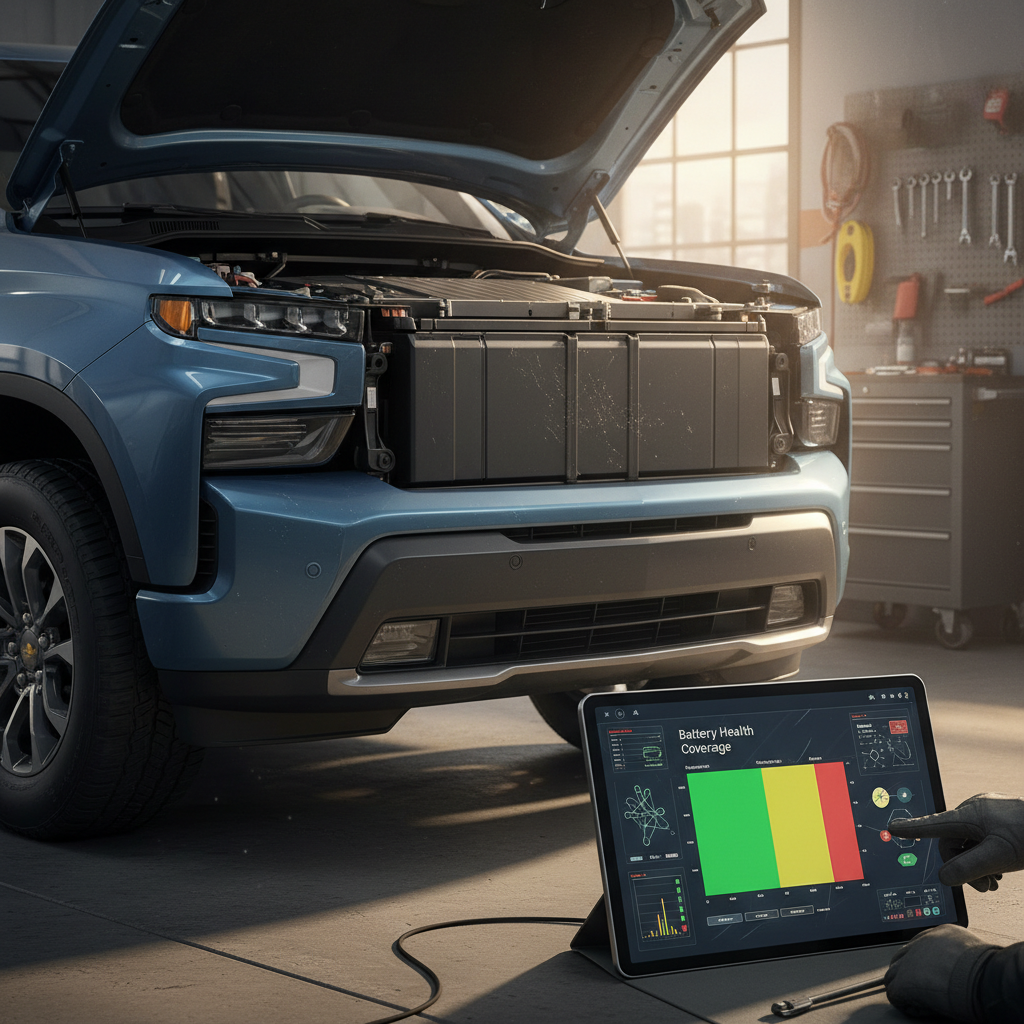
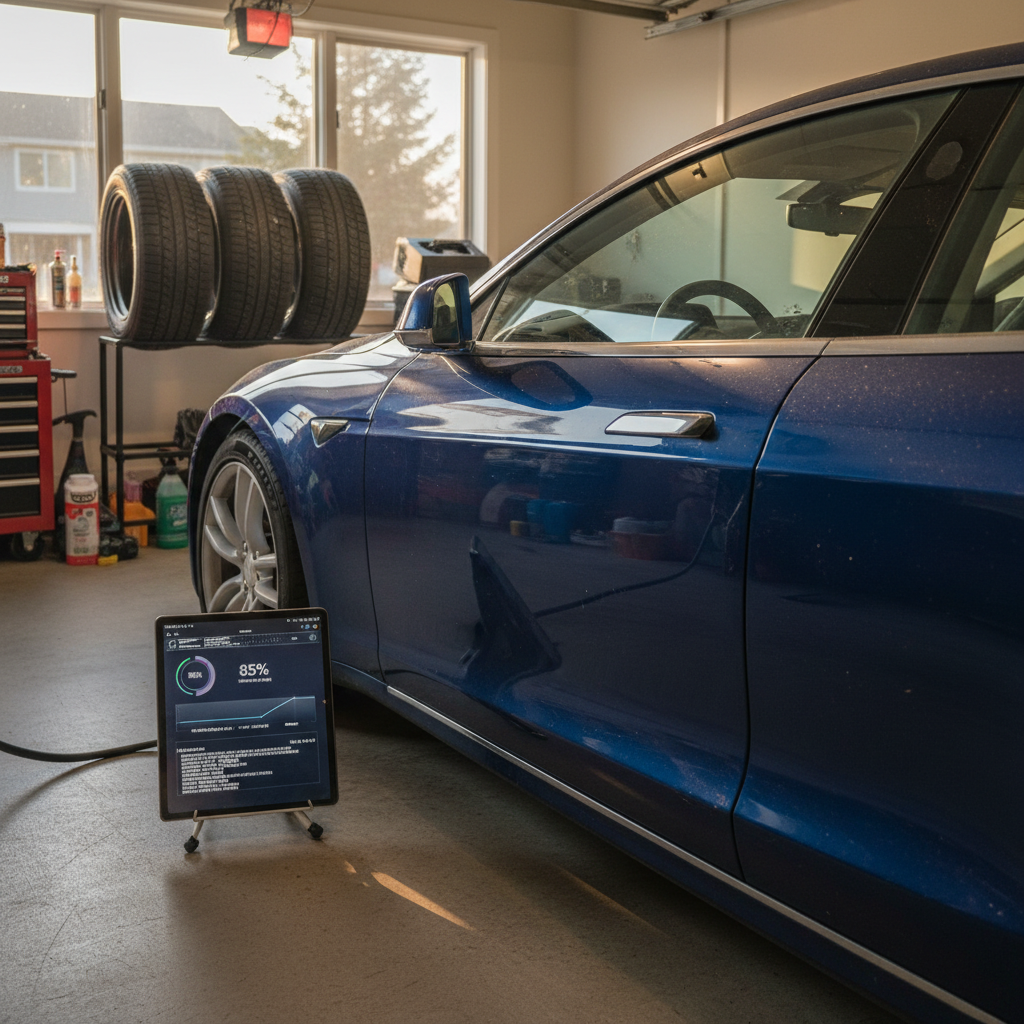
Every vehicle listed on Recharged comes with a Recharged Score Report that includes a verified view of battery health plus fair market pricing and expert guidance. That’s especially useful in LA, where a tired battery can turn a seemingly good deal into a commuter’s headache if you’re constantly chasing chargers across town.
How Recharged can help LA buyers
Ready to find your next EV?
Browse VehiclesEV chargers Los Angeles & free stations: FAQ
Frequently asked questions about EV chargers and free stations in Los Angeles
The bottom line on EV chargers and free charging in Los Angeles
Los Angeles has become one of the easiest places in the U.S. to own an electric vehicle, and one of the most complex when it comes to choices. There are plenty of EV chargers in Los Angeles, from curbside Level 2 ports in dense neighborhoods to high‑power DC hubs along the freeways. Truly free charging stations in Los Angeles exist, but they’re scattered, rule‑bound, and often temporary. Focus on building a charging routine that leans on cheap, predictable options, home, workplace, or regularly used public stations, and treat free charging as a bonus, not a backbone. If you’re shopping for a used EV, pair that strategy with a car whose battery health, plug type, and range fit LA’s sprawl, and you’ll be well positioned to enjoy the city’s EV advantages without getting stranded between exits.