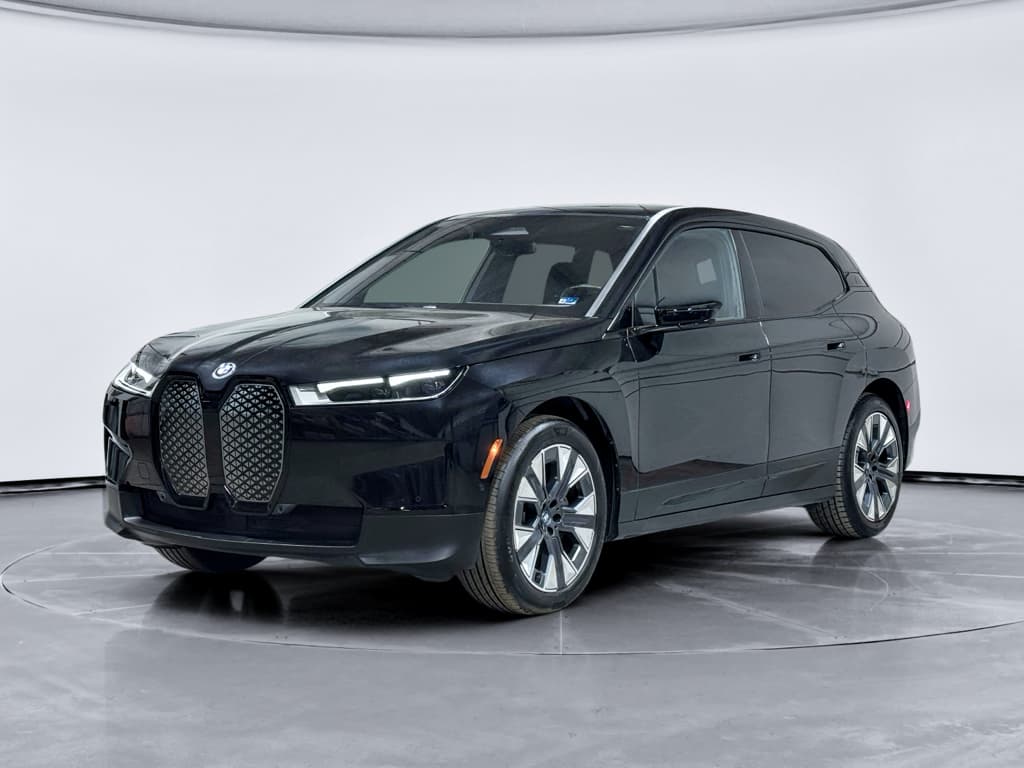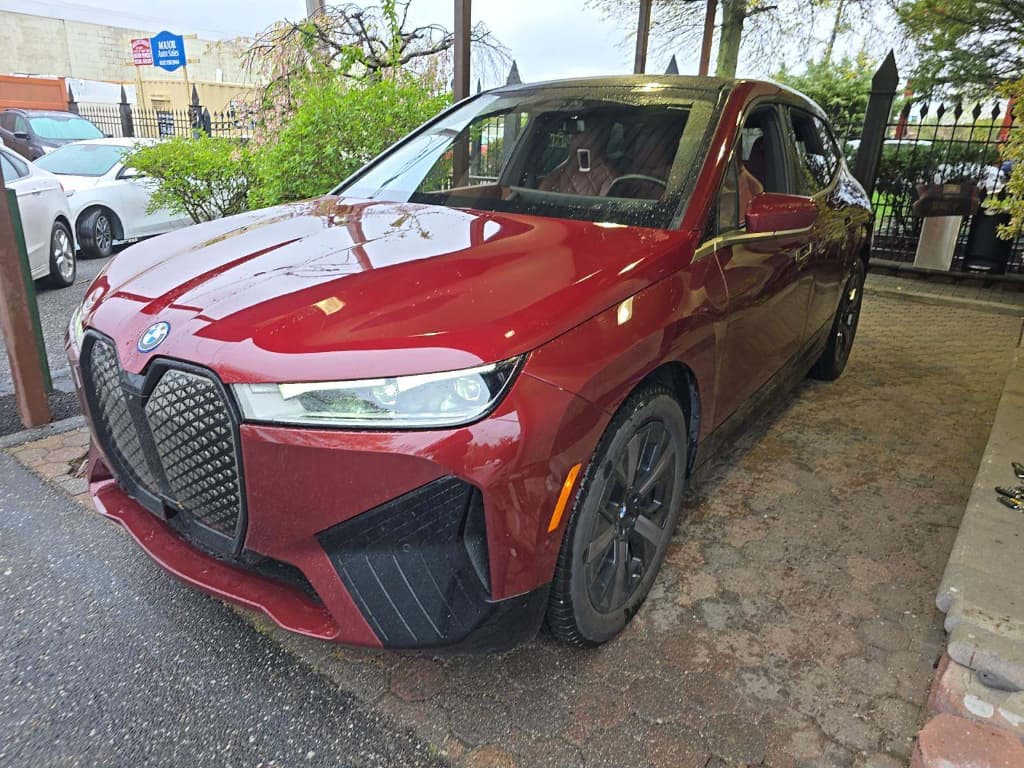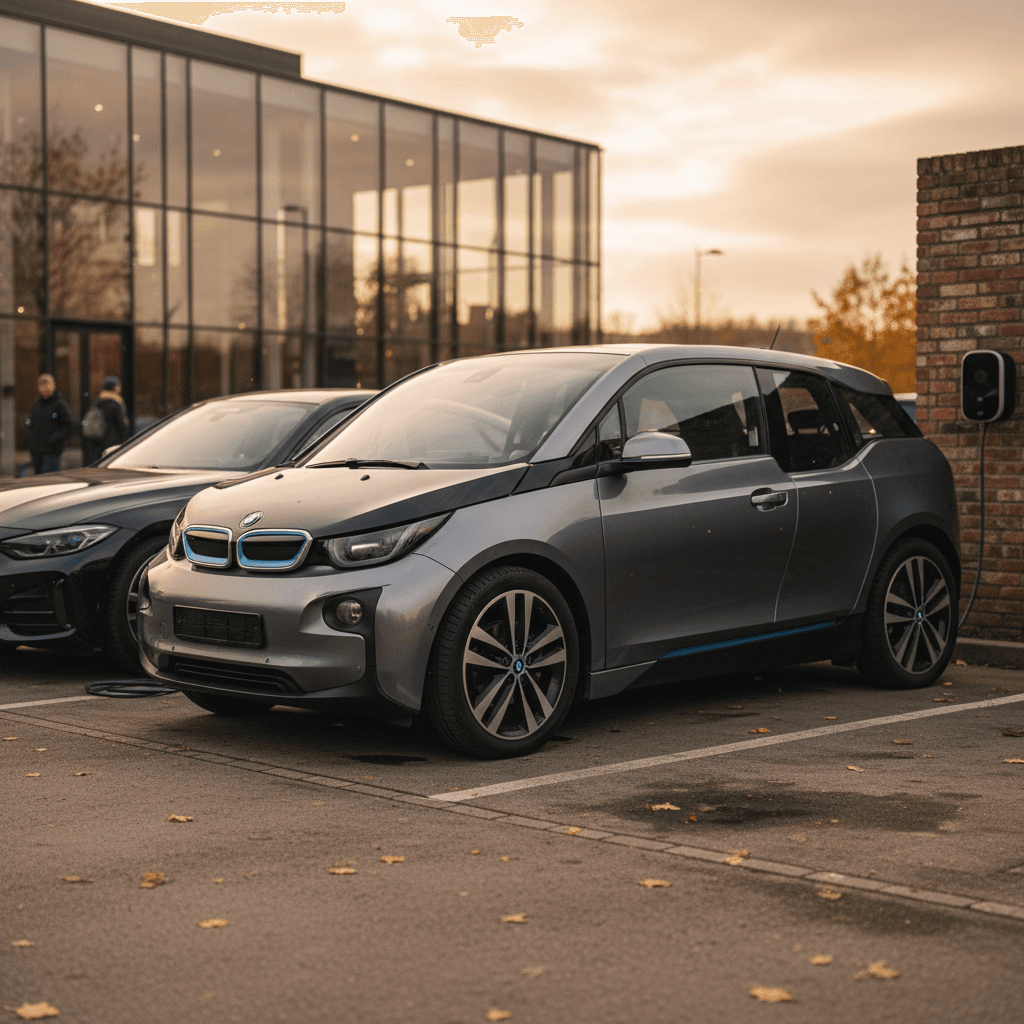
Search for EV BMW car battery replacement and you’ll find horror stories: BMW i3 owners staring at $30,000+ quotes, iX packs priced like small houses, and plenty of anxiety about what happens when the battery finally gives up. The truth is more nuanced, and a lot less terrifying, if you understand how BMW EV batteries actually age, how warranties work, and what smart alternatives you have before you ever pay for a full pack.
Key takeaway up front
Why BMW EV Battery Replacement Sounds So Scary
Let’s start with the elephant in the room: those viral BMW i3 battery quotes. Some owners have reported dealer estimates over $30,000, with extreme outliers north of $60,000 for a full high‑voltage pack plus related components. Those numbers make it feel like one bad cell could total your car overnight.
- Luxury-brand parts pricing: BMW positions its EVs as premium products, and the parts catalog reflects that.
- Pack complexity: The i3, i4, and iX use high‑voltage, liquid‑cooled battery systems that require careful handling and dedicated tooling.
- Dealer-only mindset: Many dealers quote a brand‑new pack from BMW plus labor, instead of exploring module repair or refurbished options.
- Low-volume early EVs: The i3, in particular, was built in relatively small numbers, so OEM parts pricing never really benefited from huge scale.
Sticker shock vs. real risk
How Long Do BMW EV Batteries Really Last?
BMW uses high‑voltage lithium‑ion packs in its EVs and plug‑in hybrids. Like most EV batteries, they’re designed to last well over a decade. BMW dealers commonly cite a 10–20 year life expectancy for the battery pack under normal use, and that lines up with broader EV data showing modern packs holding up far better than early skeptics predicted.
BMW EV Battery Life at a Glance
Battery degradation isn’t linear. The first few percent sometimes disappear quickly, then the curve flattens. That’s why plenty of early BMW i3s still drive fine today: they may have lost some range, but not enough to justify a five‑figure replacement. For most drivers, other things, like suspension wear, tech obsolescence, or simply wanting a newer car, show up before the battery truly becomes unusable.
How to extend your BMW EV battery’s life
BMW EV Battery Warranty: What’s Actually Covered
If you’re shopping BMW EVs, your first line of defense against big battery bills is the factory warranty. Details vary slightly by model year, but broadly speaking, BMW offers an 8‑year / 80,000‑mile high‑voltage battery warranty on many EVs and plug‑in hybrids, covering defects in materials and workmanship.
- Coverage period: Commonly 8 years / 80,000 miles for the high‑voltage battery on many BMW EVs sold in the U.S. (always confirm for your specific VIN).
- What’s covered: Failures due to defects, cells or modules that go bad prematurely, internal faults, and some severe capacity losses if BMW agrees they’re defect‑related.
- What’s not: Normal gradual degradation. A 15–25% range loss over many years is usually considered normal wear, not a warranty event.
- CARB states twist: In California and other CARB states, some BMW range‑extended i3 models qualify for up to 10‑year / 150,000‑mile coverage as PZEVs, which has saved some owners from huge bills.
Don’t assume degradation alone is covered
Real BMW EV Battery Replacement Costs by Model
Let’s talk real numbers. EV pricing is moving quickly, but recent data and owner reports give us a reasonable 2025 snapshot of what an EV BMW car battery replacement might cost in the U.S. once you’re out of warranty. These are ballpark figures, not quotes, parts pricing, labor, and taxes vary widely by dealer and region.
Typical Out-of-Warranty BMW EV Battery Replacement Cost Ranges
Approximate full pack replacement costs, excluding taxes and related repairs. Actual quotes can be higher, especially at BMW dealers, and labor costs often add $1,000–$3,500.
| BMW EV model | Battery size (approx.) | Typical full-pack replacement range | Notes |
|---|---|---|---|
| BMW i3 (all-electric) | 22–42 kWh | $12,000–$20,000+ | Independent estimates often around $13,500; some dealer quotes have exceeded $30,000 on older cars. |
| BMW i3 REx (range-extender) | 22–42 kWh | $12,000–$20,000+ | Same pack as i3 BEV; some REx models have extended CARB-state coverage up to 10 yrs / 150k miles. |
| BMW i4 (eDrive40 / M50) | ~83.9 kWh | $13,000–$18,000 | Industry analysts estimate mid‑teens for a full pack; most i4s are still under warranty today. |
| BMW iX (xDrive50, etc.) | ~100+ kWh | $20,000+ | Large, premium pack, OEM pricing can be very high, especially through dealers. |
| BMW plug‑in hybrids (e.g., 330e, X5 xDrive45e) | Smaller packs | $3,000–$8,000 | Hybrid packs are smaller and usually cheaper, but still several thousand dollars installed. |
Use these numbers as directional guidance, not guaranteed prices.
Why ranges vary so much
A closer look at BMW i3 replacement costs
The i3 is the poster child for confusing battery pricing. Third‑party analyses put a typical replacement around $13,000–$16,000 for the pack itself, while some dedicated BMW EV shops report $5,000–$7,000+ for a full replacement using newer or refurbished packs. At the same time, there are documented dealer quotes of $30,000–$70,000 that include every conceivable part and a brand‑new OEM pack at list price.
The reality for a savvy owner usually lands somewhere in the middle: if your i3 is out of warranty and the pack truly fails, you’ll likely be weighing a $10,000–$15,000 repair at a specialist, a less‑expensive module repair, or simply moving on from the car.
Why Some BMW i3 Battery Quotes Hit $30,000+
Those jaw‑dropping estimates you see on forums usually share a few traits: out‑of‑warranty cars, high dealer labor rates, and a service department that’s only comfortable installing a brand‑new pack straight from BMW’s parts catalog.
- Full pack vs. module repair: Many dealers won’t open a pack to replace only the failed modules, they swap the whole thing.
- OEM list price: For low‑volume early EVs, the list price on a new pack can exceed the resale value of the car.
- Bundled parts: Quotes can include coolant lines, wiring, brackets, and high‑voltage safety hardware, not just the battery.
- Risk pricing: High‑voltage work requires training and liability coverage, which shows up in the shop rate.
Why a second opinion matters
Signs Your BMW EV Battery Might Need Repair or Replacement
Most BMW EVs will slowly lose range over time without ever needing a new pack. But there are warning signs that deserve attention, especially as the car ages past its battery warranty.
- Noticeable, sudden range loss: You’re seeing 30–40% less range than you did a year or two ago, not just 5–10%.
- Uneven or unpredictable state-of-charge (SoC): The gauge jumps from 40% to 5%, or the car shuts down with charge still showing.
- Charging issues: The car refuses to fast charge, charges extremely slowly, or stops charging before hitting the target.
- Repeated error messages: High‑voltage system faults, battery warnings, or reduced‑power (“limp mode”) that keep returning even after resets.
- Age and mileage: You’re beyond the 8‑year / 80,000‑mile battery warranty (or 10 / 150k in CARB cases) and new symptoms are appearing.
What to Do If You Suspect a Battery Problem
1. Document symptoms
Write down dates, range estimates, photos of the dash, and when problems occur (cold weather, DC fast charge, etc.). This helps any technician, and strengthens your case with BMW if you’re near warranty limits.
2. Scan for error codes
Have the car scanned with BMW‑compatible diagnostic tools. Generic OBD-II readers often miss high‑voltage battery codes.
3. Check warranty status
Confirm in writing whether your car is still within BMW’s high‑voltage battery coverage, and ask the dealer to test capacity if you suspect severe degradation.
4. Get a written estimate
Insist on an itemized parts and labor estimate. You need to see what’s truly being replaced before you can compare options.
5. Seek a second opinion
Talk to an independent EV‑savvy shop. In some cases a failing module, contactor, or control unit, not the entire pack, is the actual culprit.
Your Replacement Options: Dealer, Independent, or Refurbished
If you’re past warranty and staring at an EV BMW car battery replacement, you’re not limited to one path. Each option trades money, convenience, and risk a little differently.
Three Common Paths to BMW EV Battery Repair
The right choice depends on your budget, risk tolerance, and how long you plan to keep the car.
BMW dealer replacement
Pros:
- Genuine BMW parts and procedures
- Warranty on the repair
- Clean, one‑shop solution
Cons:
- Usually the most expensive option
- Dealers often replace the entire pack, even if a module is at fault
- Older i3 quotes can exceed the car’s value
Independent EV specialist
Pros:
- More likely to offer module‑level repair
- Can source refurbished or salvage packs
- Labor rates may be lower than a BMW dealer
Cons:
- Quality varies, vet shops carefully
- Warranty terms may be shorter or more limited
- Availability depends heavily on your region
Refurbished or upgraded pack
Pros:
- Can dramatically cut costs vs. new BMW pack
- Sometimes increases usable range with newer cells
- Better fit for older i3s whose market value is modest
Cons:
- Condition and source of pack are critical
- May not be BMW‑approved
- Resale value impact depends on buyer expectations
Match the repair to the car’s value
Planning Ahead: If You Own (or Want) a BMW EV
You don’t need to fear BMW EV batteries, but you do need a plan. Whether you’re already driving an i3 or you’re eyeing an i4 or iX on the used market, a few decisions up front can save you thousands later.
Already own a BMW EV?
- Track range over time: A simple note in your phone after long drives can tell you if capacity is slipping.
- Know your warranty dates: Put reminders in your calendar 6–12 months before the high‑voltage warranty expires.
- Stay current on software: BMW updates can affect charging behavior and battery management.
- Consider selling or trading before major coverage ends if you don’t want long‑term risk.
Shopping for a used BMW EV?
- Look for documented battery tests or health reports.
- Check in‑service date, not just model year, to understand warranty time remaining.
- Walk away from cars with unexplained range loss or persistent high‑voltage faults.
- Favor sellers who can show you real battery data, not just a full dashboard gauge.
Think total cost of ownership, not just price tag
Why Used BMW EVs With Verified Battery Health Make Sense
If all this talk about EV BMW car battery replacement has you thinking, “Maybe I’ll let somebody else roll those dice,” you’re not wrong. One of the smartest moves in 2025 is buying a used BMW EV where the battery’s condition is already known, objectively, not just by a seller’s reassurance.
That’s exactly the gap Recharged was built to fill. Every EV on the platform, including BMW models like the i3 and i4, comes with a Recharged Score Report that includes verified battery health, fair‑market pricing, and expert guidance from an EV‑specialist team. Instead of hoping the pack is fine, you see measured capacity and real‑world range up front.
How Recharged Helps You Avoid Battery Surprises
If you’re worried about long‑term battery risk, the right used car, and the right partner, can make all the difference.
Verified battery diagnostics
Fair market pricing
End‑to‑end EV support
Ready to find your next EV?
Browse VehiclesTurn battery anxiety into leverage
FAQ: BMW EV Battery Replacement
Frequently Asked Questions About EV BMW Car Battery Replacement
A BMW EV battery is the single most expensive component in the car, but it’s also one of the most durable. Most owners will never pay for a full pack replacement, and the ones who do usually landed there without a plan: no warranty coverage, no health data, and no sense of what the car was really worth before the failure. If you understand how long these batteries last, what they cost, and how to buy used BMW EVs with verified battery health, you can enjoy the way these cars drive without constantly worrying about the big bill that might be lurking down the road.