If you’re considering a used 2019 Tesla Model X, you’ve probably heard stories about door glitches, screen failures, and big battery questions. The truth sits somewhere between the horror stories and the hype. The 2019 Model X does have some recurring issues, but it also benefits from Tesla’s long battery warranty, over-the-air software updates, and a lot of early-production bugs already ironed out.
Quick take
Should you worry about 2019 Tesla Model X problems?
The 2019 Tesla Model X sits at an interesting point in the lineup’s history. Many of the worst early-production issues from 2016–2017 (severe falcon door misalignment, massive wind noise, frequent drive-unit swaps) were already improved by 2019. At the same time, the car still uses hardware and software generations that can suffer from screen failures, door and latch glitches, and premature suspension wear if the car has led a hard life.
Instead of asking, “Is the 2019 Model X reliable?” a better question is, “Which problems are realistic and how do I screen for them?” When you approach it that way, the 2019 Model X can be a very compelling used EV, especially if you choose a vehicle with documented service history and a verified, healthy battery.
2019 Model X reliability snapshot
2019 Tesla Model X reliability at a glance
Where the 2019 Model X is strong
- Battery & drive unit: The large pack and dual-motor setup have proven robust when properly maintained.
- Over-the-air updates: Software refinements have improved efficiency, Autopilot behavior, and infotainment stability compared with launch firmware.
- Charging infrastructure: Access to Tesla’s Supercharger network remains a big plus on long trips.
- Safety: Top-tier crash test ratings and advanced active safety systems.
Where issues tend to show up
- Electronics: Central screen (MCU) glitches, instrument cluster lag, and occasional camera or sensor errors.
- Doors & latches: Falcon Wing doors and power front doors can misalign, squeak, or fail to latch/close smoothly.
- Suspension: Clunks, creaks, or premature wear in air suspension components, especially on higher-mileage or heavy-use vehicles.
- Build quality: Panel gaps, wind noise, and minor water leaks on some examples, typically fixable but annoying.
Used-buying mindset
Most common 2019 Model X problems
Key 2019 Model X problem categories
What owners and service centers see most often
MCU & screen glitches
The main touchscreen (MCU) can freeze, reboot, or develop yellowing at the edges. Earlier Tesla infotainment units were known for eMMC memory wear that could trigger repeated reboots or slow performance. By 2019, many of the worst issues had been mitigated, but you can still see:
- Sluggish screen response or random reboots
- Frozen rear camera or maps
- Cosmetic yellow border around the screen
Minor glitches may be addressed with software updates or a soft reset; severe failures may require MCU replacement, which can be costly out of warranty.
Doors, handles & latches
The Model X’s party trick, its Falcon Wing doors, adds complexity. Common complaints include:
- Doors not opening fully or detecting false obstructions
- Squeaks and rattles at low speeds
- Front doors or trunks misaligned, needing adjustment
Most of these issues are nuisances, not safety problems, but diagnosis can be time-consuming. Well-documented service history for door adjustments is a good sign a prior owner stayed on top of things.
Suspension wear & noises
Like other heavy, powerful EV SUVs, the Model X can be hard on its air suspension and control-arm bushings. Owners report:
- Clunks or creaks over bumps
- Uneven tire wear
- Compressor noise or slow height adjustments
Some parts fall under basic warranty coverage; others become out-of-pocket items over time. A noisy suspension during a test drive deserves a closer look on a lift.
Beyond these big three categories, 2019 Model X owners also mention occasional issues with window regulators, interior trim rattles, and cosmetic paint or clear-coat concerns, similar to what you’ll see in many premium SUVs once they’re several years old.
Watch out for crash or flood history
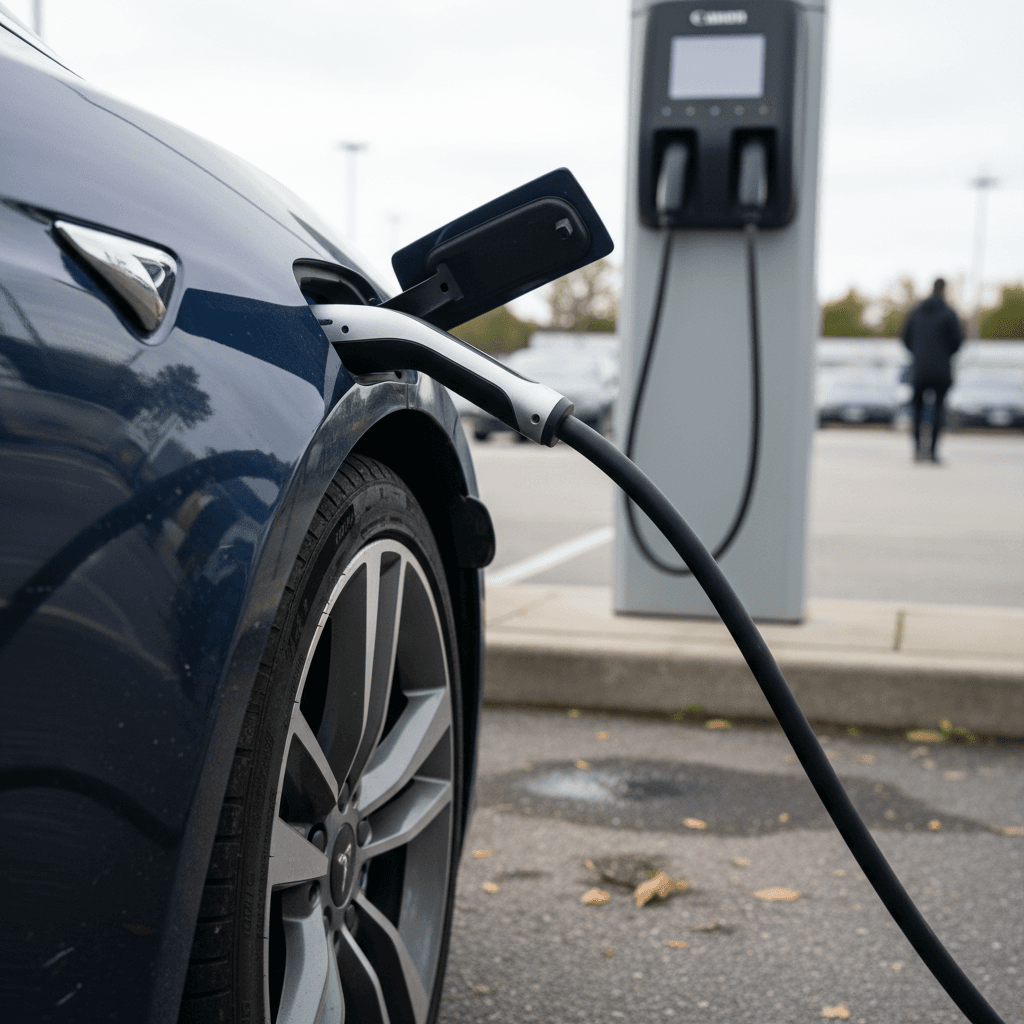
Battery and range: what owners actually see
The heart of any used EV purchase is the battery. On the 2019 Model X, the pack and drive units are usually less troublesome than the electronics and doors, but you still want to understand how the battery has aged. Range depends heavily on original configuration (battery size, wheel size) and how the car has been driven and charged.
- Many 2019 Model X owners report modest range loss (often in the single-digit percentage range) after several years, though high-mileage or frequently fast-charged vehicles can see more.
- Cold climates and frequent short trips can make range feel worse than the display suggests, especially in winter.
- Supercharger-heavy history can accelerate degradation compared with mostly Level 2 home charging, though it doesn’t automatically doom the pack.
- Software updates sometimes change how range is reported, so focus on real-world distance on a full charge, not just the number on the screen.
Battery health reports matter
Autopilot, safety, and over-the-air updates
By 2019, nearly every Model X came with some form of Autopilot hardware, and many were optioned with enhanced Autopilot or Full Self-Driving capability. These systems can be fantastic for long trips, but they also introduce their own set of considerations when you’re looking at a used car.
Typical Autopilot and software-related issues
Most are fixable, but they’re worth testing carefully
Driver-assist quirks
Some owners report overly aggressive lane changes, inconsistent lane-keeping on poorly marked roads, or phantom braking in certain conditions. These behaviors can vary with software versions, and Tesla continually tweaks them through over-the-air (OTA) updates.
On a test drive, use Autopilot on a familiar stretch of road and pay attention to how confidently the car tracks and stops.
Software bugs & version mix
Because Tesla updates vehicles frequently, two 2019 Model X SUVs can behave differently depending on which software version they’re on. Occasional bugs include:
- Glitches with Bluetooth or phone key
- Streaming audio apps failing to load
- Temporary camera or sensor errors that clear after a reboot
Most are nuisances rather than deal-breakers, but they’re worth noting during your inspection.
Safety remains a strong point
What warranty does a 2019 Model X still have?
Tesla’s warranty structure matters a lot when you’re shopping for a 2019 Model X today. Every car’s coverage starts from its original in-service date, so the exact protection left will depend on when that first owner took delivery and how many miles the vehicle has accumulated.
Typical Tesla warranty coverage for a 2019 Model X (U.S.)
Always verify exact dates and terms for the specific vehicle you’re considering.
| Coverage type | Typical term for 2019 Model X | What it covers | What it doesn’t |
|---|---|---|---|
| Basic Limited Warranty | 4 years / 50,000 miles from in‑service | Most non-wear items, including many electronics and interior components | Wear items (tires, brake pads), damage, cosmetic issues |
| Battery & Drive Unit | Often 8 years / up to 150,000 miles, with minimum capacity retention threshold | High-voltage battery, drive units, and related components | Normal wear items, any damage from accidents or improper modifications |
| Body & Paint | Covered under basic warranty, with some corrosion coverage beyond | Defects in paint or body workmanship during warranty period | Environmental damage, rock chips, owner-caused damage |
| Extended Service Plans | Varies; many 2019 vehicles are outside Tesla’s original extended plan window | Additional coverage on major components if previously purchased | New plans usually can’t be added this late; terms vary by vehicle |
Tesla occasionally adjusts warranty terms, so confirm with the digital owner’s manual or Tesla service for your VIN.
Your real-world coverage may differ
What to check before you buy a used 2019 Model X
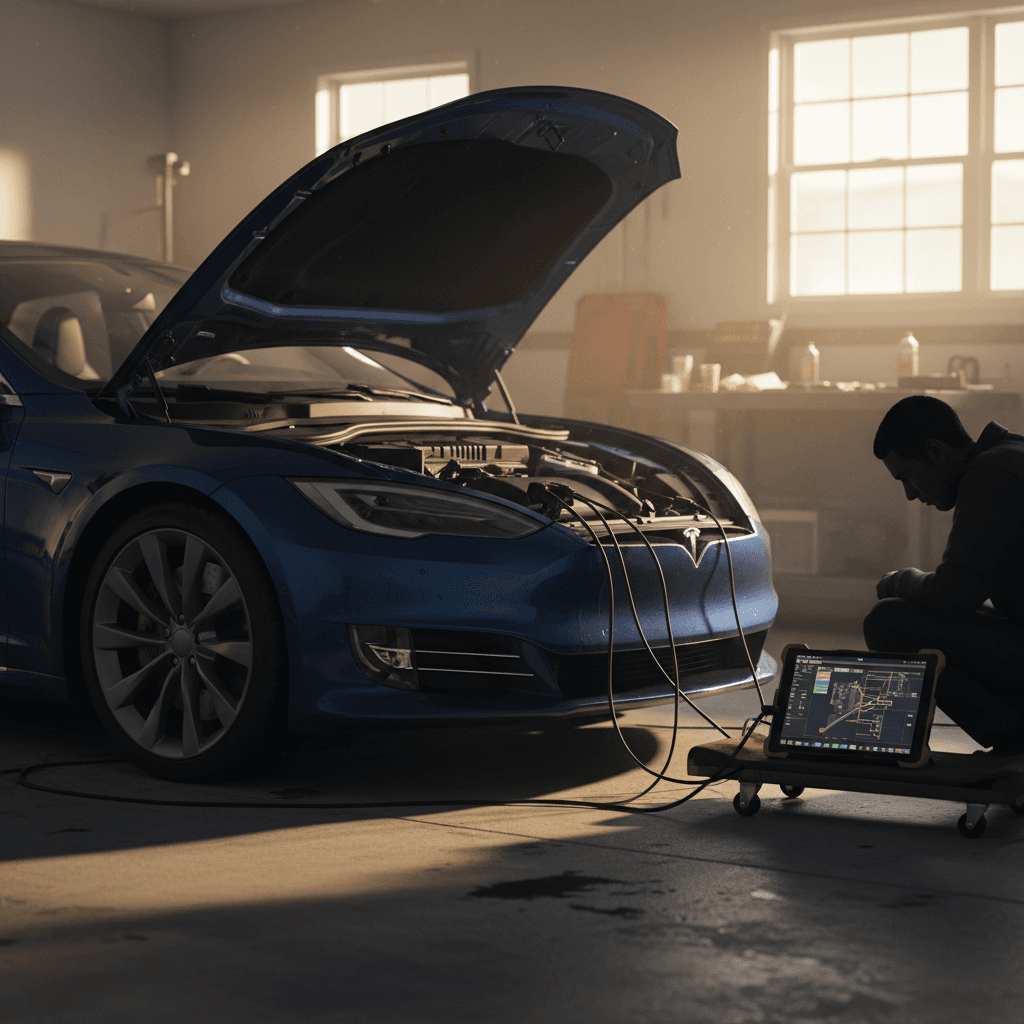
Because the Model X is complex and expensive to repair, a disciplined inspection is critical, especially on a five- to seven-year-old example. You’re looking for problems that either cost a lot to fix or hint at rough past use.
Pre-purchase checklist for a 2019 Tesla Model X
1. Scan for door and latch issues
Cycle the Falcon Wing doors, front doors, trunk, and front trunk multiple times. Listen for grinding, popping, or excessive creaking. Doors should open and close consistently without strange warnings about obstructions.
2. Live with the touchscreen
Spend 10–15 minutes using the MCU: navigate menus, change settings, test the rear camera, and try the audio and navigation. Watch for freezes, unresponsive touches, or repeated reboots.
3. Drive on rough pavement
Find a bumpy road and listen for suspension knocks or clunks from the front or rear. The air suspension should raise and lower promptly, without warning messages or loud compressor noises.
4. Check range and charging behavior
Note the displayed range at 90–100% charge and compare it with the original EPA rating for that configuration. If possible, observe a charging session, either at home Level 2 or a DC fast charger, to see whether the car charges at expected speeds without errors.
5. Review service history and recalls
Ask for Tesla service records or screenshots from the owner’s app. Look for repeated visits for the same concern (especially electronics or doors) and confirm that any open recalls or service campaigns have been addressed.
6. Inspect for accident or flood signs
Look for inconsistent panel gaps, mismatched paint, water staining in the cabin, or unusual rust. A professional pre‑purchase inspection from an EV‑savvy shop, or buying from a retailer who already does this, can save you from expensive surprises.
Leverage digital records
How Recharged helps with used Tesla Model X shopping
The challenge with a complex EV like the 2019 Model X isn’t just finding a good example, it’s knowing which one is actually good. That’s where a specialized used‑EV retailer can tilt the odds in your favor.
Why shop a 2019 Model X through Recharged
More data, less guesswork
Recharged Score battery diagnostics
Every vehicle on Recharged comes with a Recharged Score Report that includes verified battery health and charging behavior. Instead of guessing about degradation based on a single range reading, you get data-driven insight into how that specific Model X’s pack has aged.
EV‑focused inspection
Our process looks beyond basic used‑car checks. We examine high‑voltage systems, doors, suspension, and software behavior, the pain points that matter most on a 2019 Tesla Model X.
Financing & nationwide delivery
Recharged offers EV‑friendly financing options, trade‑ins, and nationwide delivery, along with an Experience Center in Richmond, VA if you prefer to see vehicles in person. Our goal is to make premium EV ownership simple and transparent from start to finish.
Ready to find your next EV?
Browse VehiclesIf you already have a Model X to sell or trade, Recharged can also provide an instant offer or consignment option. That can make stepping into a newer or lower‑mileage 2019 Model X significantly easier than trying to navigate private‑party transactions on your own.
FAQ: 2019 Tesla Model X problems
Frequently asked questions about 2019 Tesla Model X problems
Bottom line: Is a 2019 Tesla Model X a good used buy?
The 2019 Tesla Model X is not a perfect SUV, but for many drivers it’s a very compelling one. Most 2019 Tesla Model X problems center on electronics, doors, and suspension components rather than catastrophic battery failures, and many of those issues can be identified, or already addressed, if you focus on well‑maintained examples with documented service history.
If you want maximum clarity, combine a disciplined inspection checklist with data‑driven battery health information. That’s exactly what Recharged’s used‑EV marketplace and Recharged Score Report are designed to provide. With the right vehicle and the right partner, a 2019 Model X can deliver years of distinctive, all‑electric SUV driving without turning into the horror story you might read about in online forums.