If you’re comparing electric vehicles, the EV battery warranty is just as important as price, range, or charging speed. The traction battery is the most expensive component in the car, and brands take very different approaches to how long they’ll stand behind it. This 2026 EV battery warranty comparison across all major brands translates the fine print into plain English, with clear charts and specific advice for used‑EV shoppers.
Quick takeaway
Why EV battery warranties matter, especially for used buyers
With a gas car, you rarely think about engine replacement when you buy. With an EV, many shoppers immediately ask, “What happens when the battery wears out?” A modern high‑voltage pack can cost tens of thousands of dollars to replace, which is why understanding the warranty on that pack is central to your long‑term cost of ownership, especially if you plan to own the car beyond year five or are considering a used EV.
- Gives you a floor on range: capacity guarantees (usually ~70%) prevent extreme degradation during the warranty period.
- Shifts catastrophic risk: if a pack fails prematurely, the manufacturer, not you, typically pays.
- Directly affects resale: EVs with longer, more generous battery warranties tend to hold value better.
- Matters more for used EVs: you’re buying a vehicle that’s already burned some of its warranty coverage.
Used‑EV pro tip
How EV battery warranties work: years, miles, and capacity
Almost every modern EV battery warranty has three main levers: time (years), distance (mileage), and a capacity guarantee. Understanding how those pieces fit together makes it much easier to compare brands fairly.
The three pillars of an EV battery warranty
Years, miles, and how much range you’re promised to keep
Years (time limit)
Typically 8 years from the in‑service date, with some brands offering 10 years on select models. Warranty ends when the time OR mileage limit is reached, whichever comes first.
Miles (usage limit)
Common limits are 100,000–150,000 miles. A few outliers go higher, especially trucks and SUVs aimed at high‑mileage drivers.
Capacity guarantee
Most brands promise the pack will retain at least 70% of its original usable capacity by the end of the warranty. If it drops below that threshold sooner, the pack or modules are typically repaired or replaced.
Typical EV battery warranty terms in 2026
Capacity vs. range
EV battery warranty comparison chart: major brands
Here’s a high‑level comparison of EV battery warranties for major brands selling in the U.S., focused on pure EVs (not conventional hybrids). Exact terms can vary by model and year, but this gives you the landscape as of the 2025–2026 model years. Always confirm the specific vehicle’s warranty booklet before you buy, especially on the used market.
EV battery warranty comparison by brand (U.S., 2025–2026)
Overview of time, mileage, and capacity guarantees for popular EV brands. Individual models may differ slightly.
| Brand / Examples | Battery Warranty (Years / Miles) | Capacity Guarantee | Notable Details |
|---|---|---|---|
| Tesla – Model 3, Model Y, Model S, Model X | 8 yrs / 100k–150k mi | 70% | Higher mileage on long‑range S/X; heavy DC fast‑charging allowed within spec. |
| Hyundai – IONIQ 5, IONIQ 6, Kona Electric | 10 yrs / 100k mi | 70% | Long time coverage; battery often aligned with 10‑year powertrain warranty. |
| Kia – EV6, EV9, Niro EV | 10 yrs / 100k mi | 70% | Similar to Hyundai; strong peace of mind for long‑term owners. |
| Ford – Mustang Mach‑E, F‑150 Lightning | 8 yrs / 100k mi | Typically 70% (may be implied) | Standard duration; Ford literature emphasizes defects plus excessive degradation. |
| GM – Chevy Blazer EV, Equinox EV, Silverado EV (Ultium) | 8 yrs / 100k mi | ≈70% | Ultium platform designed for module‑level replacements rather than full packs. |
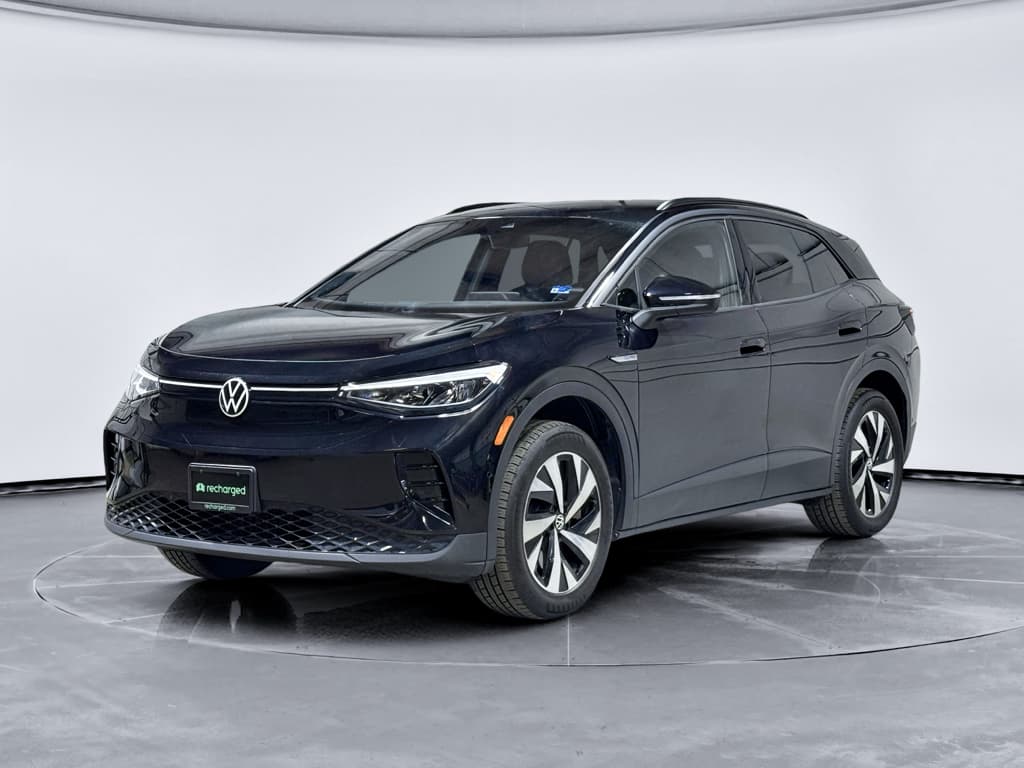
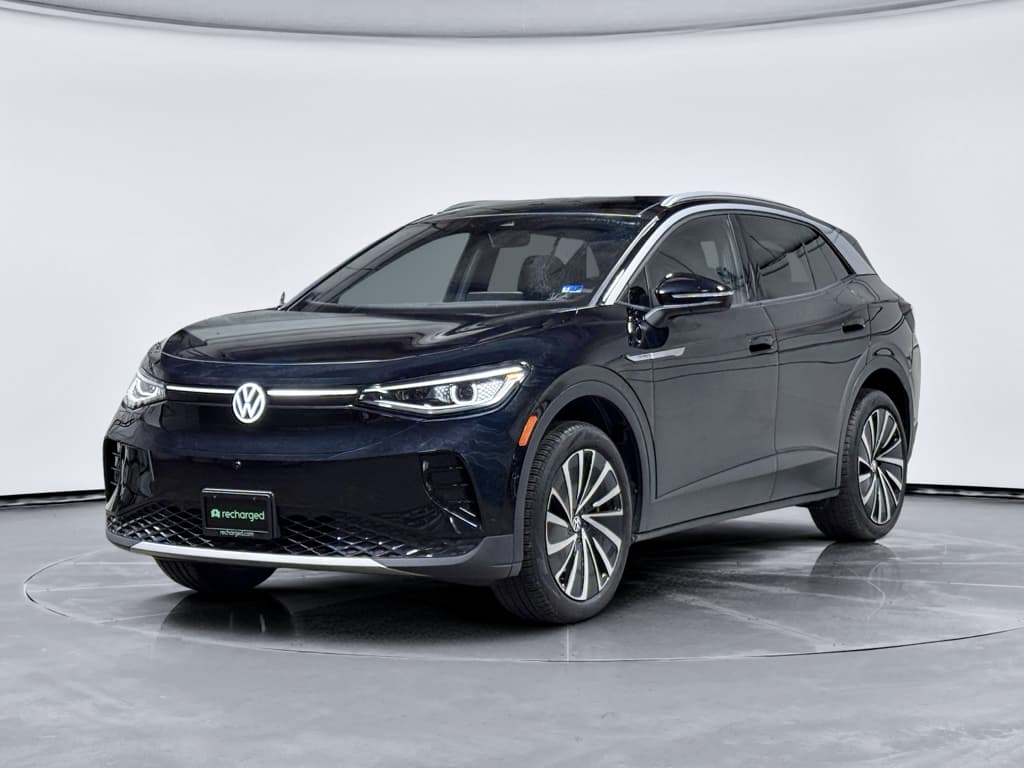
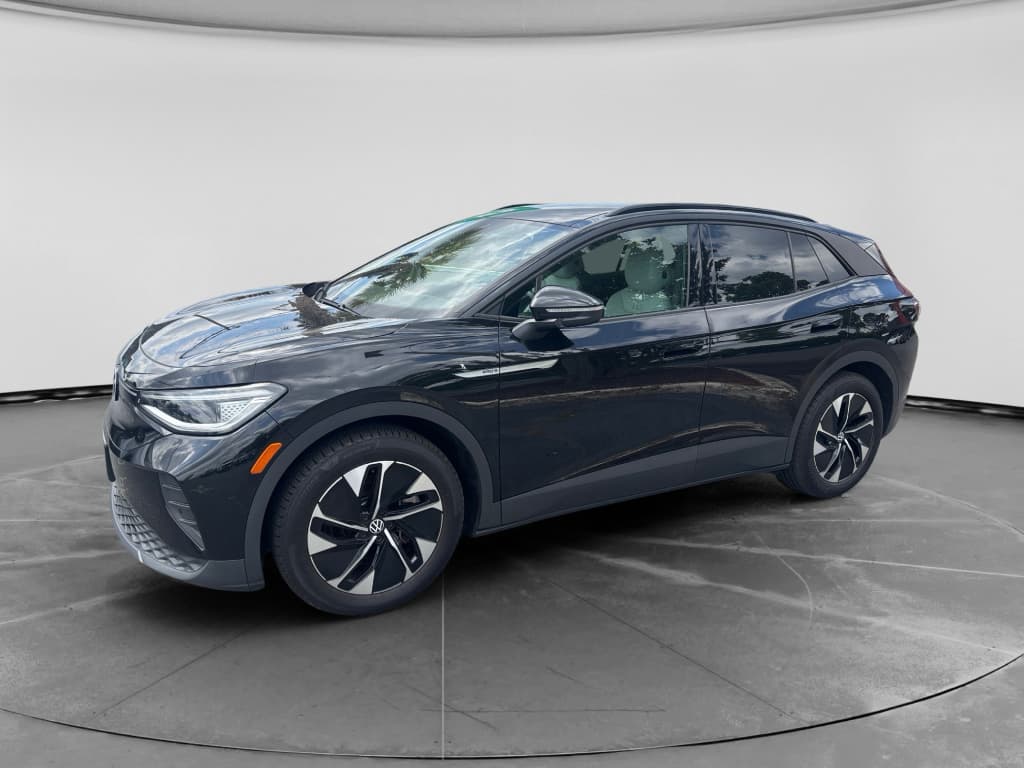
| Volkswagen – ID.4, ID.7 | 8 yrs / 100k mi | 70% | Follows global VW policy on high‑voltage components. |
| Nissan – LEAF, Ariya | 8 yrs / 100k mi | 70% | Explicit capacity coverage; older LEAFs had more degradation but are still covered by 8/100k. |
| BMW – i4, i5, i7, iX | 8 yrs / 100k mi | 70% | Typical luxury‑segment coverage; aligned with other German brands. |
| Mercedes‑Benz – EQE, EQS, EQB | 8–10 yrs / up to 155k mi | 70% | Select models advertise up to 10 yrs / 155k mi on the pack. |
| Rivian – R1T, R1S | 8 yrs / 100k–175k mi | 70% | Adventure‑oriented tiers; longest mileage (up to 175k) on some Quad‑Motor, Large pack trucks. |
| Toyota – bZ4X | 8 yrs / 100k mi (some markets 10 yrs) | 70% | Toyota leans on durability reputation; details vary slightly by region. |
| Subaru – Solterra | 8 yrs / 100k mi | ~75% | Promoted as a slightly higher capacity floor on some 2026 documentation. |
| Volvo / Polestar – EX30, EX90, Polestar 2 | 8 yrs / 100k mi | 70% | Premium brands, standard 8‑year battery coverage. |
| VinFast – VF 8, VF 9 | 10 yrs / unlimited mi | Stated degradation coverage | Aggressive warranty helps build confidence for a newer brand. |
| Mitsubishi / Lincoln plug‑ins | 8–10 yrs / 100k mi | Typically 70% | Primarily PHEVs; battery warranty terms similar to full EVs. |
“Years / miles” figures are for traction battery coverage only, not the basic bumper‑to‑bumper warranty.
About the numbers

Brand‑by‑brand EV battery warranty overview
Tesla, Hyundai, Kia, and Rivian
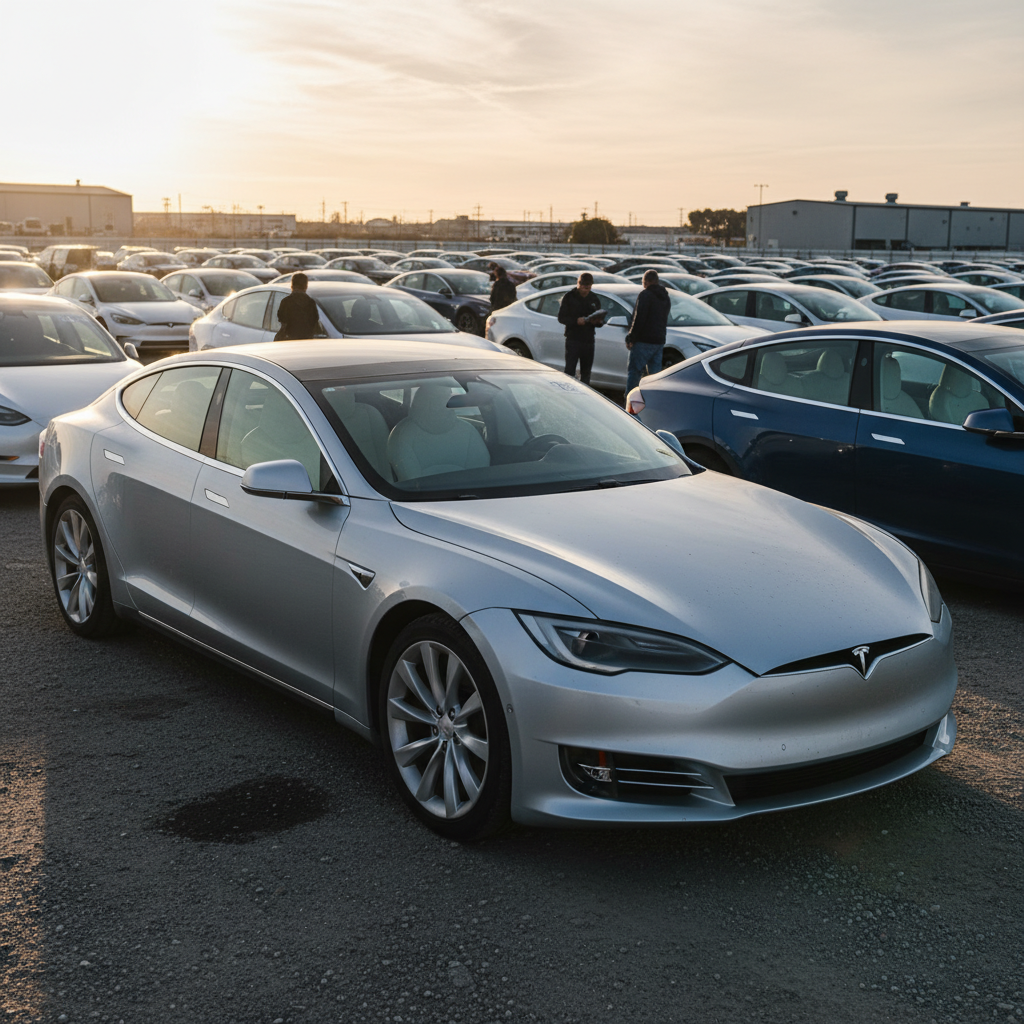
Tesla helped set the template: 8‑year coverage with higher mileage caps on long‑range models. Model 3 RWD sits at the lower end, while Model S and X long‑range packs stretch toward 150,000 miles. Tesla clearly states a 70% capacity floor, which is about industry standard.
Hyundai and Kia lean into long warranties as part of their brand. Many EVs from both offer 10 years / 100,000 miles on the battery, matching or exceeding their gas‑car powertrain coverage. If you plan to keep your car a decade, these are stand‑out options.
Rivian takes a different tack: the time limit stays at 8 years, but some configurations, like Quad‑Motor R1T and R1S with Large packs, reach up to 175,000 miles. That’s appealing if you rack up highway miles or tow frequently.
Ford, GM, VW, Nissan and others
Ford, GM, Volkswagen, Nissan, BMW, Mercedes‑Benz, Volvo, and Polestar mostly converge on the same formula: 8 years / 100,000 miles and roughly a 70% capacity guarantee. Where they differ is in how clearly they spell out degradation coverage, and how easy real‑world warranty claims are.
Nissan is worth a special mention. Early LEAFs were more susceptible to heat‑related degradation, but Nissan still provided 8‑year capacity coverage and has replaced many packs under warranty. Newer liquid‑cooled packs in Ariya and late‑model LEAFs tend to fare better.
Premium brands like BMW and Mercedes‑Benz don’t necessarily offer longer coverage, but their dealer networks and goodwill policies can matter when edge‑case failures crop up.
Good news on reliability
Transferability: what carries over when you buy used?
If you’re shopping used, the right question isn’t just “How long is the battery warranty?” but also “How much of it is left, and does it transfer to me?” In the U.S., most EV battery warranties are transferable to subsequent owners, but the process and any limitations vary by brand.
Key questions about battery warranty transfer
1. Is the warranty fully transferable?
Most brands automatically transfer EV battery coverage to the next owner, but a few require you (or the prior owner) to file paperwork or update an account. Always ask the seller for documentation.
2. When did the clock start?
Battery warranties start from the vehicle’s <strong>in‑service date</strong>, the day it was first sold or leased, not the model year. A 2021 car first sold in 2022 has its 8‑year clock running from 2022.
3. What’s the current mileage?
Remember the “whichever comes first” rule. A car with 90,000 miles on an 8‑year/100,000‑mile warranty may age out on miles long before the calendar date.
4. How many owners has it had?
Some fringe warranties or promotional extensions only apply to the <strong>original owner</strong>. Check whether any extra coverage disappears when the car is sold.
5. Has the battery ever been replaced?
A pack replacement may carry its own warranty terms. Ask for service invoices and confirm whether the replacement pack’s warranty is separate from, or tied to, the original in‑service date.
How Recharged helps here
Fine print & exclusions most shoppers miss
Like any warranty, EV battery coverage has strings attached. None of them are unreasonable, but if you ignore them you could weaken your claim. The big themes: use the car as intended, keep software up to date, and don’t modify or abuse the high‑voltage system.
- Normal degradation is not a defect. Losing a few percent in the first couple of years is expected and won’t trigger a warranty claim.
- Improper modifications, aftermarket battery heaters, hacked charging hardware, or DIY repairs, can give the manufacturer ammunition to deny coverage.
- Ignored recalls or software updates may hurt your case if a later failure is tied to an unperformed update.
- Extreme use outside design intent (for example, repeated deep discharges while stored at very high temperatures) can fall under abuse, not normal use.
- Diagnostic proof: capacity is usually measured by dealer‑level tools, not just your dash estimate or a third‑party app. Expect the manufacturer’s measurement to be the official one.
Don’t void your coverage
Which EV battery warranties stand out?
From a shopper’s perspective, the best EV battery warranties excel in three areas: long duration, generous mileage, and clear capacity guarantees. Here’s how the current market shakes out.
Brands with standout battery warranties
Where the coverage meaningfully beats the pack
Longest time: Hyundai & Kia
Hyundai and Kia’s 10‑year / 100,000‑mile battery warranties are the most time‑generous among high‑volume brands. They’re especially attractive if you buy new and plan to own the car for a decade.
Highest mileage: Rivian
Some Rivian R1T and R1S configurations stretch to 8 years / 175,000 miles. If you drive 20,000+ miles a year or tow regularly, that high mileage cap is a real advantage.
Unlimited miles: VinFast & select newcomers
VinFast advertises 10 years / unlimited miles on its packs in some markets. That’s impressive on paper, but as with any new brand, weigh the warranty against dealer footprint and long‑term support.
Strong but standard: the 8/100 crowd
How to use battery warranty info when shopping used
On the used market, battery warranty terms are less of a marketing slogan and more of a calculator input. You’re trying to answer two questions: How much risk is left? and How much of that risk is still on the manufacturer instead of me? Here’s a simple approach.
Practical steps to compare used EV battery warranties
1. Look up the original battery warranty
Start with the brand/model’s published battery warranty for its model year, years, miles, and capacity threshold. Manufacturer sites, manuals, and independent guides can all help.
2. Confirm the in‑service date
Ask the seller, or check the vehicle history report, for the original sale date. That’s your starting point for counting warranty years, not the build date or model year.
3. Calculate remaining years and miles
Subtract current age and mileage from the original limits. A 2021 EV with 30,000 miles on an 8‑year / 100,000‑mile warranty still has about 5 years and 70,000 miles of coverage left, assuming no exclusions.
4. Get an objective battery health reading
Use dealer diagnostics or an independent report (like the <strong>Recharged Score battery health diagnostics</strong>) to understand current capacity and any fault codes before you rely on warranty safety nets.
5. Factor warranty into price
Two used EVs might be similar on paper, but the one with more remaining battery warranty and better health is worth more. Don’t be afraid to walk away if a seller can’t document either.
6. Think about your ownership horizon
If you’ll only keep the car three years, an 8‑year warranty with five years left is plenty. If you’re planning to drive it into the ground, those 10‑year warranties from Hyundai and Kia start to look very compelling.
Where Recharged fits in
Ready to find your next EV?
Browse VehiclesEV battery warranty FAQ
Frequently asked questions about EV battery warranties
Bottom line: how to protect yourself and your range
EV battery warranties have matured quickly. For most shoppers, the headline is encouraging: across brands, you’re usually getting 8 years / 100,000 miles or better on the most expensive part of the car, with a built‑in promise that usable capacity won’t fall off a cliff during that period. The differences between brands still matter, but they matter most when you keep cars a long time or are buying used.
If you’re shopping new, weigh battery warranty terms alongside price, range, features, and charging options. If you’re shopping used, focus on how much coverage remains and pair that with an objective view of current battery health. That’s exactly where a transparent report like the Recharged Score earns its keep, turning what used to be an anxiety‑ridden guessing game into a clear‑eyed decision.
Do that, and you’re not just buying an EV, you’re buying years of predictable driving with confidence that the battery at the heart of it all is backed up in writing.