EV battery range is the number that either puts your mind at ease or keeps you up at night. In 2025, new electric vehicles commonly advertise 250–350 miles of range, with some luxury models claiming well over 400 miles. But real life is messier than a window sticker. Understanding how EV battery range really works will help you choose the right car, avoid nasty surprises, and get the most miles from every charge, especially if you’re considering a used EV.
Why EV range matters more than you think
EV battery range basics in 2025
Snapshot of EV battery range today
A modern EV’s range is largely determined by two things: battery capacity (measured in kilowatt-hours, or kWh) and efficiency (how many miles the car can travel on each kWh). A 77 kWh pack in a streamlined crossover might deliver 300 miles; the same pack in a heavy, boxy SUV could yield closer to 240. The official range number you see on a Monroney label in the U.S. is the EPA combined range rating, meant to approximate mixed city and highway driving under moderate conditions.
- Battery size (kWh): Think of this like the size of your fuel tank.
- Efficiency (mi/kWh): How far the car goes on each unit of energy.
- Driving mix: City versus highway, hills versus flat, stop-and-go versus steady cruise.
- Environment: Temperature, wind, and road conditions.
- Vehicle setup: Tire type and pressure, added cargo, roof racks, and wheel size.
Don’t obsess over the absolute biggest range
How EV battery range is tested vs real life
Official EV range comes from controlled lab testing. In the U.S., the Environmental Protection Agency runs EVs on standardized city and highway driving cycles, then applies an adjustment factor, often about 0.7, to mimic real-world effects like air conditioning, cold temperatures, and aggressive driving before publishing the combined range on the window sticker.
EPA range vs real-world EV range at highway speed
Why your EV may not match the number on the window sticker, especially on long highway drives.
| Scenario | What happens | Typical impact on range |
|---|---|---|
| EPA combined rating | Mix of city and highway cycles in a lab with a 0.7 adjustment factor. | Baseline number on the window sticker. |
| Steady 70–75 mph highway | Higher aerodynamic drag than the test cycles assume. | Often 10–20% less than EPA range. |
| Cold weather (below freezing) | Battery and cabin heating demand more energy. | Commonly 20–40% drop, especially on short trips. |
| Aggressive driving | Frequent hard acceleration and braking. | 10–30% less than EPA range, depending on style. |
| Mild weather, smooth driving | Comfortable temperatures and gentle inputs. | Can match or slightly exceed EPA range. |
Highway-speed testing often produces 10–20% less range than the EPA label, though some models beat their estimates.
Expect the label to be optimistic at highway speeds
This doesn’t mean the ratings are useless, far from it. EPA range is still a solid yardstick for comparing EVs. Just remember that your personal mix of speed, temperature, and terrain will pull your real range up or down from that number. If you regularly run at interstate speeds in cold climates, you’ll want more rated range in reserve than a driver who mainly does urban commuting in California.
What really cuts EV battery range day to day
Top factors that shrink EV battery range
These are the things that most often surprise new owners.
Temperature extremes
Cold weather thickens battery chemistry and forces the car to spend energy heating the cabin and battery pack. Deep heat can have the opposite problem, triggering cooling systems and battery protections.
Speed & driving style
Above about 60 mph, air resistance climbs quickly, so every extra 5 mph costs you range. Add in hard acceleration and late braking, and you can see a 20–30% drop versus gentle driving.
Weight, towing & roof racks
Extra passengers, cargo, bikes on the roof, or a trailer all increase aerodynamic drag and rolling resistance. It’s just like a gas car, only you see the impact much more clearly because the energy meter is so precise.
Climate control use
Unlike a gas car, an EV doesn’t have abundant waste heat to warm the cabin. Running the heater or defroster on a cold morning can noticeably bite into your range, especially on short trips where the car is frequently reheating. Air conditioning also uses energy, though the effect is usually smaller than cabin heat.
Tires and pressure
Underinflated or aggressive tread tires increase rolling resistance and can trim several percent off your range. Most EVs ship on low-rolling-resistance tires for efficiency. Check pressures monthly and be cautious about swapping to oversized wheels or off-road tires unless you’re comfortable trading range for grip or style.
Fast charging doesn’t drain range, but it can limit repeat performance
How EV range changes as the battery ages
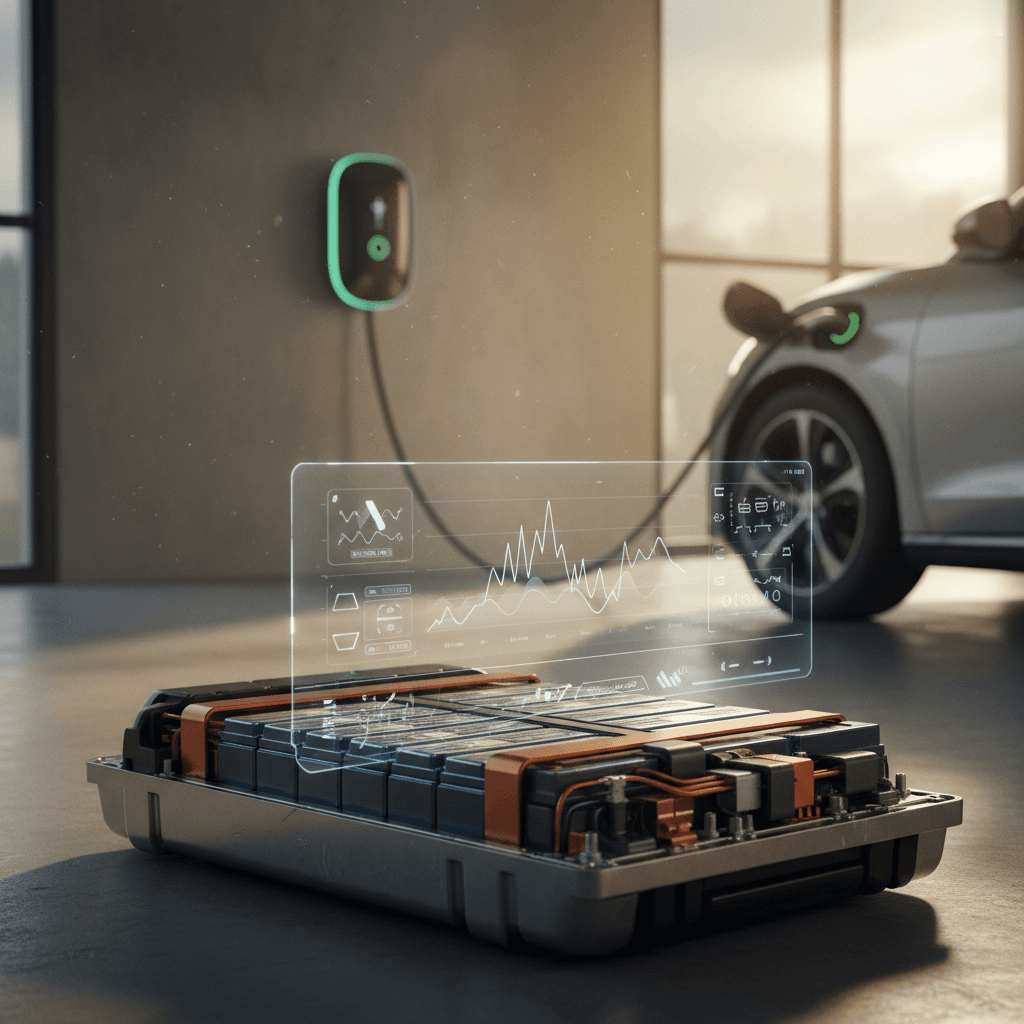
Every lithium-ion battery loses capacity over time, which means EV battery range gradually declines. The encouraging news is that for most modern EVs, the decline is modest for many years. Large-scale data from fleets and owner tracking tools typically show less than 2% capacity loss in the first year and around 5–10% after five years of use. By eight to ten years in normal service, many EVs still retain 80–90% of their original range.
- A healthy EV might lose its first few percent of range relatively quickly, then settle into a slower, steadier decline.
- Some models follow a fairly linear pattern, 1.5–2% range loss per year, while others drop 2–3% early on then lose only about 1% per year.
- Manufacturers often back the battery for 8 years or 100,000–150,000 miles, typically guaranteeing at least 70% of original capacity during that period.
What a 10% range loss really looks like
Where you live and how you treat the battery matter. Frequent DC fast charging from very low state of charge to 100%, extended exposure to extreme heat, and constant high-speed driving can accelerate degradation. On the flip side, home Level 2 charging, moderate climates, and avoiding regularly charging to 100% when you don’t need it can help preserve range for the long haul.
Shopping used? How to judge real EV range
If you’re considering a used EV, range is where careful homework really pays. Two identical model-year EVs can have very different remaining range depending on mileage, climate, and charging habits. That’s why at Recharged every vehicle comes with a Recharged Score battery health report, so you’re not guessing how much of the original range is still available.
Used EV battery range checklist
1. Look beyond the original EPA number
Start by knowing the original rated range for the exact trim and wheel size. Then assume some real-world reduction for highway driving and a further 5–15% depending on the vehicle’s age and mileage.
2. Review a battery health report
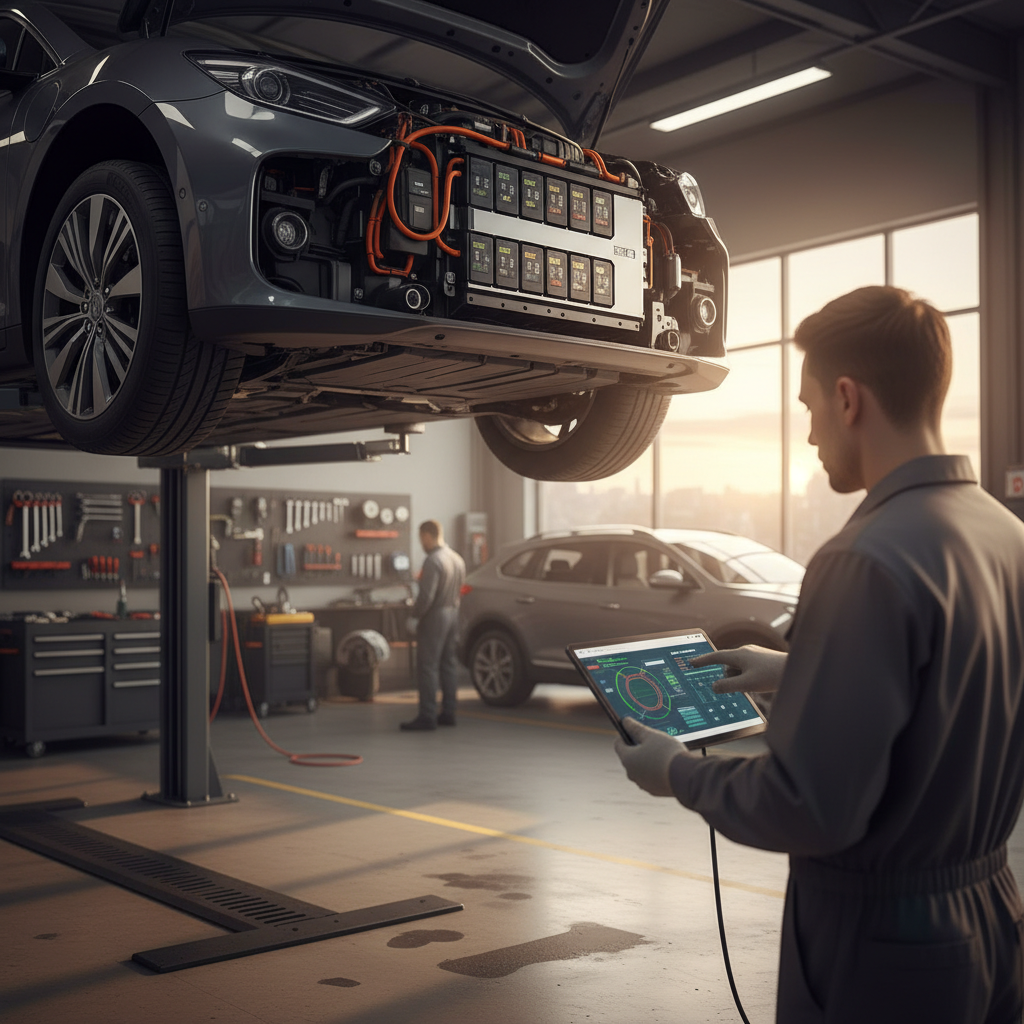
Diagnostic tools can estimate remaining battery capacity based on cell data, charge history, and telemetry. A report like the <strong>Recharged Score</strong> translates this into plain language, how much range you should expect now, not just when the car was new.
3. Check mileage and climate history
20,000 miles in a mild climate is very different from 120,000 miles in extreme heat with constant DC fast charging. Ask where the car lived and how it was used. Fleet or rideshare use may mean more fast charging and high annual mileage.
4. Test drive with an eye on the gauge
On a decent-length drive, note how quickly the state-of-charge percentage and estimated miles fall. A car that seems to burn through 20% charge on a short, flat drive may deserve closer scrutiny.
5. Inspect tires and wheels
Oversized wheels or aggressive tires can easily trim range. They’re not necessarily deal-breakers, but they do change your real-world numbers. Factor in the cost of returning the car to a more efficient setup if needed.
6. Confirm remaining battery warranty
Many used EVs still have years left on the original battery warranty. Knowing you’re covered against abnormal degradation can make a slightly lower range more acceptable for the right price.
Where Recharged fits in
Ready to find your next EV?
Browse VehiclesPractical ways to maximize EV battery range
Whether you already own an EV or are about to, the way you drive and charge can easily swing your effective range by 20–30%. The good news is that most of the big wins are simple habits, not expensive hardware.
Everyday habits to stretch your EV battery range
Drive smoother and slightly slower
Use Eco mode, anticipate traffic, and ease into the throttle. Dropping highway speed from 75 mph to 65 mph can save tens of miles on a long trip without adding much time.
Use preconditioning while plugged in
On cold or hot days, preheat or precool the cabin while the car is still plugged in. Many EVs also precondition the battery before fast charging, improving both range and charging speed.
Dial back climate control
Use seat and steering wheel heaters instead of blasting cabin heat; in summer, moderate A/C settings help. Small adjustments can reclaim several percent of range without sacrificing comfort.
Watch tire pressure monthly
Set pressures to the door-jamb sticker value when the tires are cold. Underinflated tires waste energy and hurt both range and tire life.
Travel lighter and lower
Remove unused roof racks, cargo boxes, and heavy items you don’t need. Roof boxes in particular can be like driving into a headwind all the time.
Charge smart for battery health
For daily driving, many owners set their charge limit around 70–80% and avoid running down below 10% when they can. Save 100% charges for road trips. This reduces battery stress over years of ownership.
Use the car’s tools
How much EV range you actually need
A common mistake is assuming more range is always better. In reality, the "right" EV battery range depends heavily on how and where you drive, and your access to charging at home or work. For many Americans, the daily mileage is surprisingly modest, but seasonal travel and the occasional long trip still matter.
Matching EV battery range to your driving pattern
Use these ballpark figures as starting points, then factor in your climate and charging access.
Urban commuter
Typical daily miles: 20–40
Recommended EPA range: 200–260 miles
If you can charge at home or at work, even a modest-range EV can easily cover your week, with overnight top-ups as needed.
Suburban family
Typical daily miles: 30–70
Recommended EPA range: 250–320 miles
School runs, errands, and weekend outings add up. A mid-pack battery gives breathing room for cold snaps and busy days.
Frequent road-tripper
Typical daily miles: 80–200+ on trips
Recommended EPA range: 300+ miles
If you routinely knock out long highway slogs, more rated range plus a strong fast-charging network will make your life easier.
Range vs charging speed: both matter
The future of EV battery range
EV battery range has climbed sharply over the past decade, and the trend isn’t over. The median EV sold for model year 2024 in the U.S. offers around 283 miles of EPA range, more than four times the typical range of early mass-market EVs from 2011. New chemistries and packaging approaches are targeting even higher energy density with lower cost and improved durability.
- High-energy chemistries such as lithium manganese–rich or anode-free designs promise up to roughly 25% more capacity in a similar-size pack later this decade.
- Improved thermal management and smarter software continue to reduce degradation and make range predictions more accurate.
- Lightweight materials, better aerodynamics, and more efficient drivetrains can deliver more miles from the same kWh, not just bigger batteries.
You don’t need to wait for the “perfect” range
EV battery range: Frequently asked questions
Common questions about EV battery range
Key takeaways on EV battery range
Think of EV battery range as a living number, not a fixed promise. The EPA label gives you a solid benchmark, but weather, speed, terrain, and battery age all nudge the real-world figure up or down. The positive news is that modern EVs deliver far more range than early models, and most lose capacity slowly enough that they remain practical for many years.
If you’re browsing used EVs, focus on verified battery health rather than guesses. That’s the role of tools like the Recharged Score Report: turning complex cell data into a clear story about remaining range, fair pricing, and what you can realistically expect in your driveway. Match the car’s range and charging profile to your actual driving, adopt a few smart habits behind the wheel, and you’ll find that range anxiety gives way to something much better, range confidence.