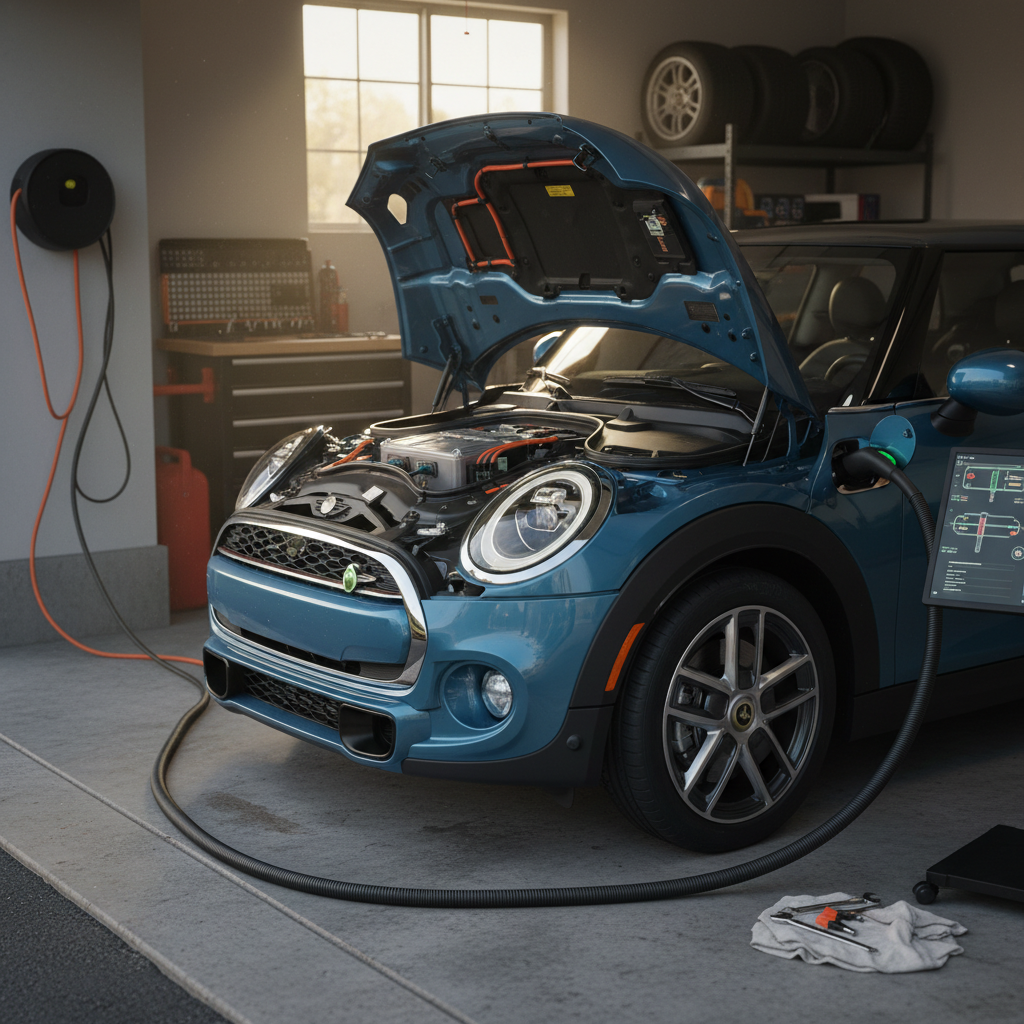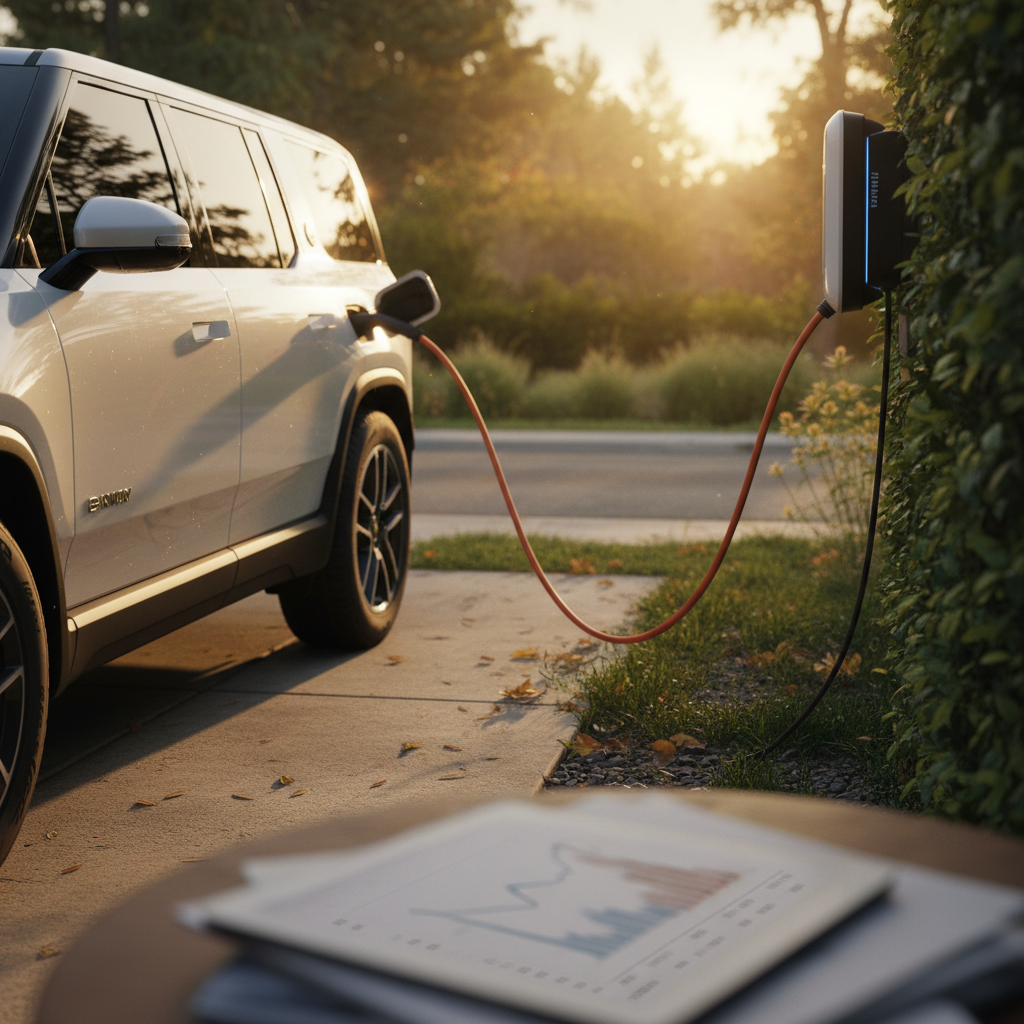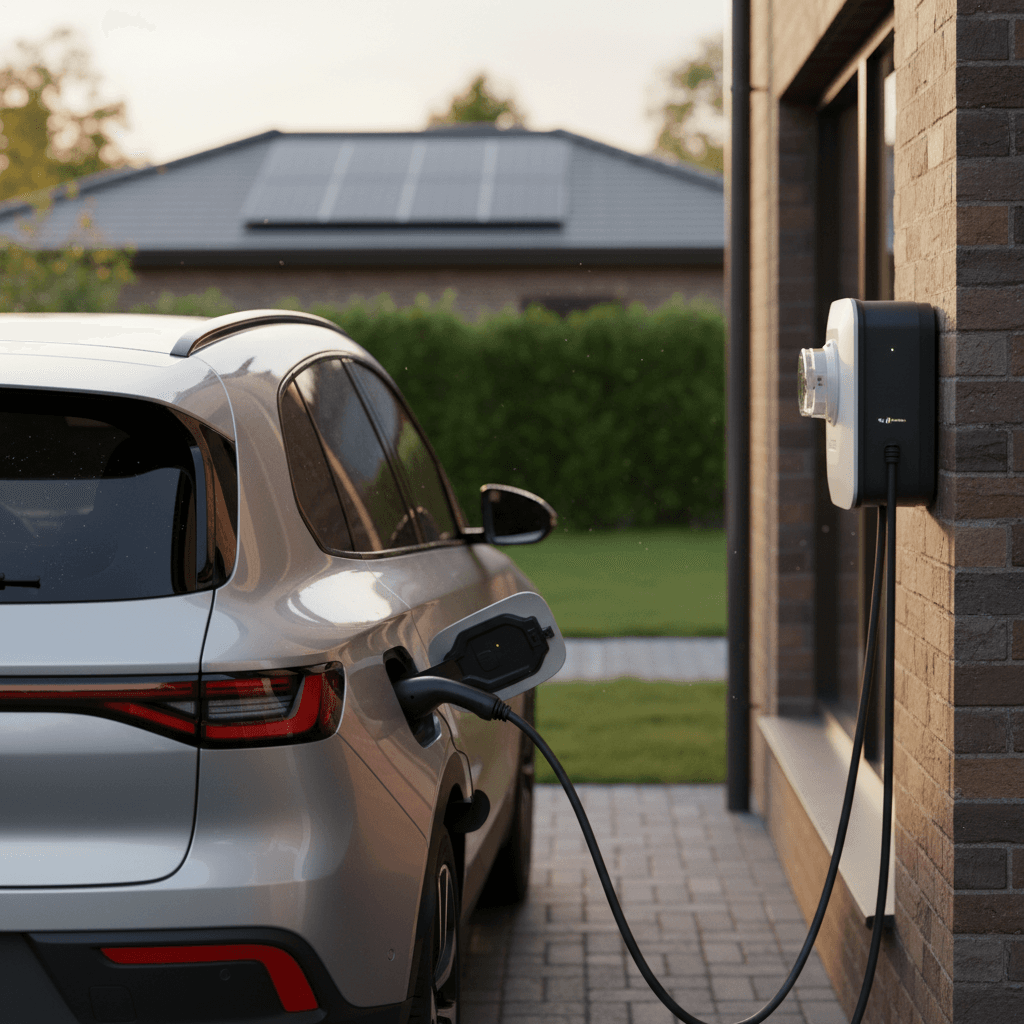
Using an EV as home battery backup has moved from futurist concept to real option in 2026. Ford F‑150 Lightning, Kia EV9, GM Ultium trucks and SUVs, and a handful of others can now power parts, or all, of a home during an outage. But the reality is more nuanced than the marketing. This guide walks you through how vehicle‑to‑home (V2H) works, what it costs, which EVs support it, and when it makes sense, especially if you’re considering a used EV from a marketplace like Recharged.
Quick definition: V2H
Why use an EV as home battery backup?
Why EV-as-home-battery is getting popular
The core appeal is simple: your EV already has a large, quiet, emissions‑free battery you’re paying for. If you can also use it as a home battery backup, you potentially avoid buying a separate stationary system while gaining resilience against increasingly frequent outages and high peak electricity prices.
- Bigger energy reservoir than most home batteries, especially trucks and large SUVs
- No gasoline, fumes, or noise like a traditional generator
- Can be paired with solar to ride through long outages
- Can arbitrage utility time‑of‑use rates in some setups, lowering bills
- Leverages a battery you already own instead of buying another one
Reality check
How V2H EV home backup actually works
At a high level, using an EV as home backup involves reversing the usual power flow. Instead of electricity going from grid → charger → car, the system allows power to flow from car → charger → home, while safely isolating your house from the grid so you don’t backfeed power into utility lines during an outage.
1. Bidirectional-capable EV & charger
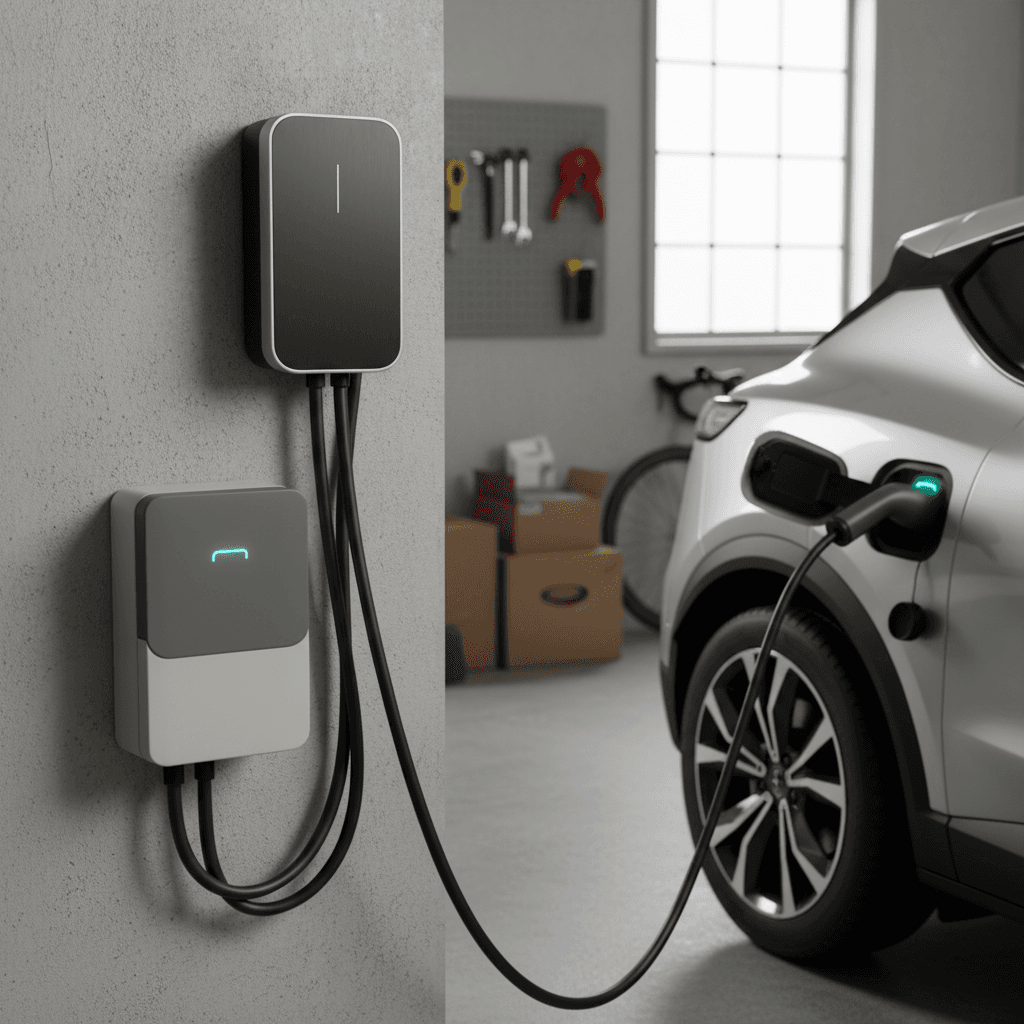
Your EV must support exporting power, and your wallbox has to be a bidirectional charger that can both charge the car and invert DC battery power back into grid‑compatible AC.
- Examples: Ford Charge Station Pro with Home Integration System, Wallbox Quasar 2 for Kia EV9, GM Ultium Home systems.
- Rated for specific power levels (often 5–11.5 kW continuous).
2. Home integration & transfer switching
A gateway or smart panel connects the charger to your home’s circuits. It:
- Detects grid outages and islands your home.
- Switches your backed‑up circuits to EV power.
- Prevents unsafe backfeed onto the utility grid.
This gear usually must meet standards like UL 9741 (bidirectional EV equipment) and UL 1741 (grid‑interactive inverters) to satisfy inspectors and utilities.
In a full V2H setup, when the grid fails your EV automatically becomes a battery for your house within a second or two, then hands control back when utility power returns. You can usually set limits, minimum state of charge, maximum export power, via the car’s app or the energy management app.
Which EVs can power a home today?
Support for EV‑as‑home‑battery is growing fast but is still far from universal. As of 2025–2026, only a subset of U.S. EVs offer either full V2H or meaningful home‑style backup through onboard outlets.
Examples of EVs with home-backup or V2H capability (U.S., 2025–2026)
Always verify specs and availability for your model and trim, capabilities can vary by year, region, and options.
| Model | Type of backup | Max export power (approx.) | Notes |
|---|---|---|---|
| Ford F-150 Lightning | Full V2H (Intelligent/Home Backup Power) | Up to 9.6 kW | Requires Ford Charge Station Pro + Home Integration System; extended‑range battery can power a typical home for up to ~3 days under moderate use. |
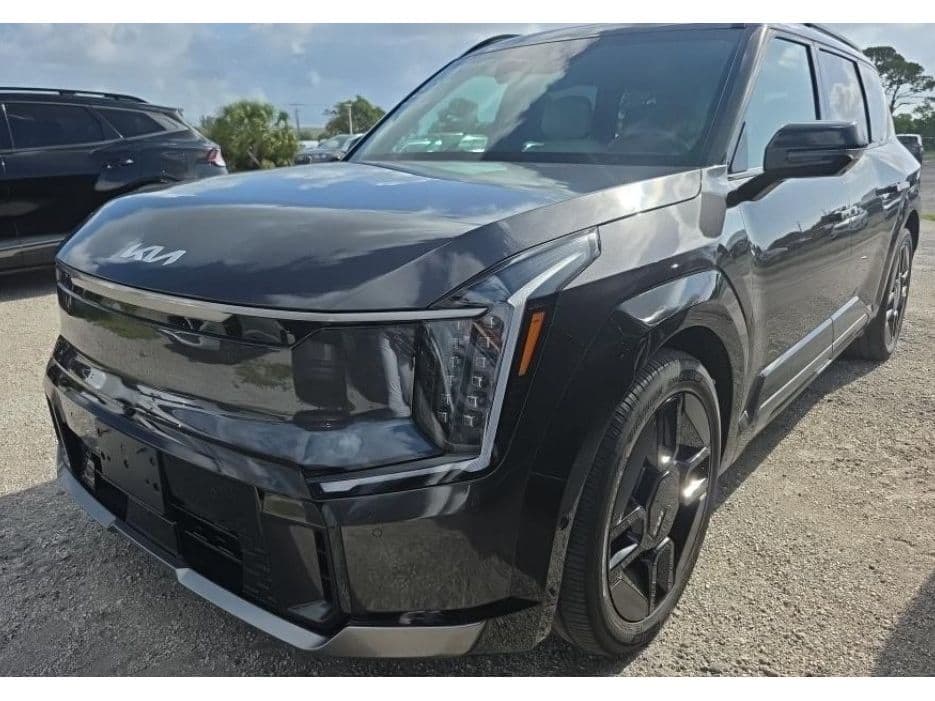
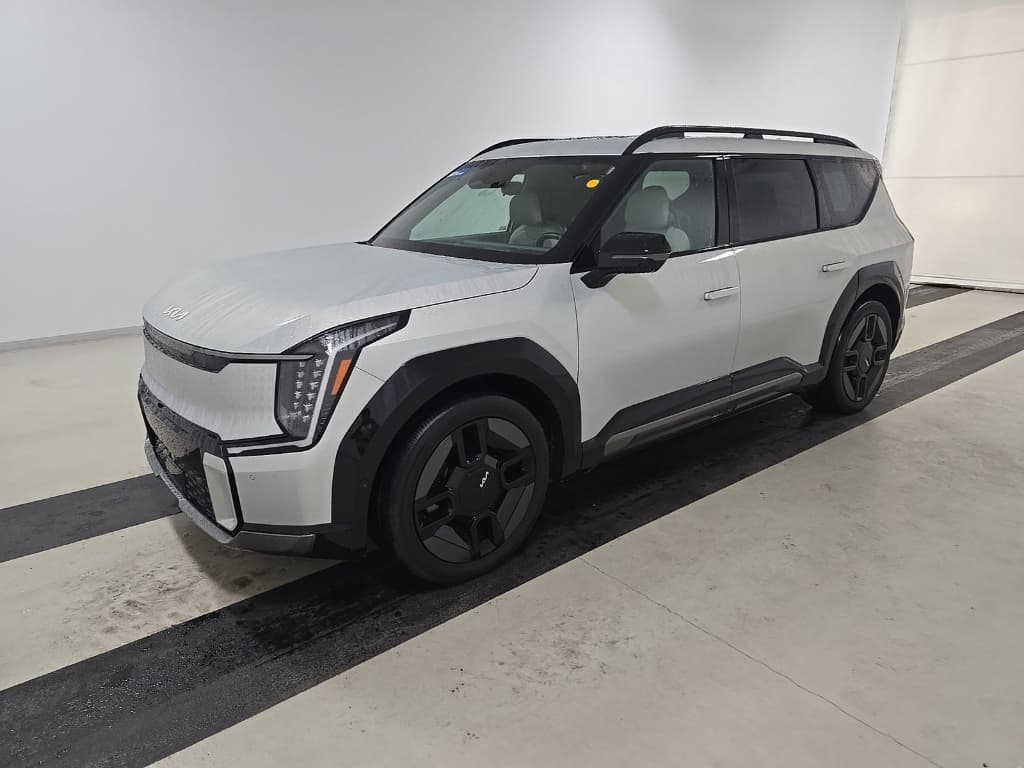
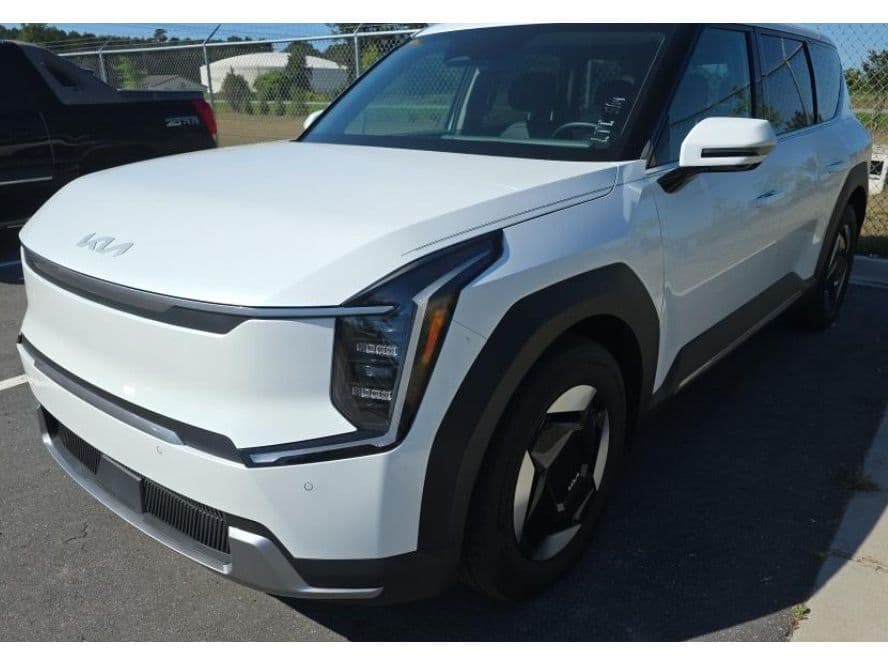
| Kia EV9 | Full V2H (Wallbox Quasar 2) | Up to ~11.5 kW (charger limit) | Quasar 2 bidirectional charger + Power Recovery Unit enable V2H for eligible EV9s; needs 200A service and utility permissions in many areas. |
| GM Ultium trucks & SUVs (e.g., Chevy Silverado EV, Blazer EV) | V2H / V2L via Ultium Home | ~9.6–19.2 kW depending on configuration | GM Energy’s Ultium Home line supports backup and whole‑home systems; GM also offers a lease model for home‑energy hardware. |
| Hyundai Ioniq 5 / 6, Kia EV6 | Vehicle‑to‑load (V2L) outlets | Up to ~1.9–3.6 kW | Can power appliances via 120V outlets; with a transfer switch these can support “generator‑style” home backup for essentials only. |
| Tesla Cybertruck (PowerShare homes) | Emerging V2H via Tesla ecosystem | Up to 11.5 kW (Tesla claim) | Designed to work with Tesla Powerwall / PowerShare hardware; details and broad availability are still evolving. |
Representative capabilities for popular EVs that can serve as home battery backup when properly equipped.
Check capability before you buy
How long can an EV back up your house?
Duration comes down to three things: battery size, how much of it you’re willing to use, and your home’s load. A typical U.S. home uses roughly 20–30 kWh/day on average, but in an outage you’re usually not trying to run everything.
Sample backup runtimes using an EV as home battery
These are planning examples, not guarantees. Your actual runtime depends on climate, appliances, and how frugal you are with loads.
Essentials only
Backed up: fridge/freezer, Wi‑Fi, lights, phone/laptop charging, small fan, gas furnace blower.
Daily use: about 10–20 kWh. A 77 kWh pack with ~60 kWh usable could run this for 3–5 days of careful use.
Most of the house
Backed up: essentials + well pump, microwave, occasional laundry, some cooking, moderate A/C.
Daily use: 25–40 kWh. The same pack may cover 1.5–2.5 days before you hit your reserve.
Whole electric home in winter
Backed up: everything, including electric resistance heating or large heat pump in very cold weather.
Daily use can jump above 50–80 kWh. Even a big truck battery may only stretch 1 day without serious load shedding.
Think in kWh, not days
Hardware you need to use an EV as a home battery
There are three broad pathways to using an EV for home backup. They differ in cost, convenience, and how much of your home they can support.
Three common ways to use an EV for home backup
1. Full V2H system (best experience)
This is the “flip a switch and the house stays on” option. It combines a bidirectional wall charger, a transfer switch or smart panel, and software to manage power. Examples include Ford F‑150 Lightning with Ford Charge Station Pro + Home Integration System, Kia EV9 with Wallbox Quasar 2 + Power Recovery Unit, and GM Ultium Home systems. Expect professional design, permits, and inspection.
2. Generator-style backup via 240V outlet
Many trucks and some EVs (like F‑150 Lightning’s Pro Power Onboard) have a 240V outlet that can feed a generator inlet on your home, controlled by a manual transfer switch. It’s less seamless but often cheaper than full V2H. You’re limited by the outlet’s power rating (often 7.2–9.6 kW) and it usually backs up a subset of circuits.
3. Extension cords from onboard outlets
The lowest‑cost, lowest‑complexity option: plug appliances directly into 120V outlets on the vehicle using heavy‑duty cords. This doesn’t power your panel, but it can keep fridges, a few lights, and electronics running. It’s a good fallback even if you later invest in a full V2H setup.
Never backfeed through a dryer outlet
Costs: EV home backup vs Powerwall or generator
Using your EV as a home battery doesn’t mean backup power is free. You’re shifting cost from a separate battery to bidirectional charging hardware, home integration equipment, and installation. And in some cases, especially if you don’t already own a compatible EV, a dedicated battery or even a traditional generator may still pencil out better.
High-level cost comparison for home backup options (2026 U.S. ballpark)
Actual pricing varies by home, region, and incentives. These ranges are meant for directional planning, not quotes.
| Option | Upfront equipment | Typical install | Pros | Cons |
|---|---|---|---|---|
| Full V2H with compatible EV | $4,000–$10,000 | $2,000–$5,000 | Uses large EV battery you already own; quiet, clean, fully automatic with right system. | Requires specific EV + bidirectional charger; still emerging, fewer installers; car must be home to work. |
| Dedicated home battery (e.g., Tesla Powerwall, EcoFlow Ocean Pro) | $7,000–$15,000+ per system | $3,000–$7,000 | Mature ecosystem, works with any car; can participate in virtual power plants; always “parked.” | Separate battery to buy and maintain; capacity smaller than big EVs unless you buy multiple units. |
| Standby generator (propane/natural gas) | $3,000–$8,000 | $3,000–$6,000 | Lower upfront cost, familiar to installers; fuel can run for long outages. | Noisy, fossil‑fuel emissions, ongoing maintenance; fuel availability risk in big disasters. |
| Portable generator or inverter + cords | $600–$2,000 | DIY or minimal | Cheap entry to backup; flexible and familiar. | Manual setup; carbon monoxide and noise risk; limited capacity and runtime vs EV or home battery. |
How EV‑based home backup stacks up financially against other popular backup options.
New business models are emerging
Safety, codes, and utility approvals
EV‑as‑home‑battery sits at the intersection of automotive, electrical, and utility regulation, so compliance matters. Most U.S. jurisdictions care about three big buckets: equipment standards, interconnection rules, and inspection.
- Equipment standards: Bidirectional chargers are increasingly certified under standards like UL 9741 (bidirectional EV equipment) and UL 1741 for grid‑interactive inverters. Using listed equipment makes permitting dramatically easier.
- Utility interconnection: If your system can send power to the grid (V2G) or operate in parallel with it, your utility may require an interconnection agreement, even if your main goal is home backup.
- Inspection & permits: Expect an electrical permit and final inspection. Many inspectors are now familiar with Powerwall‑style systems; bidirectional EV chargers are newer but generally viewed through a similar lens.
Choose experienced installers
Everyday uses beyond blackouts
Once you have an EV integrated as a home battery, the value proposition isn’t just about rare storms. The same hardware can help you optimize when you buy electricity and how you use solar, turning V2H into an everyday tool rather than a once‑a‑year insurance policy.
Everyday ways to put an EV home battery to work
Think of your EV as a flexible energy asset, not just outage insurance.
Time-of-use arbitrage
Charge the car when rates are low (overnight or during mid‑day solar surplus) and let it cover some of your home’s demand during expensive evening peaks. In some markets, the spread is big enough to shave a meaningful chunk off bills.
Solar self-consumption
If you have rooftop solar, your EV can soak up midday surplus, then feed it back to the house at night. That keeps more of your own generation on‑site rather than selling it back to the grid at low export rates.
Virtual power plants
Some utilities and aggregators are piloting programs that pay you to let them draw small amounts of power from home batteries or EVs during grid stress events. This is still early for EVs, but the direction is clear.
Targeted resilience
Even without full‑home backup, simply knowing your fridge, communications, and a medical device can ride through an outage changes how vulnerable your household feels, especially in rural or wildfire‑prone areas.
Is using your EV battery for home backup bad for it?
It’s reasonable to worry that using your EV as a home battery will “use up” the pack faster. In practice, properly managed V2H is unlikely to dominate your battery wear compared to driving, especially if you’re only using it for occasional outages and modest daily load shifting.
- Most modern EV packs are engineered for thousands of full‑cycle equivalents over their life. A few backup events per year barely register against regular driving use.
- Automakers that officially support V2H design their thermal management and software to keep the pack within safe voltage and temperature windows during export.
- Using conservative settings, such as never discharging below 20–30% for backup, and avoiding frequent full 0–100% swings, helps minimize extra wear.
Treat V2H as a partial, not total, cycle
Should you buy a used EV as a home battery?
If you’re already shopping for an EV, or you have a second vehicle slot, using a used EV as a dedicated or semi‑dedicated home battery can be an interesting alternative to a Powerwall‑style system. But it only makes sense if you go in with clear expectations about battery health, compatibility, and total cost.
Pros of a used EV for backup
- Much larger battery capacity per dollar than most stationary systems, especially if you buy older EVs with big packs.
- You also get a usable vehicle for local trips or as a backup car.
- Flexible: start with outlet‑and‑cord backup, then add bidirectional hardware later if your model supports it.
Cons and watch-outs
- Not all EVs support V2H today; some may never get it even if the hardware could.
- Battery health matters more when you rely on it as an energy asset.
- Insurance, registration, and parking add overhead you don’t have with a stationary battery.
Where Recharged fits in
Ready to find your next EV?
Browse VehiclesChecklist if you want a used EV for home backup
Confirm V2H or V2L support
Research whether the model and year you’re considering support bidirectional charging or at least robust 120/240V outlets. Don’t assume future software updates will unlock it.
Verify battery health and pack size
A degraded 60 kWh pack might behave more like a fresh 45–50 kWh pack. Make sure its usable capacity aligns with your backup expectations. Battery health diagnostics, like the Recharged Score, are invaluable here.
Map out hardware and install costs
Get real quotes for bidirectional chargers, smart panels, and labor, not just MSRP. In some homes, upgrading electrical service to 200A can add thousands to the project.
Check incentives and utility programs
Some states and utilities offer rebates for home batteries, smart panels, or even V2G pilots. These can tilt the math toward either a used EV or a stationary system.
Plan where the vehicle will live
If the EV is your home battery, it needs to be parked where the charger and panel are. In multi‑unit or street‑parking situations, a stationary battery may be simpler.
FAQ: EV as home battery backup
Frequently asked questions about EV home backup
Bottom line: Is an EV home battery right for you?
Using an EV as home battery backup is one of those ideas that sounds almost too clever: turn the giant battery in your driveway into resilience for your whole house. In 2026, it’s finally practical for a growing number of drivers, but it’s not yet plug‑and‑play or universally cheaper than a dedicated home battery.
If you already own, or are shopping for, a compatible EV, and you live somewhere with frequent outages or punitive peak rates, V2H can be a smart way to get more value from the vehicle you’re buying anyway. Just go in with clear eyes about hardware, permitting, and realistic runtimes. If you’re primarily chasing backup and don’t expect to drive the car much, a high‑quality used EV with verified battery health can be a compelling alternative to hanging more lithium on your wall.
Either way, the essentials don’t change: start with your home’s true energy needs, then work backwards to the right mix of EV, charger, and integration. If you want help translating kilowatt‑hours, battery health reports, and bidirectional‑ready models into a concrete plan, the specialists at Recharged can help you find a used EV that fits both your driveway and your backup‑power goals.