If you’ve started shopping for replacement tires for your electric car, you’ve probably seen ERANGE EV tires pop up, often at a noticeably lower price than big-name brands. They promise more range, less noise and EV‑specific engineering. But how much of that is real, and how much actually matters for you as a driver?
Quick Take
What Are ERANGE Tires, Exactly?
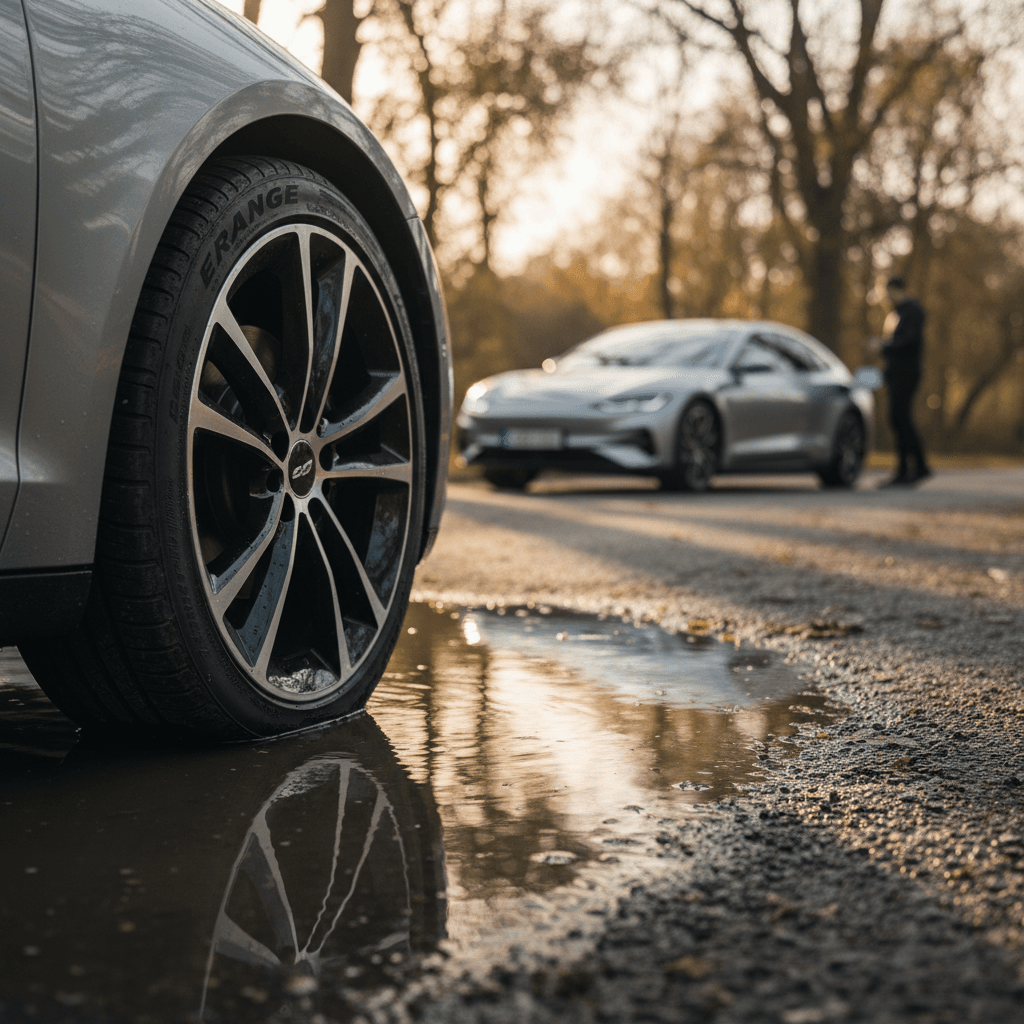
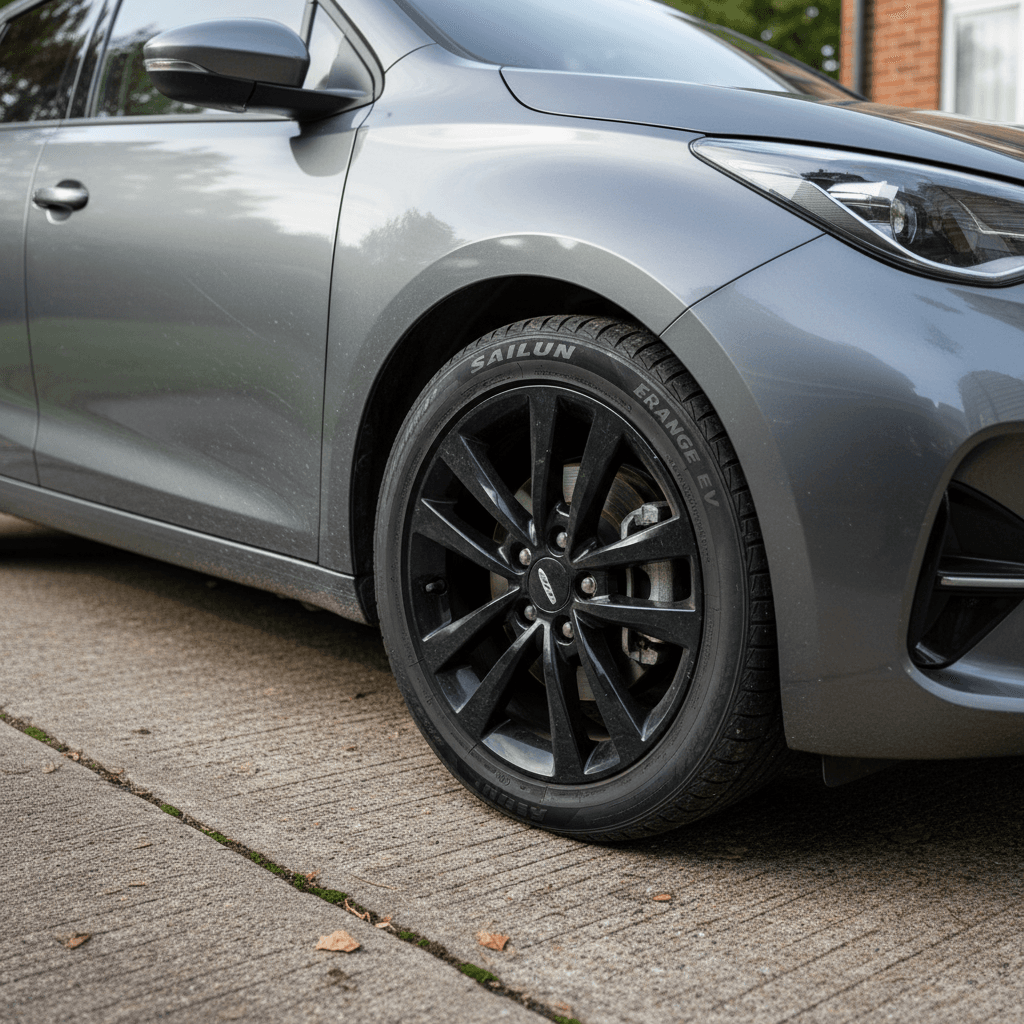
ERANGE EV is a dedicated tire lineup designed specifically for electric and hybrid vehicles. The tires are built by Sailun Tire Group, a Chinese‑founded global tire manufacturer that has been pushing EV‑specific designs using its proprietary EcoPoint³ compound technology. In North America, ERANGE EV is marketed as an all‑season tire for electric cars, crossovers and SUVs.
- All‑season EV tire line (no separate summer or winter variants in most markets yet)
- Built with EcoPoint³ compound aimed at low rolling resistance and long wear
- Reinforced sidewalls and higher load ratings to handle battery weight
- Noise‑reduction features under the SilentTread™ umbrella
- Positioned as a value alternative to premium EV tires from Michelin, Pirelli, Hankook and others
Why EVs Need Different Tires Than Gas Cars
Before you decide whether ERANGE tires make sense, it helps to understand why EV‑specific tires exist at all. Electric vehicles aren’t just gas cars with batteries swapped in; they change the job your tires are asked to do.
The Three Big Challenges for EV Tires
ERANGE is engineered around these EV‑specific demands
Extra Weight
Instant Torque
Noise Exposure
Why “Any Tire” Isn’t Ideal on an EV
Inside ERANGE EV Technology: EcoPoint³, SilentTread & More
Sailun’s pitch with ERANGE is that it combines EV‑specific construction with a manufacturing process that narrows the usual trade‑offs between grip, rolling resistance and tread life.
Key ERANGE Technology Pillars
EcoPoint³: What It Actually Does
Traditional tire manufacturing mixes rubber ingredients in a way that often forces a trade‑off: if you lower rolling resistance to gain efficiency, you usually sacrifice grip or wear. Sailun’s EcoPoint³ process uses a more precisely controlled liquid‑phase mixing that aims to keep the rubber compound more uniform at the microscopic level.
The result, in testing and third‑party reviews, is a compound that can offer low rolling resistance without feeling like a hard, low‑grip eco tire from a decade ago.
SilentTread™ & Noise Tuning
Instead of foam strips inside the tire like some premium brands, ERANGE focuses on tread design and rubber formulation to cut noise. Varying the pitch of the tread blocks helps avoid the classic "tire hum" at highway speeds, and the compound is tuned for a quieter impact as the tread hits the road.
That matters in an EV, where you’ll hear tire noise more clearly than in any gas car.
Do ERANGE Tires Really Improve EV Range?
ERANGE’s headline claim is simple: less rolling resistance equals more miles per kilowatt‑hour. Independent testing and long‑term reviews back up at least a modest, real‑world efficiency benefit compared with many standard all‑season tires.
Where ERANGE Fits in the EV Tire Efficiency Landscape
High‑level positioning of ERANGE vs typical alternatives (exact numbers vary by vehicle and size).
| Tire Type | Typical Focus | Relative Efficiency | Typical Price Level |
|---|---|---|---|
| OEM EV Tire (e.g. factory fitment) | Balanced efficiency, comfort, brand perception | Baseline | High |
| Generic Touring All‑Season | Comfort and low price, not EV‑optimized | Often lower than OEM | Low–Mid |
| Premium EV‑Specific (Michelin, Pirelli, Hankook) | Efficiency, grip, brand prestige | Equal or better than OEM | High |
| ERANGE EV | Efficiency and comfort at value price point | Comparable to many OEM and premium EV tires in tests | Mid |
ERANGE isn’t magic, but for many EVs it can reclaim range lost to generic replacement tires.
What to Expect in Real Miles
Remember that tire pressure, driving style, temperature and wheel size all play big roles in real‑world range. Swapping to ERANGE won’t magically turn a 240‑mile EV into a 300‑mile one, but it can help you stop leaving easy efficiency on the table.
Ride, Noise and Handling: How ERANGE Feels Day to Day
Range gets the headlines, but how ERANGE drives is what you’ll notice every day. The real question is whether you’re trading safety or comfort for efficiency. Based on independent tests and owner feedback, ERANGE lands in a middle‑ground that many daily drivers will find perfectly acceptable.
ERANGE Driving Impressions at a Glance
Strengths and trade‑offs compared with premium EV tires
Noise Levels
Ride Comfort
Grip & Wet Performance
Don’t Ignore Load Index and Speed Rating
Pricing, Sizes & Where to Buy ERANGE EV Tires
One reason ERANGE has gotten attention is straightforward: pricing. In many common EV sizes, ERANGE undercuts premium EV‑specific tires while still offering EV‑appropriate tech.
Typical ERANGE EV Pricing Snapshot (U.S.)
Approximate 2025 street pricing for ERANGE EV, based on common sizes. Actual prices vary by retailer, promotions and region.
| Typical Size Example | Vehicle Category | Approx. Price Per Tire | Notes |
|---|---|---|---|
| 235/45R18 | Compact & midsize EVs | $160–$190 | Common Model 3 / IONIQ / Bolt fitments |
| 255/45R20 | Larger crossovers & SUVs | $200–$260 | Popular on midsize EV SUVs |
| 205/55R16 | Smaller hatchbacks & sedans | $170–$190 | Many compact EVs and hybrids |
Expect ERANGE to sit in a middle band, cheaper than top‑tier brands, but more than entry‑level economy tires.
In the U.S., ERANGE EV tires are available through major regional retailers and online sellers. You’ll often see them listed as Sailun ERANGE EV or ERANGE EV Eco Sphere when you shop by vehicle.
Where ERANGE Fits in the Price Ladder
ERANGE vs Other EV-Specific Tires
A Good Fit for Value‑Seeking EV Drivers
Who ERANGE Tires Are (and Aren’t) Right For
Is ERANGE a Good Match for You?
Consider your driving, climate and priorities
Great Fit If…
- You daily‑drive your EV and care about range and quietness.
- You want EV‑specific tech without paying full premium‑brand prices.
- You live in a moderate climate where all‑season tires make sense.
- You prioritize a comfortable, predictable ride over track‑level grip.
Maybe Look Elsewhere If…
- You drive in severe winter conditions and need a true winter tire.
- You regularly push your EV hard on backroads or track days.
- You strongly prefer sticking with a legacy top‑tier brand regardless of price.
- Your EV uses an unusual tire size that ERANGE doesn’t yet support.
How Tire Choice Affects Used EV Value at Recharged
At Recharged, every used EV we sell comes with a Recharged Score Report that covers battery health, pricing fairness and overall condition. Tires are a surprisingly important piece of that story, because they influence range, safety and ownership costs.
- Well‑matched, EV‑specific tires can support the range you actually see in day‑to‑day driving, which makes our battery health diagnostics more meaningful for you.
- Buyers tend to feel more confident when they see fresh, brand‑name or EV‑labeled tires rather than worn or mismatched rubber.
- If a vehicle arrives with tired or non‑EV‑appropriate tires, we factor the replacement cost into pricing, or replace the set outright before listing it.
Thinking About Upgrading Tires Before Selling or Trading?
Because Recharged offers financing, trade‑in options and instant offers or consignment, you can also roll necessary tire replacement into your overall transaction rather than paying out of pocket up front.
Checklist: Choosing the Right EV Tire (ERANGE or Not)
Step‑by‑Step EV Tire Buying Checklist
1. Confirm Size, Load Index & Speed Rating
Check the sticker in your driver‑side door jamb and match size, load index and speed rating exactly, or better, on any tire you consider, including ERANGE.
2. Decide How Much Range Matters
If you regularly run your battery low or road‑trip often, prioritize low rolling resistance EV tires like ERANGE, Michelin EV lines or similar options.
3. Be Honest About Your Climate
In mild climates, EV‑specific all‑seasons like ERANGE can work year‑round. In regions with regular snow and ice, plan on a winter tire set or an all‑weather tire rated for severe snow service.
4. Think About Noise Tolerance
If you’re sensitive to cabin noise, pay close attention to EV‑specific noise‑reduction features and owner reviews. ERANGE’s SilentTread™ is aimed directly at this issue.
5. Compare Total Cost, Not Just Price
Factor in estimated tread life, range impact and potential rebates. A tire that costs a bit more but lasts longer and saves energy can pay for itself over time.
6. Align With Your Ownership Plans
If you expect to keep the EV for years, investing in a higher‑quality EV tire set makes sense. If you plan to sell soon, a solid mid‑range option like ERANGE may be the sweet spot.
ERANGE Tires FAQ
Frequently Asked Questions About ERANGE EV Tires
Bottom Line: Are ERANGE Tires Worth It?
For many EV owners, ERANGE EV tires hit a pragmatic middle ground: EV‑specific tech, quieter operation and solid efficiency at a price that’s easier to swallow than the most premium names. They’re not the only good option in the market, and they aren’t a substitute for dedicated winter tires where conditions demand them. But if you’re looking for a competent, EV‑aware all‑season tire that won’t blow up your budget, ERANGE deserves a spot on your shortlist.
If you’re also weighing whether it’s time to upgrade into a different EV altogether, Recharged can help on both fronts, evaluating the tires and battery on your current vehicle, and matching you with a used EV whose range, ride and running costs fit your life. When you’re ready, you can buy, finance, trade in or sell your EV fully online, backed by transparent Recharged Score battery health diagnostics and specialist support from start to finish.