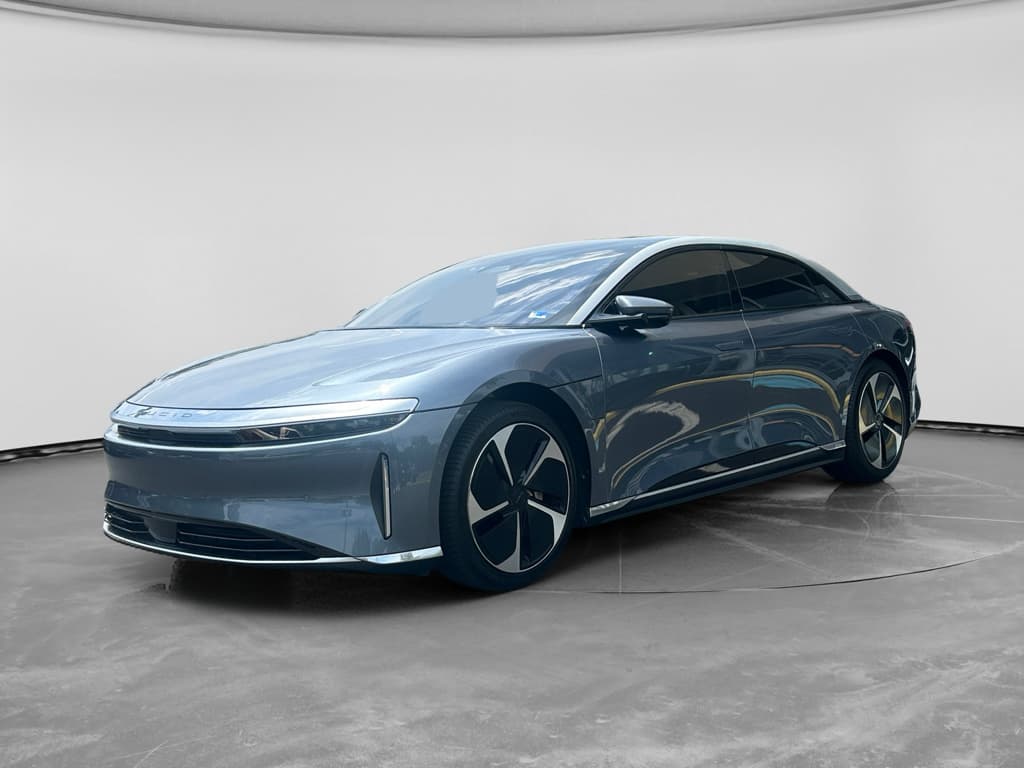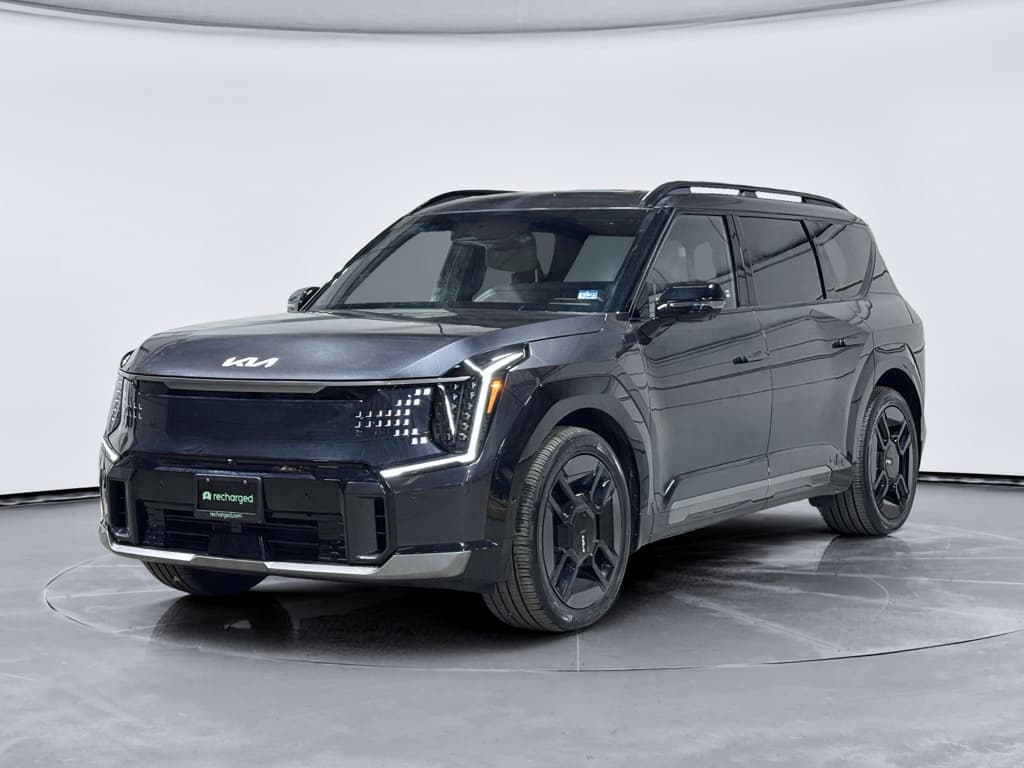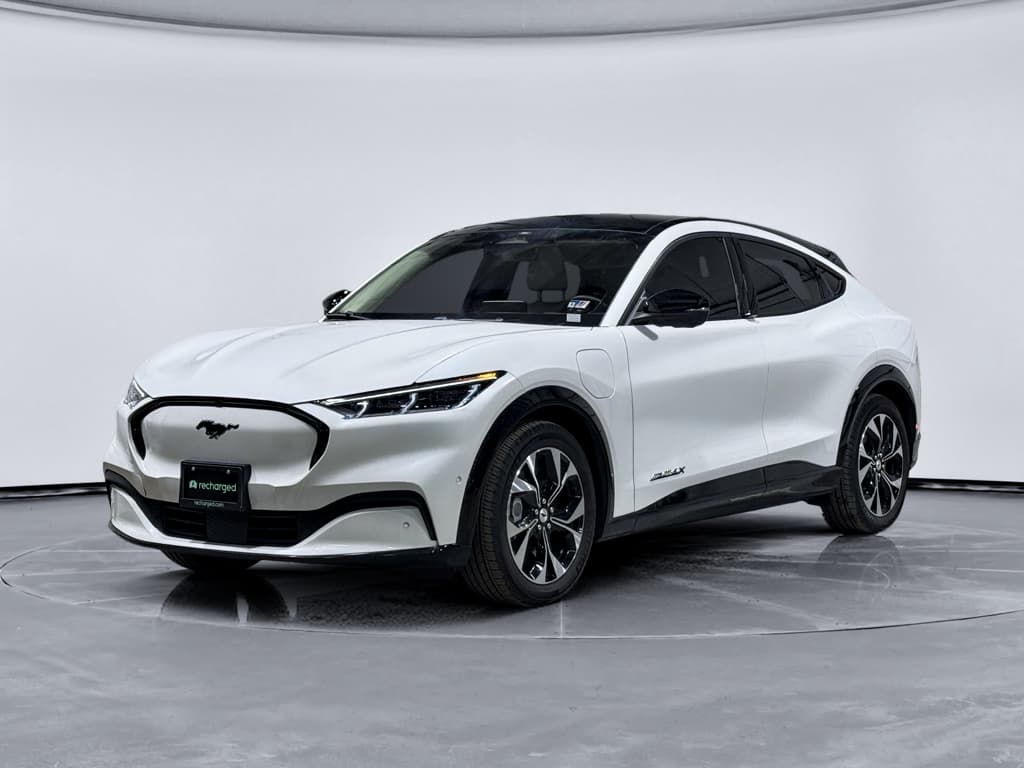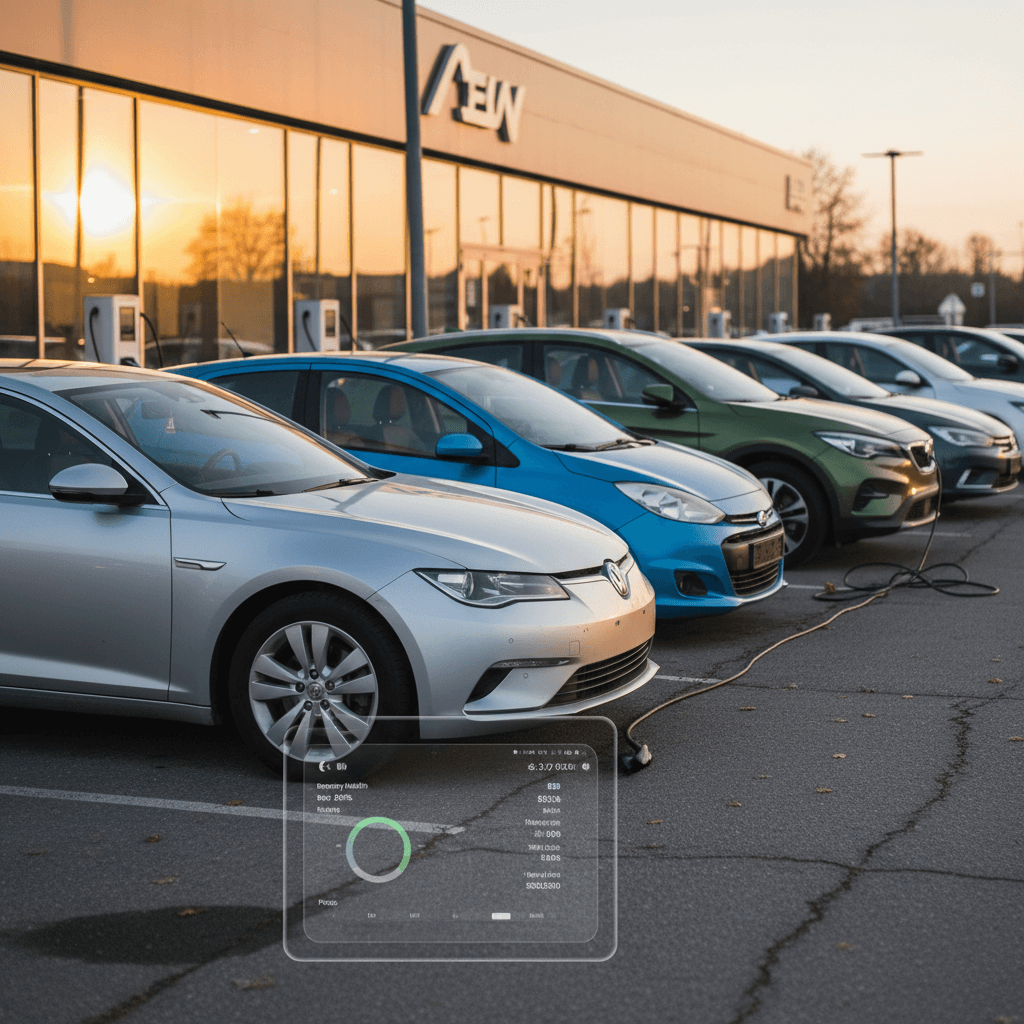
When people talk about “electricity cars”, they’re usually talking about modern electric vehicles (EVs) like a Tesla Model 3, Hyundai Ioniq 5, or Chevy Equinox EV. Whatever you call them, these cars swap gasoline and oil changes for batteries, software, and charging cables, and they’re changing what it’s like to own a car in the U.S.
Quick definition
What People Really Mean by “Electricity Cars”
The phrase “electricity cars” sounds a little clunky, but it captures what makes these vehicles different: electricity is the fuel. Instead of burning gasoline in an engine, an EV stores energy in a big battery pack and uses an electric motor to turn the wheels.
Electricity Cars in the U.S. Market (2025 Snapshot)
Today you’ll find electricity cars in every shape and size: compact hatchbacks, family crossovers, luxury sedans, even electric pickups. Mainstream models like the Tesla Model Y, Ford Mustang Mach‑E, and Chevrolet Equinox EV mean you no longer have to be an early adopter to drive one.
Where used EVs come in
How Electricity Cars Work: Batteries, Motors, and Brakes
1. The high‑voltage battery pack
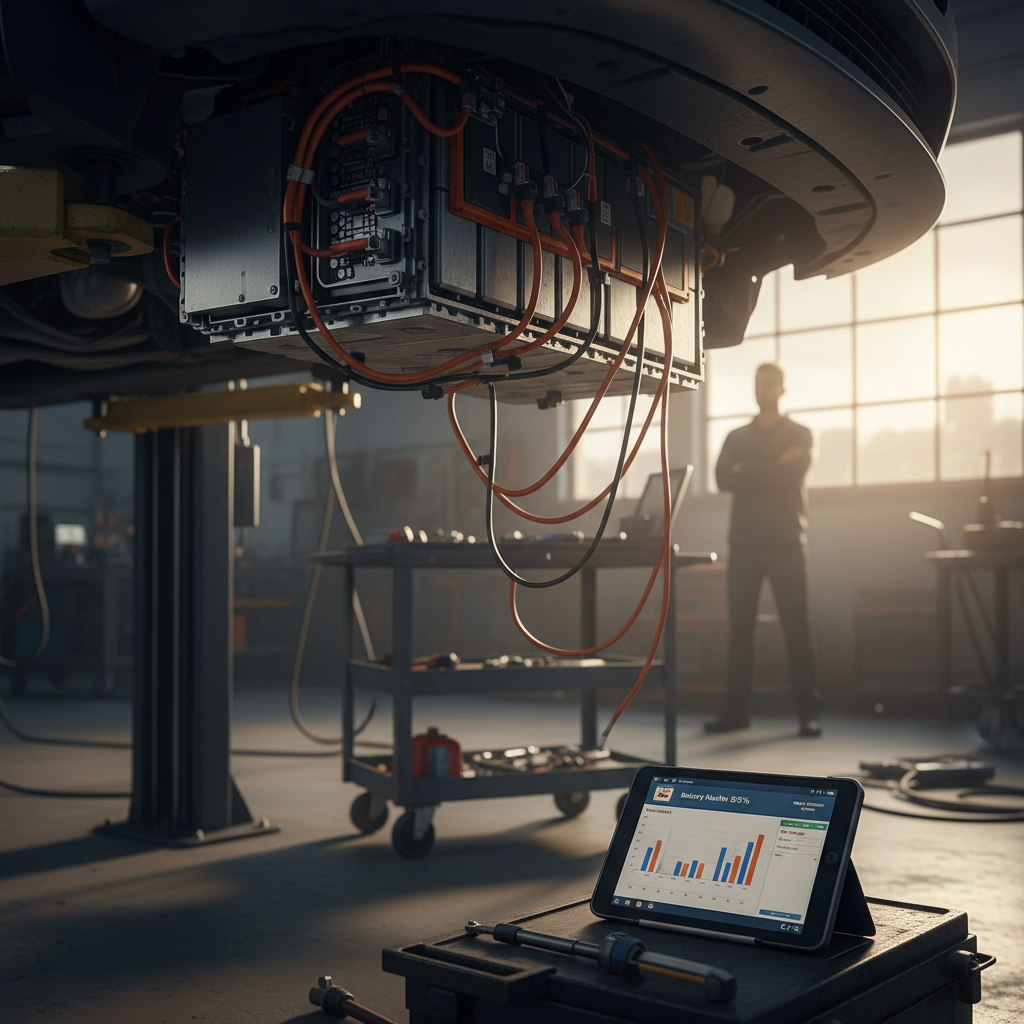
At the heart of every electricity car is a lithium‑ion battery pack, usually mounted in the floor of the vehicle. It’s made up of hundreds or thousands of small cells, cousins to the cells in your phone, just ruggedized for automotive use.
- Capacity is measured in kilowatt‑hours (kWh). A 60 kWh pack stores twice as much energy as a 30 kWh pack.
- Bigger battery generally means more range, but also more weight and cost.
- The battery pack is managed by sophisticated electronics that control temperature, charging speed, and how much of the battery is actually usable to protect long‑term health.
2. The electric motor and drivetrain
Electric motors are compact, simple, and brutally effective. They convert electrical energy into motion with far fewer moving parts than a gas engine.
- Instant torque means quick, smooth acceleration from a stop.
- Most EVs use a single‑speed transmission, no revving or gear hunting.
- All‑wheel drive EVs typically add a second motor on the other axle for better traction and performance.
When you press the accelerator in an electricity car, you’re telling the power electronics to feed energy from the battery to the motor. The motor spins, the wheels turn, and off you go. Release the accelerator, and the car starts to slow, not just with friction brakes, but with regenerative braking that recovers energy that would otherwise be wasted as heat.
Regenerative braking in plain English
EV Battery Life: How Long Electricity Cars Really Last
Battery life is the number‑one question for most shoppers: Will the battery last, or will it be like an aging smartphone? The good news is that real‑world data from fleets, automakers, and independent testers shows modern EV batteries aging far better than early skeptics predicted.
What We Know About EV Battery Longevity
Modern electricity cars are built to go the distance
Conservative warranties
Slow degradation
High‑mileage examples
What can shorten battery life
If you’re shopping used, you don’t have to guess. Every Recharged vehicle comes with a Recharged Score battery health report, based on diagnostics from the car’s onboard systems. That means you see how the battery is actually performing before you buy, not just a guess based on age and miles.
Charging Electricity Cars: Home, Work, and On the Road
Charging is where electricity cars feel most different from gas cars, usually in a good way. Instead of detouring to a gas station every week, most EV drivers “fuel” at home overnight and treat public fast charging as an occasional tool for road trips.
Charging Levels for Electricity Cars
How fast your EV charges depends on where you plug in and what your car can accept.
| Charging type | Typical name | Voltage | Approx. speed | Best use case |
|---|---|---|---|---|
| Level 1 | Standard outlet | 120 V | 2–5 miles of range/hour | Topping up a plug‑in hybrid, very short daily commutes |
| Level 2 | Home / workplace | 240 V | 15–40 miles of range/hour | Daily charging for most electricity cars |
| DC fast charging | “Fast charger,” “rapid” | 400–800 V DC | Up to 150–350 kW (10–80% in ~20–40 min for many EVs) | Road trips and emergency top‑ups |
Real‑world charging speeds vary by model, temperature, and how full the battery already is, but these ranges give you a feel for daily use.
Do you need a home charger?
Where Electricity Cars Get Their “Fuel”
Think in terms of routines, not just locations
At home
At work
On the road
What It Really Costs to Own an Electricity Car
Sticker price gets all the attention, but the magic of electricity cars is in what happens after you’ve parked one in your driveway. Over a few years, lower fueling and maintenance costs can more than offset a higher purchase price, especially if you buy used.
Fuel: electricity vs. gasoline
- Electricity costs are usually equivalent to paying roughly $1–$2 per gallon of gas, depending on your local rates and when you charge.
- Many utilities offer off‑peak EV rates, making overnight charging significantly cheaper.
- Public DC fast charging can be pricier per mile than home charging, but you’re paying for speed and convenience, ideal for road trips.
Maintenance and repairs
- No oil changes, no spark plugs, no timing belts, no exhaust system. Electricity cars simply have fewer parts to wear out.
- Brake pads often last longer thanks to regenerative braking doing most of the work.
- You’ll still need tires, cabin filters, and occasional coolant or brake fluid service, but overall maintenance is typically lower than a comparable gas car.
Financing a used electricity car
Ready to find your next EV?
Browse VehiclesAdvantages and Drawbacks of Electricity Cars
Electricity Cars: The Good and the Not‑So‑Good
Every drivetrain has trade‑offs, here’s the honest rundown
Big advantages
- Quiet, smooth drive with instant torque and no gear changes.
- Home charging convenience, you start most days with a “full tank.”
- Lower running costs on fuel and maintenance.
- Zero tailpipe emissions and reduced local air pollution.
- In many regions, access to HOV lanes or reduced tolls.
Real‑world drawbacks
- Charging access can be challenging in apartments or dense cities.
- Road‑trip planning takes more thought than with gas cars, especially in rural areas.
- Cold weather can temporarily reduce range and charging speed.
- Fast‑charging networks vary in reliability by region and provider.
Don’t ignore public charging in your area
Buying a Used Electricity Car: What to Check First
A used electricity car can be a bargain, but only if you know what you’re getting. Unlike gas cars, the battery and charging hardware are just as important as mileage and service records.
Used Electricity Car Buying Checklist
1. Battery health and range
Ask for a <strong>battery health report</strong> or at least a clear estimate of remaining usable capacity. Compare the car’s current full‑charge range to the original EPA rating. Recharged’s Score Report gives you this in black and white.
2. Charging speed and compatibility
Verify the car charges properly on Level 2 and DC fast chargers. Confirm which connector it uses (CCS, NACS/Tesla, or CHAdeMO on older models) and whether you’ll need adapters in your region.
3. Software and recalls
Electricity cars are rolling computers. Make sure all <strong>software updates</strong> and safety recalls have been performed, this can improve range, charging, and reliability.
4. Service history
Look for evidence of regular maintenance, even if it’s lighter than a gas car: tire rotations, brake fluid changes, and any warranty work on the battery or drive unit.
5. Previous use pattern
A former rideshare or rental EV isn’t automatically a bad bet, but try to understand whether the car lived on DC fast chargers or enjoyed a gentler life on home Level 2.
6. Total cost, not just price
Factor in incentives, fuel savings, and maintenance when you compare a used electricity car with a similar gas car. Over a few years, the EV can come out thousands of dollars ahead.
“The second‑hand EV market is where things get interesting. Battery health data and transparent pricing are what separate a smart buy from a science experiment.”
Checklist: Are You Ready to Switch to an Electricity Car?
Before you fall in love with an electricity car on a test drive, sanity‑check how it fits your actual life. A little honest math beats buyer’s remorse every time.
Quick Self‑Check Before You Go Electric
Daily miles and habits
Add up your typical daily driving. If you’re usually under 80–120 miles a day, <strong>almost any modern EV</strong> will cover you comfortably with overnight charging.
Home or workplace charging
Do you have a driveway, garage, or reliable parking spot near power, at home or work? If not, map out public options you’d realistically use.
Road‑trip expectations
How often do you drive 300+ miles in a day? If the answer is “only a couple times a year,” a bit of route planning on those trips may be worth the trade‑offs the rest of the year.
Climate reality
If you live somewhere very cold or very hot, assume <strong>some range loss</strong> in extreme weather and size your battery choice accordingly.
Budget and financing
Run the numbers on purchase price, fuel savings, and maintenance. With EV‑friendly financing and trade‑in options from Recharged, a used electricity car can fit into a monthly payment you already know how to manage.
FAQ: Common Questions About Electricity Cars
Frequently Asked Questions About Electricity Cars
The Bottom Line on Electricity Cars
“Electricity cars” may sound like a quirky phrase, but the idea is straightforward: you’re swapping gas stations for plugs, oil changes for software updates, and engine rumble for quiet torque. For many drivers in 2025, that trade is paying off in lower running costs, smoother driving, and less tailpipe pollution, especially when they choose the right car for their charging reality.
If you’re ready to explore a used electricity car, start by mapping out your daily miles and charging options, then compare a few models. A marketplace like Recharged can help you see verified battery health, fair pricing, financing, and nationwide delivery in one place, so going electric feels less like a science experiment, and more like a smart upgrade to your everyday drive.