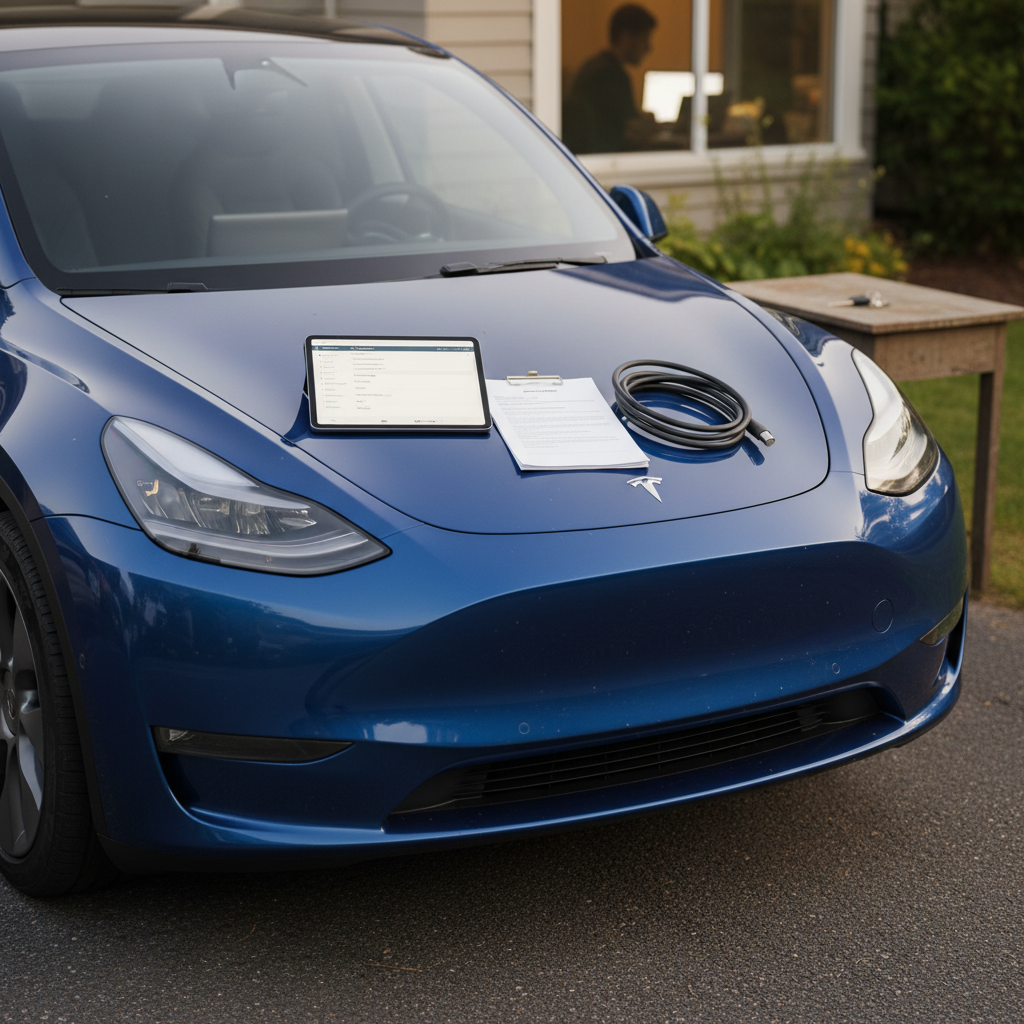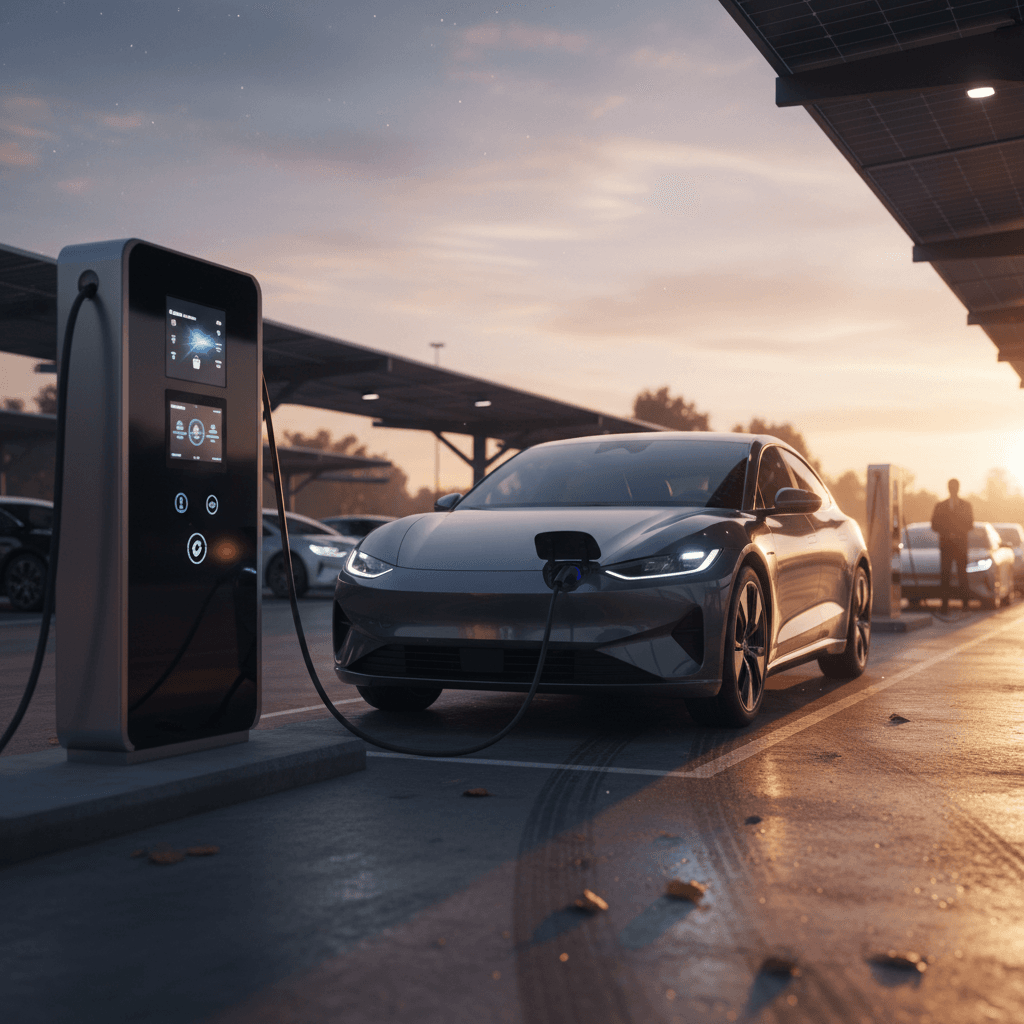
You keep hearing about the “electrical car.” Your neighbor has one, dealers are pushing them, headlines say they’re the future, and yet you still aren’t sure what it would be like to actually live with one. In 2025, an electrical car (more commonly called an electric car or EV) is no longer a science project; it’s just a car with a different heart. This guide walks you through how they work, what they cost, where you’ll charge, how long the battery lasts, and how to shop smart, especially if you’re considering a used EV.
Quick note on wording
What is an electrical car, really?
Electrical car (EV)
- Powered by an electric motor and high-voltage battery pack.
- No tailpipe exhaust; local emissions are effectively zero.
- Refueled by charging instead of pumping gas.
- Fewer moving parts than a gas engine, so less routine maintenance.
Gas-powered car
- Powered by an internal combustion engine burning gasoline.
- Produces CO₂ and other exhaust gases as it runs.
- Refueled at gas stations in minutes but at higher fuel cost per mile.
- More complex mechanical systems, oil changes, spark plugs, exhaust, etc.
Within the umbrella of "electrical cars" you’ll see three main types: battery-electric vehicles (BEVs) that run only on electricity; plug-in hybrids (PHEVs) that can run on electricity for short trips but still have a gasoline engine; and hybrids that can’t plug in at all. When most people talk about switching to an electrical car, they mean a BEV, no gas tank, no engine, just electrons.
Electrical cars by the numbers
Why electrical cars are everywhere in 2025
Four forces pushing electrical cars mainstream
It isn’t just hype, there are hard numbers behind the shift.
Running costs are lower
Charging networks matured
Climate and air quality rules
Modern performance & tech
But it’s not a straight line up
How an electrical car actually works
Strip away the jargon and an electrical car is simple: a battery stores energy, an inverter and motor turn that energy into motion, and a single‑speed gearbox sends it to the wheels. The complexity is in the software, not a maze of pistons and gears.
- Battery pack: A large pack of lithium‑ion cells under the floor stores energy in kilowatt‑hours (kWh). Think of kWh as the size of the fuel tank.
- Electric motor: Converts electrical energy into motion. Electric motors deliver instant torque, so acceleration feels strong and smooth, even in modest EVs.
- Inverter and power electronics: Manage the flow of power between the battery, motor, and onboard systems.
- Onboard charger: The hardware that takes AC from your home or workplace and converts it to DC to charge the battery.
- Thermal management: Keeps the battery in its happy temperature range so it lasts longer and charges reliably in hot or cold weather.
Think in kWh, not cylinders
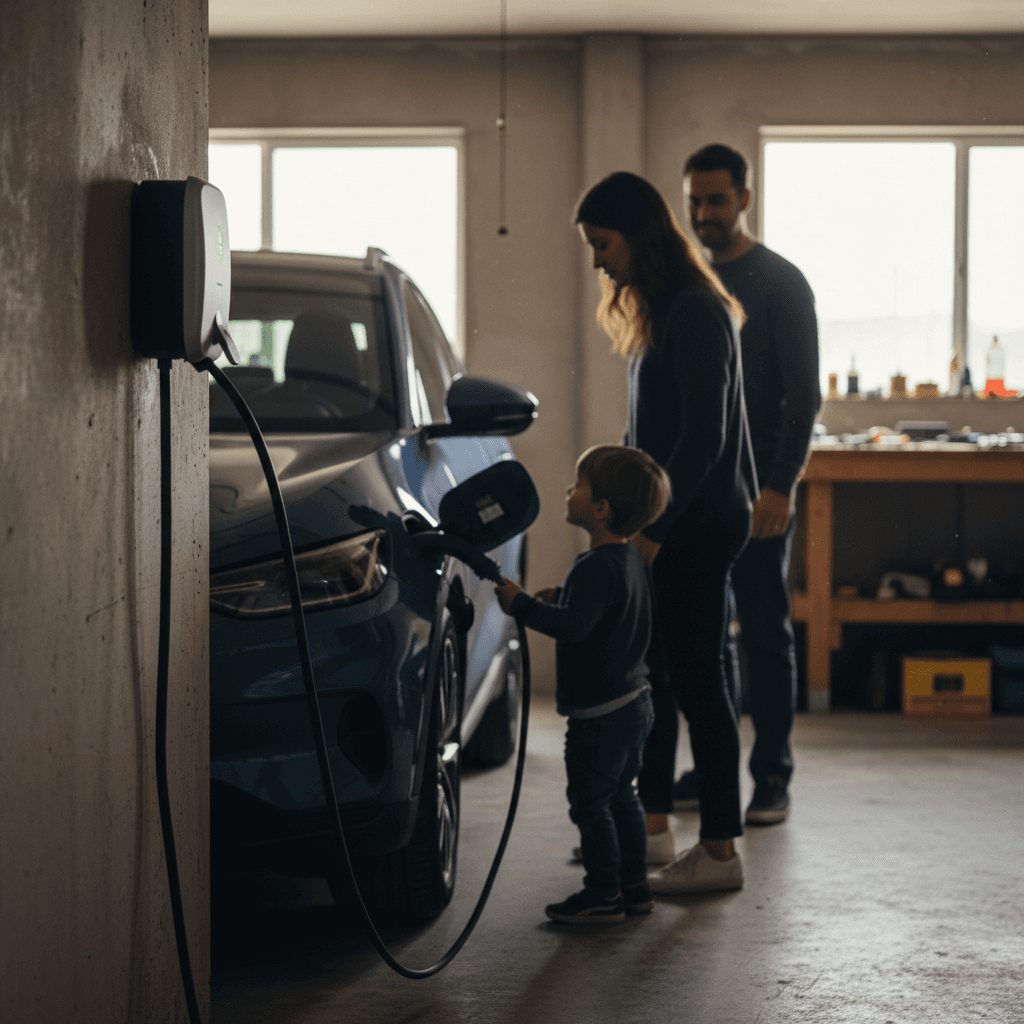
Charging an electrical car at home and on the road
The biggest psychological hurdle with an electrical car isn’t driving it; it’s charging it. Once you understand the three basic levels of charging, the fog lifts.
Electrical car charging levels explained
How fast your electrical car charges depends on power (kW), your battery size, and how low you let it run before plugging in.
| Charging level | Where you use it | Typical power | Rough speed | Best for |
|---|---|---|---|---|
| Level 1 (120V) | Standard household outlet | 1–1.8 kW | 3–5 miles of range per hour | Overnight charging for short daily commutes |
| Level 2 (240V) | Home wall box, workplace, many public stations | 7–11 kW (sometimes up to 19) | 20–35 miles of range per hour | Daily charging for most owners |
| DC Fast Charging | Highway and corridor stations | 50–350 kW | 100–250+ miles of range in 20–40 minutes | Road trips and quick top‑ups |
Approximate times are for adding ~150 miles of range under typical conditions.
Setting up home charging: the essential steps
1. Check your electrical panel
Look at your home’s electrical service (100A, 150A, 200A). Many owners can add a 40‑ or 50‑amp circuit for a Level 2 charger without a full panel upgrade, but an electrician should confirm.
2. Pick a charger location
Ideally close to where you park, with a short, clean cable run. A simple wall‑mounted Level 2 unit near your garage parking spot is the sweet spot for most people.
3. Hire a licensed electrician
High‑voltage work is not a DIY playground. A pro will install the new circuit, breaker, and charger to code, which matters for safety and insurance.
4. Choose the right amperage
A 32–40 amp home charger is plenty for most households, fully recharging overnight. Higher‑amp units only help if your car can accept the extra power and your panel has the capacity.
5. Set a charging schedule
Use the car or charger app to schedule charging for off‑peak hours where your utility offers cheaper nighttime rates, your future self will thank you.
Safety first with DIY ideas
What an electrical car really costs to own
Sticker prices have bounced around with incentives and supply issues, but where electrical cars shine is total cost of ownership, what you actually spend over several years on fuel, maintenance, and depreciation.
Where electrical cars save you money (and where they don’t)
Here’s the honest breakdown over 5 years of ownership.
Fuel vs electricity
Maintenance & repairs
Upfront price & incentives
Depreciation & resale
Run the numbers for your life, not the brochure
Battery life, range, and degradation
The battery pack is the beating heart of an electrical car and the reason many shoppers hesitate. You’ve heard the scary stories: range loss in winter, expensive pack replacements, early EVs aging badly. The truth in 2025 is more boring and reassuring: modern packs tend to hold up well if they’re managed properly.
- Modern range: Many mainstream electrical cars now offer 230–320 miles of rated range, with long‑range trims stretching beyond that. For daily commuting, that’s miles beyond what you actually need.
- Degradation: Most owners see a modest drop in range in the first couple of years, then a slower decline. Manufacturer warranties commonly cover battery capacity for 8 years or around 100,000 miles, sometimes more.
- Fast charging stress: Frequent DC fast charging can speed up degradation, especially in very hot climates, but the impact is smaller with newer chemistries and better thermal management.
- Weather: Cold weather temporarily reduces range and slows charging, but your battery rebounds in warmer conditions, this is about chemistry, not permanent damage.
- Software smarts: EVs manage charge levels and temperature in the background, keeping the usable window conservative so the pack lasts longer than the paperwork.
Used EV? Battery health matters more than mileage
Is an electrical car right for you? Quick self-check
Six questions to test your electrical car fit
1. Where will you charge most of the time?
If you have driveway or garage parking, you’re in the EV sweet spot: plug in at home and wake up full. If you rely entirely on street parking and public chargers, you’ll need to be more intentional, but it can still work in many cities.
2. How many miles do you really drive?
If you’re under 60 miles per day on average, almost any modern EV will feel effortless. Long‑distance sales reps doing 300 miles a day on rural routes might still be better served by a plug‑in hybrid or efficient gas car, for now.
3. Do you road-trip by car several times a year?
Frequent long road trips are absolutely doable in an electrical car now, but fast‑charging stops become part of your rhythm. If that sounds like a feature (stretch, coffee, email break), not a bug, you’re in good shape.
4. How price‑sensitive are you month to month?
If volatile gas prices stress your budget, shifting to predictable home charging can be a relief. Just remember to factor in loan payments, insurance, and any home‑charging installation costs.
5. Are you okay being an early‑majority adopter?
EVs are no longer quirky science experiments, but they still move faster than traditional cars in terms of software changes and updates. If you like tech and don’t mind the occasional over‑the‑air surprise, you’ll enjoy it.
6. What’s your backup plan?
If you live in a one‑car household with no public charging nearby, think through contingencies, rental cars for rare edge‑case trips, car‑sharing, or a plug‑in hybrid instead of a full BEV.
Buying a used electrical car safely
A used electrical car can be the smartest value play in the market right now: you let the first owner absorb the big depreciation hit, while you enjoy lower running costs. The catch? You need clarity on battery health, charging history, and how the car was treated.
What to look for in a used electrical car
Battery, charging, and pricing tell you the real story.
Objective battery health
Charging and usage history
Fair, transparent pricing
How Recharged makes used electrical cars less mysterious
Ready to find your next EV?
Browse VehiclesElectrical car myths you can ignore
Popular myths vs reality
Electrical car FAQ
Frequently asked questions about electrical cars
Bottom line: how to move from curiosity to keys
The case for an electrical car in 2025 is both rational and emotional. Rational, because the numbers, fuel savings, maintenance, and emissions, tend to pencil out in favor of electrons for many drivers. Emotional, because the driving experience is quietly addictive: instant torque, silent acceleration, and the sense that you’re driving something a little more in tune with the decade you live in.
Your next step isn’t to memorise acronyms; it’s to decide whether the electrical car fits your life. Map your driving, check your home‑charging options, run the cost comparison, and then start looking at real cars, not just spec sheets. If a used EV makes more sense than new, that’s where Recharged leans in, with verified battery health, fair market pricing, financing, trade‑in options, and EV‑savvy humans to walk you through the details. From there, the switch from gas to electrical is less a leap of faith and more like changing smartphones: a short learning curve, then you wonder why you waited so long.