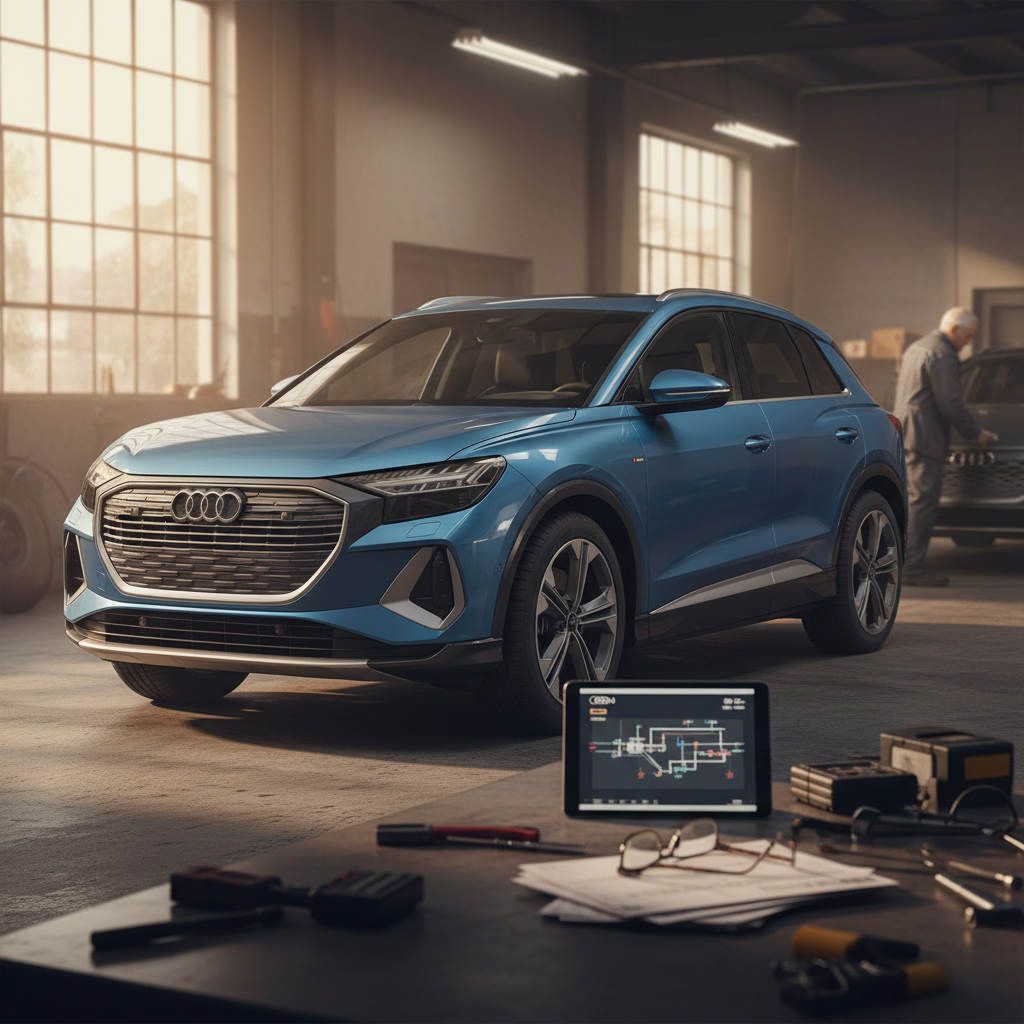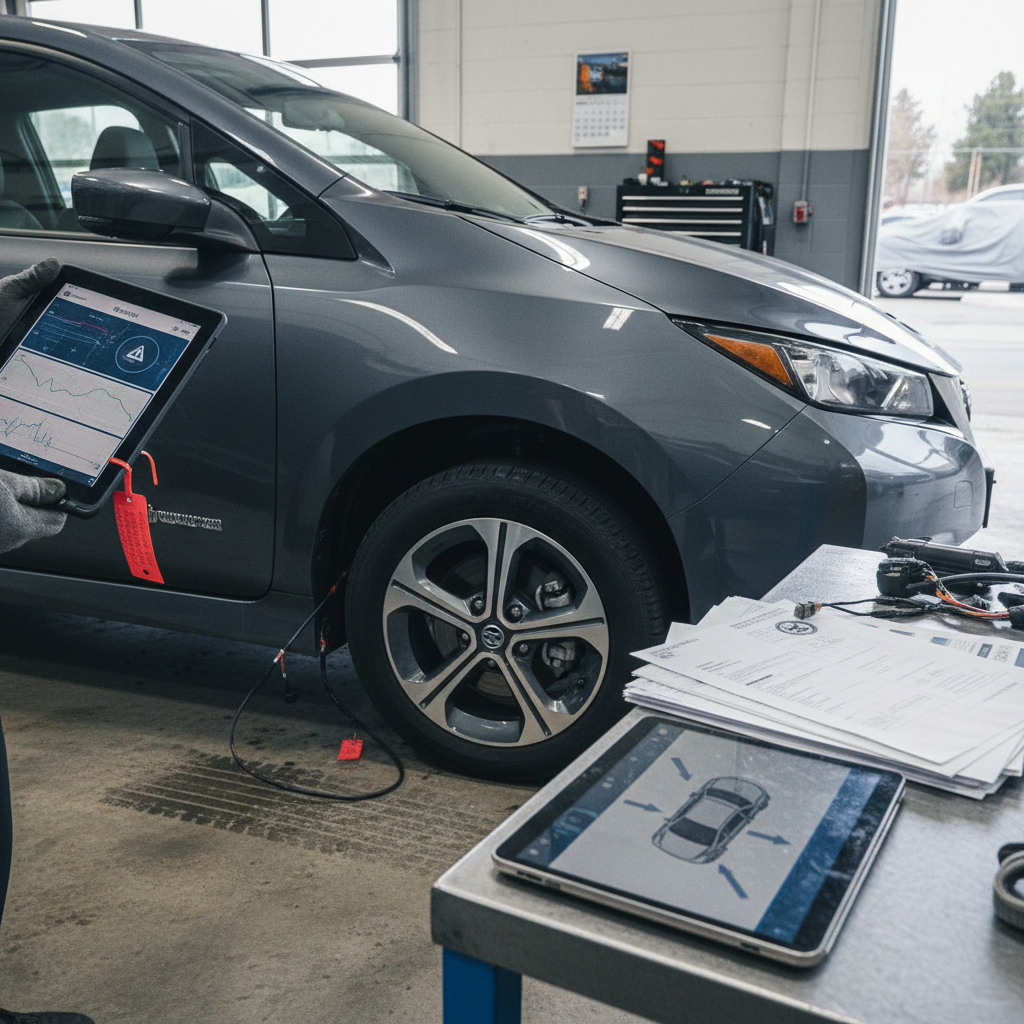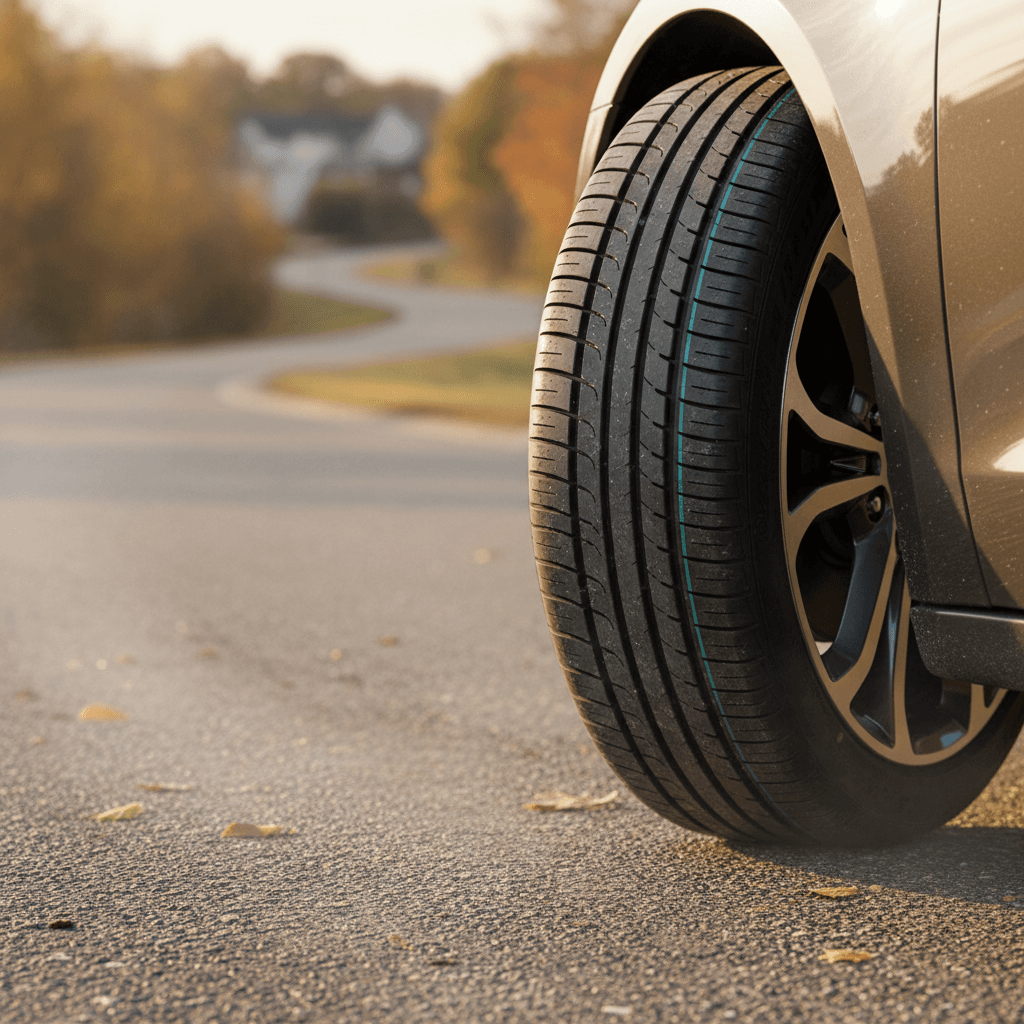
If you’ve bought an EV, or you’re shopping for a used one, the words “electric vehicle tuned tires” are going to come up. They’re not just marketing fluff. EV‑specific, or EV‑tuned, tires can change how far you go on a charge, how quiet your cabin feels, and even how often you need to replace tires. Understanding what’s different about them will help you protect both your range and your wallet.
Quick definition
What Are Electric Vehicle Tuned Tires?
Electric vehicle tuned tires are purpose‑built tires engineered around EV realities: heavy battery packs, instant torque, and near‑silent drivetrains. They’re used as original equipment on many new EVs, and they’re increasingly available in the replacement market from brands like Michelin, Continental, Bridgestone, Hankook, Goodyear, and others.
- Lower rolling resistance to squeeze more miles from each kWh
- Stronger construction to handle extra curb weight and instant torque
- Noise‑damping features to keep the cabin quiet without an engine masking road noise
- Tread patterns and rubber compounds tuned for EV‑specific braking and stability, including regenerative braking loads
Look for the EV badge
How EV-Tuned Tires Differ From Regular Tires
EV-Tuned Tires vs. Regular Tires at a Glance
Same size on the sidewall, very different behavior on the road
Rolling resistance
EV-tuned: Low rolling resistance compounds and rib-like tread designs that reduce energy loss as the tire deforms.
Regular: Often prioritize grip, comfort, or longevity ahead of efficiency, which can cost you range in an EV.
Load & structure
EV-tuned: Reinforced belts and stiffer sidewalls to carry 20–30% more vehicle weight and support heavy regen braking.
Regular: Adequate for gas cars but can run hotter and wear faster on a heavy EV.
Noise & comfort
EV-tuned: Foam liners, optimized pitch patterns, and closed shoulders to cut cabin noise and vibration.
Regular: Designed assuming engine noise will mask tire roar, so less emphasis on silence.
Compound and tread design
EV tires use high‑silica rubber compounds and carefully tuned tread blocks to minimize flex (and therefore energy loss) without turning the tire into a rock. Some models use dual‑layer compounds, softer underneath for grip, harder on top for efficiency.
Sidewalls, belts, and bead area
Because battery packs add several hundred pounds, EV tires often carry higher load ratings and use upgraded belts and sidewalls. The goal is to control deformation under load so the tire keeps its shape in corners and under hard acceleration.
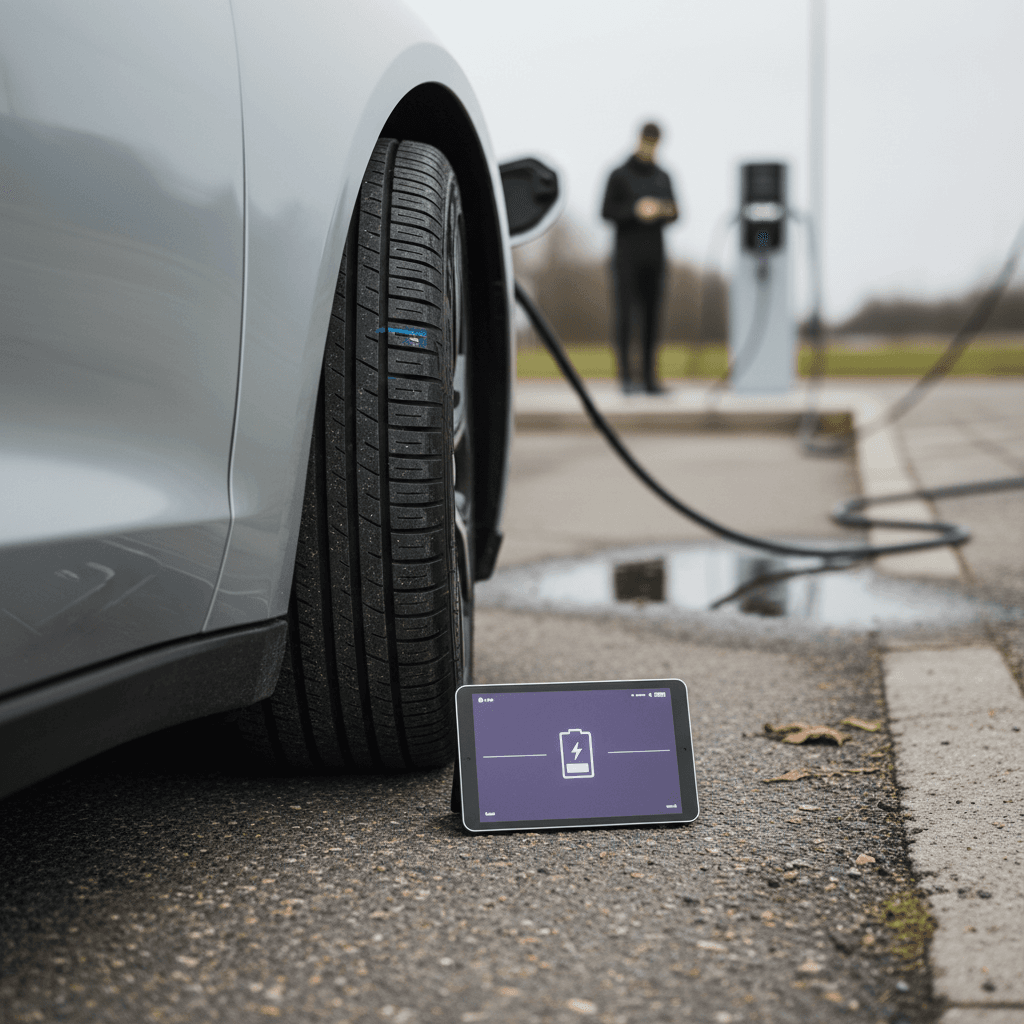
The size can fool you
Range and Efficiency: The Rolling Resistance Story
Rolling resistance is the quiet thief of EV range. Every time a tire’s tread and sidewall flex as they roll, they turn a little bit of energy into heat instead of motion. Because EVs are far more efficient than gas cars, changes in rolling resistance show up much more clearly in your range readout.
How Tire Choice Can Change Your EV Range
Tire Category vs. Typical EV Range Impact
Generalized real‑world effects when you swap from an efficient EV tire to other tire types on the same vehicle.
| Tire category | Typical rolling resistance | Approx. range impact on EV | Best for |
|---|---|---|---|
| EV low‑rolling‑resistance (LRR) | Lowest | Baseline (0%) | Daily driving, maximizing range |
| Standard all‑season | Low–medium | –3% to –7% | Balanced use, mixed climates |
| Performance all‑season | Medium–high | –5% to –10% | Spirited driving, mild winters |
| Summer performance | High | –8% to –15% | Warm‑weather grip and handling |
| Dedicated winter | Medium–high | –10% to –18% | Snow/ice safety over range |
Use this as directional guidance, not a substitute for manufacturer data.
A simple mental math trick
Ride Comfort and Noise: Why EV Tires Feel Different
Remove engine noise from the equation and suddenly every bump, tar strip, and coarse‑pavement roar moves center stage. That’s why electric vehicle tuned tires put serious effort into noise and vibration control.
How EV-Tuned Tires Tame Noise
Three main levers engineers pull to quiet your cabin
Acoustic foam
Some EV tires embed a thin foam ring on the inside of the tread to absorb cavity resonance, the booming sound created inside the tire as it rolls.
Optimized tread pitch
By staggering tread block sizes and alignment, engineers break up repetitive noise patterns so your ear hears a gentle “hiss” instead of a droning hum.
Closed shoulders & sidewall tuning
Subtle sidewall shapes and shoulder designs reduce the air being pumped in and out of grooves, trimming wind and pattern noise.
Comfort is part of efficiency
Traction, Weight, and Safety for Heavier, Instant-Torque EVs
Most EVs weigh significantly more than their gas counterparts thanks to the battery pack, and they deliver near‑instant torque. That combo is great for quick launches, and terrible for tires that aren’t built for it. EV-tuned tires are reinforced to cope with both the weight and the hit of torque.
- Higher load index ratings to safely support extra battery mass
- Stiffer sidewalls and bead areas to maintain stability in corners and under regenerative braking
- Compounds designed not to shred under repeated full‑throttle launches
- Tread designs that maintain good wet and cold‑weather grip despite lower rolling resistance
Don’t underspec your tires
Cost and Longevity: Are EV-Tuned Tires Worth It?
You’ll usually pay more for electric vehicle tuned tires than for a generic all‑season tire in the same size. The flip side is that EV‑optimized designs can save you money over time through better range and longer life when matched to your car’s weight and power.
Where the extra cost comes from
- More advanced rubber compounds and silica blends
- Reinforced internal construction for weight and torque
- Additional manufacturing steps (acoustic foam, special tread patterns)
How EV-tuned tires pay you back
- Improved efficiency can reduce how often you fast‑charge on road trips.
- Better durability under EV loads can help offset higher purchase price.
- Smoother, quieter rides add real, if hard‑to‑price, value on every drive.
Think lifetime cost, not sticker price
How to Choose the Right EV-Tuned Tires
Step-by-Step EV Tire Buying Checklist
1. Start with the owner’s manual and door jamb
Confirm the exact size, load index, and speed rating your EV requires. Treat these as minimums, not suggestions.
2. Look for EV-or efficiency-focused lines
Shortlist tires marketed specifically for EVs or for low rolling resistance. These lines typically carry EV‑tuned compounds and structures.
3. Consider your climate and driving style
If you live where it snows regularly, a dedicated winter set may trump ultimate efficiency. If you drive mostly highway in mild weather, an LRR all‑season may be perfect.
4. Balance range vs grip honestly
Max‑efficiency tires can feel a bit firm and less sporty. Performance tires feel great but cost range. Decide which trade‑off you can live with day‑to‑day.
5. Check noise ratings and user reviews
Look for tires with strong noise and comfort feedback from EV owners specifically, not just gas‑car drivers.
6. Ask about rotation and warranty policies
Because EVs wear tires differently (especially performance models), understand the manufacturer’s rotation recommendations and treadwear warranties before you buy.
Talk to an EV-savvy shop
Tire Considerations When Buying a Used EV
Tires are one of the easiest places for a previous owner to cut corners. On a used EV, that can mean mismatched, non‑EV, or half‑worn tires that quietly steal range and compromise safety. When you’re evaluating a used EV, whether privately or on a lot, spend a few minutes with each tire.
Used EV Tire Inspection: What to Look For
Five quick checks that tell you a lot about how the car was treated
Tread depth and even wear
Use a tread gauge or a simple coin test. Uneven wear (more on inside or outside edges) can signal alignment or suspension issues.
Correct load and speed rating
Compare sidewall markings to the owner’s manual. If the load index is lower than spec, plan on replacing the tires immediately.
Matching brand and model
All four tires should ideally be the same make and model, especially on dual‑motor or all‑wheel‑drive EVs.
EV-appropriate or not
Look for EV or low‑rolling‑resistance markings. If you see ultra‑cheap, unknown brands, assume higher rolling resistance and shorter life.
Age and sidewall condition
Check the DOT code for build date and inspect sidewalls for cracking or bulges. Tires older than 6 years deserve extra scrutiny.
Alignment and suspension clues
Cupped wear, feathering, or one tire wearing faster than the others can hint at suspension issues that need addressing.
How Recharged helps
Ready to find your next EV?
Browse VehiclesEV Tire Maintenance to Protect Range and Ride
Even the best electric vehicle tuned tires won’t perform well if they’re neglected. Fortunately, the basics are simple, and they have outsized impact on both range and safety.
Essential EV Tire Maintenance Habits
1. Check pressure monthly (and before road trips)
Under‑inflated tires increase rolling resistance and heat. A few PSI low can cost you noticeable range. Follow the placard in your door jamb, not the sidewall max.
2. Rotate tires on schedule
Front‑rear and side‑to‑side wear can differ on EVs, especially with high torque and regenerative braking. Follow the manufacturer’s rotation interval or sooner if you see uneven wear.
3. Watch alignment and suspension
If your EV starts pulling to one side or the steering wheel isn’t centered, get an alignment. Misalignment chews through even expensive EV tires quickly.
4. Respect seasonal limits
Don’t run summer performance tires into freezing weather, and don’t expect winter compounds to deliver summer‑tire range. Swap when seasons change in extreme climates.
5. Drive with range in mind
Hard launches and heavy braking feel fun in an EV but burn through tread and watts. Smooth inputs mean longer‑lasting tires and better efficiency.
Temperature matters
Electric Vehicle Tuned Tires: FAQ
Electric Vehicle Tuned Tires: FAQ
Key Takeaways on Electric Vehicle Tuned Tires
Electric vehicle tuned tires aren’t just a niche accessory; they’re a core part of how your EV drives, how far it goes, and how long it lasts. By paying attention to rolling resistance, load ratings, noise technologies, and basic maintenance, you can preserve range, stay safe, and enjoy the near‑silent experience that drew you to an EV in the first place. And if you’re stepping into a used EV, treating the tires as part of the overall vehicle health, just like the battery, which Recharged verifies with every Recharged Score Report, will help ensure you get the electric driving experience you’re paying for, mile after mile.