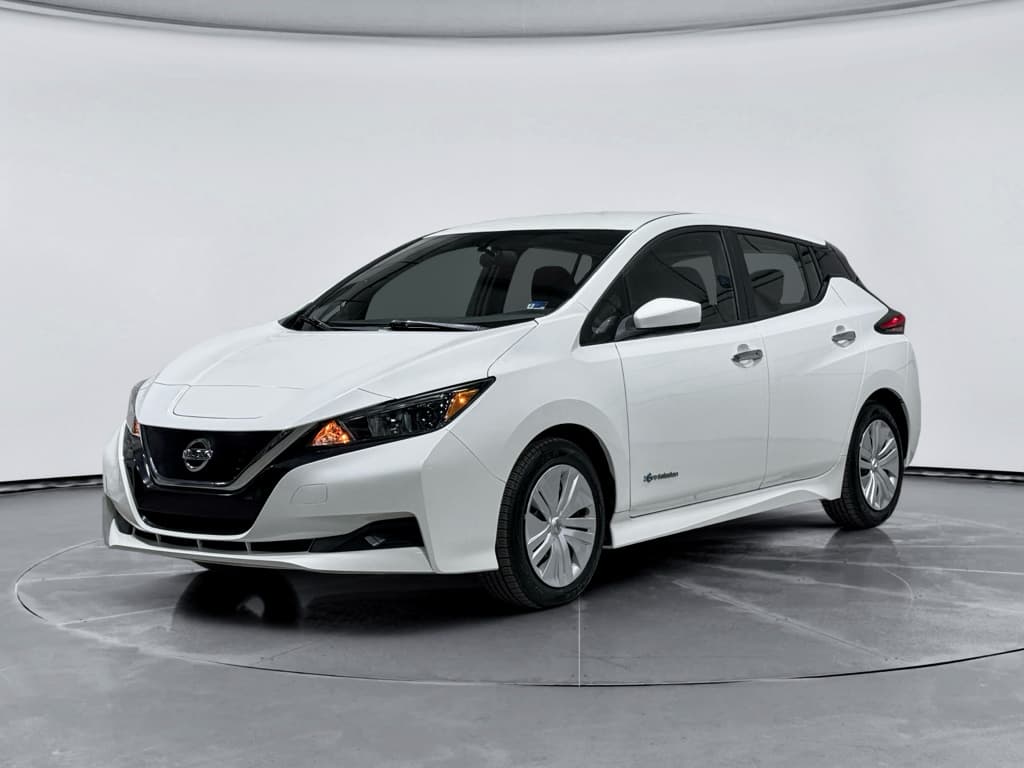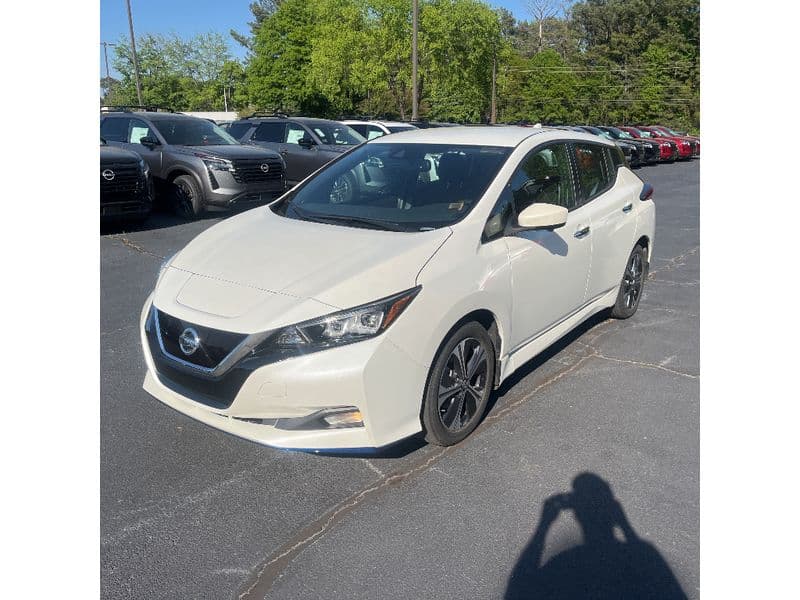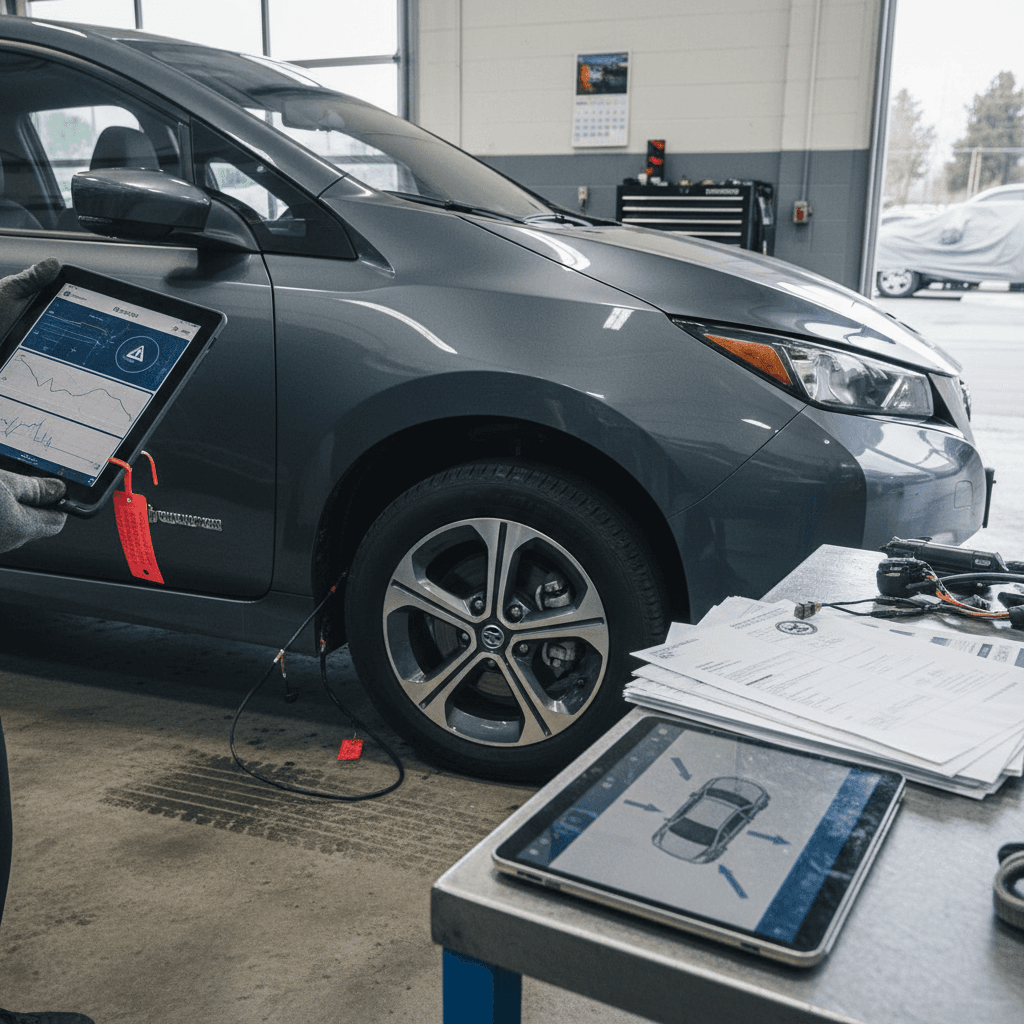
If you own or are shopping for a 2023 Nissan Leaf, understanding the current 2023 Nissan Leaf recalls list is just as important as knowing the range or options. Recalls can sound scary, but they’re also a sign that issues are being identified and fixed at no cost to you. This guide walks you through the major Leaf recalls that touch the 2023 model year, how to see which ones apply to your specific car, and what they mean for long‑term ownership and resale value.
Model‑year vs. recall year
Overview: 2023 Nissan Leaf recalls at a glance
Key recall themes for 2018–2023 Nissan Leaf models
From 2018 through 2023, Nissan has filed multiple Leaf recall campaigns with the National Highway Traffic Safety Administration (NHTSA). Two are especially important for 2023 owners and shoppers: a non‑compliance recall for incorrect defrost instructions in the owner’s manual, and a software‑related safety recall addressing scenarios that could cause unintended acceleration. In addition, there are high‑voltage battery and fast‑charging recalls focused mainly on 2019–2022 Leafs that 2023 owners often ask about.
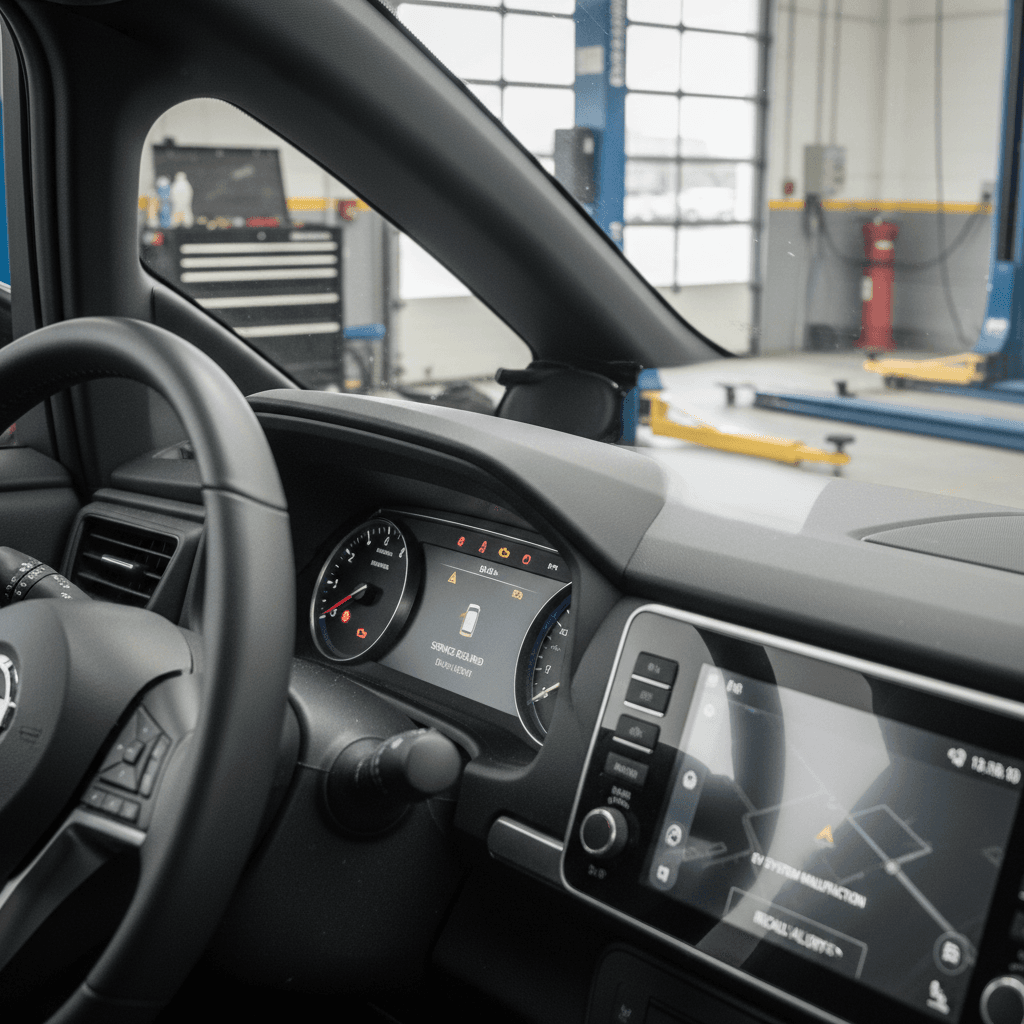
Major recalls that can include the 2023 Nissan Leaf
Below is a plain‑English summary of the major recall campaigns that can involve 2023 Leafs. Exact recall numbers and VIN ranges come from Nissan’s filings with NHTSA, but remember: the official word for your vehicle is always the VIN lookup on Nissan’s or NHTSA’s site.
High‑level 2023 Nissan Leaf recall summary
Use this table as a quick reference, then confirm details with a VIN lookup.
| Recall / Campaign | Model years mentioned | Main issue | Likely impact on 2023 Leaf |
|---|---|---|---|
| R22C5 – Owner’s manual defrost instructions | 2018–2023 | Incorrect cold‑weather defrost instructions in the manual that may not meet regulations. | Many 2023 Leafs are included; fix is an updated manual or insert. |
| 2018–2023 unintended acceleration software recall | 2018–2023 | Under a specific series of actions with cruise control/ProPILOT, B‑mode/ECO/e‑Pedal, the car may continue to accelerate until you brake. | Most 2023 Leafs built with these features are in scope; a software update addresses the issue. |
| High‑voltage battery Level 3 quick‑charge recall | 2019–2020 (later 2021–2022) | Battery overheating risk during DC fast charging; interim fix may limit or disable Level 3 quick charging. | As of early 2026, this recall has focused on 2019–2022 Leafs. 2023 Leafs have not generally been listed, but always verify by VIN. |
This table summarizes key Nissan Leaf recall campaigns that may involve 2023 model‑year vehicles sold in the U.S.
Every 2023 Leaf is different
R22C5: Incorrect owner’s manual defrost instructions (2018–2023)
In early 2023, Nissan determined that the instructions for the defrost operation in very cold temperatures in the Leaf owner’s manual did not comply with regulations. The original recall covered 2018–2023 Leafs, and later communications expanded the affected VIN range to include additional 2013–2023 vehicles. For a 2023 Leaf owner, this is the most straightforward recall to understand and to fix.
- What’s the issue? The printed instructions for defogging/defrosting the windshield in certain cold‑weather situations were incomplete or inaccurate versus federal requirements.
- What’s the risk? If you follow only the incorrect instructions, windshield clearing might be slower or less effective, which could reduce visibility.
- What’s the fix? Nissan provides corrected instructions, either via a replacement manual, a supplemental insert, or an update to electronic documentation, and marks the recall complete in the database.
- Does it change how the car drives? No. This is a documentation/non‑compliance issue, not a hardware or control‑software change to the vehicle.
Good news for used‑Leaf shoppers
2018–2023 unintended acceleration software recall
Another major campaign covers more than 60,000 Leaf EVs from the 2018–2023 model years. In a very specific chain of driver inputs, the control software can let the car continue accelerating briefly even when the driver is no longer pressing the accelerator.
- Which Leafs are affected? Nissan’s filings describe 2018–2023 Leafs equipped with ProPILOT Assist, cruise control, B‑mode or ECO mode, and e‑Pedal. Many 2023 Leafs sold in the U.S. have this configuration.
- The trigger scenario: Right after disengaging cruise control or ProPILOT Assist, if the driver quickly shifts into B or ECO mode or activates the e‑Pedal and then rapidly presses and releases the accelerator, the vehicle can keep accelerating until the brake is applied.
- Why it matters: Any situation where the vehicle can accelerate without active pedal input is considered a safety defect, especially in close‑quarters driving or low‑traction conditions.
- The remedy: A control‑software update that changes how the Leaf interprets those overlapping inputs so that acceleration immediately responds to the pedal, even in that rare combination of settings. Dealers install this update free of charge.
Don’t ignore software recalls
Battery and fast‑charging recalls: does 2023 qualify?
Recent headlines have focused on high‑voltage battery recalls for certain Leafs that use Level 3 DC fast charging (CHAdeMO). Nissan first recalled 2019–2020 Leafs for a defect that could let the battery overheat during quick charging, then later expanded coverage to include some 2021–2022 cars. The interim remedy often involves limiting or disabling Level 3 quick charging until a final software update is ready.
What’s happening with earlier Leafs
For many 2019–2022 Leafs equipped with the Level 3 quick‑charge port, Nissan has warned owners to avoid CHAdeMO DC fast charging until the recall work is complete. In some cases, dealers apply temporary software that restricts quick‑charge behavior while a long‑term remedy is finalized.
Owners of those model years may see messages about reduced fast‑charge capability or receive multiple mailers as Nissan refines the fix.
Where 2023 Leafs fit in
As of early 2026, the primary battery overheating and quick‑charging recalls have explicitly focused on 2019–2022 model years. Many 2023 Leafs share similar hardware, which is why some owners are understandably nervous, but not every technical issue automatically translates into a recall on later cars.
The only accurate way to know if your 2023 Leaf is swept into a battery‑related campaign is to run a VIN lookup. If your VIN doesn’t show the battery recall, you are not currently part of that specific campaign.
Fast‑charging best practices, recall or not
How to check if your 2023 Leaf has open recalls
Because recall eligibility is VIN‑specific, the most important step for any 2023 Leaf owner, or used‑Leaf shopper, is to check the car’s recall status directly. You don’t need to guess based on a model‑year list.
Step‑by‑step: Check your 2023 Leaf for open recalls
1. Find your VIN
Your Leaf’s Vehicle Identification Number is on the driver’s side dashboard (visible through the windshield), on the driver’s door jamb label, and on your registration or insurance card. Take a clear photo so you don’t have to keep walking back outside.
2. Use Nissan’s official recall lookup
Go to Nissan’s official recall page and enter your 17‑digit VIN. This site pulls directly from Nissan’s internal records and shows any open or previously completed recalls tied to that VIN.
3. Cross‑check with NHTSA.gov
For a second source, visit the NHTSA recall lookup tool and enter the same VIN. NHTSA’s database shows safety recalls that manufacturers have formally reported to the government.
4. Confirm recall status and descriptions
If either site shows an open recall, click into the description. Note the campaign ID, the short summary of the issue, whether parts or software are ready, and whether there are any driving restrictions (for example, avoiding fast charging).
5. Print or save the results
For your records, and especially if you’re shopping a used 2023 Leaf, save a PDF or screenshot of the recall status page. It’s helpful for negotiations and for planning a service visit.
6. Call a Nissan dealer with questions
If anything is unclear, call a Nissan service department, give them your VIN, and ask them to confirm which recalls are open, which have been completed, and how long the remedy work will take.
Will Nissan give me a loaner?
What to do if your 2023 Nissan Leaf has a recall
Once you know your recall status, your next steps are mostly about scheduling and documentation. Recalls don’t cost you anything, but they do require planning, especially if you’re balancing work, childcare, or long‑distance commuting.
Next steps when your 2023 Leaf shows an open recall
Handle safety first, then keep paperwork for your maintenance file.
Schedule the repair promptly
Call your preferred Nissan dealer, reference the campaign number, and ask how soon they can perform the repair. For software updates and owner’s‑manual fixes, appointments are often quick. Battery or hardware‑related work may require more lead time or parts ordering.
Keep recall paperwork
After the work, the dealer should give you a repair order or invoice that notes the recall ID and that the remedy was completed. File this with your service records. It’s useful for future warranty conversations or when you sell or trade the car.
Adjust driving if advised
If a recall notice or dealer advisor tells you to avoid Level 3 fast charging or change how you use a feature until repairs are complete, take that guidance seriously. It’s rare, but some recalls do come with temporary usage limits for safety.
Stack recalls into one visit
Shopping for a used 2023 Leaf: how recalls affect value
From a buyer’s standpoint, recalls are less about avoiding a car and more about verifying that the car has been brought up to the latest safety standard. A 2023 Leaf with completed recalls, and documentation to prove it, can actually be a safer, more transparent purchase than one that simply hasn’t been checked.
How recalls influence pricing
- Open recalls can be a negotiation point. If you’ll need to schedule repairs yourself, you can reasonably ask the seller to discount the price or commit to completing the repairs before delivery.
- Completed recalls are a mild positive. They show the car has seen a dealer recently and that the owner addressed known issues instead of ignoring them.
- High‑profile battery recalls on earlier Leafs (2019–2022) have pushed some buyers toward newer model years like 2023, which may see stronger demand and firmer pricing.
Where Recharged fits in
When you shop a used Leaf through Recharged, every vehicle comes with a Recharged Score Report that goes beyond a Carfax or auction sheet. We verify battery health, fair market pricing, and key history items, and we factor open recalls into our evaluation.
If we’re helping you sell or trade a 2023 Leaf, we’ll flag open campaigns early so you can choose whether to complete them before listing. That transparency helps avoid surprises for both sides of the deal.
Use recalls to your advantage
FAQ: 2023 Nissan Leaf recalls
Frequently asked questions about 2023 Nissan Leaf recalls
Bottom line for 2023 Nissan Leaf owners
The 2023 Nissan Leaf sits in the middle of an evolving recall story that spans several model years. Owner’s‑manual and software campaigns are common and relatively easy to resolve, while high‑voltage battery and quick‑charging recalls have been concentrated on earlier Leafs. Instead of worrying about worst‑case headlines, focus on what you can control: check your VIN, schedule any needed repairs, and keep good documentation.
Handled that way, recalls become another routine part of EV ownership rather than a deal‑breaker. And if you’re looking to buy or sell a 2023 Leaf, working with an EV‑focused marketplace like Recharged, where battery health, pricing, and recall status are all brought into the open, can make the process far more transparent and predictable.