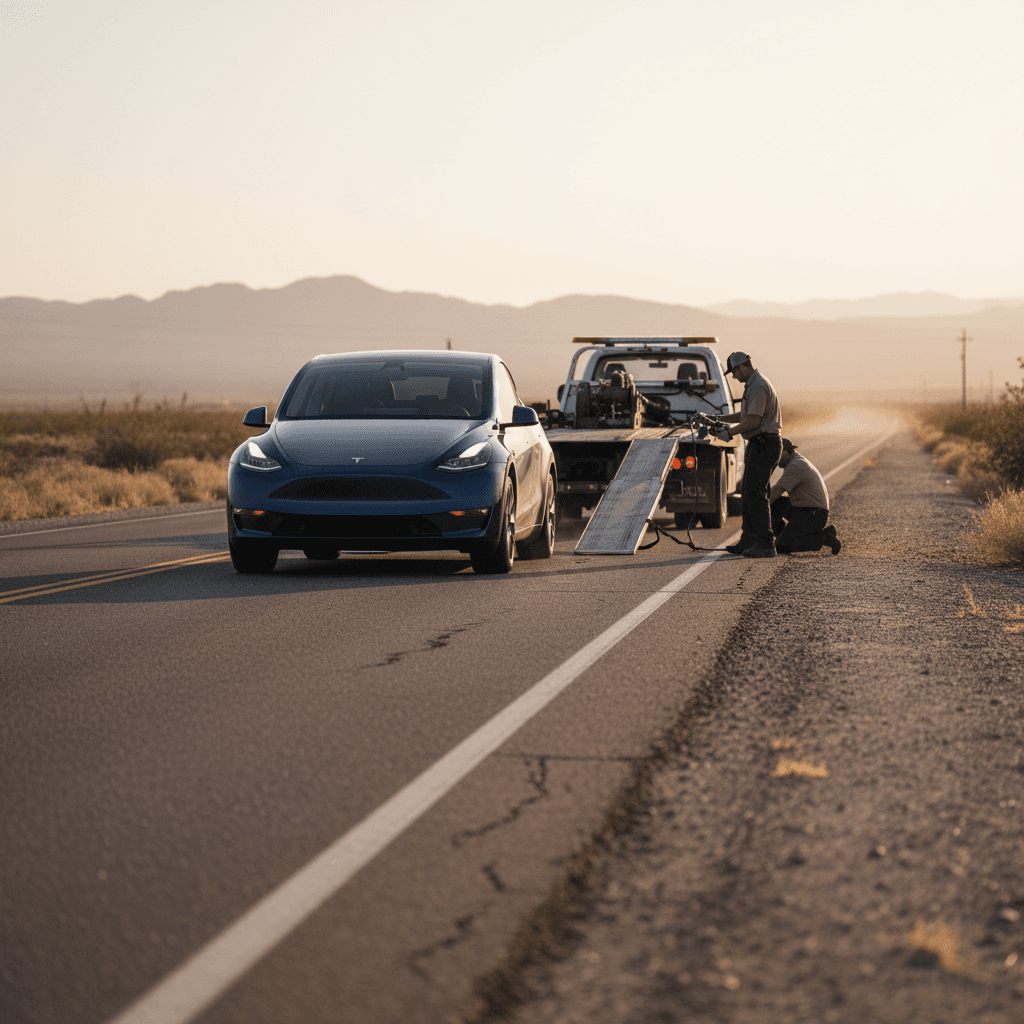
You don’t buy an electric car because you dream of sitting on the shoulder of I‑95 waiting for a tow truck. But as more drivers go electric, electric vehicle roadside assistance is becoming just as important as range and charging speed. The good news: support for EVs has matured fast. The bad news: it still doesn’t work exactly like it did with your old gas car, and that can catch people out.
EVs still rarely break down
Why EV roadside assistance matters in 2025
For decades, roadside assistance meant jump-starts and a jerrycan of gas. With EVs, the threat that looms largest in drivers’ minds is different: running out of charge. Range anxiety is mostly solvable through planning and better charging networks, but life happens, detours, traffic jams, broken chargers, or a forgotten overnight plug-in. When it does, you want a plan that’s built for EVs, not just adapted from gas cars.
The state of roadside assistance in the EV era
Those numbers are heading in the right direction: more chargers, more coverage, and more providers who actually understand EVs. But that doesn’t mean every tow operator or roadside dispatcher knows your battery pack from your 12‑volt system. That’s why it pays to understand how electric vehicle roadside assistance works before you need it.
How electric vehicle roadside assistance differs from gas cars
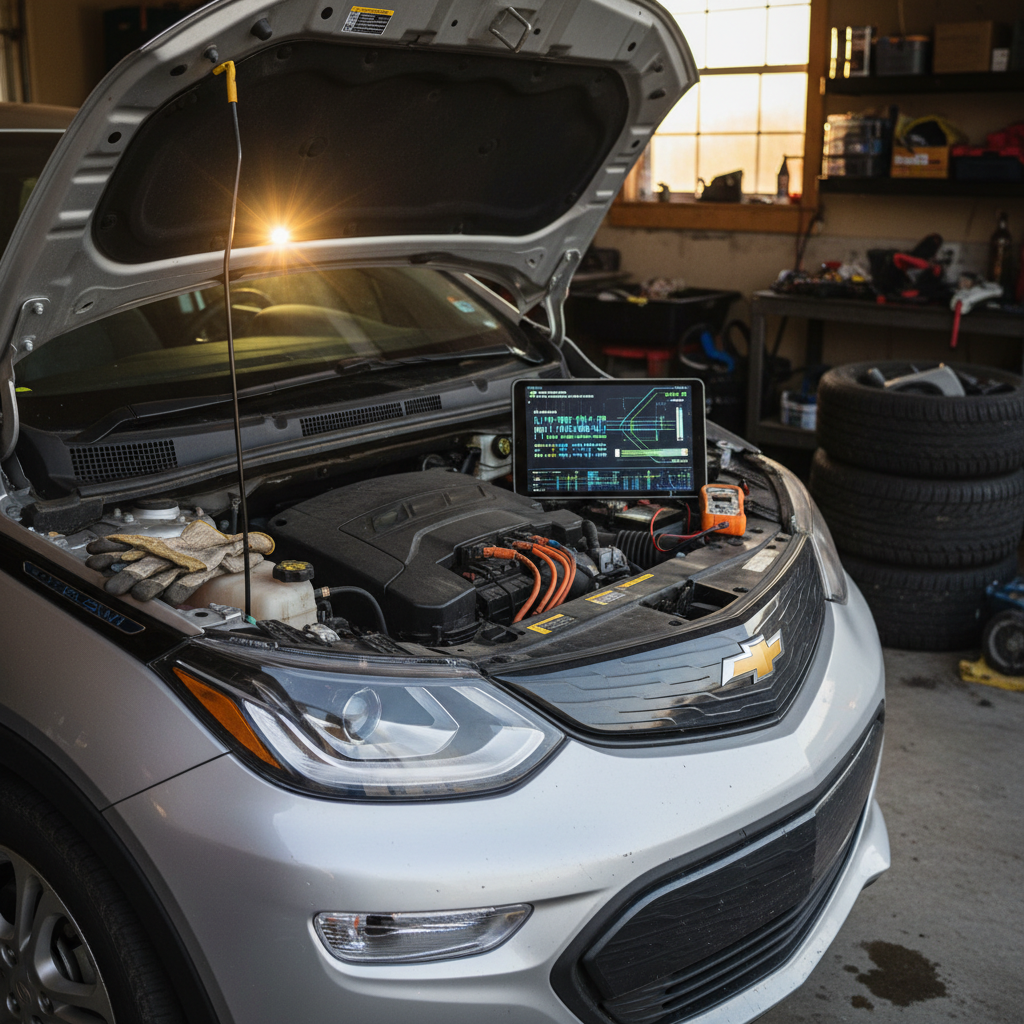
On the surface, EV roadside calls look familiar: flat tires, lockouts, dead 12‑volt batteries, fender‑benders. Underneath, the stakes and solutions are different. High‑voltage battery packs, sophisticated cooling systems, and heavy curb weights mean your car can’t always be handled like a Corolla on a hook.
Gas vs. EV roadside: what’s actually different?
Most of the problems are the same; the fixes are not.
“Out of fuel” becomes “out of charge”
Two batteries to worry about
Special handling and towing
Don’t let anyone drag your EV
The other subtle difference is information. Your EV knows a lot about its battery state, nearby chargers, and potential issues, but not every roadside program is plugged into that data yet. Until the industry catches up, you’re your own best advocate: know your car, know your plan, and don’t assume the person on the phone understands EVs as well as you do.
What most EV roadside assistance plans actually cover
If you already own an EV, you probably have more than one layer of protection. New cars usually include roadside assistance from the automaker for a set number of years. Many drivers also carry a membership with a club like AAA, and some newer services specialize exclusively in EVs. The fine print can be different, but the basic menu is similar.
- Towing to a repair facility or charging station within a set mileage radius (often 25–100 miles)
- Flat‑tire help, from plug and inflator kits to mounting your space‑saver spare, if your EV has one
- Lockout service to get you back into a car that’s decided your phone key is persona non grata
- Jump‑starting a dead 12‑volt battery with EV‑safe procedures and equipment
- Winching or extraction if you’ve slid off pavement within a short distance of the road
- Limited trip‑interruption coverage, reimbursement for a hotel or rental car if you’re stranded far from home
EV‑specific add‑ons to look for
What’s not always covered is the situation every EV driver worries about most: sitting at 0% with no charger in sight. That’s where the newest wrinkle in roadside assistance comes in.
Dead EV battery? Mobile charging vs towing
When a gas car runs dry, you bring the fuel to the car. For years, out‑of‑charge EVs were towed, sometimes many miles, to the nearest compatible charger. That’s changing fast as mobile EV charging shows up in the roadside toolbox.
Mobile EV charging
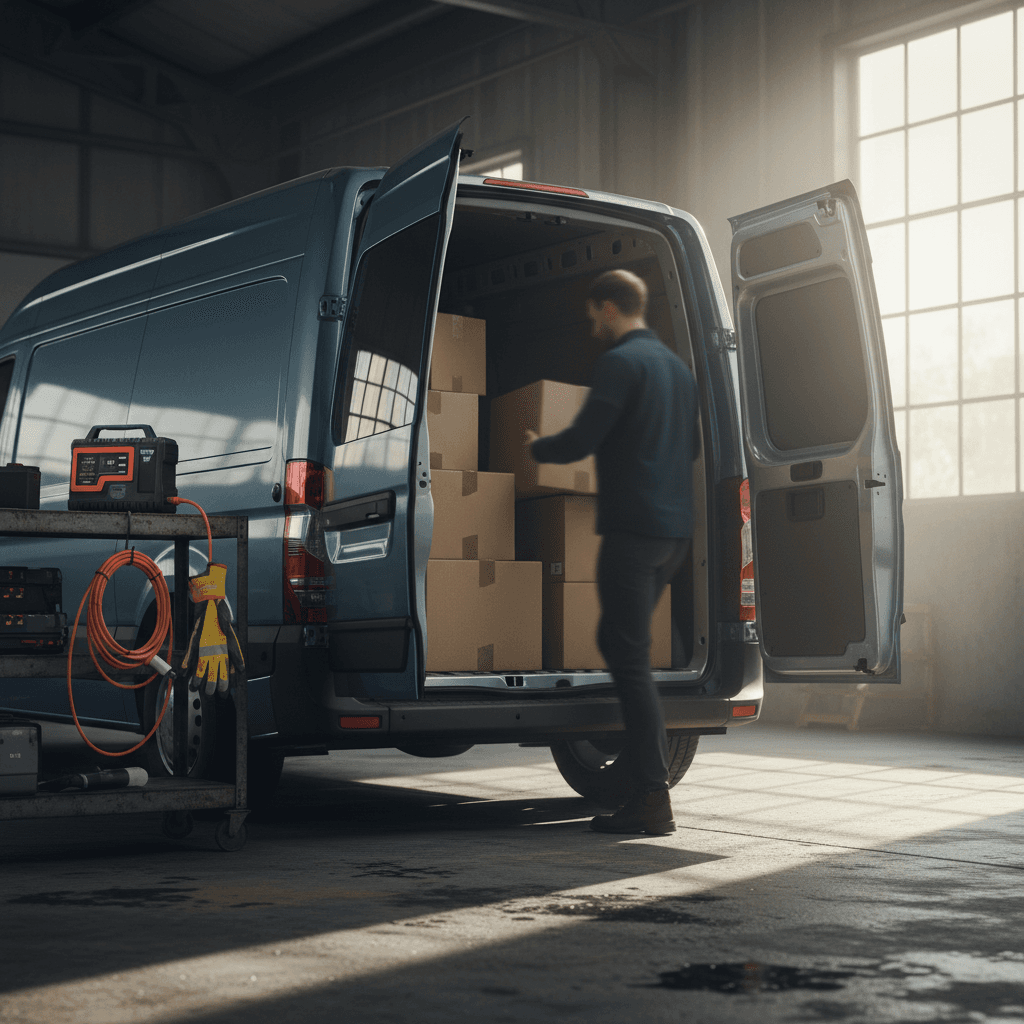
Specialized services, like EV Rescue, Bee Charged EV, and regional operators such as FL Mobile EV Charging, send a van equipped with a battery or generator to your location. They plug into your car’s DC port and add just enough energy to get you to a fast charger.
- Range boost: Often 25–60 miles in a short session
- Cost: Typical emergency callouts run around $150–$185 before distance fees
- Upside: No tow, no waiting in a service lot, no risk of improper handling
Towing to a charger
If mobile charging isn’t available where you’re stuck, towing is still the default. EV‑aware roadside services will move your car to the nearest Level 3 DC fast charger that works with your connector (CCS, NACS, CHAdeMO, etc.).
- Coverage: Many plans cover 25–100 miles of towing
- Timing: Add the tow truck wait plus charging time at the station
- Risk: Requires flatbed towing or following your EV maker’s exact instructions
Ask this question when you sign up
How to choose an EV‑friendly roadside assistance plan
Picking roadside assistance used to be easy: find a trusted name, pay the annual fee, toss the card in your wallet. With EVs, you’re shopping for something more specific. You need coverage that follows your connector, your charging habits, and where you actually drive.
Questions to ask before you buy EV roadside assistance
Use these questions to pressure‑test any plan, whether it’s from an automaker, a club, or a standalone EV service.
| Question | Why it matters | What you want to hear |
|---|---|---|
| Do you support my specific EV model? | Some older or less common EVs have quirks, especially around towing and transport. | "Yes, and our network has EV‑trained providers and model‑specific procedures." |
| How do you handle a fully discharged high‑voltage battery? | Not every provider offers mobile charging or towing to a charger by default. | "We offer mobile charging where available, otherwise flatbed tow to the nearest compatible DC fast charger." |
| Is flatbed towing guaranteed for my EV? | Dragging the car incorrectly can cause damage that isn’t covered by roadside. | "Yes, we dispatch a flatbed and follow manufacturer guidance for your vehicle." |
| Will you tow me to a charger, not just a repair shop? | A healthy EV at 0% doesn’t need a mechanic, it needs a plug. | "We can tow directly to a nearby public fast charger within your towing mileage." |
| What’s the towing distance included? | Long‑range EVs may be traveling farther from home when they need help. | "At least 50–100 miles of towing per incident, with clear pricing beyond that." |
| Do you cover my EV if I’m driving someone else’s car? | Many memberships follow the person, not just the vehicle. | "Yes, coverage follows you, not only your VIN, when you’re in any passenger vehicle." |
If a representative can’t answer these clearly, keep shopping.
Where your automaker fits in
Road-trip readiness checklist for EV owners
Every EV road trip story has two characters: the optimistic range estimate on your dash and the real world outside the windshield. Good roadside assistance is your safety net, not your first line of defense. A little prep goes a long way toward making sure you never need to make that panicked call.
Pre‑trip EV roadside readiness
1. Confirm your roadside coverage details
Know which plans you have (automaker, club, EV‑specific), what number to call, and what they promise if you’re out of charge. Save the apps and phone numbers in your favorites.
2. Add charging stops with backup options
Use apps like PlugShare, ChargePoint, EVgo, or your car’s native planner to map fast chargers along your route, then identify at least one backup charger near each stop.
3. Check your tires and spare solutions
EVs are heavy and hard on tires. Inspect tread and pressure, and understand what your car provides: a spare, repair kit, or nothing. Consider packing a compact inflator and plug kit.
4. Test your charging gear
Make sure your mobile connector, adapters (like J1772 or NACS/CCS), and RFID cards or apps are working before you leave the driveway.
5. Pack a cold‑weather buffer
If temps will drop, build in extra charge margin, cold batteries charge slower, and range shrinks. Aim to arrive at chargers with at least 10–15% remaining, not 1%.
6. Share your plan with a co‑driver
If you’re not the only one behind the wheel, make sure everyone knows how to start a fast‑charge session and who to call for <strong>electric vehicle roadside assistance</strong>.
The one thing you should never do
Used EVs, roadside assistance, and warranties
With a new EV, it’s easy: you get the factory roadside number in the glovebox and a bundle of coverage years. With a used EV, especially one out of its original warranty, the safety net is more complicated, and more important.
Know what’s still covered
Many EVs keep their high‑voltage battery warranty for 8 years or more, even when ownership changes. That protects you from major battery defects, but it doesn’t automatically include roadside assistance.
Some certified pre‑owned programs and extended warranties bundle roadside coverage. Others don’t. When you buy used, every promise should be spelled out: what’s covered, for how long, and how it connects to towing or mobile charging.
How Recharged helps with used EV peace of mind
When you shop for a used EV through Recharged, every vehicle comes with a Recharged Score Report, including verified battery health. That means fewer surprises when you check your range estimate, whether you’re commuting or crossing state lines.
Recharged’s EV‑specialist team can also walk you through roadside and warranty options as part of the buying process, so you understand how you’ll be protected if something goes wrong after delivery, not just on day one.
Buying a used EV elsewhere? Ask these three questions.
Step-by-step: What to do if your EV breaks down
Breakdowns never happen in convenient places. The goal is to turn a stressful moment into a controlled process: stay safe, gather information, and make one clear ask from your roadside provider.
If your EV stops or won’t start, do this
1. Get safe and visible
If the car still moves, signal, pull to the shoulder or a safe turnout, and turn on your hazard lights. In heavy traffic, stay inside with seatbelts fastened unless emergency services direct otherwise.
2. Check what failed
Glance at your instrument cluster: are you at 0% state of charge, or is there an error message about the drive system or high‑voltage battery? Snap a quick photo of any warnings.
3. Try a simple reboot
Many EV glitches, especially infotainment or shifter issues, can clear with a full power‑down and restart, just like rebooting a laptop. If your manual describes a safe reset procedure, try it once.
4. Contact your EV roadside provider
Use your automaker’s app, your roadside assistance app, or the phone number on your membership card. Clearly state that you’re in an <strong>electric vehicle</strong> and share your exact location from your phone or in‑car nav.
5. Be specific about what you need
If you’re out of charge, ask for mobile charging if available or a flatbed tow to a nearby DC fast charger that supports your connector. If there’s a fault code, request towing to an authorized EV service center.
6. Stay with the vehicle if it’s safe
Most providers will text you the driver’s name and ETA. If you must exit, because of traffic, smoke, or a dangerous location, move to a safe spot away from the roadway and wait for help there.
Electric vehicle roadside assistance FAQ
Common questions about EV roadside assistance
Key takeaways for worry-free EV ownership
Electric vehicle roadside assistance in 2025 is a mix of the familiar and the brand‑new. Flat tires, dead 12‑volt batteries, and lost keys still happen, but now you’ve got high‑voltage packs, mobile charging vans, and apps that can summon help at the tap of a screen. The drivers who stay calm when the range estimate hits zero are the ones who did their homework ahead of time.
If you already own an EV, take 15 minutes this week to review your coverage, save the right phone numbers, and learn your manufacturer’s towing instructions. If you’re shopping for a used EV, consider how roadside assistance, battery health, and warranties fit together. With tools like the Recharged Score Report and EV‑savvy roadside plans, you can enjoy silent, smooth electric miles without constantly wondering what happens if something goes wrong.