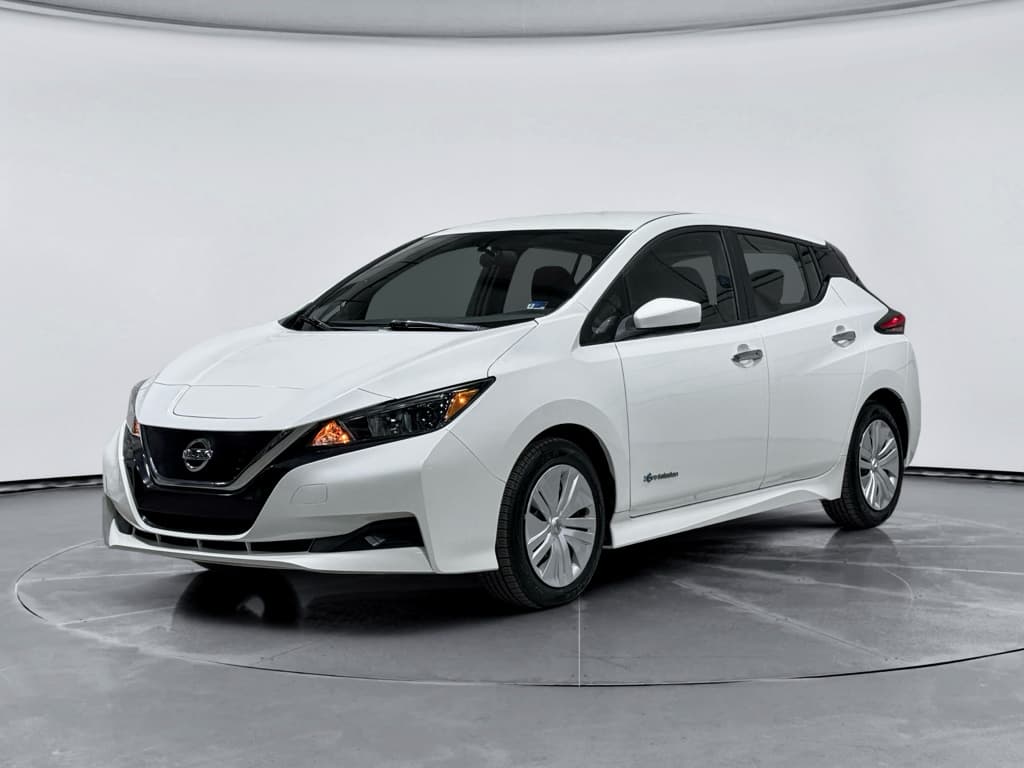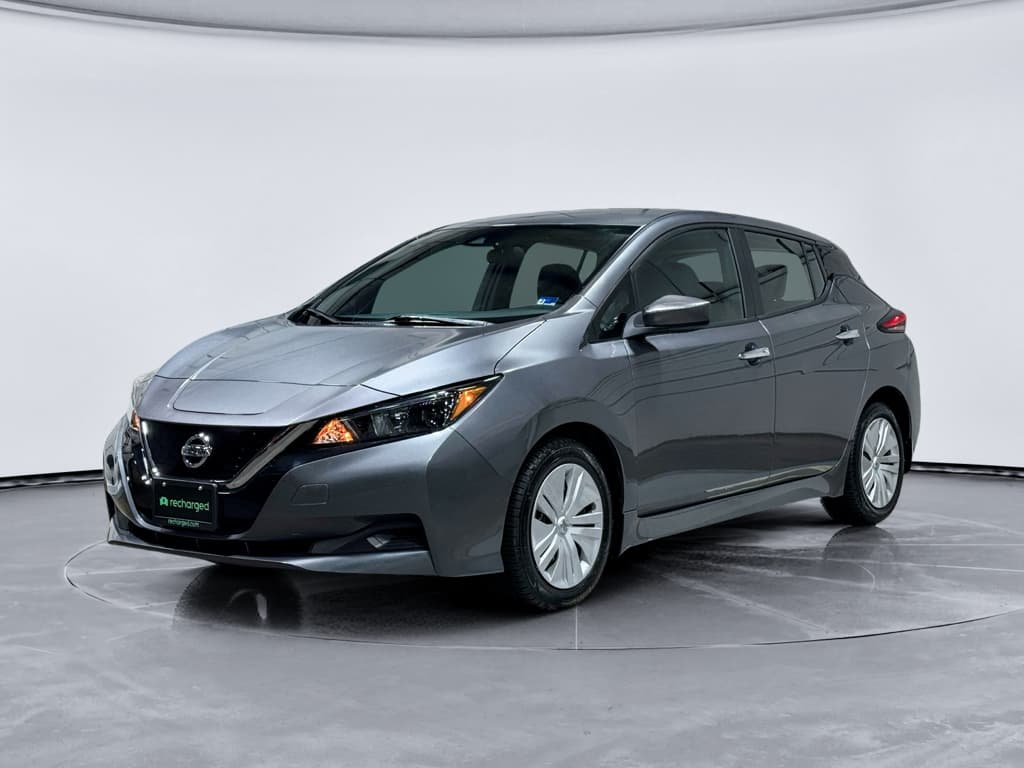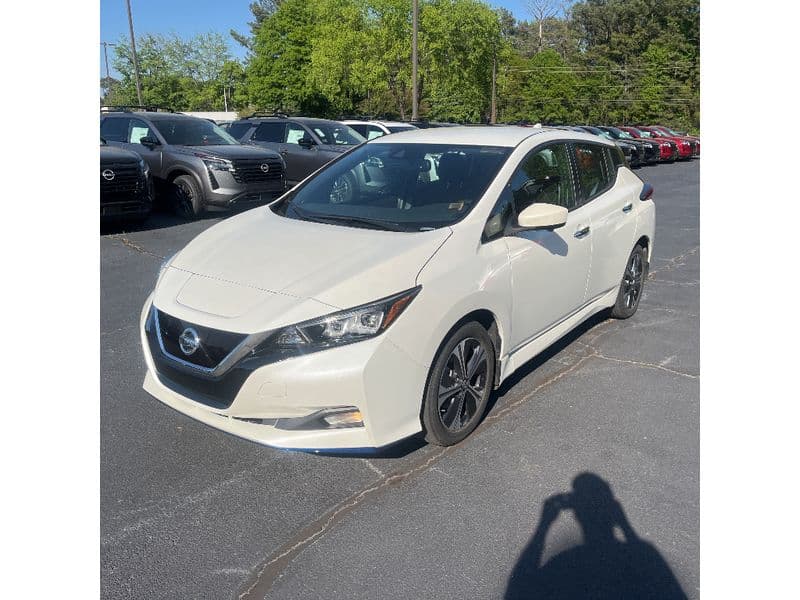
If you’re shopping for an affordable used EV, the 2023 Nissan Leaf will surface early and often. It’s one of the least expensive electric cars on the used market, and for many commuters its range and practicality are more than enough. But its aging fast‑charge standard and modest highway range mean it isn’t a fit for everyone. This review breaks down where the 2023 Leaf shines, where it falls short, and how to shop one smartly today.
At a glance
2023 Nissan Leaf overview: who this car is for
Nissan has been building the Leaf since 2011, and by 2023 it had evolved into a mature, well‑sorted compact hatchback. The 2023 model keeps the same basic formula: front‑wheel drive, five‑door practicality, and two battery options. Its mission is simple: provide affordable electric transportation for daily driving, not performance thrills or luxury bragging rights.
Who the 2023 Leaf fits best
And who should probably look elsewhere
Great fit
- Drivers with short to moderate daily commutes (under ~60–70 miles round‑trip).
- Households that can charge at home overnight.
- Shoppers prioritizing price and simplicity over the latest tech.
- Second‑car buyers who want an EV for errands, school runs, and local driving.
Think twice
- Frequent highway travelers or road‑trippers.
- Drivers who rely heavily on public fast charging.
- Shoppers who want the very latest driver‑assist tech and ultra‑fast charging.
- Buyers in cold climates who regularly need long winter range.
2023 Nissan Leaf key numbers
Key specs: battery, range, and charging
Every 2023 Leaf is front‑wheel drive with a single electric motor. Where things diverge is the battery pack, motor output, and resulting range.
2023 Nissan Leaf core specs
How the two versions of the 2023 Leaf compare on paper.
| Spec | Leaf S | Leaf SV Plus |
|---|---|---|
| Battery capacity | ~40 kWh | ~62 kWh |
| Horsepower | 147 hp | 214 hp |
| EPA rated range | 149 miles | 212–215 miles |
| 0–60 mph (approx.) | ~7.5–8.0 seconds | ~7.0 seconds |
| Onboard AC charger | Up to 6.6 kW | Up to 6.6 kW |
| DC fast charge connector | CHAdeMO | CHAdeMO |
Range and charging estimates assume ideal conditions and will be lower in cold weather or at highway speeds.
Important context on numbers
2023 Nissan Leaf trims: S vs SV Plus
Nissan simplified the Leaf lineup by 2023. You’re essentially choosing between the Leaf S entry model and the better‑equipped, longer‑range SV Plus.
Trim comparison: 2023 Leaf S vs SV Plus
Where your money actually goes
Leaf S (40 kWh)
- Approx. 149‑mile EPA range.
- 147‑hp motor; adequate but not quick.
- 16‑inch steel wheels, simpler interior trim.
- Apple CarPlay/Android Auto and 8" touchscreen.
- Nissan Safety Shield 360 driver‑assist suite.
- Best choice if your budget is tight and drives are mostly short.
Leaf SV Plus (62 kWh)
- Approx. 212–215‑mile EPA range.
- 214‑hp motor with stronger acceleration.
- 17‑inch alloy wheels, LED headlights, fog lamps.
- Heated seats and steering wheel (often standard).
- ProPILOT Assist, upgraded quick‑charge hardware, more comfort features.
- Stronger choice for buyers planning more highway use.
Our trim recommendation
Driving experience: performance, comfort, and noise
Behind the wheel, the 2023 Leaf feels exactly like what it is: a mature, easygoing commuter. The instant torque of the electric motor makes stop‑and‑go driving simple, and in SV Plus form the car pulls with enough authority for confident merges. Steering is light, visibility is excellent, and the ride skews soft rather than sporty, a good match for rough city pavement.
What it does well
- Effortless around‑town acceleration thanks to electric torque.
- Quiet cabin at urban speeds, with only moderate road noise on the highway.
- Compact footprint makes parking and maneuvering easy.
- e‑Pedal mode enables near one‑pedal driving, reducing fatigue in traffic.
Where it falls short
- Not as quick as newer rivals like Chevy Bolt or many newer crossovers.
- Soft suspension and modest tires mean handling is competent, not fun.
- Highway passing in the base S can feel strained, especially with passengers.
- Wind and tire noise are more noticeable at 70+ mph than in newer EVs.
Real-world range: what you can actually expect
On paper, 149 miles (S) or a little over 210 miles (SV Plus) sound acceptable. In the real world, most owners will see less, especially on the highway or in extreme temperatures. Like all EVs, the Leaf is most efficient at lower speeds and in milder weather.
- At 65–70 mph, expect noticeably less range than the EPA number, often 20–30% lower.
- In winter climates, using cabin heat can cut range further, especially on short trips.
- Over time, usable capacity will decline as the battery ages. Early Leafs saw significant degradation; newer packs are better, but any used EV should be checked.
- The larger 62 kWh pack in the SV Plus gives you more buffer, which helps offset these real‑world losses.
How Recharged helps you separate claims from reality
Charging and CHAdeMO: the big asterisk
Charging is where the 2023 Leaf shows its age most clearly. At home on Level 2, it behaves like many EVs: figure roughly 8 hours or so for a near‑empty to full charge on a 240‑volt, 32–40‑amp circuit. The issue isn’t home charging; it’s public fast charging.
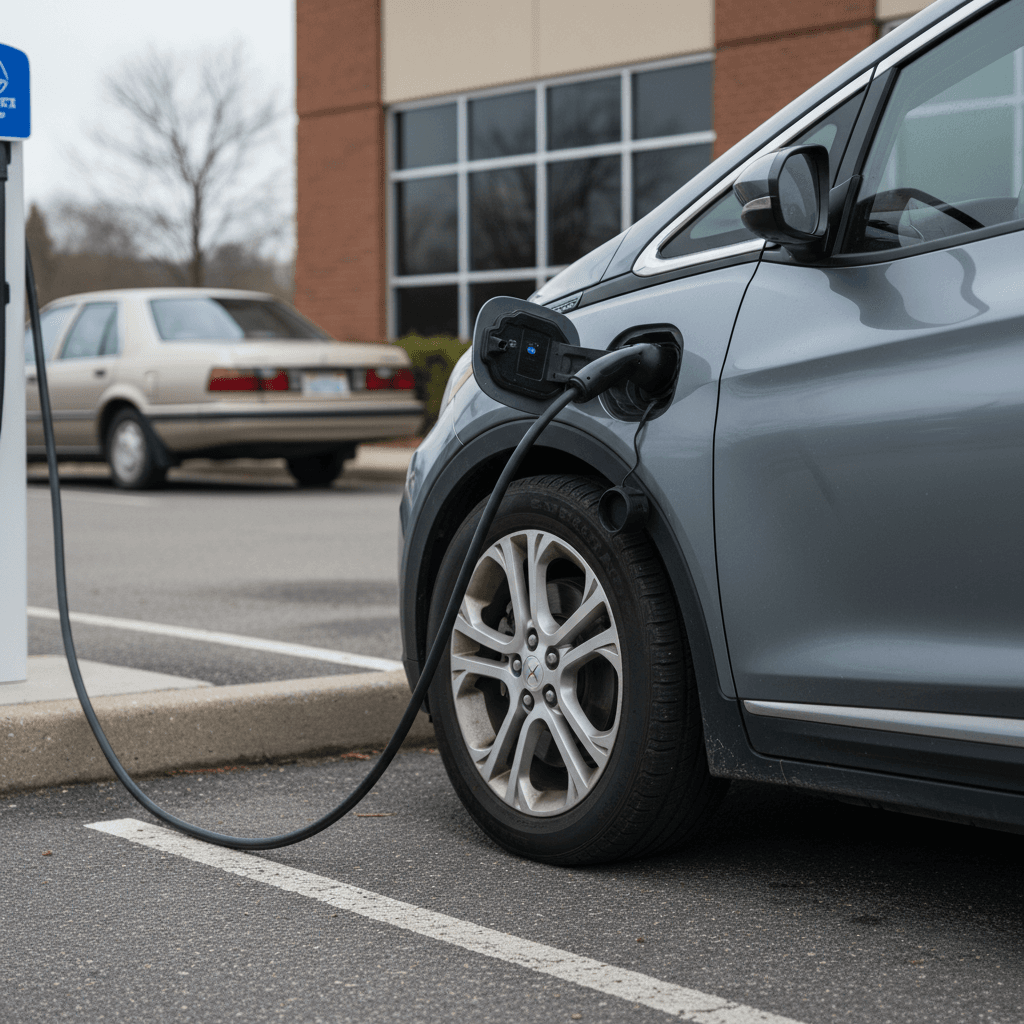
Instead of the CCS or NACS fast‑charge connectors used by most newer EVs and charging networks in the U.S., the Leaf relies on CHAdeMO. When the Leaf launched, that wasn’t a problem. But by 2026, most new public stations prioritize CCS or NACS, and CHAdeMO support is slowly being phased out. That makes the Leaf a tougher choice if you expect to road‑trip or rely heavily on non‑home charging.
Charging takeaways for 2023 Leaf shoppers
1. Plan on home Level 2 charging
To make a 2023 Leaf painless to live with, you’ll want a dedicated 240‑volt Level 2 charger at home or work. Relying on Level 1 (standard outlet) charging will be slow and limiting.
2. Treat fast charging as backup
With CHAdeMO, think of DC fast charging as a safety net, not your primary fueling strategy. Check availability of CHAdeMO stations in your area before you buy.
3. Ask about charging history
Frequent DC fast charging can stress any EV battery over time. When possible, favor cars that were mostly home‑charged and confirm this with the seller or service records.
4. Consider your future needs
If you anticipate moving, changing jobs, or taking more highway trips in the next few years, be realistic about whether the Leaf’s range and charging ecosystem will still work for you.
Interior, space, and tech features
Inside, the 2023 Leaf is straightforward, comfortable, and more traditional than many newer EVs. If you prefer physical buttons to a sea of touchscreens, that’s a plus. Materials are durable more than luxurious, but the cabin holds up well in daily use.
Space and practicality
- Roomy front seats with good headroom for taller drivers.
- Rear seat comfort is acceptable for adults on shorter trips; legroom is competitive for a compact hatch.
- Hatchback design offers a versatile cargo area for groceries, strollers, or luggage.
- Split‑fold rear seats expand cargo space, though the load floor isn’t perfectly flat.
Infotainment and tech
- Standard 8‑inch touchscreen with Apple CarPlay and Android Auto.
- Physical knobs for volume and basic climate functions.
- SV Plus models often add built‑in navigation and extra convenience features.
- Nissan’s driver‑assist systems, including ProPILOT Assist on many SV Plus cars, take the edge off long highway stints.
How it compares to newer EV cabins
Safety, reliability, and ownership costs
Safety and reliability are central to any used‑car decision. On those fronts, the 2023 Leaf delivers decent peace of mind with a few nuances to understand.
- Crash safety: The Leaf earns solid crash‑test results from major safety agencies, with especially good scores for head restraints, seats, and overall occupant protection, reflecting incremental updates since its 2018 redesign.
- Active safety tech: Nissan Safety Shield 360 (automatic emergency braking, lane‑departure warning, blind‑spot monitoring, and more) is widely available. SV Plus cars commonly add ProPILOT Assist for lane‑centering and adaptive cruise control.
- Reliability: Independent reliability data for the 2023 Leaf is generally average to above‑average, with many owners reporting trouble‑free operation and satisfaction with overall quality. A few recalls have been issued, but most are addressed free of charge at dealerships.
- Running costs: Electricity is typically cheaper per mile than gasoline, and there’s no oil to change. Budget for tires, cabin filters, brake fluid, and occasional software updates rather than engine service. Insurance costs vary by region but are usually competitive with other compact hatchbacks.
Don’t ignore recall history
Is a used 2023 Nissan Leaf a good buy?
In 2026, the answer is: it depends heavily on your driving pattern and expectations. As a second‑hand purchase, the 2023 Leaf can offer a lot of electric car for the money, especially compared with newer, more expensive EVs. But you need to go in with eyes open about range, charging, and battery health.
Pros and cons of buying a 2023 Leaf used
A clear-eyed look at the trade‑offs
What’s appealing
- Low purchase prices versus newer EVs and many hybrids.
- Smooth, quiet drive that makes commuting less stressful.
- Mature design with most early‑generation kinks worked out.
- Plenty of gently‑used examples with low miles on the market.
- Simple ownership experience if you charge at home and drive locally.
What gives us pause
- CHAdeMO fast‑charging limits long‑distance convenience and future charging options.
- Highway and winter range can feel tight even in SV Plus models.
- Battery degradation risk makes condition highly dependent on prior use and climate.
- Competing used EVs (like Chevy Bolt or Hyundai Kona Electric) offer more range.
Where the Leaf makes the most sense
Checklist: what to check before buying a 2023 Leaf used
Pre-purchase checklist for a 2023 Nissan Leaf
1. Get a battery health report
This is non‑negotiable. Ask for a recent, third‑party battery‑health report that shows state of health (SOH) versus new. At Recharged, this is built into the Recharged Score so you know how much real‑world range to expect before you sign anything.
2. Confirm charging fits your life
Map your daily commute and weekly driving, then compare it against realistic range estimates, not just the EPA number. Also, check CHAdeMO fast‑charger locations near your home, work, and common routes.
3. Verify recall and service history
Ask for records showing completed recall work and routine maintenance (like brake fluid changes). Use the VIN to check for open recalls and avoid cars with incomplete safety repairs.
4. Inspect tires and brakes
Electric cars are heavier than similar gasoline models, which can accelerate tire wear. Uneven tread wear or vibrations during braking may indicate alignment or suspension issues that will cost you down the line.
5. Test highway performance
Take a test drive that includes sustained highway speeds. Pay attention to noise levels, how confidently the car accelerates from 50–70 mph, and what the projected range looks like at speed.
6. Evaluate driver-assist features
Confirm Safety Shield 360 and, if equipped, ProPILOT Assist functions work properly. Make sure adaptive cruise control, lane‑keeping, and blind‑spot monitoring engage and disengage smoothly.
7. Consider financing and trade-in options
Even affordable EVs are significant purchases. Look at total cost of ownership, not just monthly payment. A platform like Recharged can help you compare financing options, factor in your trade‑in, and see the full picture before you commit.
2023 Nissan Leaf FAQ
Frequently asked questions about the 2023 Nissan Leaf
Bottom line: should you shop a 2023 Leaf or look elsewhere?
If you’re realistic about what you need an EV to do, the 2023 Nissan Leaf can still be a smart, budget‑friendly choice in 2026. It’s quiet, easy to drive, inexpensive to run, and far cheaper than many newer electric crossovers. In SV Plus form, it offers enough range for most daily driving, plus the comfort features many shoppers expect.
However, its aging CHAdeMO fast‑charging standard and modest highway range are real limitations. If you regularly drive long distances or rely on public fast charging, you may be happier in a used EV with CCS or NACS fast‑charge support and more range. If your world is mostly local and you can plug in at home, a carefully vetted 2023 Leaf, ideally with a documented, healthy battery, is absolutely worth a close look.
Whichever direction you lean, make sure you’re comparing real‑world battery health, ownership costs, and feature sets across multiple models. Platforms like Recharged exist to make that process more transparent, from the Recharged Score battery report to financing, trade‑in options, and expert guidance, so you can choose the EV that genuinely fits the way you live and drive.