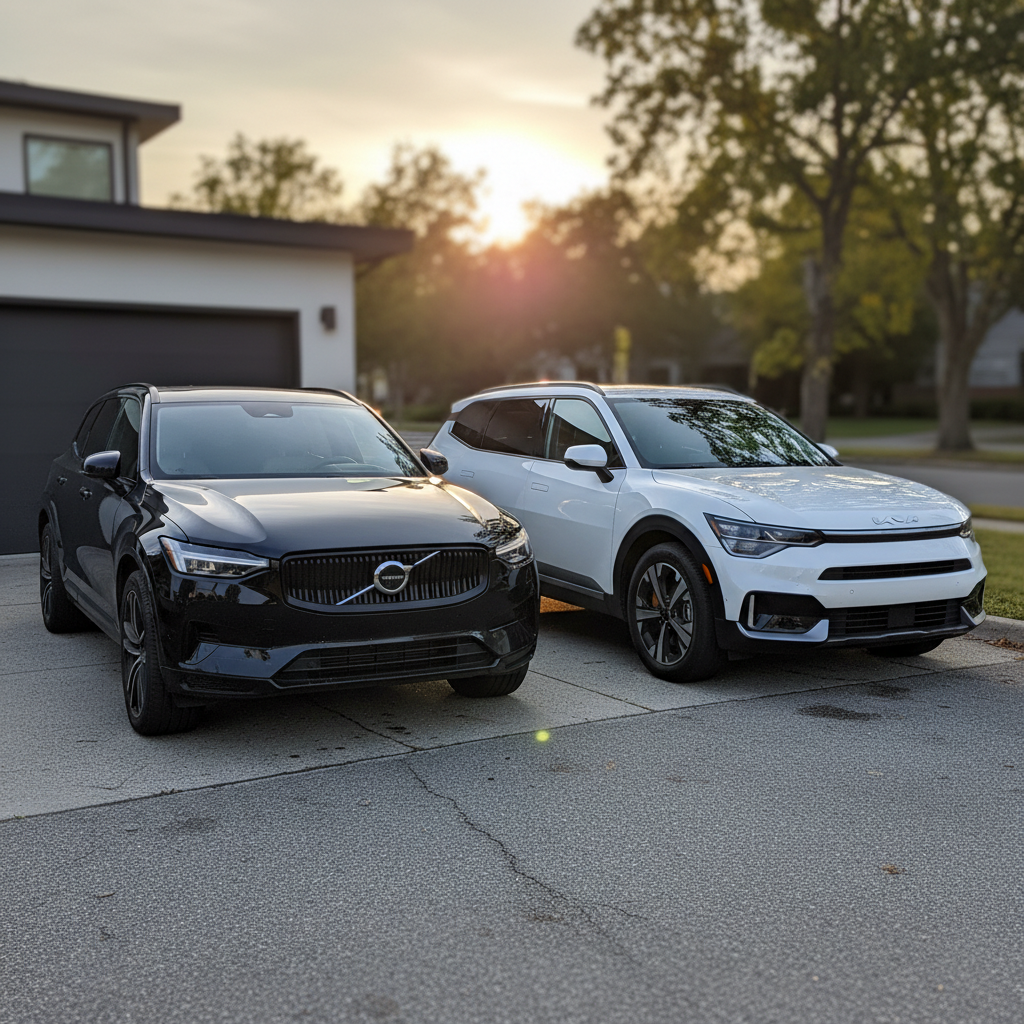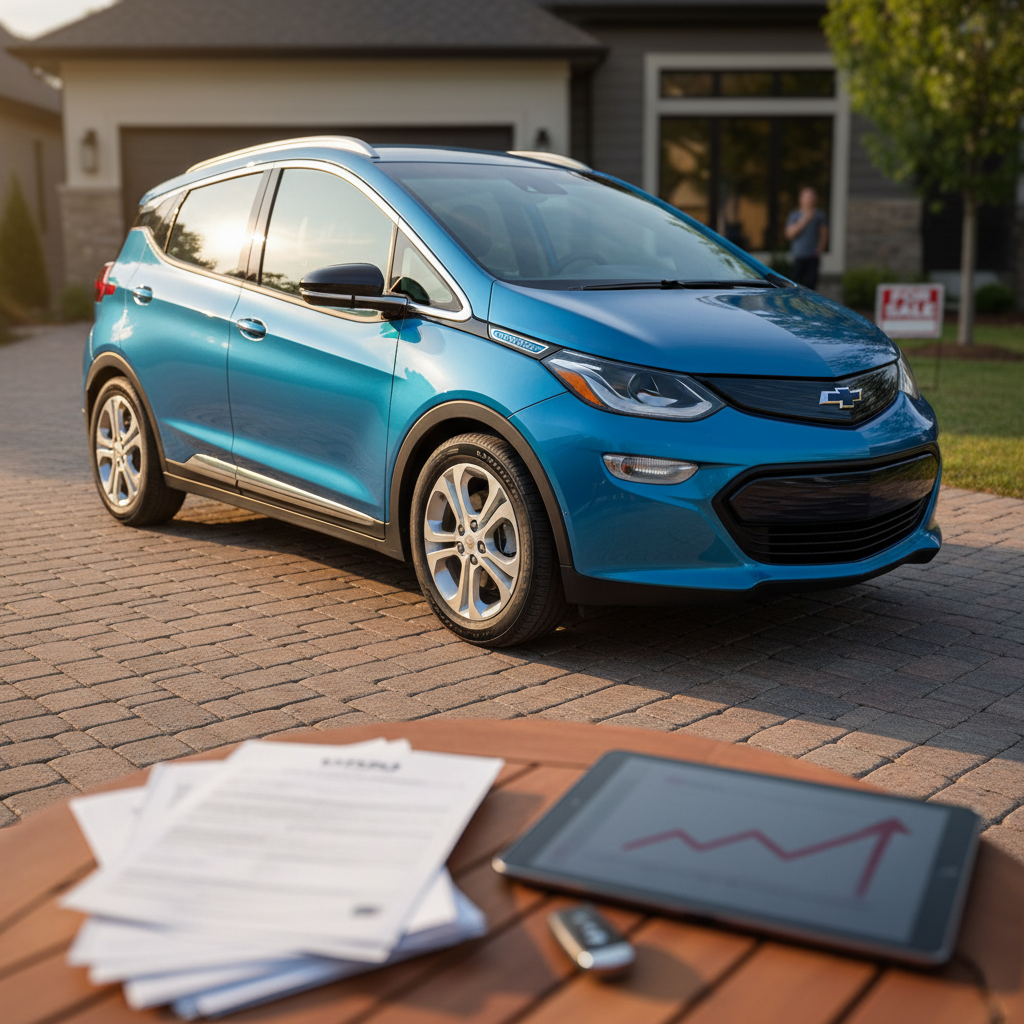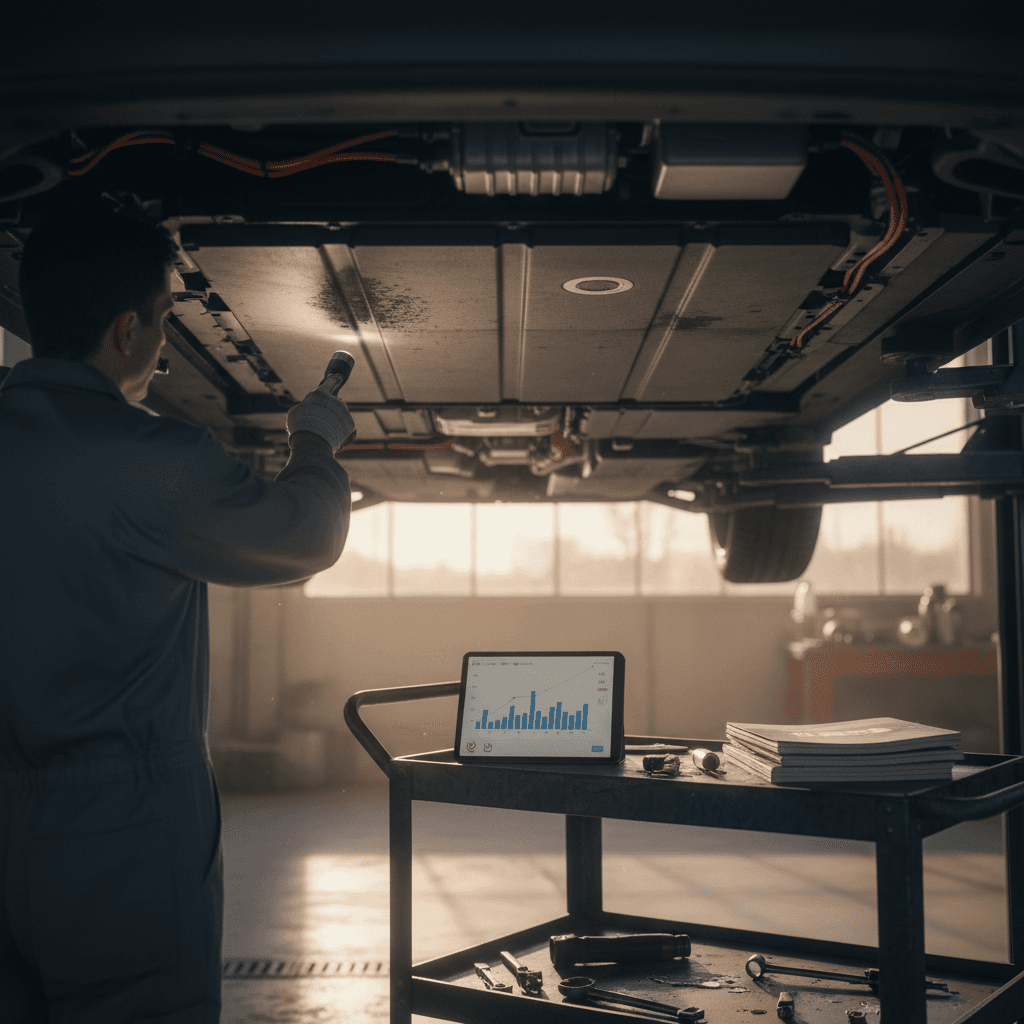
When people talk about owning an electric car, the conversation usually jumps straight to fuel savings and tax credits. But electric vehicle maintenance costs are just as important. They’re also one of the most misunderstood parts of EV ownership, especially if you’re considering a used electric car.
At a glance
Why electric vehicle maintenance costs matter
If you’re shopping for an EV today, especially a used one, the question you’re really asking isn’t just “Can I afford it?” It’s “What will this cost me to keep on the road year after year?” Maintenance is where EVs quietly make up a lot of ground against higher sticker prices and, in some cases, faster depreciation.
- Maintenance is the most predictable part of total cost of ownership, you can estimate it better than future resale value or fuel prices.
- EVs avoid many of the failure points that make older gas cars expensive: oil leaks, exhaust issues, transmission failures, and emissions equipment.
- Understanding the real numbers helps you decide whether a new or used EV makes more financial sense than a comparable gas car.
Don’t just compare oil changes
EV vs gas maintenance costs by the numbers
EV vs gas maintenance in hard numbers
Let’s translate that into something practical. Suppose you drive 15,000 miles per year:
Estimated annual maintenance costs (15,000 miles/year)
Illustrative averages using 2024–2025 cost-per‑mile data. Individual models and driving styles will vary.
| Vehicle type | Maintenance cost per mile | Estimated annual maintenance |
|---|---|---|
| Electric vehicle | $0.03–$0.05 | $450–$750 |
| Gas vehicle | $0.06–$0.10 | $900–$1,500 |
EVs spend less on routine maintenance but may have higher insurance and registration costs, those are separate from this table.
Rule of thumb
What you actually maintain on an EV
The simplest way to demystify electric vehicle maintenance costs is to list what goes away and what stays. An EV powertrain has a fraction of the moving parts of an internal combustion engine, which removes many of the most failure‑prone systems entirely.
What disappears with an EV
- Oil changes and oil filters
- Spark plugs, ignition coils, fuel injectors
- Timing belt/chain service
- Traditional multi‑gear automatic transmissions
- Exhaust system and catalytic converter repairs
- Most emissions‑system diagnostics and repairs
What you still maintain
- Tires (often a bit faster wear on heavier EVs)
- Brakes (less often thanks to regenerative braking)
- Suspension and steering components
- Cabin air filter(s)
- Coolant and brake fluid changes on manufacturer schedules
- Occasional 12V battery replacement and HVAC service
Check the service schedule, not just the badge
The big scary topic: EV battery replacement costs
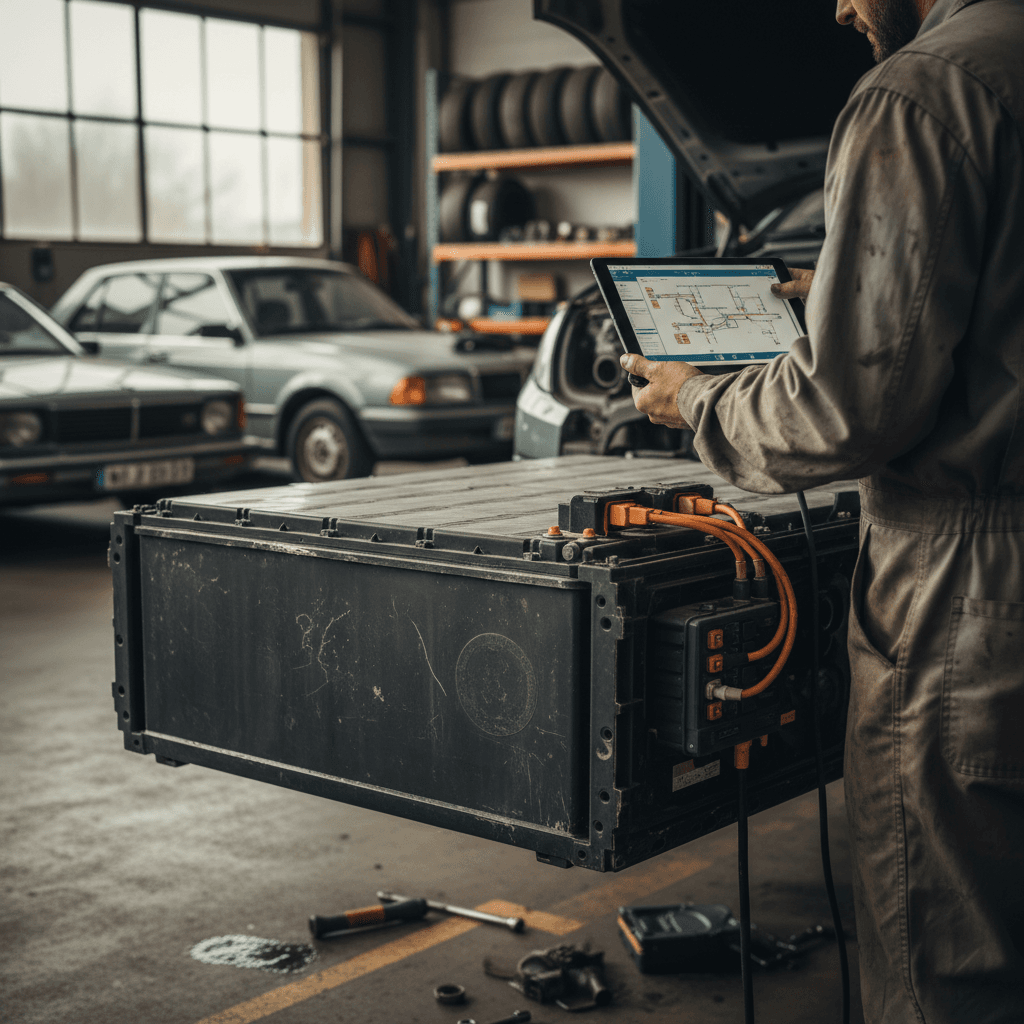
Battery replacement is the headline fear for many first‑time EV buyers. The good news is that it’s less common and better protected than most people think, but it’s also the one repair bill you absolutely don’t want to face out of warranty.
Battery replacement: cost, likelihood, and protection
Typical replacement cost
As of 2025, full pack replacements usually run about $8,000–$20,000 including labor, depending on vehicle and battery size. Compact EVs can be on the low end; large trucks and luxury models are higher.
Warranty coverage
Most modern EVs carry an 8–10 year, ~100,000‑mile battery warranty against defects and excessive degradation. Many real‑world replacements still happen under warranty rather than out of pocket.
How often do packs fail?
Recent ownership and warranty data suggest that only a small minority of EVs, low single‑digit percentages, ever need full battery replacement, especially within the first 10 years.
Used EV buyer watch‑outs
An important nuance: battery costs are trending down. Pack prices have fallen sharply over the last decade, and 2025 market data puts many packs in the roughly $130 per kWh range. That doesn’t make a 70–100 kWh pack “cheap,” but it does mean that replacements on older EVs are gradually becoming less catastrophic, and alternative options like refurbished or module‑level repairs are expanding.
Brakes, tires, and suspension on EVs
This is where EVs behave differently from what many gas‑car owners expect. You’ll hear some owners say they never replaced brakes in 100,000+ miles, but that doesn’t mean you can ignore them, and tires can be a surprise line item if you like instant torque.
Brakes: less wear, more time
- Regenerative braking handles much of the deceleration, so pads and rotors last far longer than on gas cars.
- Many EV owners see 70,000–100,000 miles on original pads when mostly driving in city or mixed conditions.
- However, light use can lead to corrosion or uneven wear, periodic inspections and occasional hard stops are healthy.
Tires: where some costs shift
- EVs are heavier and deliver instant torque, which can shorten tire life compared with similar gas cars.
- Expect to budget for tires every 25,000–40,000 miles depending on driving style, alignment, and tire choice.
- Many EVs use low‑rolling‑resistance or acoustic tires that cost more than generic replacements but improve range and cabin noise.
Rotate and align on schedule
Software, recalls, and reliability reality check
Most of the headline reliability stories around EVs aren’t about motors or batteries, they’re about software, infotainment, door handles, and new tech that automakers rushed to market. That matters for your wallet, but it behaves differently from classic mechanical breakdowns.
Mechanical vs software issues on EVs
Software & electronics
Glitches in infotainment, advanced driver assistance, or charging communication are increasingly common. The upside: many get fixed with over‑the‑air updates rather than shop visits.
Mechanical reliability
Electric motors and single‑speed gearboxes are mechanically simple and generally very robust. There’s simply less hardware to fail versus an engine, transmission, and exhaust system.
Out‑of‑warranty repairs
When something does break that requires physical service, especially high‑voltage components, you may pay more per visit, but you’ll visit far less often than with an aging gas car.
What recent reliability data actually says
Used EVs: how maintenance costs change over time
By the time an EV hits the used market in meaningful numbers, 5, 7, 10 years out, the story changes. You’re past the steepest depreciation, but you’re closer to the end of the original battery and powertrain warranty. Understanding that trade‑off is critical if you’re trying to minimize lifetime cost.
- Early‑life EVs (0–5 years) typically have very low maintenance spend and are still fully covered by factory warranties.
- Mid‑life EVs (5–8 years) start to show normal wear items, tires, brakes, suspension, but still often sit inside battery coverage.
- Late‑life EVs (8–12+ years) can be incredible bargains if the battery is healthy, but this is where independent pack health data becomes essential.
The risk shift with age
“A used EV with a strong battery can be one of the cheapest vehicles to own on a dollars‑per‑mile basis. A similar car with an unknown or weak pack can be the opposite.”
Sample 5‑year maintenance budget for an EV
To make this concrete, let’s sketch a reasonable 5‑year maintenance plan for a typical mainstream EV, think Chevy Equinox EV, Hyundai Ioniq 5, Tesla Model 3, or similar, driven 12,000–15,000 miles per year in the U.S.
Illustrative 5‑year EV maintenance budget (excluding insurance & charging)
Assumes normal use, no accidents, and no major out‑of‑warranty failures.
| Item | Frequency (5 years) | Approx. cost per event | 5‑year estimate |
|---|---|---|---|
| Tire rotations | 8–10 | $40–$80 | $320–$800 |
| New tires | 1–2 sets | $700–$1,200 | $700–$2,400 |
| Brake inspection/service | 2–3 | $100–$250 | $200–$600 |
| Cabin air filter | 2–3 | $50–$120 | $100–$300 |
| Brake fluid & coolant service | 1 | $200–$400 | $200–$400 |
| Misc. repairs (sensors, HVAC, etc.) | As needed | $200–$500 | $400–$1,000 |
| Total (5 years) | , | , | ≈ $1,920–$5,500 |
Real‑world costs vary by model, labor rates, and driving style, but this gives a useful planning baseline.
Compare that to a gas car
How to keep your EV maintenance costs low
Practical ways to minimize EV maintenance spend
1. Follow the EV‑specific service schedule
Don’t assume gas‑car habits apply. Use the manufacturer’s EV maintenance guide for your exact model year so you’re not over‑servicing, or neglecting, the right items.
2. Rotate tires and check alignment
Because EVs are heavier and torquier, uneven tire wear gets expensive fast. Rotating tires and correcting alignment early is cheaper than a premature set of four new tires.
3. Use the regen your car gives you
Maximizing regenerative braking (where it’s safe) reduces brake wear and turns more of your deceleration back into stored energy, lowering both maintenance and energy costs over time.
4. Keep software up to date
Over‑the‑air updates don’t just add features; they can fix charging issues, range estimation bugs, and even hardware stress points. Staying current can avoid diagnostic visits.
5. Protect the battery
Avoid leaving the pack at 100% or near 0% for days at a time, especially in extreme heat. Moderate charging habits help preserve range and reduce the odds of expensive battery work later.
6. Choose the right shop
For out‑of‑warranty work, look for shops with high‑voltage training and EV experience. A correctly diagnosed issue is cheaper than throwing parts at a problem, especially on electric drivetrains.
Where Recharged fits into the picture
If you’re shopping for a used EV, the gap between a good car and a bad one is mostly about information. You want to know what maintenance has been done, what’s coming due, and, above all, how healthy the battery really is. That’s where Recharged is built to help.
How Recharged helps you manage long‑term costs
Recharged Score battery diagnostics
Every EV listed on Recharged comes with a Recharged Score Report, including verified battery health metrics so you can understand remaining capacity and expected range before you buy.
Fair pricing & financing
Because maintenance and battery health are baked into how we evaluate vehicles, pricing is grounded in true total cost of ownership, not just mileage and cosmetic condition. Financing options are designed around EV realities.
Specialist guidance & delivery
Our EV‑specialist team can walk you through likely maintenance on a specific model and mileage, help you compare options, and arrange nationwide delivery or in‑person shopping at our Experience Center in Richmond, VA.
Ready to find your next EV?
Browse VehiclesElectric vehicle maintenance costs: FAQ
Frequently asked questions about EV maintenance
Bottom line: are EV maintenance costs worth it?
If you strip away the hype on both sides, the pattern is clear: electric vehicles almost always win on maintenance costs over the long term. You’ll visit shops less often, spend less per mile on routine service, and largely avoid the catastrophic engine and transmission failures that haunt older gas cars.
Where EVs still demand respect is in the high‑voltage system. Batteries, inverters, and on‑board chargers are expensive components, but they are also heavily warranted and, statistically, quite reliable. For most owners, the combination of lower maintenance and lower energy costs more than offsets the higher purchase price, especially if you buy smart.
If you’re looking at a used EV, the key is information: verified battery health, clear service history, and realistic expectations about tires, brakes, and fluids. That’s exactly what Recharged is set up to provide, so you can choose the right car, and go into ownership with a clear, data‑driven view of your true maintenance costs.