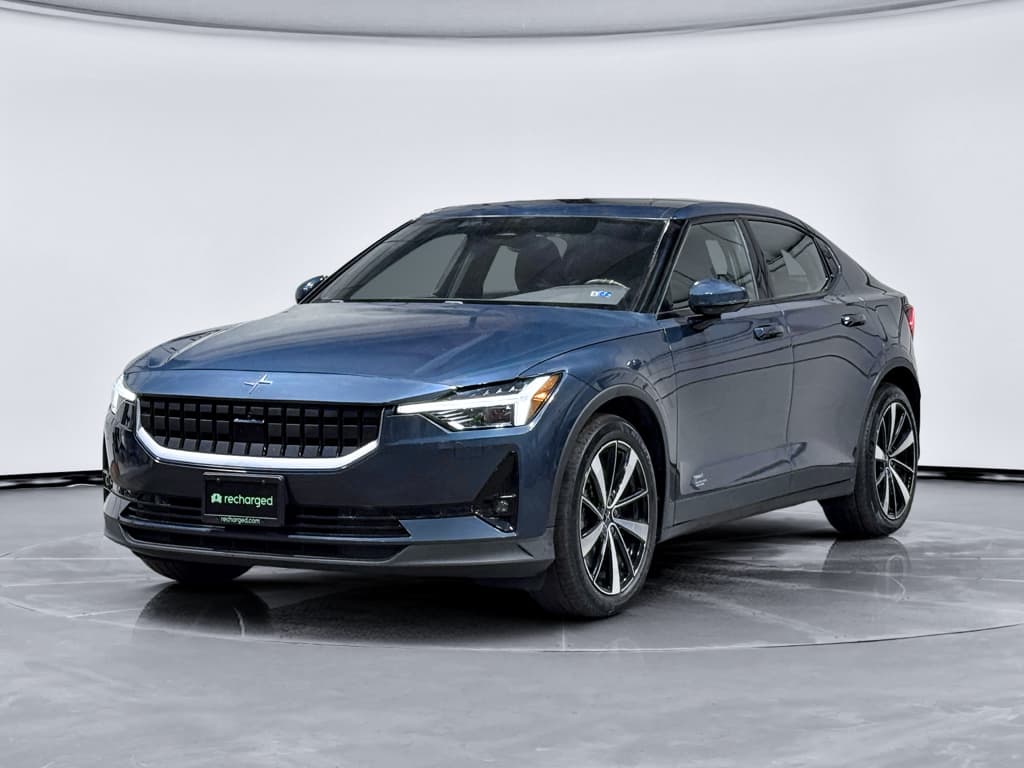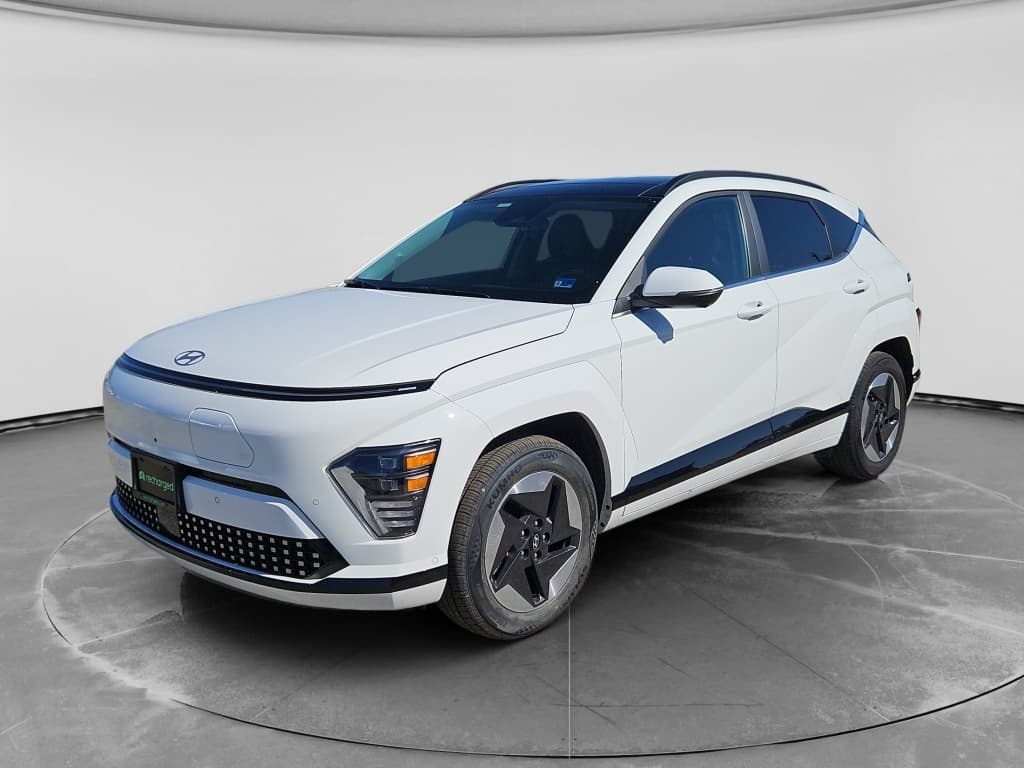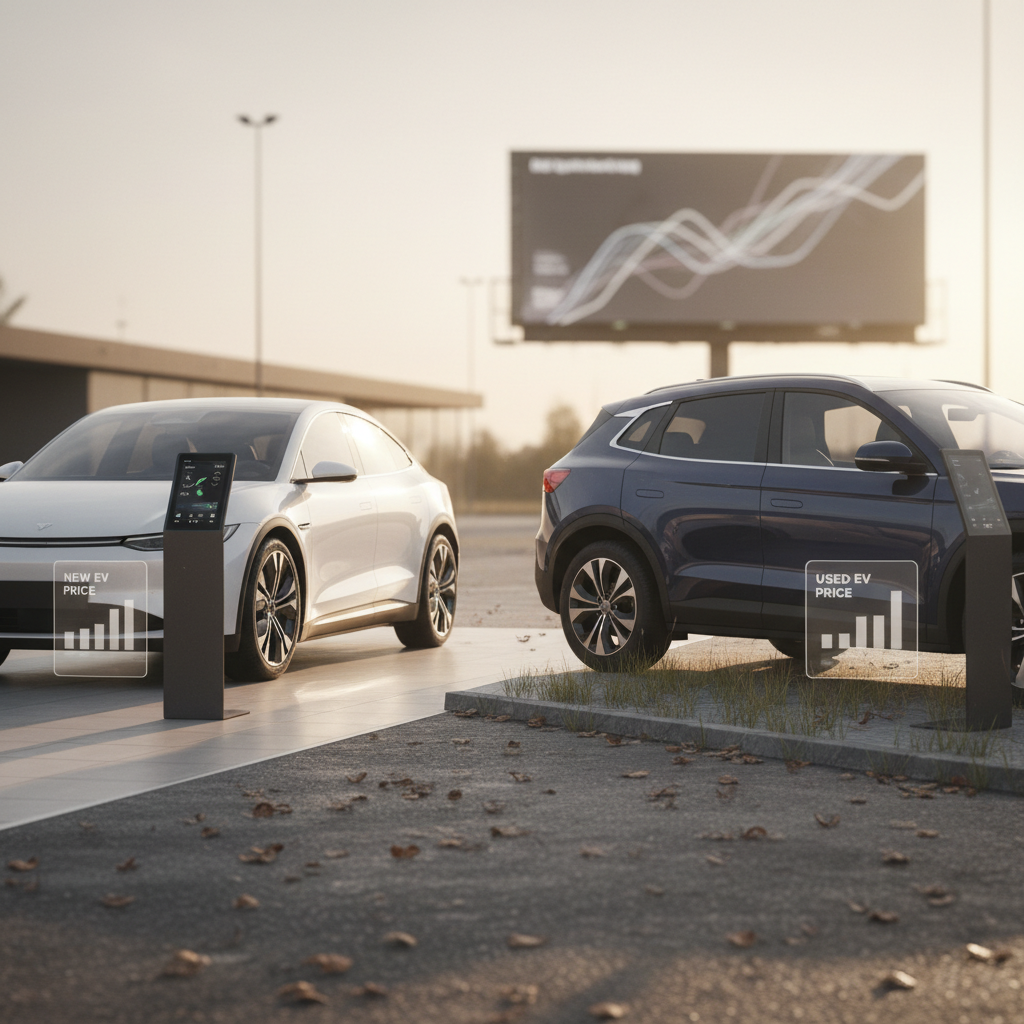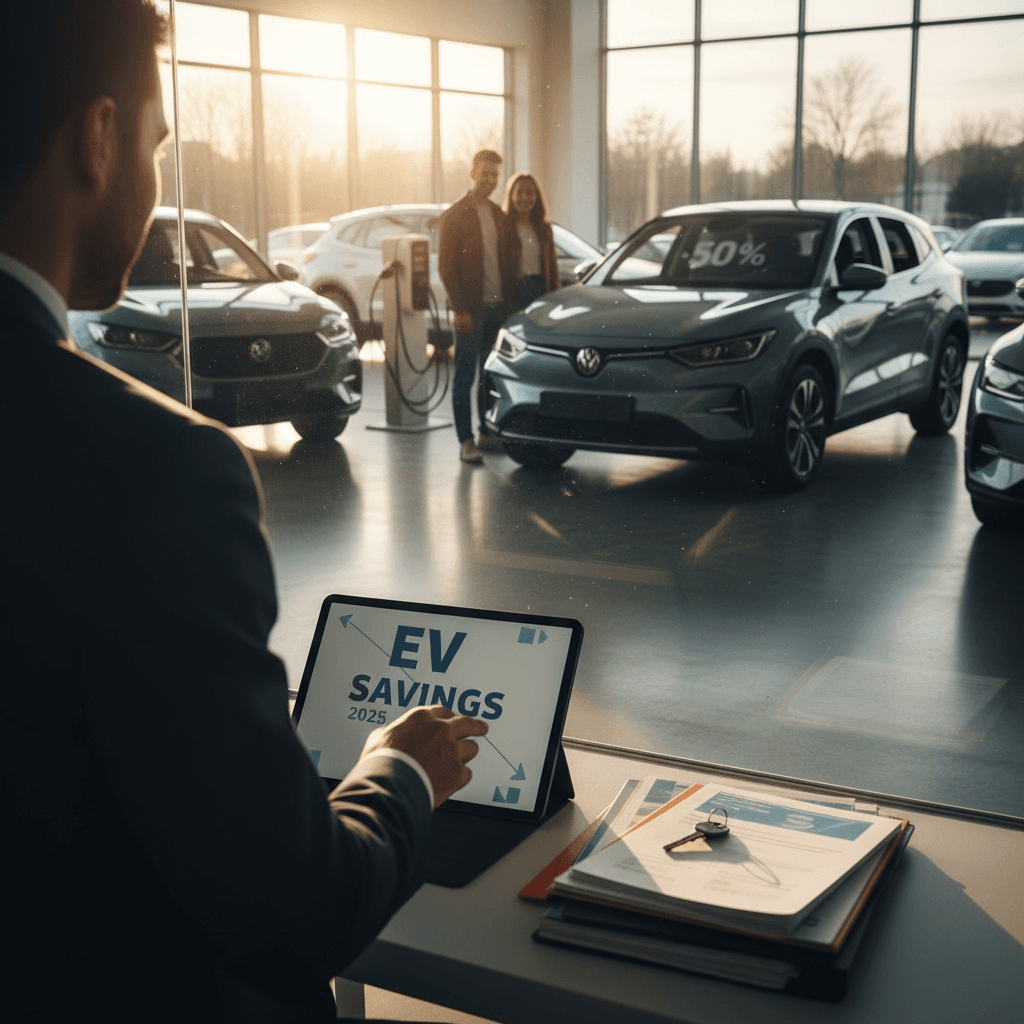
Electric vehicle deals in late 2025 don’t look anything like they did a couple of years ago. Used EV prices have dropped sharply, federal tax credits for vehicles have ended, and manufacturers are leaning harder on discounts and lease offers to keep cars moving. If you understand how these forces interact, you can pick up a genuinely strong EV deal, especially on the used side, without getting stuck with a car that’s cheap upfront but expensive to live with.
The EV deal landscape has flipped
Why EV deals look very different in late 2025
When people think about electric vehicle deals, they still picture a big federal tax credit on a new car. That era effectively ended on September 30, 2025, when the federal credits of up to $7,500 for new EVs and $4,000 for used EVs expired for purchases and leases after that date. What hasn’t ended, though, are the price cuts and incentives driven by slowing EV demand and a wave of vehicles coming off lease.
Key EV deal dynamics in 2025
At the same time, most used-car prices have stabilized, but EVs are still correcting from earlier highs. Tesla led that correction: average used Tesla prices have fallen into the high-$20,000s, slightly below the overall used-car market, and models like the Model 3 and Model Y have seen noticeably steeper drops than comparable gas vehicles. That’s painful for sellers, but great news if you’re shopping.
Don’t confuse cheap with good value
Where the best electric vehicle deals are right now
Today’s strongest electric vehicle deals cluster around three areas: used EVs that have taken the brunt of the price correction, aggressive lease offers on remaining new inventory, and local incentives that quietly knock thousands off your total cost of ownership. Here’s where to look first.
Current hotspots for EV savings
Where you’re most likely to find outsized value in late 2025
1. Two- to five-year-old used EVs
The sweet spot right now is often a 2–5 year-old EV that has already absorbed the big early depreciation hit.
- Tesla Model 3 & Model Y
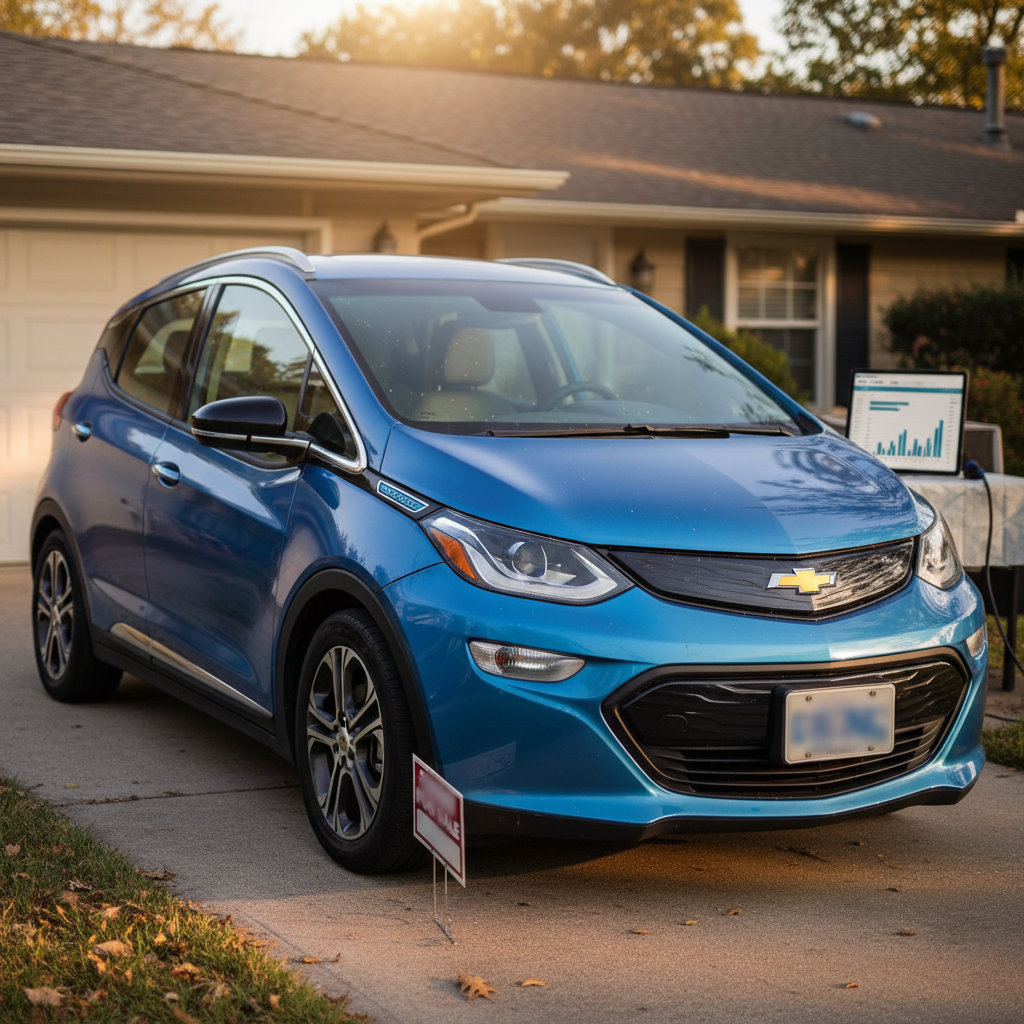
- Chevy Bolt EV/EUV
- Hyundai Ioniq 5, Kia EV6, VW ID.4
These cars tend to offer modern range, fast charging and active safety tech at a meaningful discount to new.
2. Manufacturer and captive lease deals
Even with federal credits gone, some automakers are subsidizing leases on remaining 2024–early 2025 inventory to keep volumes up.
- Subvented money factors (low interest)
- Hefty capitalized cost reductions (discounts baked into the lease)
- Loyalty or conquest cash for switching brands
If you don’t plan to keep the car beyond 3 years, a lease can still be an efficient way to access EV tech.
3. State & utility incentive stacking
Many states and utilities still offer EV rebates or bill credits.
- State rebates for new or used EVs (e.g., Illinois, California)
- Home charger credits up to around $1,000
- Discounted overnight charging rates
These rarely show up in the sticker price but significantly improve the real-world economics of a deal.
Look where supply is high

Incentives and rebates after the 2025 federal changes
The biggest mental adjustment shoppers need to make is this: for purchases on or after October 1, 2025, there is no longer a federal tax credit for buying a new or used EV. If you bought earlier and took delivery under a qualifying contract, you may still claim a credit on your 2025 return, but you can’t assume Uncle Sam will pick up $7,500 of the tab going forward.
What’s gone or shrinking
- Federal new EV credit: Up to $7,500 disappeared for vehicles purchased after September 30, 2025.
- Federal used EV credit: The $4,000 used EV credit ended at the same time.
- Future risk: Pending legislation aims to phase out remaining commercial and leasing-related credits faster than originally planned.
Translation: You can’t build your 2026–2027 EV shopping strategy around federal vehicle credits anymore.
What’s still on the table
- State EV rebates: Several states still offer thousands of dollars off new or used EVs, often with income caps.
- Utility programs: Many utilities provide rebates for home chargers and discounted EV charging rates.
- Home charging tax credit: A federal credit for charging equipment and installation (typically 30% of cost, capped around $1,000) is scheduled to run into 2026.
These don’t change the window sticker, but they matter when comparing total cost of ownership.
Incentives vary by ZIP code
How to evaluate a used EV deal beyond the sticker price
Used EV pricing in 2025 sometimes feels like a clearance sale, but you still need a disciplined framework for deciding whether a given car is a deal or a money pit. With EVs, the headline price is only part of the story; battery health, charging speed, software support, and real-world energy costs can easily make or break the economics.
When is a used EV price a real deal?
A quick way to distinguish attractive used EV deals from risky ones.
| Scenario | Why it looks cheap | What you must verify | Deal or trap? |
|---|---|---|---|
| 3-year-old Tesla Model 3 at price similar to compact gas car | Aggressive brand-wide price drops and high supply | Battery health report, Supercharging speed, warranty coverage | Often a deal if battery and warranty check out |
| Older Nissan LEAF at a bargain price | Limited range and early battery chemistry | Remaining usable range in your climate and daily needs | Can be a deal for short city commutes |
| Luxury EV sedan discounted heavily vs. new | High initial MSRP and rapid luxury depreciation | Out-of-warranty repair costs, fast-charging reliability | Potential trap if you can’t budget for big repairs |
| Compact EV with slow charging but low miles | City-focused design, small pack | Whether you ever need fast charging or road trips | Deal only if your usage is strictly local |
Use this as a first-pass filter before you dive into a detailed inspection or financing discussion.
A smart used EV deal balances purchase price against long-term running costs and convenience. A slightly more expensive EV with robust battery health, DC fast-charging capability, and an active OEM software ecosystem can be cheaper to own than a rock-bottom outlier that’s stuck on slow charging and has dubious range in cold weather.
Use total cost of ownership, not just monthly payment
Battery health: the make-or-break factor in a used EV deal
With internal-combustion cars, you worry about engines and transmissions. With EVs, the traction battery is the big-ticket item. That’s why the best electric vehicle deals in 2025 aren’t just about price, they’re about verified battery health and transparent degradation.
Four battery questions that define a used EV deal
1. How much capacity has it lost?
Every EV battery loses some capacity over time. What matters is how much and how quickly.
- Ask for a quantified battery health report in % of original capacity.
- Be wary of cars that have lost far more than peers of the same age and mileage.
2. How was the car charged?
Consistent high-power DC fast charging can add wear; gentle home Level 2 charging is usually easier on the pack.
- Ask about typical charging habits.
- Look for cars with a mix of home and public charging, not just road-trip DC fast charging.
3. What battery warranty remains?
Many EVs carry 8-year/100,000+ mile battery warranties.
- Confirm remaining years and miles.
- Understand what level of degradation is actually covered.
4. Does it still fast charge properly?
A pack can look okay on paper but show problems under DC fast charging.
- Whenever possible, test a fast charge or review charging logs.
- Watch for dramatic throttling or error messages.
How Recharged helps
Ready to find your next EV?
Browse VehiclesFinancing strategies to lower your EV payment
With big upfront credits gone, your financing strategy matters more than ever. The good news is that lower used EV prices and a more mature financing ecosystem can offset a lot of that lost federal support, if you structure the deal thoughtfully.
Buying a used EV
- Focus on price, not just rate: A slightly higher APR on a much cheaper used EV can still beat a lower APR on an expensive new one.
- Shorter terms where possible: EV tech is evolving fast; avoid stretching loans into the period when you may want to upgrade.
- Consider down payments strategically: Putting more down reduces both payment and interest, but keep cash for home charging installation if you need it.
Online marketplaces that specialize in EVs can sometimes offer more competitive used-financing options than traditional dealers, especially if they understand residual values and battery risk.
Leasing an EV
- Use leases to hedge technology risk: If you’re worried about rapid tech changes or resale values, a lease keeps that risk with the lessor.
- Watch the money factor and residual: They matter more than advertised monthly payments. High residuals + subsidized rates usually signal a strong lease deal.
- Mind mileage limits: Excess mileage penalties can erase the value of a good lease if you underestimate your driving.
As EV lease volumes climb, expect a wave of off-lease inventory in 2026 and beyond, which could create even better used EV deals if you’re patient.
Pre-qualify without hurting your credit
Negotiating and timing your electric vehicle purchase
Because EVs have been more volatile than gas cars, timing and negotiation matter. Dealers and online sellers don’t want aging EV inventory sitting through a slow season, especially on models whose new prices have been cut or whose next generation is imminent.
- Seasonality still matters: Year-end and quarter-end remain strong times to negotiate on both new and used EVs as sellers chase volume targets.
- Watch for model refreshes: When a redesigned EV is announced, outgoing models often see sharper discounts even if they’re still competitive in real-world use.
- Be realistic on trade-ins: If you’re trading an older EV, particularly a Tesla, expect that depreciation to show up in trade offers. Sometimes it’s smarter to sell your old car separately and shop your EV purchase as a clean transaction.
- Leverage transparent marketplaces: Platforms like Recharged that list fixed, market-reflective prices and detailed condition reports remove a lot of the guesswork and back-and-forth haggling. You’re negotiating with the market, not just a salesperson’s mood.
Beware “mystery” fees and add-ons
Step-by-step checklist for shopping electric vehicle deals
Your electric vehicle deals playbook
1. Define your use case and range needs
List your typical daily miles, how often you road-trip, and whether you can charge at home. This will narrow you to EVs whose range and charging speed actually fit your life.
2. Set a total cost-of-ownership budget
Decide how much you’re willing to spend per month including payment, insurance, and a rough estimate of charging costs. Don’t chase deals that force you beyond that boundary.
3. Scan used EV prices and incentives in your region
Look at several sources, specialist marketplaces, big used-car sites, and local dealers, to understand going rates. Layer in state and utility incentives that apply to your ZIP code.
4. Shortlist 3–5 candidate vehicles
Prioritize models with solid reliability records, decent fast-charging support, and active software updates. Make sure at least one option is a bit “boring but safe” as a baseline.
5. Deep-dive battery health and charging
For each candidate, get a structured battery health report, ask about charging habits, and confirm remaining battery warranty and DC fast-charging performance.
6. Pre-qualify for financing
Use a soft-credit pre-qualification tool, like the one Recharged offers, to understand your likely APR and payment band before you fall in love with any one car.
7. Compare out-the-door pricing
Request full buyer’s orders or quotes that include taxes, fees, and add-ons. Compare these, not just the advertised prices, across sellers.
8. Move quickly on a true outlier deal
When you find a car that checks your boxes and is clearly underpriced relative to the market, be ready to move. The best electric vehicle deals don’t sit around for long, especially on popular models.
Electric vehicle deals: FAQ
Frequently asked questions about EV deals in 2025
Bottom line: getting a great EV deal with confidence
Electric vehicle deals in 2025 reward informed shoppers. The easy-button federal credits are gone, but used EV prices have finally become rational, sometimes aggressively so, and many states, utilities, and manufacturers are still quietly subsidizing the transition. If you treat battery health and total cost of ownership as the center of the conversation, instead of chasing the lowest monthly payment, you’ll find options that genuinely beat comparable gas cars on both cost and quality of life.
The key is structure: define your needs, map your local incentives, pre-qualify your financing, and insist on clear battery data. Whether you end up in a lightly used Tesla, a value-packed Chevy Bolt, or another modern EV altogether, taking that disciplined approach, and using EV-focused platforms like Recharged, will help you turn a chaotic market into an opportunity to secure a truly great electric vehicle deal.