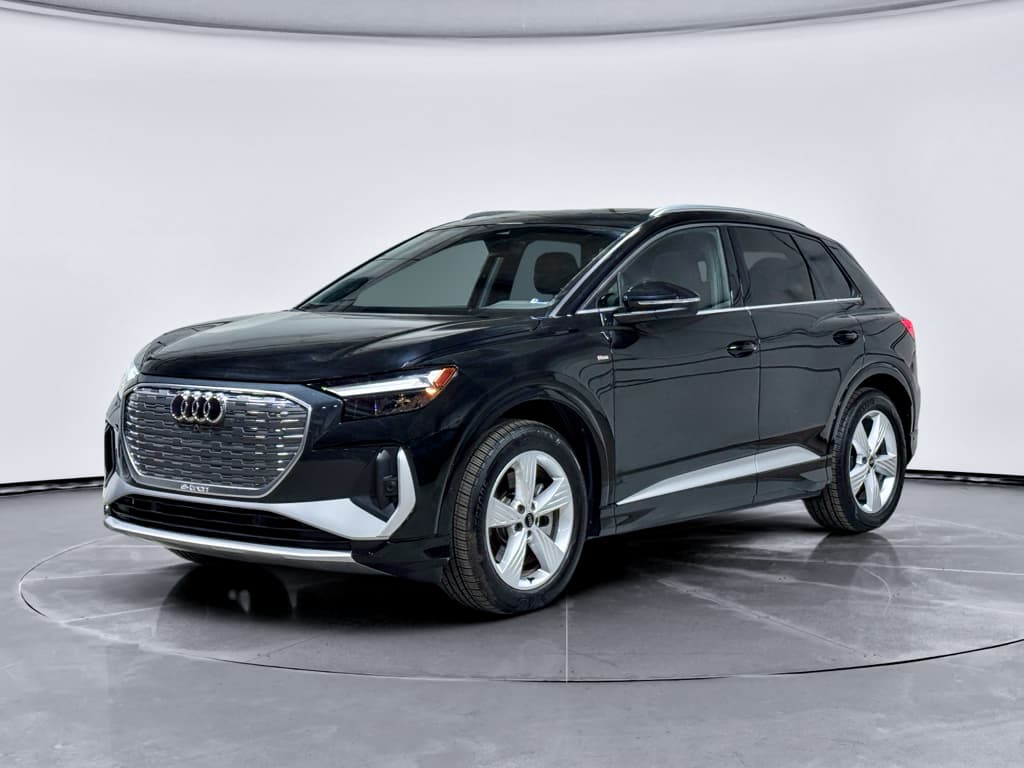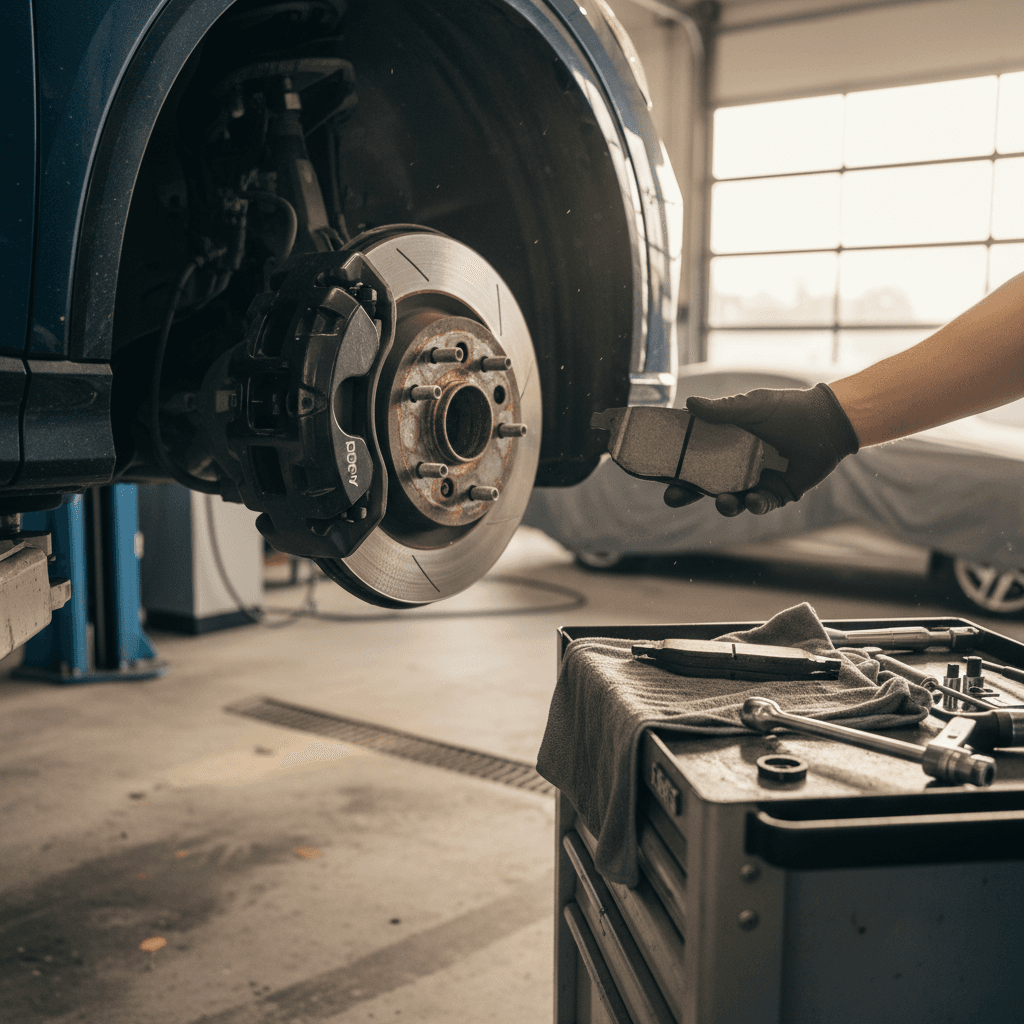
If you’re shopping for a used Audi Q4 e-tron or already own one, it’s smart to ask about **brake pad replacement cost**. Electric SUVs use regenerative braking, so pads last longer than on a gas Audi, but when they *do* need service, parts and labor can still sting if you’re not prepared.
Quick answer
How much do Audi Q4 e-tron brake pads cost?
Because the Q4 e-tron is a close cousin of the Volkswagen ID.4, its braking hardware is familiar to many shops. That helps keep **brake pad replacement** fairly straightforward compared with exotic EVs. Here’s a realistic price range for most U.S. owners, assuming typical 2024–2025 shop rates:
Typical Audi Q4 e-tron brake pad replacement cost (per axle)
Approximate U.S. pricing for parts and labor on one axle (front or rear). Actual quotes will vary by region, shop rate, and parts choice.
| Service scenario | What’s included | Estimated cost (USD) |
|---|---|---|
| Audi dealer – pads only | OEM pads, labor, basic inspection | $450–$750 |
| Independent European specialist | OEM-equivalent pads, labor, inspection | $350–$600 |
| Premium ceramic/low-dust upgrade | Aftermarket performance pads, labor | $500–$800 |
| Pads + rotors at dealer | OEM pads and rotors, labor | $800–$1,400 |
| Pads + rotors at independent shop | OEM-equivalent pads and rotors, labor | $650–$1,100 |
These figures are ballpark estimates to help you budget; always compare written quotes from local shops.
Prices vary by region
Front vs. rear brake pad costs on the Q4 e-tron
On most vehicles, **front brake pads** are larger, handle more of the braking force, and typically cost a bit more than rear pads. With the Audi Q4 e-tron, there’s another twist: regenerative braking offloads a lot of day-to-day stopping to the electric motor, especially on the rear axle for some configurations.
Front vs. rear Q4 e-tron brake pad replacement
What most owners can expect over time
Front brake pads
- Usually wear faster than rears on mixed city/highway driving.
- OEM-quality pads typically run $150–$280 for the set (parts only).
- Installed cost at a dealer is often $450–$750 per axle.
Rear brake pads
- Regenerative braking can greatly extend pad life, sometimes beyond 80,000 miles.
- OEM-equivalent pads often cost $120–$240 for the set (parts only).
- Total installed cost usually lands around $350–$650 per axle.
Ask specifically about rotors
Labor costs: what the shop is charging you for
Unlike high-voltage battery work, changing brake pads on an Audi Q4 e-tron is familiar territory for technicians. The job itself is similar to other modern Audi SUVs with electronic parking brakes, so most of the cost comes down to labor rate and shop practices, not EV-specific complexity.
Typical labor for Q4 e-tron brake pad replacement
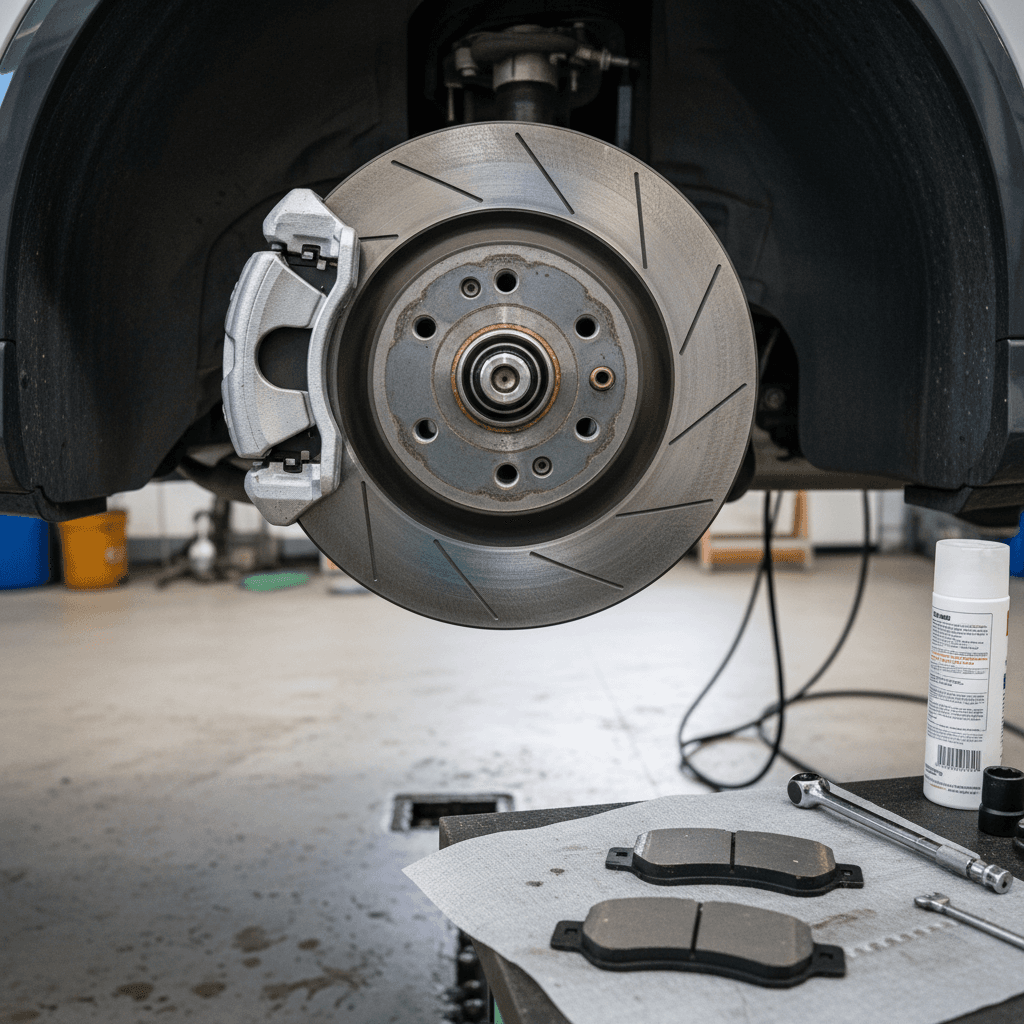
Because the Q4 e-tron uses an electronic parking brake, the rear calipers must be put into service mode with a scan tool before the pads are replaced and then reset afterward. That’s routine for a properly equipped shop but adds a bit of time compared with a basic economy car.
Brake work is safety-critical
How long do Audi Q4 e-tron brake pads last?
One of the quiet benefits of EV ownership is **much longer brake pad life**. The Audi Q4 e-tron leans heavily on regenerative braking, so friction brakes are used mainly for hard stops, emergencies, and low‑speed maneuvering.
Realistic pad life for many Q4 e-tron owners
- Light to moderate driving: 70,000–100,000 miles before first pad replacement is common on many EVs, and the Q4 e-tron is no exception.
- Mixed city and highway: You might see 60,000–80,000 miles, especially if you use stronger regen settings.
- Aggressive driving or towing: Expect shorter intervals, sometimes closer to 40,000–60,000 miles.
What shortens pad life?
- Frequent high‑speed braking with little coasting or regen.
- Mountain driving with heavy loads, where friction brakes assist more.
- Corrosion in snowy climates, where pads and rotors can rust and bind.
- Rare use: ironically, brakes that are used very gently may develop surface rust that increases noise and wear.
Good news for used buyers
Signs your Q4 e-tron brake pads need replacement
Your Q4 e-tron’s on-board systems can alert you to brake issues, but don’t rely on the dash alone. Pay attention to how the vehicle feels and sounds whenever you transition from regenerative braking to friction braking.
Common warning signs of worn brake pads
1. Squealing or grinding noises
A high‑pitched squeal under light pedal pressure often means the pad’s wear indicator is touching the rotor. A grinding sound can indicate metal‑on‑metal contact, which can quickly damage rotors.
2. Longer stopping distances
If the pedal feels normal but the car takes noticeably longer to stop once friction brakes engage, your pads or rotors may be worn or glazed.
3. Pulsation or vibration
A pulsing pedal or steering wheel under braking may point to warped or uneven rotors. Often, shops will recommend replacing both pads and rotors together in these cases.
4. Dashboard warnings
Watch for brake system warning lights or messages about brake pads. Don’t ignore them, schedule an inspection promptly.
5. Visible thin pads
If you can see the pads through the wheel spokes, check the thickness. Anything much under 3 mm is typically considered due for replacement.
Don’t wait once you hear grinding
Can you drive with worn brake pads on an Audi Q4 e-tron?
Technically, the car will still move, and mild wear won’t cause immediate failure. But from a safety and cost standpoint, delaying **brake pad replacement** is one of the worst ways to save money on any vehicle, EV or not.
Short‑term risks
- Reduced braking performance in emergencies.
- Longer stopping distances at highway speeds.
- Increased risk of brake fade on long downhill grades.
Long‑term costs
- Grooved or warped rotors that must be replaced, not resurfaced.
- Possible caliper damage from overheating and debris.
- Higher chance of uneven wear front to rear, making a simple pad job more complex.
Bottom line on driving with worn pads
Dealer vs. independent shop vs. DIY
Where you go for brake service on your Audi Q4 e-tron can make a few hundred dollars’ difference on the final bill. Each option has trade‑offs in cost, convenience, and peace of mind.
Where to service Q4 e-tron brakes
Cost, convenience, and control compared
Audi dealership
- Highest likelihood of OEM parts and proper procedures.
- Access to factory technical bulletins and updates.
- Generally the most expensive option, especially in major metros.
Independent Euro specialist
- Often 10–30% cheaper than dealers for comparable work.
- Can use OEM‑equivalent pads and rotors from reputable brands.
- Look for shops that regularly service modern Audis and EVs.
DIY (experienced only)
- Parts cost only, potentially $150–$350 per axle for pads and hardware.
- Requires safe lifting equipment, tools, and a way to retract electronic parking brakes.
- Not recommended unless you’re very confident with modern brake systems.
Get multiple quotes
Saving money with used Audi Q4 e-tron ownership
Brake pads are just one piece of the **total cost of ownership** puzzle. A used Audi Q4 e-tron can be surprisingly affordable to run day‑to‑day, especially when you factor in lower fuel costs and less frequent brake work than a comparable gas SUV.
- Regenerative braking significantly extends pad and rotor life when used correctly.
- No oil changes and fewer moving parts than a traditional powertrain reduce routine service visits.
- Most maintenance spending goes to tires, brakes, cabin filters, and periodic brake fluid changes.
How Recharged helps you see the real costs
If you’re trading out of a gas SUV into a Q4 e-tron, you may find that the occasional $400–$700 brake job is more than offset by savings at the plug and fewer routine services. And if you buy through Recharged, you can finance the vehicle, factor in your trade‑in, and have it delivered nationwide, all through a fully digital experience.
FAQ: Audi Q4 e-tron brake pad replacement cost
Frequently asked questions
Bottom line on Q4 e-tron brake pad costs
When you zoom out, **Audi Q4 e-tron brake pad replacement cost** is a manageable, and relatively infrequent, part of owning this electric SUV. Budget roughly $350–$750 per axle for pads at a quality shop, understand that you may not need them until well past 60,000 miles, and don’t postpone service once noise or warning lights appear.
If you’re considering a used Q4 e-tron, a transparent view of battery health, prior maintenance, and expected wear items is critical. That’s exactly what the Recharged Score Report and our EV‑specialist support are designed to deliver. Combine that with fair market pricing, financing, trade‑in options, and nationwide delivery, and you can move into Audi EV ownership with a clear handle on what your brakes, and the rest of the car, will really cost you over time.