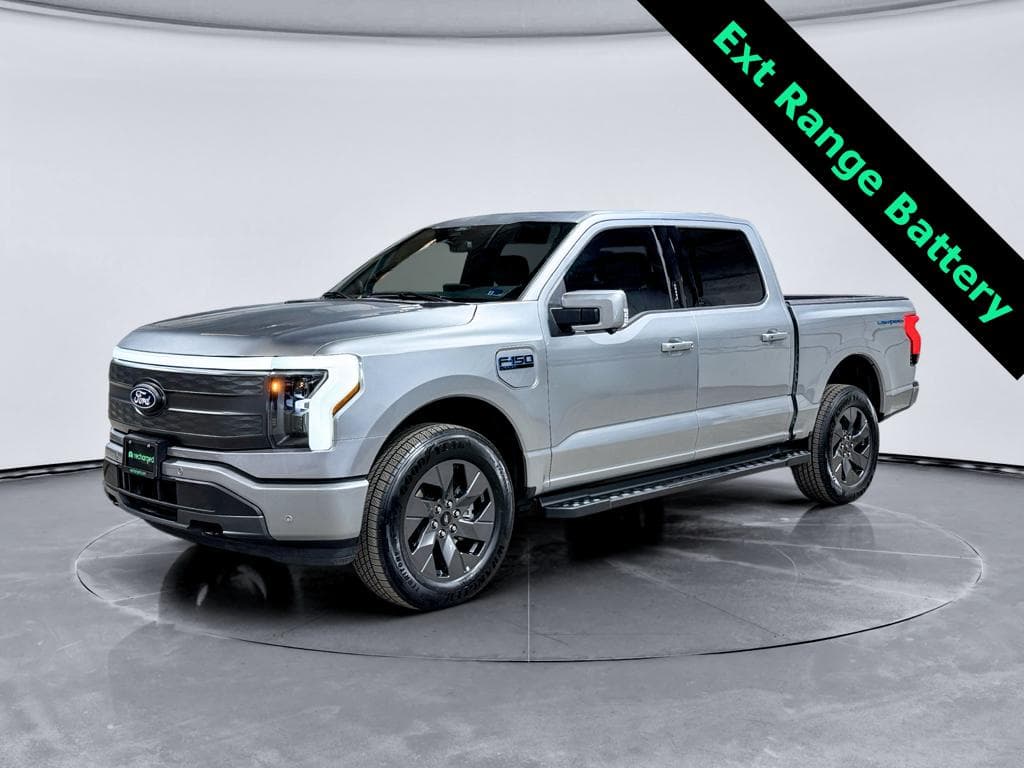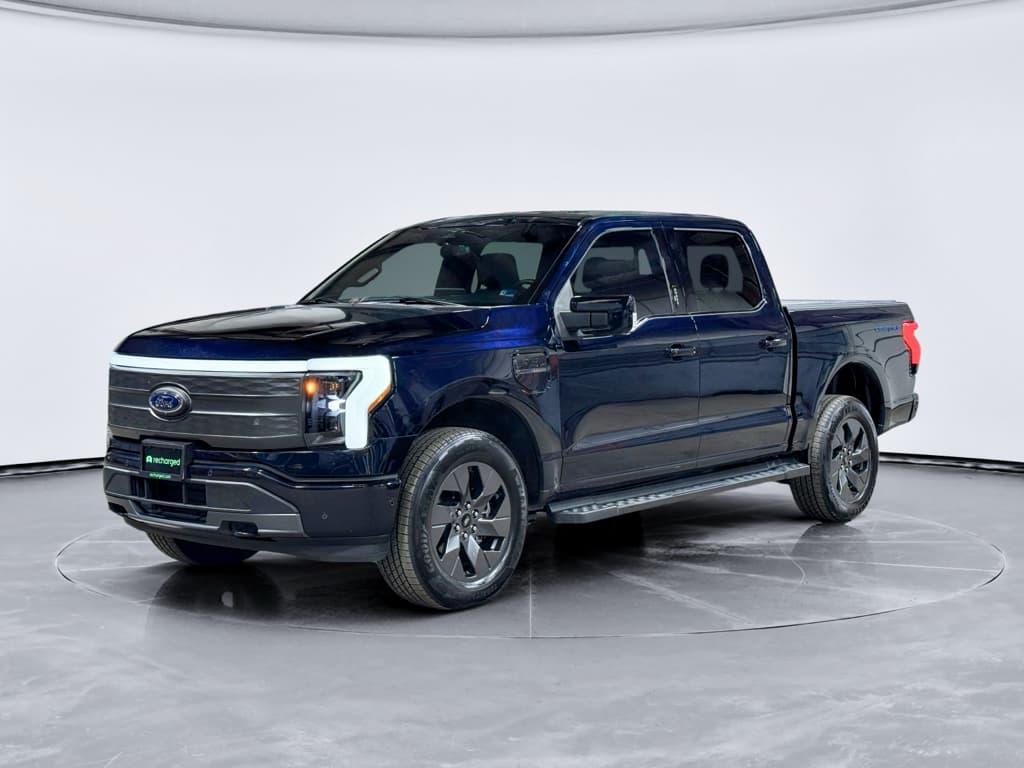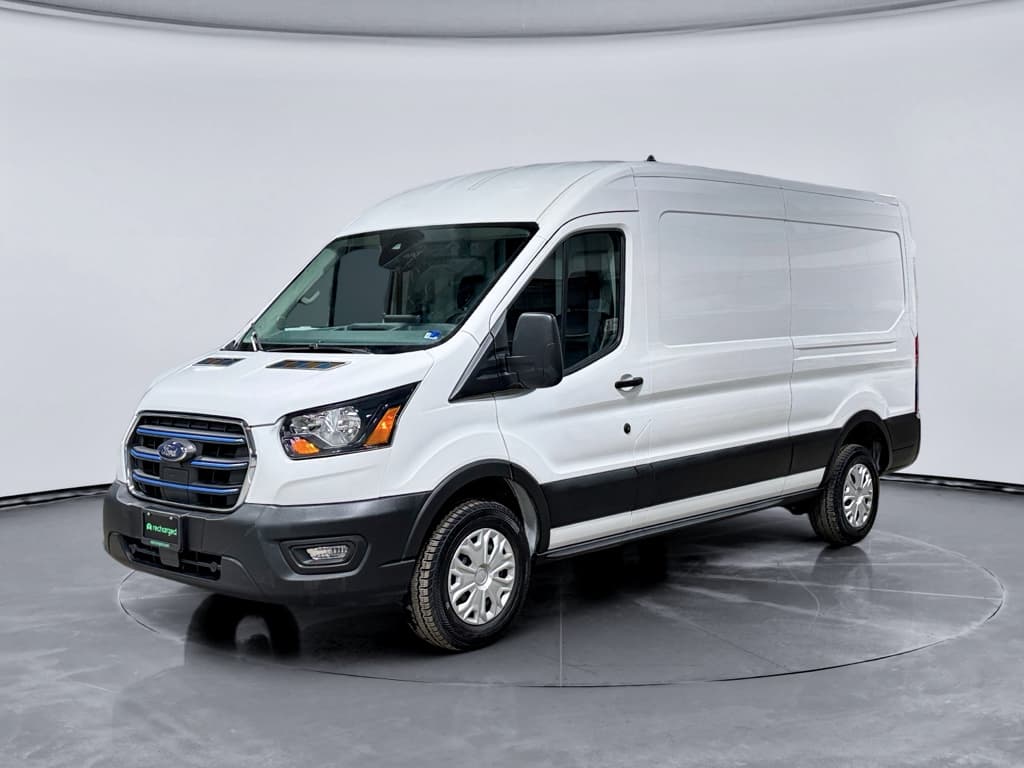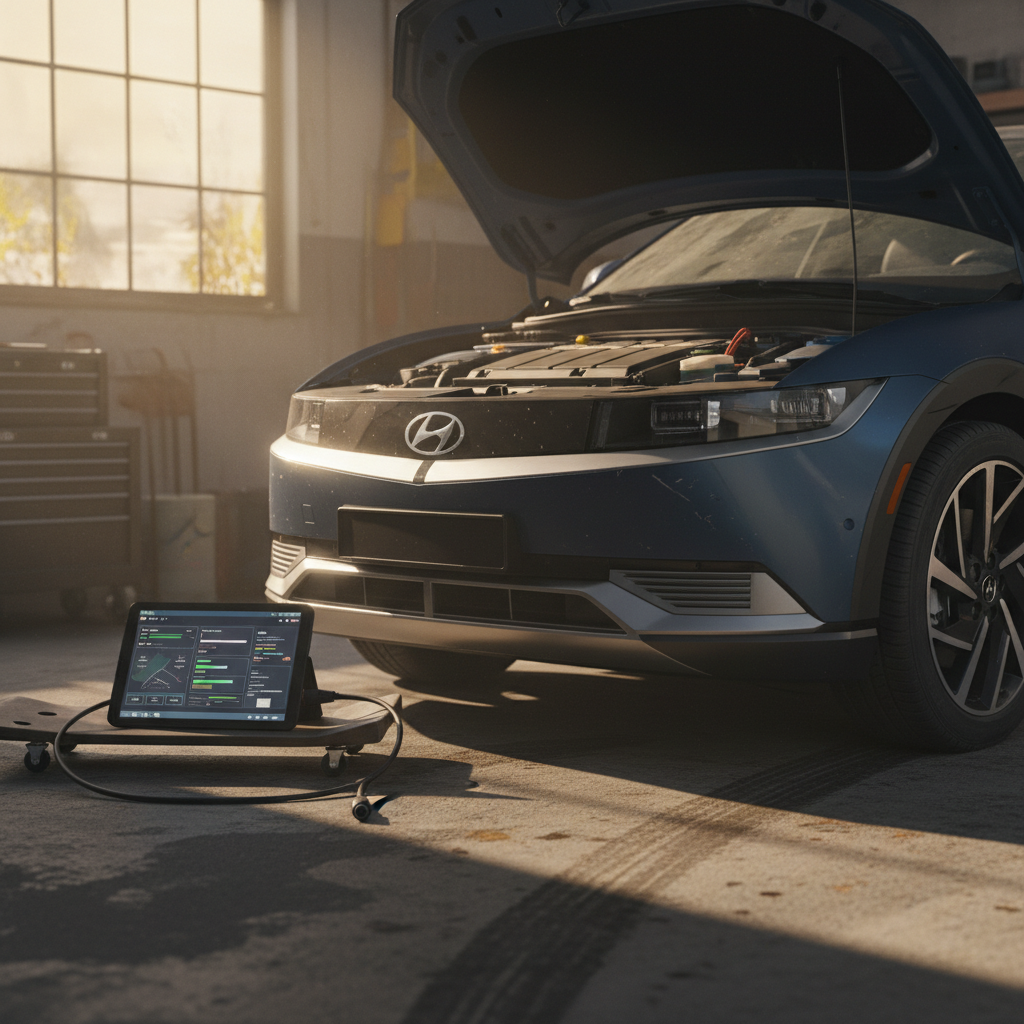
If you run a small business that depends on a van, whether you’re delivering packages, running a mobile service crew, or shuttling people, the idea of switching to an electric van for small business is probably on your radar. Between rising fuel costs, city clean‑air rules, and new EV choices, it’s no longer a fringe experiment. The real question is whether an electric van fits your routes, your budget, and your growth plans.
The U.S. electric van landscape is still thin
Why electric vans make sense for small businesses
Key reasons small businesses are looking at electric vans
For many small operations, vans are used in predictable patterns: the same routes, similar loads, and consistent daily mileage. That’s where an electric work van shines. When you can plan around a known route and charge every night, you turn an EV’s main limitation, range, into something you can engineer around, while banking the savings on fuel and maintenance.
- Predictable daily miles (for example, 40–120 miles per day) make range easy to manage.
- Stop‑and‑go driving favors EV efficiency and regenerative braking.
- Home or depot parking makes overnight Level 2 charging straightforward.
- Many cities now value zero‑emission delivery in procurement and permitting.
Think in routes, not in range numbers
Which electric vans are actually available in the U.S.?
Here’s the first bit of reality: in the U.S., the compact electric van segment has essentially disappeared, and the remaining choices are mostly full‑size commercial vans. So when you search for an electric van for small business, you’ll keep seeing the same names.
Major electric work vans available to U.S. small businesses (2026)
These are the core factory-built electric vans you’re most likely to encounter as a small U.S. business buyer today.
| Model | Typical use case | Approx. EPA/official range | Max payload (approx.) | Cargo volume (approx.) |
|---|---|---|---|---|
| Ford E-Transit | Urban delivery, trades, mobile services | 126–159 miles | Up to ~3,800 lb | Up to ~487 cu ft |
| Ram ProMaster EV | Urban/regional delivery, trades | Around 162–170 miles | Around ~3,000+ lb | Up to mid‑400s cu ft |
| Mercedes-Benz eSprinter | Premium fleets, brand-focused services | Up to ~200 miles (largest battery) | Around ~2,600 lb | ~488 cu ft |
| Rivian Commercial Van (RCV) | Larger fleets, delivery routes | ~150–200 miles depending on pack | Payload tuned for parcel delivery | Large, walk‑in style cargo area |
Specs are approximate and vary by configuration. Always confirm exact figures for the trim you’re considering.
Watch out for non-U.S. reviews
Matching the right electric van to your business
Best electric-van fits by business type
Different electric vans shine in different roles. Start with your use case.
Urban delivery & courier
If you’re doing dense, urban last‑mile delivery (parcels, groceries, same‑day shipments), an electric cargo van is often a perfect fit.
- Predictable, concentrated routes
- Lots of stop‑and‑go driving
- Easy depot or home‑base charging
Trades & home services
Electric vans can work very well for HVAC, plumbing, electrical, IT, and mobile repair businesses if routes are regional rather than interstate.
- Tools stored in van overnight
- Start and end at the same depot
- Often under 120 miles per day
Shuttle & people moving
For airport shuttles, hotel vans, or non‑emergency medical transport, an electric passenger van or converted cargo van can cut operating costs, especially in cities with idle time.
- Fixed loops between hubs
- Easy to add fast charging at a base
- Quiet, smooth ride for passengers
When an electric van is usually a great fit
- You operate mostly within one metro area.
- Your daily mileage is stable and generally below 150 miles.
- You can install or access Level 2 charging where the van parks.
- You value low operating noise and clean branding.
When a gas or hybrid might be wiser (for now)
- You routinely drive 200+ miles per day with limited charging options.
- Your routes vary wildly and include rural or mountainous regions.
- You tow heavy trailers or run near max payload on long routes.
- You can’t reliably install charging where the van lives.

Costs: electric van vs gas van for small business
On paper, a new electric van still often costs more than a similarly sized gas van. But focusing on sticker price alone is a mistake. For a small business, what matters is total cost of ownership (TCO): purchase price or lease, fuel or electricity, maintenance, downtime, and resale value.
Where electric vans can save you money
Upfront cost
New electric cargo vans commonly list in the mid‑$50,000s to $70,000+ range depending on brand and configuration. That’s typically higher than a base gas van, but federal tax credits and commercial incentives can significantly narrow the gap if your business qualifies.
Meanwhile, the market has seen some used E‑Transits and other electric vans selling well below typical book values because early buyers over‑estimated range needs. For a value‑oriented small business, that used market is increasingly interesting.
Operating cost
If you’re paying, say, $0.13–$0.18/kWh for off‑peak electricity, your per‑mile energy cost can be dramatically lower than a comparable gas van doing 14–18 mpg in city driving.
Maintenance is also simpler: no oil, no exhaust system, no spark plugs, and regenerative braking extends pad life. Over 5–8 years, these savings often outweigh the higher initial price, especially for high‑utilization, urban routes.
Run your own simple TCO model
Range and charging planning for business use
Range anxiety is mostly a planning problem. For small businesses, the right question is: “How will I charge, and how much buffer do I really need?” A typical electric work van today offers somewhere between 120 and 200 miles of usable range, depending on battery size and conditions.
How to plan range and charging for an electric work van
1. Map your real‑world routes
Look at a month of jobs: start/finish addresses, detours, and worst‑case days. Don’t guess, pull actual data from dispatch software, telematics, or even driver notes.
2. Identify your true daily maximum
Find the <strong>longest realistic daily mileage</strong> you hit a few times a month. That, plus a comfort buffer (20–30%), should be your target range requirement.
3. Decide where the van sleeps
If the van returns to the same depot or driveway each night, installing a 240V Level 2 charger (or multiple) is usually the smartest and cheapest move.
4. Check local electrical capacity
Work with a licensed electrician to assess panel capacity and upgrade costs before buying a fleet of EVs. Don’t assume you can add multiple 40‑amp chargers without planning.
5. Plan for weather and load
Cold temperatures, heavy payloads, and high speeds reduce range. Factor in a seasonal hit, especially if you operate in northern climates.
6. Use public DC fast charging as backup, not a crutch
Fast charging can rescue a bad day, but relying on it every day is hard on both batteries and your time. Design your operation around overnight Level 2, with fast charging as a fallback.
Don’t ignore demand charges and commercial rates
New vs used electric vans – and today’s market reality
The electric‑van market is in an awkward adolescence. On one side, new models like the Ford E‑Transit and Mercedes‑Benz eSprinter are selling steadily into fleets. On the other, some early buyers have discovered that they over‑bought range, or underestimated the impact of limited charging, and are now unloading low‑mileage vans at a discount. That’s where savvy small businesses can win, if they buy carefully.
Buying new
- Access to the latest battery chemistry, range, and charging speeds.
- Full factory warranty and commercial support programs.
- Potential eligibility for federal and state incentives, plus OEM upfit credits.
- Easier to standardize when you plan to grow a larger fleet.
For small businesses that want predictable support and plan to keep the van for many years, new can still make sense despite the higher price.
Buying used
- Lower upfront cost, sometimes dramatically lower than book values.
- Plenty of lightly used vans with under 20,000 miles from early adopters and large fleets.
- Ideal for testing whether an electric van fits your use case without over‑committing capital.
The catch is that you must understand battery health and degradation. Unlike a used gas van where you mostly look at mileage and service history, a used EV’s value lives in its battery pack.
How Recharged helps with used EV vans
How to evaluate an electric van for your business
Electric van evaluation checklist for small businesses
1. Confirm range against your worst‑case day
Take your longest realistic route, add 20–30%, and make sure the van’s realistic range in your climate can cover it without drama.
2. Assess charging where the van actually parks
Will it live at your shop, a shared lot, or an employee’s home? Confirm electrical capacity, landlord cooperation, and installation timelines before you sign anything.
3. Look beyond “max payload” marketing
Match actual loads, tools, parts, parcels, against payload ratings. Remember that heavier loads cut range, especially at highway speeds.
4. Consider upfit and interior layout
Shelving, partitions, ladder racks, and branding wraps may carry over from your current van, or they may need to be redone. Get quotes in advance.
5. Model total cost of ownership, not just payments
Compare fuel, maintenance, and potential incentives across 5–8 years. Electric vans often look worse than gas vans on payment calculators but better in real P&L terms.
6. For used EVs, demand real battery data
Ask for <strong>state‑of‑health (SoH)</strong> readings, DC‑fast‑charge history, and any battery warranty claims. A transparent report, like the Recharged Score, can keep you from buying a van with a tired pack.
“For small businesses, the best commercial EVs aren’t the flashiest. They’re the ones that quietly do the same job every day, at a lower and more predictable cost.”
How Recharged can help small-business owners
Small businesses often get stuck between retail focused EV dealers and fleet‑only programs designed for companies buying dozens of vans. Recharged is built to bridge that gap for used electric vehicles, including crossovers and SUVs that many businesses now use in place of traditional vans.
Ways Recharged supports small-business EV buyers
From trade‑ins to financing, the goal is to make going electric simpler and more transparent.
Recharged Score battery diagnostics
Every vehicle on Recharged comes with a Recharged Score Report that shows verified battery health, estimated real‑world range, and how it compares to similar vehicles. That’s critical when you’re trusting a used EV to earn revenue every day.
Flexible selling & trade‑in options
You can trade in an existing gas or diesel vehicle, get an instant offer, or use consignment to maximize value. That flexibility helps free up capital for your first electric work vehicle.
Financing & nationwide delivery
Recharged offers financing options suited to small businesses and nationwide delivery, plus an Experience Center in Richmond, VA if you prefer to see vehicles in person.
Ready to find your next EV?
Browse VehiclesVans, crossovers, and creative alternatives
FAQ: electric vans for small business
Frequently asked questions about electric vans for small businesses
Bottom line: is an electric van right for your small business?
For U.S. small businesses, an electric van is no longer a speculative bet, it’s a targeted tool that can work brilliantly when paired with the right duty cycle. If your operation runs repeatable routes, mostly within a single metro area, and you can install dependable overnight charging, an electric van for small business can lower operating costs, reduce noise and emissions, and signal to your customers that you’re thinking long‑term.
If, on the other hand, you’re running long, variable routes with uncertain charging or frequently towing at high speeds, it may be wiser to wait for the next generation of vans with longer range, or to start with a used electric crossover or SUV on a lighter‑duty route. Either way, the smart move is the same: collect real route data, model your economics, and use transparent battery‑health information when you shop for pre‑owned EVs. That’s exactly the type of data‑driven approach Recharged was built to support.