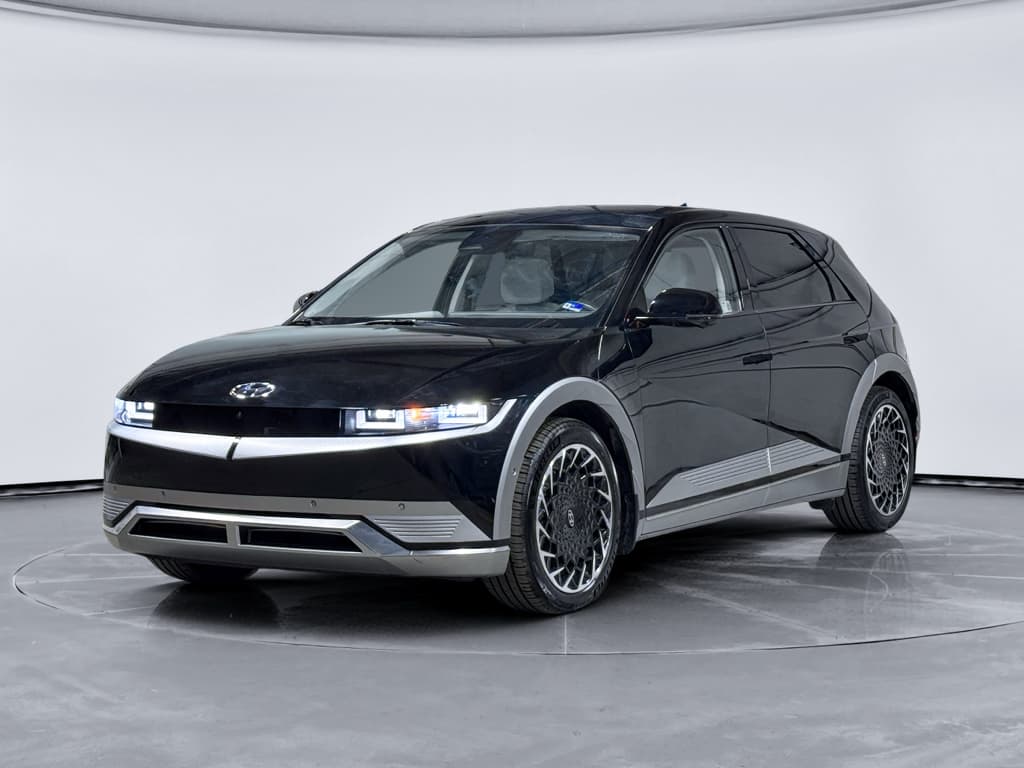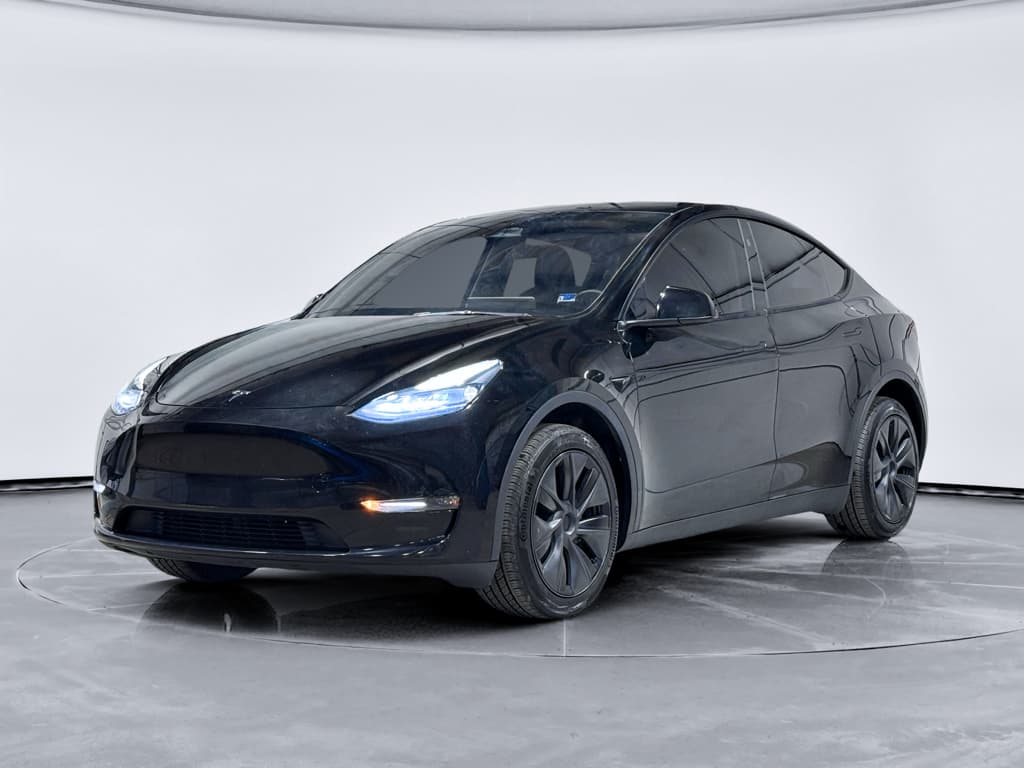
If you’ve started shopping for an electric SUV, you’ve probably discovered a rude surprise: insurance quotes can swing wildly from one model to the next. An electric SUV insurance comparison isn’t just “EV vs gas” anymore, it’s Tesla Model Y vs Kia EV9 vs Hyundai Ioniq 5 vs that gas SUV you’ve been driving for years.
EV insurance is in the middle of a reset
After years of being 40–50% more expensive than gas cars on average, electric vehicle insurance is slowly normalizing. Some electric SUVs are still costly to insure, but others are now in the same ballpark, or cheaper, than comparable gas SUVs.
Why electric SUV insurance feels confusing right now
Part of the confusion is that two things are true at once. On one hand, several national studies in 2024–2025 found that EVs cost roughly 15–50% more to insure, on average, than gas vehicles, largely due to higher repair and battery replacement costs. On the other hand, insurers are gathering more real-world EV data, repair networks are maturing, and some electric SUVs now price out very close to their gas equivalents.
- EVs often start with higher MSRPs than similar gas SUVs, which raises the baseline for comprehensive and collision coverage.
- Complex technology (sensors, cameras, battery packs) makes some repairs pricier and more time‑consuming.
- Insurers are still learning how often specific electric SUVs are crashed, stolen, or totaled, so pricing varies more by model than you may be used to.
- At the same time, most electric SUVs come loaded with advanced safety tech that can reduce certain types of claims.
Don’t rely on one “EV vs gas” statistic
You’ll see headlines claiming EVs cost 49% more to insure, or that EV insurance is suddenly 23% cheaper. Both can be technically true in different datasets. What matters to you is how your specific electric SUV compares to a similar gas SUV in your ZIP code, with your driving profile.
How much does electric SUV insurance cost?
Electric SUV insurance: quick ballpark numbers (U.S., 2025–2026)
$2,000–$4,000
Typical annual range
Most mainstream electric SUVs land somewhere in this band for full‑coverage insurance, depending on driver, state, and insurer.
≈$3,000
Popular EV SUVs
High‑volume models like the Tesla Model Y often run in the mid‑$2,000s to low‑$3,000s per year for many drivers.
15–25%
Average EV uplift
Recent industry reports show many EVs still running 15–25% more than similar gas vehicles to insure, mainly due to repair costs.
$4,500+
Upper end
Large luxury electric SUVs and halo models like the GMC Hummer EV SUV can sit at the very top of the insurance cost ladder. "}]},{