If you’re searching for an electric SUV for sale in late 2025, you’re stepping into one of the fastest-moving corners of the used-car market. Prices are falling, inventory is finally loosening, and there’s a wave of off‑lease EVs heading to dealers’ lots, yet questions about range, battery life, and future value still loom large.
Context: A Market in Flux
Why Used Electric SUVs Are Booming in 2025
Used Electric SUV Market Snapshot
Two forces are driving this surge. First, years of aggressive EV leasing created a pipeline of late‑model, low‑mileage crossovers that are now coming off lease. Second, price cuts on new EVs, especially from Tesla and Korean brands, have pulled used prices down, putting once‑premium electric SUVs within reach of mainstream buyers.
Why This Favors Buyers
Quick Picks: Best Used Electric SUVs for Sale Right Now
Core Models Most Shoppers Should Consider
Balanced mix of price, range, tech, and availability in the U.S. used market
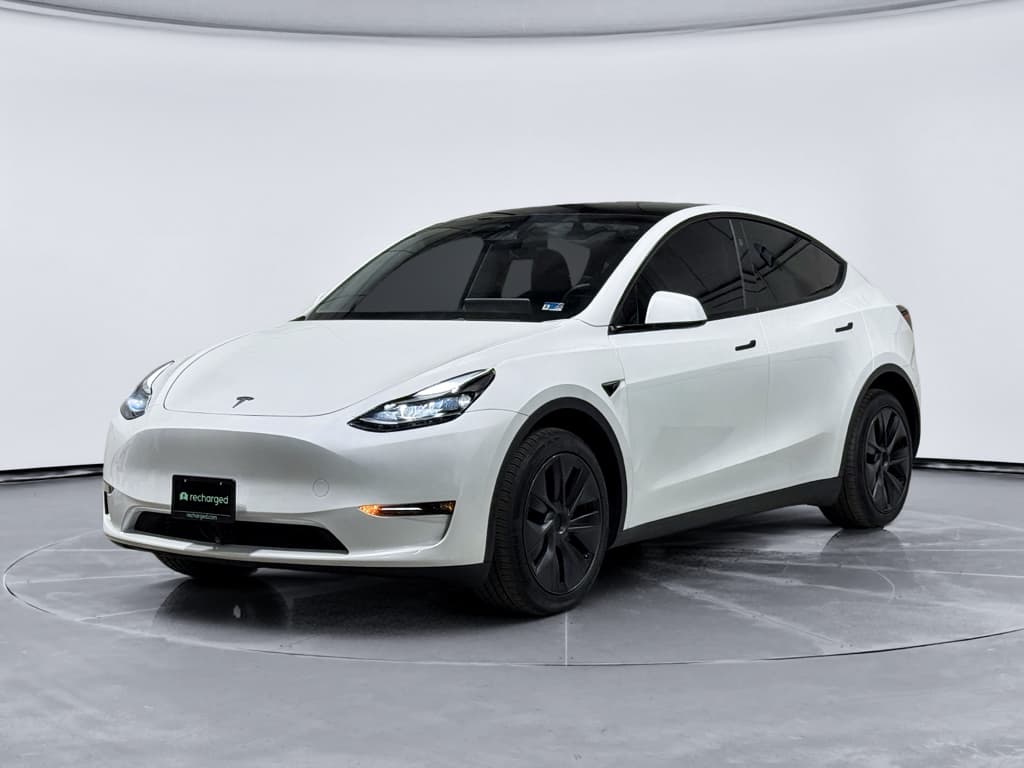
Tesla Model Y
Why it’s everywhere: The Model Y has dominated new and used EV sales, so inventory is plentiful and prices have softened.
- Typical used price: mid‑$20ks to low‑$30ks
- Range: up to ~320 miles when new, strong fast‑charging network access via Superchargers in many locations
- Best for: Families who want space, range, and software‑heavy tech.
Hyundai Ioniq 5
Why it stands out: 800‑volt architecture, very quick DC fast‑charging, and a roomy, cleverly packaged cabin.
- Typical used price: around $20k–$28k depending on year and battery
- Range: roughly 220–300 miles when new
- Best for: Road‑trip‑friendly charging and a distinctive design.
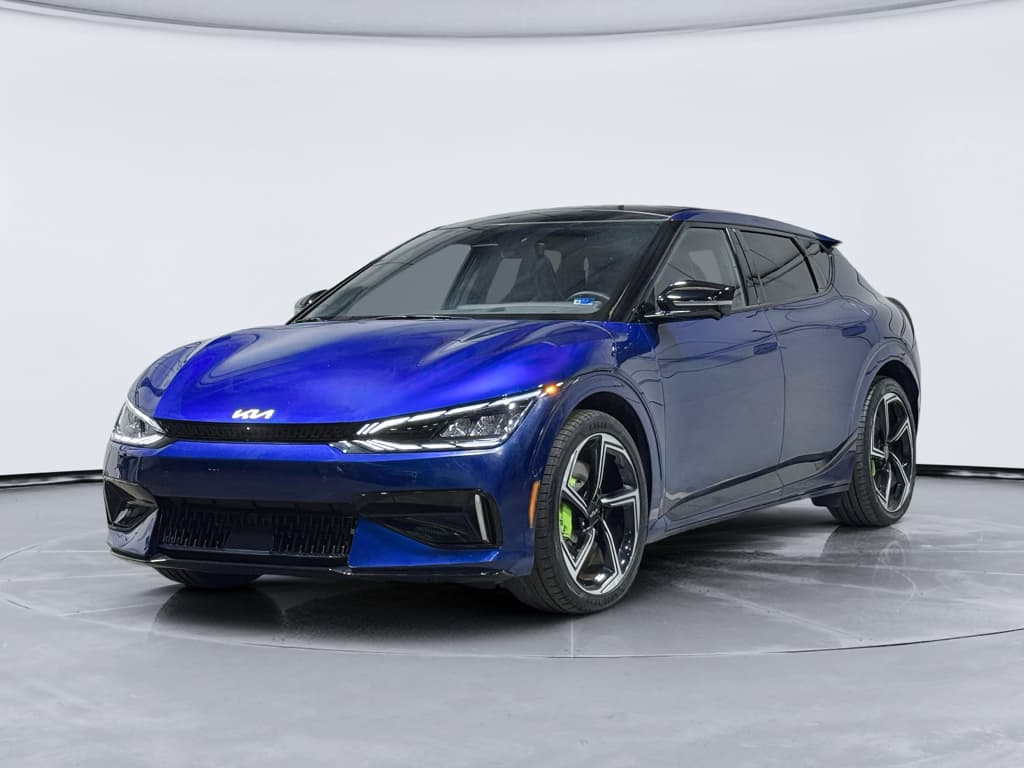
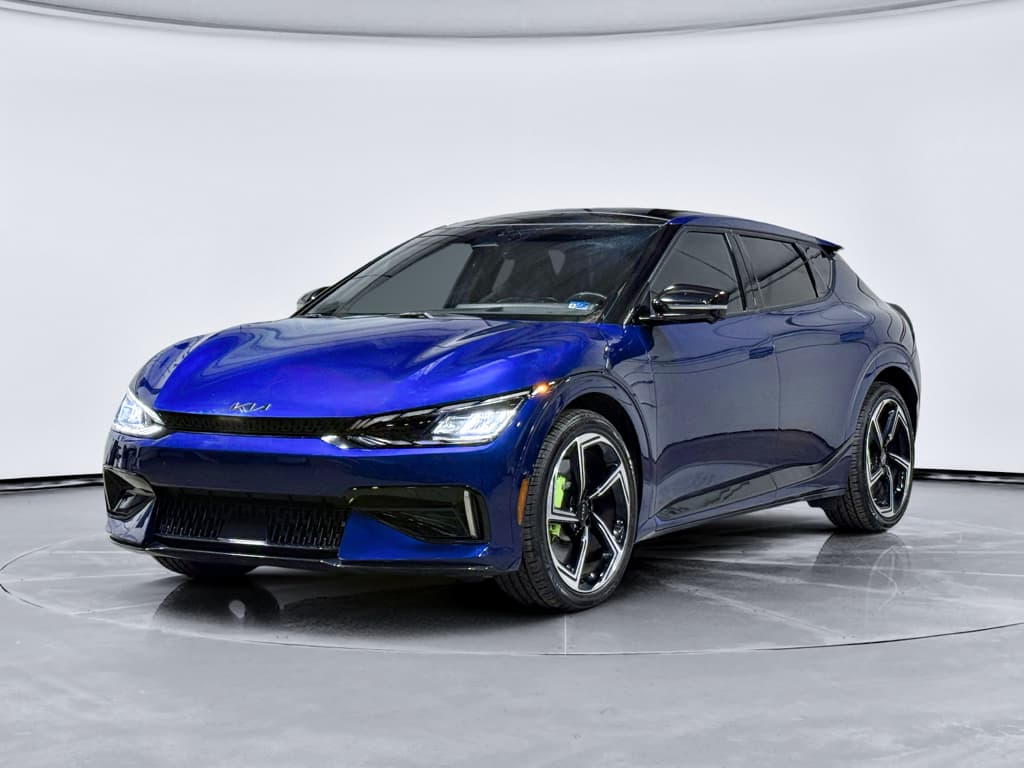
Kia EV6
Why it’s hot: Shares the Ioniq 5’s platform but skews sportier, with sharp styling and strong performance.
- Typical used price: low‑to‑mid‑$20ks
- Range: roughly 220–310 miles when new
- Best for: Drivers who want crossover practicality with a more athletic feel.
Volkswagen ID.4
Why it’s practical: Conservative design, comfortable ride and useful cargo space make it a mainstream family pick.
- Typical used price: low‑$20ks and up
- Range: about 240–270 miles when new, depending on battery
- Best for: Families cross‑shopping compact gas SUVs.
Ford Mustang Mach‑E
Why it’s compelling: Strong deals on first‑gen models and familiar Ford service network.
- Typical used price: low‑to‑mid‑$20ks
- Range: around 230–320 miles when new
- Best for: Buyers who like a sportier drive and Ford’s infotainment layout.
Cadillac Lyriq & Other Luxury Picks
Why they’re interesting: Early depreciation is steep, putting luxury electric SUVs into near‑luxury price territory.
- Typical used Lyriq price: high‑$20ks to mid‑$30ks
- Range: up to the low‑300‑mile range when new
- Best for: Shoppers who value quiet, comfort, and design over rock‑bottom pricing.
Where Recharged Fits In
Ready to find your next EV?
Browse VehiclesPrice Trends: What You’ll Pay for a Used Electric SUV
Overall, the used‑EV market has decoupled from the rest of the used‑car universe. Average used‑EV prices have come down faster than gas cars, and even prestige badges have lost some of their pricing power. Tesla is the headline example, average used Tesla transaction prices recently slid below the broader U.S. used‑car average for the first time, driven partly by more inventory and shifting brand perception.
Typical Used Electric SUV Price Bands (Late 2025)
Illustrative price brackets for mainstream used electric SUVs in the U.S., assuming roughly 25,000–50,000 miles and no major accident history.
| Model | Approx. Used Price Range | Notes |
|---|---|---|
| Tesla Model Y | $24,000–$32,000 | Long Range models and newer builds sit at the top of the band. |
| Hyundai Ioniq 5 | $20,000–$28,000 | Higher for long‑range and AWD trims. |
| Kia EV6 | $20,000–$27,000 | Sportier GT‑Line and performance variants command a premium. |
| VW ID.4 | $19,000–$26,000 | Earlier rear‑drive models often list lower. |
| Ford Mustang Mach‑E | $21,000–$28,000 | Extended‑range packs and higher trims list higher. |
| Cadillac Lyriq | $28,000–$36,000 | Early luxury EV with heavy initial depreciation. |
Actual pricing will vary by trim, mileage, location, and battery condition.
Don’t Chase Price Alone
Range Realism: How Much Range You Actually Need
Daily Drivers & Commuters
If your routine looks like most Americans’, under 40 miles a day round‑trip, almost any mainstream electric SUV will cover your needs with margin to spare. Even models rated around 220 miles when new still deliver more than enough real‑world range for weekday duty.
- Home charging turns even modest range into a non‑issue.
- You’ll likely charge 1–3 times per week, not every night.
- Shorter range can mean lower purchase prices.
Road‑Trippers & Rural Drivers
If you regularly run long highway stretches or live far from fast‑charging corridors, range and charging speed move from “nice‑to‑have” to essential.
- Target EPA range of 260–300+ miles when new.
- Prioritize vehicles with 800‑volt architectures and strong fast‑charging curves (Ioniq 5, EV6, some newer luxury models).
- Map nearby CCS and NACS fast‑chargers before you buy.
Degradation in Perspective
Battery Health: The Make-or-Break Metric
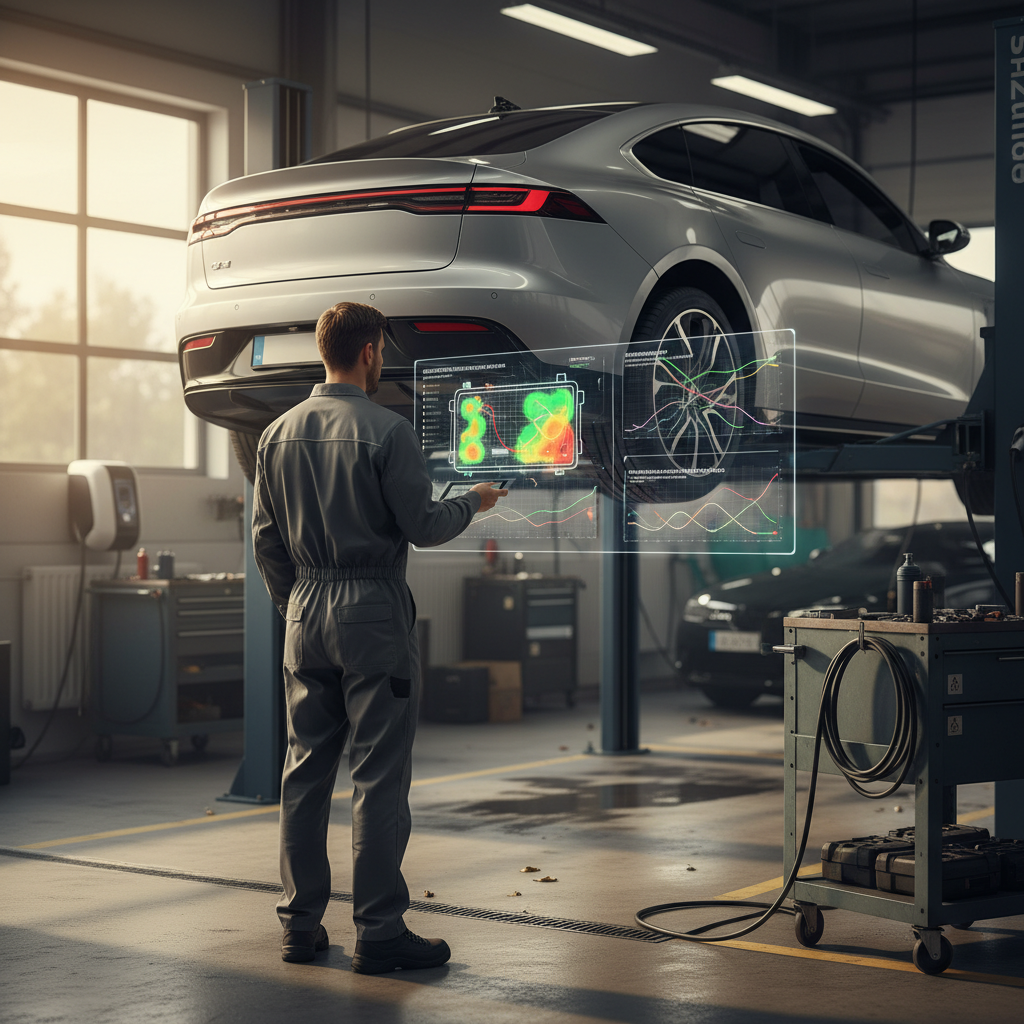
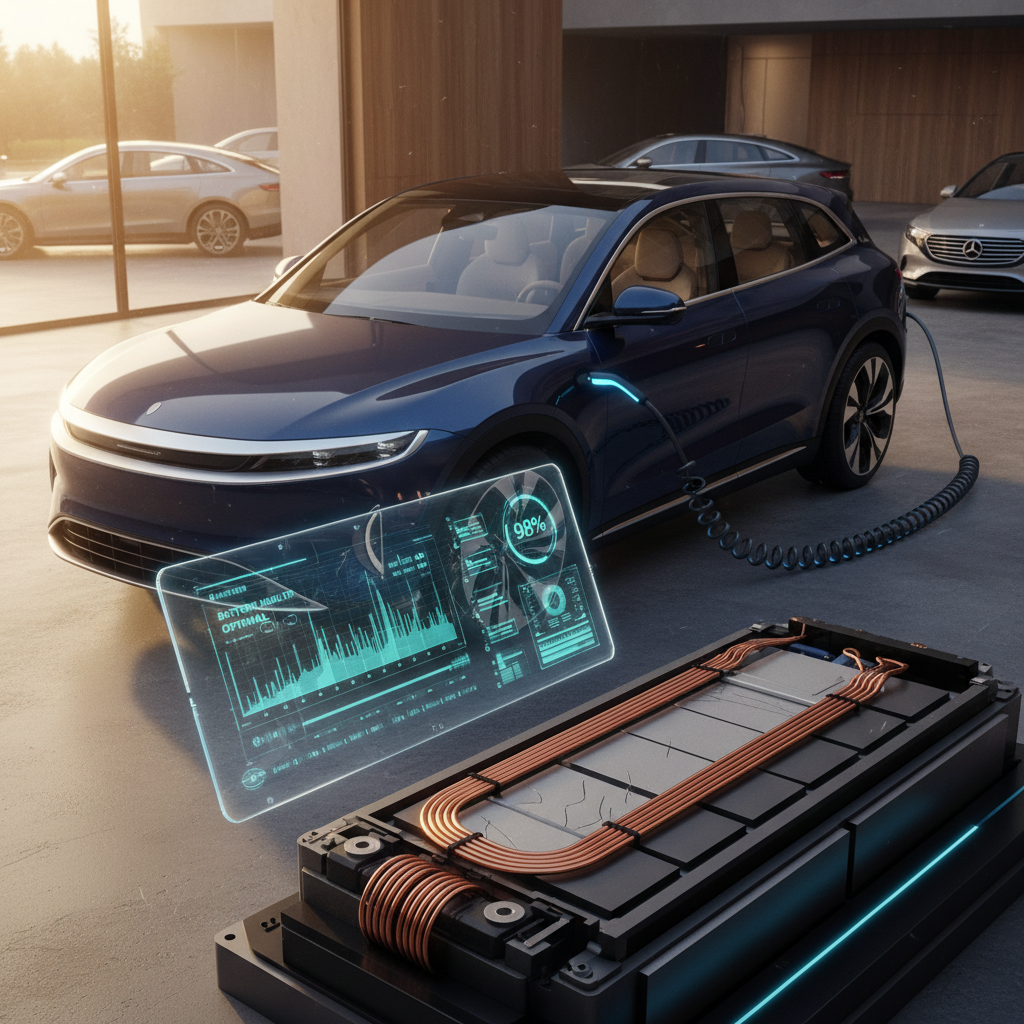
With gas SUVs, shoppers obsess over engine noise and transmission shifts. With electric SUVs, the battery pack is the star of the show, and the most expensive component to fix if something goes wrong. Yet many used listings still gloss over battery condition, offering only vague phrases like “range is good.” That’s not enough in 2025.
Battery Questions to Ask Before You Buy
You’re not just buying a vehicle, you’re buying the battery it sits on.
What’s the current usable capacity?
Any high‑voltage repairs or warnings?
How was the SUV charged?
What the Recharged Score Adds
Model-by-Model Breakdown: Top Used Electric SUVs
Let’s drill deeper into a few of the electric SUVs you’re most likely to see advertised. The right pick for you depends on how you drive, where you live, and how long you plan to keep the vehicle.
At-a-Glance Comparison: Popular Used Electric SUVs
High‑level comparison of mainstream used electric SUVs commonly found on U.S. lots in 2025.
| Model | Strengths | Watch‑Outs | Ideal Buyer |
|---|---|---|---|
| Tesla Model Y | Class‑leading DC fast‑charging access, strong range, big cargo area, excellent software and app. | Interior finish quality varies, brand image is polarizing for some, earlier build quality issues on some years. | Families and commuters who want range and software features first. |
| Hyundai Ioniq 5 | Very fast charging, roomy and airy interior, good value on used market. | Boxy styling isn’t for everyone, some early software quirks now largely resolved by updates. | Buyers who prioritize charging speed and comfort over badge prestige. |
| Kia EV6 | Sporty drive, sharp styling, excellent charging performance. | Rear visibility is tighter, sportier variants may have firmer ride. | Drivers who want an EV that feels genuinely fun on back roads. |
| VW ID.4 | Conventional SUV shape, comfortable ride, good space and safety tech. | Earlier infotainment was clunky; software updates improved but check the specific vehicle’s status. | Shoppers transitioning from gas crossovers who want something familiar. |
| Ford Mustang Mach‑E | Engaging to drive, familiar Ford interface, decent network of dealers for service. | Initial fast‑charge speeds trail the very best; range varies widely by trim. | Drivers who want a performance‑leaning family crossover. |
| Cadillac Lyriq | Quiet, upscale interior, solid range, attractive used pricing versus new. | Larger footprint, early‑run software and panel‑fit complaints on some units. | Luxury buyers stepping out of premium gas SUVs for the first time. |
Ranges are approximate EPA figures when new. Always verify specific trim and battery options.
Think Regionally
Financing and Total Cost of Ownership
Sticker price is only half the story. For many households, the real win with a used electric SUV is the lower ongoing cost, especially if you can charge at home on a reasonable electricity rate.
Monthly Payment & Financing
Even with softening prices, a late‑model electric SUV is a major purchase. Many used‑EV buyers take advantage of dedicated EV financing programs that recognize slower depreciation and lower running costs.
- Loan terms: 60–72 months are common; avoid stretching further unless the rate is very attractive.
- Down payment: Aim for at least 10% to stay out of negative equity if values keep drifting down.
- Pre‑qualification: Getting pre‑qualified through a specialist like Recharged helps you shop with a clear budget and no surprise hard pulls upfront.
Running Costs vs. Gas SUVs
Most electric SUVs cost less per mile to run than comparable gas crossovers, especially if you’re moving out of a thirsty V6 or V8.
- No oil changes and fewer moving parts in the drivetrain.
- Brake wear is lower thanks to regenerative braking.
- Electricity is often cheaper per mile than gasoline, though public DC fast‑charging can be pricey.
Where EVs can be more expensive is out‑of‑warranty repairs to high‑voltage components, which is why up‑front battery health transparency matters so much.
Leasing vs. Buying, Different This Time
Checklist: How to Shop for a Used Electric SUV
Nine Steps to a Smarter Used Electric SUV Purchase
1. Define your real range and space needs
Write down your longest routine trips, how often you road‑trip, and how many people and pets you haul. That’ll anchor your minimum acceptable range and cargo space requirements.
2. Decide home vs. public charging strategy
If you can install Level 2 charging at home, your options open up. If you’ll rely on public fast‑charging, prioritize models with robust fast‑charge capabilities and strong charging‑network coverage in your area.
3. Shortlist three to five target models
Use your needs and budget to narrow down models, maybe Tesla Model Y, Ioniq 5, and EV6, or ID.4 and Mach‑E. Compare not just range and price, but also charging speed and interior layout.
4. Check fair‑market pricing, not just asking prices
Use pricing tools, or the pricing insight baked into a Recharged Score Report, to see whether a listing is under‑, at‑, or above market given mileage, trim, and battery health.
5. Demand a real battery‑health assessment
Avoid listings that hand‑wave battery condition. Ask for a recent diagnostic report or choose a platform like Recharged that runs standardized battery tests on every vehicle it lists.
6. Review warranty and coverage
Confirm how many years or miles remain on the factory battery and drivetrain warranty. Consider third‑party coverage carefully, some plans exclude high‑voltage components.
7. Inspect charging hardware and ports
Check the condition of the charge port, included cables, adapters, and any home‑charging equipment. Replacements aren’t ruinous, but they’re not cheap either.
8. Test‑drive like you’ll actually use it
On the test drive, include a highway stint, some stop‑and‑go traffic, and a parking‑lot maneuver. Pay attention to ride comfort, visibility, and how intuitive the infotainment feels.
9. Plan your exit strategy
Think ahead about resale. Models with strong charging support and transparent battery‑health history are likely to be easier to sell or trade in three to five years down the line.
Red Flags to Walk Away From
FAQ: Used Electric SUVs for Sale
Frequently Asked Questions About Used Electric SUVs
Bottom Line: Is Now a Good Time to Buy?
If you’re in the market for an electric SUV for sale right now, conditions are unusually favorable for used‑EV shoppers. Inventory is rising, prices on key models like the Tesla Model Y, Hyundai Ioniq 5, Kia EV6, and Ford Mustang Mach‑E have cooled, and the technology has matured enough that range and reliability are less of a gamble, provided you check the data.
Your job is to separate genuinely good deals from listings that only look cheap on the surface. That means focusing on battery health, charging capability, realistic range for your life, and fair‑market pricing rather than chasing the lowest advertised monthly payment. Platforms like Recharged exist to stack the odds in your favor, with verified battery diagnostics, transparent pricing, nationwide delivery, and EV‑savvy support from first click to final signature.
Do that homework up front, and a used electric SUV can deliver quiet, low‑maintenance miles for years, while leaving more of your fuel and maintenance budget in the bank instead of at the pump.