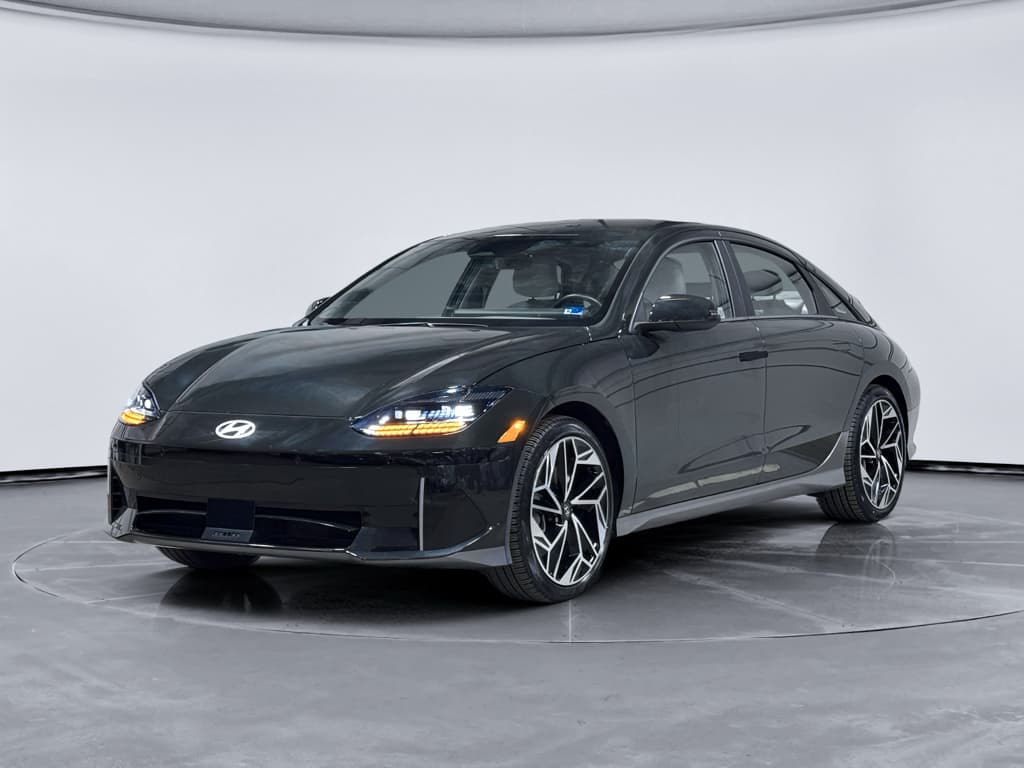
If you like the way a traditional sedan drives but want the smooth, quiet punch of an EV, an electric sedan is a very smart place to start. In 2025 you can choose everything from affordable commuters like the Hyundai Ioniq 6 and Tesla Model 3 to ultra‑luxury flagships such as the Lucid Air and Cadillac Celestiq. The trick is understanding how range, charging, and long‑term costs really work so you don’t pay for performance you’ll never use.
Sedans Aren’t Dead, They Just Went Electric
Why an Electric Sedan Still Makes Sense in 2025
Electric Cars Are Moving Mainstream
Electric sedans sit in a sweet spot between efficiency, comfort, and price. The lower, more aerodynamic body lets them squeeze more miles from each kilowatt‑hour than a taller SUV. That’s why a sleek sedan like the Hyundai Ioniq 6 or Tesla Model 3 often delivers better range than a similarly priced crossover using the same battery pack.
- More range for a given battery size than most SUVs
- Typically lower purchase price than equivalent electric crossovers
- Quieter, more refined highway ride thanks to lower wind noise
- Easier parking and a more familiar driving feel if you’re coming from a gas sedan
How Electric Sedans Compare to Gas Sedans and EV SUVs
Electric Sedan vs. Gas Sedan
- Performance: Instant torque makes even mainstream EV sedans feel quicker than many V6 gas cars.
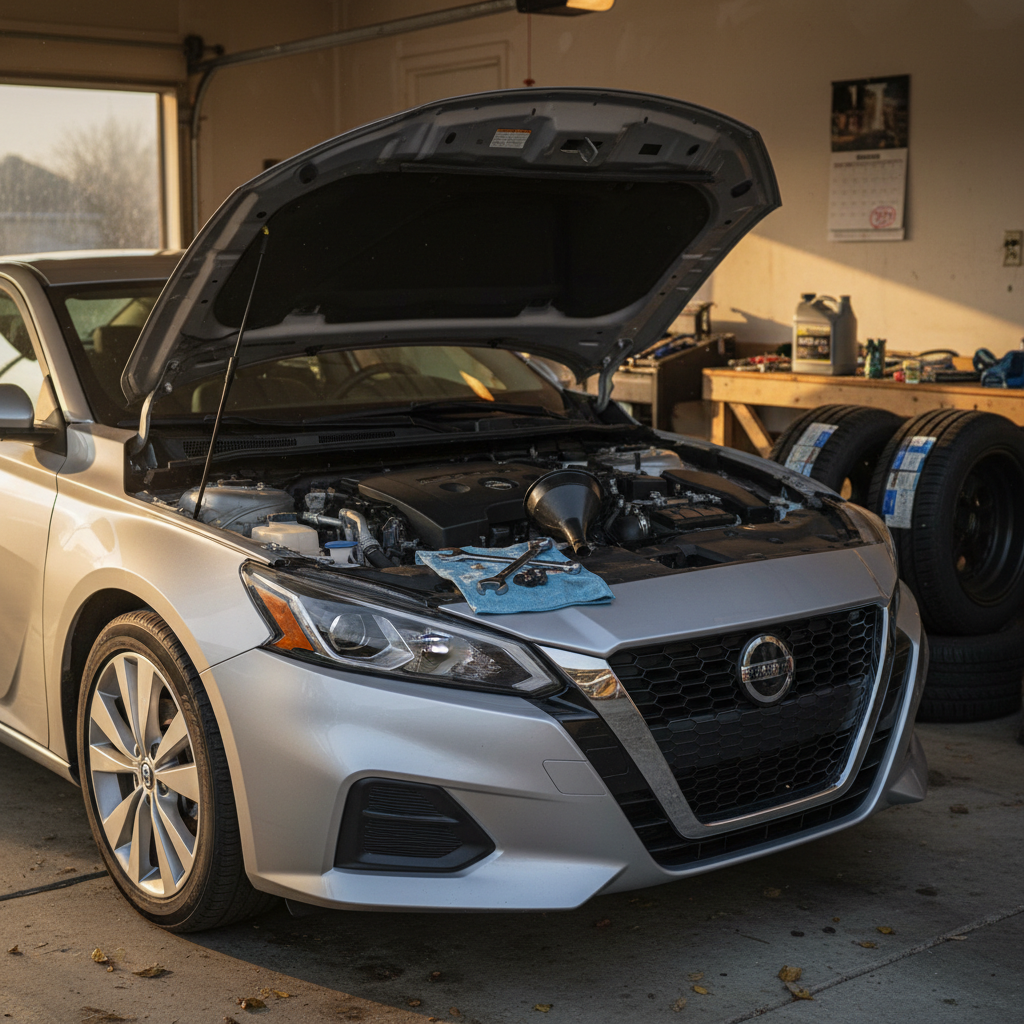
- Running costs: Fewer moving parts, no oil changes, and cheaper energy in most regions.
- Refueling: You ‘fuel’ at home overnight instead of visiting a gas station, once you experience this, it’s hard to go back.
- Noise and refinement: Near‑silent operation and no transmission shifts make daily commuting less tiring.
Electric Sedan vs. Electric SUV
- Efficiency: Sedans usually deliver noticeably better range than a boxier SUV on the same platform.
- Price: A comparable SUV can cost several thousand dollars more than the sedan version.
- Practicality: SUVs offer higher seating position and cargo flexibility; sedans offer larger trunks than you might expect, plus frunks on some models.
- Ride & handling: Lower center of gravity and weight help sedans feel more planted and agile.
Think About How You Actually Drive
Key Specs to Understand on an Electric Sedan Window Sticker
EV shoppers often get buried in alphabet soup: kW, kWh, MPGe, DCFC, NACS, CCS. Once you decode a few core specs, comparing one electric sedan to another starts to feel much more like traditional car shopping.
The Most Important Electric Sedan Specs
Focus on these numbers before you get distracted by screens and seat stitching.
Battery size (kWh)
Think of kilowatt‑hours like the size of a fuel tank. A 77–82 kWh pack is common in mid‑size sedans, while long‑range luxury models stretch past 100 kWh.
Power & performance (kW, hp)
Power is usually listed in kilowatts and horsepower. Mainstream sedans hover around 200–300 hp; performance versions can go well beyond 500 hp.
EPA range (miles)
Look at EPA combined range, not just city. Many 2025 sedans land between 260 and 360 miles; high‑end cars like the Lucid Air can top 400.
Charging speed (kW)
DC fast‑charge speed indicates how quickly you can add miles on a road trip. 170–350 kW is common for newer designs; look for 10–80% times around 25–30 minutes.
Connector & charging access
Most new EVs in North America are adopting the NACS (Tesla‑style) connector, with adapters available for CCS. This improves access to high‑speed networks.
Warranty & battery coverage
Pay close attention to battery warranties, 8 years/100,000 miles is typical, plus any separate coverage on motors and electronics.
Don’t Shop by Range Alone
Top Electric Sedan Models for 2025
Model availability moves quickly, but several electric sedans have emerged as benchmarks for 2025. Here’s a high‑level snapshot to frame your search before you dive into test drives or used listings.
Representative Electric Sedans for 2025 (U.S. Market & Notable Global Entries)
Always verify current pricing and incentives in your region, these numbers shift frequently.
| Model | Segment | Approx. Base Price (US) | Approx. Range (mi) | Highlights |
|---|---|---|---|---|
| Tesla Model 3 | Compact/mid-size | Low–mid $40,000s | Up to mid‑300s | Supercharger access, strong efficiency, huge owner community |
| Hyundai Ioniq 6 | Mid-size | High $30,000s | Around 300 | Exceptional aero efficiency, comfortable ride, great warranty |
| BMW i4 | Premium sport sedan | Low–mid $50,000s | Up to ~300 | Classic BMW driving feel in an electric package |
| Mercedes-Benz EQE | Luxury sedan | Mid–high $70,000s | Low 300s (est.) | Quiet, comfortable cruiser with tech‑heavy interior |
| Lucid Air | Luxury flagship | Low $70,000s+ | Up to ~500 | Segment‑leading range, ultra‑luxury cabin, serious performance |
| Cadillac Celestiq | Ultra‑luxury | Well into six figures | ~300 | Hand‑built American luxury statement car, low volume |
| Kia EV4 (sedan) | Compact (upcoming) | TBD, expected mainstream | TBD | Compact electric sedan option aimed at value‑oriented buyers |
| Nissan N7 / BYD e7 (global) | Mid-size (China‑focused) | Equivalent to affordable | Varies by spec | Show how quickly electric sedans are expanding in global markets |
Approximate base MSRPs and ranges; trims and equipment vary.
Used Electric Sedans Are the Quiet Value Play
Ready to find your next EV?
Browse VehiclesNew vs. Used Electric Sedans: Where the Real Value Is
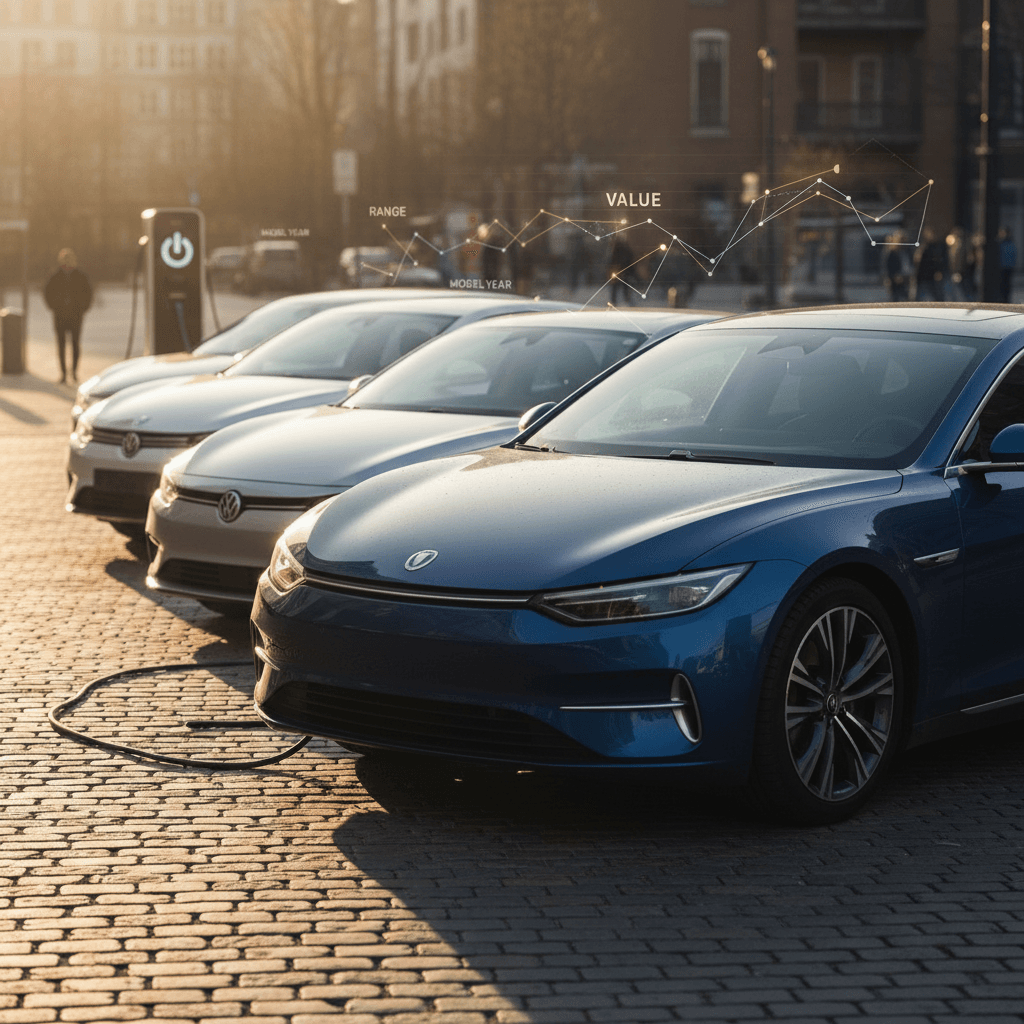
When you’re talking about an electric sedan, the usual new‑versus‑used equation gets an interesting twist. EV tech evolves quickly, but so does depreciation, especially on luxury models. That can create compelling opportunities if you’re open to a lightly used car with a verified battery.
When a New Electric Sedan Makes Sense
- Latest safety and driver‑assist tech: If you want the newest sensors, displays, and semi‑autonomous features, a new car is your best bet.
- Full tax incentives: Depending on federal and state programs, certain new EV sedans still qualify for valuable credits or rebates (often easier to capture via leasing).
- Known history: You’re the first owner, and you know exactly how the car has been charged, driven, and serviced.
Why Many Buyers Are Going Used
- Steep early depreciation: Luxury EV sedans can drop rapidly in the first three years, putting them within reach of mainstream budgets.
- Battery warranties: Many used cars still carry several years of factory battery coverage.
- Real‑world track record: You can see how a particular model has held up in independent tests and owner forums before buying.
Where Recharged Fits In
Battery Health, Real-World Range, and Cold-Weather Performance
Battery health is the single most important long‑term variable in any electric sedan purchase. A healthy pack means consistent range, predictable performance, and better resale value. A tired pack means shorter legs on the highway and more time plugged in.
Three Things to Check Before You Buy
You don’t need to be an engineer, you just need the right questions.
State of health (SoH)
Many EVs can display a battery state‑of‑health estimate or at least a maximum range at 100% charge. Compare that number against the original EPA rating.
Climate history
Very hot climates and constant fast‑charging can accelerate degradation. Ask where the car spent most of its life and how it was typically charged.
Charging pattern
Daily 10–80% home charging is ideal. Lots of 0–100% fast‑charge sessions on road trips are fine; doing that every day is not.
Don’t Ignore Range in Winter
The True Cost of Owning an Electric Sedan
Sticker price gets attention, but the day‑to‑day cost of running an electric sedan can be significantly lower than a comparable gas car. The key is to look at total cost of ownership, payments, energy, maintenance, insurance, and expected depreciation, over at least five years.
Cost Factors to Run Before You Sign
1. Electricity vs. gasoline
Compare your local electricity rate (especially off‑peak EV plans) to fuel costs. Many owners effectively pay the equivalent of $1–$2 per gallon when charging at home.
2. Home charging setup
Budget for a 240‑volt outlet or Level 2 wall charger in your garage or parking space. Installation can range from a few hundred to a couple of thousand dollars depending on electrical work needed.
3. Maintenance and repairs
EV sedans skip oil changes, spark plugs, and complex transmissions. You’ll still need tires, brakes, cabin filters, and occasional coolant service for the battery and motors.
4. Insurance & registration
Call your insurer with specific VINs, some EVs cost more to insure, others don’t. Factor in any EV‑specific registration fees in your state.
5. Depreciation & resale
Luxury sedans can fall faster in value than mainstream models. Buying used after that first big drop, or choosing a sought‑after model, can protect you later.
6. Public charging habits
If you rely heavily on DC fast charging instead of home charging, your ‘fuel’ costs will climb. Factor those rates into your budget.
Run the Numbers on a Real Car
How to Choose the Right Electric Sedan for You
Choosing an electric sedan isn’t about chasing the biggest range number or wildest 0–60 time. It’s about matching the car to how, and where, you live. Start with your daily routine, then layer in road‑trip needs, budget, and personal preferences.
Different Buyers, Different Ideal Sedans
Daily Commuter (30–60 miles/day)
Focus on mainstream sedans like the Hyundai Ioniq 6, Tesla Model 3, or Kia EV4 as it launches.
Prioritize efficiency, comfort, and driver‑assist features over maximum performance.
Home Level 2 charging should be high on your priority list.
Budget‑Conscious Shopper
Look hard at two‑ to five‑year‑old cars where someone else already paid the steepest depreciation.
Use a marketplace with battery health reporting, Recharged’s Score Report is designed specifically for this.
Be flexible on color and options to grab a better deal.
Enthusiast Driver
Consider performance trims of the BMW i4, Tesla Model 3, or higher‑output luxury sedans.
Pay attention to suspension tuning and tire choices, not just headline horsepower.
Verify that the performance model’s range is still adequate for your typical use.
Luxury & Tech Seeker
Explore cars like the Lucid Air, Mercedes‑Benz EQE, BMW i5, and Cadillac Celestiq.
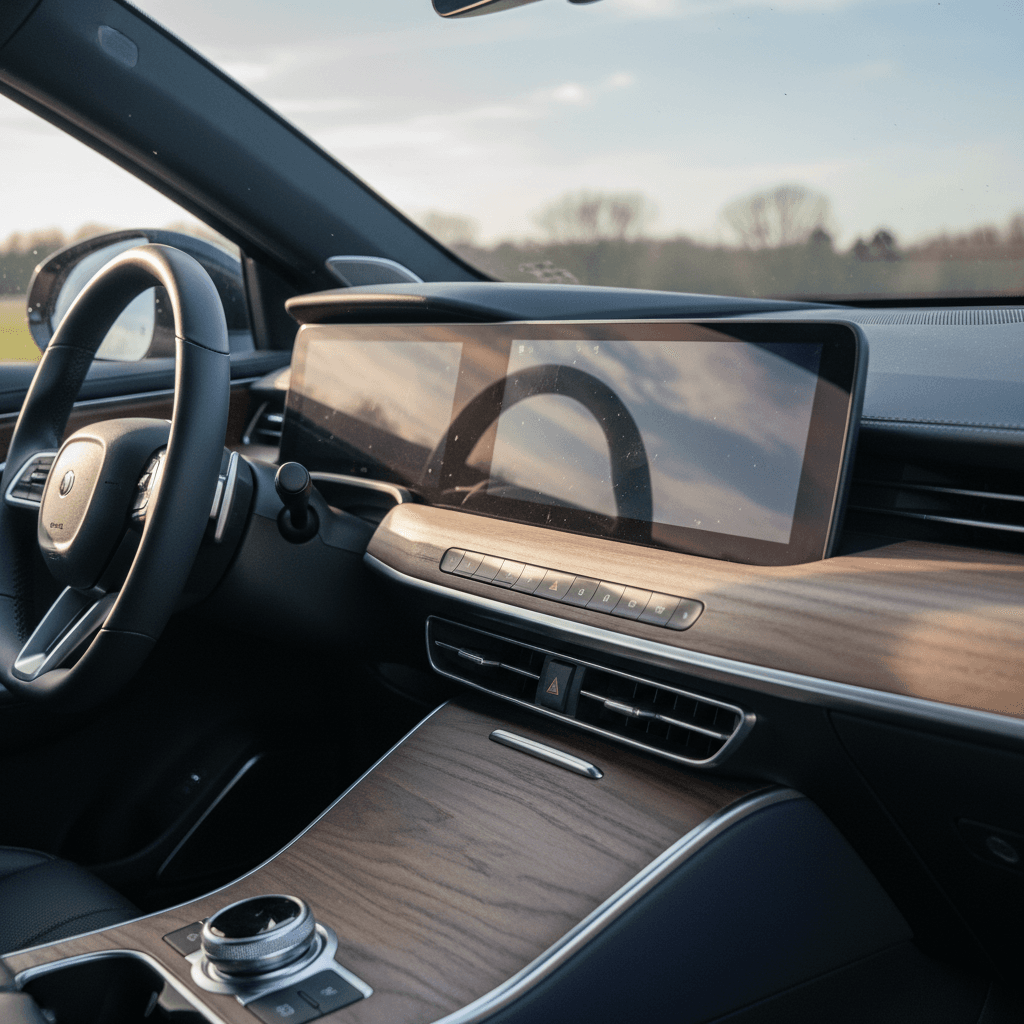
Spend time in the cabin, seat comfort, quietness, and interface design matter more than 0–60 times.
If buying used, verify software update support and active driver‑assist systems.
Test‑Drive With a Purpose
Electric Sedan FAQs
Frequently Asked Questions About Electric Sedans
Bottom Line: Is an Electric Sedan Right for You?
If you like a car that feels planted on the highway, parks easily, and doesn’t tower over traffic, an electric sedan is absolutely worth serious consideration. In 2025, you can pick from practical commuters, stealth‑quick sport sedans, and jaw‑dropping luxury flagships, all with quieter operation and lower routine maintenance than their gas equivalents.
The key is matching the sedan to your life: buy enough range, not too much; budget for home charging; and make battery health a non‑negotiable if you’re shopping used. That’s exactly where Recharged can help, with transparent battery diagnostics, fair pricing, and EV‑savvy support from first click to delivery. Get those fundamentals right, and your first, or next, electric sedan should feel less like a compromise and more like a major upgrade to how you get around every day.