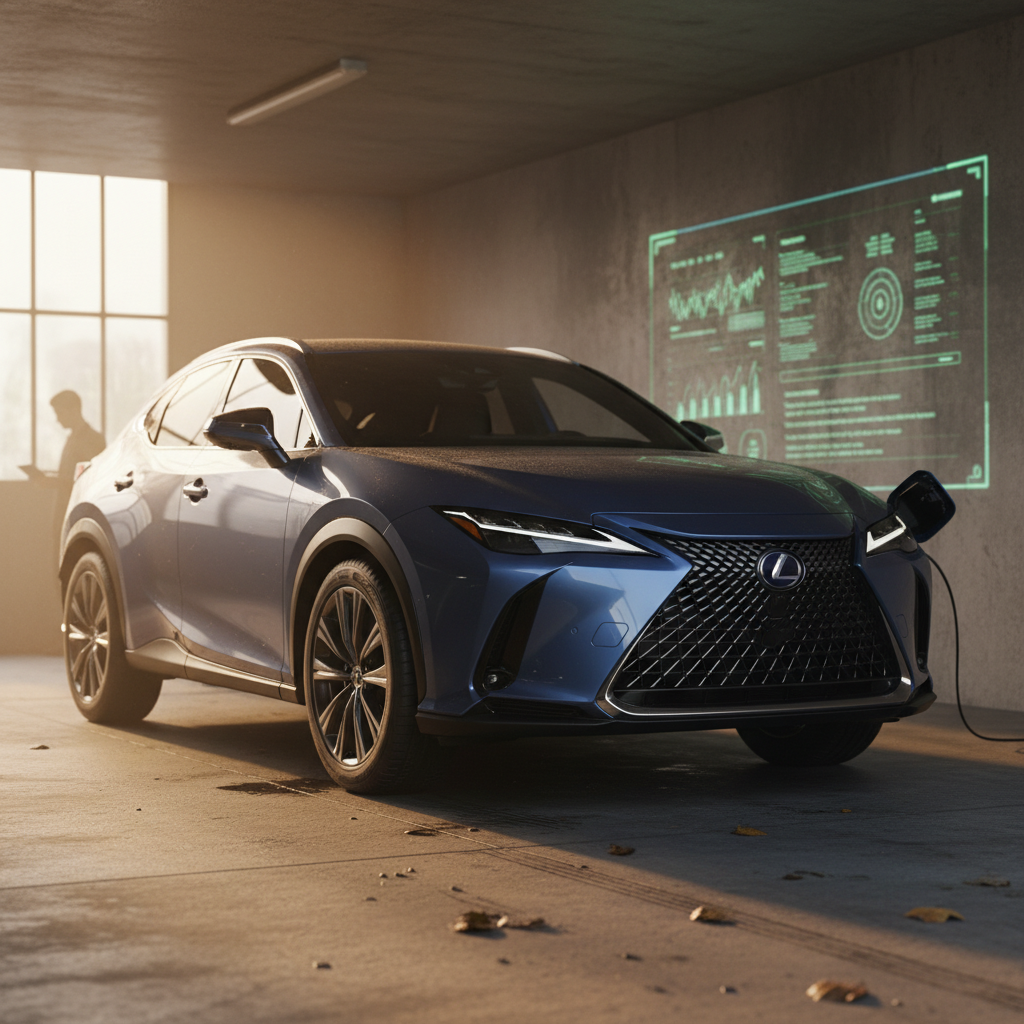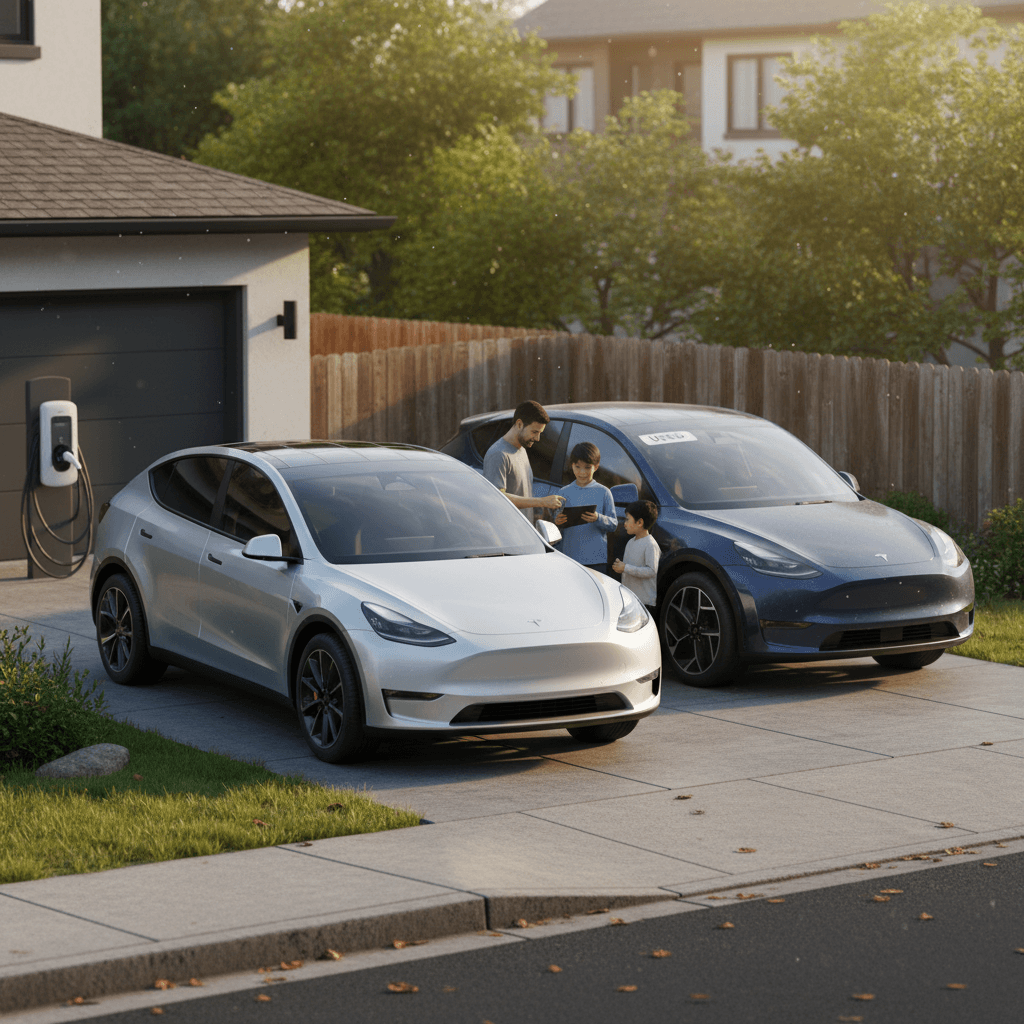
If you’ve been shopping for an EV, you’ve probably seen the term electric crossover everywhere, often right next to “electric SUV.” The labels can blur together, but the vehicles themselves don’t. Understanding how electric crossovers are sized, how far they really go on a charge, and what to look for in the used market will save you serious money and frustration.
Quick definition
What is an electric crossover?
In simple terms, an electric crossover is a battery‑electric vehicle with the shape and practicality of an SUV but built on a car-like architecture. Automakers call this segment “compact crossover SUV” or “crossover utility vehicle (CUV).” The raised seating position and hatchback cargo area feel like an SUV, but the underlying platform is closer to a car, which usually means better efficiency and easier driving in tight city streets.
- Built on a unibody platform shared with cars or hatchbacks
- Higher ride height and easier entry/exit than a sedan
- Two rows of seats in most models, with flexible cargo space
- Front‑, rear‑ or all‑wheel drive powered by one or more electric motors
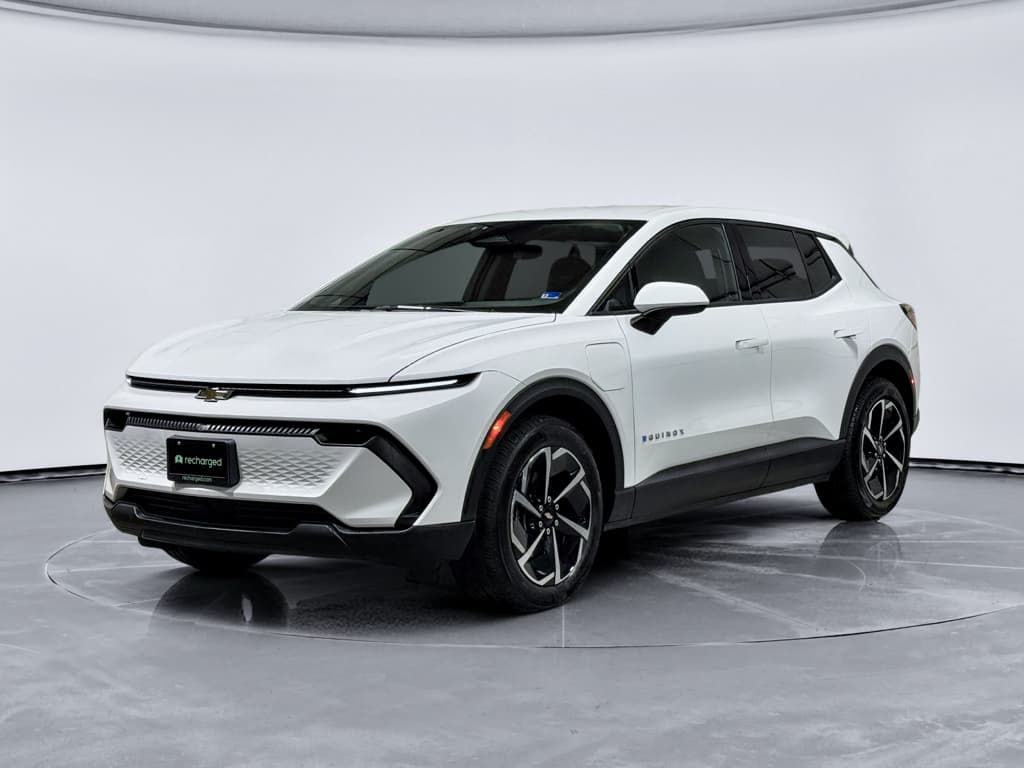
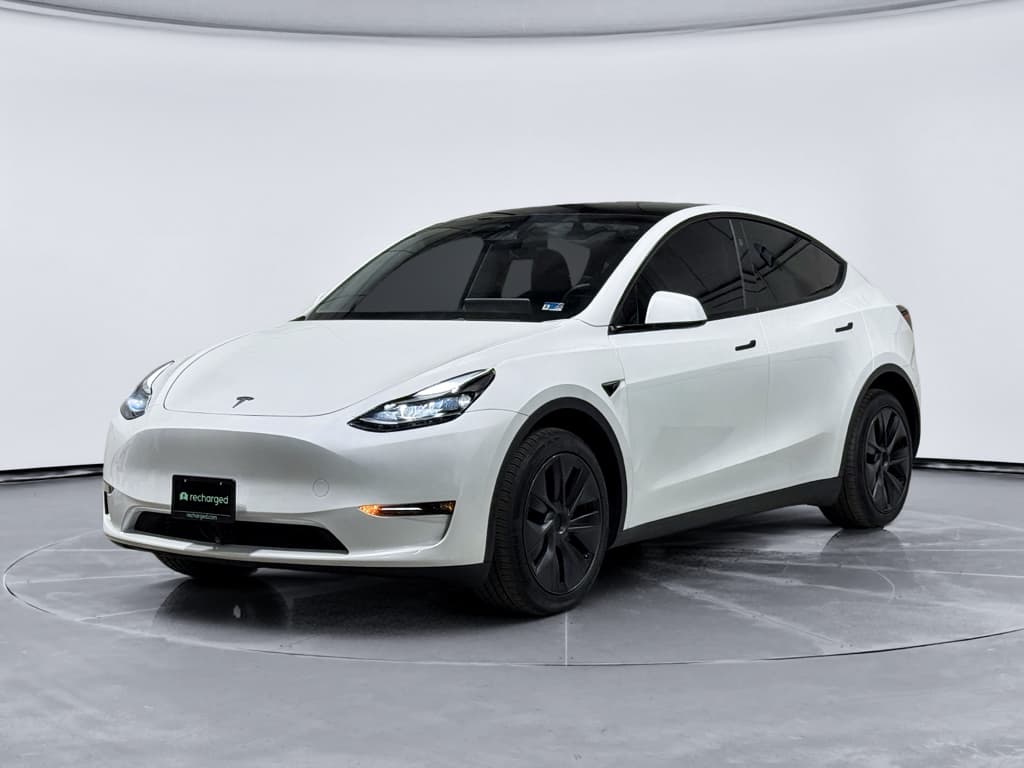
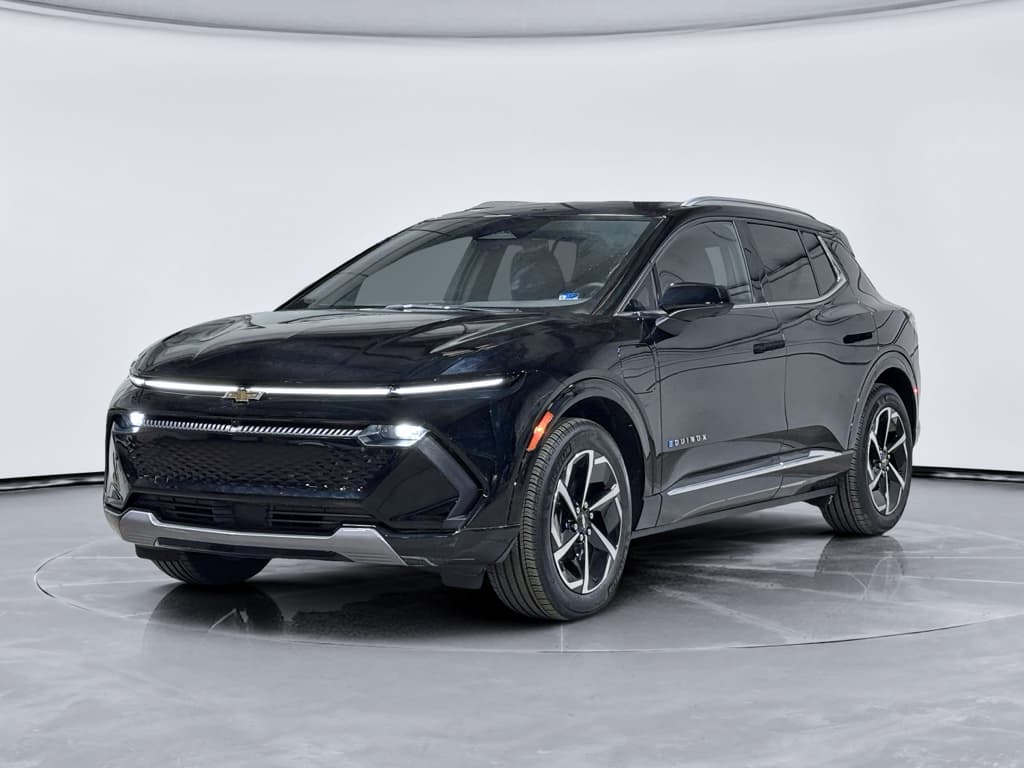
Most of the EVs Americans actually buy sit in this category: Tesla Model Y, Hyundai Ioniq 5, Kia EV6, Chevrolet Equinox EV, Ford Mustang Mach‑E, Volkswagen ID.4, and many others are all crossovers by design, even if you see “SUV” in the marketing.
Electric crossover vs. electric SUV
Electric crossover
- Size: Compact or midsize, often 2-row.
- Ride & handling: More car-like, easier to park.
- Efficiency: Typically better aerodynamics and lower weight, so more miles per kWh.
- Use case: Daily commuting, small families, urban/suburban driving.
Electric SUV
- Size: Often larger, with 3rd-row seating.
- Ride & capability: More ground clearance, sometimes off-road tuned.
- Efficiency: Bigger, heavier, usually slightly lower range per kWh.
- Use case: Bigger families, regular road trips, towing and cargo.
How to think about it when you shop
Electric crossover market in 2025
Electric crossovers are the heart of the EV market
Automakers are pouring resources into this segment because it hits a sweet spot: big enough for family duty, small enough for city parking, and efficient enough to deliver competitive range numbers. On the used side, early Model Y, Mach‑E, ID.4 and Ioniq 5 models are now reaching lease‑return age, which means more inventory and more pricing power for you.
Popular electric crossovers on the road today
If you’re just getting oriented, here’s how some of the most common electric crossovers stack up on paper. Exact specs change by trim and model year, but this gives you a realistic snapshot of what’s on the market today.
Snapshot: well-known electric crossovers
Representative range and pricing figures for popular electric crossovers currently on sale in the U.S.
| Model | Class/Size | EPA range (max trim) | Typical new MSRP | Notable strengths |
|---|---|---|---|---|
| Tesla Model Y | Compact crossover | Up to ~330 mi | Around mid-$40,000s | Supercharger access, efficiency, software |
| Hyundai Ioniq 5 | Compact crossover | Up to ~280–318 mi | Low-to-mid $40,000s | Ultra-fast charging, roomy cabin, NACS port on newer models |
| Kia EV6 | Compact crossover | Up to ~319 mi | Mid-$40,000s | Sporty driving, fast charging |
| Chevrolet Equinox EV | Compact crossover | Up to ~320–326 mi (FWD) | Low-$40,000s before incentives | Strong value, practical size, Ultium battery tech |
| Ford Mustang Mach‑E | Compact crossover | Up to just over 300 mi (extended-range trims) | Low-to-mid $40,000s | Balanced performance, familiar Ford interface |
| Volkswagen ID.4 | Compact crossover | Roughly 275–291 mi depending on battery | High-$30,000s to low-$40,000s | Comfortable ride, strong value pricing |
Always verify exact range, pricing, and incentives for the specific trim and model year you’re considering.

Specs vs. real life
Range and charging: what to expect from an electric crossover
Electric crossovers have become the workhorses of EV ownership because they balance space with efficiency. But the numbers on the window sticker tell only part of the story. When you’re evaluating range and charging, think in terms of your own driving pattern, not just the biggest possible number.
How electric crossover range works in the real world
Paper specs are one thing, your daily route is another.
Highway vs. city driving
Most electric crossovers are more efficient in city driving than at a steady 75 mph. Regenerative braking helps in stop‑and‑go traffic, while constant high speed eats into range.
Weather and climate control
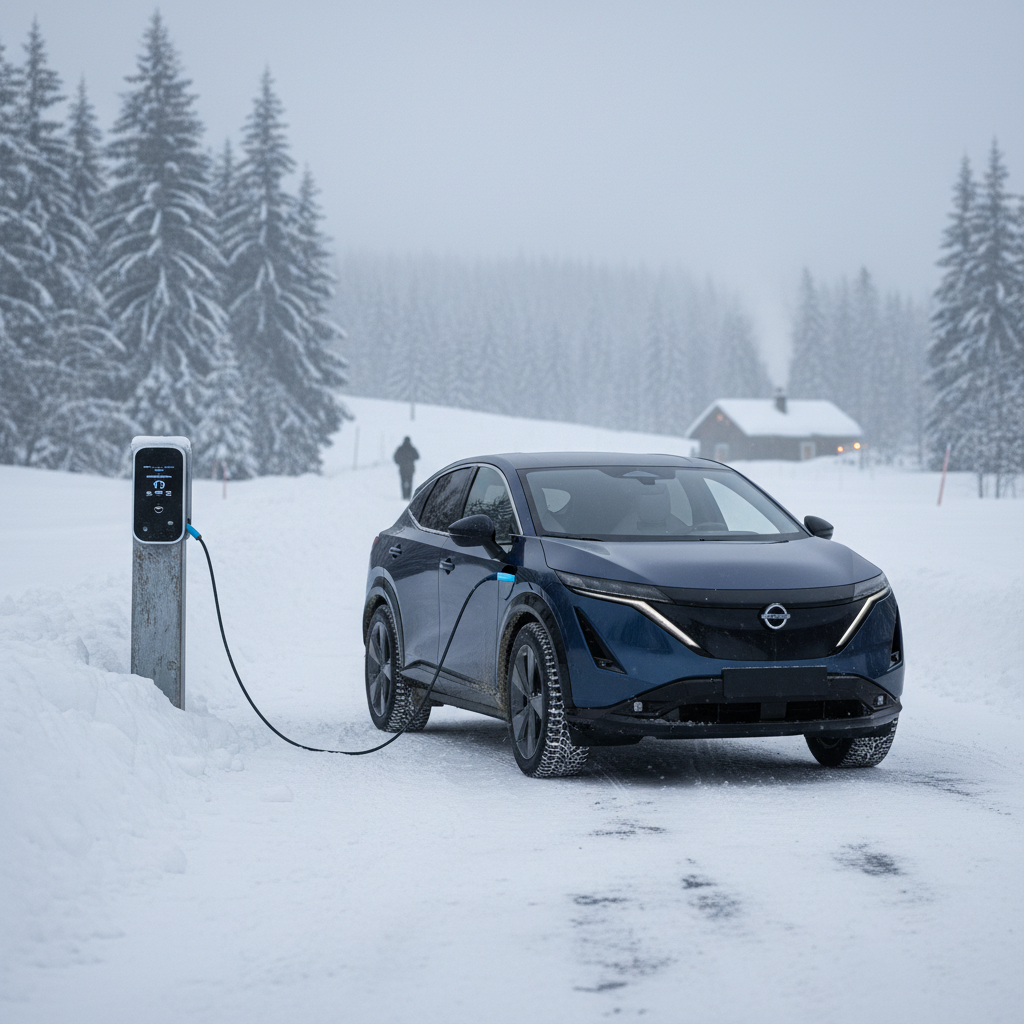
Cold temperatures and heavy use of cabin heat can reduce winter range by 20–30%. Preconditioning the cabin while plugged in helps minimize the hit.
Passengers, cargo, and roof racks
Extra weight and drag affect efficiency. A loaded electric crossover with a cargo box on top will use more energy than the same vehicle lightly loaded with a clean roof.
On the charging side, most electric crossovers support Level 2 AC charging at home and DC fast charging on the road. The newest models increasingly use the North American Charging Standard (NACS), which means direct access to the Tesla Supercharger network without an adapter. Older CCS‑equipped crossovers are gradually gaining Supercharger access through adapters or software support.
Questions to dial in your charging plan
1. How many miles do you drive on a typical day?
If your daily use is under 60–80 miles, most electric crossovers can easily cover your needs with overnight Level 2 home charging or a few public sessions each week.
2. Do you control your own parking?
A dedicated driveway or garage makes home charging straightforward. Apartment or street parking may push you toward crossovers with faster DC charging and strong public-charging reliability.
3. How often do you road-trip?
If you drive long distances several times a year, prioritize crossovers with <strong>300+ miles of range</strong> and proven fast-charging performance, plus networks that fit your usual routes.
4. Is your utility offering EV rates?
Some utilities offer cheaper overnight electricity rates. That can dramatically lower your running costs if you regularly charge at home.
Home charging sweet spot
Cost to own and operate an electric crossover
Sticker price is just the starting point. Once you factor in fuel savings, lower maintenance, and available incentives, an electric crossover can cost less to own than a comparable gas model, even if the monthly payment looks similar on paper.
Where electric crossovers save you money
- Energy cost: On a per‑mile basis, electricity is often cheaper than gasoline, especially if you can charge at home overnight.
- Maintenance: No oil changes, fewer moving parts, and less wear on brakes thanks to regenerative braking.
- Incentives: Depending on the model year and your tax situation, federal and state incentives or rebates can lower your effective cost.
Where costs can surprise first‑time EV owners
- Insurance: Some EVs can be more expensive to insure, especially newer models with pricey bodywork.
- Public fast charging: Per‑kWh or per‑minute pricing at DC fast chargers can be higher than home electricity rates.
- Home upgrades: Older homes may need panel or wiring upgrades to support a 240‑volt charger, factor that into your budget.
Battery replacement fears
New vs. used electric crossover: which makes sense?
The electric crossover segment is maturing. That means buyers now have a choice between brand‑new models with the latest charging ports and driver‑assistance tech, and used examples that cost far less but still offer compelling range and performance.
New vs. used electric crossover at a glance
Both paths can be smart, if you know what you’re trading off.
Buying new
- Full new‑car warranty and latest software.
- Best access to current incentives and low‑APR financing.
- Easiest way to get NACS charging ports and the latest safety tech.
- Higher upfront cost and faster early depreciation.
Buying used
- Lower purchase price; someone else already absorbed the steepest depreciation.
- Plenty of range for daily use from 2–4 year‑old crossovers.
- Battery health and fast‑charging history matter more, look for transparent reports.
- Some older models may need adapters or updates for newer charging networks.
Checklist for buying a used electric crossover
Shopping used is where doing your homework pays off. Unlike gas vehicles, you’re not listening for misfires, you’re evaluating battery health, software support, and charging compatibility. Here’s a practical checklist to work through before you sign anything.
10-point checklist for used electric crossovers
1. Verify real battery health
Ask for a <strong>battery health report</strong>, not just a verbal assurance. A report like the Recharged Score uses diagnostics and real‑world data to show usable capacity and expected range.
2. Compare indicated range to original specs
With the battery fully charged, compare the displayed range to what the vehicle delivered when new. Moderate degradation is normal; unusually low range is a red flag or a negotiation point.
3. Confirm charging port and network access
Check whether the crossover uses CCS, NACS, or both, and how that fits with chargers where you live. Ask about access to Tesla Superchargers and whether an adapter is included.
4. Review DC fast-charging history if available
Frequent fast charging isn’t automatically bad, but an aggressive fast‑charge history on an early‑generation battery may correlate with faster degradation. A transparent history helps you judge risk.
5. Inspect tires and brakes
Electric crossovers are heavy and quick off the line. That can mean faster tire wear. Make sure the rubber and brake components match the mileage and aren’t due for an immediate replacement.
6. Check for software support and updates
Confirm that the manufacturer still supports over‑the‑air or dealer software updates. Updates can improve efficiency, add features, or fix charging bugs.
7. Test home charging before committing, if possible
If you can, plug into a Level 2 charger to confirm the vehicle charges at the expected rate without error messages. That’s especially helpful if a previous owner installed aftermarket equipment.
8. Look for remaining factory warranty
Most EVs carry separate battery and powertrain warranties, often 8 years/100,000 miles or more. Note the in‑service date so you know exactly how much coverage is left.
9. Evaluate cargo and seating for your life
Fold the seats, load a stroller or bike, and sit in the rear row. Crossovers vary widely in rear headroom and usable cargo space despite similar exterior dimensions.
10. Take a long test drive on your real roads
Drive at the speeds you actually use, especially on the highway, and watch the energy consumption display. That will give you a truer feel for real‑world range than any brochure number.
How Recharged simplifies shopping for an electric crossover
If you’re eyeing a used electric crossover, the hardest part is often separating a well‑cared‑for EV from one that just looks good after a detail. That’s where Recharged is built to help.
Why buyers and sellers use Recharged for electric crossovers
More transparency, fewer surprises.
Recharged Score battery health diagnostics
Every vehicle listed through Recharged includes a Recharged Score Report with verified battery health, so you can see how much capacity the pack is actually holding compared with when it was new.
Fair market pricing and financing
Recharged benchmarks vehicles against the EV market so pricing lands where it should, not guesswork. You can also finance your electric crossover directly through the platform.
Trade‑ins, instant offers, and delivery
Have a vehicle to sell? Recharged can provide an instant offer or consignment options, plus nationwide delivery and EV‑specialist support, all through a digital buying experience.
Ready to find your next EV?
Browse VehiclesFrom search to driveway
Electric crossover FAQ
Frequently asked questions about electric crossovers
Bottom line: Is an electric crossover right for you?
If you want the practicality of an SUV without the bulk, an electric crossover is likely the right starting point. The segment now spans affordable options like the Chevrolet Equinox EV through premium entries from Tesla, BMW, Mercedes, and others, with most delivering usable real‑world range and strong performance.
The real questions are about fit: Does the cargo space match your lifestyle? Can you charge reliably at home or near work? Are you comfortable with the range you’ll see in your climate on the routes you actually drive? Once those pieces line up, an electric crossover can dramatically cut your running costs and simplify maintenance compared with a gas SUV.
When you’re ready to move from research to purchase, especially in the used market, make sure you have objective data on battery health, pricing, and condition. That’s exactly what Recharged was built to provide, so you can feel confident that the electric crossover in your driveway will perform the way you expect for years to come.