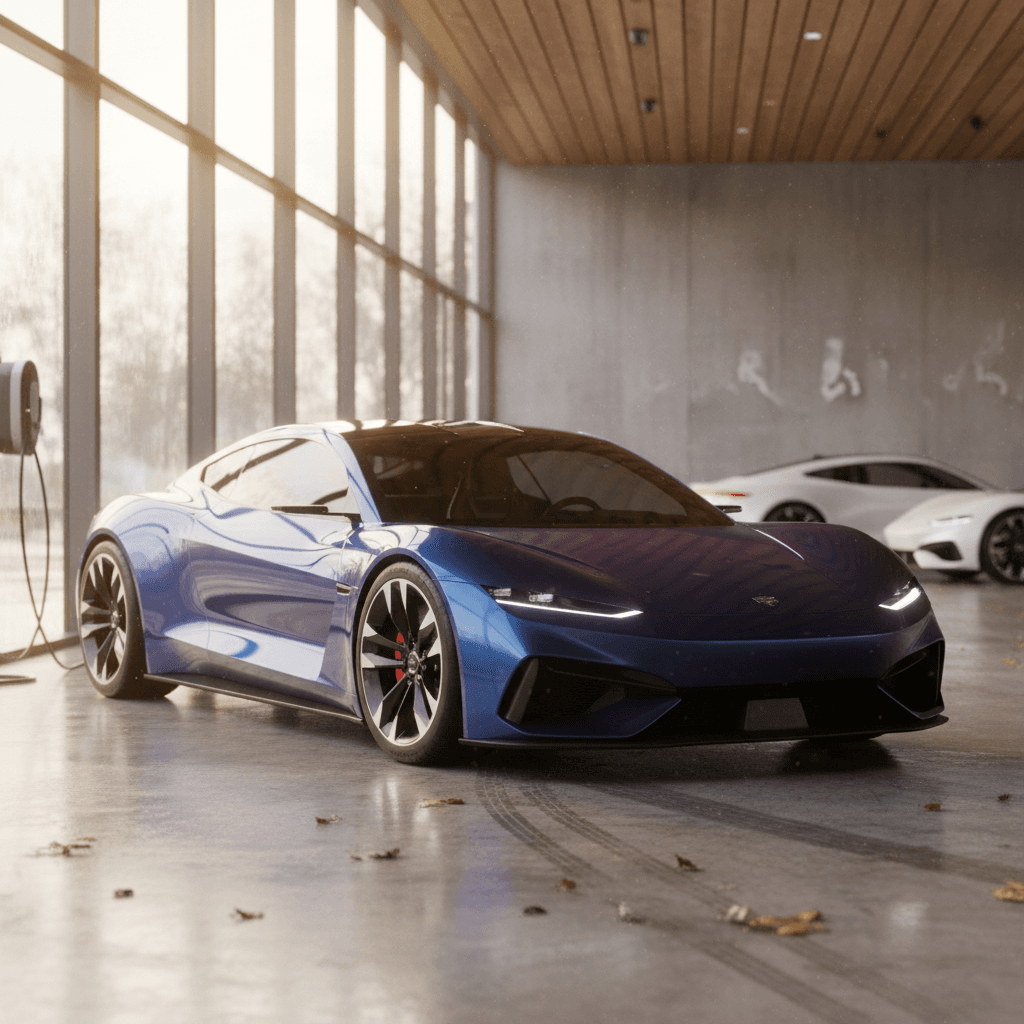
In 2025, the phrase electric coupe covers everything from ultra-luxury two-door GTs like the Rolls‑Royce Spectre to sleek “coupe SUVs” such as the Tata Curvv EV and XPeng G6 with fastback rooflines. Yet in the U.S., genuinely small, two-door electric sports cars are still rare, so it’s easy to be confused about what you’re actually getting, and whether a coupe-style EV fits your life.
Coupe doesn’t always mean two doors anymore
What is an electric coupe in 2025, really?
Traditionally, a coupe meant a two-door car with a fixed roof and a focus on style and performance over pure practicality. In the electric era, marketing has stretched that definition. You’ll see the term applied to any EV with a sleek, sloping roof, even if it has four doors and SUV ride height.
Classic coupe (what enthusiasts mean)
- Two doors, fixed roof
- Lower seating position
- Usually 2 or 2+2 seats
- Prioritizes style and handling over rear-seat space
Modern "coupe" (what marketing means)
- Can be 2, 3, or 4 doors
- Fastback roofline, sporty stance
- Often a crossover or hatchback underneath
- Described as "coupe SUV" or "gran coupe"
Watch the fine print
Three types of electric coupes you’ll see on the road
How “electric coupe” shows up in the real world
From classic sports cars to coupe-style SUVs
1. Traditional two-door EV coupes
Still the rarest group, but the one enthusiasts dream about. Think small, low, and focused on driving feel.
- Two doors, usually 2 seats
- Lower roof, tighter cabin
- Examples: niche models like the SSC SC01 in China; upcoming Alpine electric A110
2. Four-door “gran coupe” EVs
These are really low-roof sedans with sporty styling. Automakers tack on the word “coupe” to signal design and performance.
- Four doors, hatchback or trunk
- Sportier roofline than a normal sedan
- Examples: BMW i4 Gran Coupe, Mercedes EQE with coupe-like profile
3. Coupe-style electric SUVs
Crossovers with a sloped rear roof that trade a bit of cargo space for style and aero efficiency.
- Higher ride height, more ground clearance
- Fastback rear hatch
- Examples: Tata Curvv EV, XPeng G6, many “coupe SUV” concepts
Match body style to your reality
Why choose an electric coupe over a regular EV?
Where electric coupes shine
The appeal of an electric coupe is emotional as much as rational. You’re getting the smooth, quiet torque of an EV in a shape that still turns heads in parking lots full of crossovers. For some drivers, a coupe is the point of owning a car at all, it’s a personal object, not just a mobility appliance.
- More engaging driving experience than a typical crossover or tall SUV
- Quieter and smoother than comparable gas coupes, especially around town
- Often access to the brand’s newest infotainment, driver assistance, and battery tech
- In performance trims, acceleration that would have required a serious sports car just a decade ago
When an electric coupe makes perfect sense
The trade-offs: where electric coupes fall short
The flip side is that electric coupes concentrate many of the compromises of both coupes and EVs. You give up utility and sometimes rear headroom compared with boxier body styles built on the same platform, and you still have to think about charging access.
Key drawbacks to think through
1. Rear seats are an afterthought
In many coupe-style EVs, rear headroom and visibility are worse than in the equivalent hatchback or SUV. If you routinely carry adults in the back, test-sit before you buy.
2. Sloped roof hits cargo space
The stylish roofline usually eats into vertical cargo room. Long, flat items are fine; tall boxes and dogs with upright ears, not so much.
3. Higher insurance in some cases
Sporty body styles and high list prices can mean higher premiums. Before committing, get a quote using the exact VIN of the car you’re considering, new or used.
4. Limited selection in the U.S.
Compared with crossovers, the U.S. market still has relatively few truly sporty electric coupes. That can mean long waits, high prices, or needing to cast a wider net in the used market.
Don’t buy an EV coupe for the wrong roads
Notable electric coupe and coupe-style models
Because the U.S. still gets relatively few classic two-door electric coupes, most shoppers end up cross-shopping fastback sedans and coupe-style SUVs with similar appeal. Here’s how the landscape looks in late 2025, mixing U.S.-market options with a few telling global examples.
Sample electric coupes and coupe-style EVs
Representative models that show the range of what "electric coupe" can mean today. Availability varies by region and model year.
| Model | Body style | Power / Performance | Notable traits |
|---|---|---|---|
| Rolls‑Royce Spectre | Ultra‑luxury 2‑door coupe | ~577 hp, AWD, sub‑5s 0–60 | Electric grand tourer that prioritizes silence and comfort over track performance. |
| BMW i4 Gran Coupe | 4‑door fastback sedan | Up to ~536 hp (M50), RWD or AWD | Low-roof “gran coupe” with strong performance and a practical hatchback trunk. |
| Mercedes‑Benz EQE | Low-roof sedan | ~315 hp in EQE 320+, RWD or AWD | Comfort‑oriented electric sedan with coupe-like styling and refined cabin. |
| Tata Curvv EV | Coupe-style compact SUV | Multiple trims, FWD; India | Coupe SUV with a sloping roofline and 5‑star Bharat NCAP safety rating. |
| XPeng G6 | Coupe-style midsize SUV | 800V platform, very fast DC charging | Chinese-market coupe SUV emphasizing ultra‑fast charging and advanced driver assistance. |
| SSC SC01 | Compact 2‑door sports coupe | Dual motors, 429 hp, RWD‑biased | Lightweight two‑seat electric sports car sold in China, showing what’s possible when weight is kept in check. |
Always confirm U.S. availability and tax-credit eligibility before you get attached to any specific trim.
Global models hint at where the U.S. might go
Shopping used: how to evaluate an electric coupe
Buying a used electric coupe is often the smartest way to get into a premium or performance‑oriented EV without paying new‑car prices. But with EVs, the usual used‑car checklist isn’t enough, you also have to understand battery health and software support.
Used electric coupe buying checklist
1. Confirm what “coupe” means for this car
Is it a low two‑door, a fastback sedan, or a coupe SUV? Look at photos, measure garage space, and check rear headroom and trunk opening height.
2. Get a real battery health report
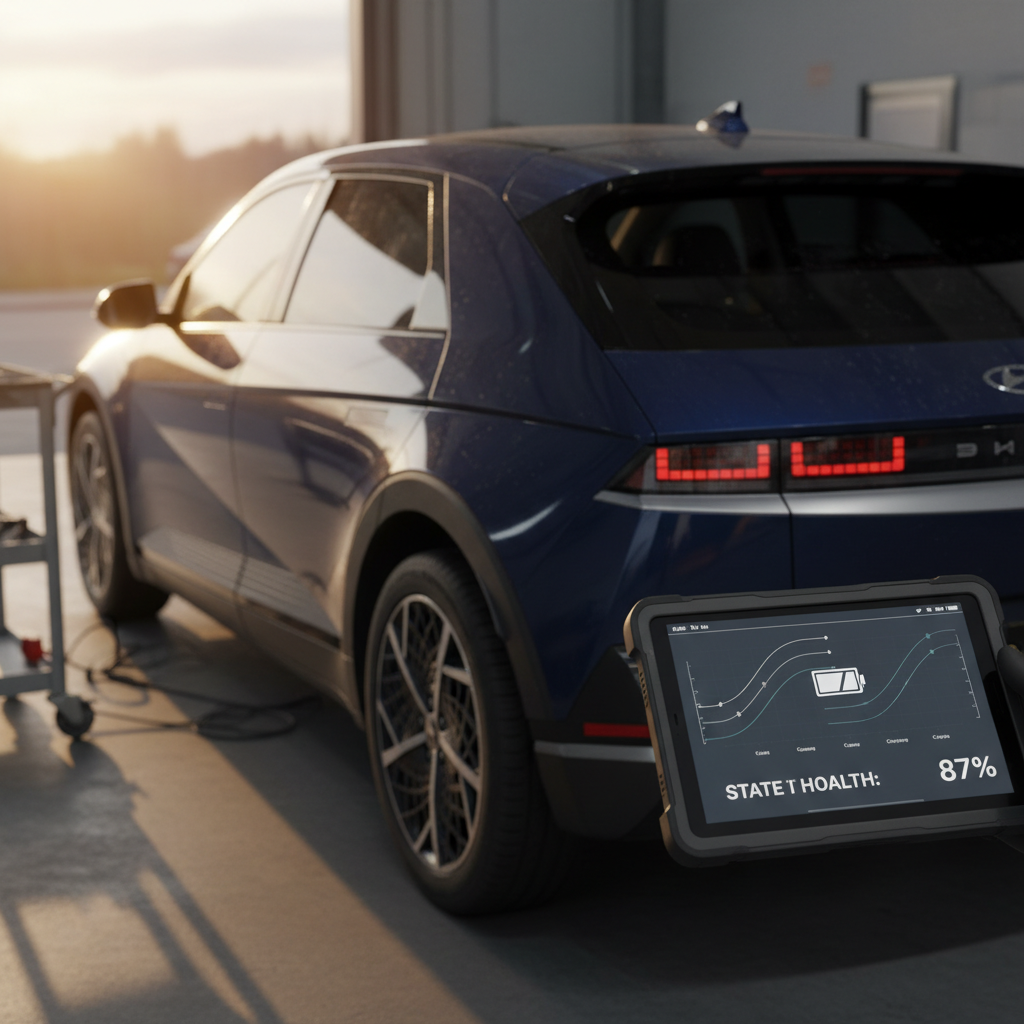
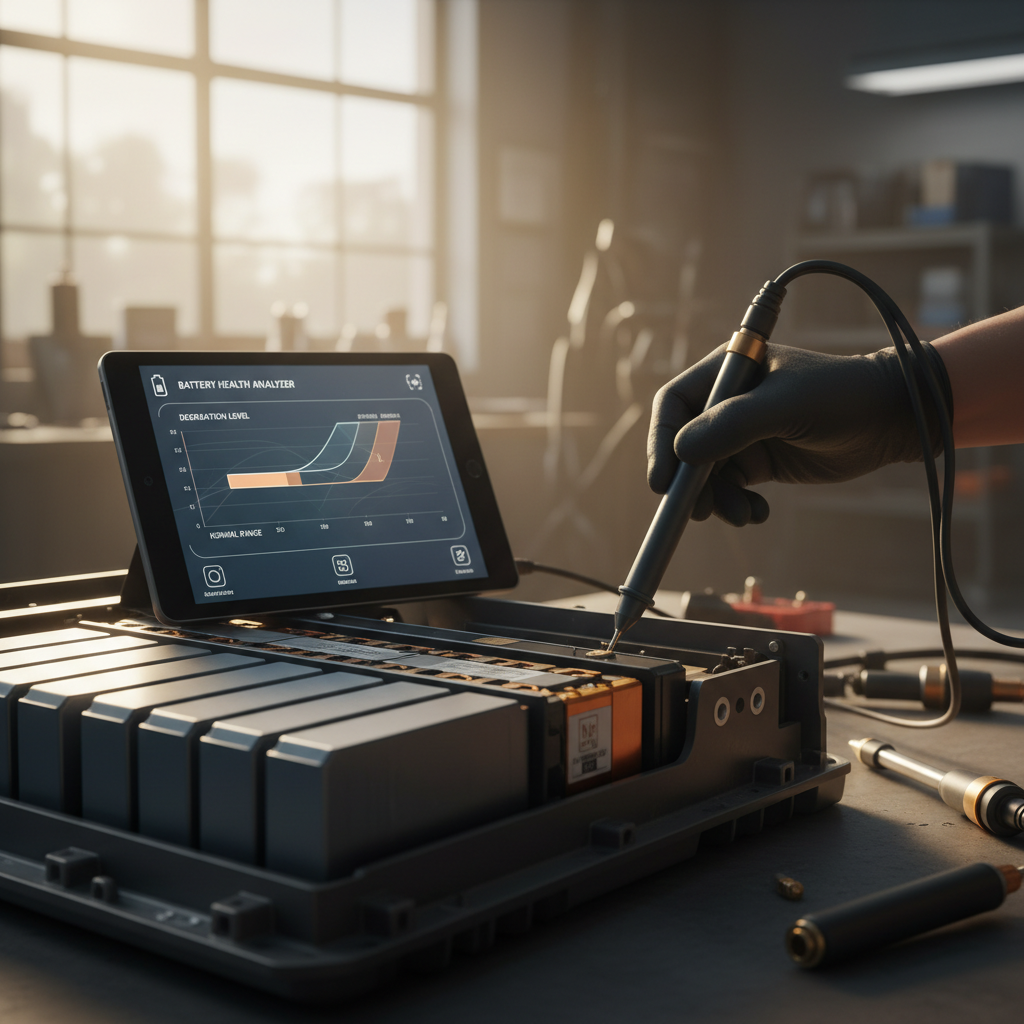
Ask for a verified battery health diagnostic rather than relying on the in‑car guess. On Recharged, every car includes a <strong>Recharged Score Report</strong> with third‑party battery data, so you’re not guessing about capacity loss.
3. Check DC fast‑charging history
Frequent high‑power fast charging can accelerate battery wear. Ask for service records and look for evidence of heavy DC fast‑charging use, especially on high‑mileage ex‑fleet vehicles.
4. Verify software and connectivity
Confirm that over‑the‑air updates and connected services still work, especially on older premium EVs. Some features require active subscriptions.
5. Inspect tires and brakes closely
High‑torque EVs can be hard on consumables. Uneven tire wear or tired brake components are common on heavier performance coupes driven enthusiastically.
6. Compare pricing to similar EV body styles
Don’t assume a coupe must be more expensive or cheaper. Use fair market pricing tools or marketplaces like Recharged that benchmark real transaction data across body styles.
Use a battery‑first mindset
Battery health, range, and how you’ll really drive it
Coupe buyers often care about spirited driving and road trips, both of which stress the battery differently than a predictable commute. Aerodynamics help, but weight and wheel size still count, especially on performance EVs where big brakes and 20‑inch wheels are common.
How range plays out in an electric coupe
- Highway speeds hurt range more than city traffic, even in sleek coupes.
- Big wheels with stickier tires improve grip but usually reduce efficiency.
- Cold weather hits smaller packs harder; consider your climate before picking the smallest battery.
Habits that keep your battery healthier
- Charge to 80–90% for daily use; save 100% for trips.
- Limit back‑to‑back DC fast‑charging when it’s very hot or very cold.
- Use scheduled pre‑conditioning so the car warms or cools the pack before driving.
Performance driving still has a cost
Financing, insurance, and total cost of ownership
Total cost of owning an electric coupe isn’t just the sticker price. Electricity is usually cheaper than gasoline on a per‑mile basis, but sporty body styles tend to carry higher MSRPs and sometimes higher insurance. The good news: EV powertrains have fewer moving parts than gas engines, so long‑term maintenance can be lower if you buy carefully.
Key money questions before you sign
Answer these to avoid surprises later
What will this cost me monthly?
Look beyond the payment.
- Compare loan or lease offers, including EV‑specific programs.
- Estimate electricity costs based on your utility rate and miles driven.
- Factor in parking and tolls if you live in a city.
How does insurance look for this VIN?
Sporty designs and luxury badges can raise premiums.
- Get quotes using the exact VIN, especially on performance trims.
- Ask how repair cost and battery replacement factor into rates.
- Consider telematics or EV‑friendly insurers if available.
What maintenance is realistic?
EVs skip oil changes but still need care.
- Tires, alignment, cabin filters, and brake fluid still matter.
- Heavier performance coupes can eat tires faster than sedans.
- Ask about dealer vs. independent EV specialist options in your area.
Do incentives or credits apply?
Rules change often.
- Check current federal and state EV incentives for both new and used purchases.
- Some utilities offer rebates for home charging equipment.
- Used EV tax incentives may have income and price caps.
Leasing vs. buying for a niche body style
How Recharged can help you find the right EV, not just a pretty coupe
If you’re EV‑curious but not locked into a specific model, the safest path is to shop the whole market, not just the handful of electric coupes on dealer lots near you. That’s exactly the problem Recharged was built to solve.
- Browse a curated selection of used EVs, including coupe‑ish fastbacks and stylish crossovers, on a fully digital platform.
- See a Recharged Score Report on every vehicle, with verified battery health, fair‑market pricing, and key service insights.
- Get EV‑specialist support from first question to final paperwork, so you can sanity‑check whether a coupe body style really fits your daily reality.
- Use financing, trade‑in, instant offer, or consignment options to move out of your current car without playing the usual dealership games.
- Arrange nationwide delivery or visit the Recharged Experience Center in Richmond, VA if you want to see and feel EVs in person.
You don’t have to shop alone
Ready to find your next EV?
Browse VehiclesElectric coupe FAQ
Frequently asked questions about electric coupes
Is an electric coupe right for you?
If you’re honest about how you actually drive, an electric coupe, whether that means a low two‑door, a fastback sedan, or a coupe‑style SUV, can be one of the most satisfying ways to go electric. You get the instant torque and quiet refinement that make EVs compelling in the first place, wrapped in a shape that still feels special in a world of anonymous crossovers.
The key is to separate style from substance. Start by deciding what body style you truly need, then dig into battery health, range, charging access, and total cost of ownership. If you’re shopping used, prioritize transparent battery data and pricing over badges or trim names.
If you’d like help sorting out whether a coupe, hatchback, or SUV‑style EV fits your life, and your budget, Recharged’s specialists can walk you through real cars, real numbers, and real trade‑offs. The goal isn’t to talk you into the flashiest silhouette; it’s to get you into the EV that will still make sense years from now, every time you hit the start button.