When people compare electric cars versus gas cars, they usually bump into the same questions: Are EVs really cheaper to own? What about range, charging, and battery life? And with incentives constantly changing, is 2025 actually a good time to go electric, or should you stick with gas, or even buy a used EV instead of a new gas car? This guide walks through the key trade-offs in plain language so you can decide what fits your life, not someone else’s agenda.
Big picture
Electric cars versus gas cars in 2025: the real trade-offs
Where EVs clearly win
- Lower energy and maintenance costs if you can mostly charge at home.
- Quieter, smoother driving with instant torque and no gear shifts.
- Much lower lifetime emissions almost everywhere in the U.S., even on today’s grid.
- Great city and commuting experience if you have reliable parking and charging.
Where gas cars still have an edge
- Lower upfront price in many segments, especially compact and budget cars.
- Fast refueling everywhere, with ubiquitous gas stations and no planning.
- Less sensitivity to cold weather and towing range penalties.
- Used market familiarity: easier to shop if you’re new to EVs.
Key nuance
Upfront price, incentives and financing
New electric cars still tend to cost more than similar gas cars on the sticker, often by several thousand dollars, because batteries remain the single most expensive component. In 2024–2025, multiple cost-of-ownership analyses found that many EVs still carry higher purchase prices than their gas equivalents, even as prices have fallen compared with a few years ago. At the same time, federal and state incentives, dealer discounts, and a maturing used EV market have started to close that gap.
What the latest data says about EV vs gas costs
Don’t just compare sticker prices
How incentives change the electric vs gas equation
The details are messy, but here’s the practical impact in 2025
Federal tax credits
Some new EVs qualify for up to a $7,500 federal tax credit, but rules around battery sourcing, MSRP caps, and income limits mean many models don’t qualify.
Leased EVs can sometimes pass credits through even when purchases don’t.
State and utility rebates
States and utilities may offer rebates for buying an EV or installing a home charger. These can add hundreds or even thousands in savings, especially in EV‑friendly states.
Used EV price drops
EV depreciation has been steep the last few years, pushing used EV prices down relative to new. For buyers, that means you can often get a 2–4‑year‑old EV for far less than it cost new.
If you’re comparing a new gas car to a used EV, incentives and depreciation flip the script. A two‑year‑old EV that was expensive new may now be priced close to, or even below, a new gas sedan, while still delivering big savings on energy and maintenance. That’s exactly the gap companies like Recharged are built to help you navigate.
Electric vs gas: fuel and charging costs
Energy is where electric cars shine, especially if you can charge at home overnight. Electricity prices vary a lot by state and utility, but in most of the U.S. it still costs meaningfully less per mile to drive on electrons than gasoline. Public fast charging muddies the picture; rates are higher and sometimes close to gas on a per‑mile basis, but most EV owners don’t fast‑charge very often.
Typical fuel costs: electric vs gas (illustrative, not quotes)
Assuming 12,000 miles per year, a 30 mpg gas car, and an efficient EV around 3.5 mi/kWh.
| Scenario | Electric car – annual energy cost | Gas car – annual fuel cost | Key factor |
|---|---|---|---|
| Mostly home charging | $400–$550 | $1,400–$1,800 | Off‑peak electricity rates offer the biggest savings. |
| Mix of home + some fast charging | $600–$800 | $1,400–$1,800 | Occasional fast charging still beats gas for many drivers. |
| Heavy fast‑charging use | $900–$1,200 | $1,400–$1,800 | Costs can approach gas if you rely on public DC fast charging. |
Reality will depend on your local electricity and gas prices, but the pattern is consistent: home charging is cheap; fast charging narrows the gap.
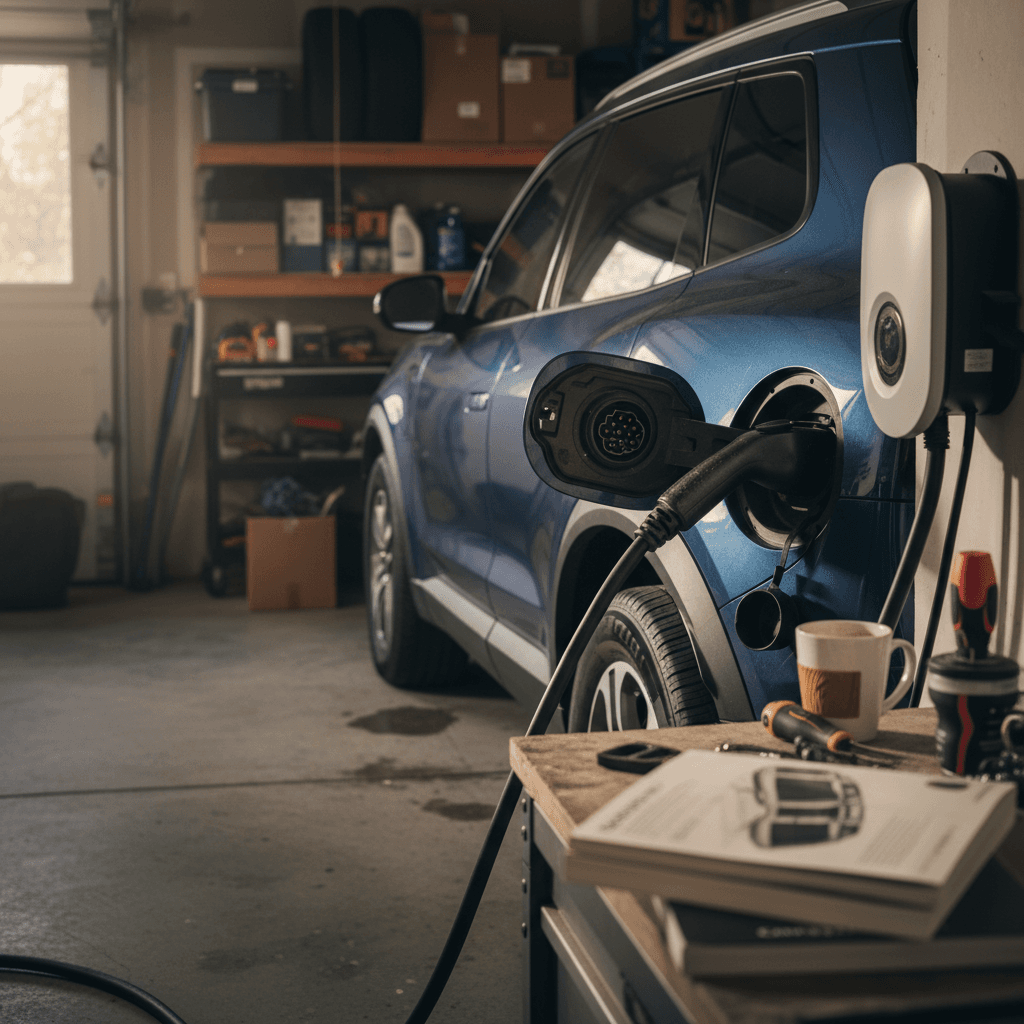
Home charging is the unlock
How to estimate your EV energy savings in 10 minutes
1. Look up your electric rate
Find your cents‑per‑kWh rate on a recent utility bill or your utility’s website. If you have time‑of‑use (TOU) rates, note the off‑peak price you’d use for overnight charging.
2. Estimate your EV efficiency
Most modern EVs deliver roughly 3–4 miles per kWh in mixed driving. Use 3 mi/kWh as a conservative estimate if you’re unsure.
3. Calculate cost per mile for electricity
Divide your kWh rate by your estimated miles per kWh. Example: $0.15 ÷ 3 mi/kWh ≈ $0.05 per mile.
4. Compare with your current gas cost per mile
Take your typical gas price and divide by your car’s mpg. Example: $3.50 ÷ 30 mpg ≈ $0.12 per mile.
5. Multiply by your annual miles
If you drive 12,000 miles per year, saving $0.07 per mile equals about $840 per year in fuel savings.
Maintenance, reliability and repair costs
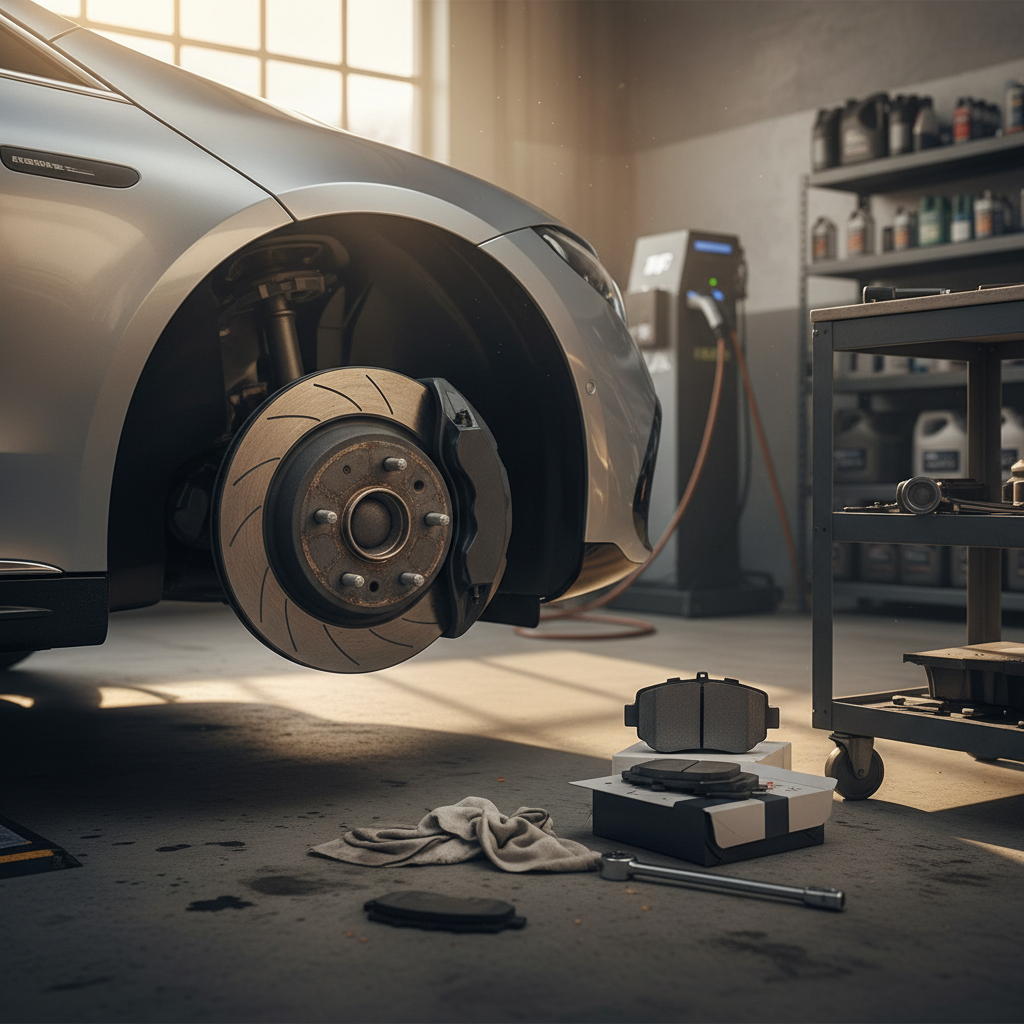
Electric cars trade the complexity of an engine and multi‑speed transmission for a relatively simple electric motor, single‑speed gearbox, and a large battery. That doesn’t mean they’re maintenance‑free, but far fewer things need regular service. Over five years, multiple studies show EVs generally cost less to maintain than comparable gas cars, though out‑of‑warranty repairs and battery anxiety loom large in shoppers’ minds.
What you maintain on an EV vs a gas car
Same car ownership, different to‑do list
Typical gas car upkeep
- Oil and filter changes every 5,000–7,500 miles
- Spark plugs and ignition components
- Transmission fluid service
- Exhaust system repairs
- More complex cooling system
Typical EV upkeep
- Tires (EVs are heavier, so rotations matter)
- Cabin air filters and brake fluid
- Occasional coolant service for battery/drive unit
- Software updates (usually over‑the‑air)
- Brakes often last longer thanks to regen
What the numbers suggest
But don’t ignore repair realities
Performance and day-to-day driving experience
From behind the wheel, electric cars often feel like a class upgrade compared with similarly priced gas cars. Even mainstream EVs deliver instant torque, smooth acceleration, and quiet operation that used to be the territory of luxury sedans. That said, the experience isn’t universally better, especially if you road‑trip often or live somewhere with limited charging.
Where EVs shine in daily driving
- Instant torque: Even modest EVs jump off the line with a responsiveness many gas cars can’t match.
- Quiet cabin: No engine noise at stoplights and lower vibration.
- One‑pedal driving: Regenerative braking lets you slow and stop mostly with the accelerator, making traffic less tiring.
- Preconditioning: You can heat or cool the cabin while plugged in, saving range and arriving comfortable.
Where gas still feels easier
- Long‑distance trips: Refuel in 5 minutes almost anywhere rather than planning charging stops.
- Cold‑weather predictability: Range still drops in winter for both EVs and gas cars, but the hit is more dramatic for EVs.
- Towing and hauling: EVs can tow well but lose range quickly under heavy load; gas trucks are more forgiving.
- Refueling flexibility: No need to think about chargers at your apartment or workplace.
Climate impact: EV vs gas emissions
Emissions are where the electric‑cars‑versus‑gas‑cars debate gets heated, but the direction of the evidence is consistent. Building an EV, especially its battery, emits more CO₂ upfront than building a comparable gas car. However, over the vehicle’s life, EVs almost always pull ahead because they eliminate tailpipe emissions and the grid is getting cleaner over time.
- In most U.S. regions, a typical battery‑electric vehicle produces significantly less CO₂ over its lifetime than a similar gas car, even after accounting for battery manufacturing and electricity generation.
- The cleaner your local grid (think hydro, solar, wind), the bigger the EV advantage. In coal‑heavy regions the gap narrows, but EVs still generally come out ahead over typical ownership periods.
- Plug‑in hybrids (PHEVs) only deliver big benefits if they’re charged and driven mostly in electric mode; driven like regular gas cars, their real‑world emissions can be much closer to conventional vehicles.
Practical takeaway
Resale value and depreciation realities
Depreciation has been the wild card in the EV story. After a huge run‑up in used‑car prices during the pandemic, EV values cooled faster than many gas vehicles as more new models hit the market, interest rates rose, and incentives and price cuts reshuffled the math. That’s been painful for early adopters, but it’s good news if you’re shopping for a used electric car today.
How depreciation affects EV vs gas shoppers
Losers on paper, winners at the lot
Steeper early drops for EVs
Some EVs, especially luxury models and older tech, saw resale values fall faster than comparable gas cars from 2023–2024. That compresses the gap between new and used prices.
Used EVs vs new gas cars
A gently used EV that cost $50,000 new might now sit on a lot alongside new gas cars stickered in the low‑$30,000s. Once you factor in fuel and maintenance savings, the EV can win on total cost.
The importance of battery data
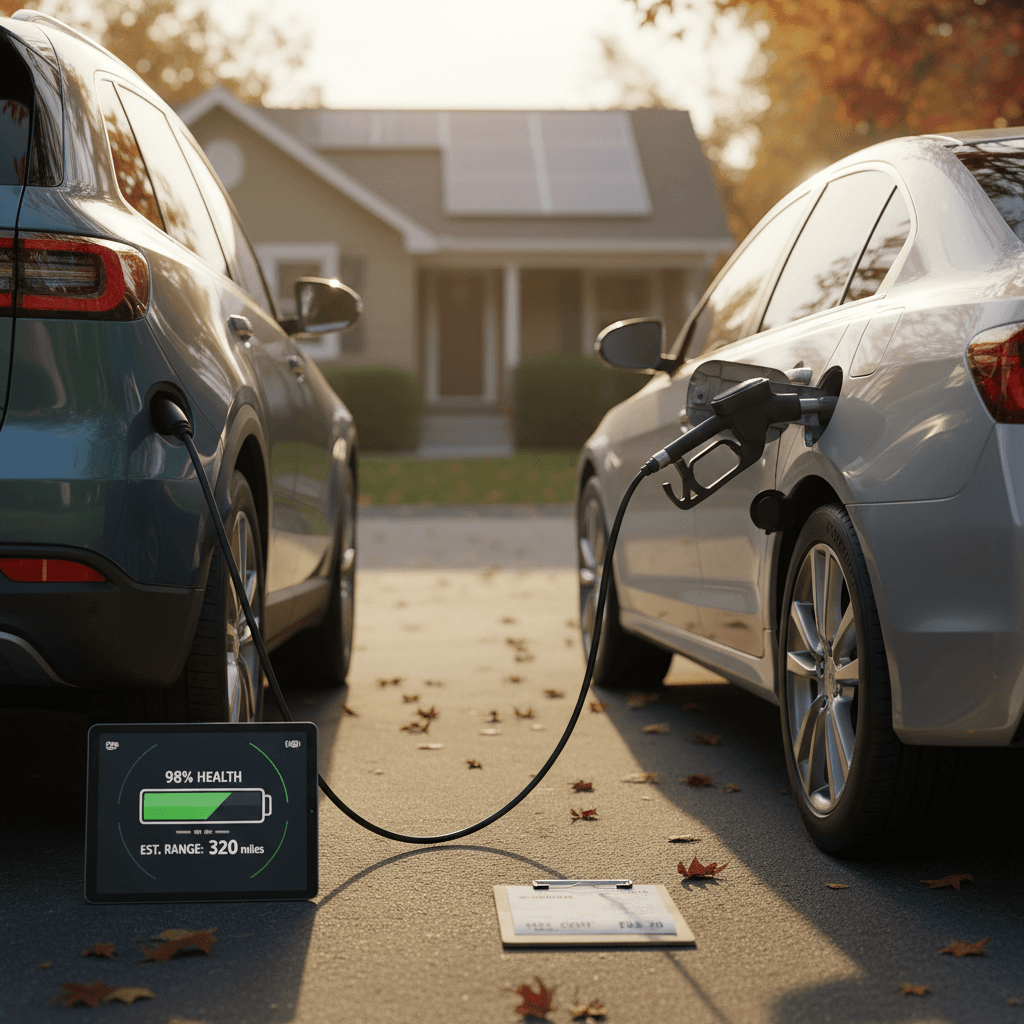
Because the battery is the most expensive component, hard data on battery health is crucial. That’s where tools like the Recharged Score change the game for used EV shopping.
Which makes more sense for your life?
EV vs gas: guidance by driver type
Urban / suburban commuter
You have reliable home or workplace charging.
Most daily drives are under 60–80 miles.
You care about lower running costs and a smoother drive.
An EV or used EV is often the strongest economic and practical choice.
Apartment / street parker
You rarely have access to a dedicated outlet or parking space.
Public charging near home and work is limited or expensive.
You’re not ready to plan around charging stops yet.
A hybrid or efficient gas car may be less stressful right now, unless your building is adding chargers soon.
Frequent road tripper
You often drive 400+ miles in a day.
You visit rural areas with sparse charging.
You tow or haul regularly.
Modern EVs can road‑trip, but you’ll need to plan routes around fast chargers. If that sounds miserable, consider waiting or choosing a plug‑in hybrid or efficient gas vehicle.
Budget‑sensitive buyer
You’re focused on total monthly cost more than tech features.
You’re open to buying used rather than new.
You drive 10,000–15,000 miles per year.
A used EV with verified battery health can beat a new gas car on total cost of ownership, especially with affordable financing.
Run the numbers for your situation
How Recharged helps you compare used EVs and gas cars
Comparing a used electric car to a gas car shouldn’t require a PhD in battery chemistry. Recharged was built to make EV ownership transparent, especially where traditional used‑car shopping leaves you guessing: battery health, fair pricing, and long‑term costs.
What you get with a used EV from Recharged
Designed to answer the big electric‑versus‑gas questions upfront
Recharged Score battery diagnostics
Every EV on Recharged comes with a Recharged Score Report that includes verified battery health. Instead of guessing, you see how the pack has aged relative to similar vehicles.
Fair market pricing
Pricing incorporates battery condition, market trends, and comparable listings, so you can compare a used EV fairly against gas alternatives, not just eyeball the sticker.
EV‑specialist support
Recharged’s specialists help you think through charging at home or work, your driving pattern, and local incentives, then match you with vehicles that make financial and practical sense.
Ready to find your next EV?
Browse VehiclesIf you already own a gas car, Recharged can also help you estimate its value and explore a trade‑in, instant offer, or consignment while you move into an EV. With nationwide delivery and a fully digital experience, plus an Experience Center in Richmond, VA, you can shop the way that suits you.
Electric cars versus gas cars: FAQ
Frequently asked questions about electric cars versus gas cars
In 2025, the question isn’t whether electric cars are “better” than gas cars in some abstract sense, it’s whether an EV, a hybrid, or a gas car is the better tool for your life and budget. If you can charge at home, drive a typical mileage, and plan to keep a vehicle for several years, the numbers increasingly favor electric, especially in the growing used EV market. If your situation is tougher, no home charging, constant road trips, tight cash flow, gas or hybrid still makes sense. The important thing is to compare real costs, not headlines. When you’re ready to run that comparison on actual vehicles, Recharged can help you put concrete numbers and verified battery data behind your decision so you’re not betting blind on your next car.