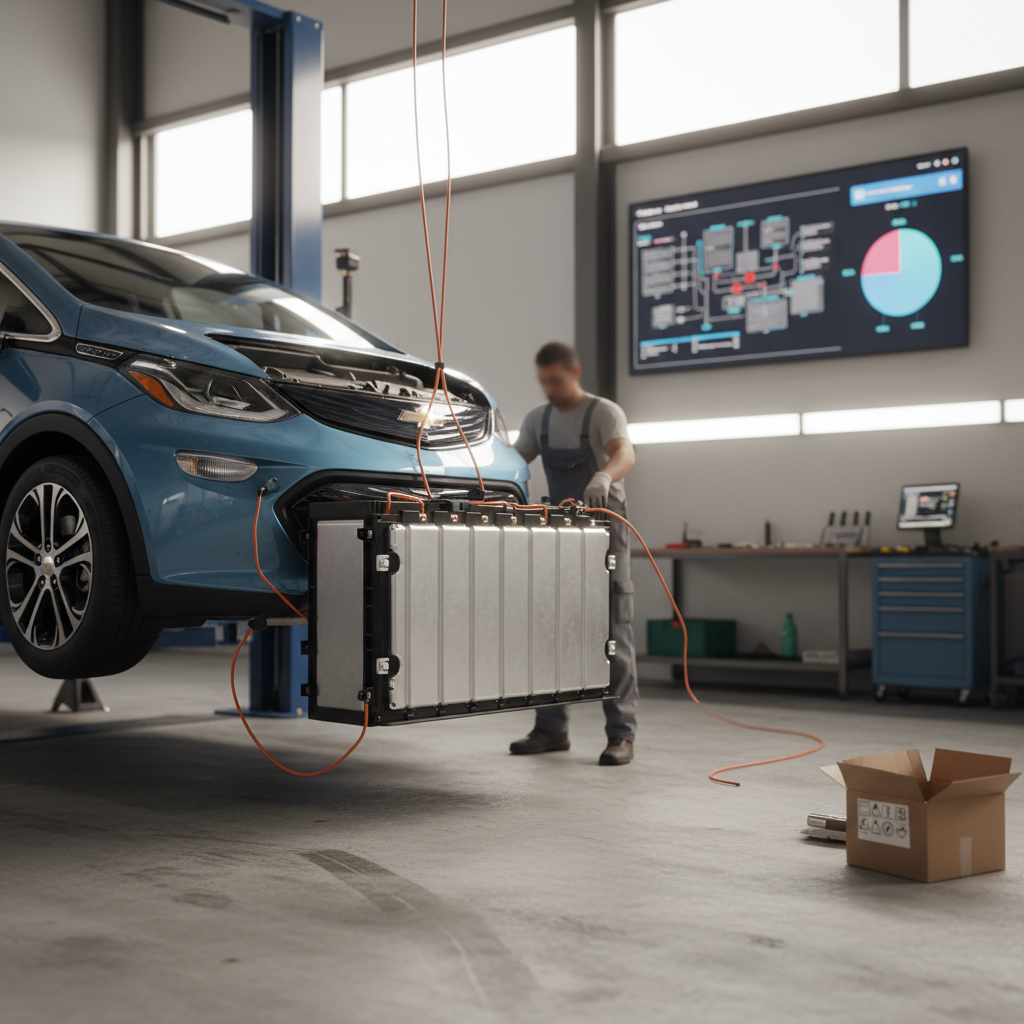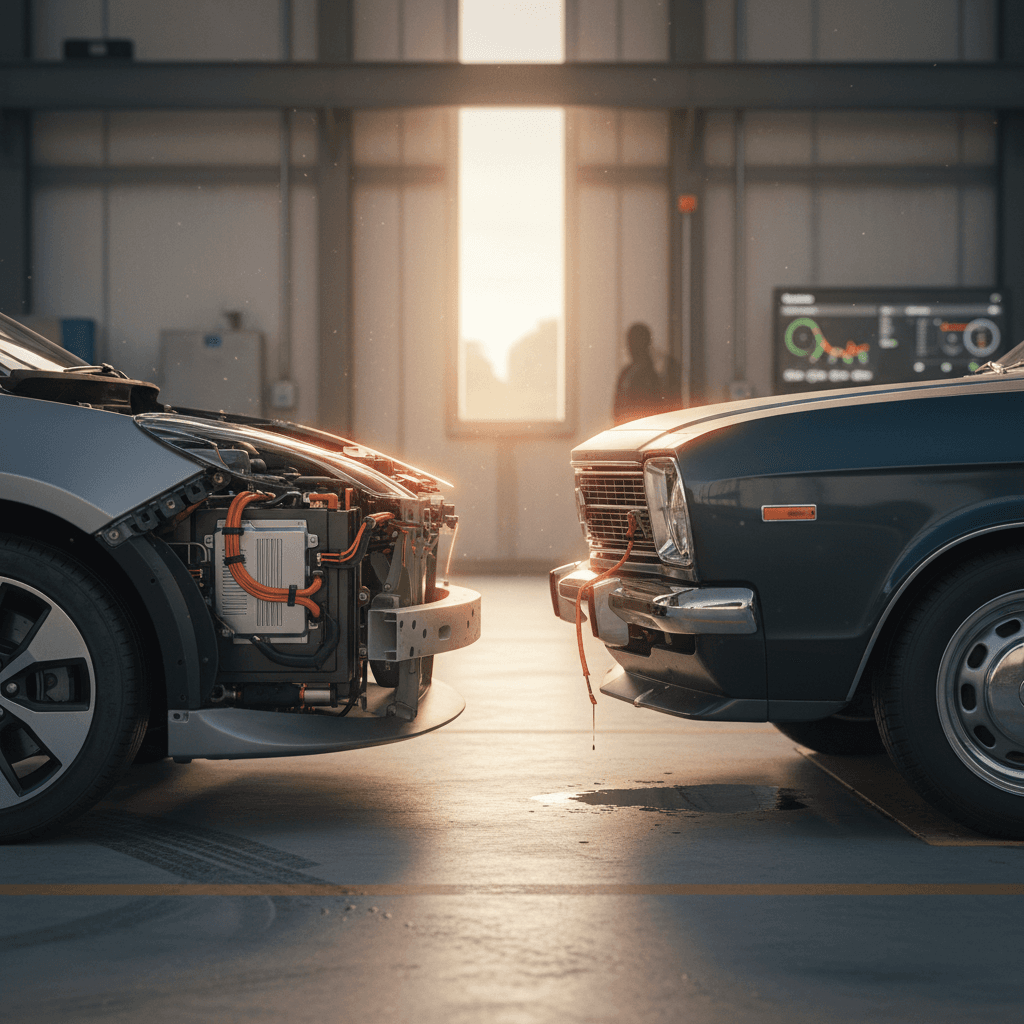
If you’re thinking about going electric, it’s completely normal to ask about electric cars safety. You’ve probably seen headlines about EV fires or new driver-assistance systems and wondered whether these vehicles are actually safer than the gas cars you grew up with. The good news: when you look past the scary stories and into the data, the safety picture for EVs is surprisingly strong, especially with the latest 2024–2025 models.
Key takeaway
Are electric cars safe overall?
Let’s start with the big question: yes, electric cars are fundamentally safe, and in many cases they’re safer than comparable gas vehicles. Every EV for sale in the United States has to pass the same crash tests and meet the same federal safety standards as any other light-duty vehicle. Independent organizations like the IIHS and NHTSA then layer on their own testing, and recent rankings show EVs landing at the top of the safety charts.
What the latest numbers say about EV safety
None of this means EVs are perfect. Early electric models have had their share of recalls and software bugs, and surveys still show more reported problems per vehicle than with established gas models. But from a pure crash and fire-safety perspective, the picture is generally favorable for EVs, especially mainstream models from automakers with a long safety track record.
Don’t confuse reliability with safety
Why many EVs score so well in crash tests
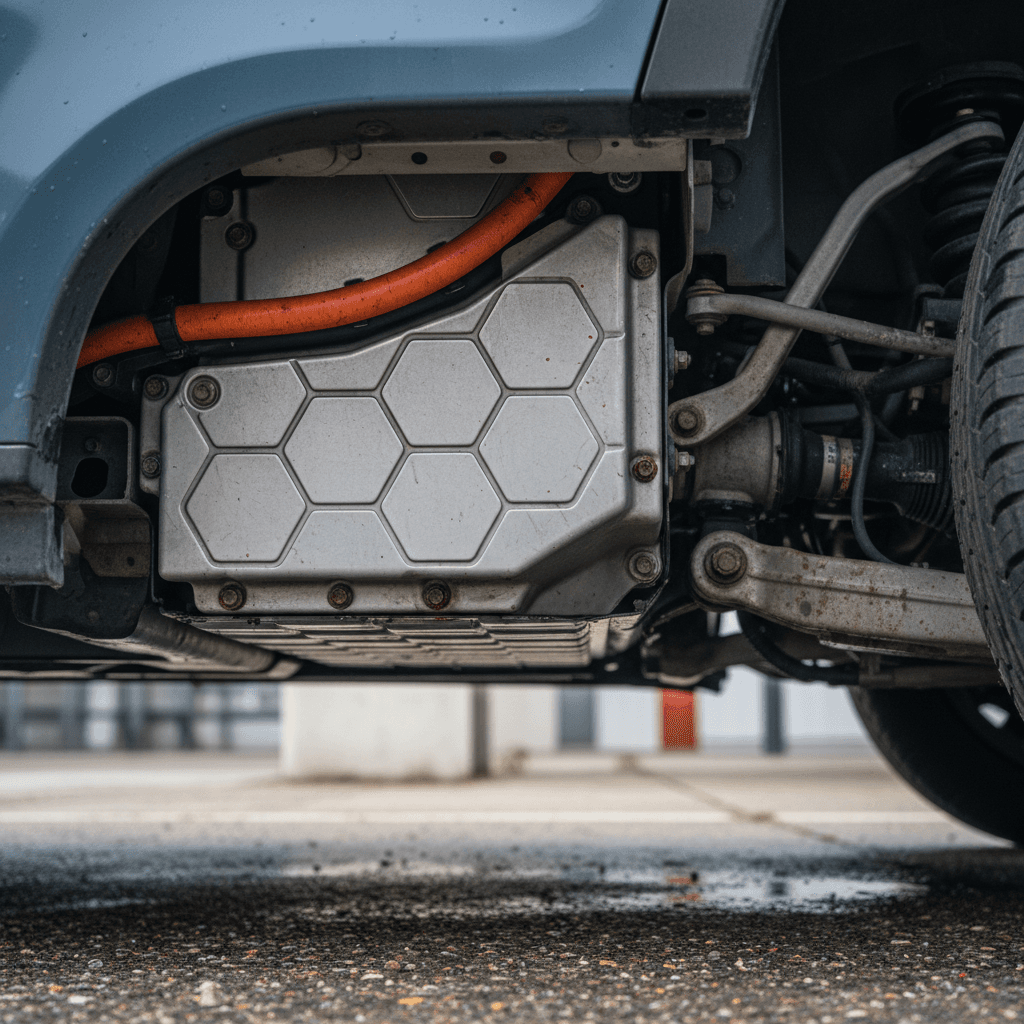
If you’ve browsed safety ratings lately, you may have noticed that a lot of EVs carry top scores. That isn’t a coincidence. The way electric cars are designed gives engineers some built-in advantages when they’re trying to protect you in a crash.
- Low center of gravity: The heavy battery pack is typically mounted under the floor, which lowers the vehicle’s center of gravity and helps reduce rollover risk compared with tall gas SUVs.
- Large crumple zones: Without an engine block up front, designers can create longer and more controlled crumple zones to absorb impact energy in a frontal crash.
- Rigid structure: The battery enclosure itself is often part of a very stiff platform. That rigidity, when paired with well-designed crumple zones, helps maintain cabin integrity.
- Standard active-safety tech: Because EVs are tech-forward, they often come standard with automatic emergency braking, lane-keeping assist, blind-spot monitoring, and sometimes adaptive cruise control, features that are optional or unavailable on many gas cars.
How to read safety ratings
Electric car fire risk vs gas cars
Fires are where the public perception of EVs and the data diverge most. Lithium‑ion battery fires are visually dramatic and can be difficult to extinguish, so they attract headlines. But when you look at real‑world incident rates, gas cars catch fire far more often than EVs.
How often do EVs catch fire?
- Recent U.S. data suggests about 25 fires per 100,000 EVs sold.
- International analyses put the odds of an EV battery fire at roughly 0.0012% in normal use.
- Many fires involve severely damaged or improperly repaired vehicles, or exposure to flooding.
How does that compare to gas cars?
- Conventional gas vehicles see roughly 1,500+ fires per 100,000 vehicles, dozens of times more frequent than EVs.
- Gasoline is highly flammable and can ignite due to fuel leaks, crashes, or overheating engines.
- Because gas‑car fires are so common, most never make the news unless they cause a major incident.
Why EV fires still worry people
Battery safety: how EV packs are protected
The traction battery is the beating heart of an electric car, and engineers treat it that way. Modern EV packs are surrounded by layers of protection to prevent short circuits, punctures, and overheating, conditions that can lead to what’s called thermal runaway.
- Reinforced battery enclosures: Packs are housed in rigid cases bolted into the vehicle structure, designed to withstand road debris and most crash scenarios without breaching the cells.
- Crash‑sensing disconnects: In a severe collision, pyrotechnic fuses or high‑voltage contactors can automatically cut power and isolate the battery from the rest of the vehicle to reduce shock and fire risk.
- Battery management systems (BMS): Software constantly monitors voltages, currents, and temperatures across the pack, adjusting power flow and triggering warnings, or shutting down the system, if something looks abnormal.
- Thermal management: Most modern EVs use liquid‑cooling systems that help keep cell temperatures in a safe zone during fast charging, hard driving, or extreme weather.
- Global safety standards: Regulators are updating technical rules to require that packs survive punishing tests for crush, vibration, water immersion, and fast‑charge abuse before vehicles hit the road.
Flooding and EV batteries
Driver-assistance tech in EVs: helpful or harmful?
Many electric cars ship with sophisticated driver‑assistance systems, everything from basic lane‑keeping to hands‑free highway driving. These features can absolutely enhance safety when they’re well‑designed and used as intended, but they’re not magic, and they’re not a substitute for an attentive driver.
What driver-assistance in EVs does well, and where it falls short
Use these features as backup, not as an excuse to check out mentally.
Crash avoidance
Fatigue reduction
System limits
Marketing vs reality
Real-world risks: where EVs can get into trouble
From years in the industry, I’ve learned that the safest car in the lab can get into serious trouble in the real world if it’s used or maintained poorly. Electric cars are no different. The key is understanding where the real risks lie so you can manage them.
- Poor or improper repairs: After a crash, EVs must be repaired by shops that understand high‑voltage systems and follow manufacturer procedures. Improper repairs can compromise crash protection or battery integrity.
- Ignored recalls and software updates: Automakers routinely issue over‑the‑air updates and recalls to fine‑tune battery behavior and driver‑assist systems. Skipping those updates means you’re missing out on safety improvements.
- Home charging shortcuts: Using improvised adapters, damaged cables, or non‑code‑compliant outlets can create shock or fire hazards. EV charging equipment should be installed and inspected by qualified electricians.
- High‑speed misuse: The instant torque of many EVs makes them quick and fun to drive, but also easy to overdrive on wet or icy roads. Stability control helps, but it can’t defy physics.
- Cargo and modification issues: Adding heavy accessories, oversized wheels, or roof loads can change how any vehicle responds in an emergency maneuver. That’s just as true for an EV as it is for a gas SUV.
Simple habits that boost EV safety
Safety checklist when buying a new or used EV
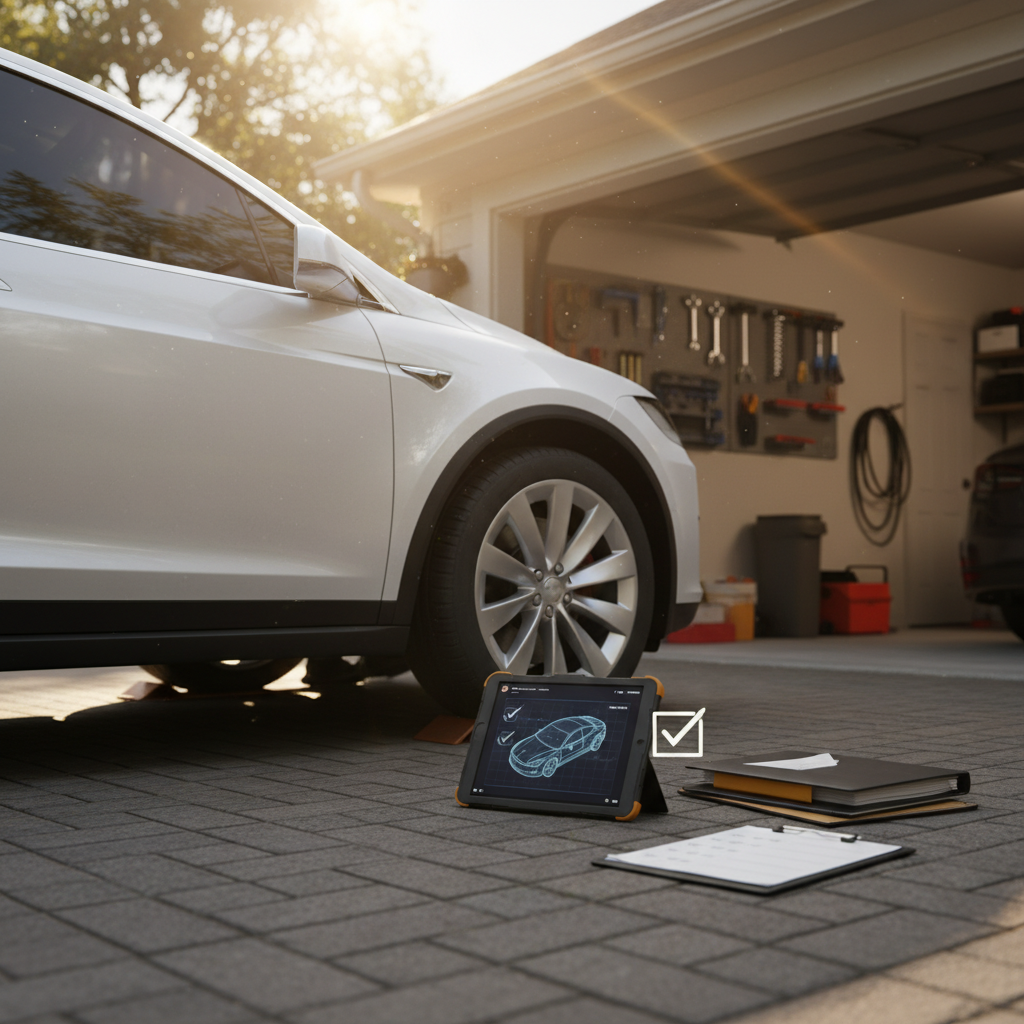
Whether you’re shopping new at a franchise dealer or considering a used EV from a marketplace like Recharged, you want to know you’re putting your family into something safe. Use this checklist as a practical filter while you compare models.
EV safety buying checklist
1. Confirm crash-test ratings
Look up NHTSA and IIHS scores for the exact model (and year) you’re considering. Favor vehicles with a five‑star overall rating and, ideally, a Top Safety Pick/TSP+ award.
2. Review standard safety features
Check whether automatic emergency braking, lane‑keeping assist, blind‑spot monitoring, and rear cross‑traffic alert are standard. On used EVs, verify that these systems are actually present and working, not just listed on a spec sheet.
3. Check for open recalls and software updates
Ask the seller for documentation that recalls have been addressed. On used EVs, make sure the vehicle has received key over‑the‑air battery and driver‑assist updates, or schedule them promptly after purchase.
4. Inspect battery health and range
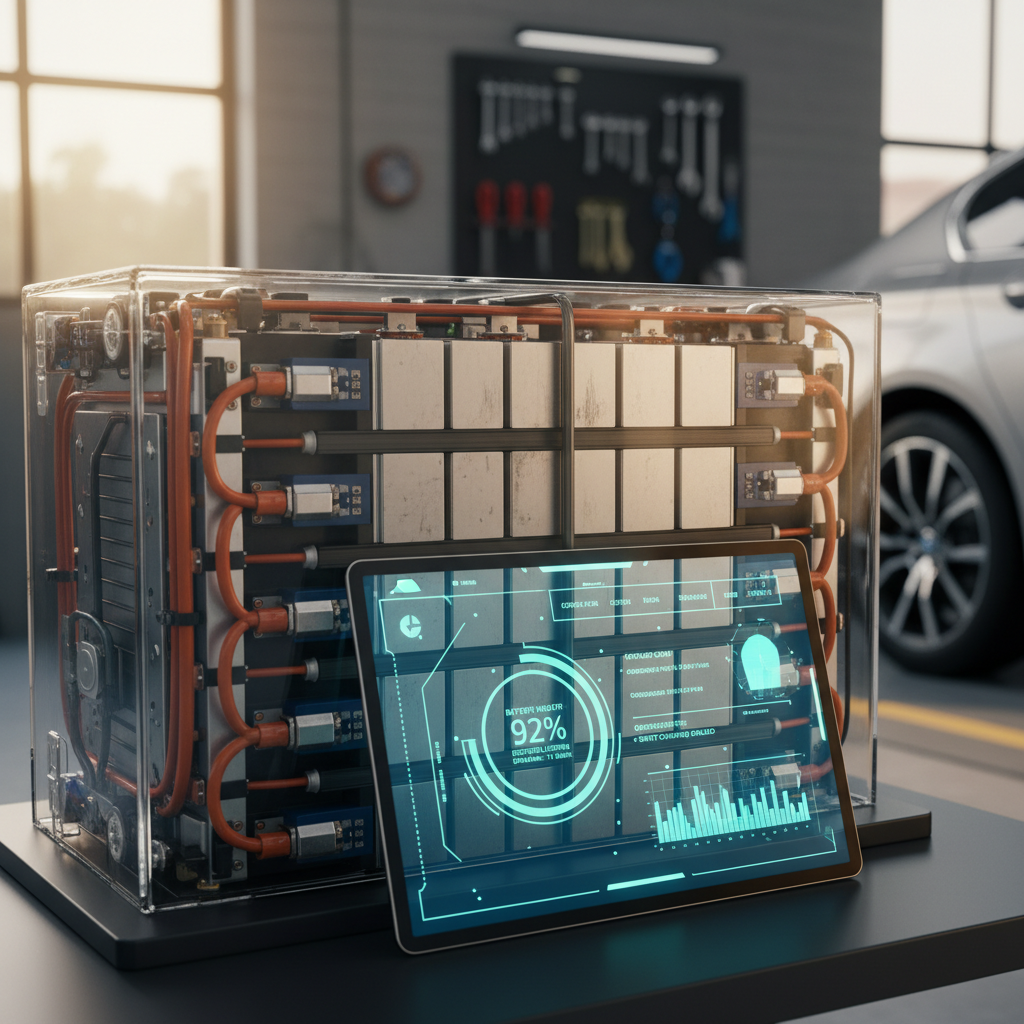
A weakened battery doesn’t automatically make a car unsafe, but extreme degradation can mask underlying issues or tempt previous owners to cut corners on repairs. Look for a credible <strong>battery health report</strong> rather than just a guess at remaining range.
5. Evaluate tires and brakes
EVs are heavy and can accelerate briskly. Make sure tires are the correct specification, have good tread depth, and aren’t irregularly worn. Brakes should feel consistent, with no pulling or vibration.
6. Ask about charging history and equipment
Has the car primarily used DC fast charging or gentle Level 2? Are the charging cables in good condition and properly rated? A quick visual inspection and a test charge can reveal a lot.
Where Recharged fits in
How Recharged evaluates used EV safety
If you’re comparing a private‑party listing on a classifieds site with a vehicle on Recharged, one of the biggest differences is the depth of the evaluation. Electric cars require a different lens than traditional used‑car inspections, and that’s exactly what Recharged’s process is built around.
The Recharged approach to used EV safety
What happens before an EV ever shows up in the online showroom.
Battery health diagnostics
High-voltage & structural checks
Transparent reporting & guidance
Ready to find your next EV?
Browse VehiclesElectric cars safety: FAQ
Frequently asked questions about electric car safety
Bottom line: are electric cars safer than gas?
When you stack everything up, crash protection, fire risk, and advanced driver‑assistance tech, modern electric cars hold their own and often outperform comparable gas vehicles on safety. They’re not immune to recalls or design flaws, and they demand competent repairs and charging practices. But if you choose a well‑rated model, keep up with updates, and drive it responsibly, an EV can be one of the safest places your family spends time.
If you’re looking at the used market, that’s where a platform like Recharged can make your life easier. With verified battery health diagnostics, EV‑specific inspections, and expert guidance from start to finish, you can focus less on worrying about what you might be missing and more on finding the electric car that fits your budget, your commute, and your peace of mind.