If you’re shopping for an electric vehicle, you’re not just picking a model, you’re choosing from a fast‑shifting world of electric car producers. A few years ago the story was “Tesla vs everyone else.” In 2025, Chinese brands, resurgent Korean makers, and legacy giants like Volkswagen are all fighting for a piece of your driveway. Understanding who builds what, and how they differ, can save you real money and headaches when you buy, especially in the used EV market.
What this guide covers
Why electric car producers matter when you’re shopping
In the gasoline world, most brands feel broadly similar. With EVs, the producer you choose matters a lot more. It shapes everything from range and charging speed to resale value and how easy it is to service the car five or ten years down the line.
- Battery chemistry and quality affect long‑term range and degradation.
- Charging standards (Tesla’s NACS vs CCS) determine which fast‑charging networks you can use easily.
- Software quality drives features, over‑the‑air updates, and even how your car behaves on the highway.
- Brand strategy, whether the company is all‑in on EVs or treating them as a side project, affects support and future parts availability.
- Perceived brand strength strongly influences used prices and depreciation.
Used EV buyers: focus on the producer, not just the model
The biggest electric car producers in 2025
Global EV leaders by deliveries (Jan–Aug 2025)
Based on 2025 delivery data, the global EV landscape is more diverse than ever. Chinese producers now account for a large share of worldwide EV sales, but Tesla and legacy automakers remain critical players, especially if you’re buying a used EV in North America.
Major electric car producers you should know
These are the names you’ll see most often when you shop new or used EVs.
Tesla (U.S.)
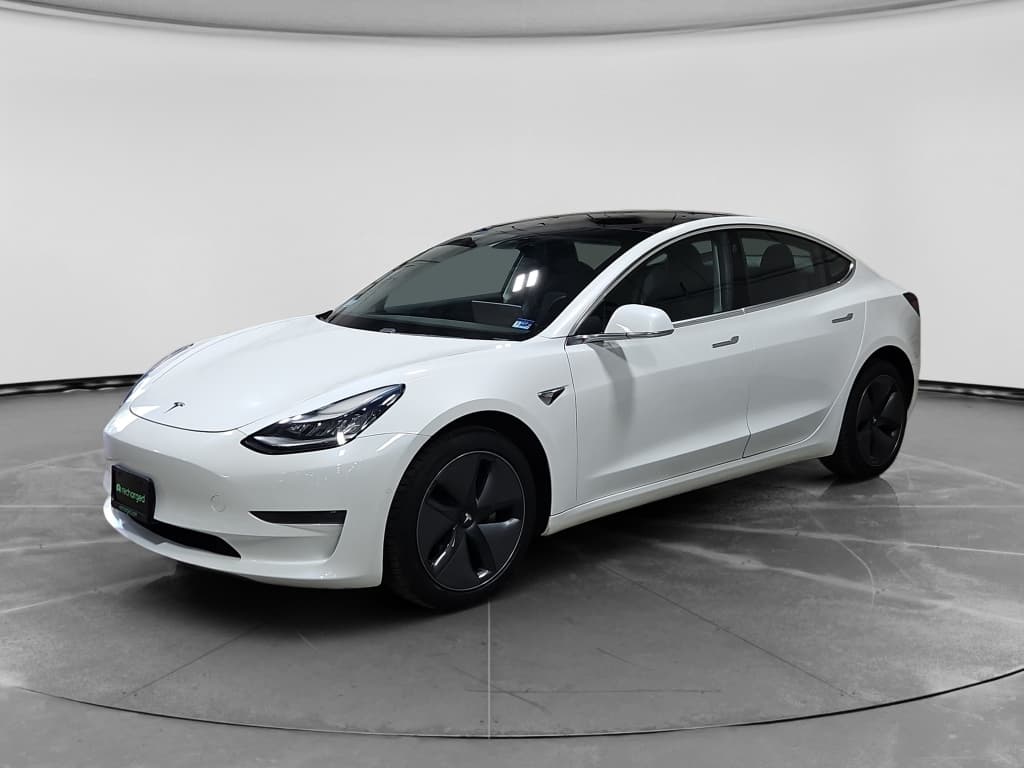
Still the most recognizable EV brand in the world and the dominant producer in the U.S. by volume.
- Strengths: Efficient powertrains, vast Supercharger network, strong software and OTA updates.
- Watch for: Build quality variation, rapid pricing changes that can affect resale.
BYD (China)
Currently the world’s largest EV producer by volume, with strong sales in China, Europe, and emerging markets.
- Strengths: In‑house batteries, affordable models, growing export footprint.
- Watch for: Limited direct presence and service infrastructure in the U.S. (for now).
Geely Group (China/Global)
A diversified group behind brands like Geely, Zeekr, Volvo, Polestar, and Lotus.
- Strengths: Broad lineup from mass‑market to premium, strong European footprint.
- Watch for: Different brands have very different positioning and dealer support.
Volkswagen Group (Europe)
Includes VW, Audi, Škoda, Cupra, and Porsche. Big push into dedicated EV platforms (MEB, PPE).
- Strengths: Wide dealer network, improving software, solid driving dynamics.
- Watch for: Earlier software issues; quality can vary by brand and model generation.
Hyundai & Kia (Korea)
Part of Hyundai Motor Group, these brands build some of the most technically advanced EVs.
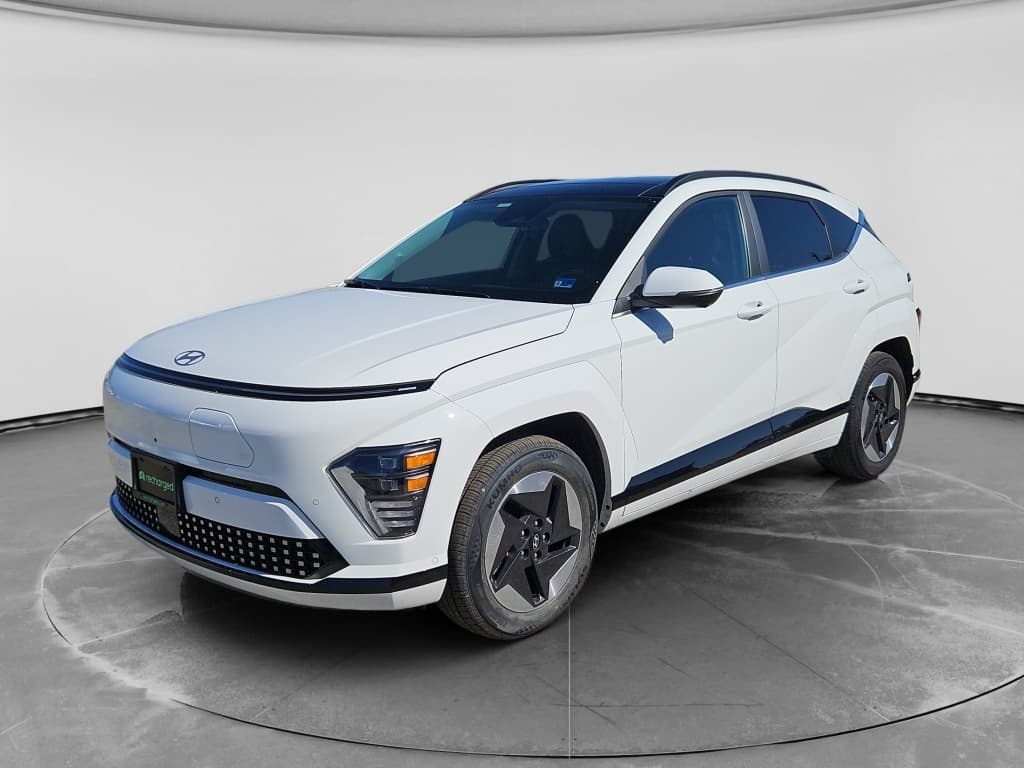
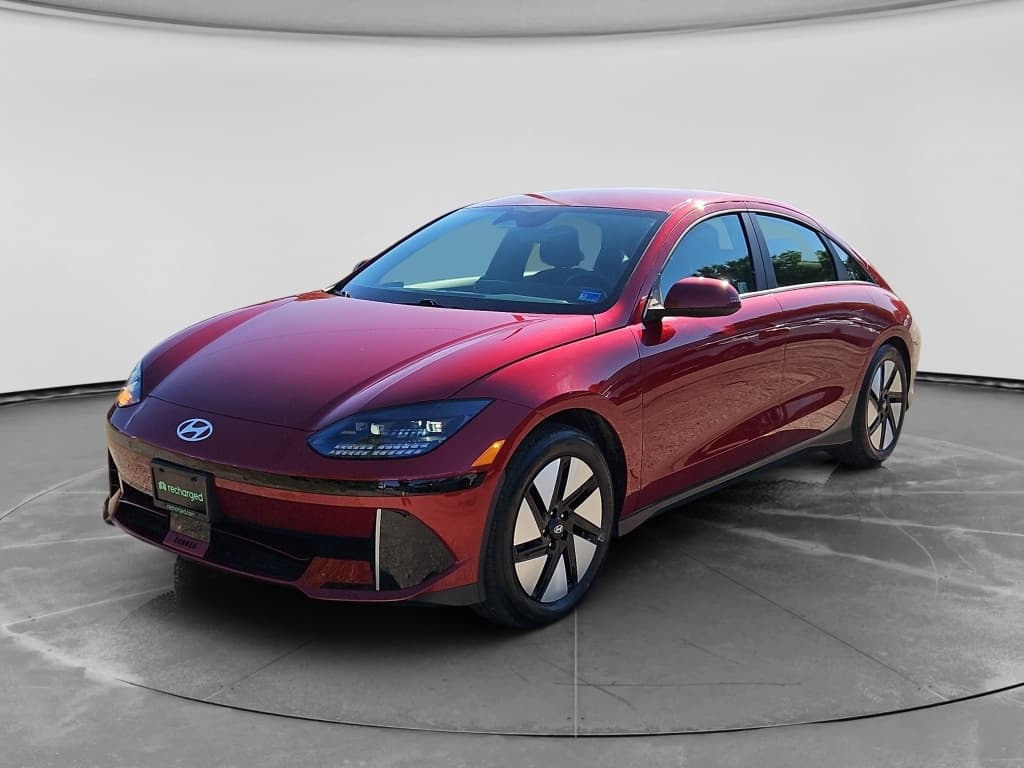
- Strengths: 800‑V E‑GMP platform (Ioniq 5/6, EV6), very fast DC charging, strong warranties.
- Watch for: Availability by region, dealer familiarity with EV service.
Other key players
Stellantis (Jeep, Peugeot, Fiat), BMW, Mercedes‑Benz, SAIC (MG), Changan, Chery, and others round out the market.
Some are more common in Europe or Asia than in the U.S., but they still shape technology and pricing across the industry.
Regional view: EV brands in the U.S., Europe, and China
United States
In the U.S., Tesla is still the dominant electric car producer by sales and charging footprint. But when you shop used, you’ll also see:
- Hyundai/Kia: Ioniq 5/6, EV6, Kona/Kia Niro EV.
- Ford: Mustang Mach‑E, F‑150 Lightning.
- GM: Chevrolet Bolt EV/EUV, Cadillac Lyriq, Ultium‑based SUVs and pickups.
- Volkswagen: ID.4 and, increasingly, ID.7.
Chinese brands are largely absent from the U.S. new‑car market because of tariffs and political pressure.
Europe
Europe sees a much more mixed field of electric car producers:
- Volkswagen Group: VW ID‑series, Audi Q4 e‑tron, Škoda Enyaq.
- Stellantis: Peugeot, Opel/Vauxhall, Fiat, Citroën EVs.
- Renault Group: Renault Megane E‑Tech, Dacia Spring.
- Chinese entrants: BYD, MG (SAIC), NIO, XPeng, and others pushing into the market.
Many of these cars eventually show up in the used market that Recharged watches closely as trends cross the Atlantic.
China
China is the world’s largest EV market and home to several volume leaders:
- BYD: Extensive lineup from budget to premium (Dolphin, Seal, Han, etc.).
- Geely Group: Geely, Zeekr, Lynk & Co, plus Volvo and Polestar ties.
- SAIC: MG brand exported to Europe, UK, and other regions.
- Changan, Chery, GAC Aion: Rapidly expanding EV portfolios and exports.
These producers are shaping global pricing and technology even if their logos aren’t yet common on U.S. roads.
Tariffs and regulations matter
How producers differ on tech, batteries, and charging
Two EVs can look similar on paper, same range, similar 0–60 time, but the technology under the skin can be very different depending on the producer. Here are the areas where manufacturers really diverge.
Key technology choices by producer
These decisions affect how an EV feels to drive and age over time.
Battery chemistry & pack design
BYD is famous for its LFP “Blade” batteries, chemistry that’s less energy‑dense but very durable and tolerant of frequent fast charging.
Tesla mixes chemistries: LFP in some entry models, nickel‑rich cells in long‑range versions. Korean and European producers mostly rely on nickel‑based chemistries, though LFP is spreading in lower‑cost trims.
Pack design influences safety, crashworthiness, and repairability, which all matter for used buyers.
Charging standards & speed
North America is transitioning to the NACS connector that Tesla developed. Ford, GM, Hyundai/Kia, and many others are adopting it, while CCS is gradually being phased out on new models.
Producers also differ on charging curves. Hyundai/Kia’s E‑GMP platform and some premium German EVs can sustain very high fast‑charge rates, cutting road‑trip time.
Software & driver assistance
Tesla set the bar for over‑the‑air updates and driver‑assist systems, but Hyundai, Kia, GM, and German premium brands have closed a lot of the gap.
Some Chinese producers push advanced in‑car tech (big screens, voice control), but software support outside China can be inconsistent today.
Safety, recalls, and durability
Top producers invest heavily in crash structures, battery protection, and rigorous testing. Others are still learning in real time.
Look at a brand’s recall history, warranty terms, and real‑world battery health. Tools like the Recharged Score Report can separate marketing from reality by measuring actual pack condition on the specific car you’re considering.
Why battery chemistry shows up in daily life
Legacy automakers vs new EV specialists
If you’re cross‑shopping a Tesla Model 3 against a Hyundai Ioniq 5 or a Volkswagen ID.4, you’re already dealing with different types of producers. Some are EV‑only specialists, while others are traditional automakers adapting decades of gasoline experience to the electric age.
EV specialists (Tesla and a few Chinese brands)
- All‑in on EVs: No internal combustion business to protect, so the entire company is optimized around electric drivetrains.
- Software‑first: OTA updates are standard; new features can arrive years after you buy the car.
- Charging ecosystem: Tesla’s Supercharger network remains best in class for reliability.
The tradeoff? Physical retail and service coverage can be thinner than traditional dealer networks in some regions, and build quality can be hit‑or‑miss on certain production runs.
Legacy automakers (VW, Hyundai/Kia, Ford, GM, BMW, etc.)
- Established dealer/service footprint: Easier to find a shop that can perform basic repairs and maintenance locally.
- Mixed product line: EVs share shelf space (and sometimes engineering resources) with gasoline models.
- Transitional strategies: Some brands are fully committed to EVs long‑term; others are hedging with hybrids.
For a used buyer, that means you can often get more traditional ergonomics and dealer support, but software and charging integration may feel less seamless than on a Tesla or top‑tier Korean EV.
Good news for used buyers
How to evaluate brands when buying a used EV
Knowing which producer built the car is a starting point, not the finish line. When you’re looking at individual used EVs, you want to go from “brand reputation” to “this specific car, with this specific battery, at this specific price.”
Brand factors to weigh on a used EV
1. Battery track record
Research known battery issues for the brand and model, early Nissan Leaf and some first‑gen Bolt EVs, for example, have well‑documented concerns. Then confirm actual battery health on the individual car rather than relying on the dash gauge.
2. Charging ecosystem
Ask how easily that brand integrates with the charging networks you’ll actually use. A Tesla or NACS‑equipped EV has seamless Supercharger access; some CCS cars will depend more on third‑party fast chargers, which can vary in reliability by region.
3. Software support & updates
Is the producer still actively updating this model’s software? Some older EVs see fewer OTA updates or require dealer visits for new features or bug fixes.
4. Warranty coverage
Check remaining battery and powertrain warranty in years and miles, not just the headline figure. Some producers offer longer coverage (e.g., 8 years/100,000–150,000 miles) than others.
5. Service and parts availability
Can you get the car serviced within a reasonable driving distance? Some smaller or newer producers may have limited footprints, which matters more as the vehicle ages.
6. Resale and depreciation
Look at how similar cars from that producer hold value over 3–5 years. Heavy discounting on new models can push used prices down, which is a plus if you’re buying today but may affect your resale later.
Don’t skip objective battery health checks
Quick comparison of major electric car producers
Snapshot of major electric car producers (2025)
High‑level view only, individual models can be better or worse than the brand average.
| Producer / Group | Typical Role in U.S. Market | Charging Strength | Battery/Warranty Reputation | Used‑Market Notes |
|---|---|---|---|---|
| Tesla | Dominant EV share; Model 3/Y very common used | Supercharger access, NACS standard | Generally strong efficiency; mixed build quality; active OTA updates | High brand recognition; strong demand but subject to rapid price swings. |
| Hyundai & Kia | Rapidly growing; Ioniq 5/6, EV6, Kona/Niro EV | Very fast DC charging on E‑GMP cars; NACS adoption underway | Good warranties; solid real‑world degradation so far | Often strong value used with modern tech and range. |
| Volkswagen Group | ID.4 most visible; more models coming | Improving access to fast charging via partnerships | Early software issues; hardware good on later builds | Pricing can be attractive on earlier ID.4s if software is updated. |
| Ford | Mustang Mach‑E and F‑150 Lightning notable | Transitioning from CCS to NACS; decent fast‑charge performance | Actively refining software; battery performance still being proven long‑term | Useful if you need a performance SUV or electric pickup. |
| GM | Bolt EV/EUV, newer Ultium‑based models | Ultium models tuned for fast charging; NACS adoption planned | Early Bolt packs had recall issues; newer packs much improved | Bolts are some of the most affordable used EVs, battery status is the key variable. |
| BYD & Chinese groups | Little direct U.S. presence today; big global influence | Strong fast‑charging performance on many models; home‑market focus | In‑house cells (BYD), aggressive innovation; U.S. data limited | You’ll mainly feel their impact through pricing pressure on other brands for now. |
Use this as a starting point, then drill into the specific model and battery health of any used EV you’re considering.
Checklist: choosing the right EV producer for you
Brand rankings in articles and market‑share charts are interesting, but your choice comes down to how you’ll use the car, where you live, and what you value most. Use this quick decision checklist to narrow the field.
Choosing between different electric car producers
Define your primary use case
Is this an urban commuter, family road‑trip vehicle, work truck, or all‑around daily driver? Tesla and Hyundai/Kia tend to shine on road trips; compact EVs from multiple producers work well for shorter daily commutes.
Map your charging reality
Check which fast‑charging networks are strong along your routes. If Tesla Superchargers are everywhere you drive, leaning toward Tesla or NACS‑equipped models from Ford, GM, or Hyundai/Kia makes sense.
Decide how much you care about software polish
If you want frequent updates, slick infotainment, and advanced driver assistance, Tesla, Hyundai/Kia, and higher‑end German brands are often strongest. If you prefer a simple, familiar interface, some legacy brands may suit you better.
Balance budget vs brand prestige
A slightly less fashionable badge from a solid producer can deliver more range or features for the same money on the used market. Let the numbers and battery health drive the decision, not the logo alone.
Plan for at least five years
Ask whether the producer is likely to keep supporting this platform with parts and software. A company that has publicly recommitted to EVs, and is still building related models, is a safer bet.
Leverage independent reports
Instead of trusting marketing claims, use independent evaluations. On Recharged, every used EV gets a <strong>Recharged Score Report</strong> with fair‑market pricing, battery health, and condition details so you can compare cars from different producers on a level playing field.
FAQ: electric car producers and used EVs
Frequently asked questions about electric car producers
Bottom line: how to use this when you buy
The landscape of electric car producers is changing quickly. Chinese brands like BYD and Geely now move more EVs worldwide than many legacy giants, while Tesla remains the reference point for EVs in the United States. Legacy makers such as Volkswagen, Hyundai/Kia, Ford, and GM are closing the gap, offering capable EVs with better charging and software every year.
For you as a shopper, especially if you’re eyeing a used EV, the key is to treat the producer as context, not destiny. Brand reputation can guide you, but the real decision hinges on the individual car: its battery health, warranty coverage, charging compatibility, and price relative to the market.
That’s exactly where Recharged comes in. Every vehicle we sell includes a Recharged Score Report with verified battery diagnostics, transparent pricing, and EV‑specialist support from search to delivery. Whether you end up in a Tesla, a Hyundai, a Volkswagen, or something more niche, you’ll know you’re getting the right car from the right producer for the way you actually drive.